Ease Medical Apparatus And Instruments
Ease Medical Apparatus And Instruments
Ease Medical Apparatus And Instruments
For decades, internal fixation of long bone fractures has relied on plate systems or intramedullary (IM) nailing. Modern clinical research strongly supports the use of intramedullary nails, particularly for load-bearing bones such as the femur, tibia, and humerus. Designed to be inserted directly into the medullary canal, IM nails act as internal splints. Compared to traditional bone plates, they offer significant mechanical advantages, including minimal disruption of the periosteal blood supply, reduced soft tissue dissection, and axial loading distribution closer to the bone's neutral axis.
Global orthopedic supply chains prioritize manufacturers that utilize advanced metallurgical engineering, strict biological testing, and precision CNC fabrication. The shift toward minimally invasive surgical techniques, coupled with an aging global population and rising rates of trauma cases, has intensified the demand for highly reliable, biocompatible, and fatigue-resistant intramedullary nail systems.
The intramedullary nail market features a mix of multi-national medical technology giants and specialized, high-capacity contract manufacturing organizations (CMOs) that drive OEM/ODM production. The following analysis highlights the characteristics defining the top global manufacturers:
Widely recognized for their pioneer Expert and TFNA (Trochanteric Fixation Nail Advanced) systems. They set the baseline for instrumentation precision and anatomical design configurations globally.
Innovators of the Gamma3 and T2 locking nail systems. Stryker is highly regarded for its advanced mechanics in intertrochanteric and subtrochanteric femoral fractures.
Providers of the Natural Nail System, focusing on biomechanical optimization and anatomical curvatures matching natural bone morphology.
Developers of the TRIGEN intramedullary system. They specialize in wear-resistant coatings and specialized alloys to support complex reconstructive cases.
A leading European manufacturer producing the Targon nail range, offering high mechanical durability and structured surgical steps.
Specializes in modular nail options. They integrate dynamic locking mechanisms to promote early mechanical weight-bearing and callus formation.
Noted for spinal and trauma divisions utilizing advanced CAD integrations for complex reconstructions and minimally invasive trauma pathways.
Delivers global orthopedic platforms designed for complex reconstruction, incorporating digital navigation interfaces for implant positioning.
Recognized for extremities-focused nailing systems, offering dedicated anatomical solutions for distal tibial, clavicle, and fibular trauma reconstruction.
Providing direct competition to Western giants, modern Chinese operations leverage state-of-the-art multi-axis CNC technology, full MDSAP compliance, and raw material traceability to supply global markets at sustainable price points.
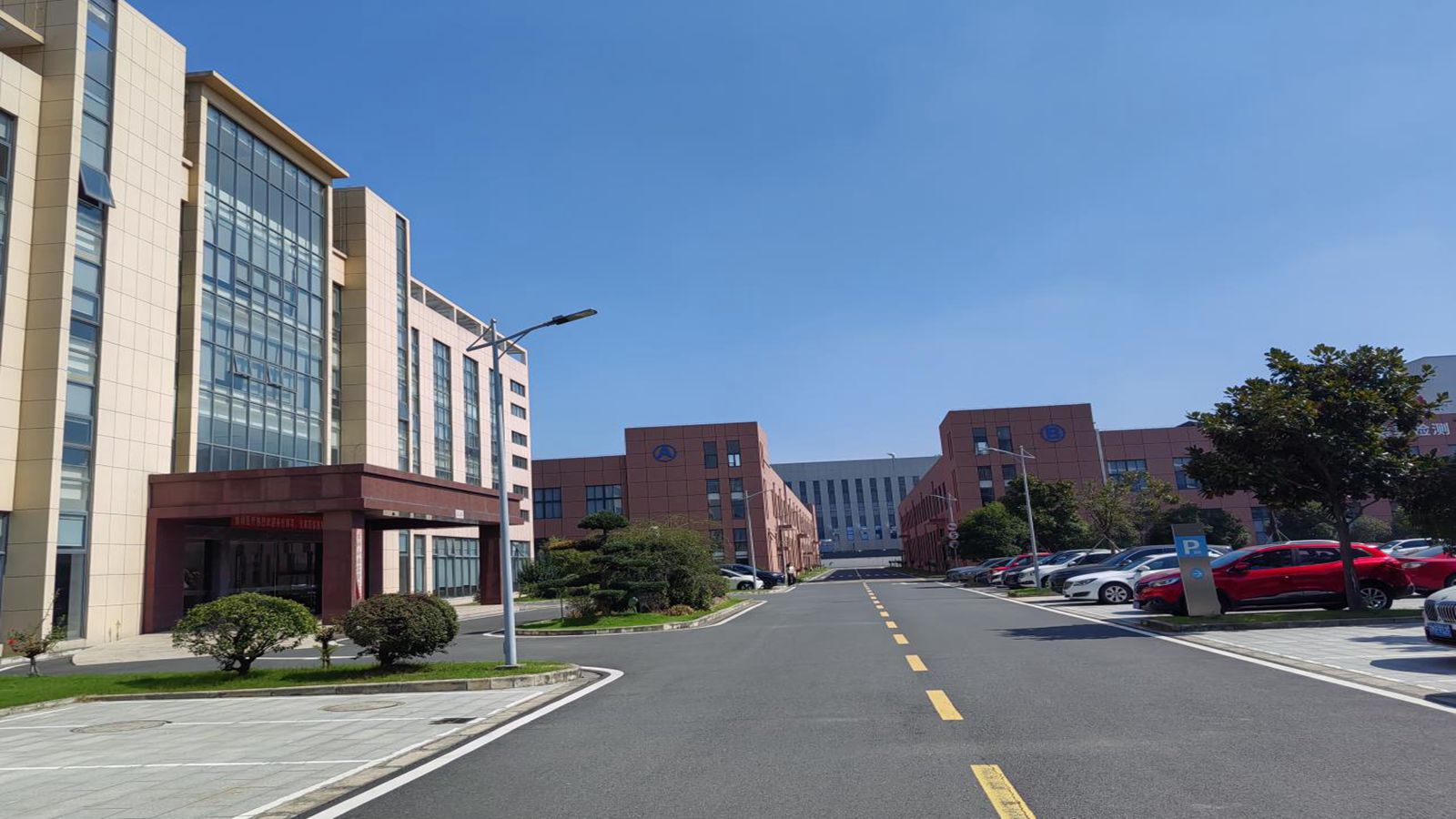
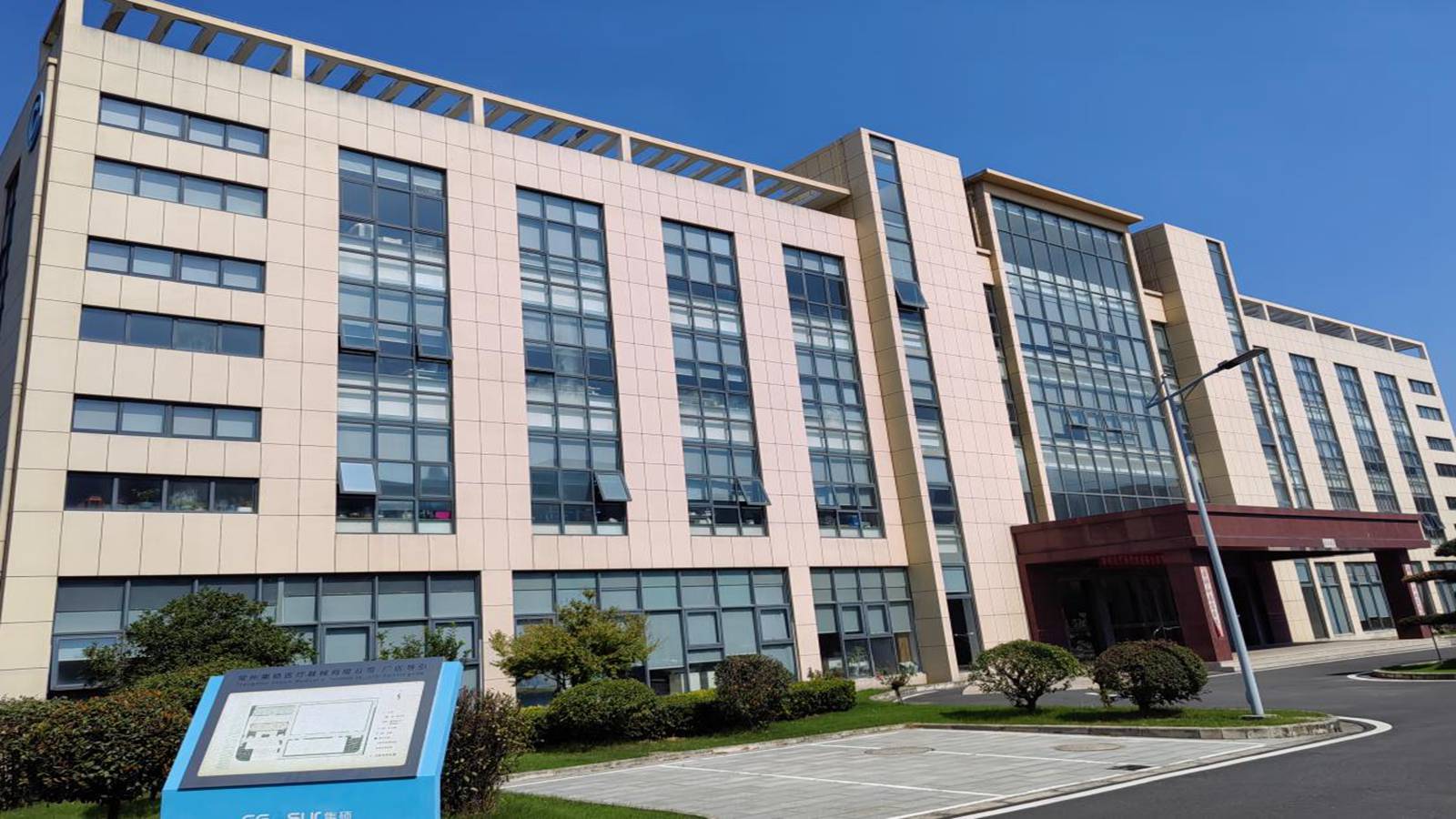
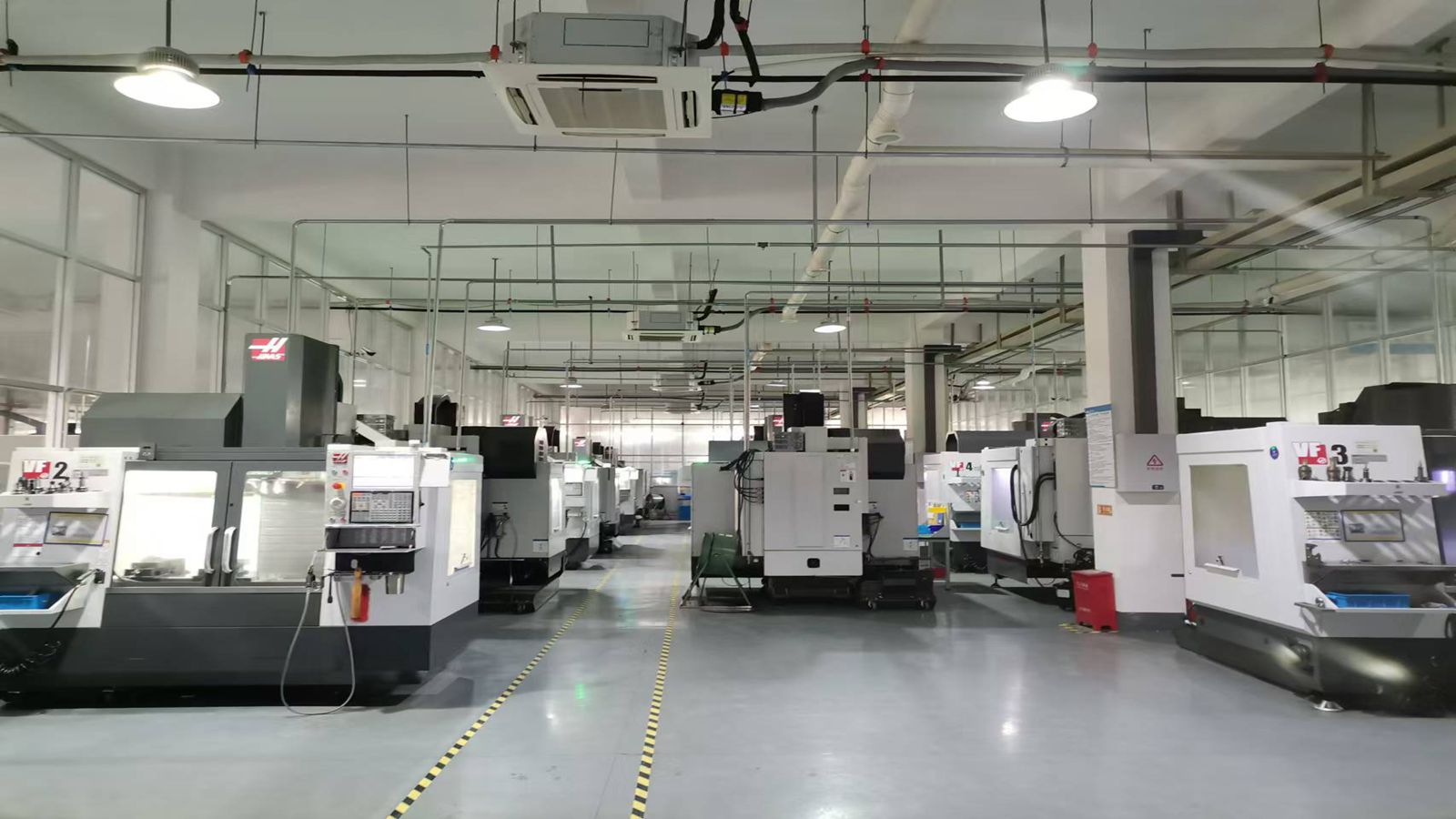
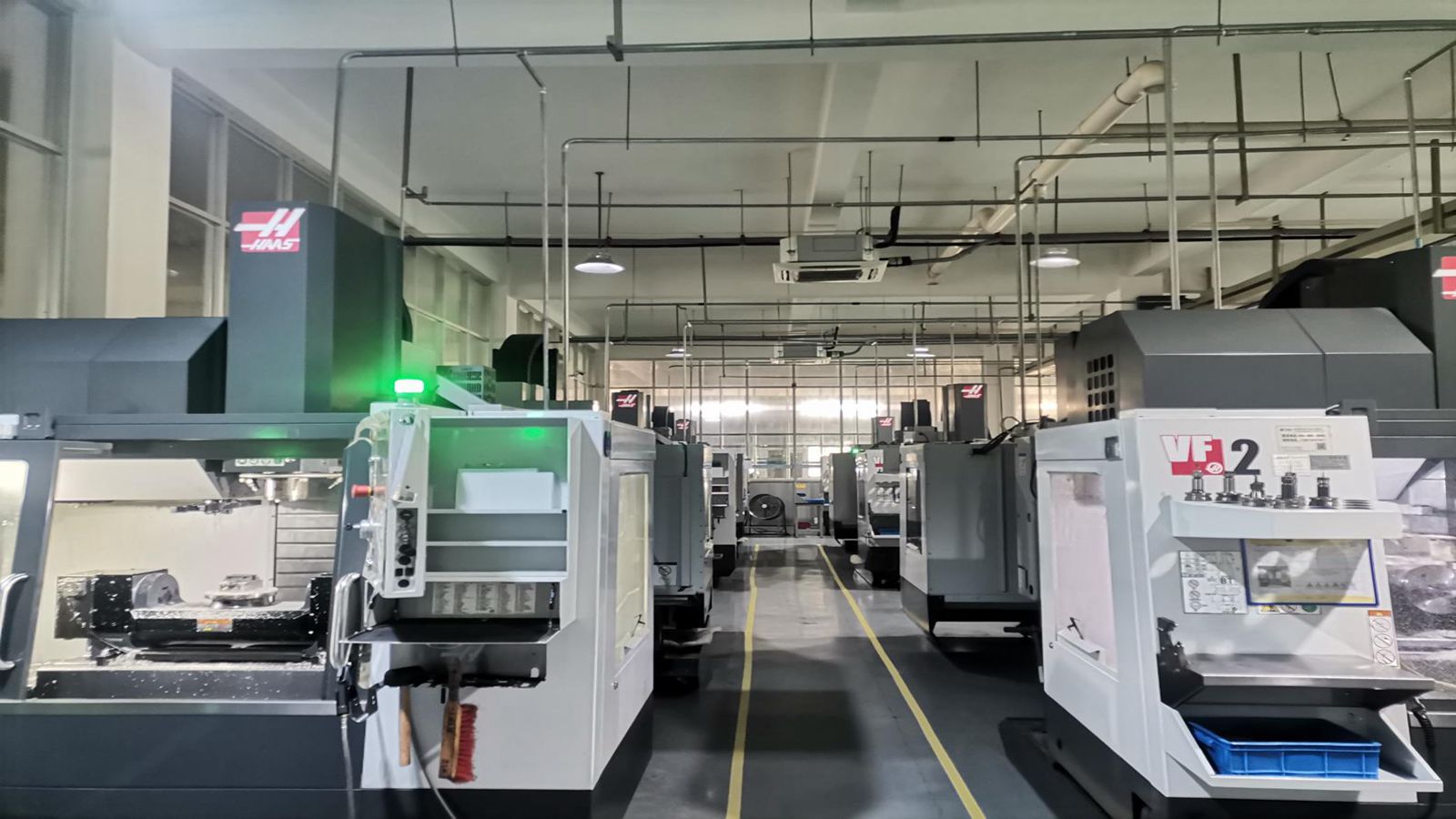
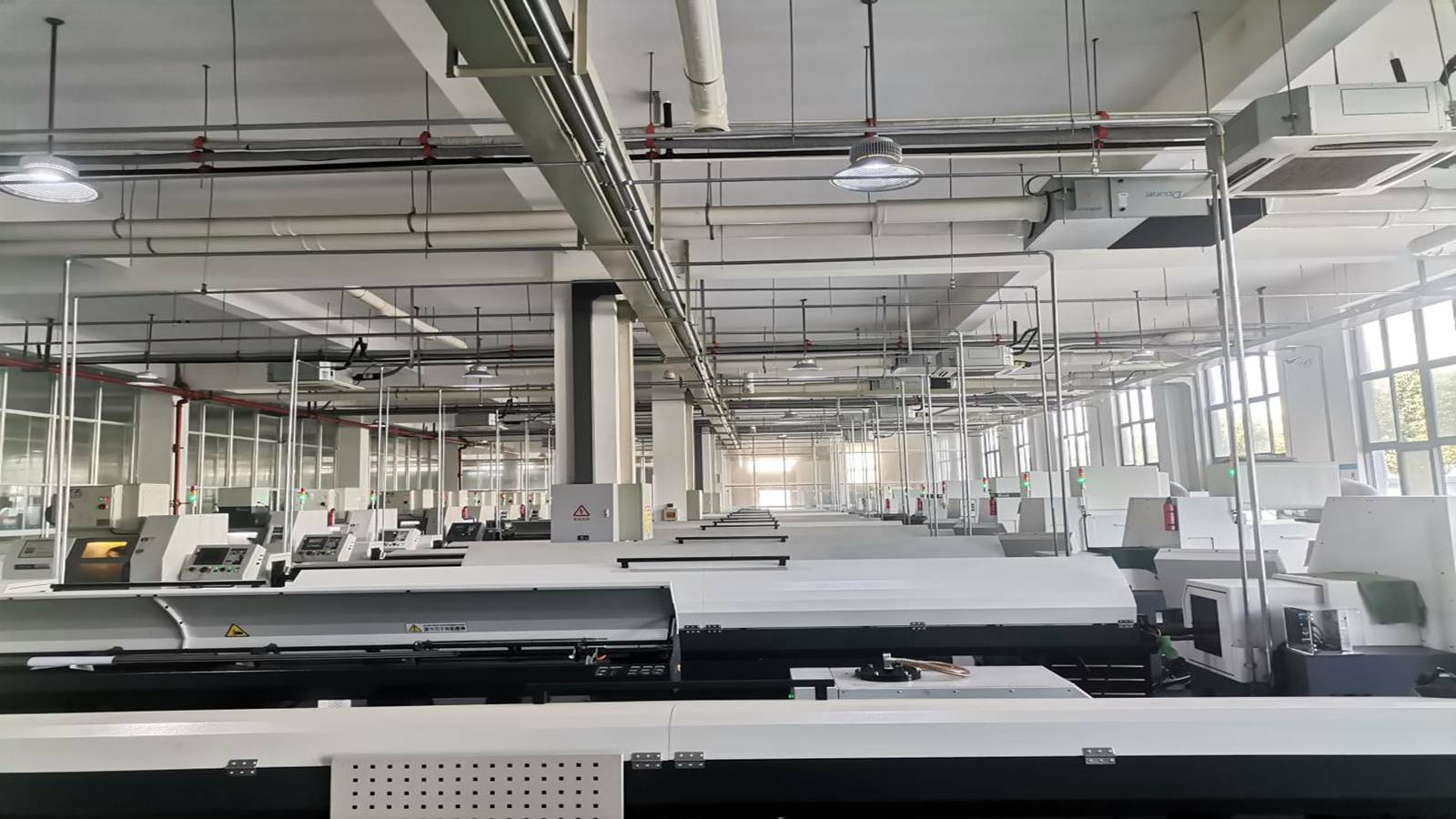
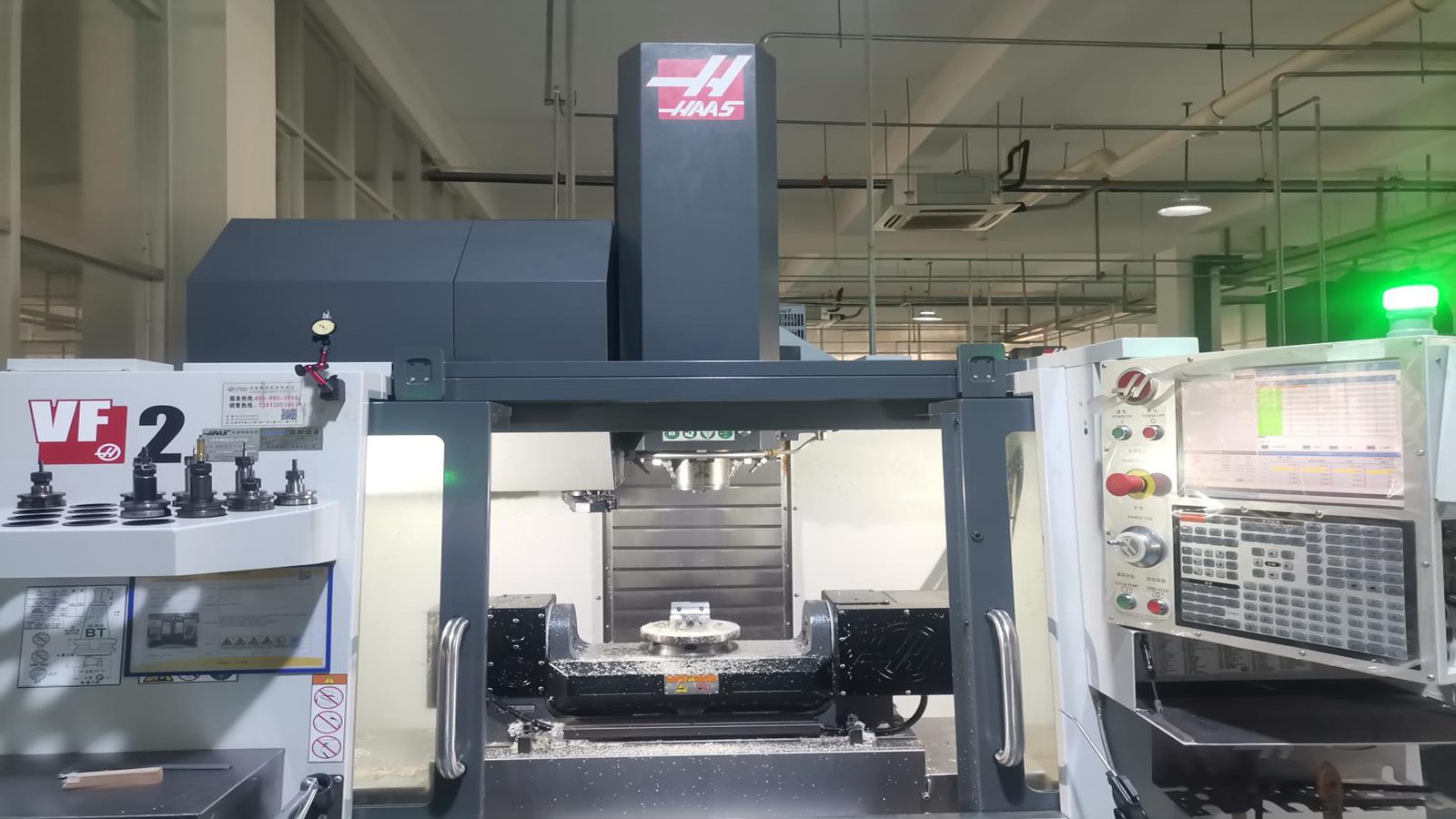
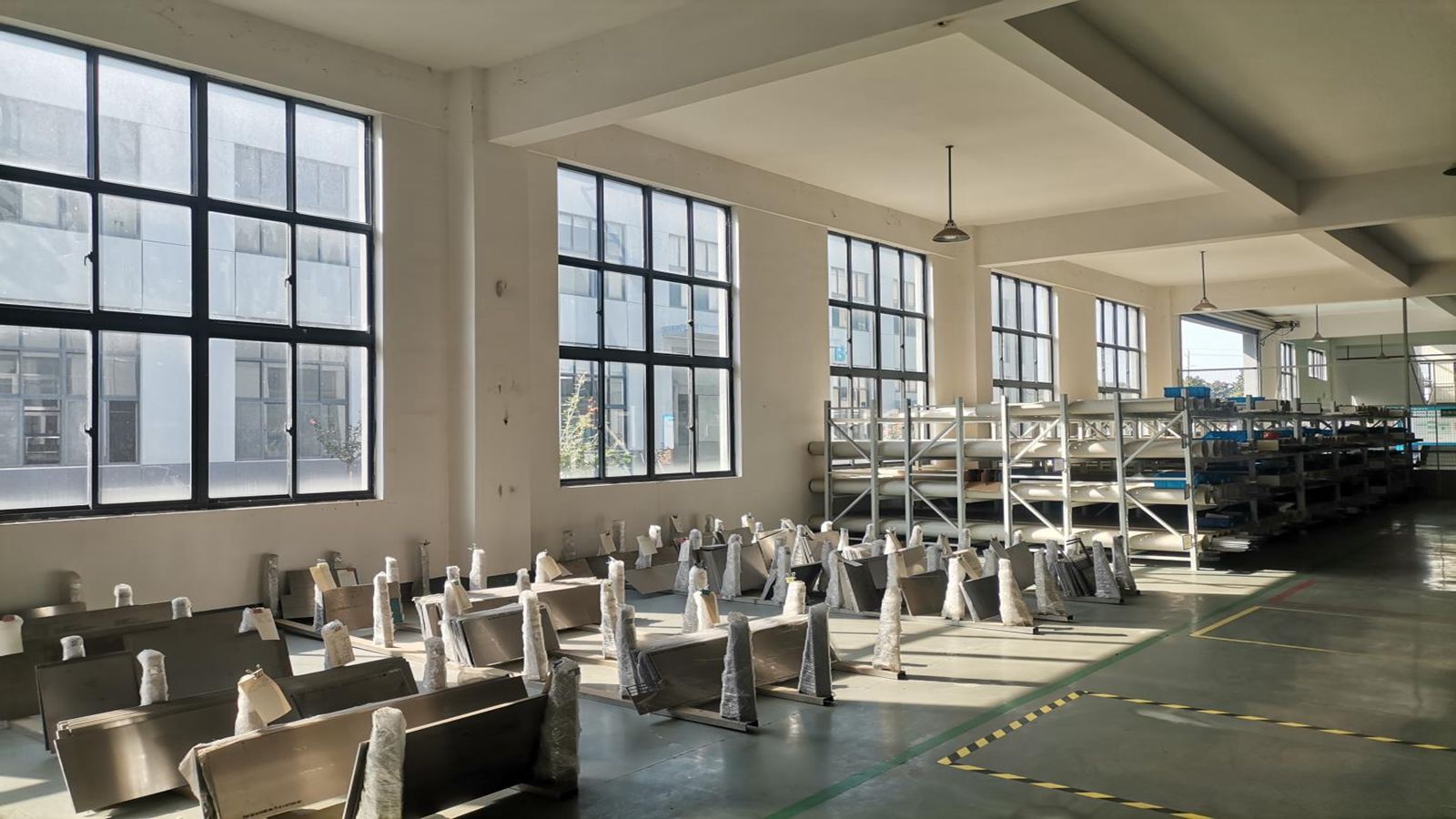
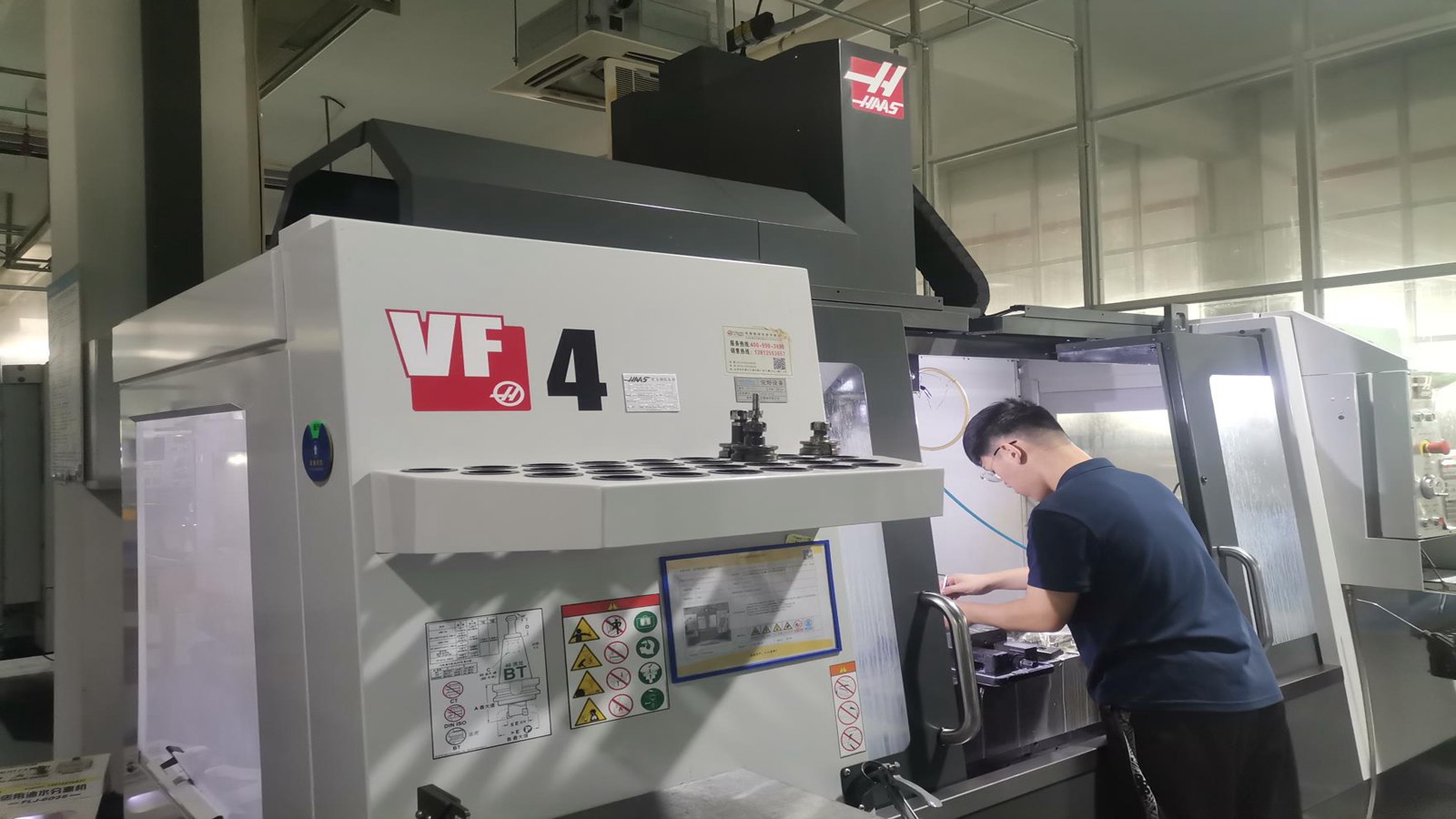
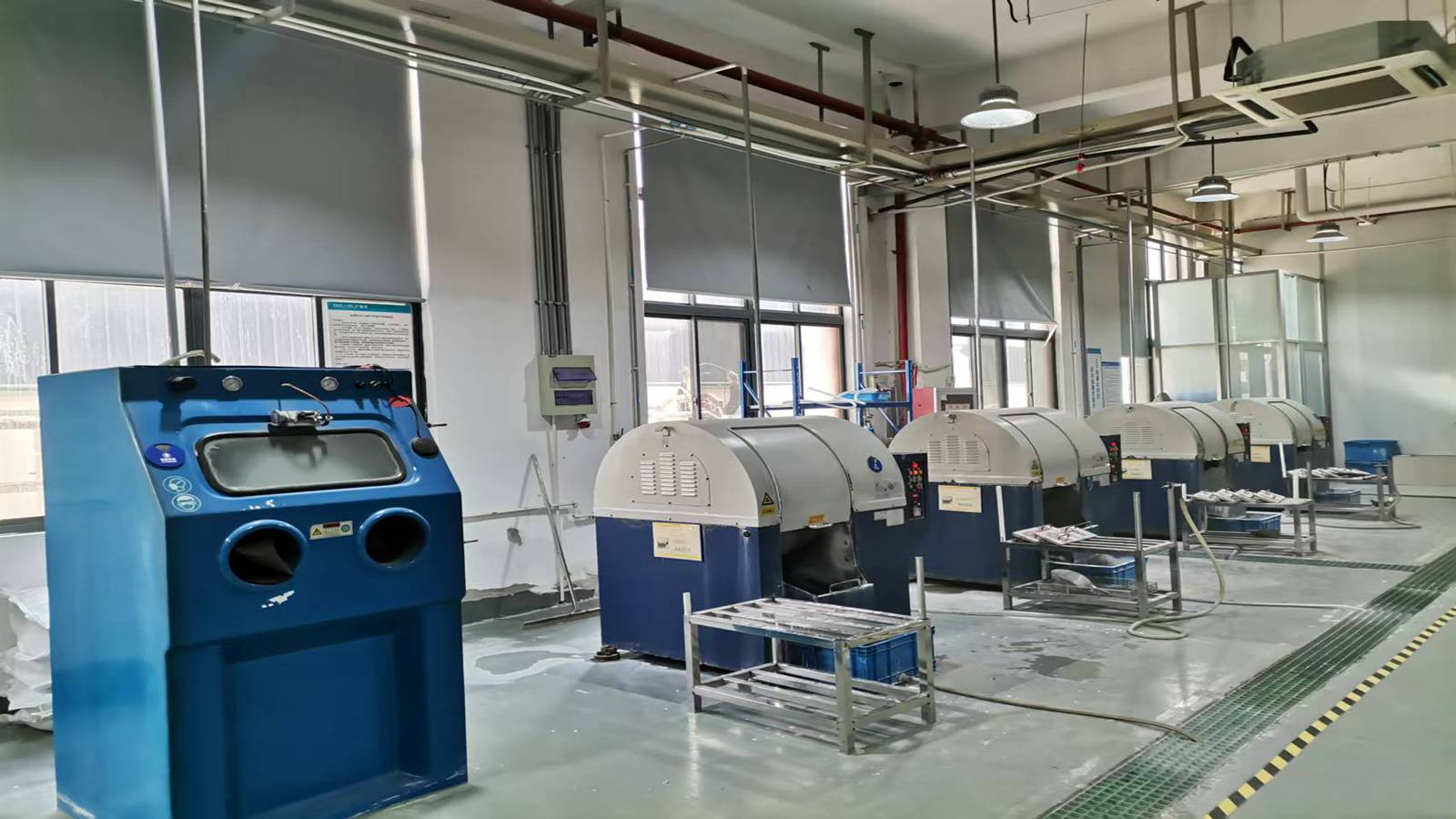
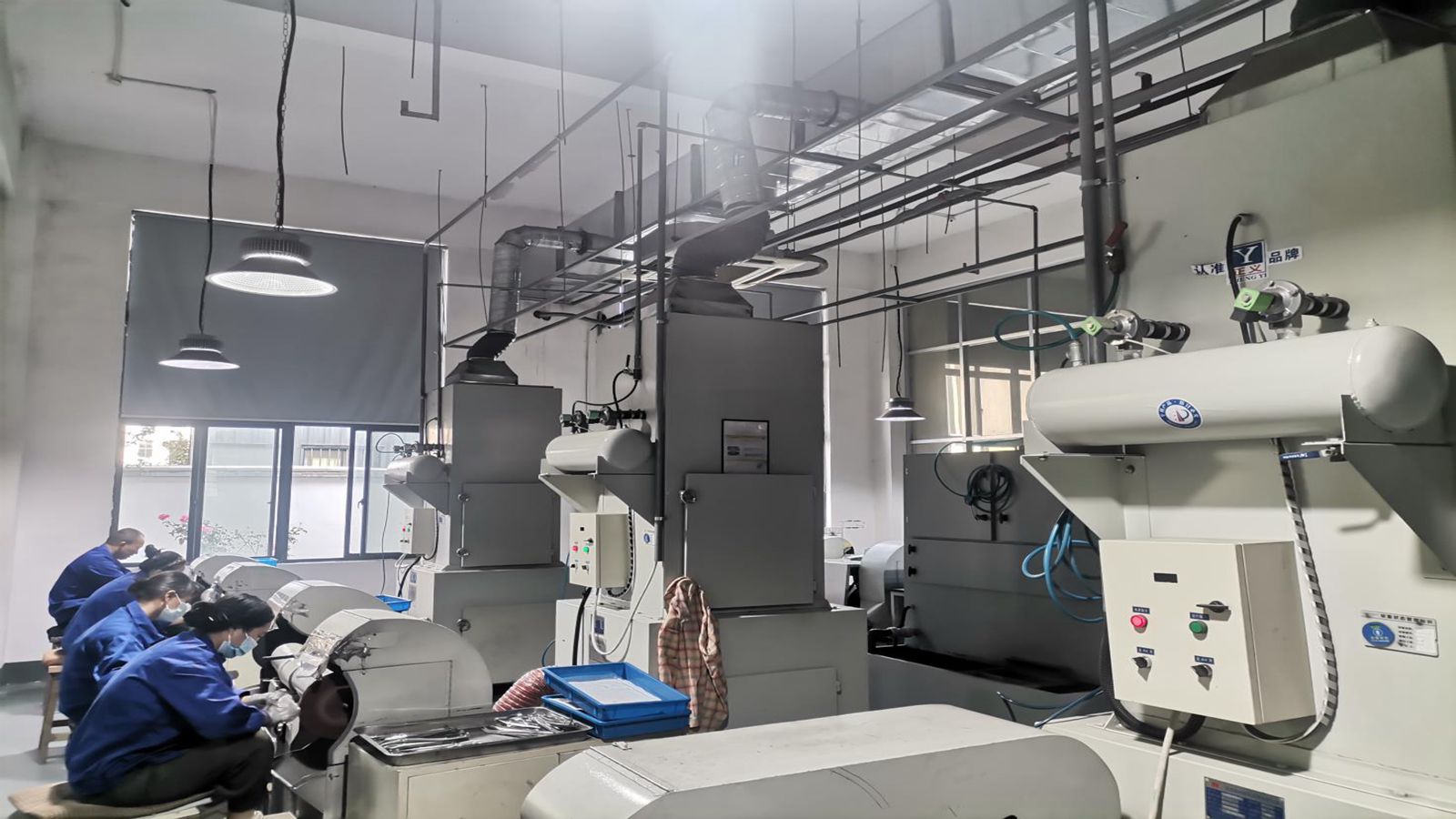
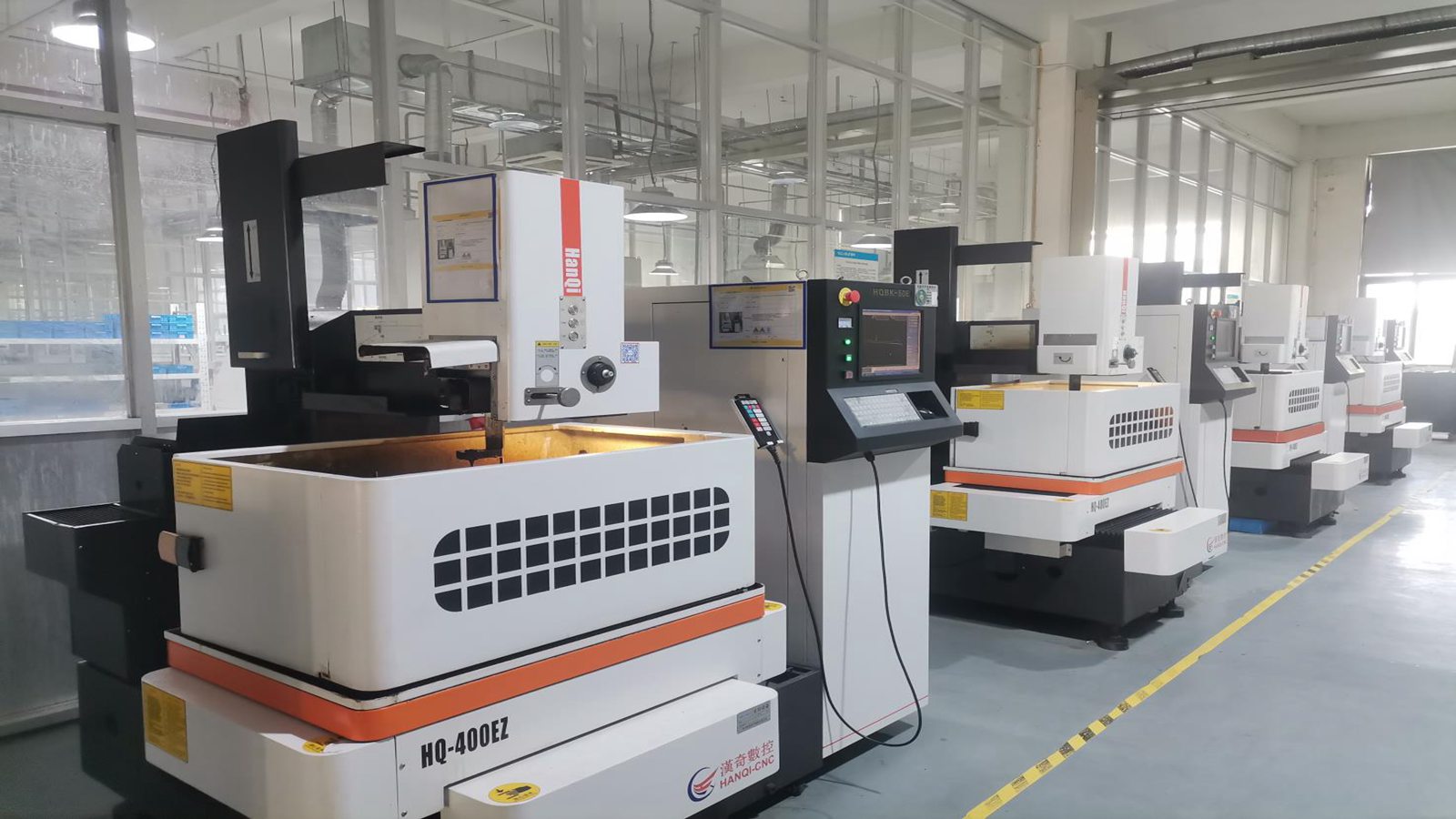
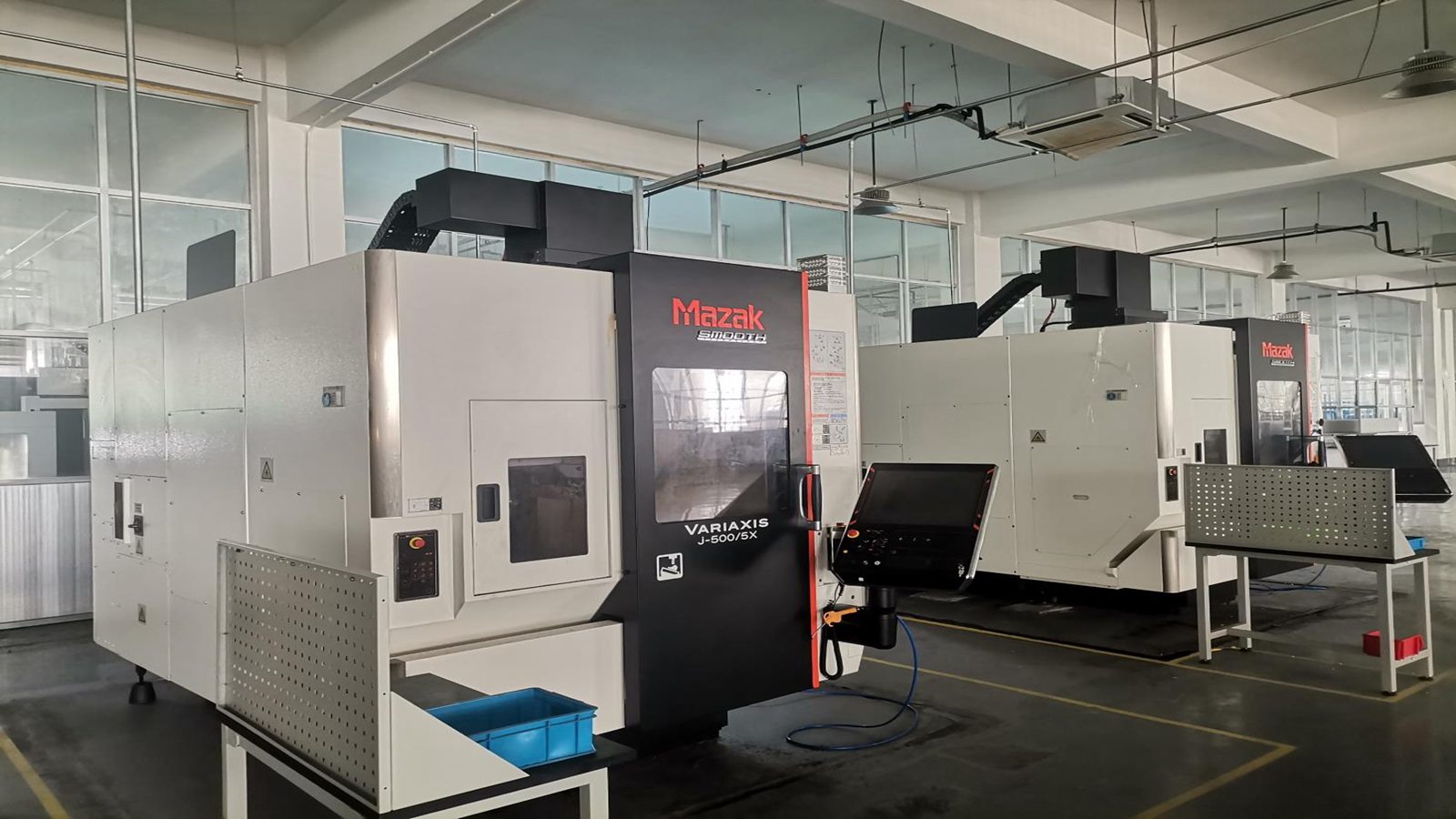
To support high-volume global orthopedic procurement, a manufacturer's infrastructure must undergo strict verification. Below is the operational footprint of our primary manufacturing facility, showing capacity, equipment, and R&D backing:
Images below showcase our cleanrooms, precision CNC centers, testing labs, and state-of-the-art packaging stations:
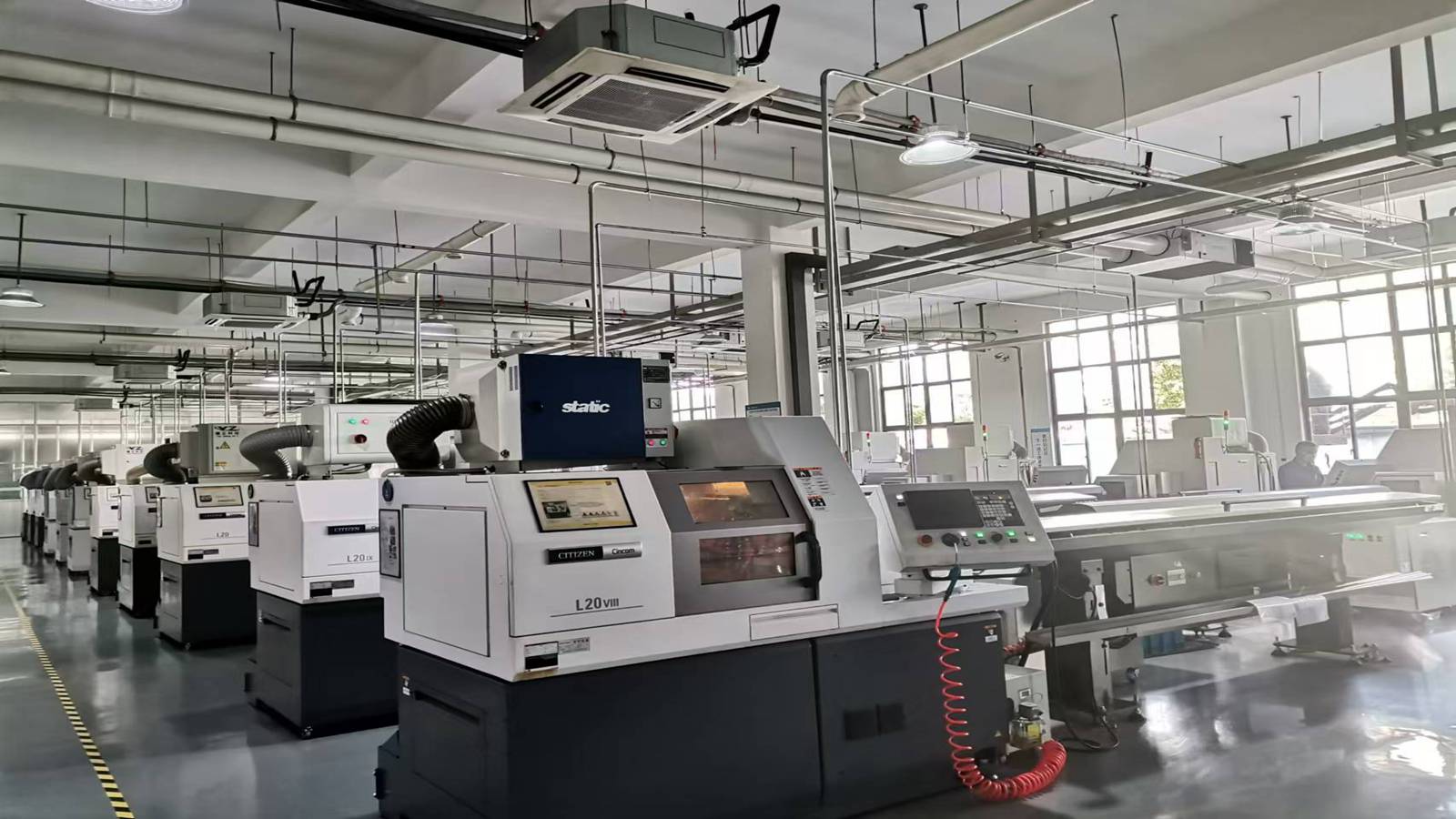
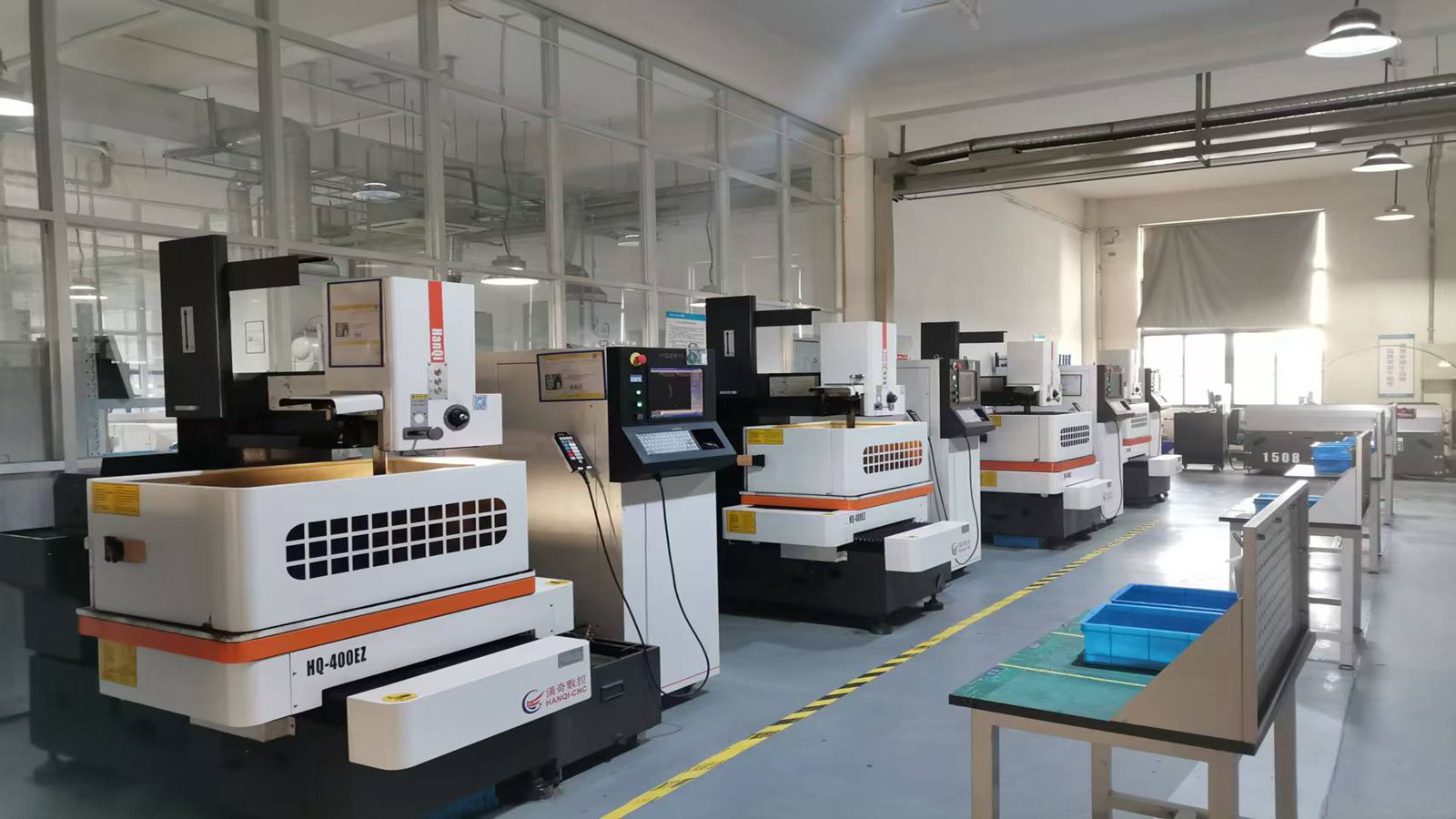
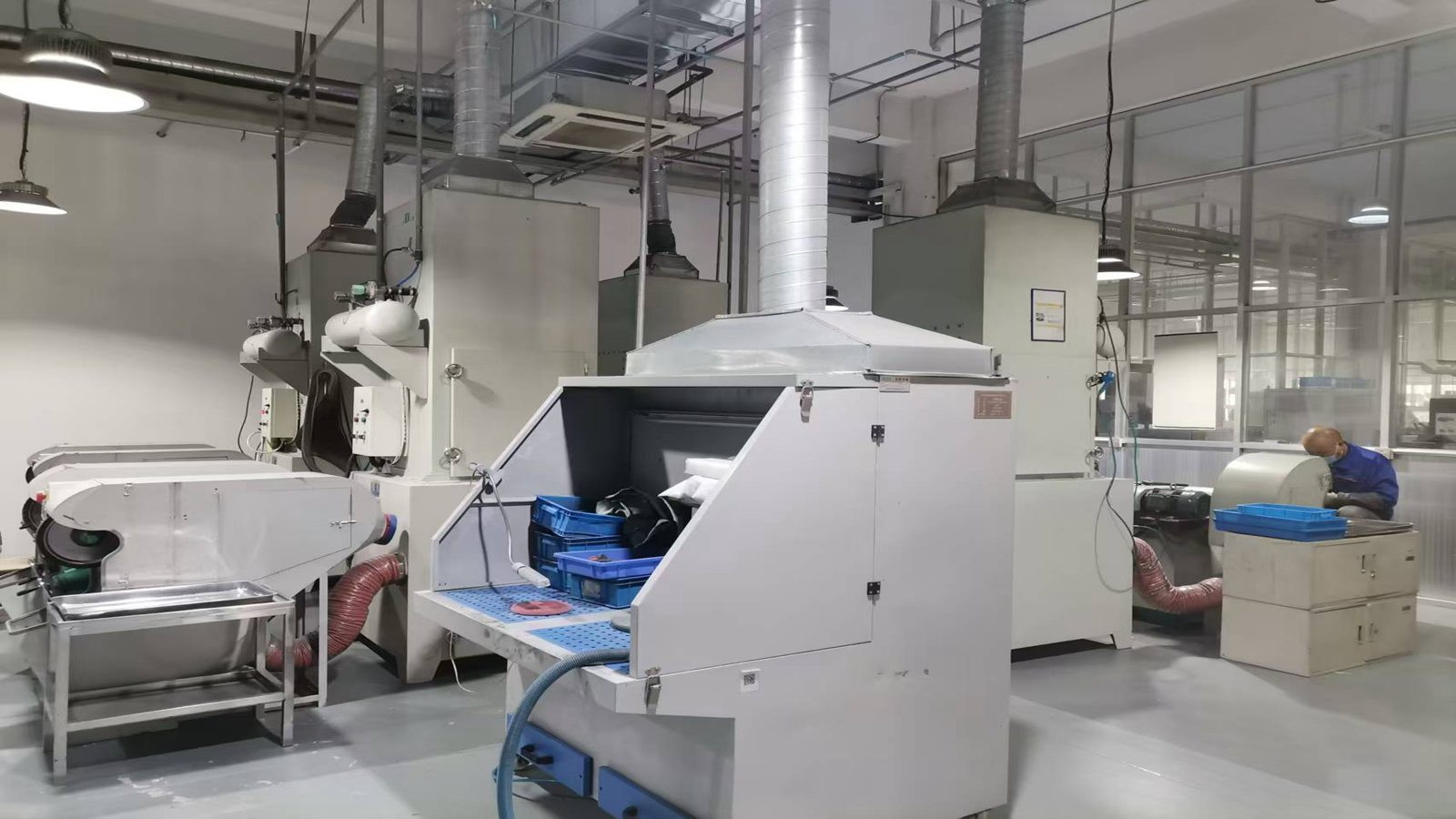
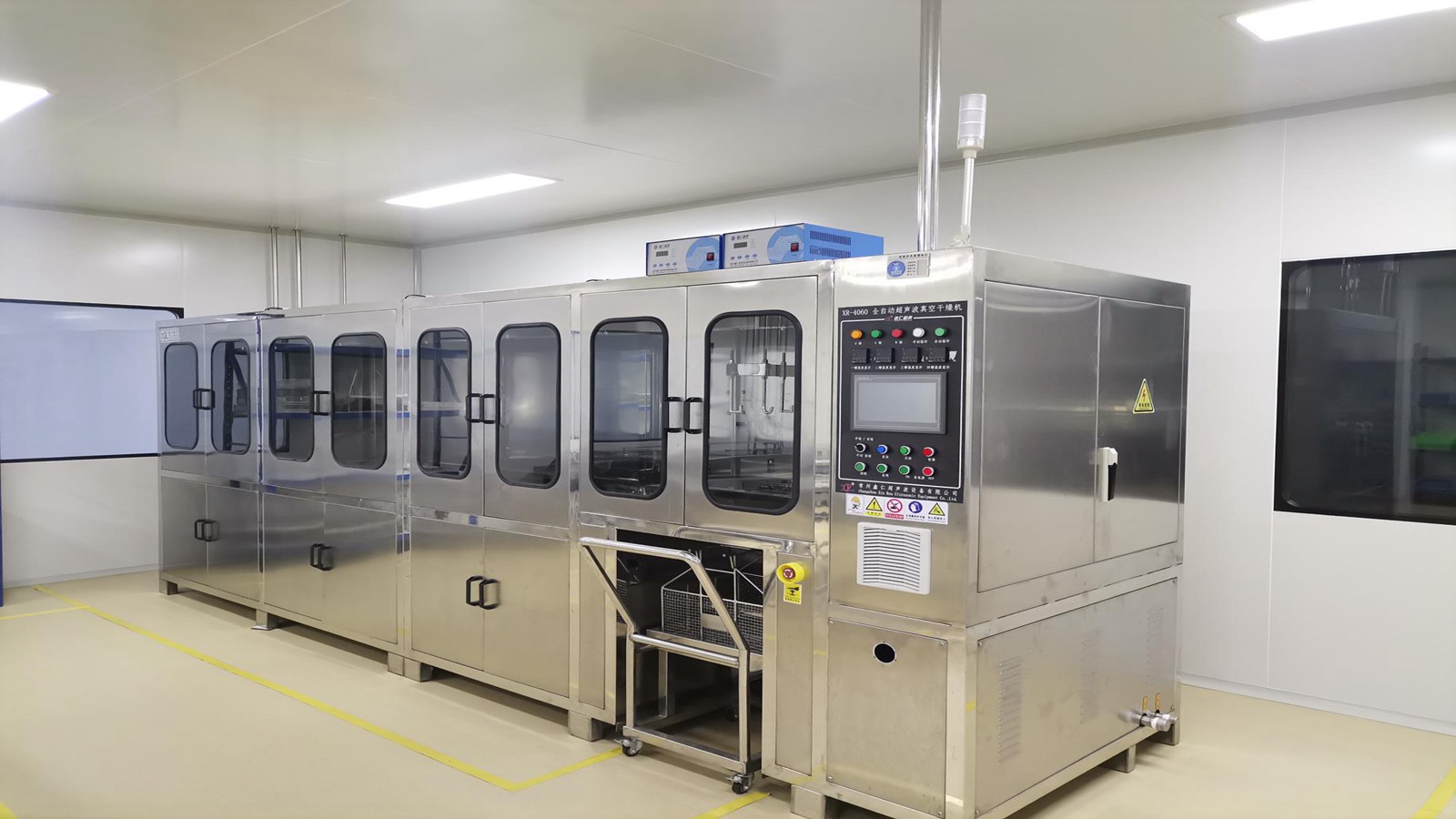
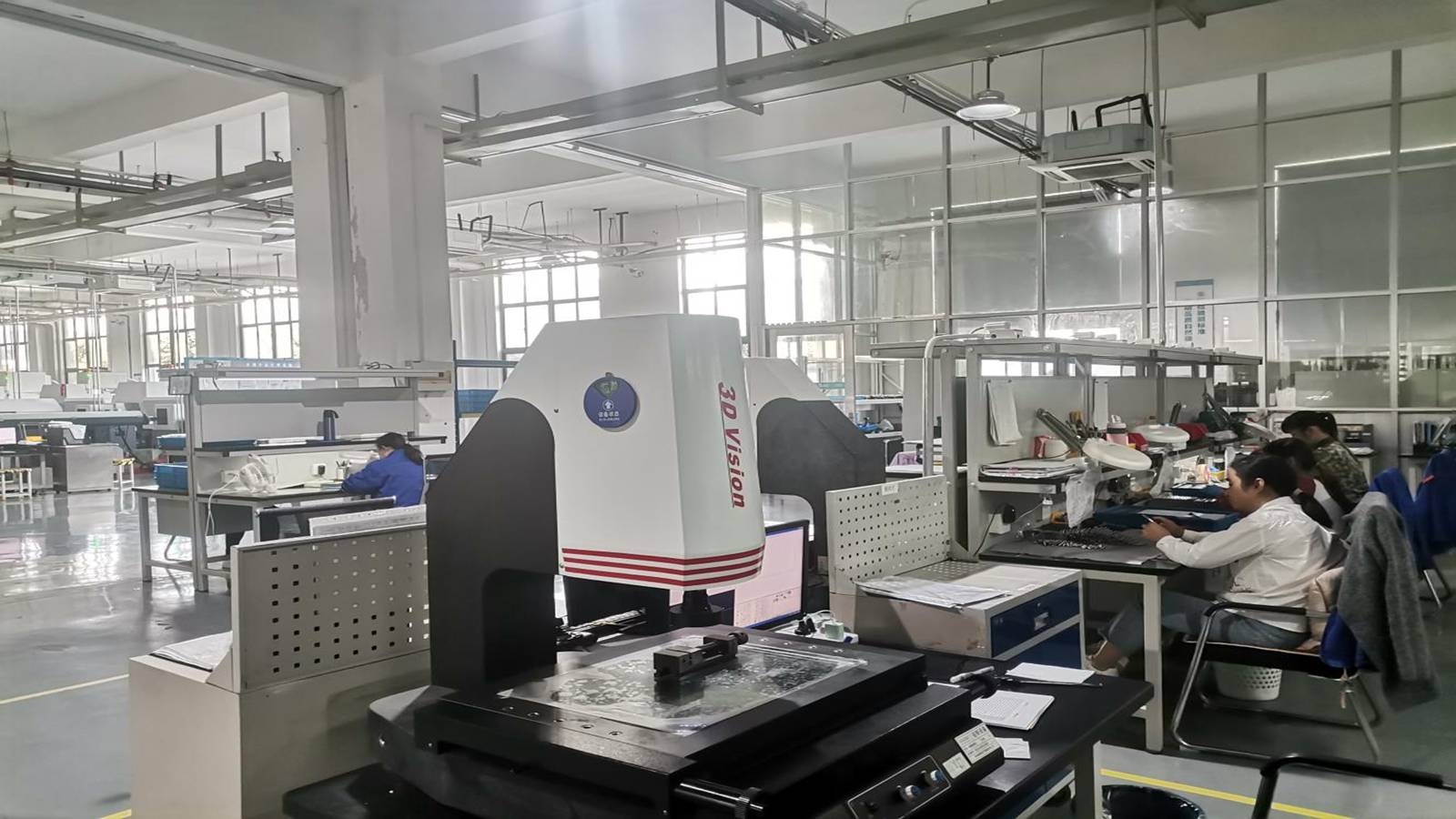
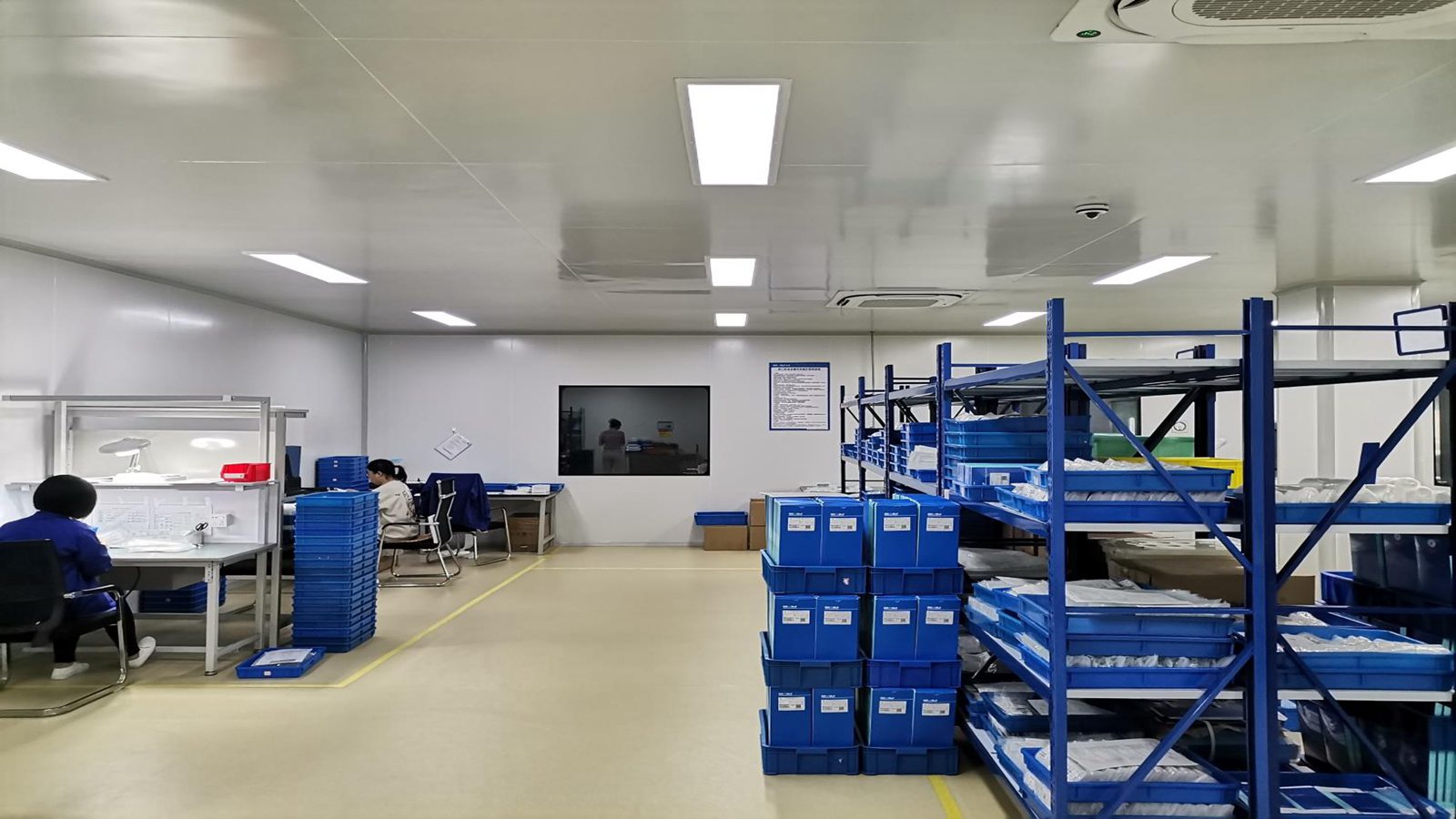
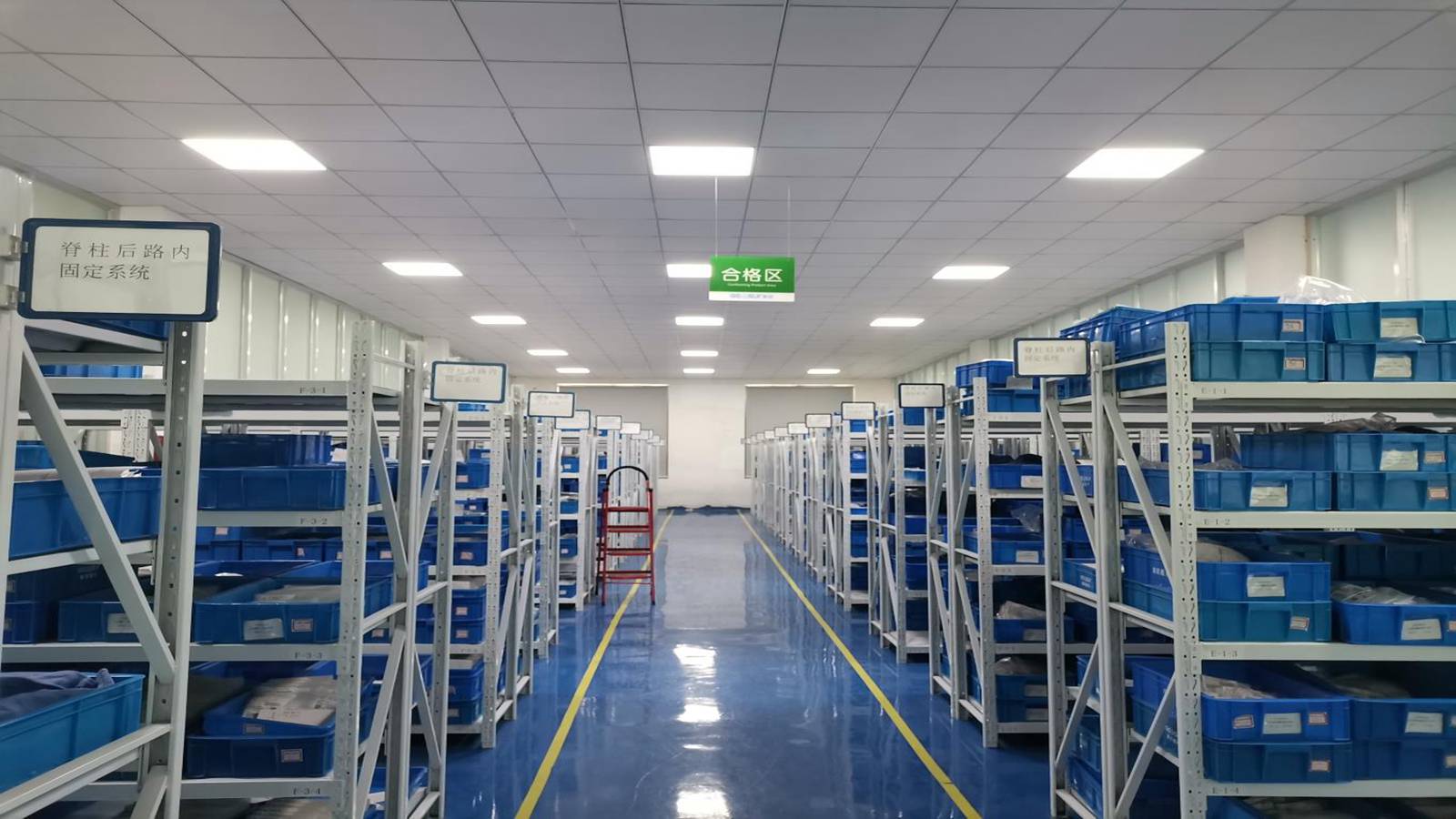
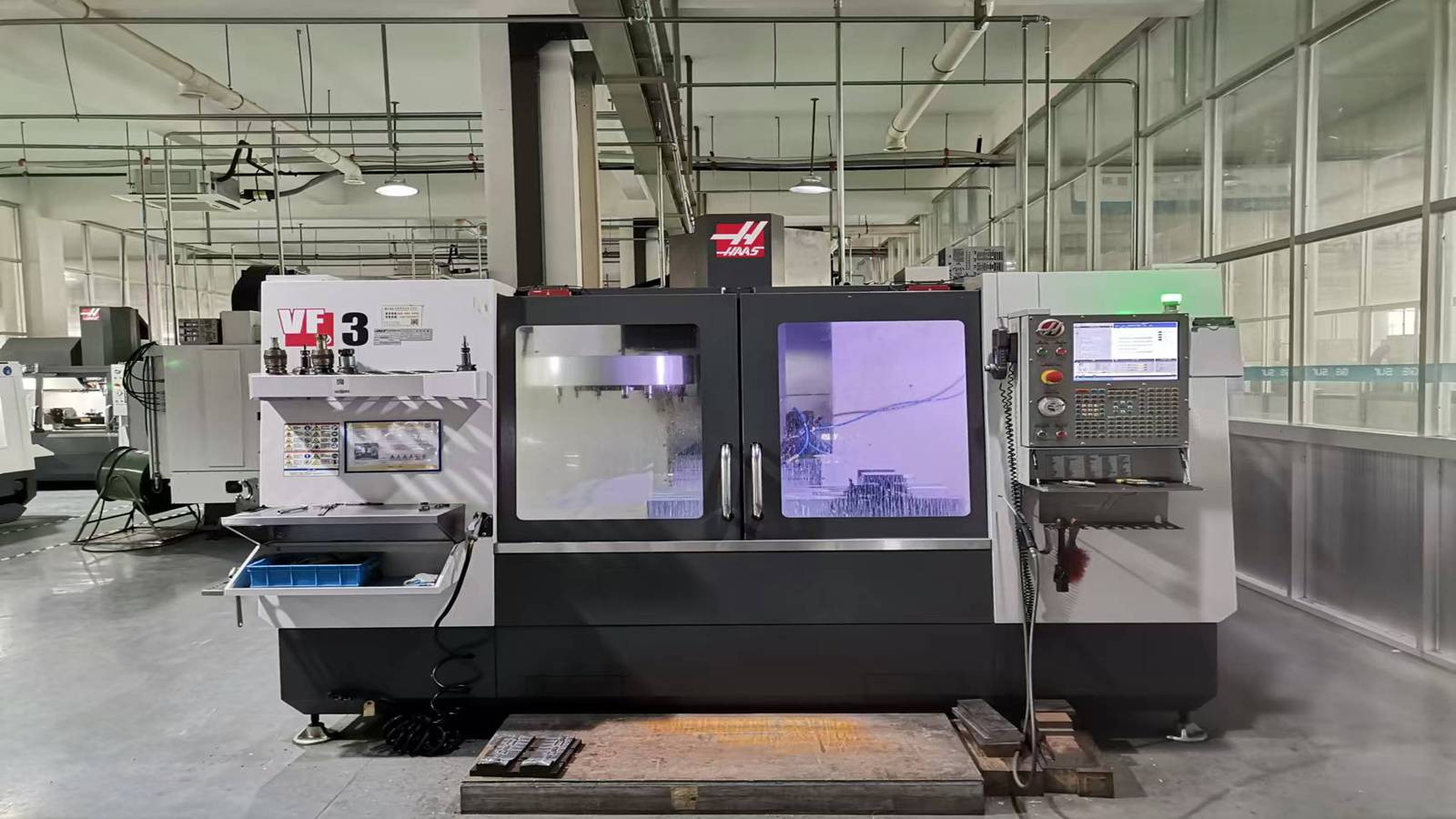
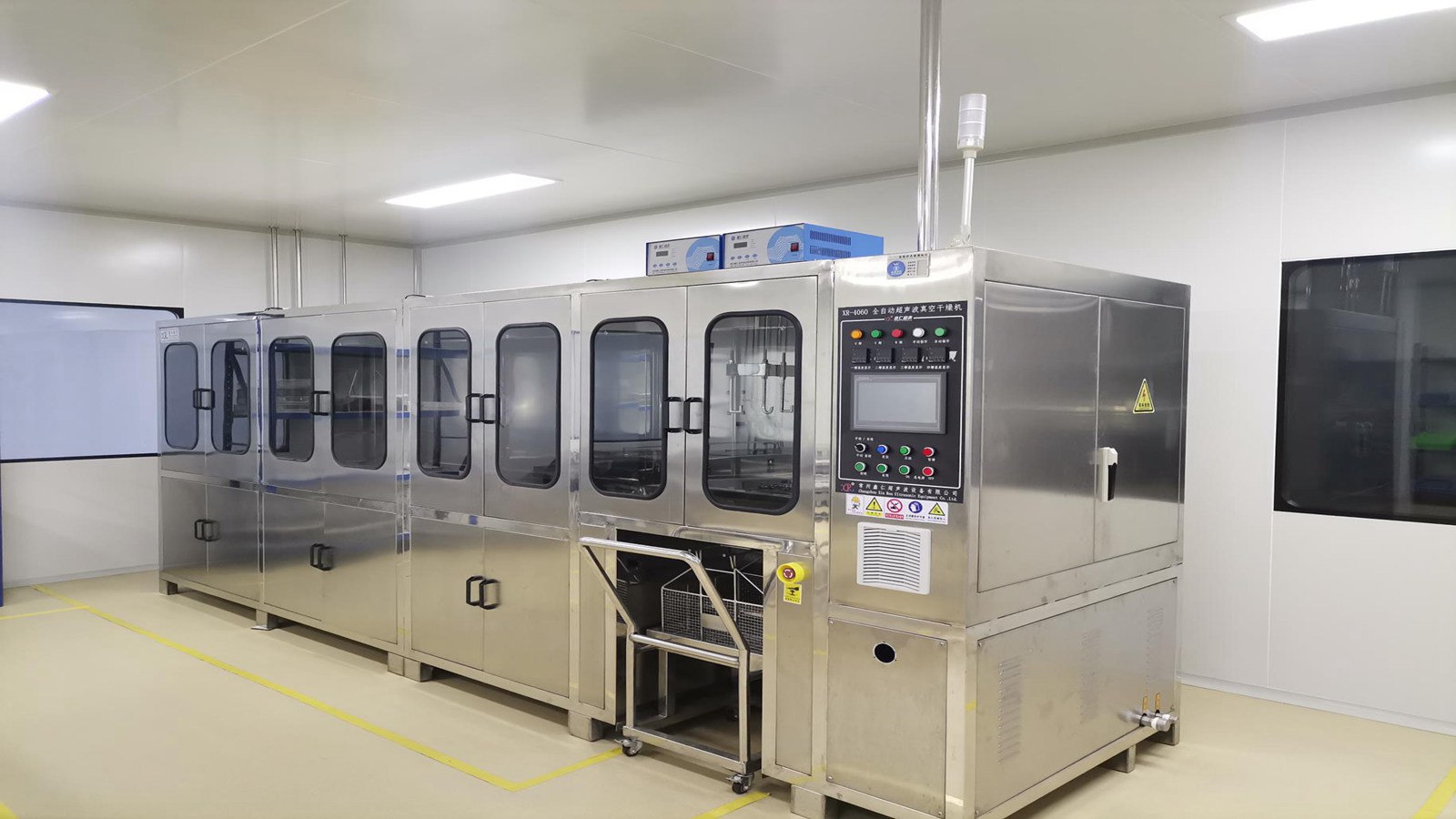
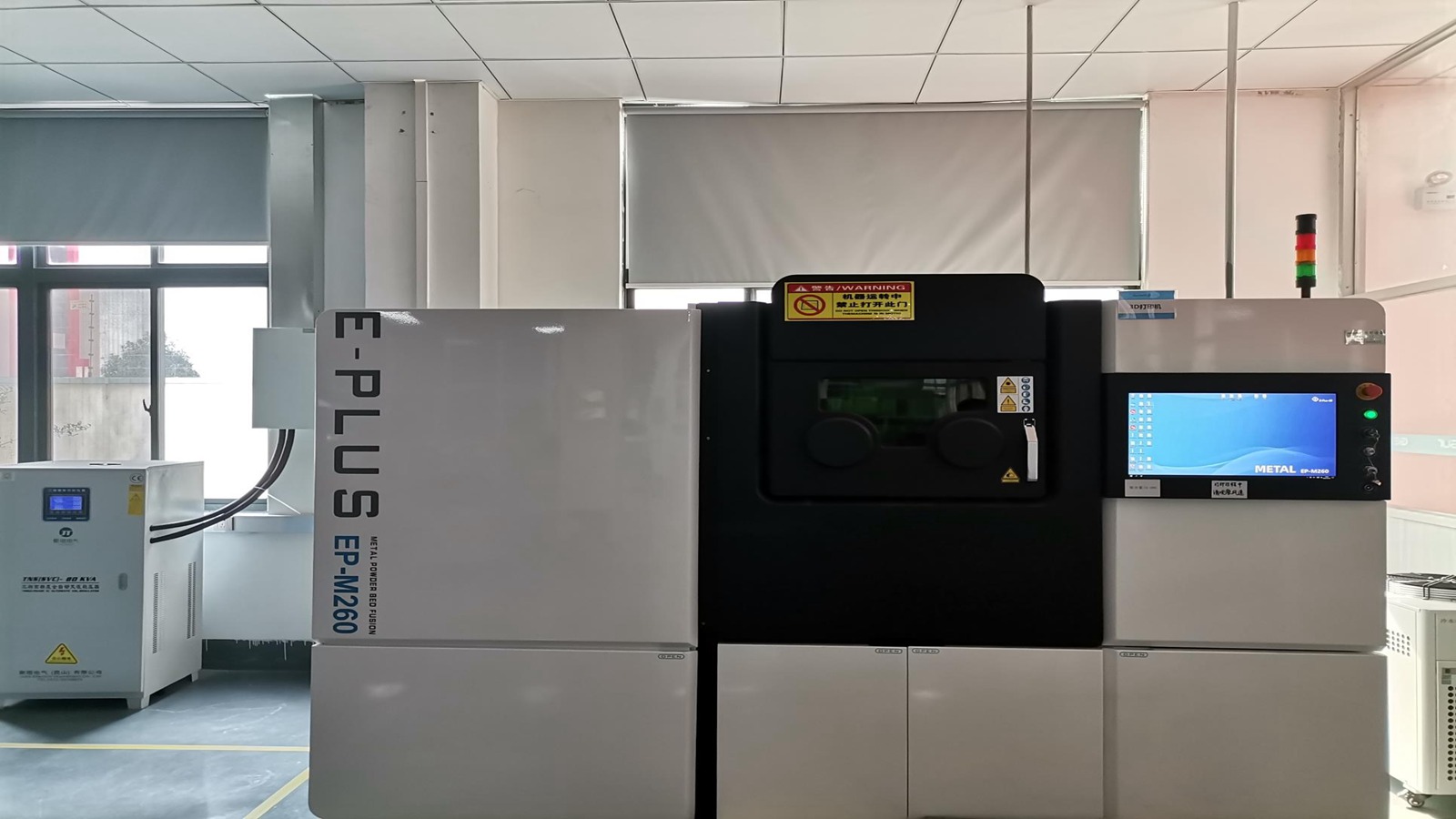
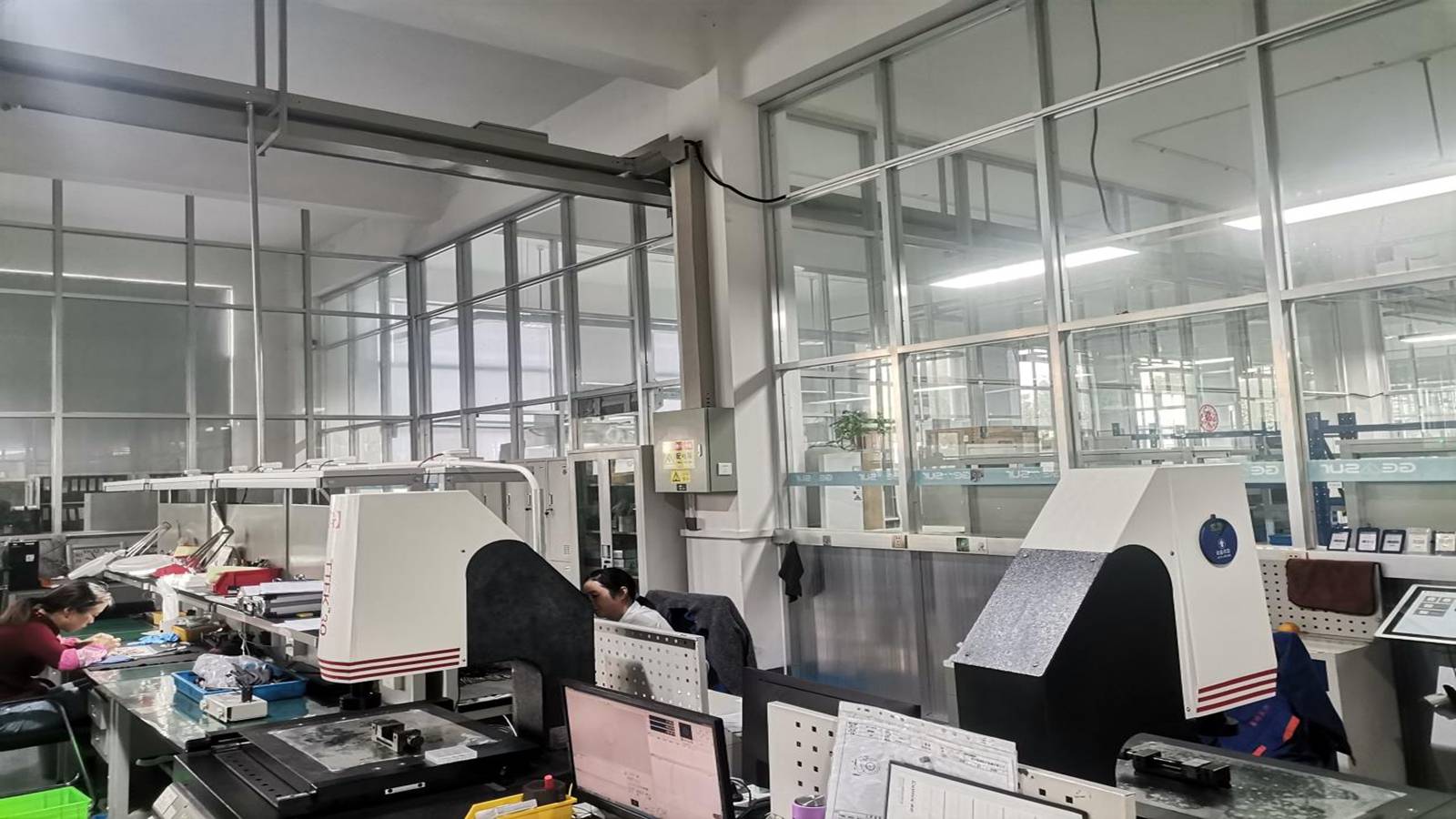
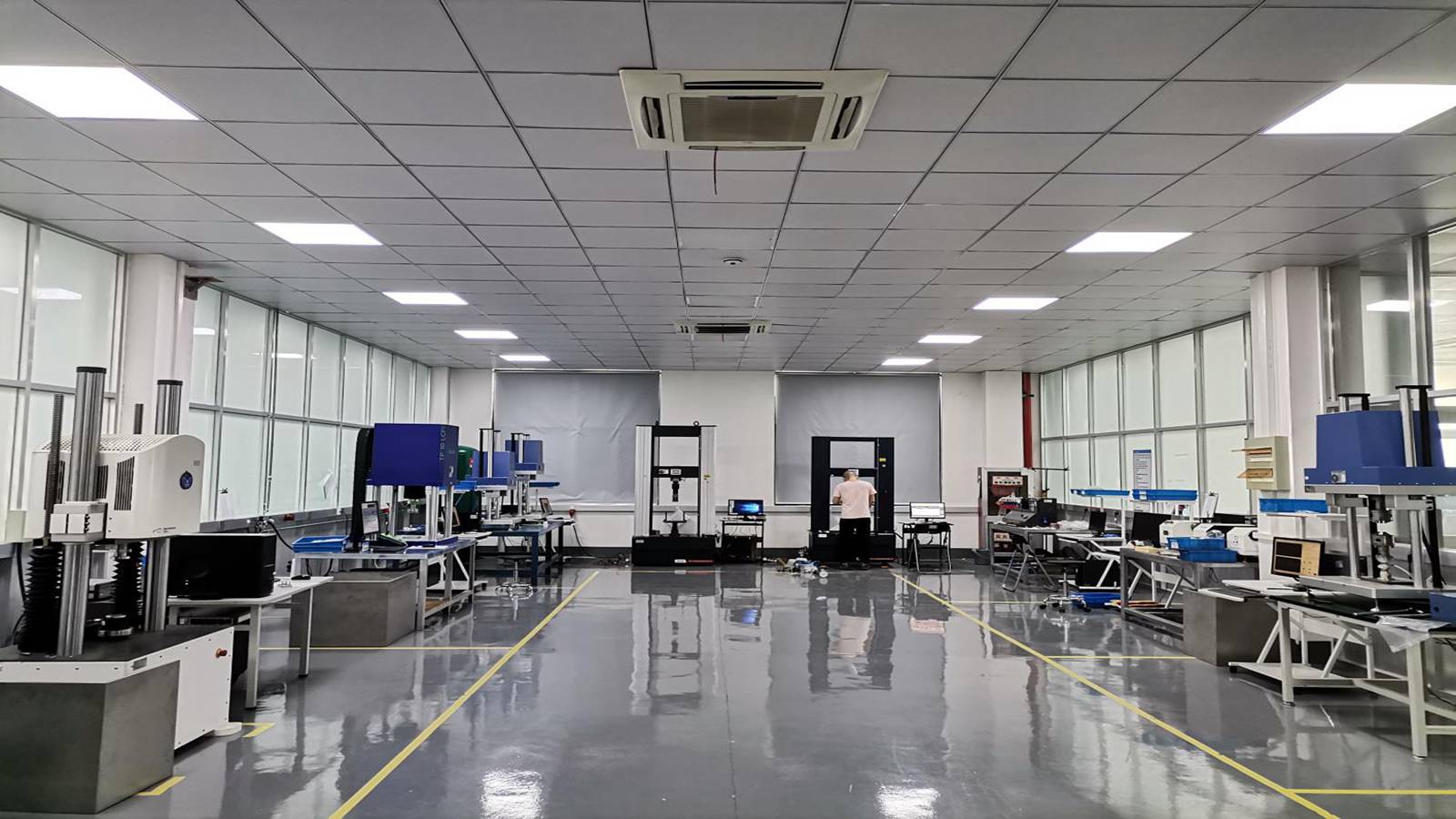
In the global medical device sector, Chinese manufacturing has transitioned from a high-volume provider to a leader in precision medical engineering. The "Valley of Orthopedic Manufacturing" in China leverages vertical integration to produce intramedullary nails, spinal plates, and compression screws that match or exceed Western performance benchmarks.
Utilizing high-purity Titanium Alloys (such as Ti-6Al-4V ELI conforming to ASTM F136 standards). These materials offer excellent biocompatibility, structural flexibility to prevent bone atrophy, and superior fatigue resistance.
Production facilities are equipped with 5-axis sliding headstock CNC lathes from companies like Citizen and Star. This setup allows for continuous machining of interlocking holes, distal slots, and complex threading in a single operation, keeping dimensional tolerances within ±0.005mm.
Industrial scaling, optimized logistics, and centralized raw material access allow for 30-40% savings on capital equipment and consumable tooling compared to North American or European counterparts, without compromising mechanical integrity.
| Implant Material Specification | Tensile Strength (MPa) | Yield Strength (MPa) | Biocompatibility Standard | Typical Applications |
|---|---|---|---|---|
| Titanium Ti-6Al-4V ELI (ASTM F136) | ≥ 860 | ≥ 795 | ISO 10993 Compliant | Load-bearing intramedullary nails, locking screws, spinal pedicle screws. |
| 316LVM Stainless Steel (ASTM F138) | ≥ 490 - 860 | ≥ 190 - 690 | ISO 10993 Compliant | Temporary trauma fixation plates, pediatric intramedullary wires. |
| Medical-Grade PEEK (Optima) | ≥ 90 - 100 | N/A | ISO 10993 Compliant | Radiolucent spinal fusion cages, specialized intramedullary nail cores. |
Quality assurance is critical for Class III medical device implants. Our manufacturing workflows are certified to meet international regulatory requirements, including MDSAP, CE MDR, and ISO 13485. This ensures that every intramedullary nail and orthopaedic bone plate complies with global surgical safety standards.
 ISO 13485
04723Q10000765
ISO 13485
04723Q10000765
 EN ISO 13485
EPT 25 ISO 0067
EN ISO 13485
EPT 25 ISO 0067
 MDSAP
Cert C730178
MDSAP
Cert C730178
 CE MDR
EPT 0477.MDR.25/5905
CE System
EPT 0477.MDR.25/5973
CE MDR
EPT 0477.MDR.25/5905
CE System
EPT 0477.MDR.25/5973
 MDR Certified
EPT 0477.MDR.26/6113
MDR Certified
EPT 0477.MDR.26/6113
Every shipment of Titanium or PEEK is tracked from the mill to the cleanroom packaging. Optical emission spectrometry and mechanical tensile test reports are linked directly to unique lot tracking numbers laser-etched on every nail.
Implants undergo mechanical testing, including static and dynamic fatigue tests (ISO 15142, ASTM F1264), to ensure they can withstand typical physiological load patterns during patient rehabilitation.
Automatic coordinate measuring machines (CMM) check every critical dimension. High-precision threading, proximal curves, and interlocking apertures are verified to prevent intraoperative assembly issues.
B2B medical device distributors and hospital chains require more than standard implants; they need reliable regional customization, regulatory documentation, and logistical support. Our factory offers tailored services to streamline international procurement and localization:
We provide comprehensive registration support, including 510(k) consulting, CE technical dossiers, and local Ministry of Health registration support to simplify importing and customs clearance.
Products are available in both non-sterile bulk packaging and pre-sterilized double-barrier Tyvek blisters. Our validated gamma irradiation processes meet ISO 11137 standards, allowing implants to go directly from stock to the operating room.
Our engineering team includes 31 dedicated R&D experts, including graduates and postgraduates, who can adapt designs to local anatomical requirements or optimize instrumentation kits for specific surgical preferences.
The field of fracture fixation continues to advance, driven by clinical feedback and material science innovations. Key developments shaping the future of intramedullary implants include:
Titanium alloy (e.g., Ti-6Al-4V ELI) has a lower modulus of elasticity than stainless steel, reducing stress shielding and encouraging faster bone remodeling. Titanium is also highly biocompatible and minimizes MRI imaging distortion.
We maintain an ISO 13485 certified quality management system. This includes purchasing raw materials from verified medical suppliers, performing dimensional checks on CNC lines, and conducting fatigue testing on finished batches.
Yes, our R&D team can customize surgical instrumentation and implant designs. We support custom sizing, labeling, and laser etching based on partner specifications.
We offer non-sterile bulk packaging and pre-sterilized Tyvek blister options. Our sterile products undergo validated gamma sterilization processes and are ready for surgical use.