Ease Medical Apparatus And Instruments
Ease Medical Apparatus And Instruments
Ease Medical Apparatus And Instruments
Discover our primary orthopedics and surgical intervention portfolio designed for trauma stabilization, osteotomy, and joint fusion.
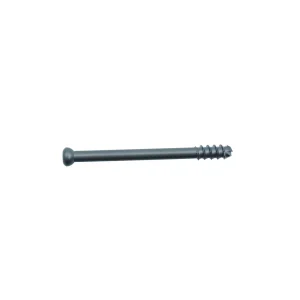
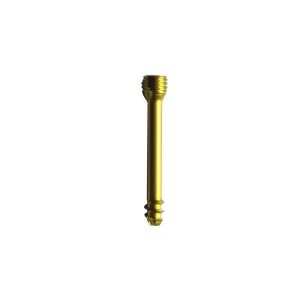
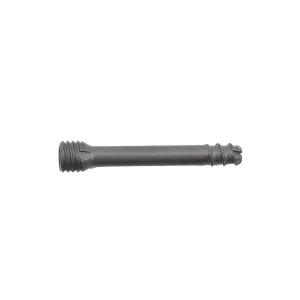
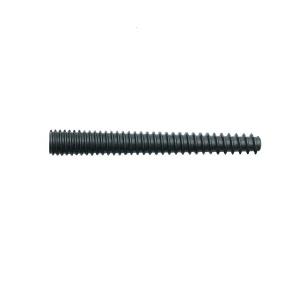
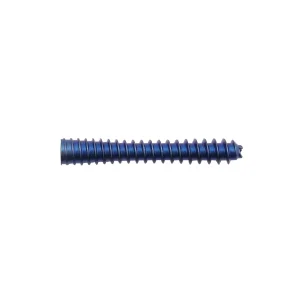
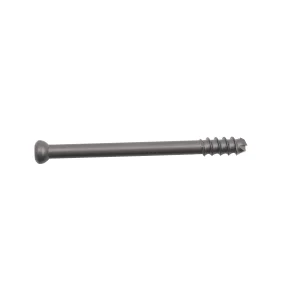
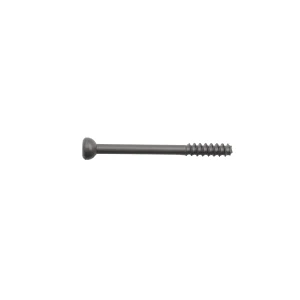
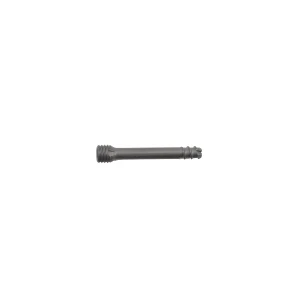
Cannulated compression screws are the cornerstone of modern orthopaedic trauma internal fixation. By integrating a hollow central shaft (cannulation), surgeons can insert a guide wire under fluoroscopic control to precisely locate the optimal trajectory before drilling and inserting the final screw. According to recent clinical orthopaedic market intelligence, the global demand for cannulated screws is growing at an annual rate of 6.2%, driven by the rise in geriatric hip fractures, high-energy trauma incidents, and the rapid shift towards minimally invasive surgery (MIS).
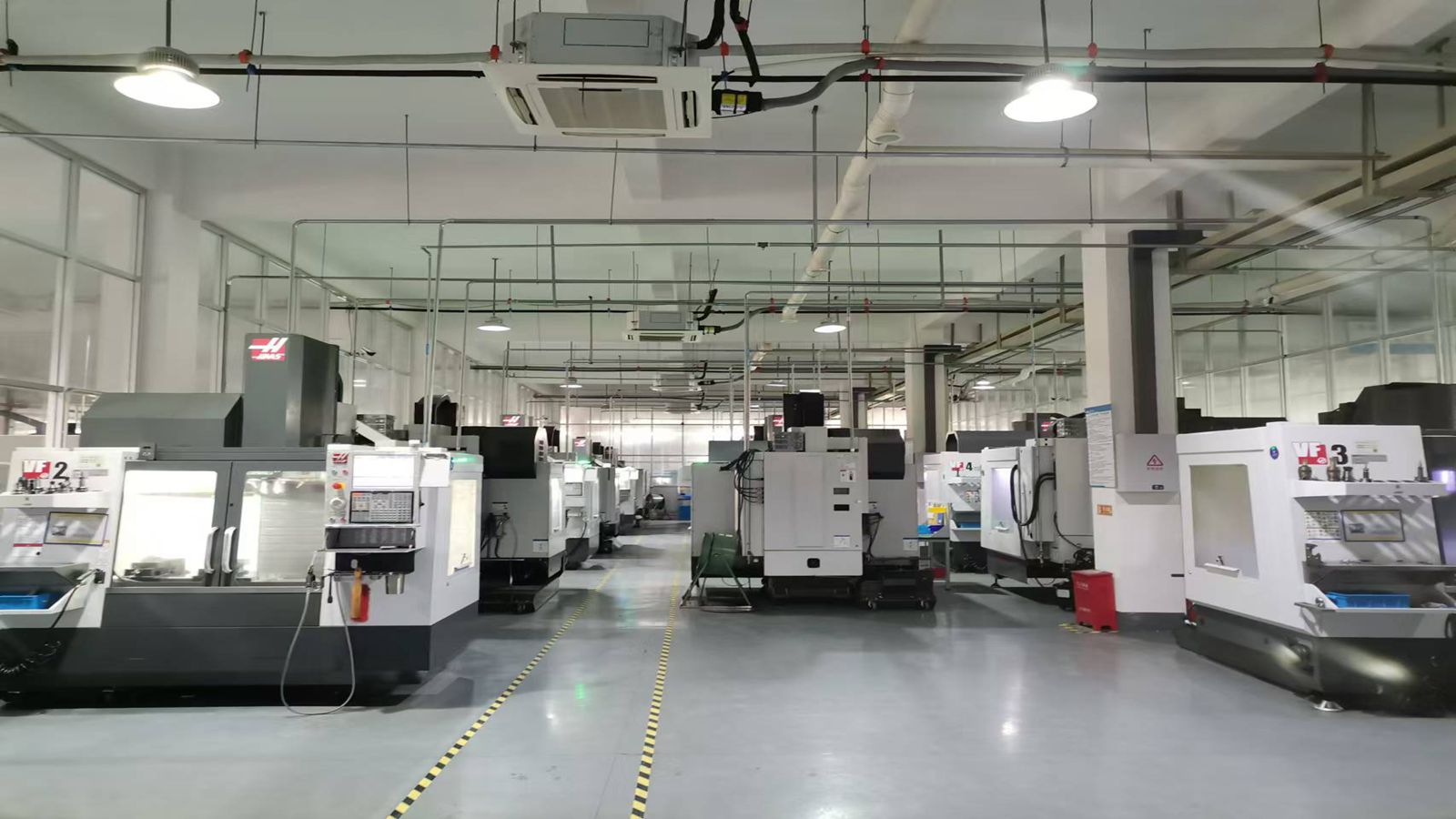
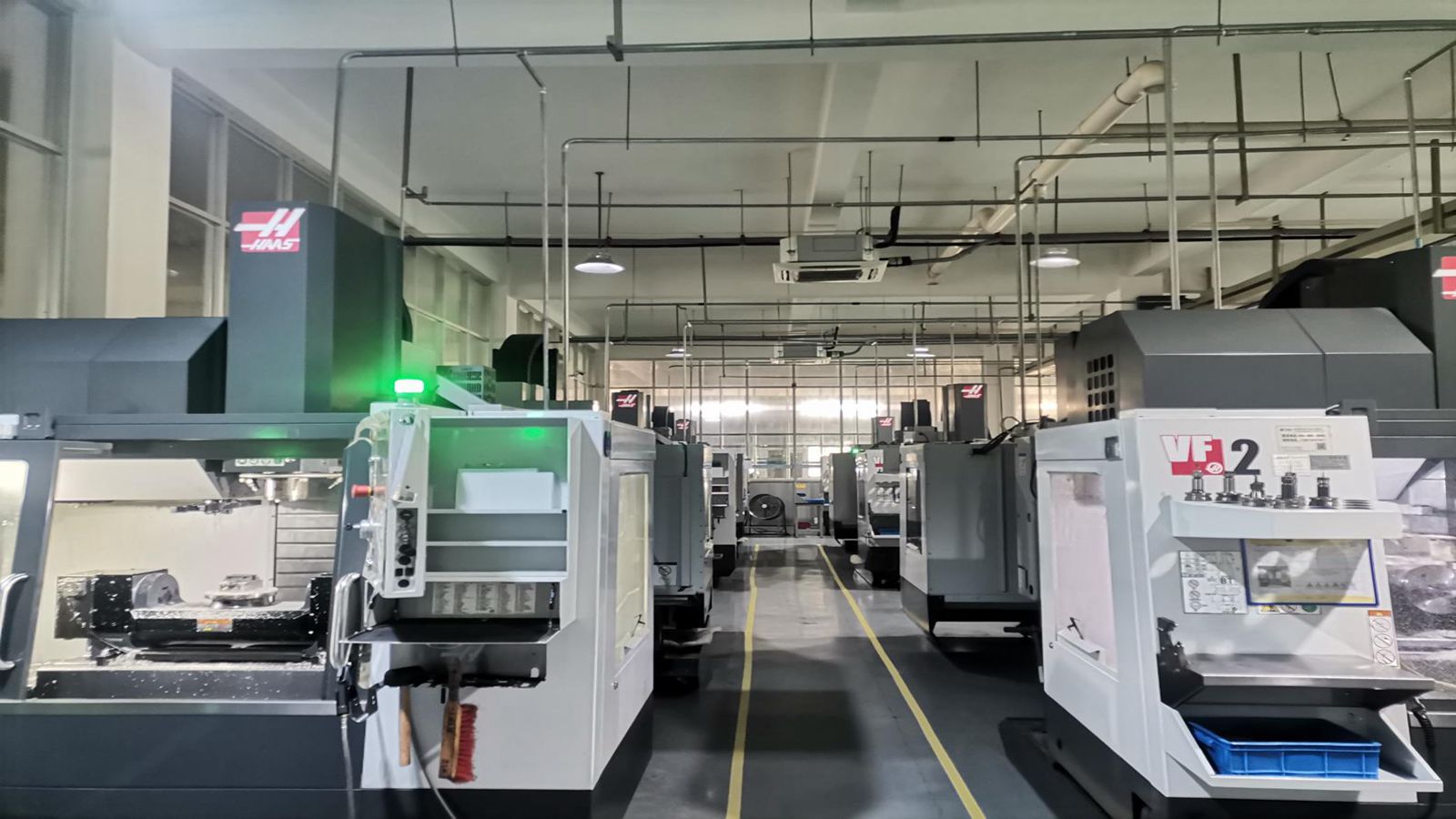
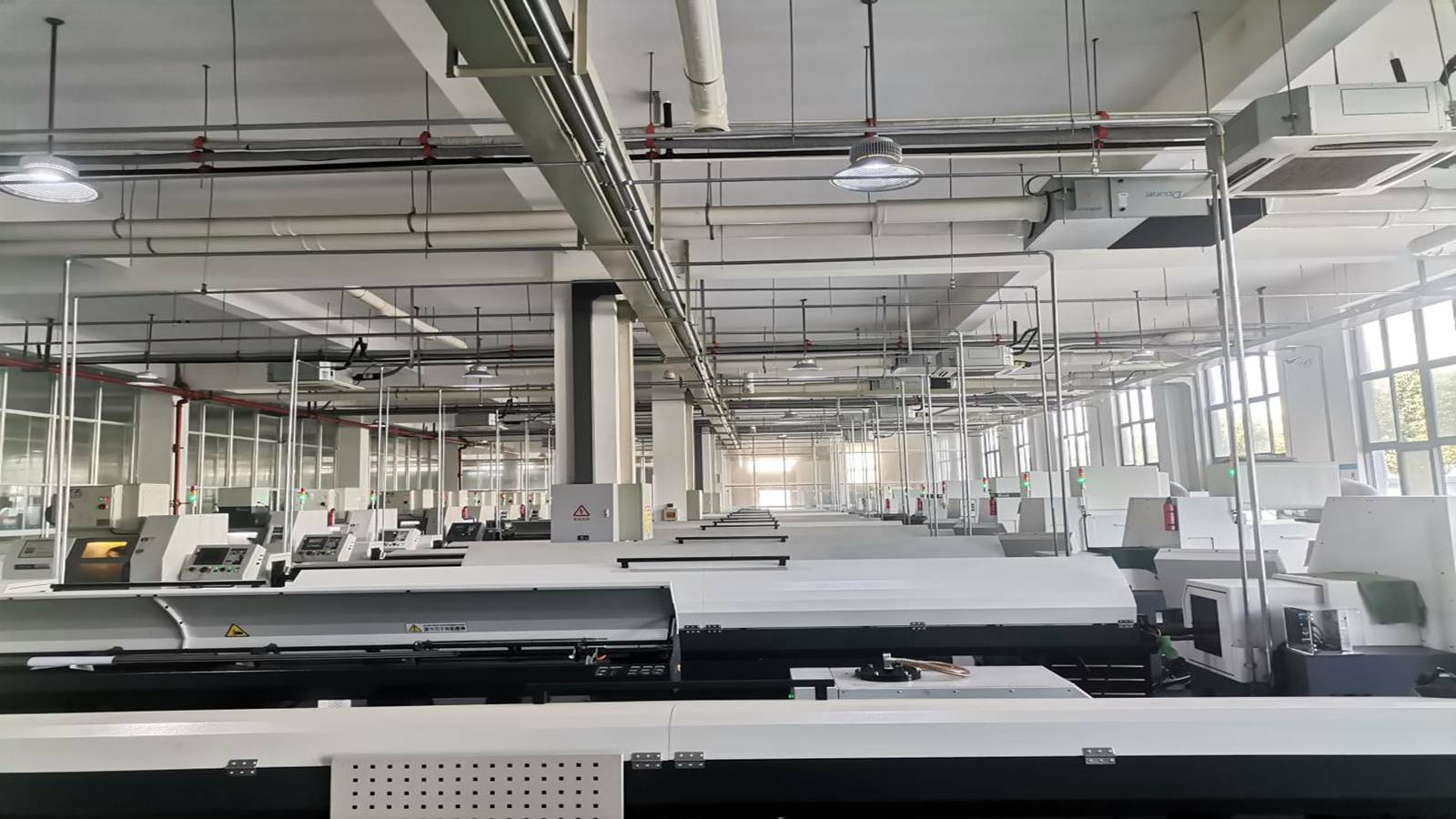
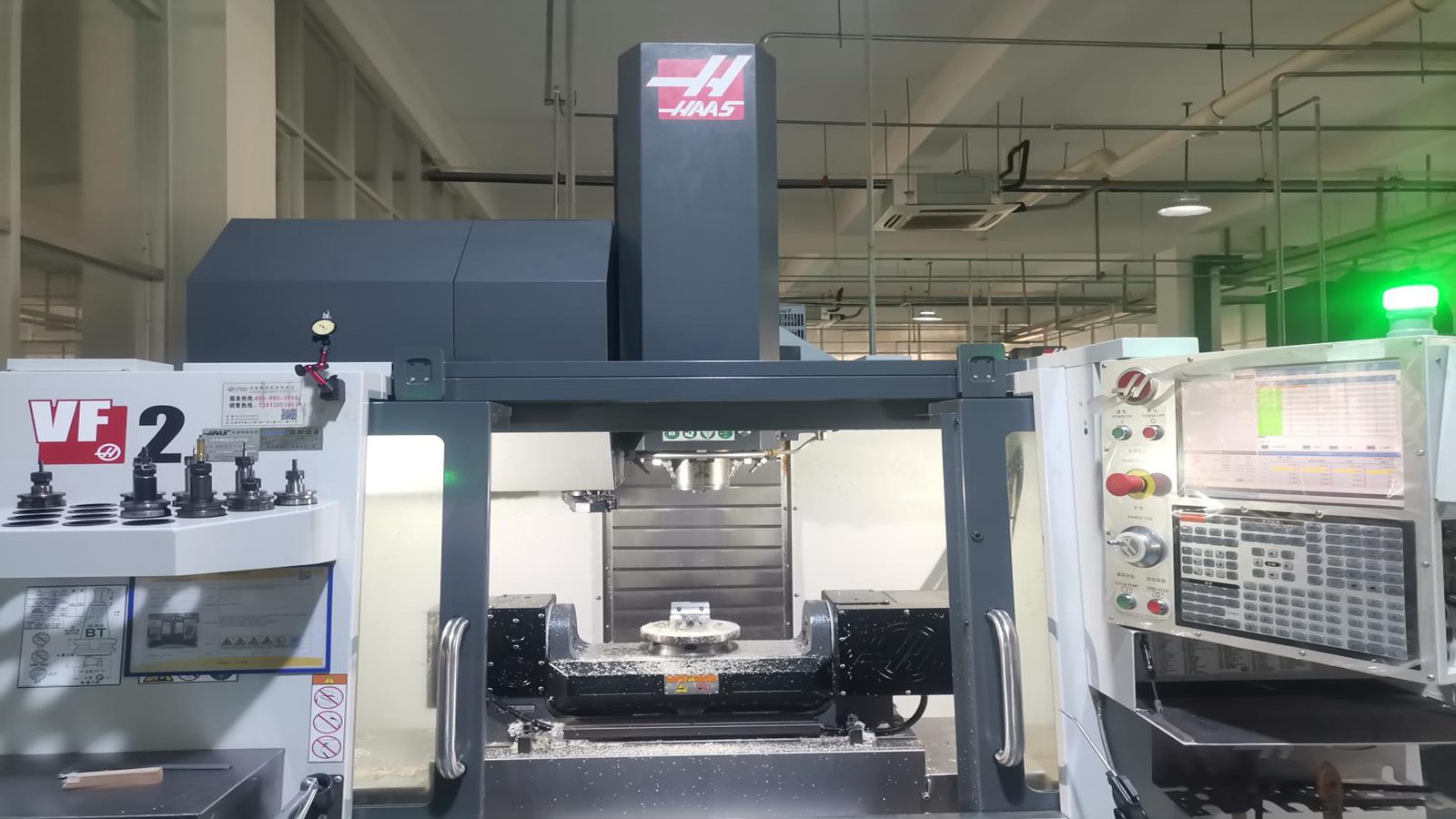
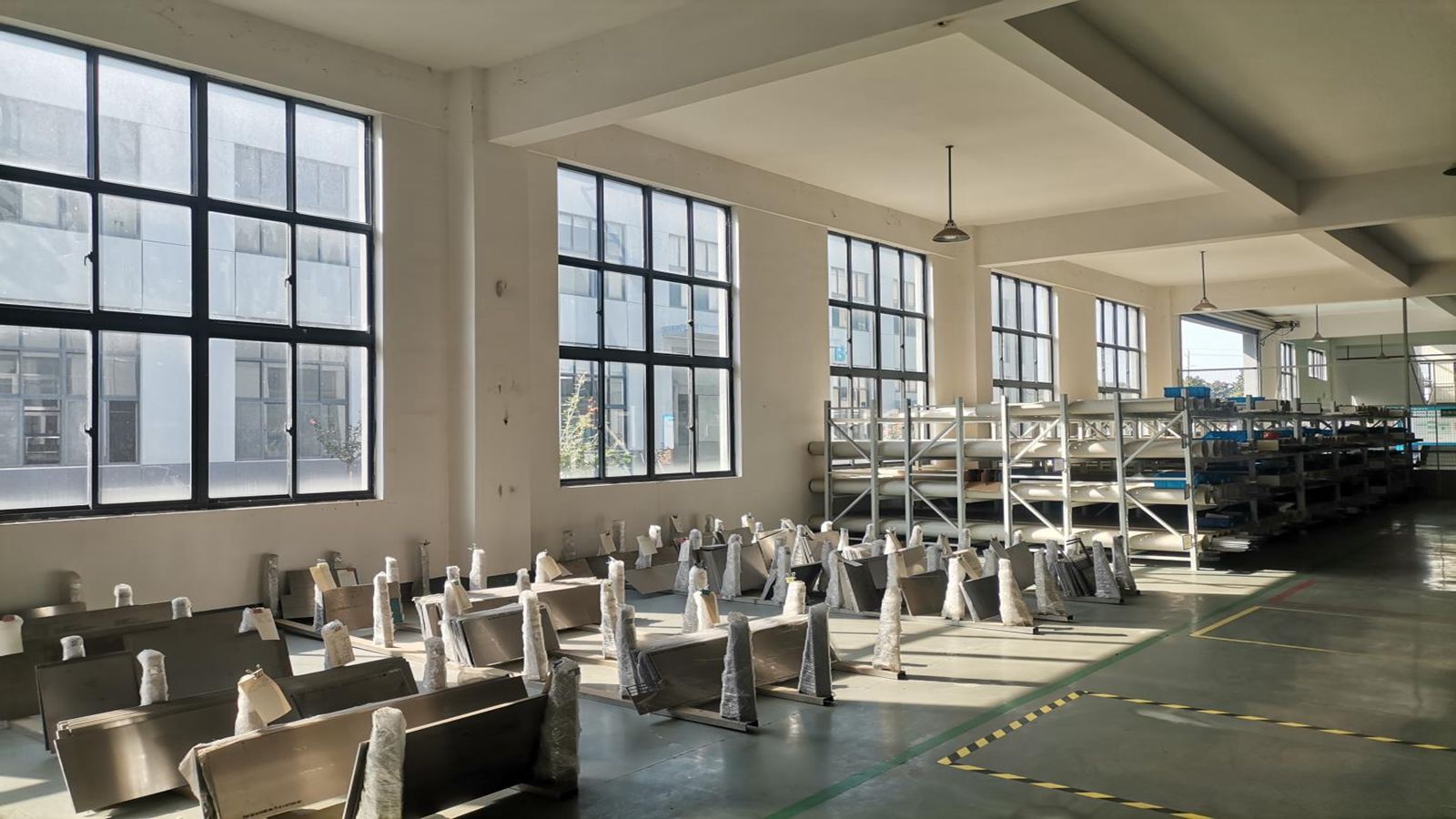
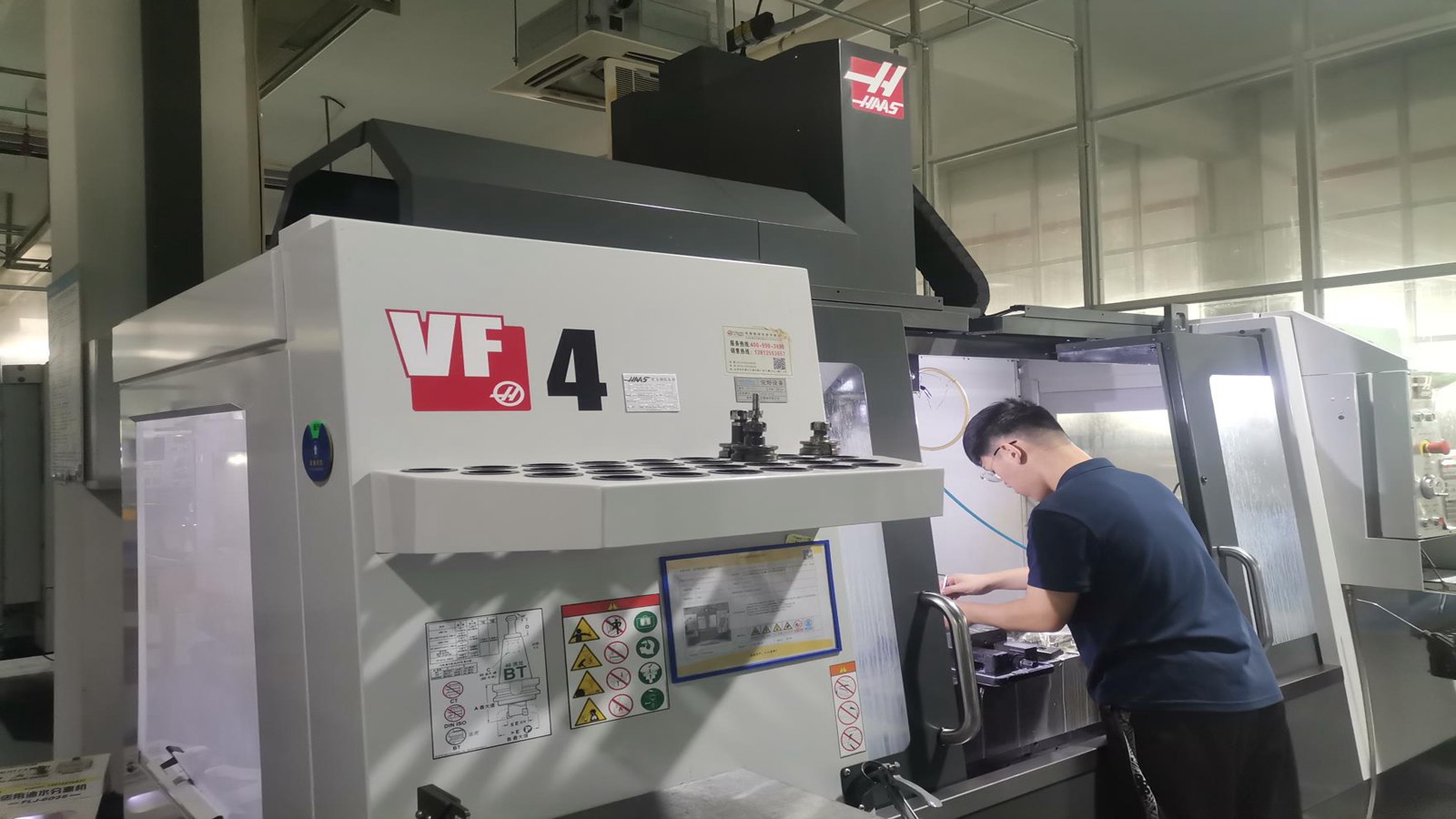
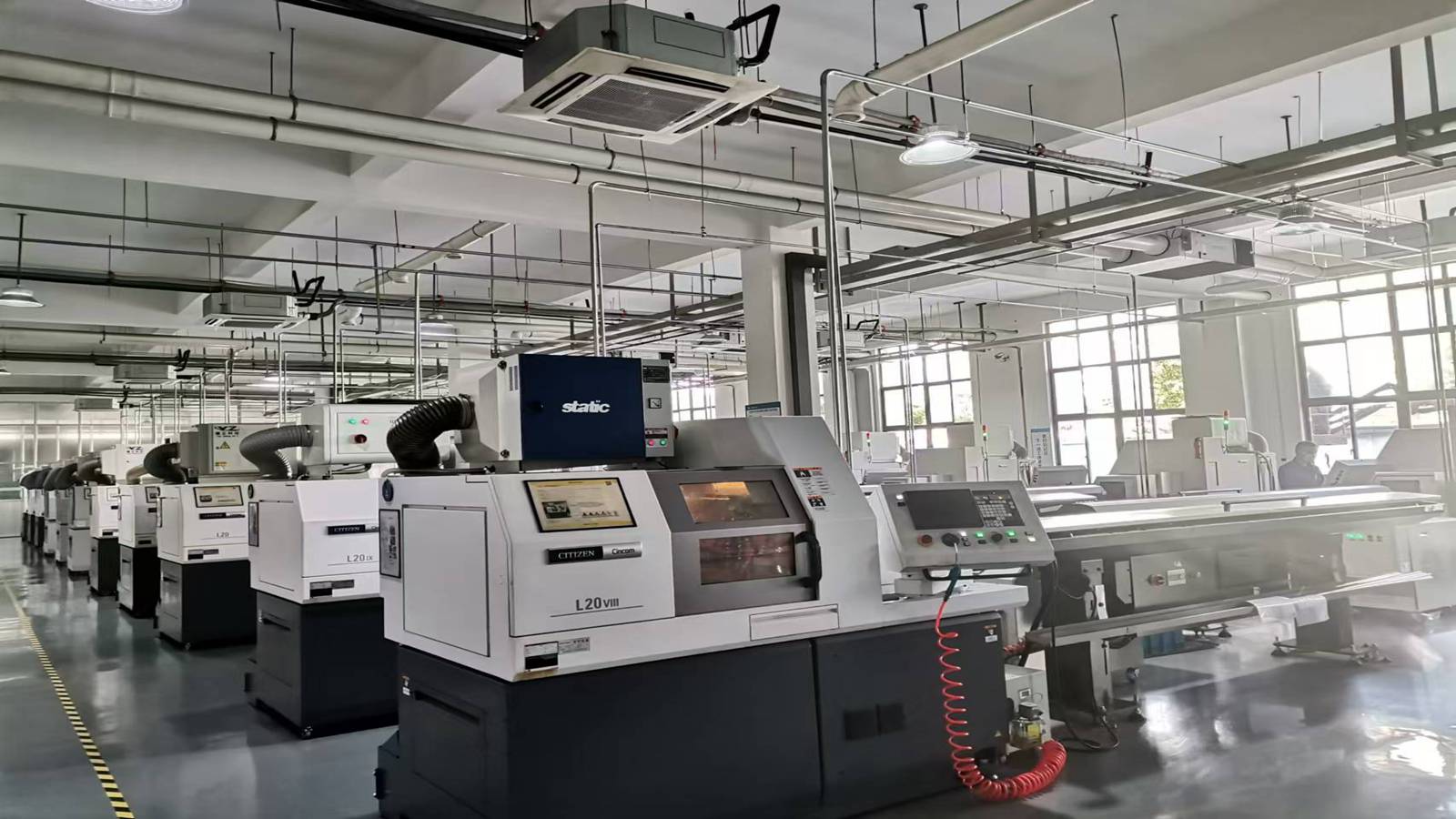
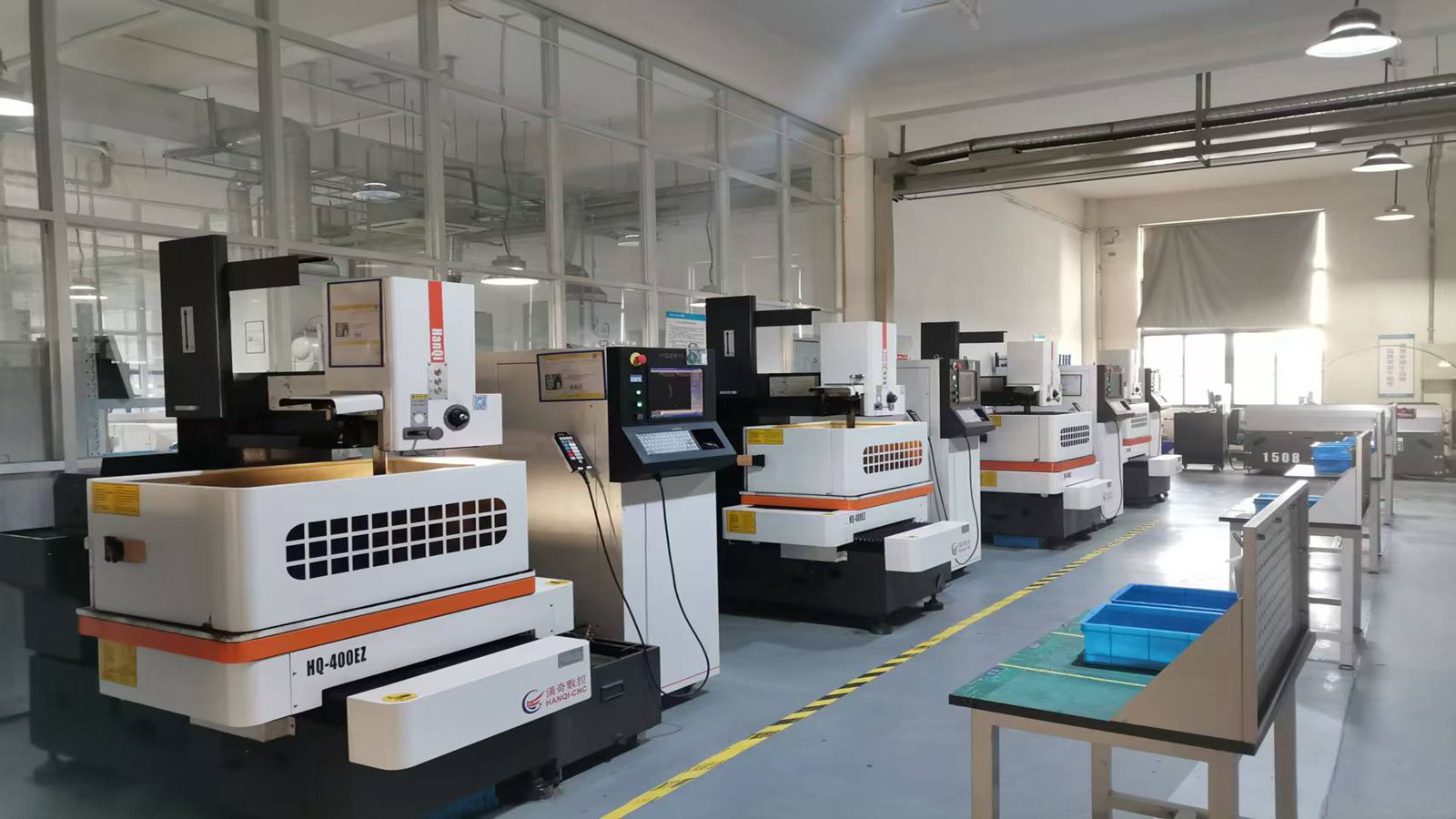
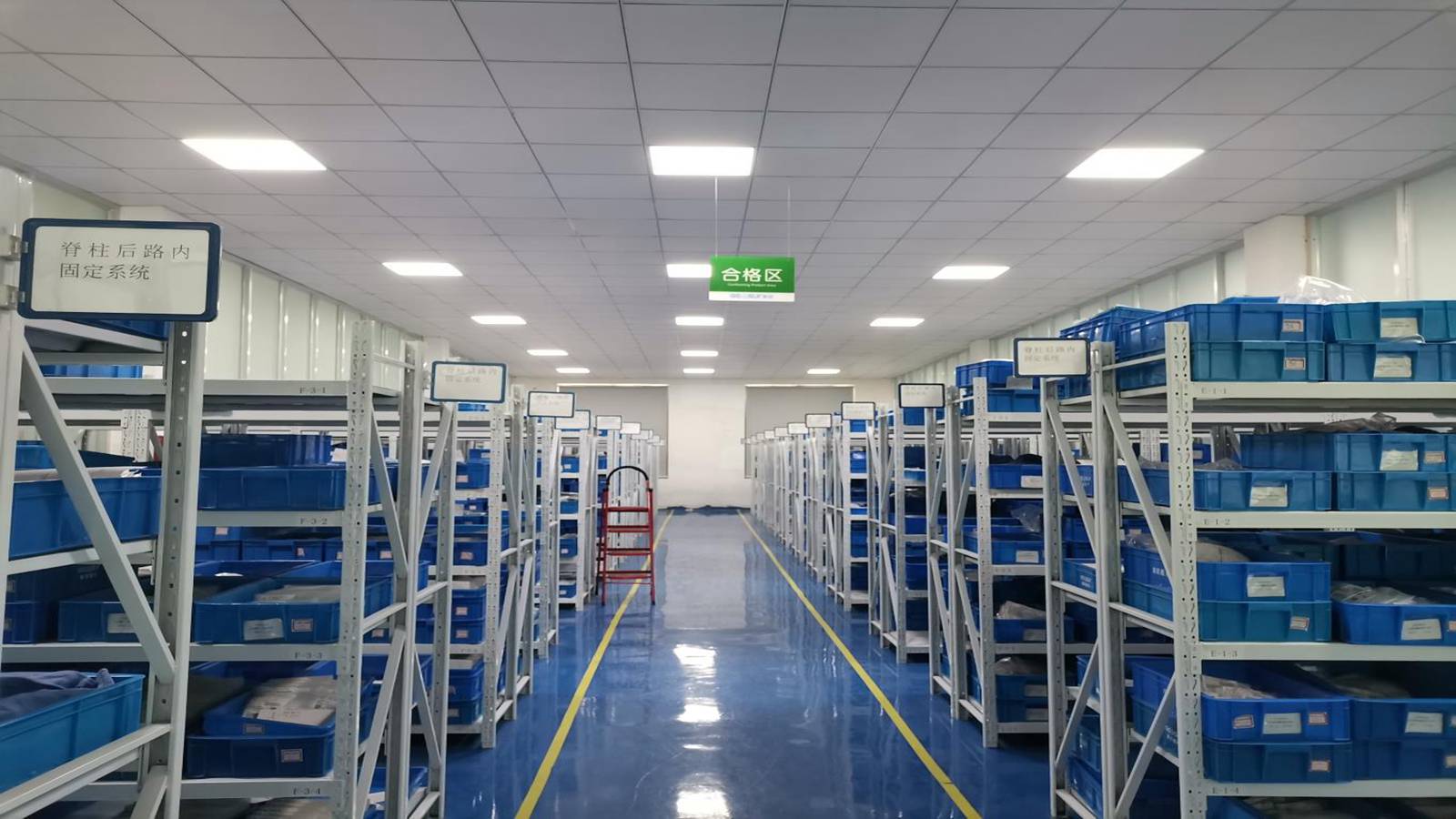
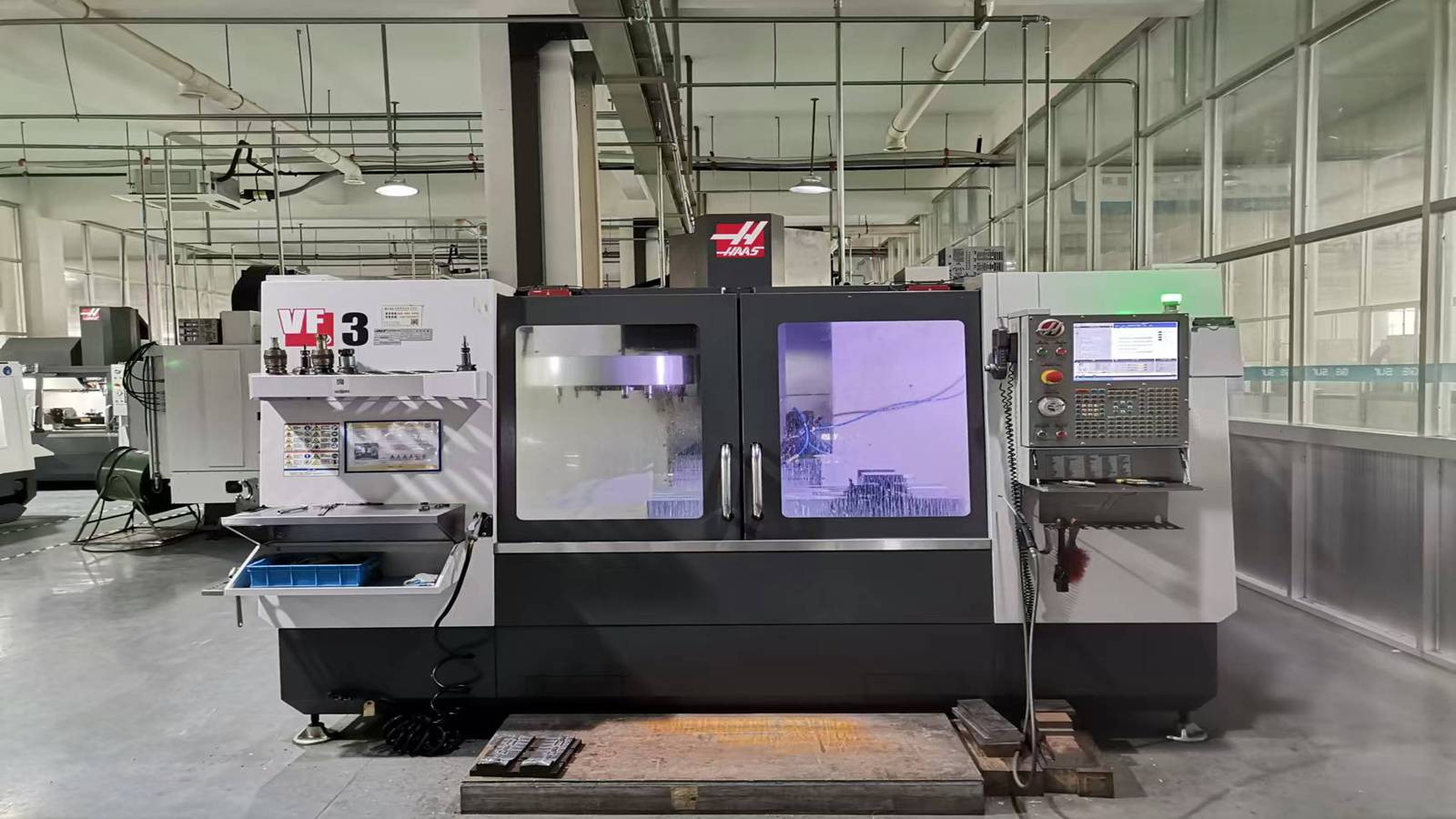
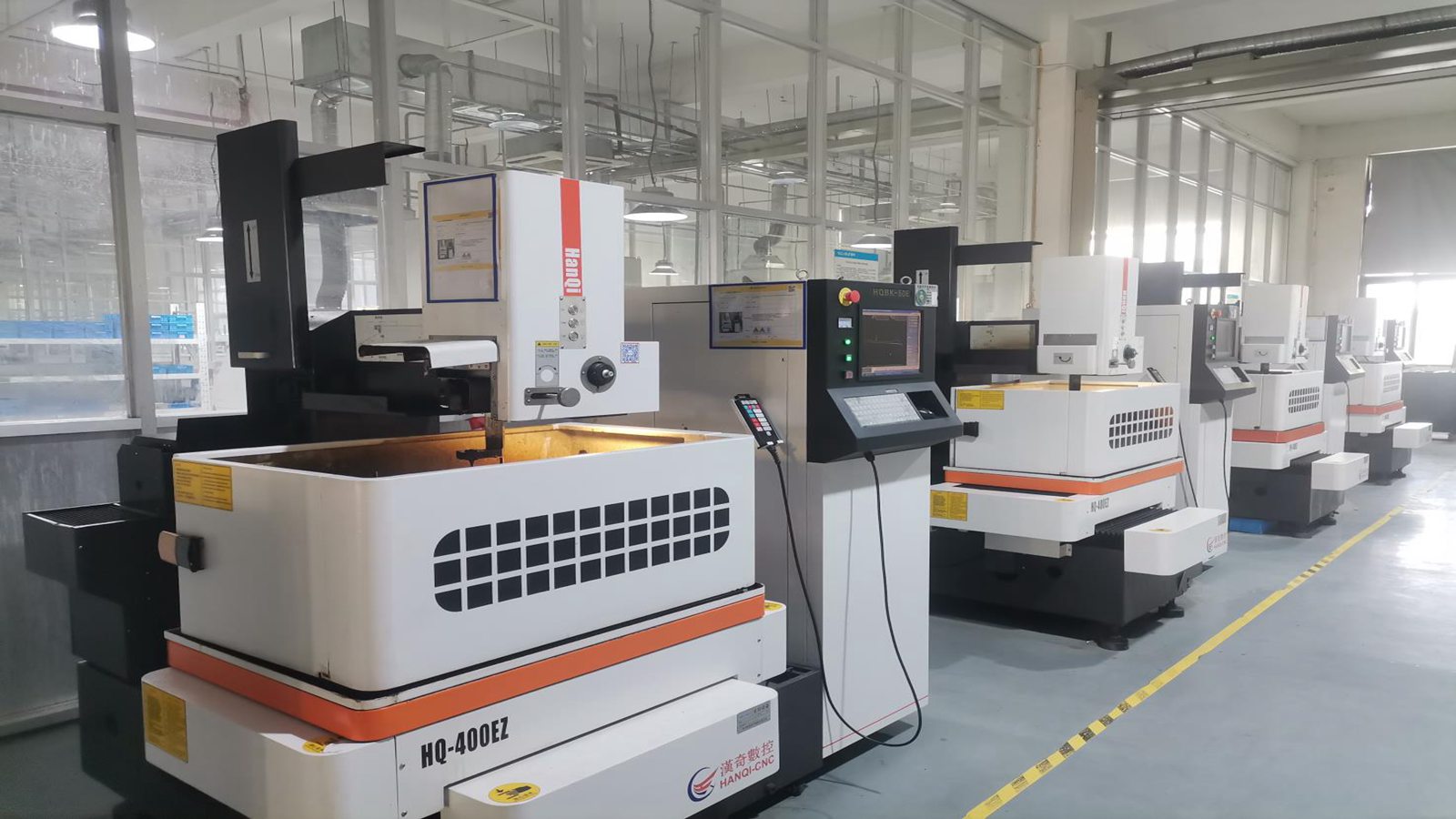
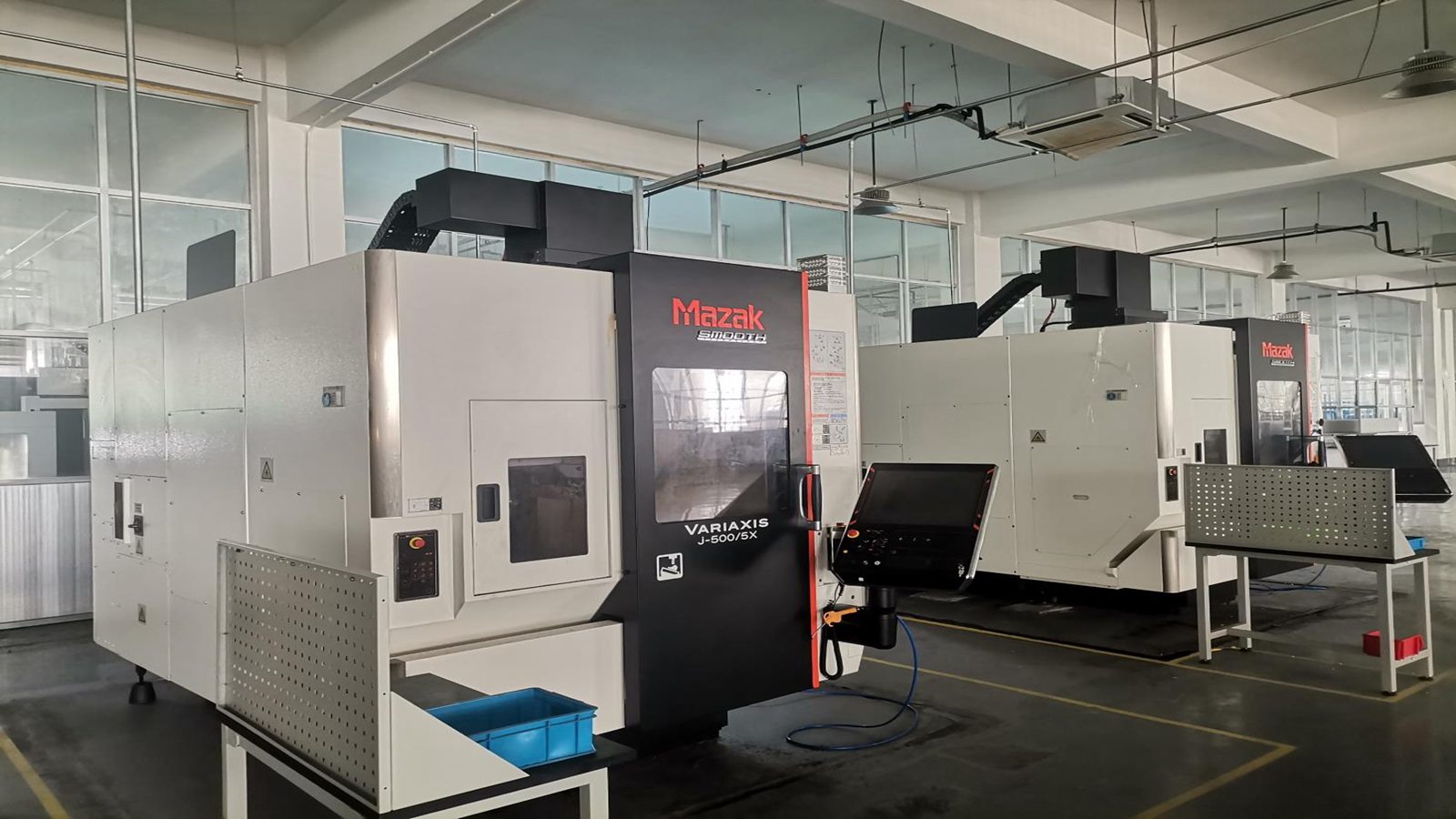
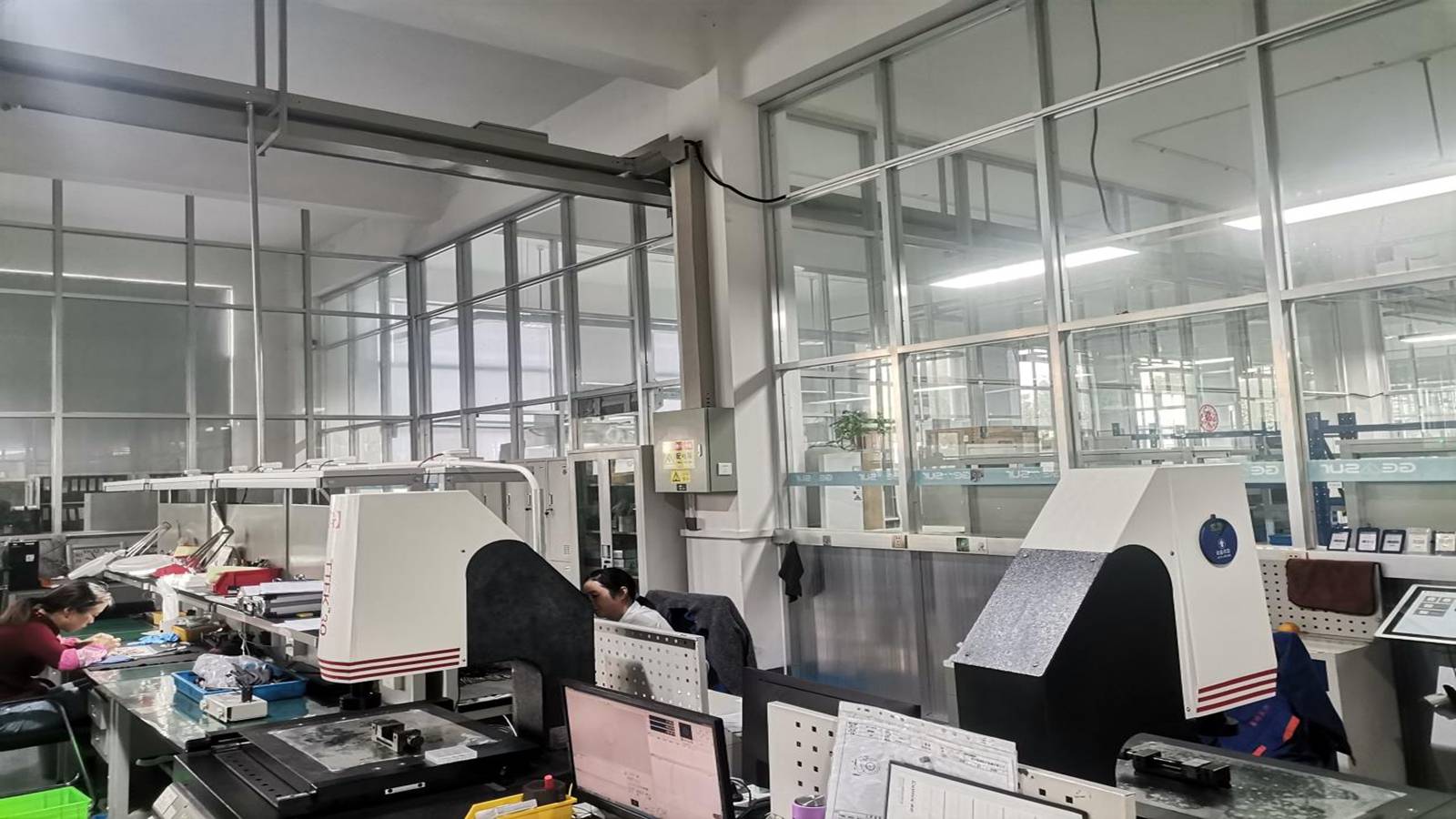
As an established medical manufacturing ecosystem, our industrial structure matches these requirements with a total production floor space of 30,343 square meters, running 12 specialized production lines powered by 120 advanced high-precision Swiss-type CNC lathe machines. With 80% of our capacity dedicated to the domestic market and 10% serving Eastern Europe and Southeast Asia, we maintain rigorous supply chain resilience that accommodates bulk distributor networks, hospital direct purchasing, and international OEM/ODM projects.
Implant longevity and biocompatibility are non-negotiable. Standard surgical hardware uses medical-grade Titanium Alloy (Ti-6Al-4V ELI) conforming to ASTM F136 and ISO 5832-3 standards. This alloy delivers the optimal combination of high fatigue strength, excellent corrosion resistance, and a low modulus of elasticity that minimizes stress shielding on surrounding bone tissue.
"By controlling the interstitial elements (Oxygen < 0.13%, Iron < 0.25%), the Extra Low Interstitial (ELI) variant provides enhanced fracture toughness and ductile properties, essential for thin-walled cannulated designs under heavy torsional and bending loads during insertion."
Our precision engineering tolerances are held within ±0.005mm. The inner cannulation diameter is concentric to prevent guide wire binding, and the thread pitch ratios are meticulously optimized between cancellous bone interfaces (requiring deep, coarse threads) and cortical bone interfaces (requiring fine threads).
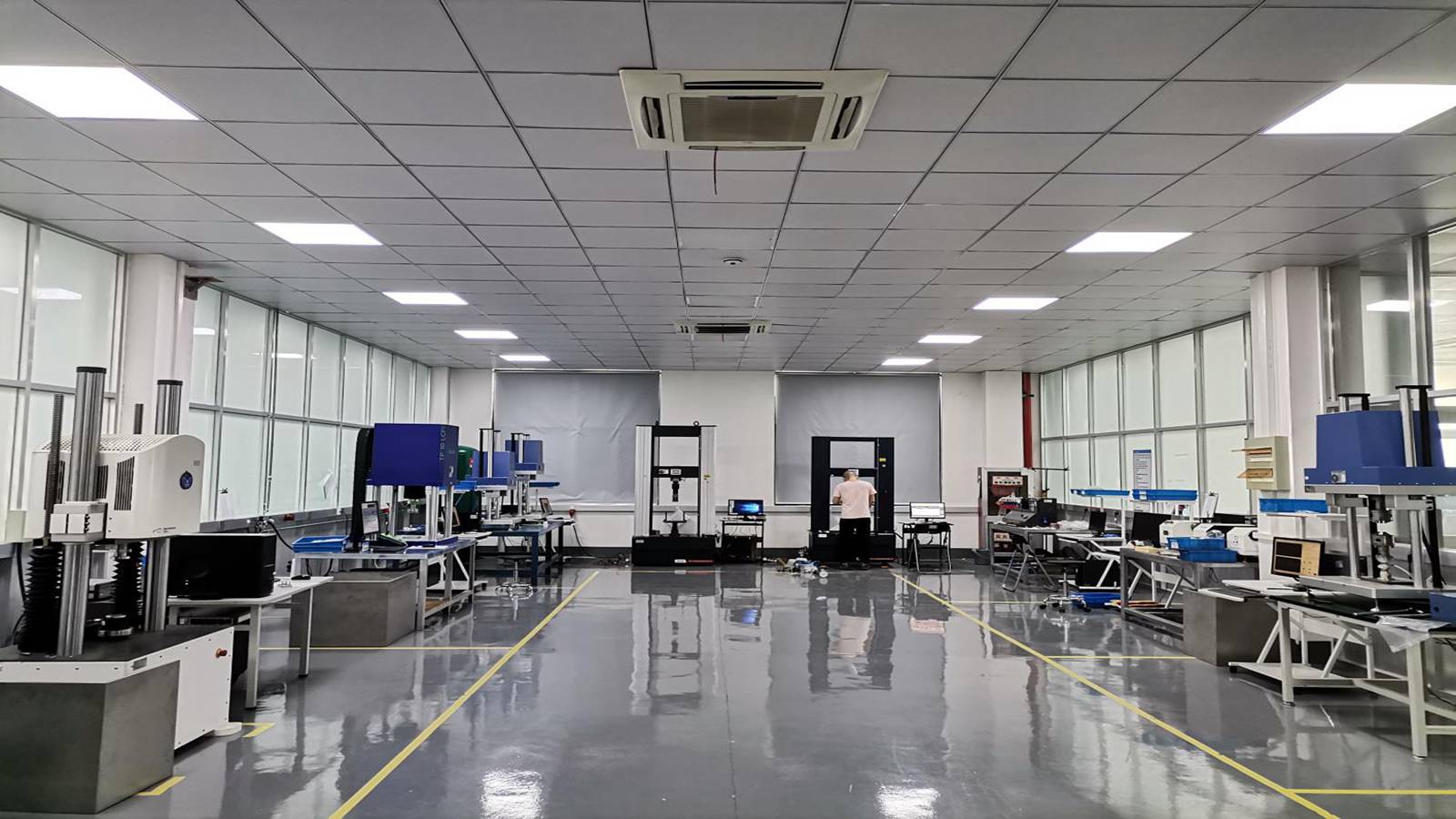
Verified manufacturing infrastructure, advanced quality management controls, and certified international capabilities.





To enhance osseointegration and reduce bacterial colonization risk, our R&D team is advancing surface modification technologies. These include Type II and Type III anodization, which creates a stable, dense titanium oxide layer, and bio-coatings such as hydroxyapatite (HA) or biomimetic calcium phosphate. This surface texturing creates an optimal topography for osteoblasts to adhere to, speeding up fracture stabilization.
The next major shift in orthopaedic traumatology is the move toward bio-absorbable metal implants. Using magnesium (Mg) alloys (such as Mg-Nd-Zn-Zr systems), surgeons can stabilize a fracture during its healing phase without requiring a secondary removal surgery. As the bone regenerates, the implant gradually degrades into non-toxic ions that easily metabolize. We are actively refining the extrusion and corrosion control profiles of Mg implants to synchronize degradation with bone healing rates.
Modern surgeries rely on surgical navigation and robotic assistance. Our cannulated implants are designed to integrate seamlessly with computer-assisted navigation systems. By calibrating guide wires and instrument sleeves to exact optical tracker configurations, orthopedic surgeons can execute screw placement within fractions of a millimeter, reducing patient radiation exposure from standard fluoroscopy.
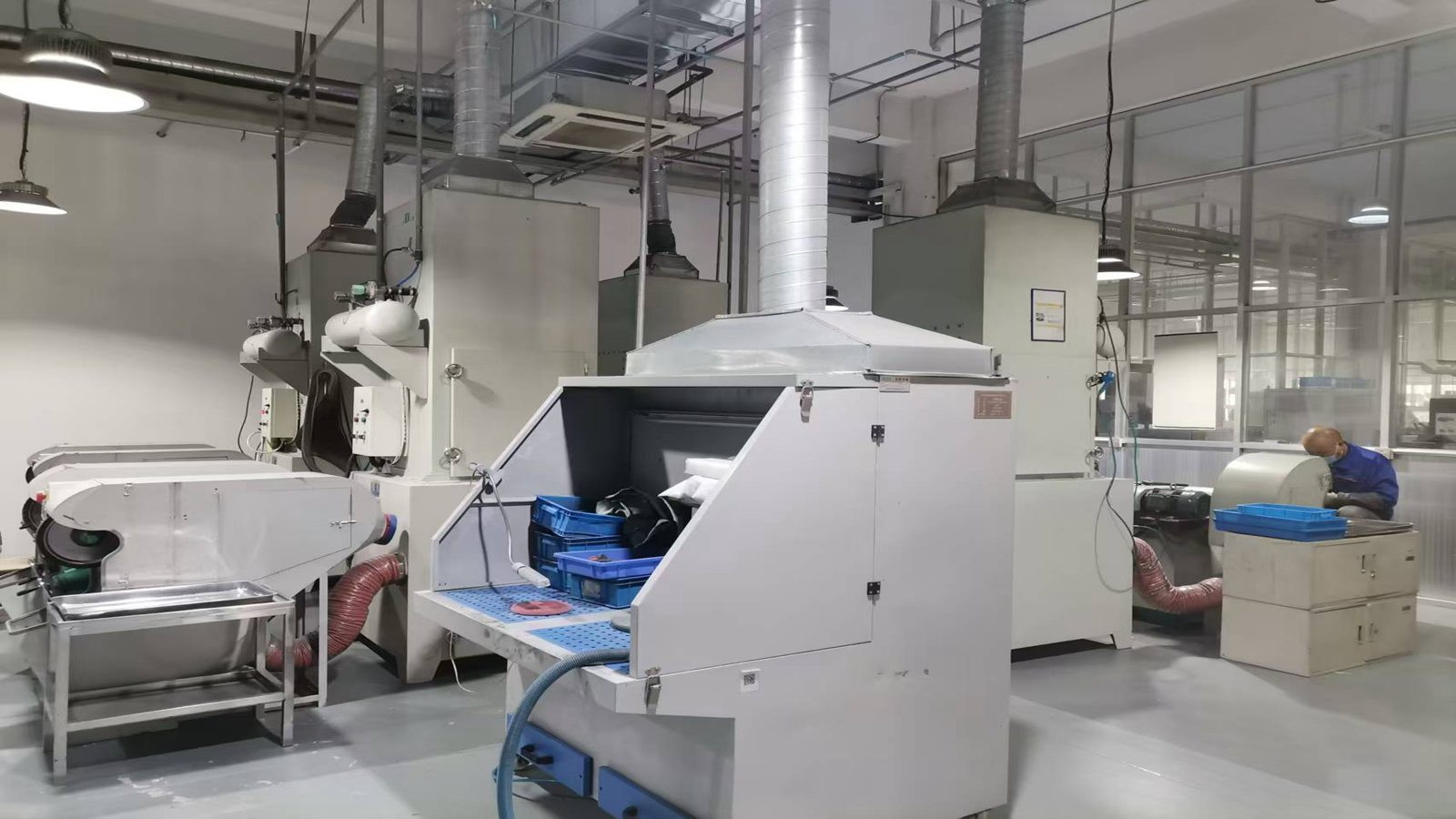
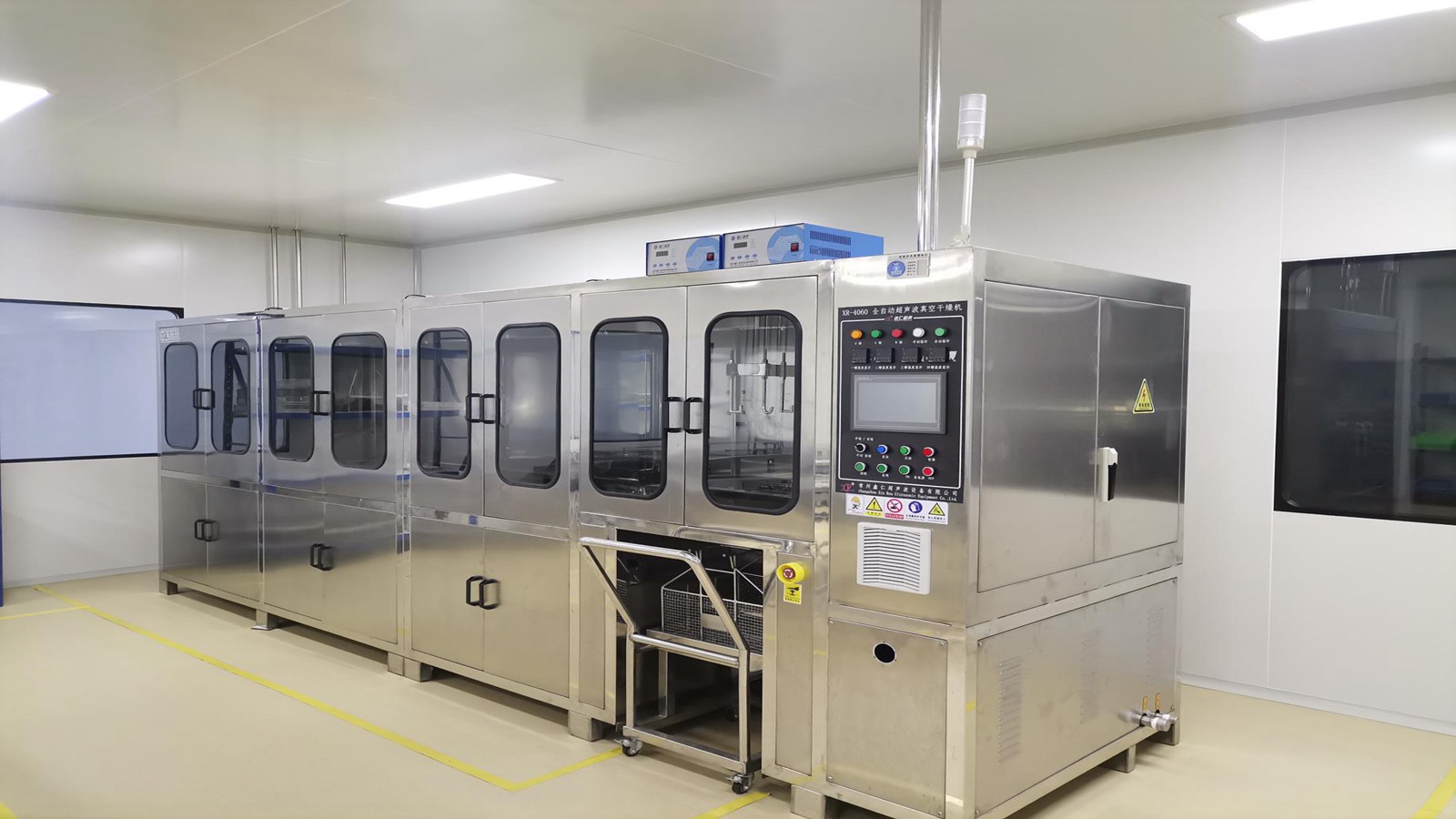
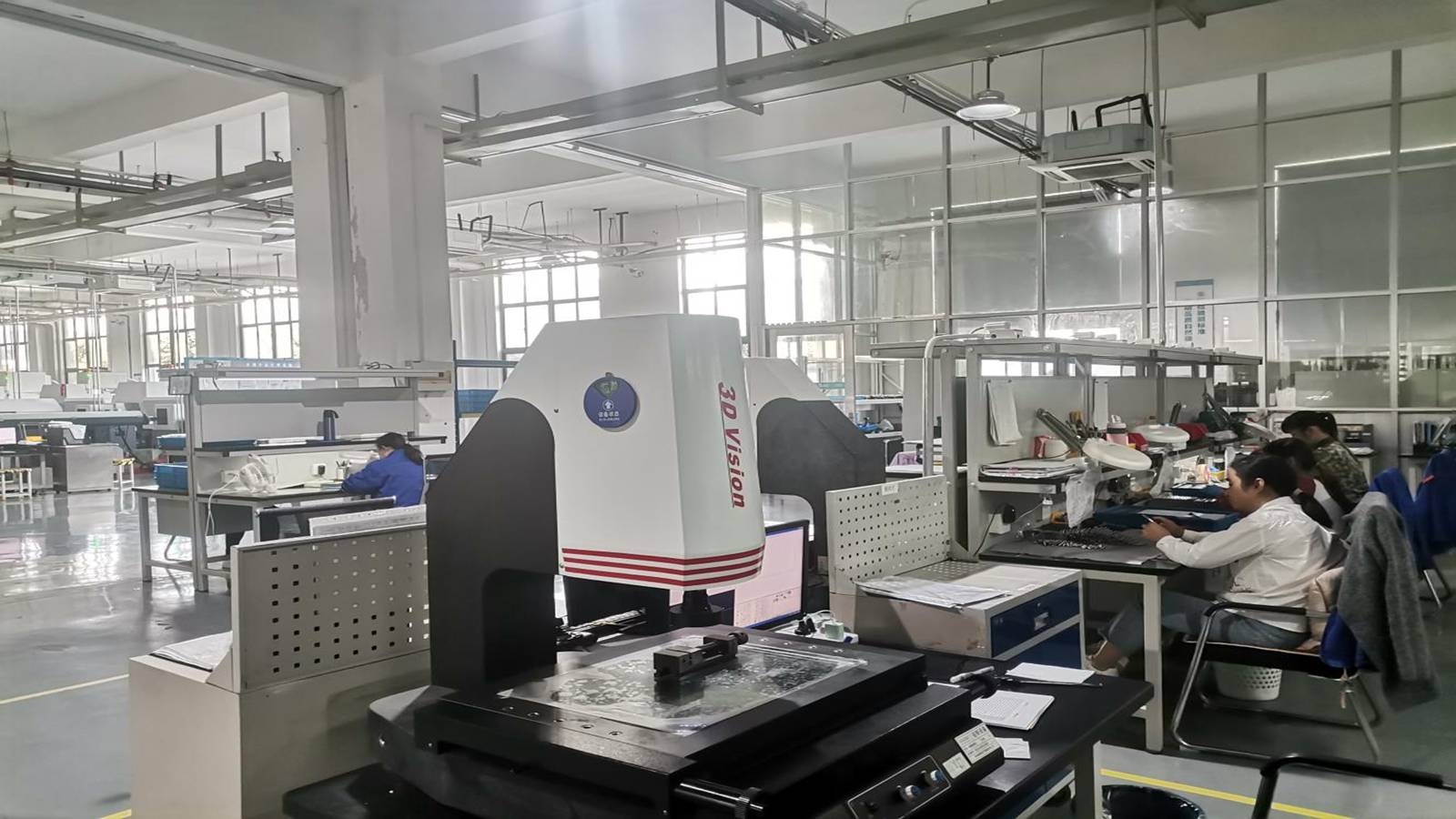
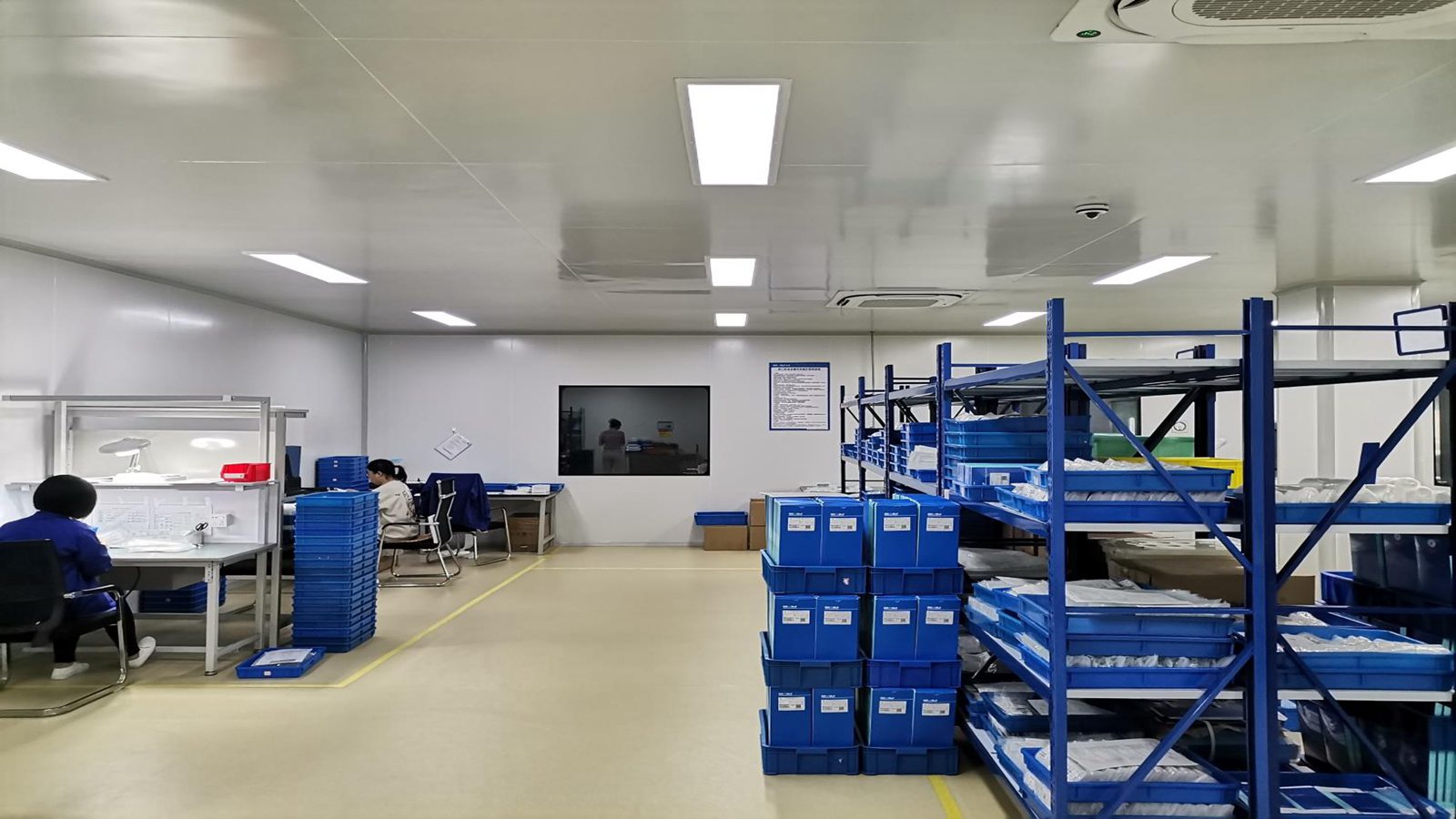
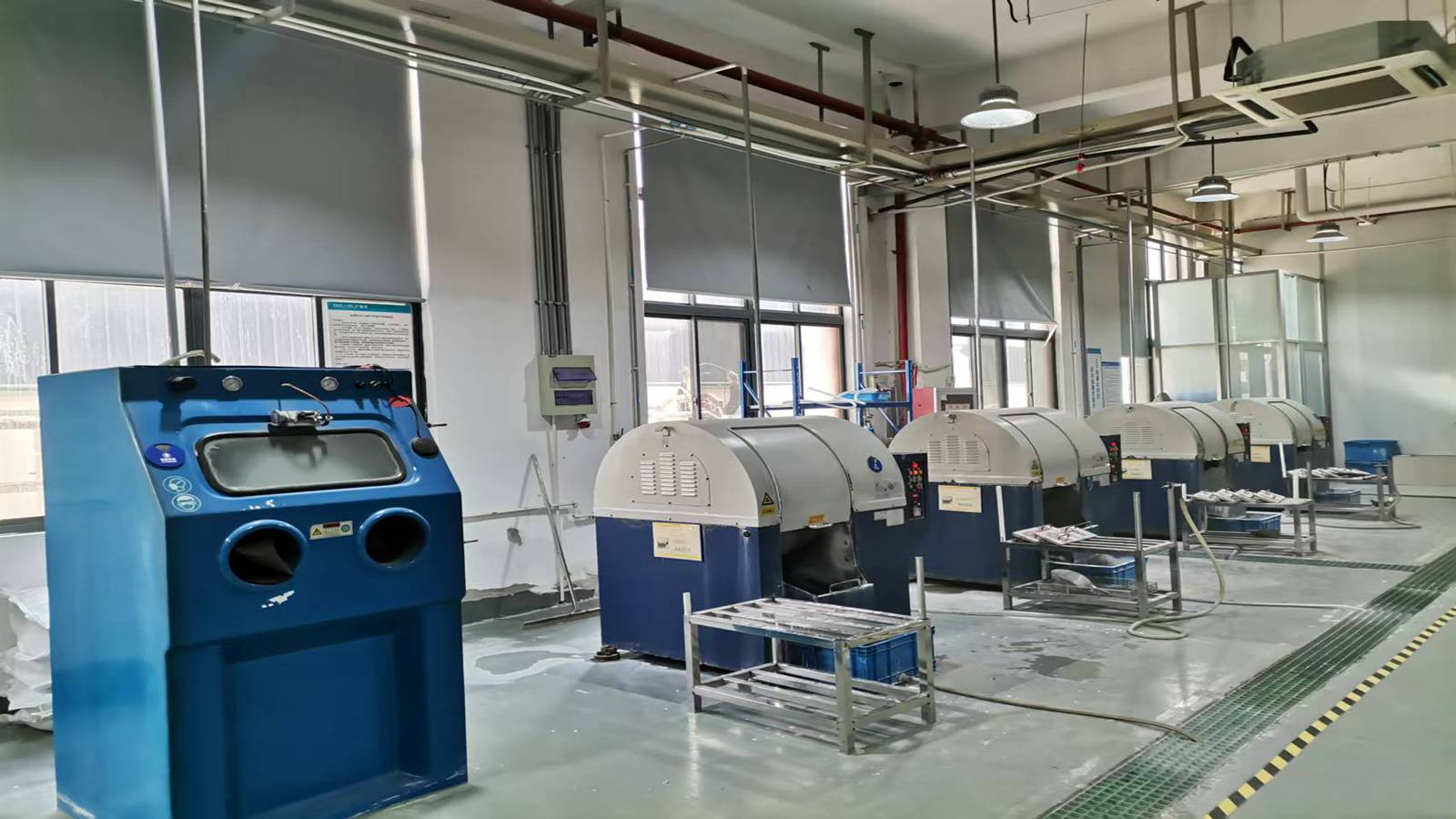
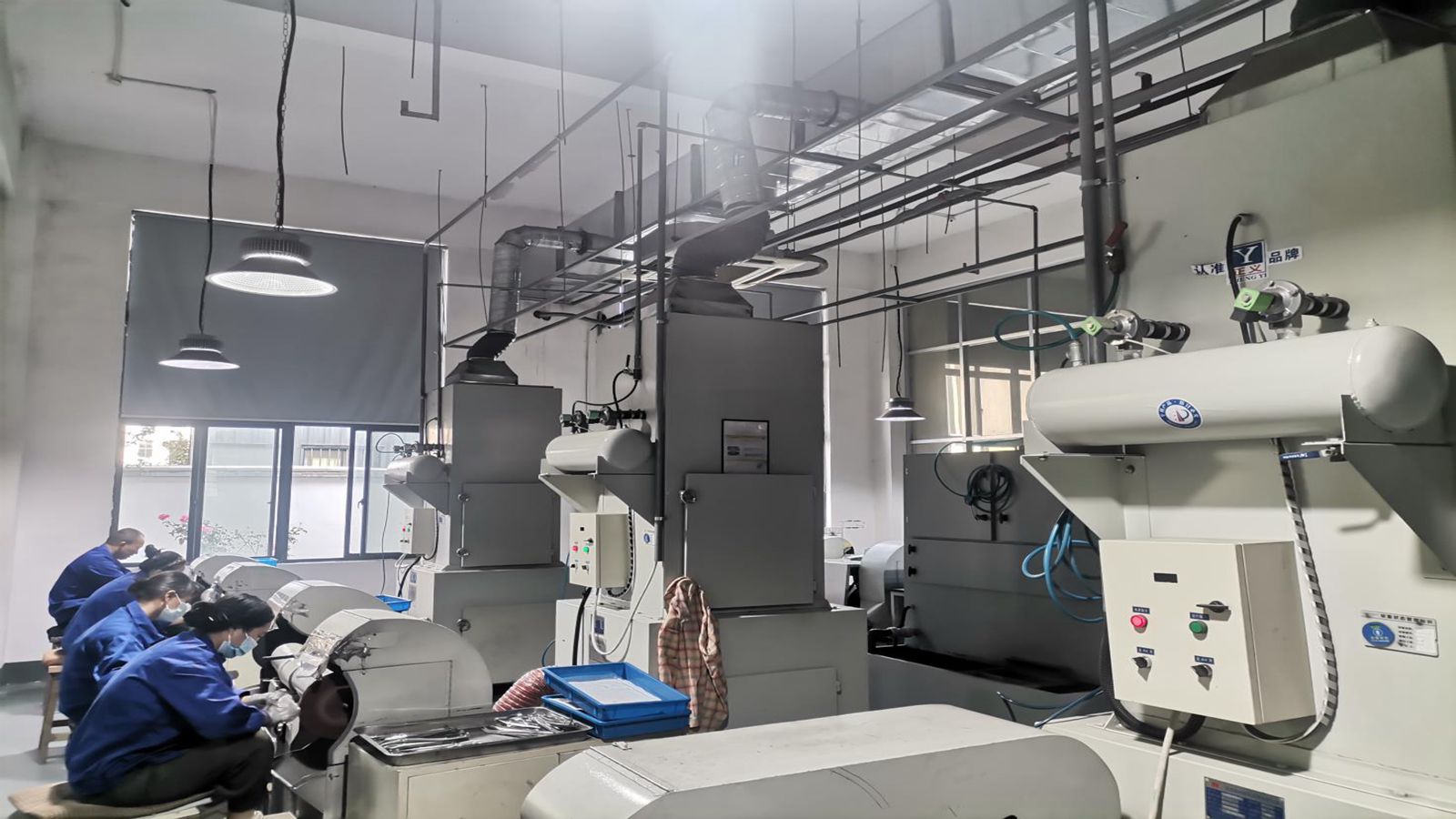
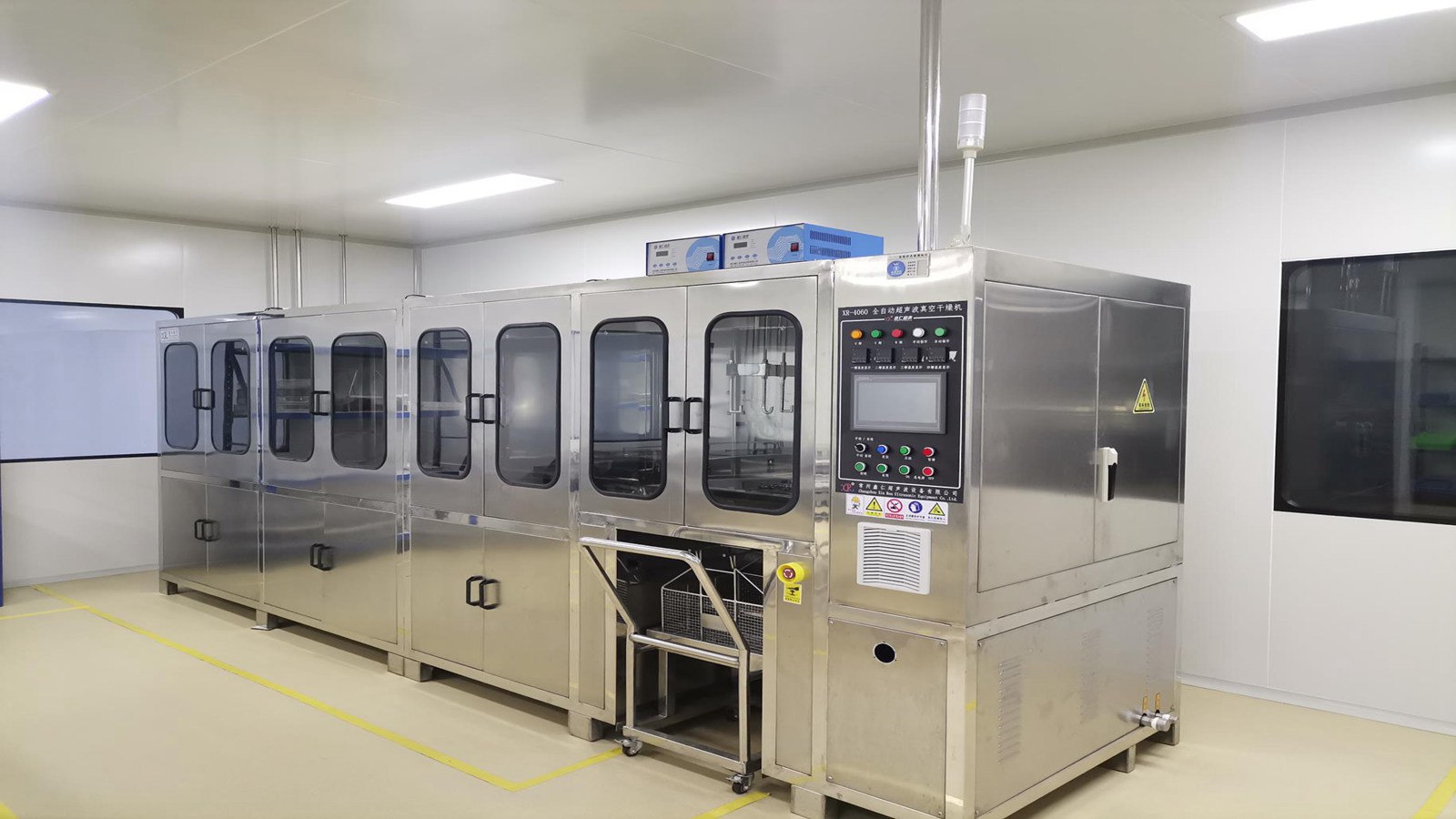
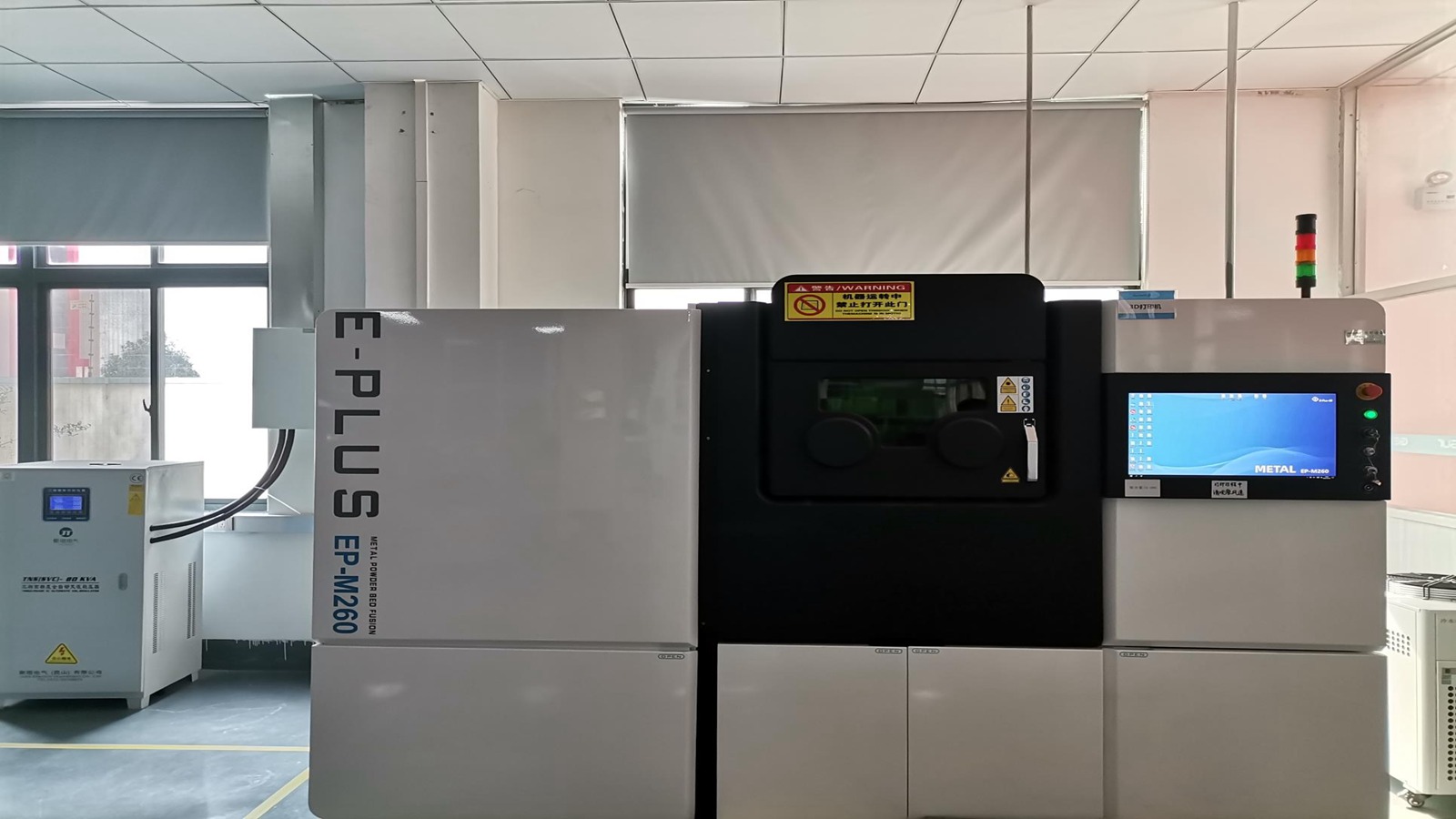
A visual tour of our production workshop, CNC centers, packaging clean rooms, and quality inspection labs.


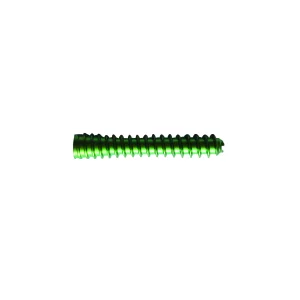
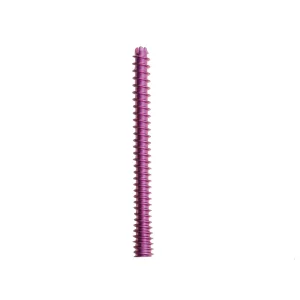
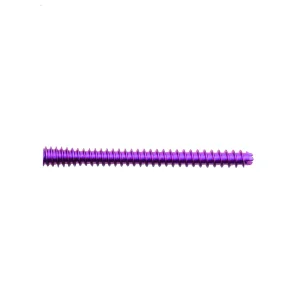
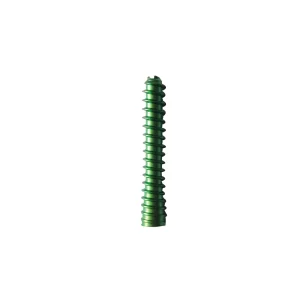
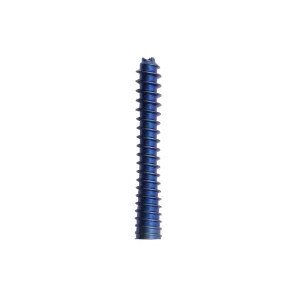
For articular applications like scaphoid fractures or osteochondral defect fixation, standard headed screws can damage joint cartilage. The Herbert screw uses a headless design with differential thread pitches at the leading and trailing ends. Since the trailing thread has a larger pitch than the leading thread, each rotation pulls the bone fragments together, providing strong compression without leaving a proud screw head.
Clinical and manufacturing queries addressed directly by our senior R&D engineers.
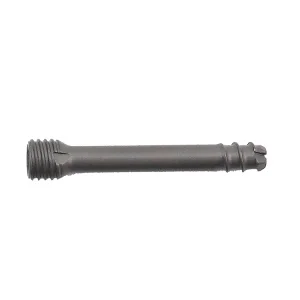
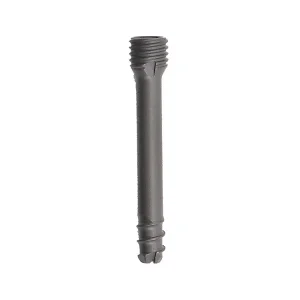
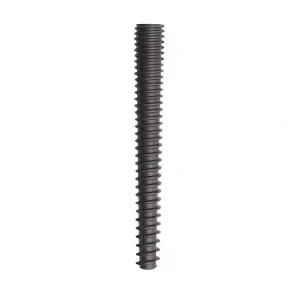
Browse our micro, headless, and dynamic locking bone screw configurations for comprehensive fracture care.