Ease Medical Apparatus And Instruments
Ease Medical Apparatus And Instruments
Ease Medical Apparatus And Instruments
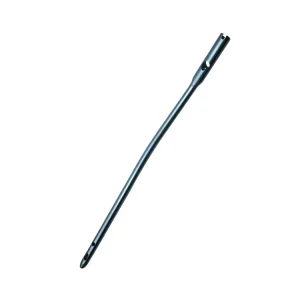
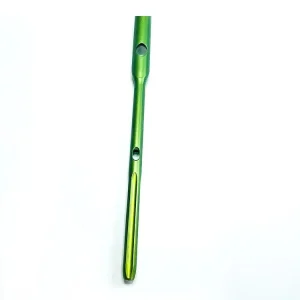
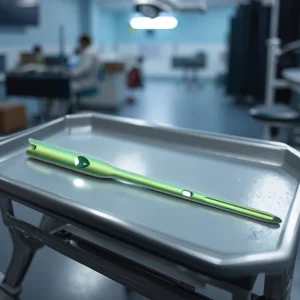
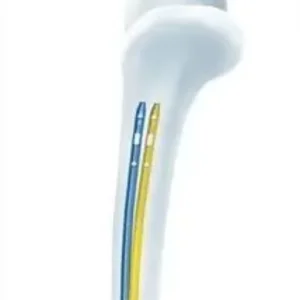
Intramedullary (IM) nailing has emerged as the gold standard for the treatment of long bone diaphyseal fractures. By providing a stable, internal splint that shares the load with the bone, IM nails allow for early mobilization and weight-bearing, which are critical for preventing complications such as deep vein thrombosis (DVT) and muscle atrophy. As a leading Intramedullary nail implant manufacturer, we recognize that the efficacy of these devices depends not only on material biocompatibility but also on biomechanical design precision.
The global orthopedic implant market is currently experiencing a CAGR of 5.4%, driven by an aging population and an increase in road traffic accidents. High-growth markets in Southeast Asia and Eastern Europe are demanding more cost-effective yet high-quality titanium solutions.
With the transition from MDD to MDR in Europe, the barrier for entry for suppliers has increased. Our facility maintains ISO13485, MDSAP, and CE (MDR) certifications, ensuring every nail meets the highest safety benchmarks.
Transitioning from 316L Stainless Steel to Grade 5 Titanium Alloy (Ti-6Al-4V) has revolutionized patient outcomes by offering a lower modulus of elasticity, closer to that of human bone, reducing "stress shielding" effects.
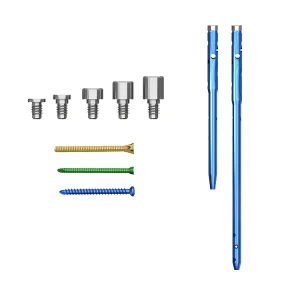
From the early 1940s with Gerhard Küntscher's V-shaped nails to today's Multi-Loc interlocking systems, the roadmap has focused on three pillars: Anatomical Fit, Stability, and Minimally Invasive Entry. Modern nails utilize cannulated designs for guide-wire insertion and offer various distal locking options (static, dynamic, or compressed) to tailor the healing environment to the specific fracture type.
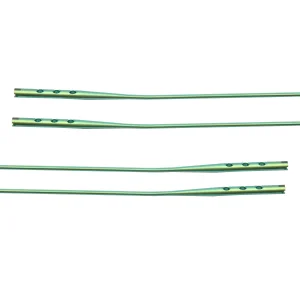
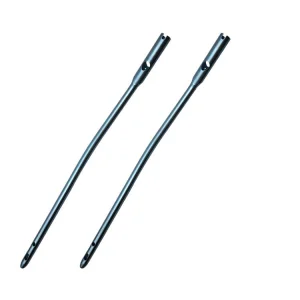
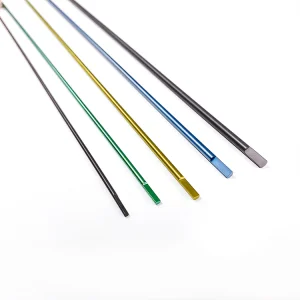
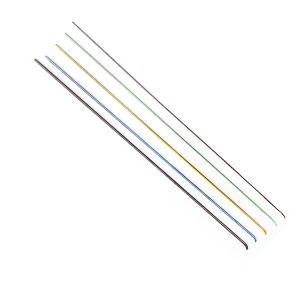
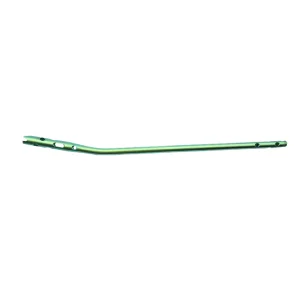
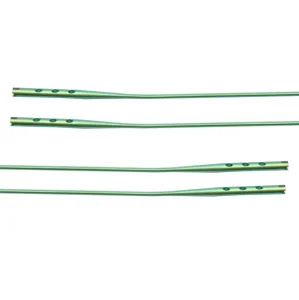
Different clinical environments require specialized hardware. For instance, in pediatric trauma, the use of Elastic Intramedullary Nails (EIN) is paramount. These allow for "three-point fixation" within the narrow canal of a growing child's bone without damaging the growth plate (epiphyseal plate).

Our PFNA (Proximal Femoral Antirotation Nail) systems are designed for osteoporotic bone, featuring a helical blade that increases surface area and prevents "cut-out" in elderly patients.
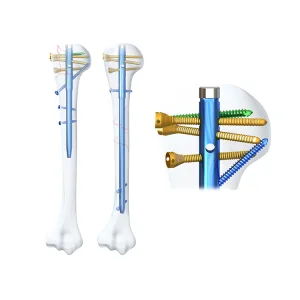
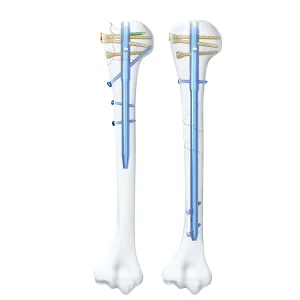
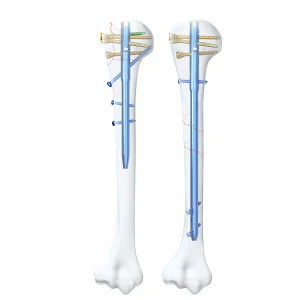
Humeral and Ulna/Radius interlocking nails provide rotational stability where traditional plates might require extensive soft tissue stripping, preserving the periosteal blood supply.
Supplying rapid-response trauma kits to hospitals in Eastern Europe and Southeast Asia, focusing on universal instrumentation that reduces surgical time in high-pressure environments.
The next frontier in Intramedullary nail implant manufacturing involves the integration of AI-driven preoperative planning. By analyzing CT scans, surgeons can select the perfect nail curvature and length before the first incision is made. Furthermore, 3D-printed porous coatings at the entry site of the nail are being researched to improve osseointegration and reduce the risk of implant-related infections.
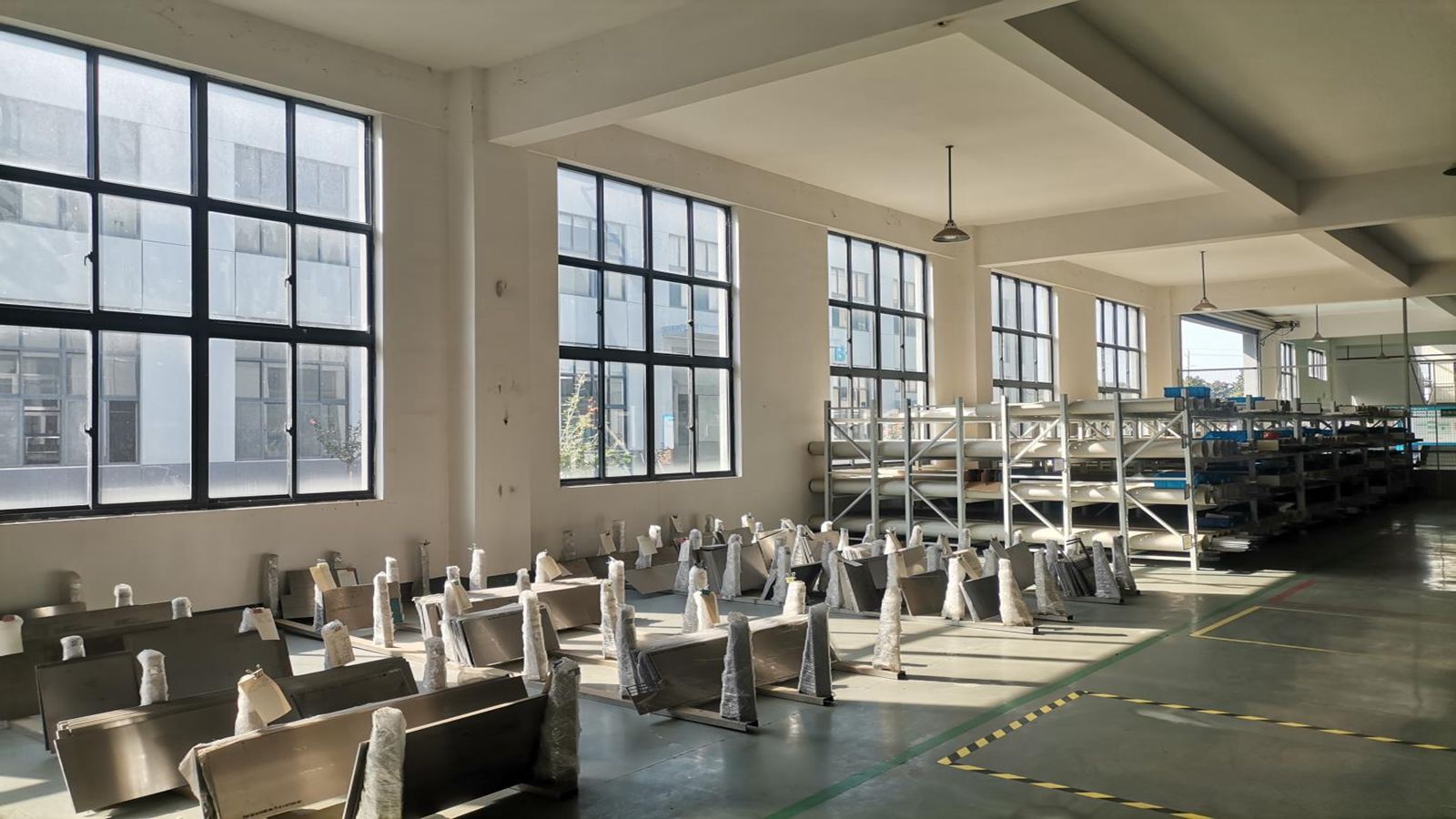
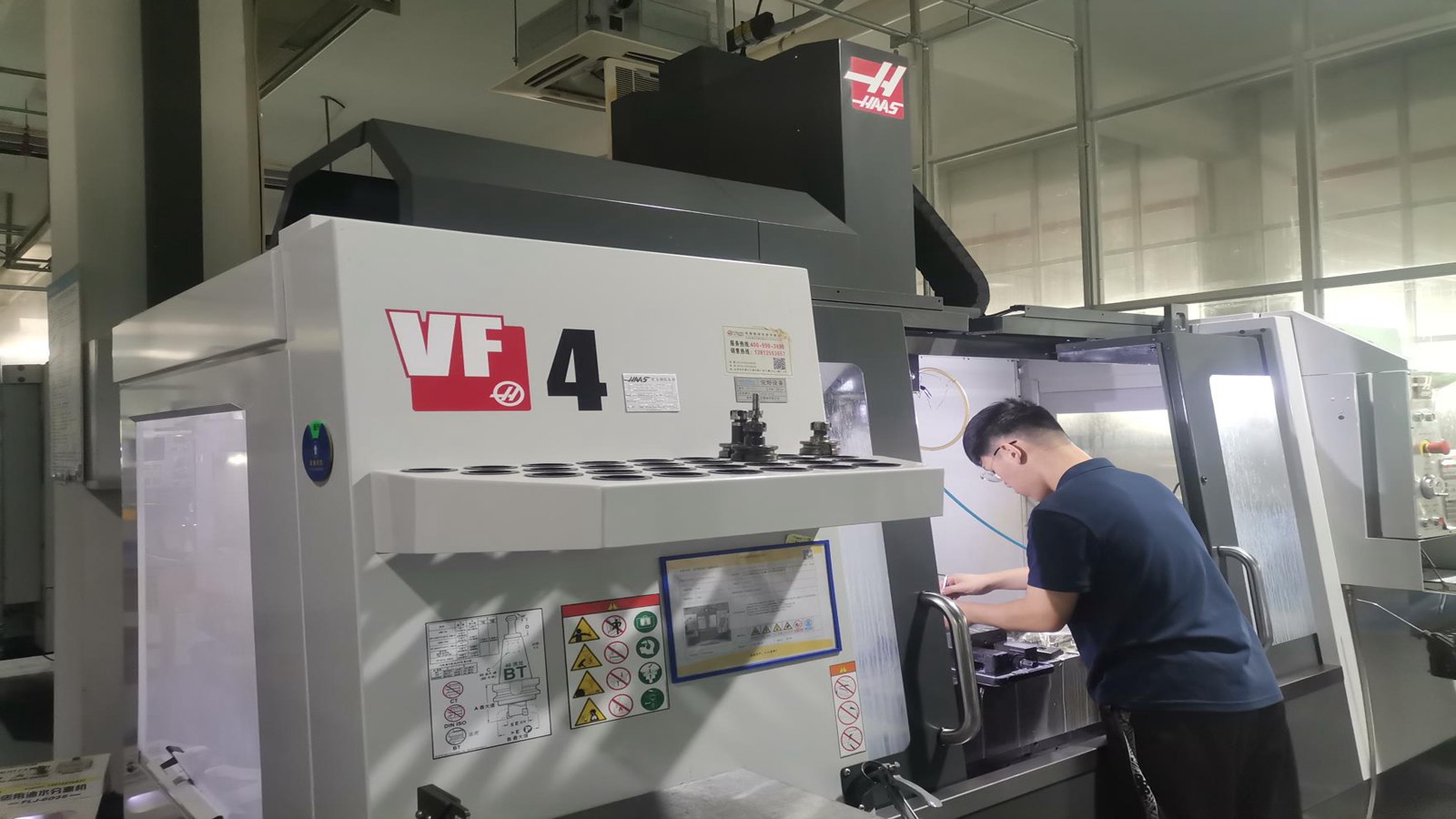
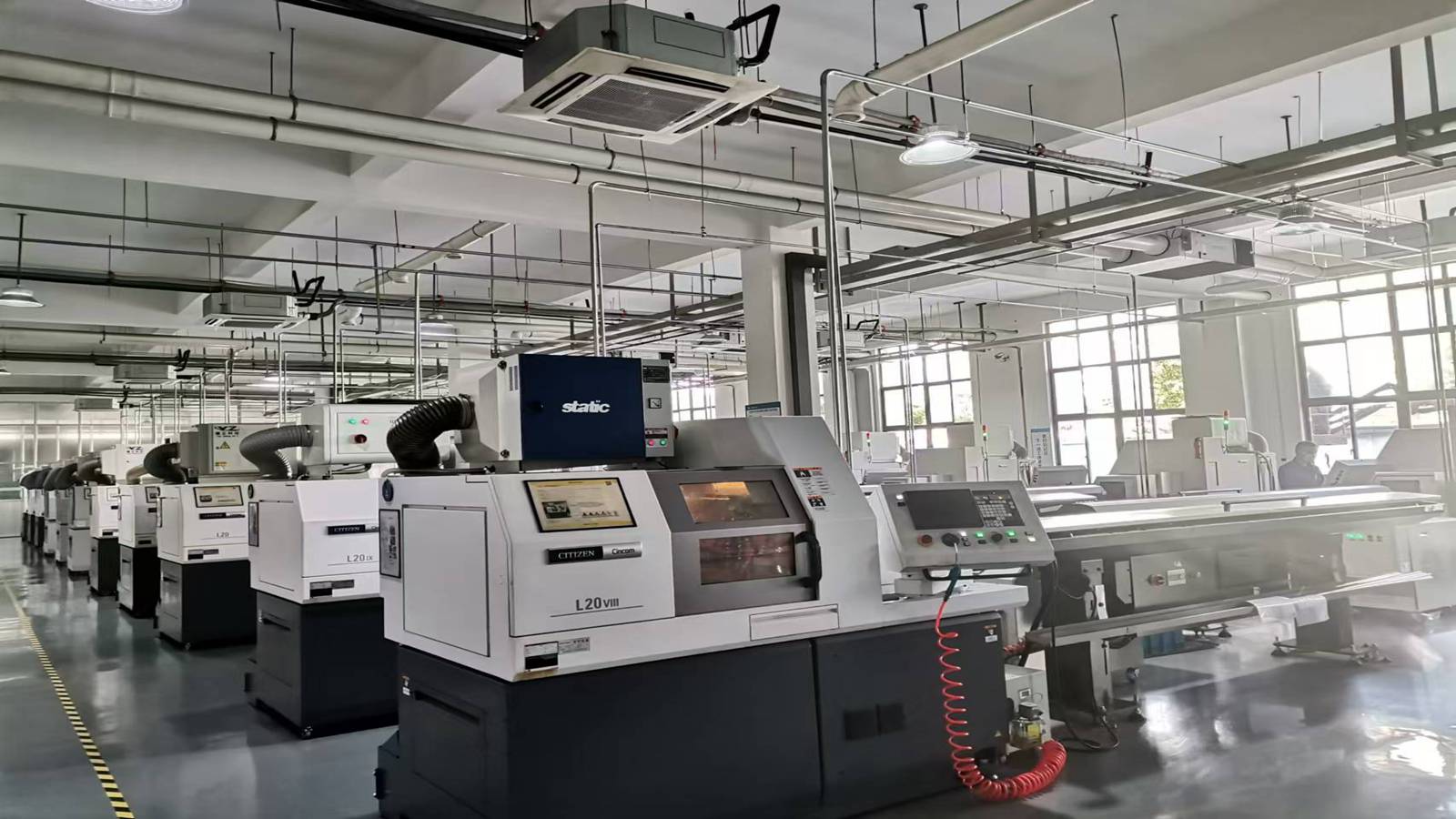
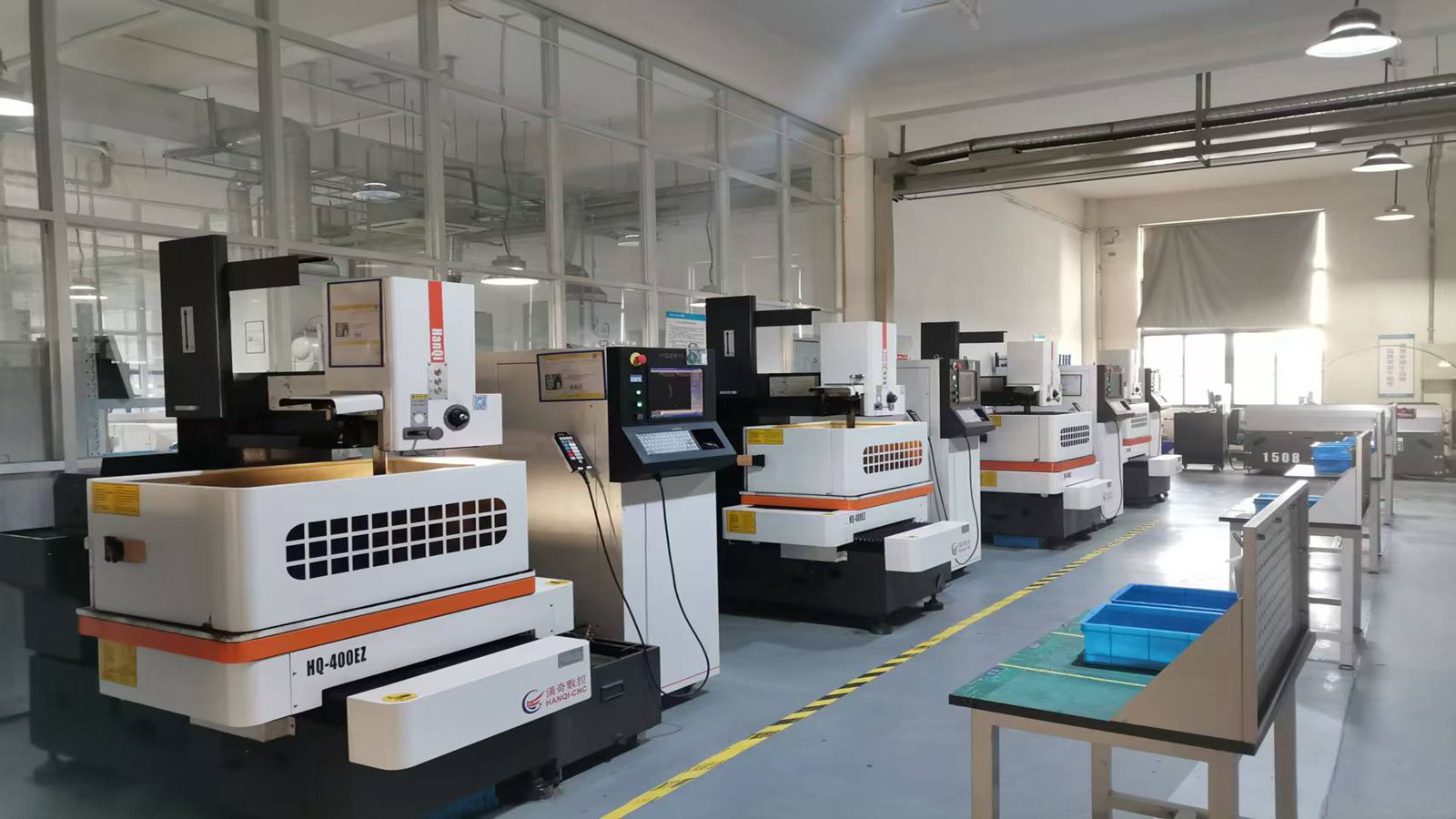
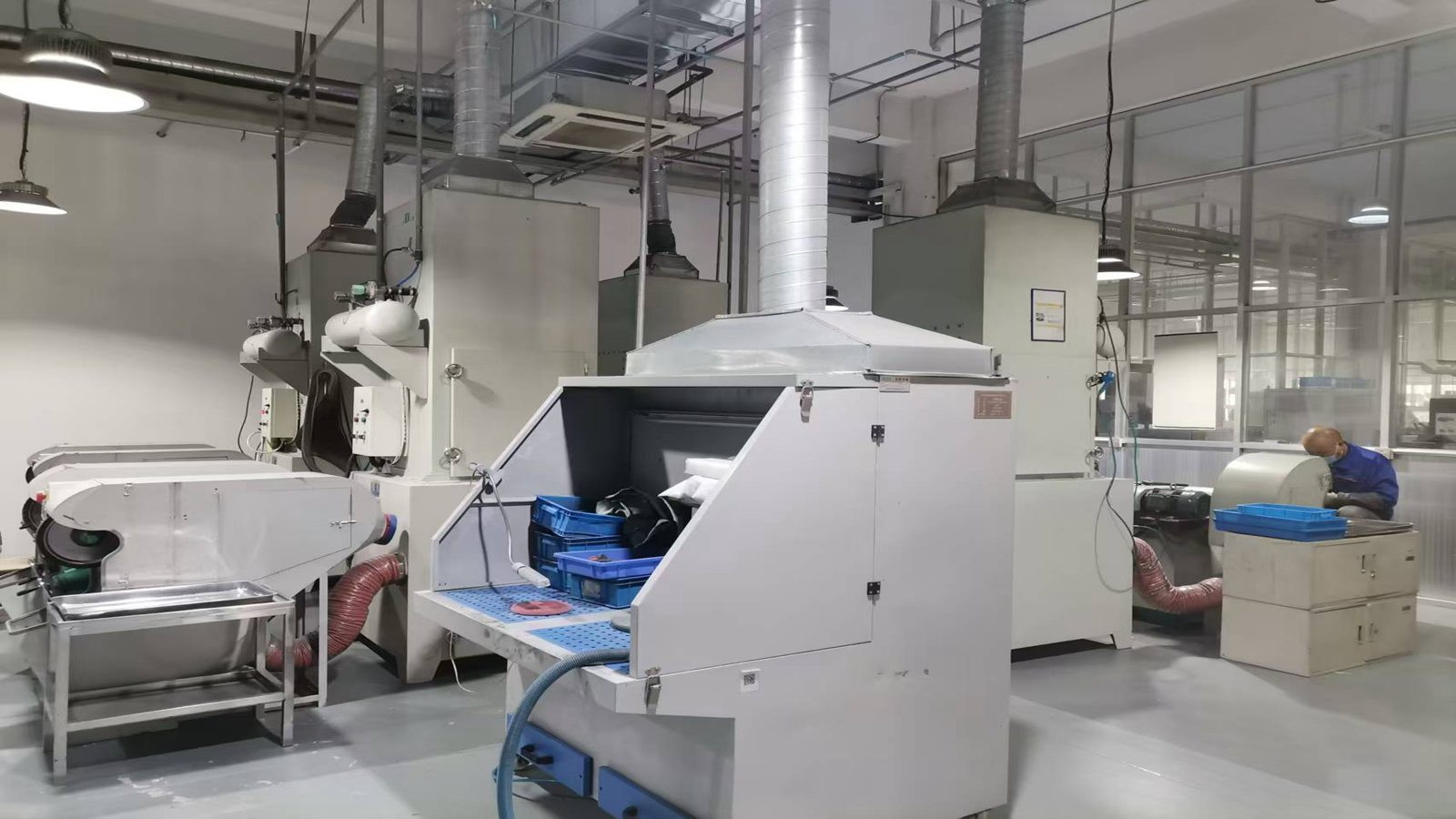
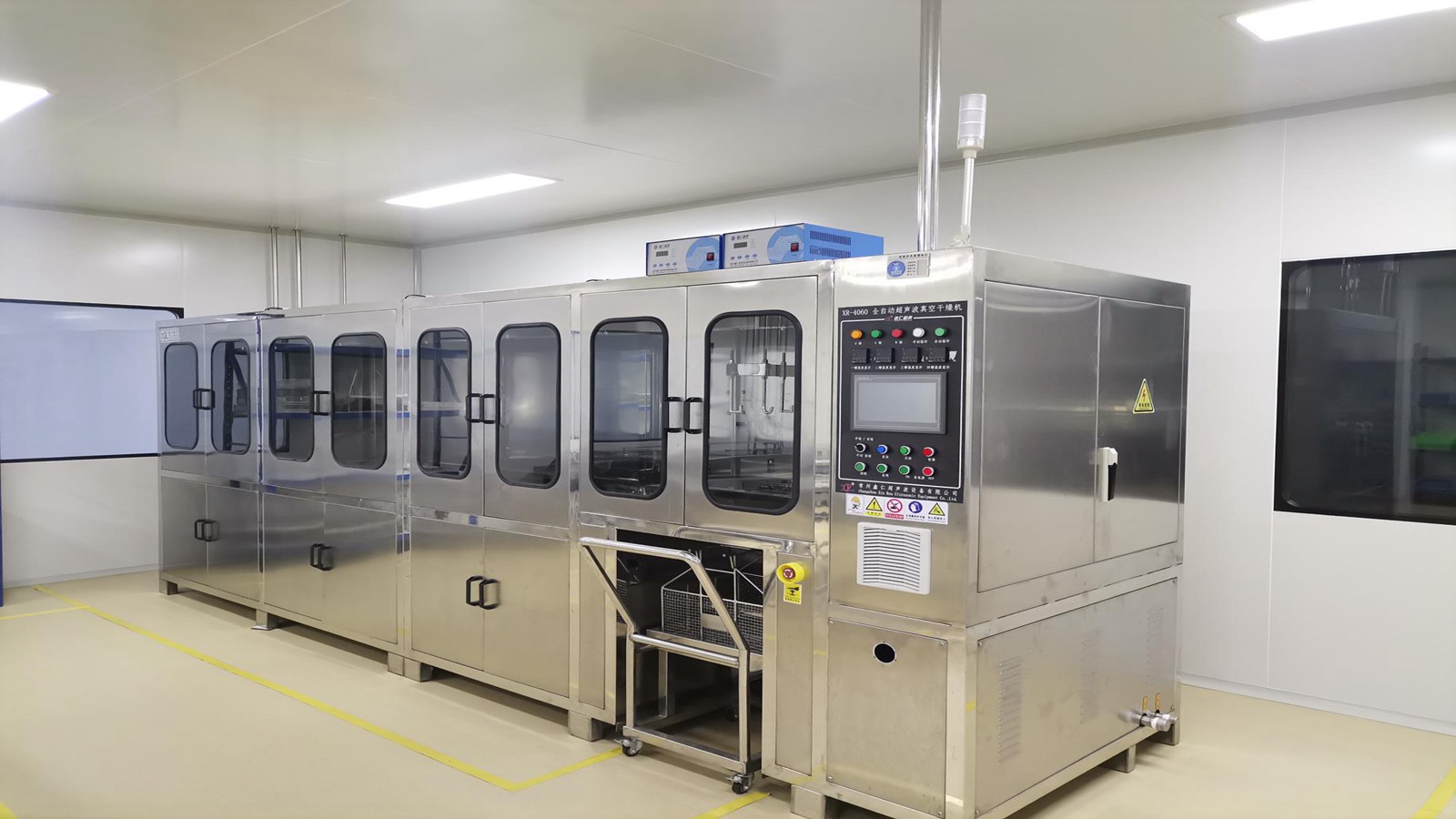
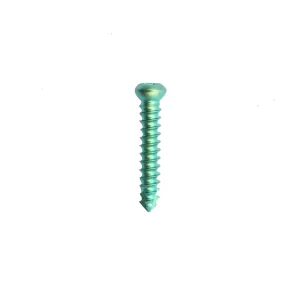
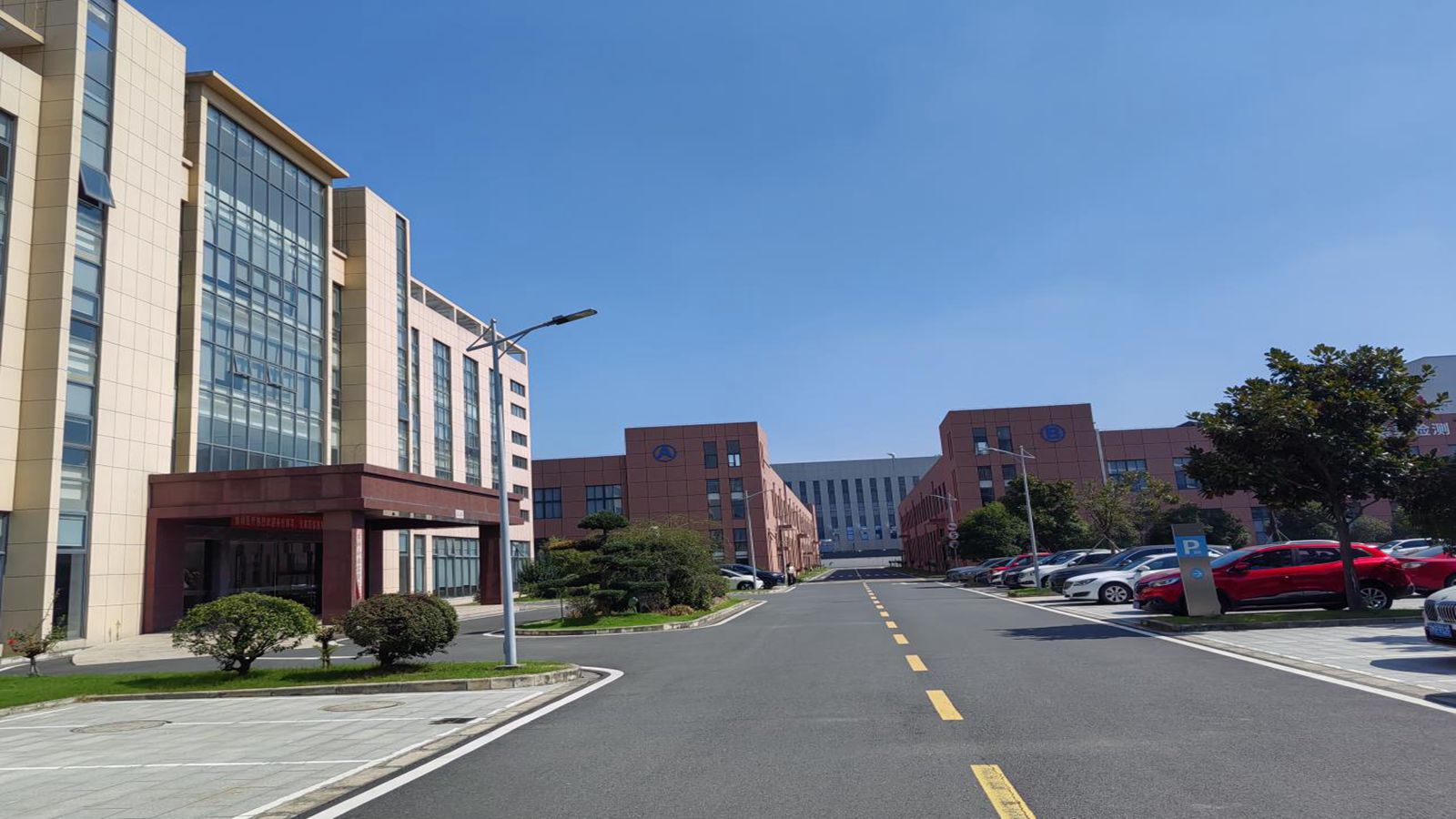
As a verified supplier with a decade of industry experience, our manufacturing process integrates high-end Swiss CNC longitudinal lathes and 5-axis machining centers. This ensures that every locking screw and nail cannulation is within micron-level tolerances.
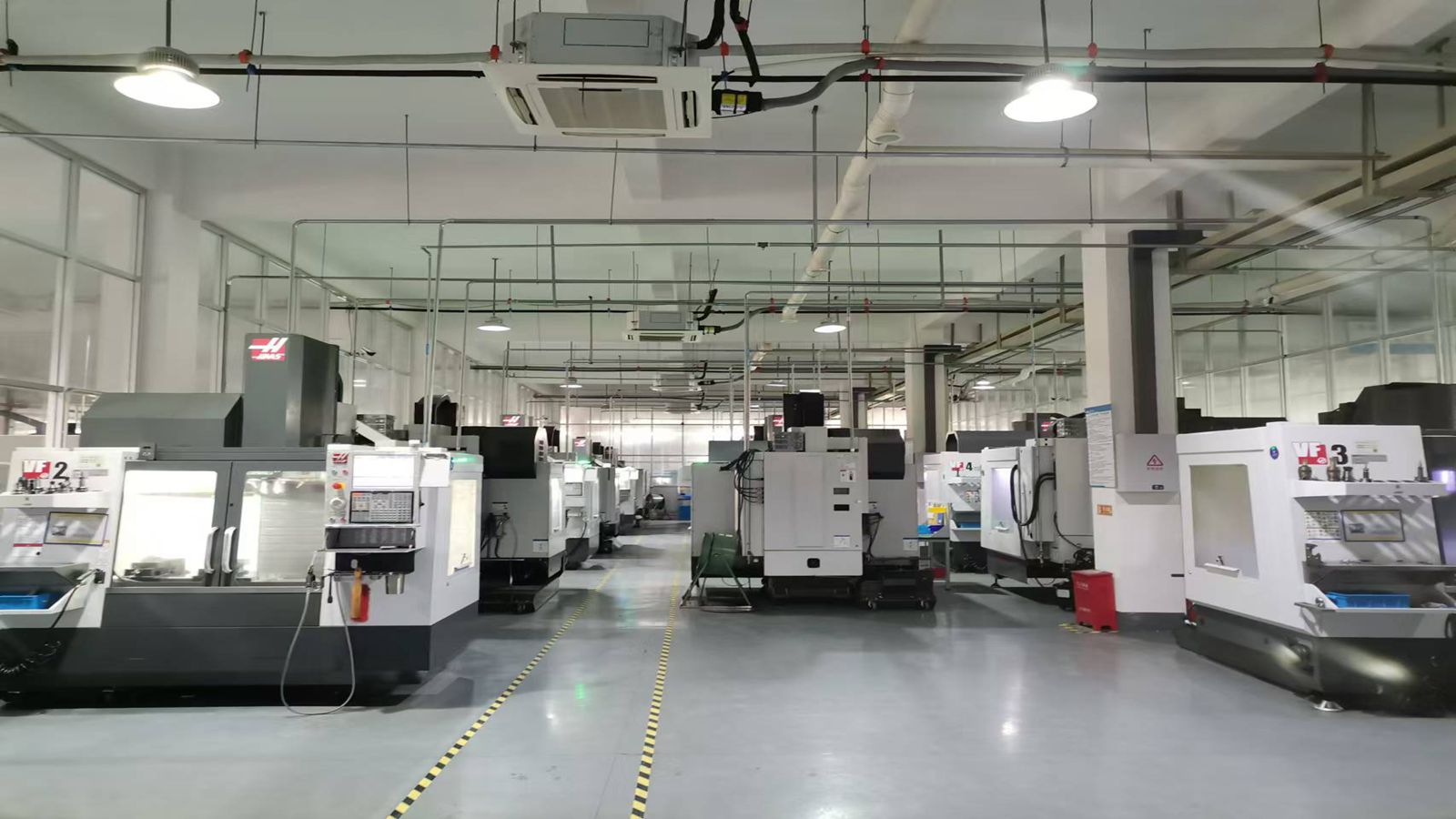
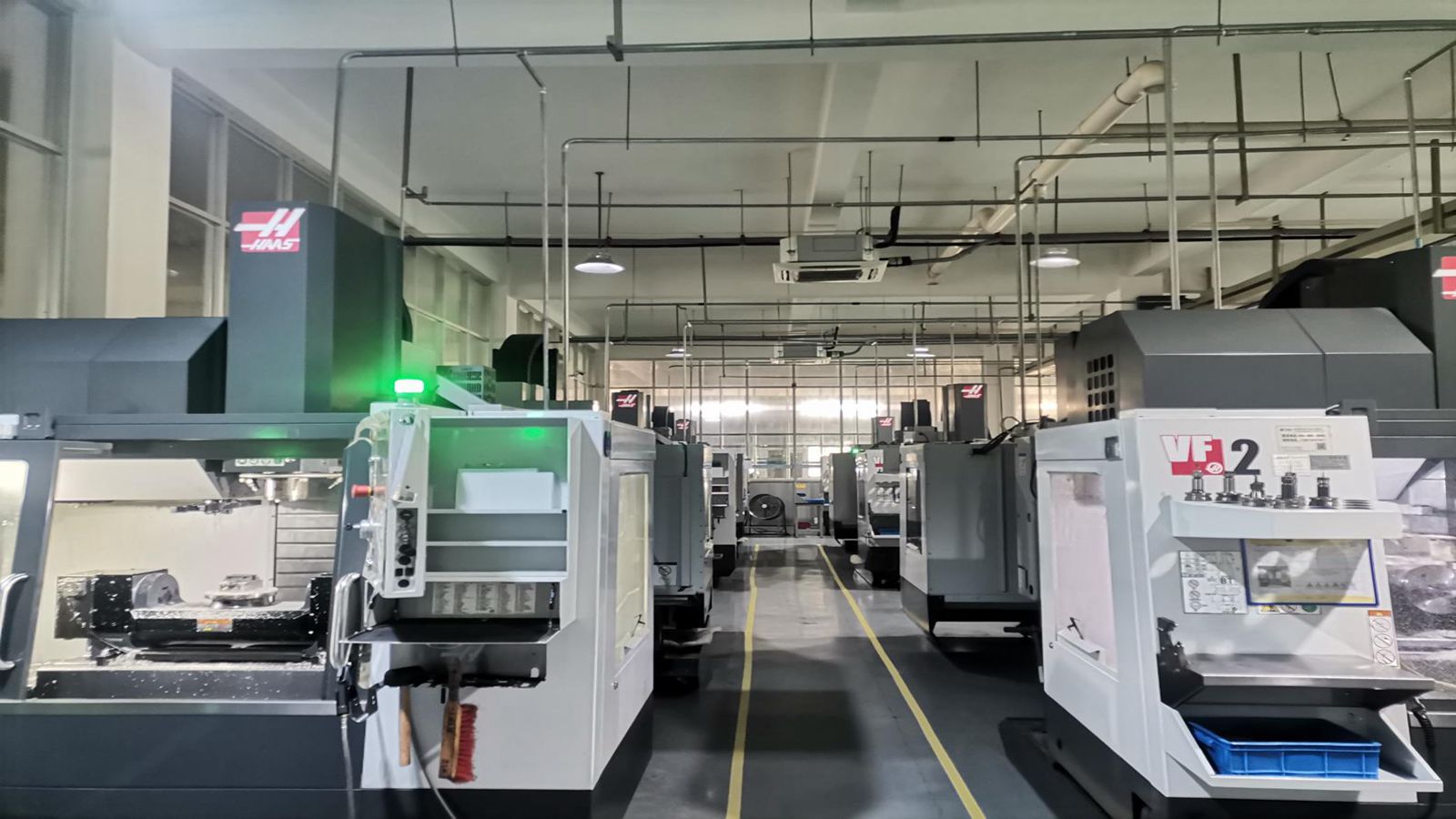
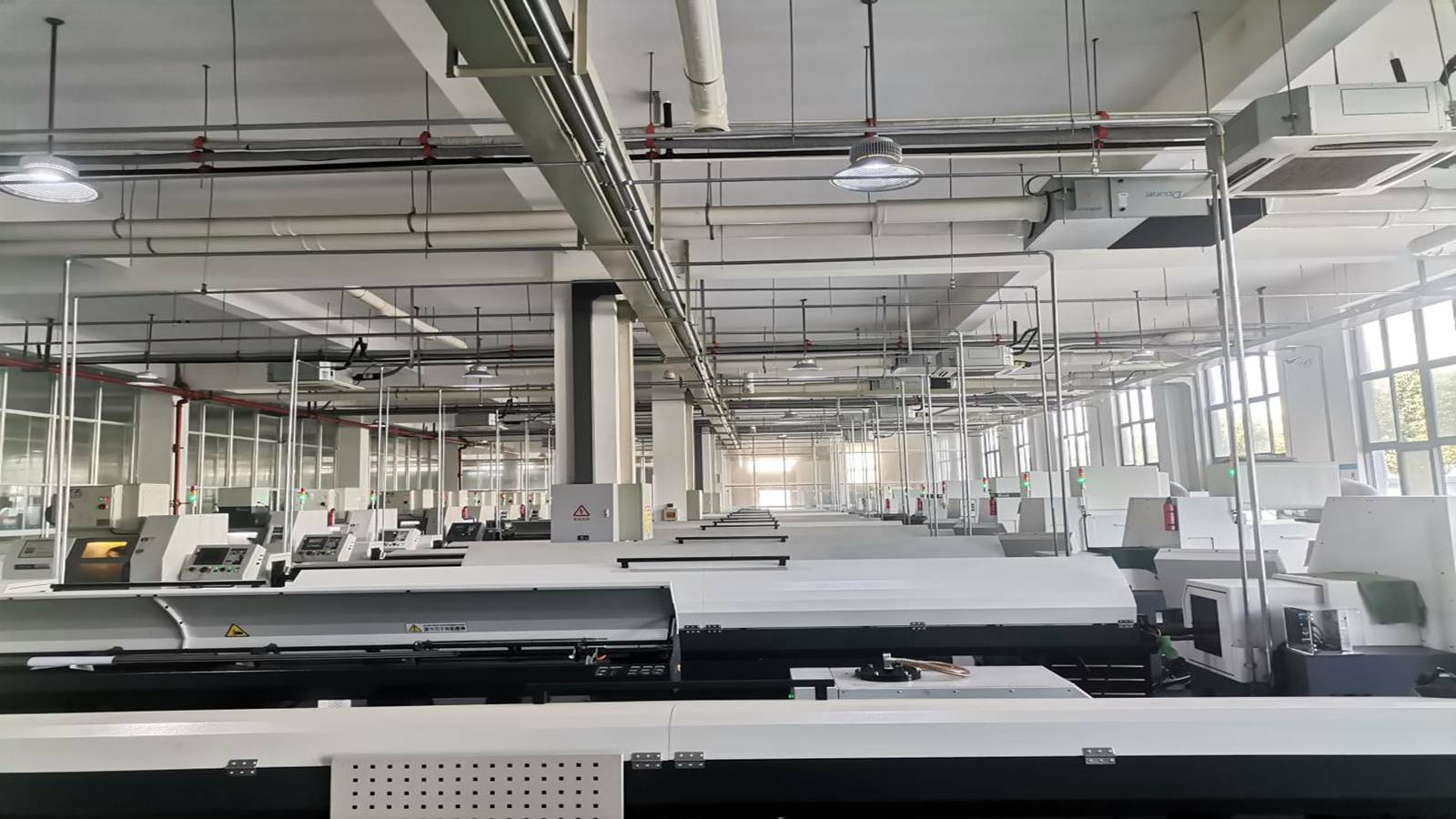
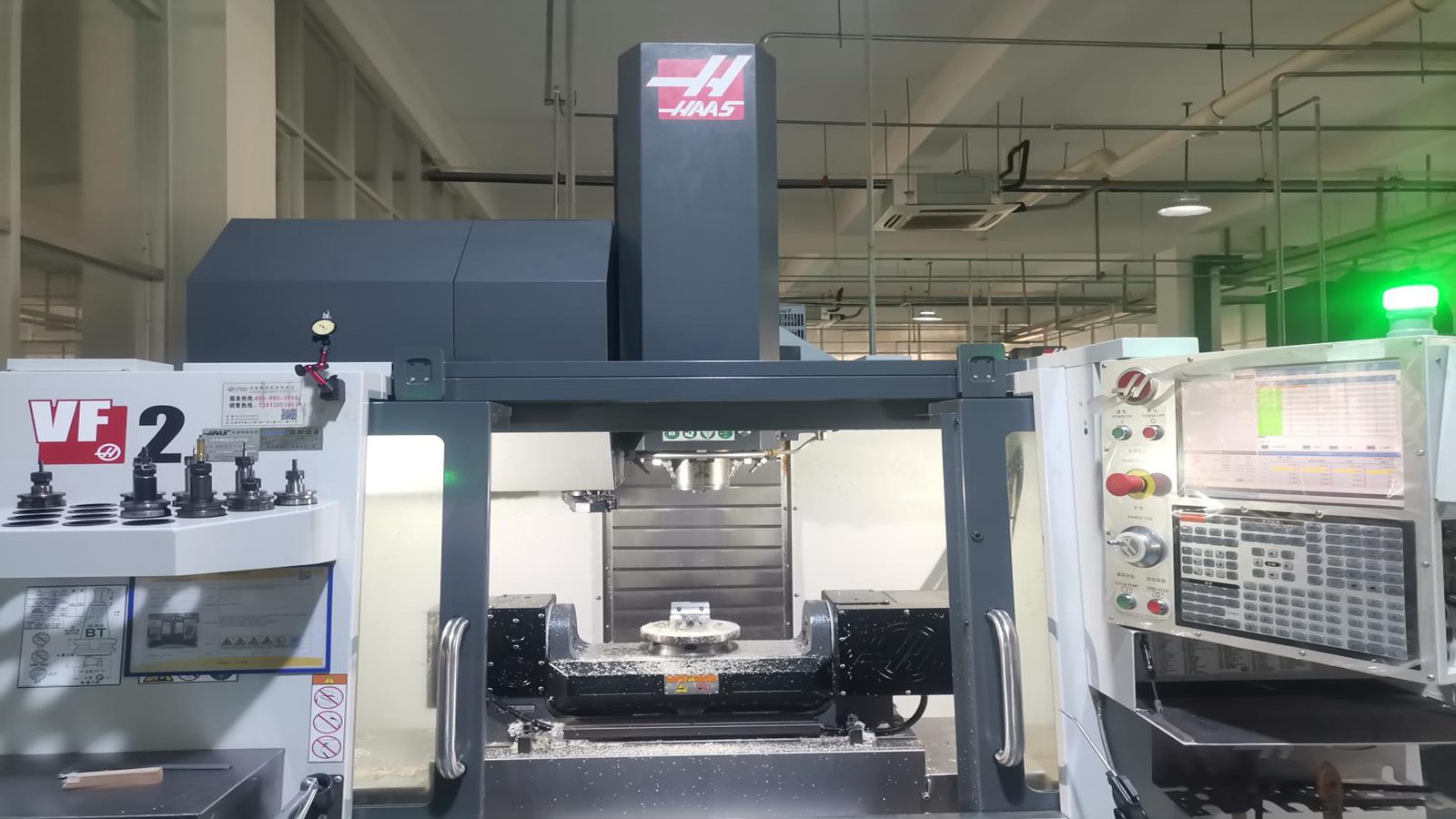
Quality control is not just a final step; it is embedded in our DNA. With 36 QA/QC inspectors and full traceability of raw materials (from ingot to final sterile package), we provide the reliability required for Class III medical devices. Our R&D team, which includes a doctorate and multiple post-graduate engineers, launched 25 new products last year alone, focusing on simplifying surgical techniques.
Our products are currently utilized in 80% of domestic markets, with a rapidly growing footprint in Eastern Europe and Southeast Asia. We are actively seeking long-term partnerships with brand businesses, wholesalers, and engineers to expand our impact on global trauma care.