Ease Medical Apparatus And Instruments
Ease Medical Apparatus And Instruments
Ease Medical Apparatus And Instruments
Explore our elite portfolio of high-grade surgical instruments and implant configurations designed for trauma, spinal, and reconstructive orthopedics.
A testament to decadal engineering excellence, robust production capacities, and international standard conformance.
Analyzing clinical application scenarios, material engineering standards, and macroscopic procurement strategies for modern orthopedic surgical systems.
Cannulated screws have revolutionized contemporary trauma and orthopedic surgery by presenting a minimally invasive methodology for bone fixation. The core biomechanical advantage lies in the axial hollow channel. This guide-wire-directed approach allows orthopedic surgeons to precisely place guide pins under fluoroscopic or C-arm visualization before committing to the final trajectory of the screw. By shifting the paradigm from freehand insertion to guide-wire-assisted alignment, surgeons mitigate risks of cortical blowout, articular cartilage violation, and soft tissue damage.
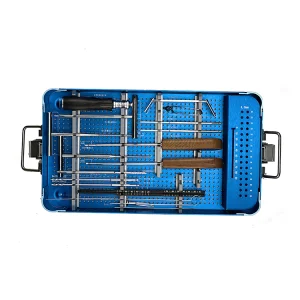
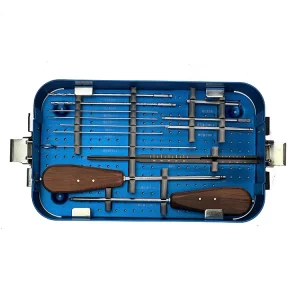
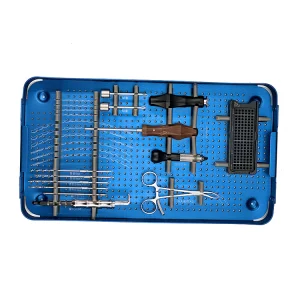
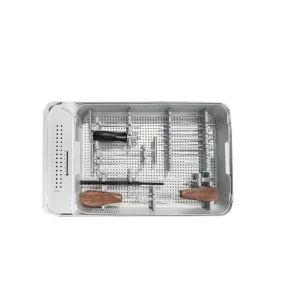
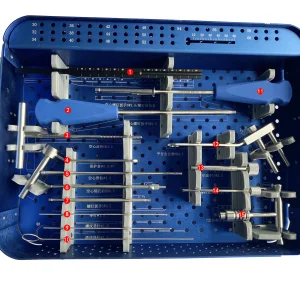
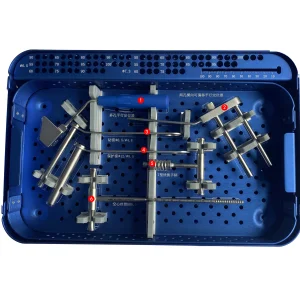
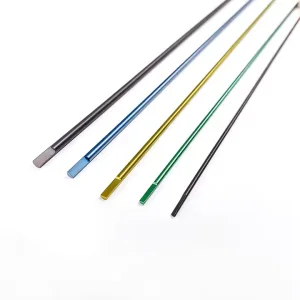
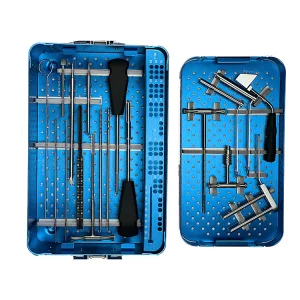
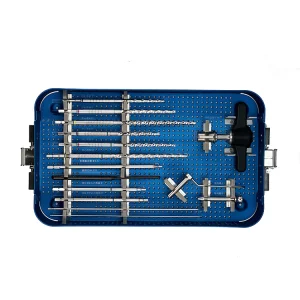
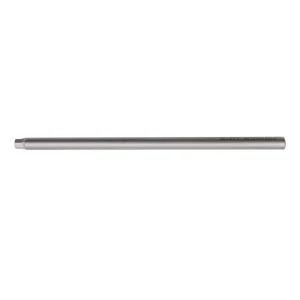
The surgical instruments that facilitate this process must match the engineering tolerances of the implants themselves. A standard Cannulated Screw Instrument Set includes cannulated drill bits, cannulated taps, parallel guide wire sleeves, depth gauges, and specialized torque-limiting screwdrivers. Our comprehensive kits are designed to work smoothly with K-wires, ensuring that the central bore of the surgical instruments aligns precisely with the guide wire to prevent binding or excessive friction.
Modern orthopedic implants must balance biocompatibility, fatigue strength, and modulus of elasticity. Titanium alloy (specifically Ti-6Al-4V ELI, conforming to ASTM F136 standards) stands as the premium option for permanent implants like our cervical intervertebral discs and compression screws. Titanium exhibits a lower modulus of elasticity compared to stainless steel, which closely mimics cortical bone properties. This characteristic reduces the "stress shielding" effect, promoting physiological bone remodeling and faster osseointegration.
For instrumentation sets, medical-grade stainless steel (such as 17-4 PH or 400 series stainless steel) is selected for its high wear resistance, structural stiffness, and durability under repeated autoclave sterilization cycles. Advanced passivation and anodization technologies are utilized to create an inert oxide layer on both implants and instruments. This layer protects the medical devices from corrosion, reduces bacterial adhesion, and extends their clinical lifespan.
Self-tapping and self-drilling tip designs minimize insertion torque, protecting vulnerable bone structures during osteosynthesis.
Engineered thread diameters from 2.5mm, 3.5mm, 4.0mm, and 4.5mm up to large-fragment 6.5mm and 7.3mm systems cover diverse anatomical needs.
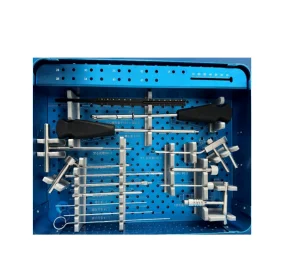
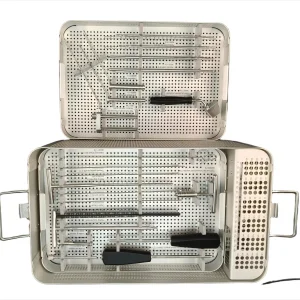
Instrument trays and storage organizers are designed to withstand autoclaving, ensuring efficient steam penetration and dry times.
Why global healthcare procurers and medical distributors partner with Geasure for their orthopedic product lines.
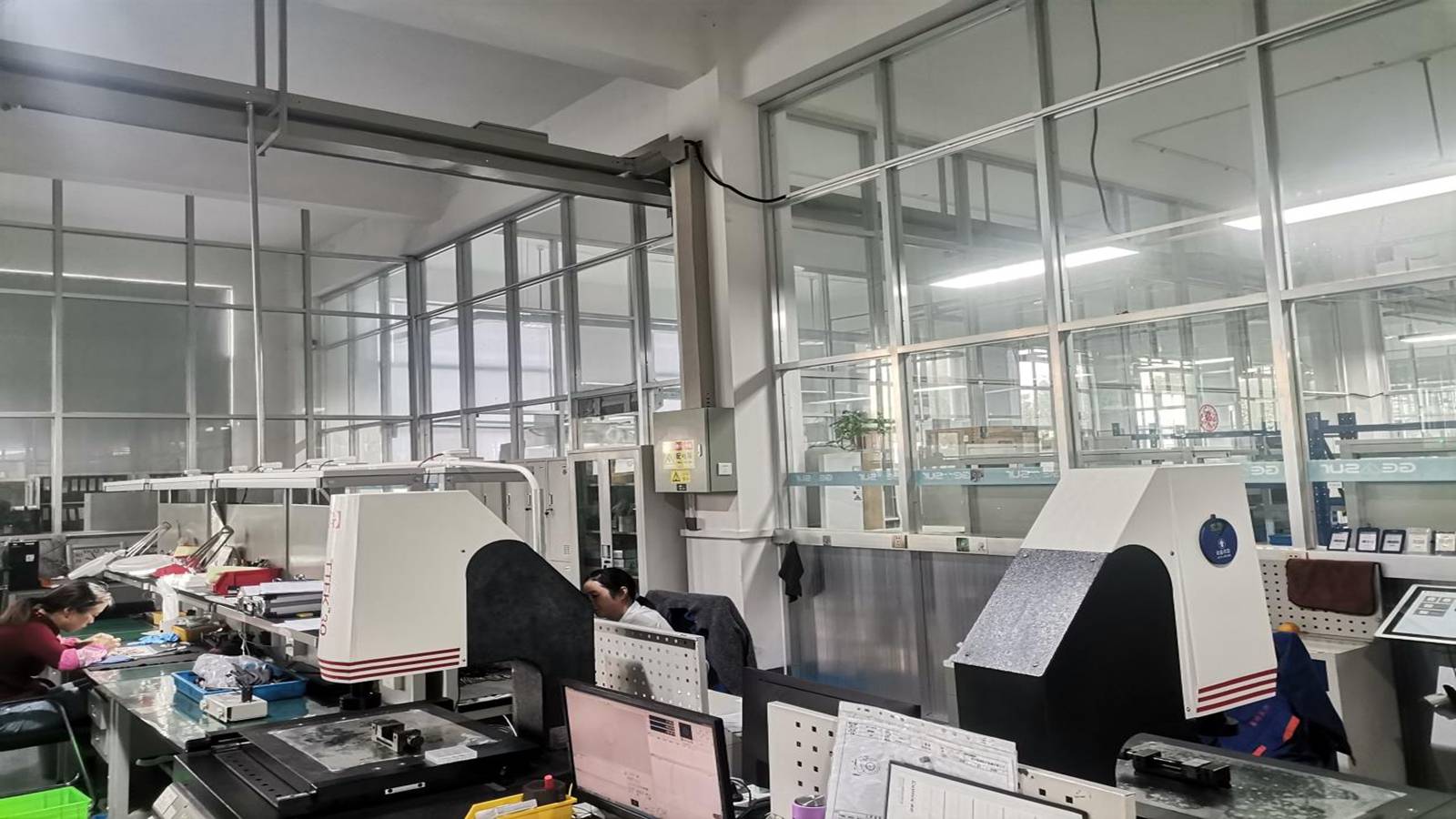
Operating from a 30,343 square meter production facility equipped with 12 state-of-the-art production lines, our manufacturing capability is designed to meet strict international schedules. Utilizing 120 advanced high-precision Swiss-type CNC lathe machines, EDM tools, and multi-axis milling units, we ensure that every cannulated screw and instrument maintains a consistent dimensional tolerance of ±0.01mm.
Our supply chain integrations facilitate seamless OEM, ODM, and customized processing demands. With 31 professional R&D engineers (including postgraduates, graduates, and doctorates), we turn medical concepts into clinical-grade products, releasing up to 25 new orthopedic configurations annually. This rapid development lifecycle gives our global retail and wholesale partners a distinct market advantage.
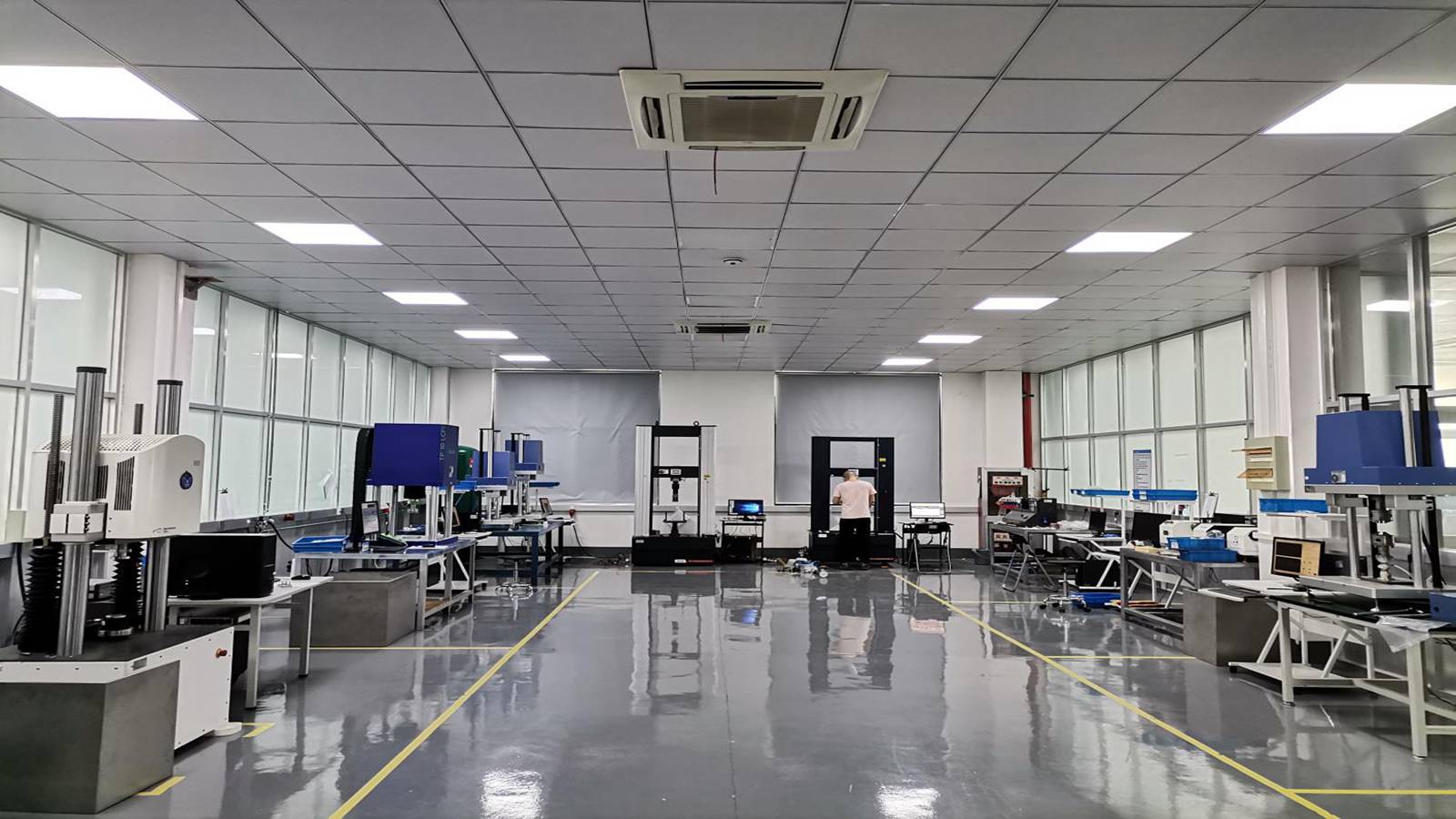
Adhering to the ISO 13485 quality management standard, our QC department employs 36 inspectors who monitor every phase of the manufacturing process. From raw material spectrum validation (spectrophotometric verification of titanium and stainless steel chemistry) to intermediate machining inspections and final laser optical comparator measurements, nothing is left to chance.
We implement full raw material traceability protocols. Every production lot is cataloged with corresponding mill test certificates and heat numbers. This ensures that every implant or surgical tool in the field can be traced back to its raw material source.





Transparent display of our physical processing plants, cleanrooms, and meticulous quality assurance testing processes.


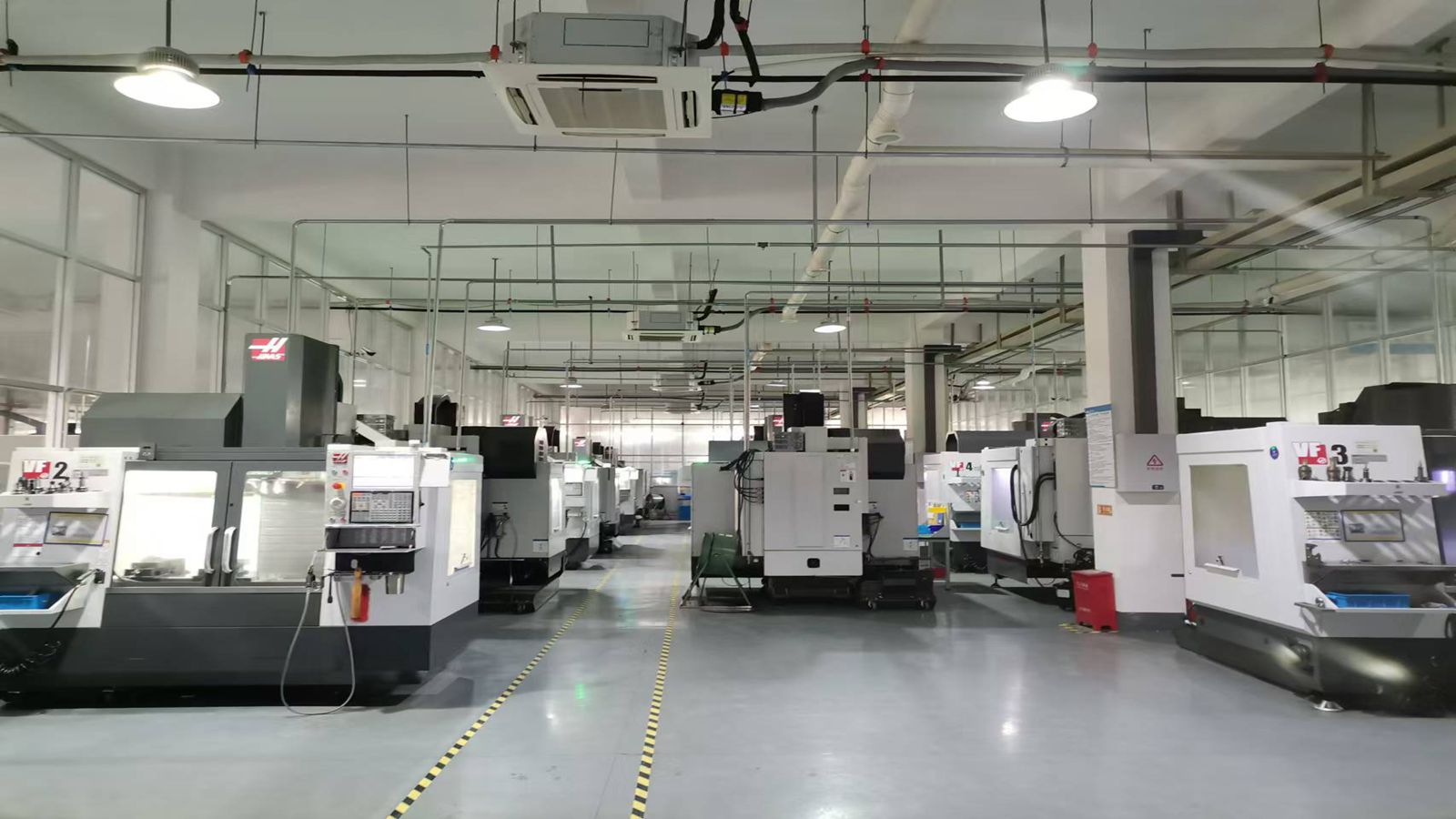
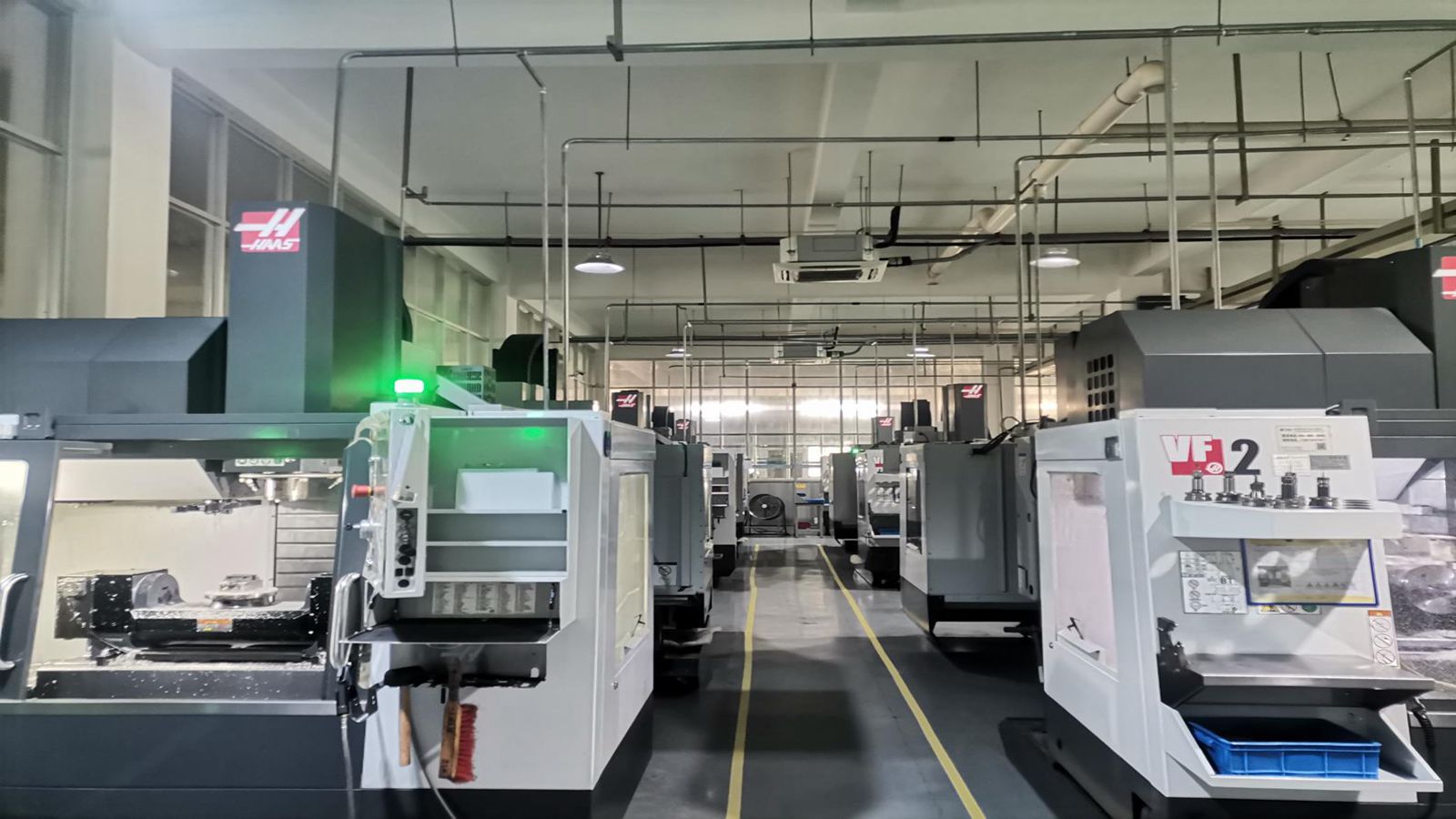
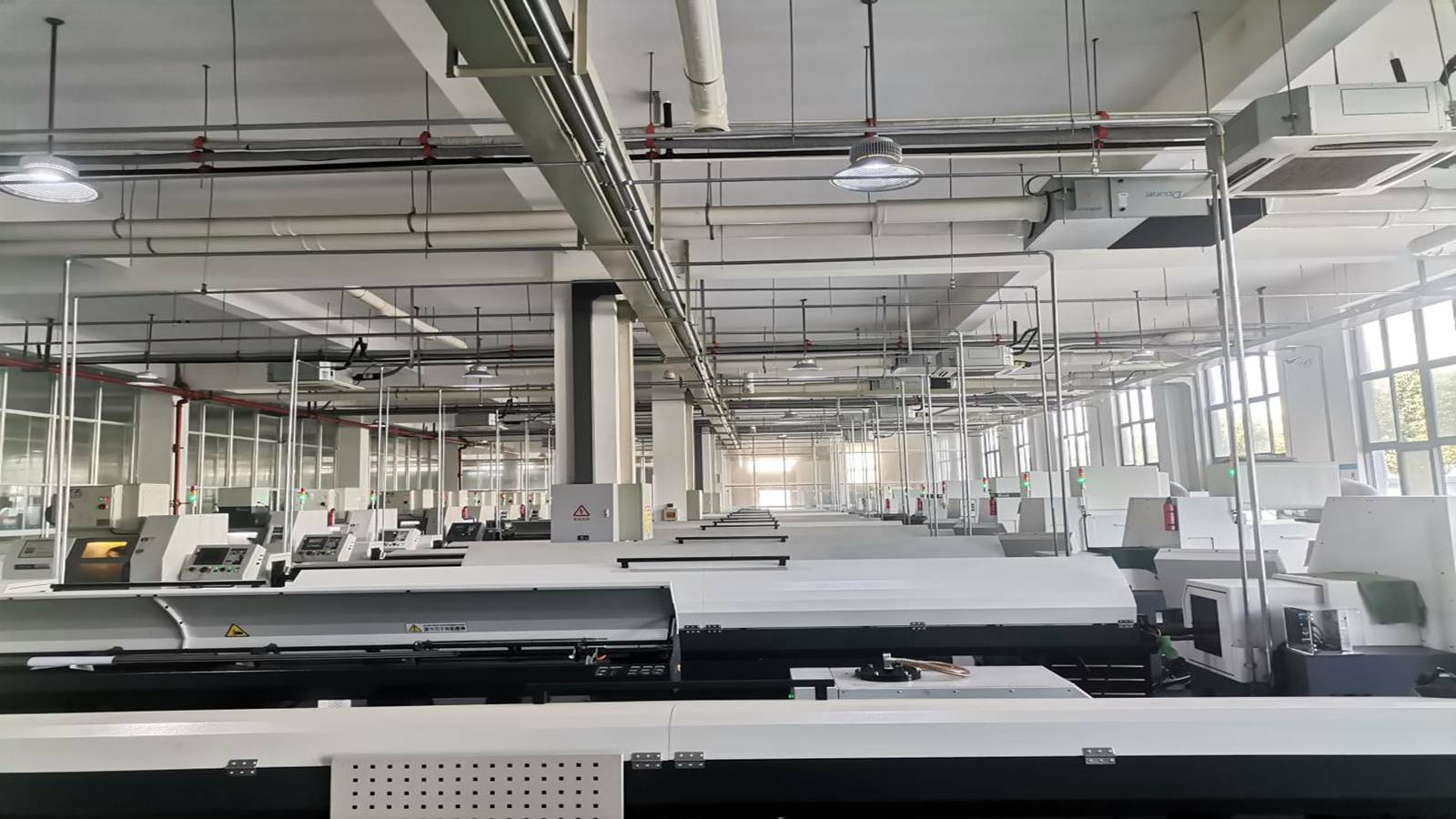
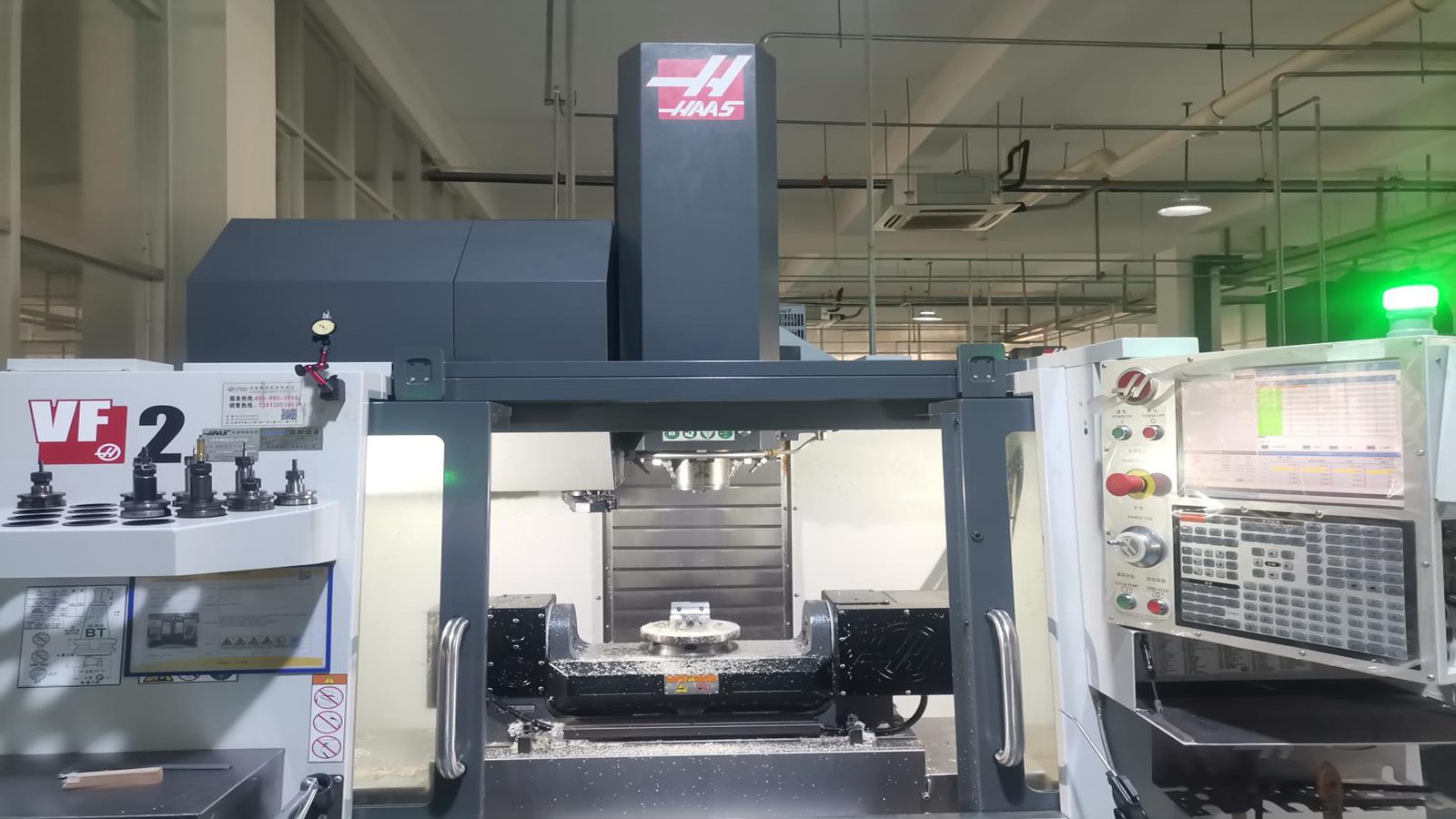
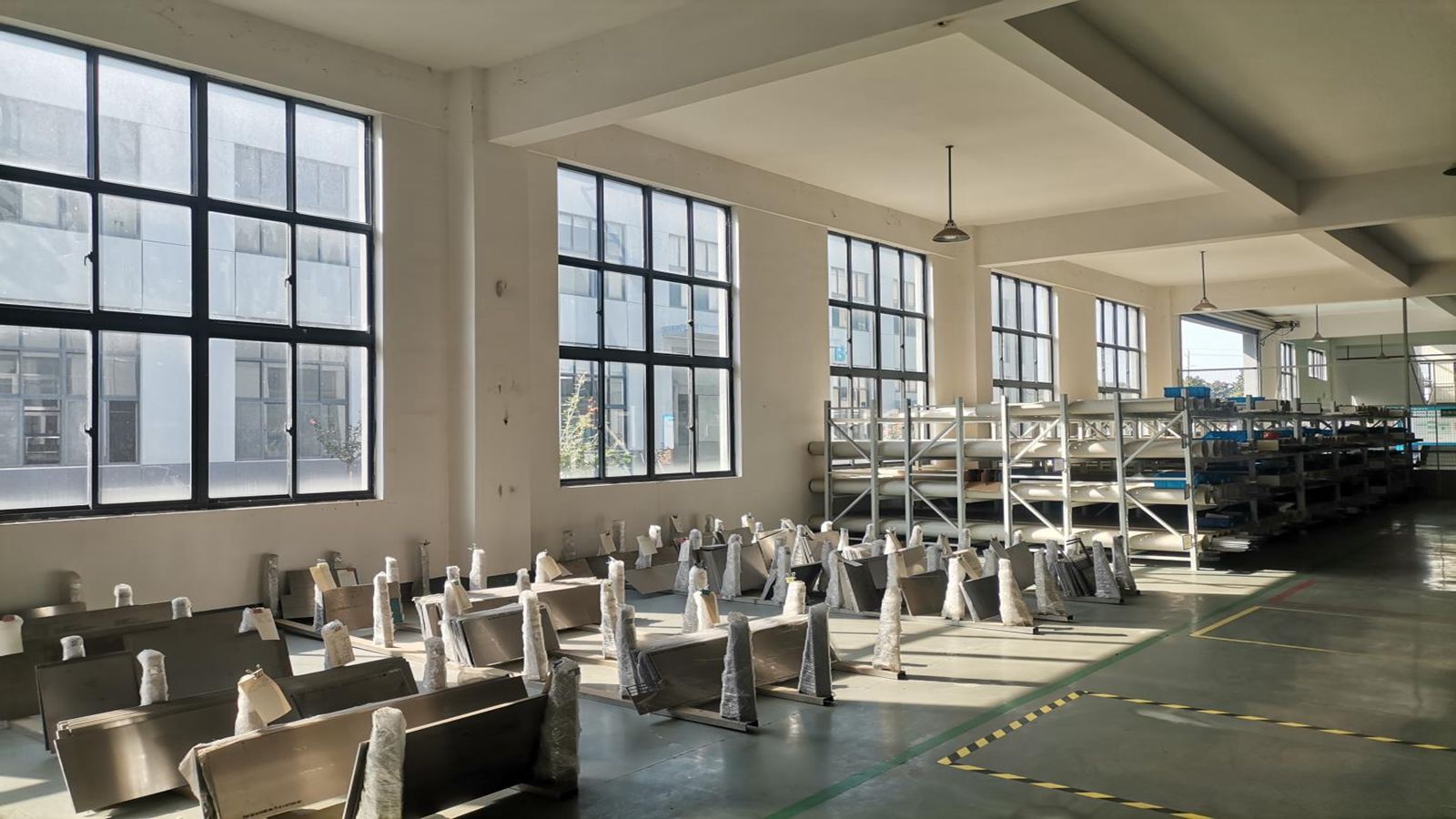
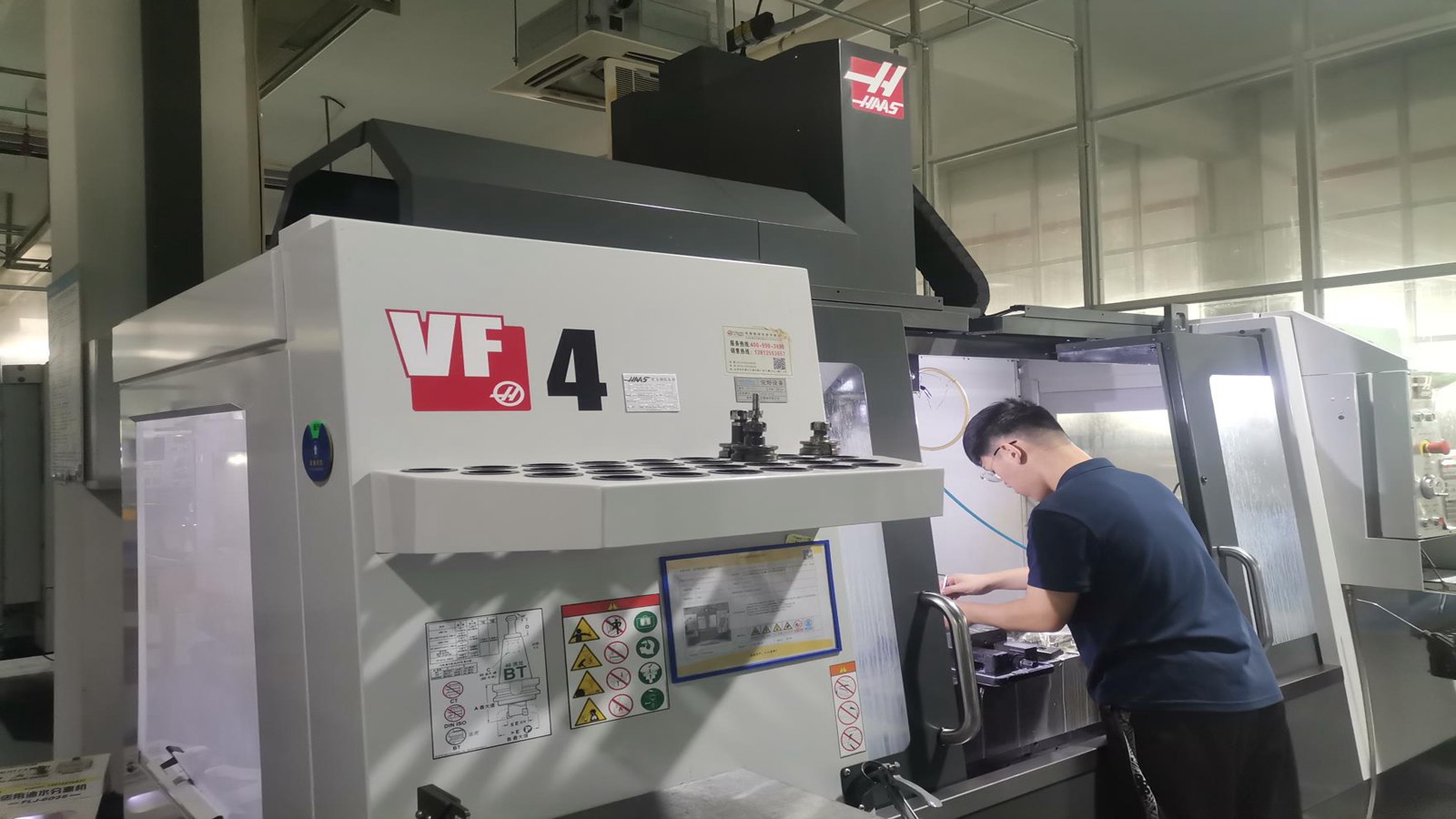
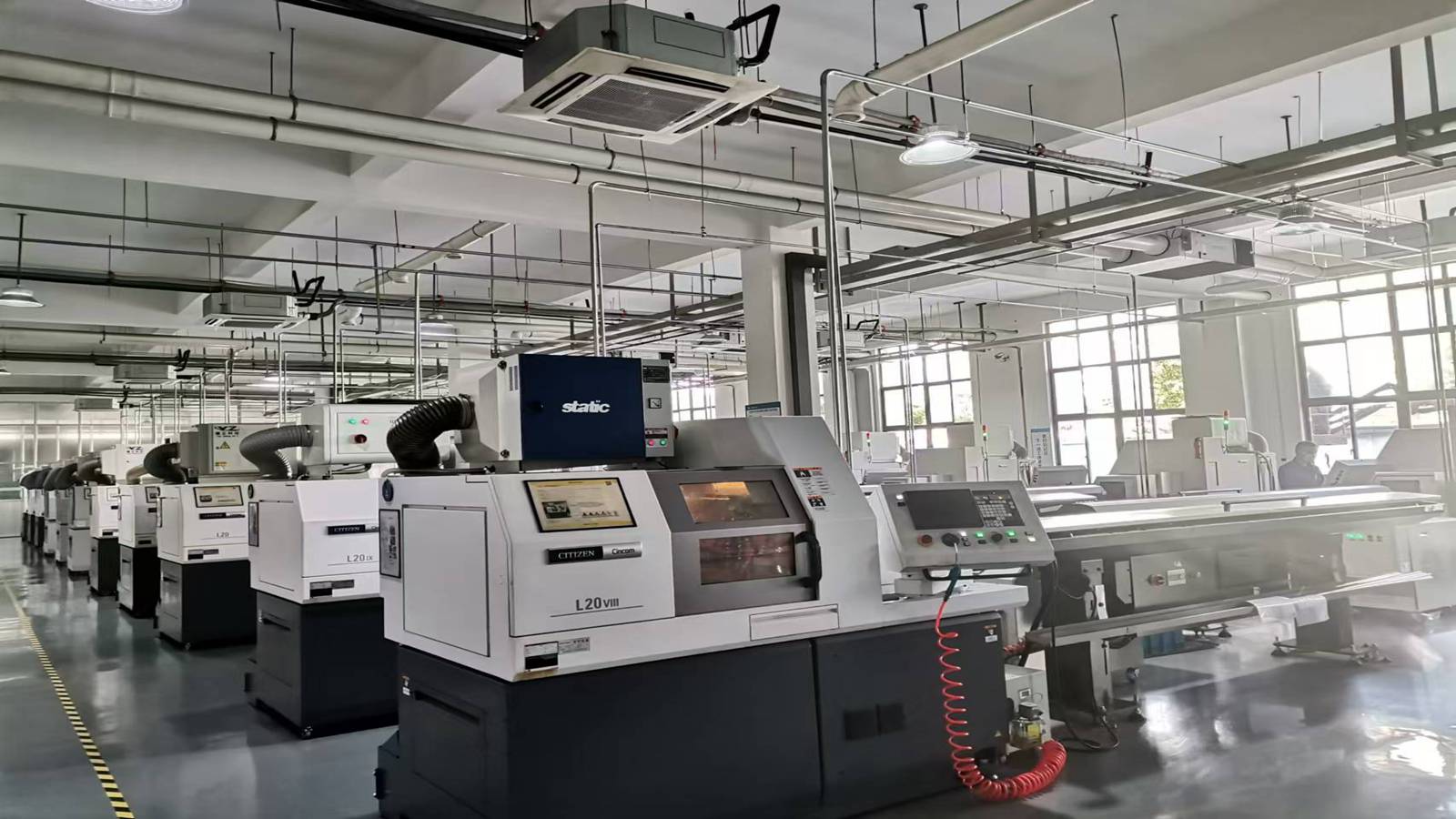
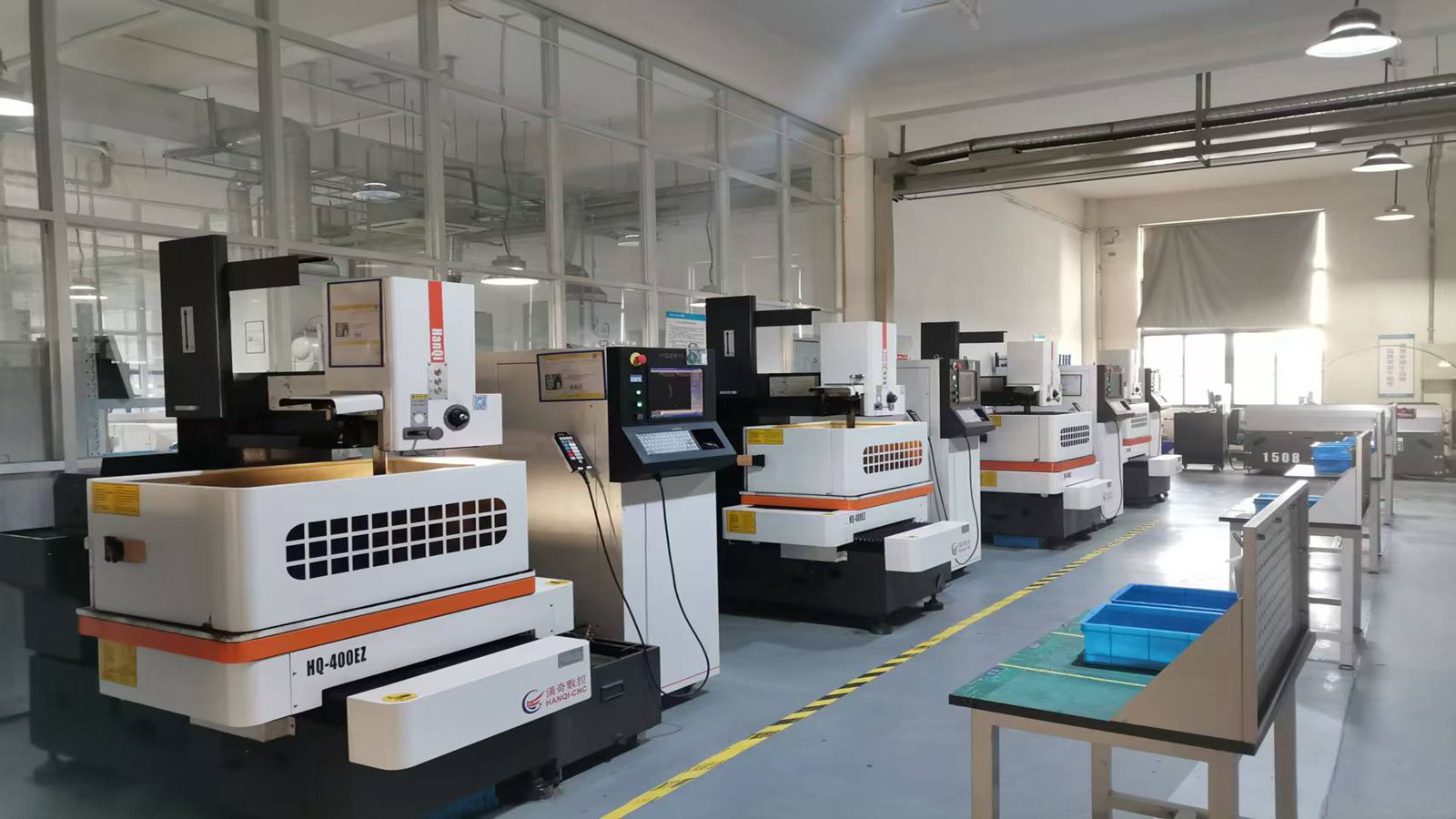
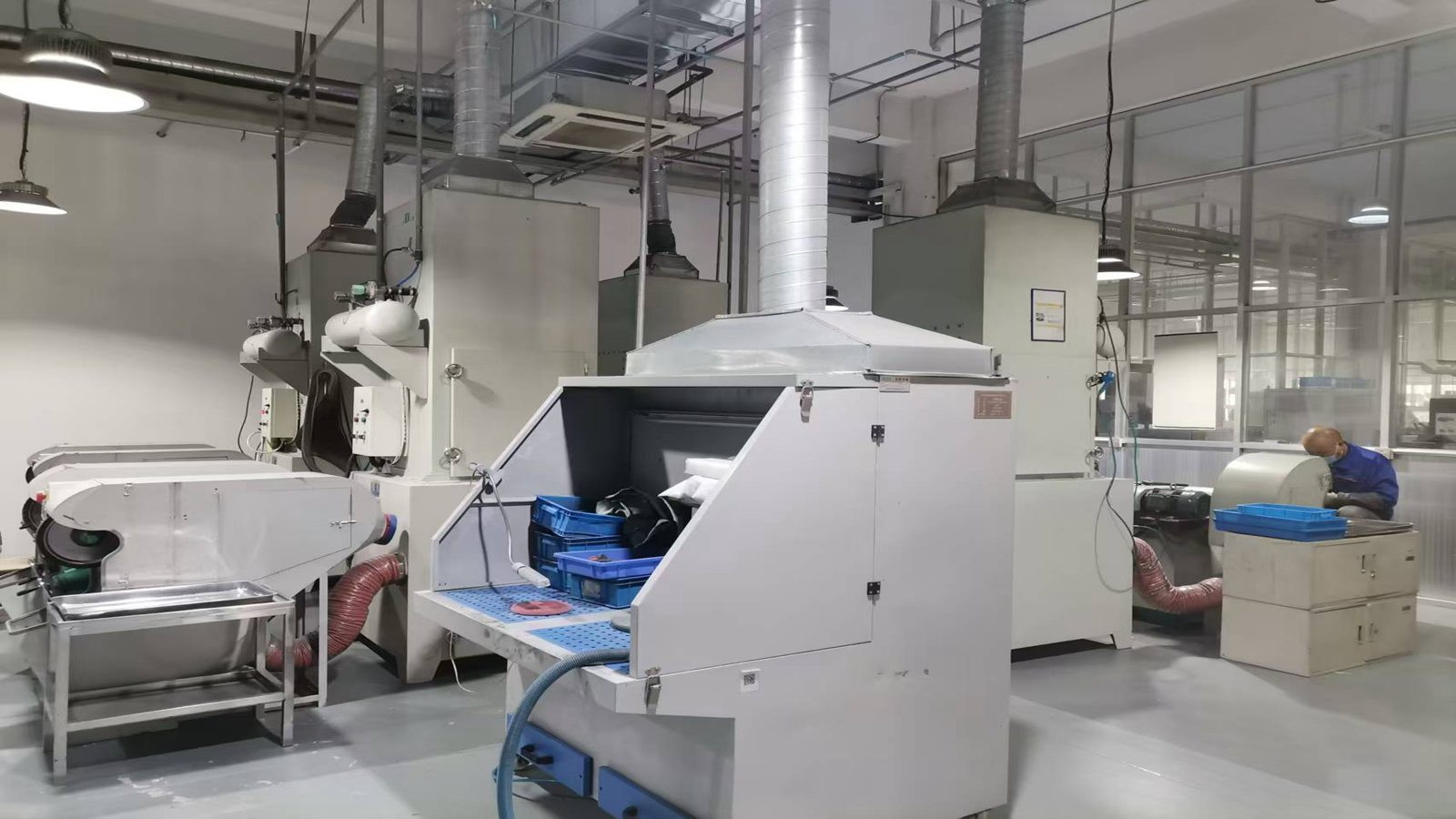
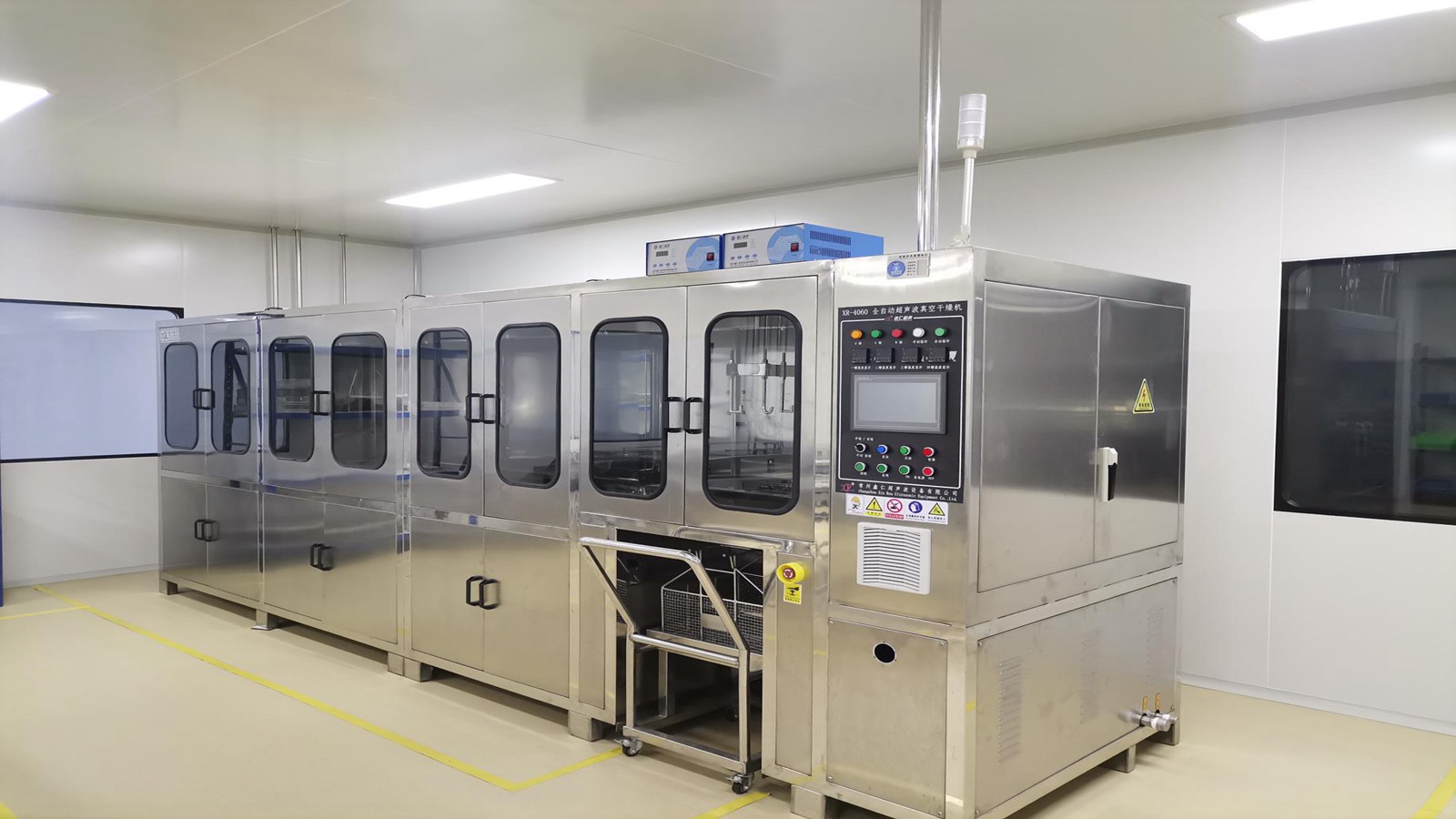
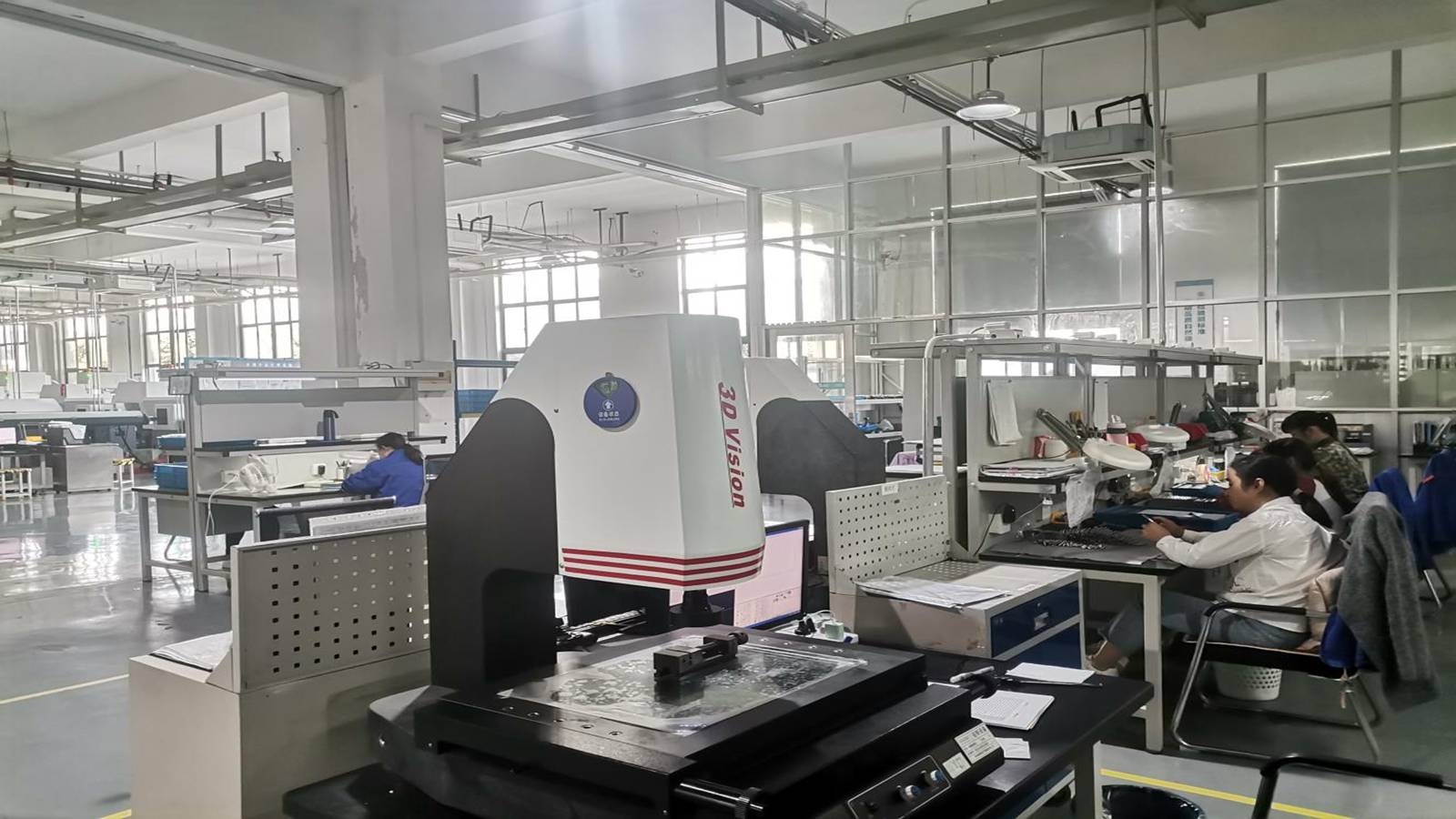
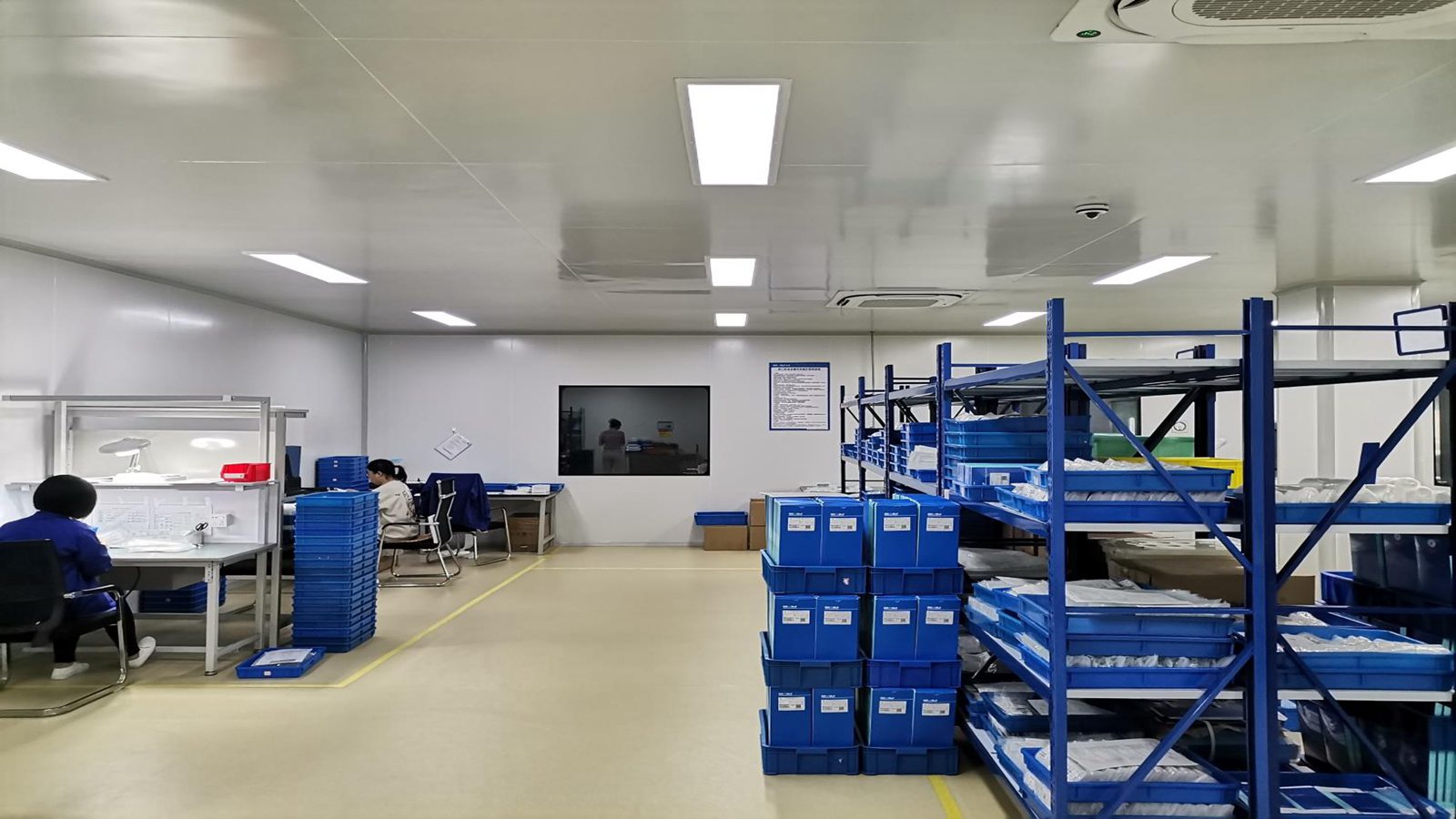
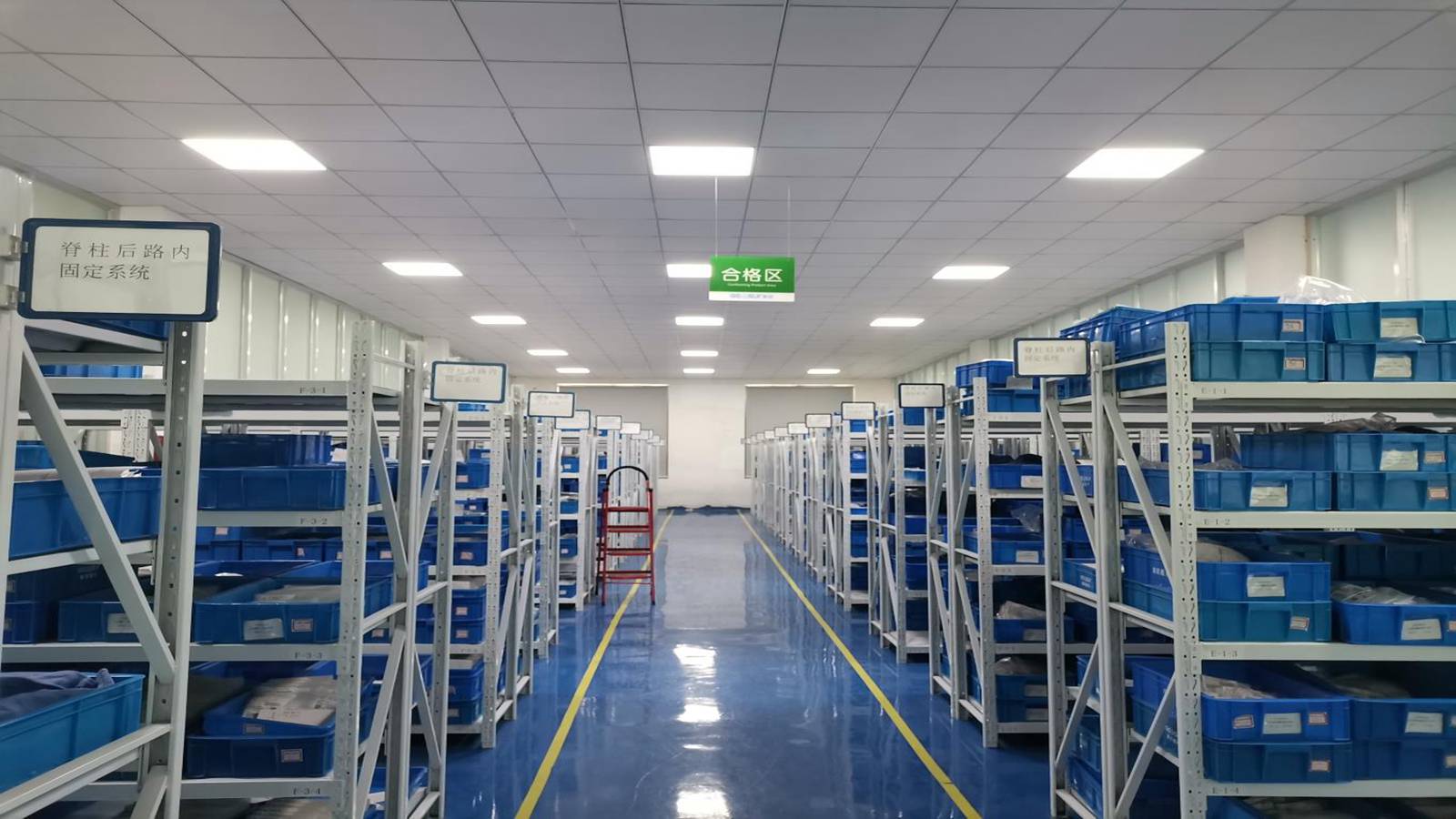
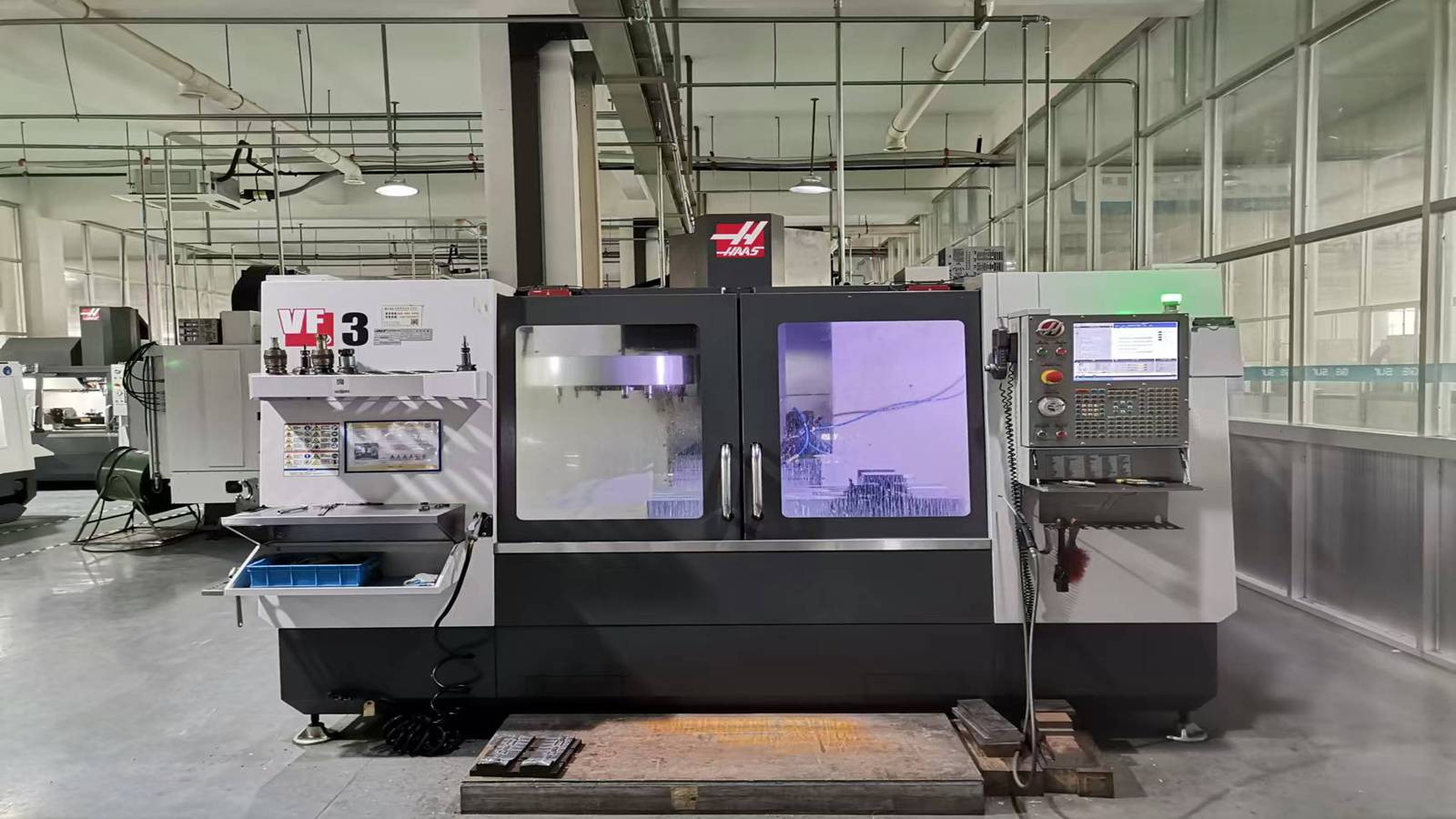
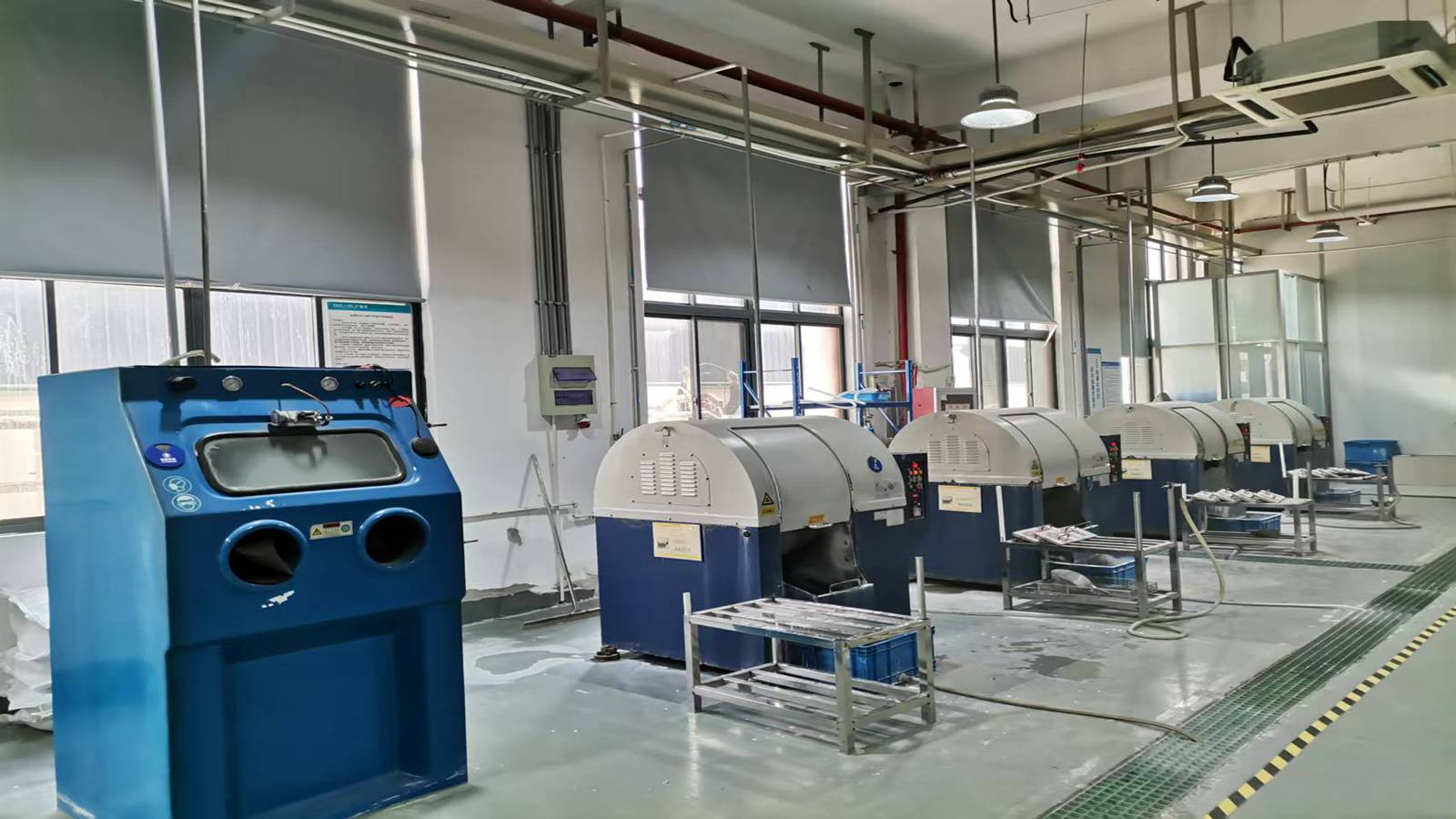
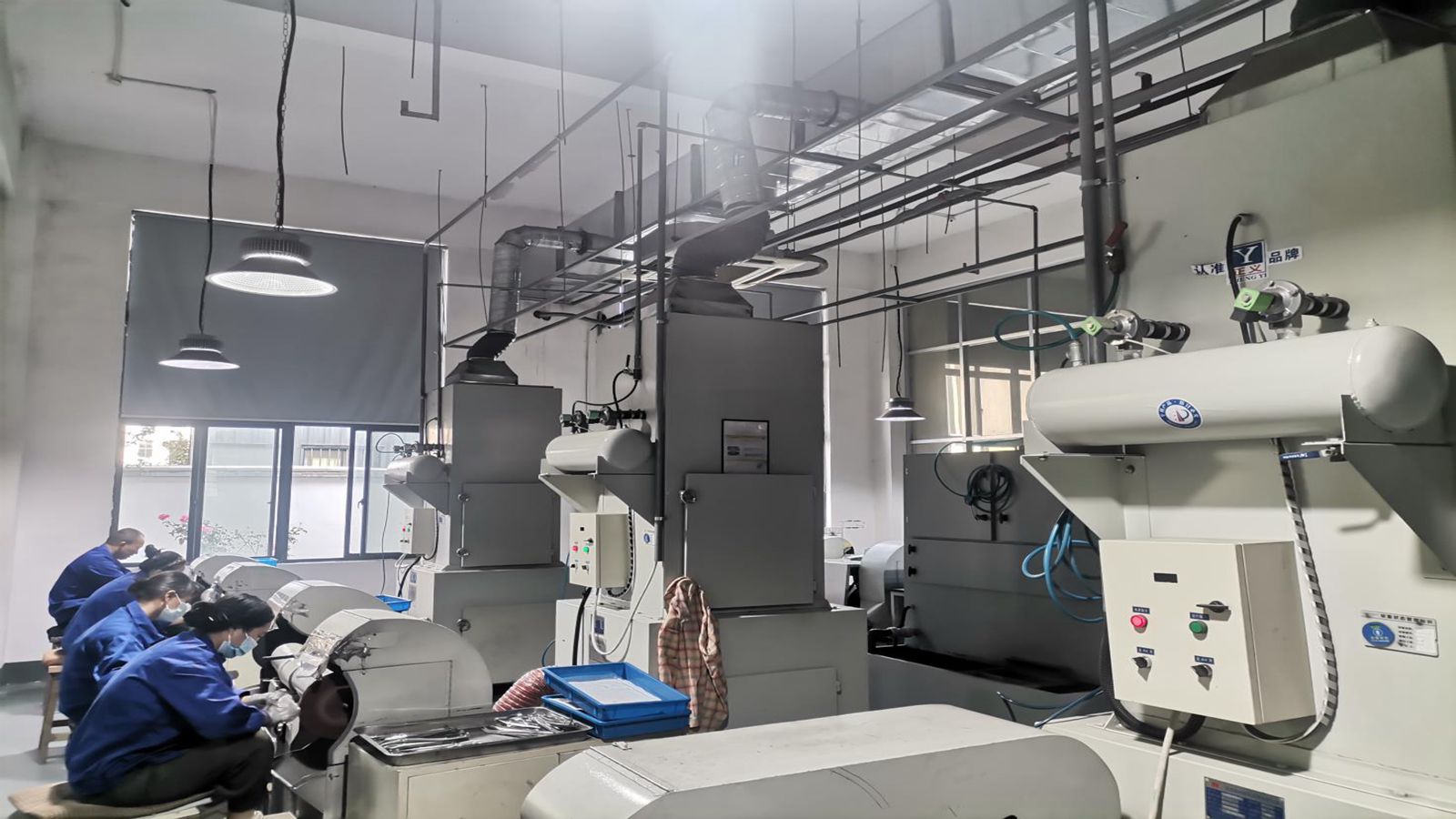
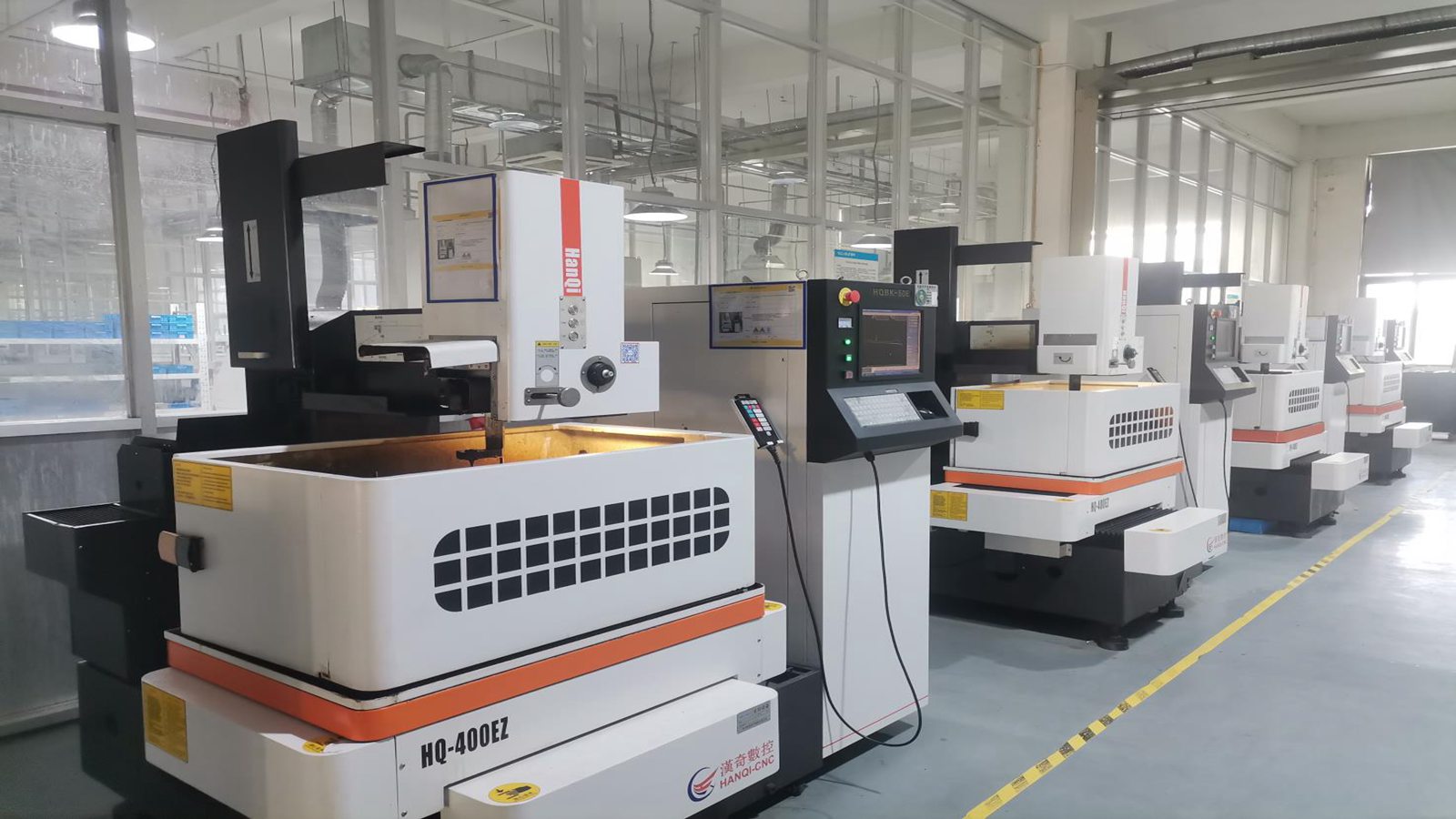
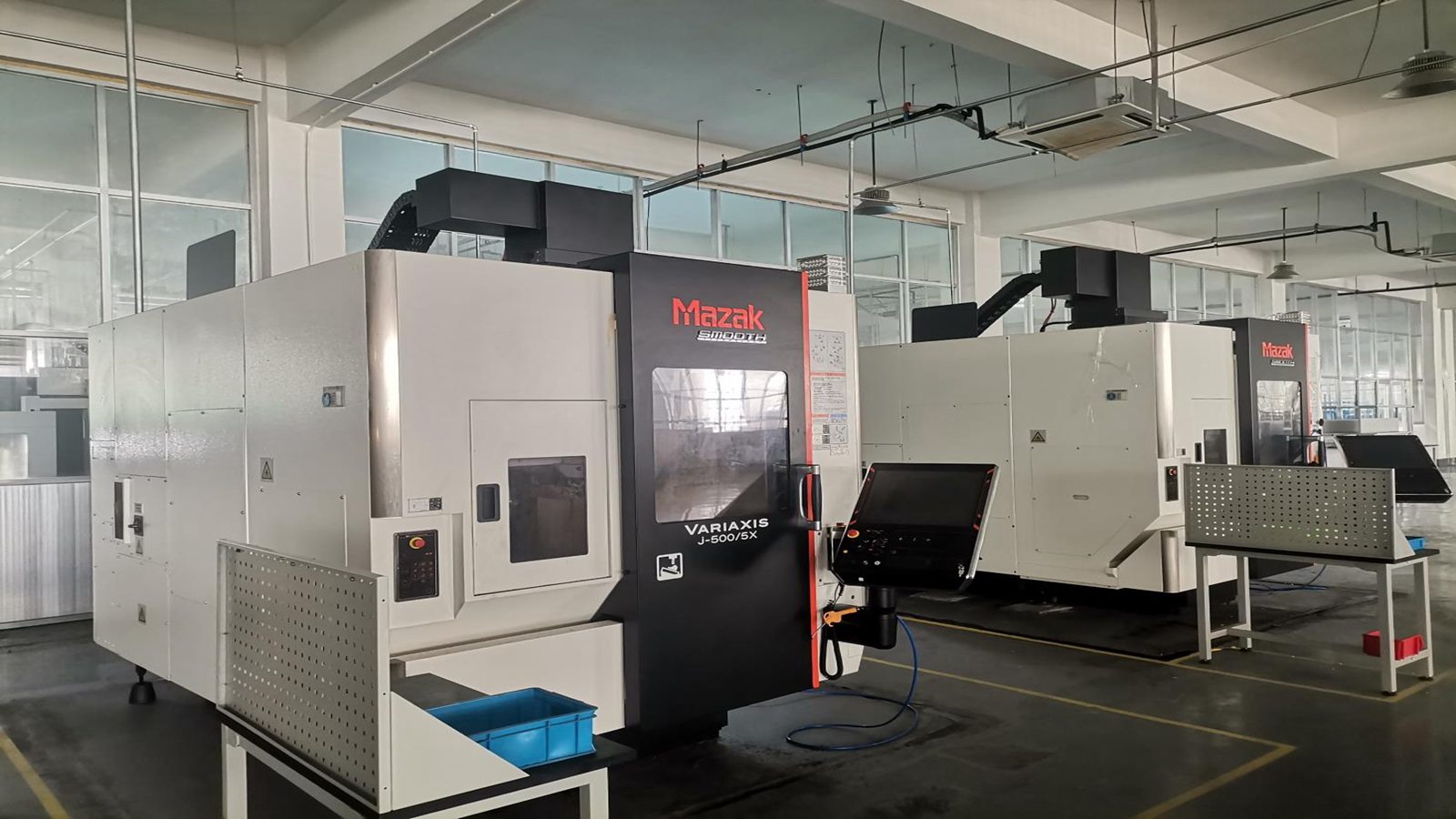
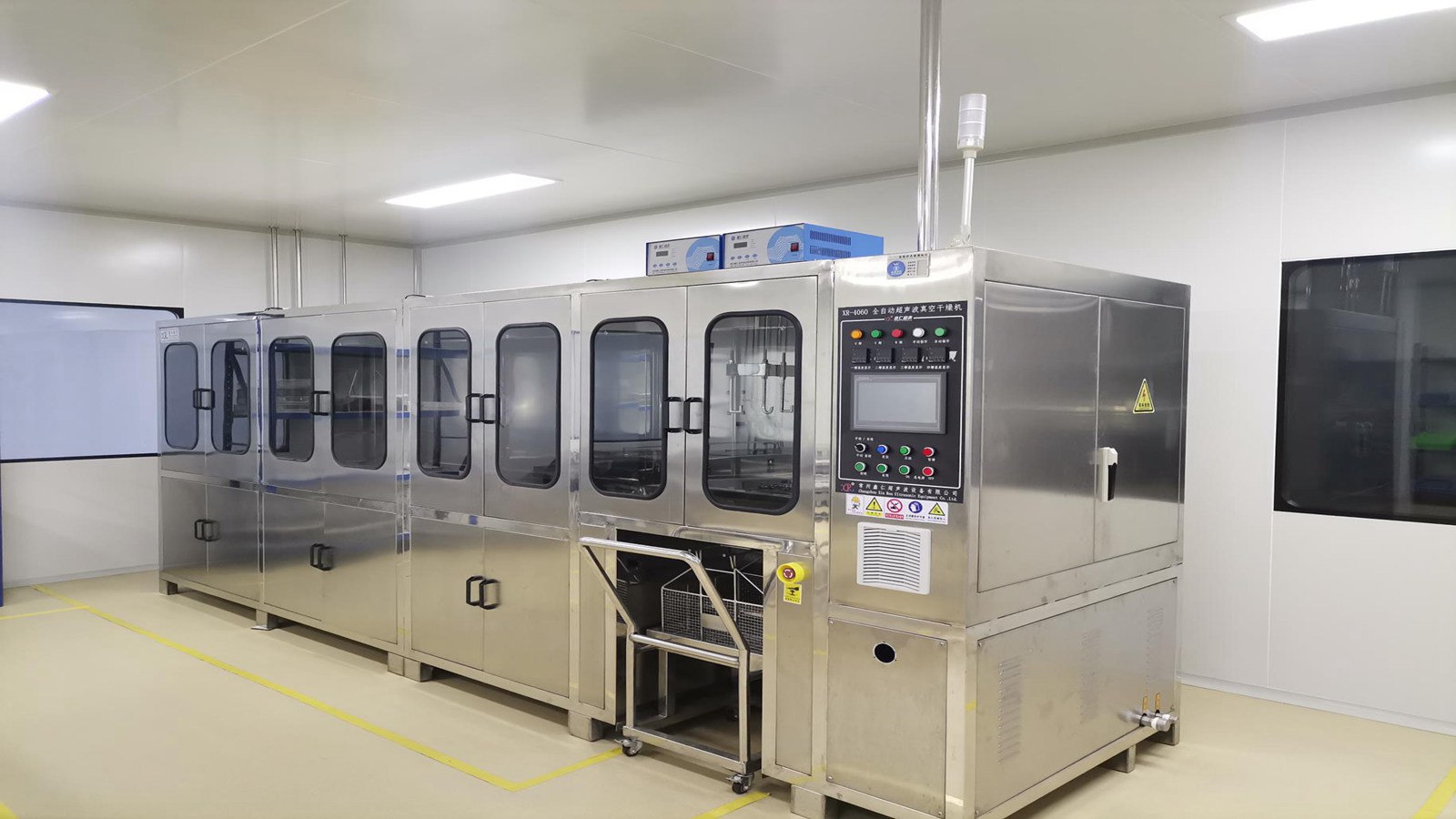
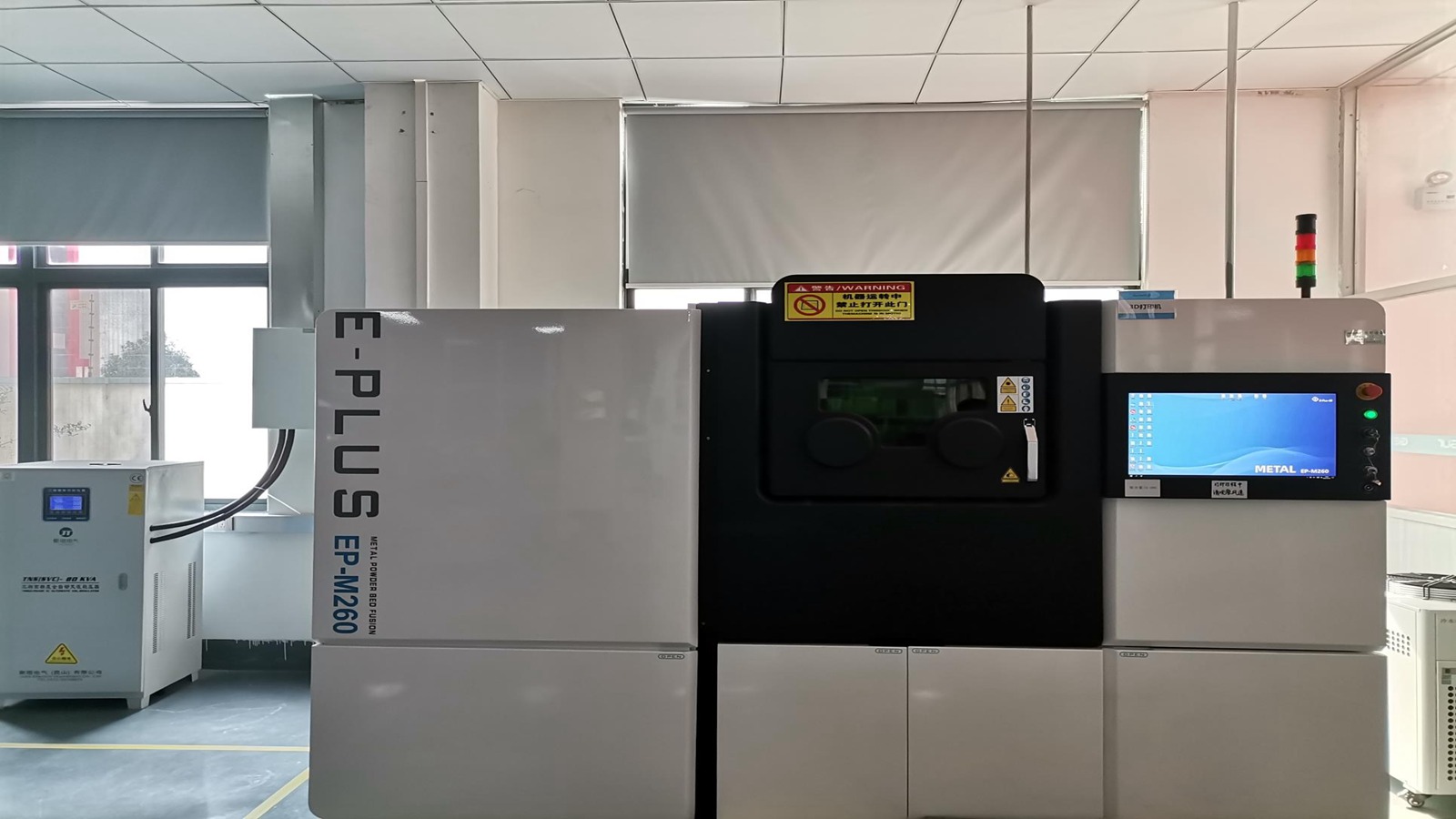
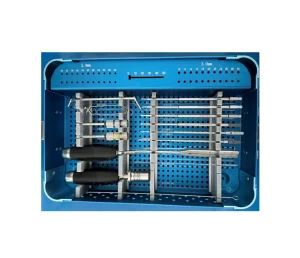
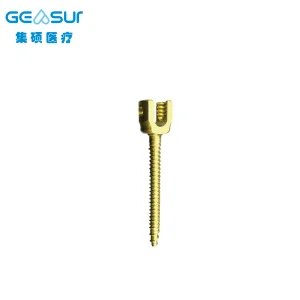
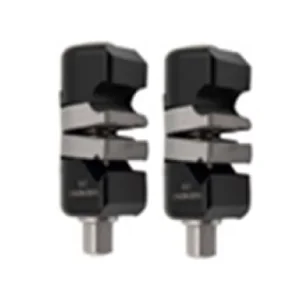
Explore additional clinical offerings designed for advanced posterior stabilization and localized trauma interventions.
Understanding the technical shift toward digital surgery integration, customized implants, and regulatory convergence.
The surgical suite is evolving rapidly. Future surgical workflows demand smart instrument sets compatible with surgical robotic navigation. Modern cannulated instrument sets are designed with custom optical trackers and mechanical couplers, allowing robotic arms to precisely align hollow drills and guide pins.
By designing hollow channels that accommodate navigation-ready K-wires, Geasure supports hospitals integrating computer-assisted orthopedic surgery (CAOS). This minimizes operating time and reduces intraoperative radiation exposure for the surgical team.
Anatomical variation requires custom implant solutions. Geasure addresses this through flexible sample processing and graphic processing capabilities. Working closely with clinical R&D groups, we manufacture customized titanium alloy screw systems tailored for complex reconstructions, non-unions, and pediatric surgeries.
Whether adjusting thread pitch, modifying drill flute design, or producing specialized headless compression configurations, our dynamic engineering and production setup can adapt to meet specific clinical challenges.
We provide stable manufacturing lead times, reliable volume capacity, and localized regulatory documentation. This supports tender processes and ensures reliable regional supply chains.
Our focus on ISO 13485:2016 and MDR CE standards reduces the compliance burden. Complete documentation packages simplify internal hospital safety reviews.
We offer customized engineering, private labeling, and tailored packaging solutions. Protect your brand reputation with our certified, reliable manufacturing processes.
Addressing key technical, quality, and commercial inquiries from global medical device purchasers.