 Ease Medical Apparatus And Instruments
Ease Medical Apparatus And Instruments
Ease Medical Apparatus And Instruments
Explore our leading titanium plates, locking screw systems, and specialized instruments designed for clinical excellence.
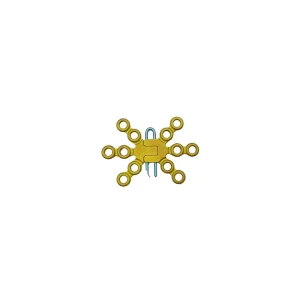
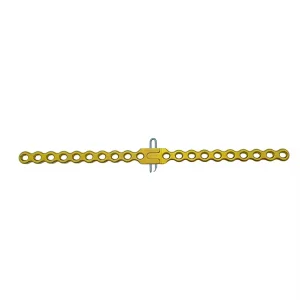
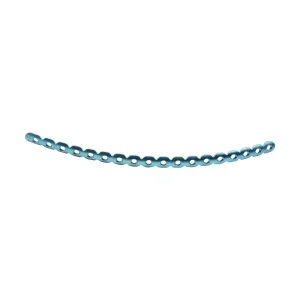
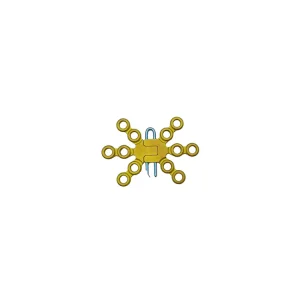
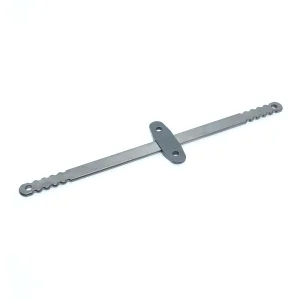
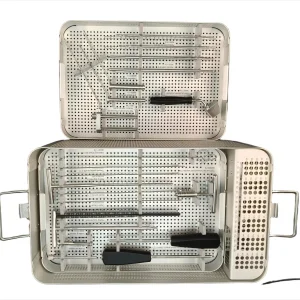
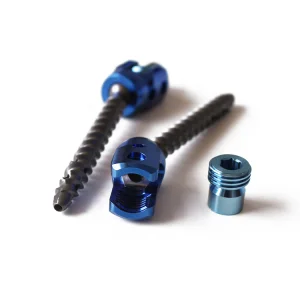
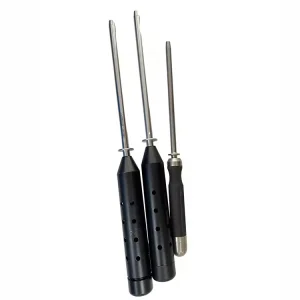
Sternal stability is the foundation of recovery after open-heart surgeries. Traditional wire cerclage, while historically standard, carries an inherent risk of bone cutting, micro-motion, and catastrophic hardware failure—especially in high-risk patients. Our Sternal Fixation Systems represent a paradigm shift. We engineer complete titanium plating configurations that distribute physiological loads uniformly across the sternum, eliminating localized pressure concentrations and accelerating bone healing through rigid internal fixation principles.
Our solutions target key complications associated with median sternotomies, including sternal dehiscence and deep surgical site infections (mediastinitis). By delivering customizable plating options—such as straight plates, star plates, and anatomical H-plates—we provide cardiac and thoracic surgical divisions with the precise implant profile required to achieve anatomical alignment, even in osteoporotic or comminuted bone environments.
The global demand for sternal fixation systems has seen exponential growth, driven by an aging population, rising rates of cardiovascular disease, and a clinical transition toward evidence-based rigid internal fixation protocols. As leading manufacturers and exporters, we maintain a robust export supply chain spanning North America, Europe, Asia-Pacific, and Latin America. We operate in alignment with major global healthcare purchasing networks, providing hospital systems with cost-effective, premium-tier alternatives to traditional vendors.
By leveraging advanced logistics, high-volume production facilities, and end-to-end regulatory compliance, we meet the challenging requirements of international tenders and institutional supply plans. Our production strategy guarantees stability of supply, shielding clinical providers from import disruptions and inventory shortfalls.
Equipped with modern manufacturing infrastructure, we ensure precision engineering down to the micron level.
Our production facilities and clinical devices adhere strictly to universal safety standards, validated by accredited international bodies.
 ISO13485
04723Q10000765
ISO13485
04723Q10000765
 EN ISO 13485
EPT 25 ISO 13485 0067
EN ISO 13485
EPT 25 ISO 13485 0067
 MDSAP
C730178
MDSAP
C730178
 CE MDR
EPT 0477.MDR.25/5905
CE MDR
EPT 0477.MDR.25/5973
CE MDR
EPT 0477.MDR.25/5905
CE MDR
EPT 0477.MDR.25/5973
 MDR Certification
EPT 0477.MDR.26/6113
MDR Certification
EPT 0477.MDR.26/6113
Designing implants that mimic and support natural human skeletal structures.
Engineered from medical-grade biocompatible titanium. Our materials offer the ultimate balance of tensile strength, fatigue resistance, and osteointegration potential, minimizing risk of allergic reaction and implant rejection.
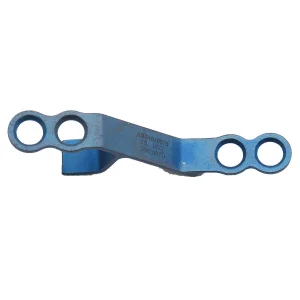
Designed with anatomical contoured profiles ranging from 1.0mm to 1.5mm thickness. The low-profile structure minimizes post-operative soft-tissue irritation, allowing patients to heal comfortably without noticing implant presence.
Features self-tapping, self-drilling locking screws that form a rigid, fixed-angle construct. This ensures maximum pull-out strength in osteoporotic bone, safeguarding against mechanical failure during high respiratory efforts.
Visual presentation of our manufacturing facility, clean rooms, and structural implant designs.


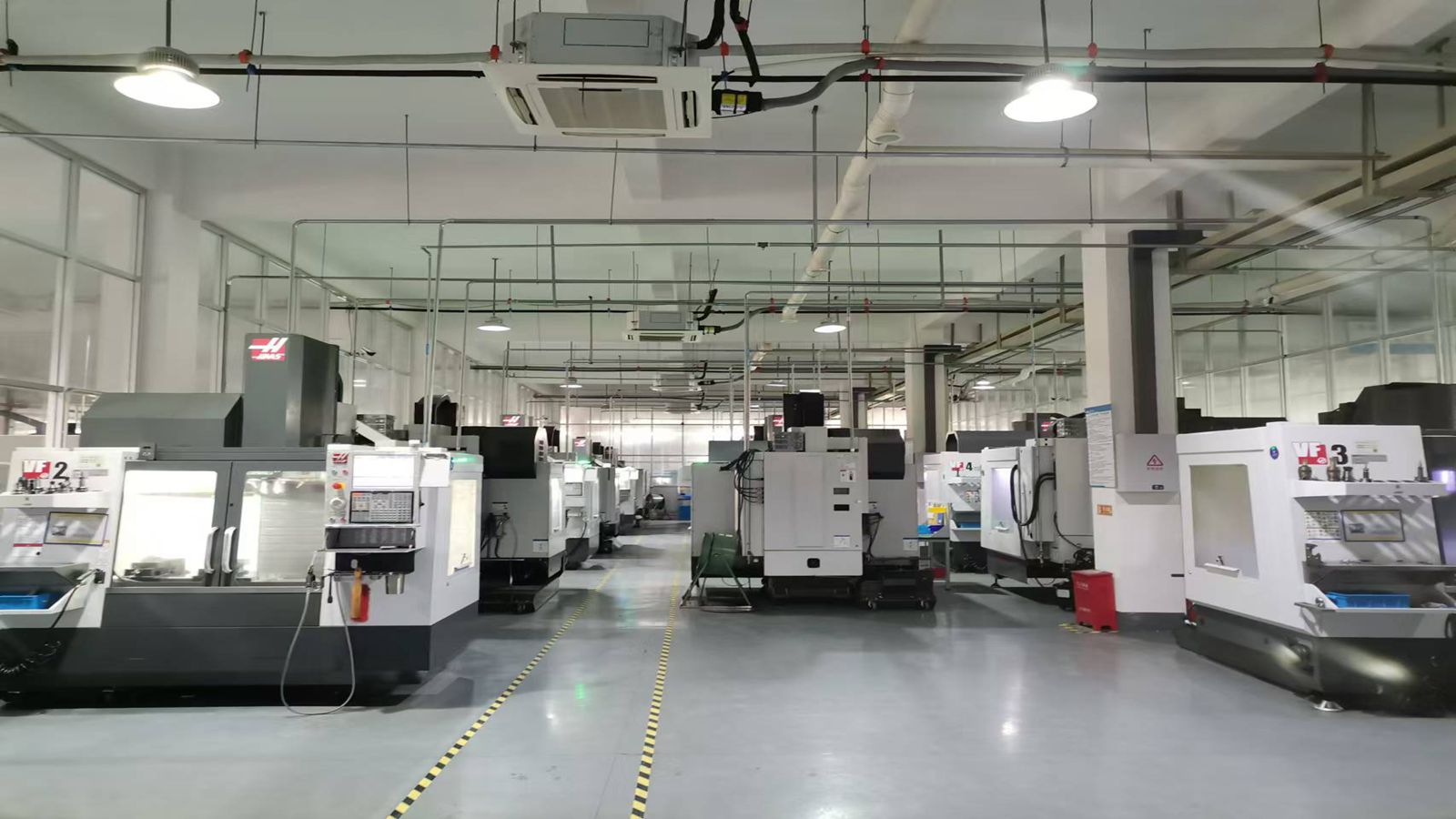
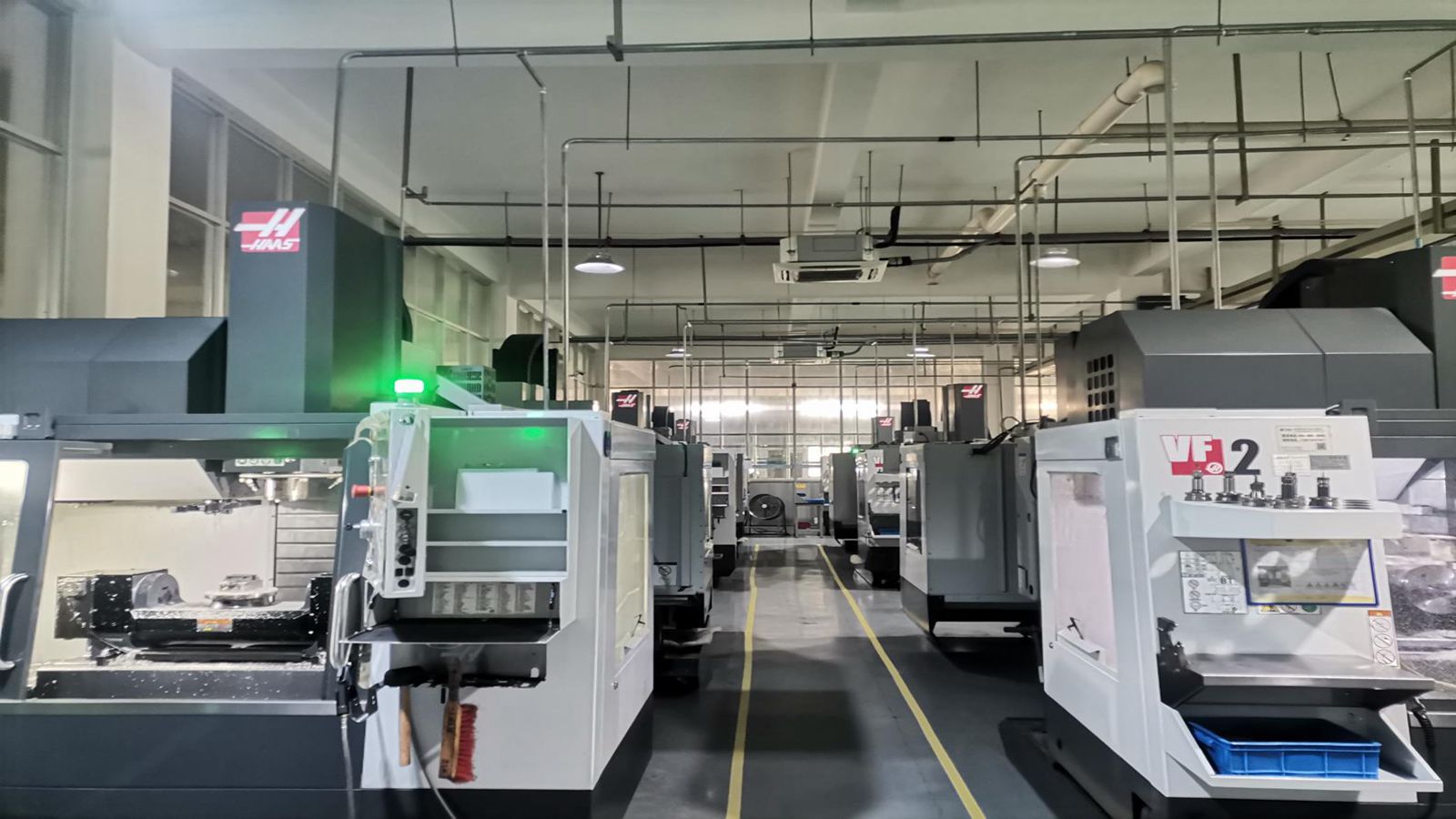
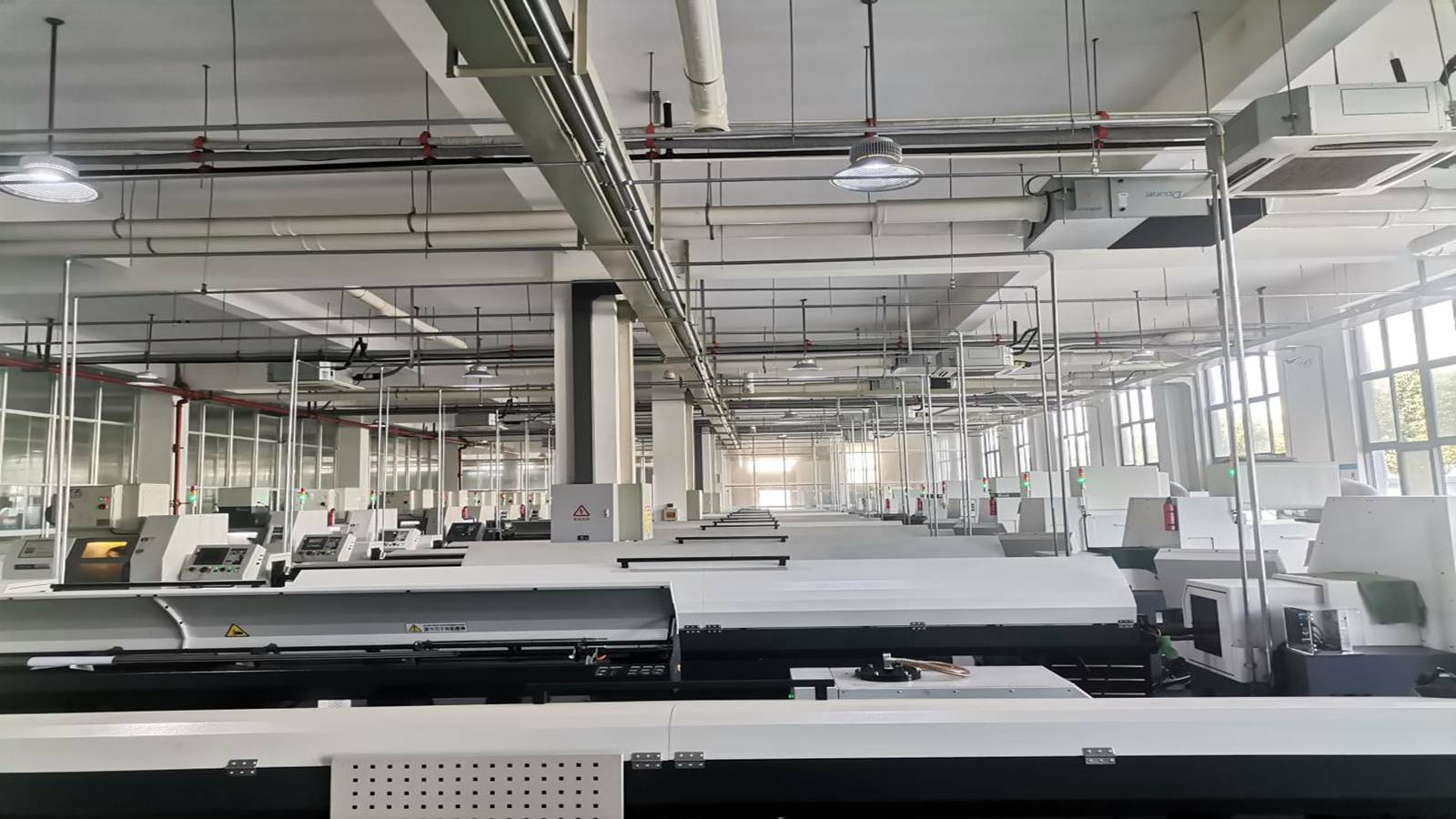
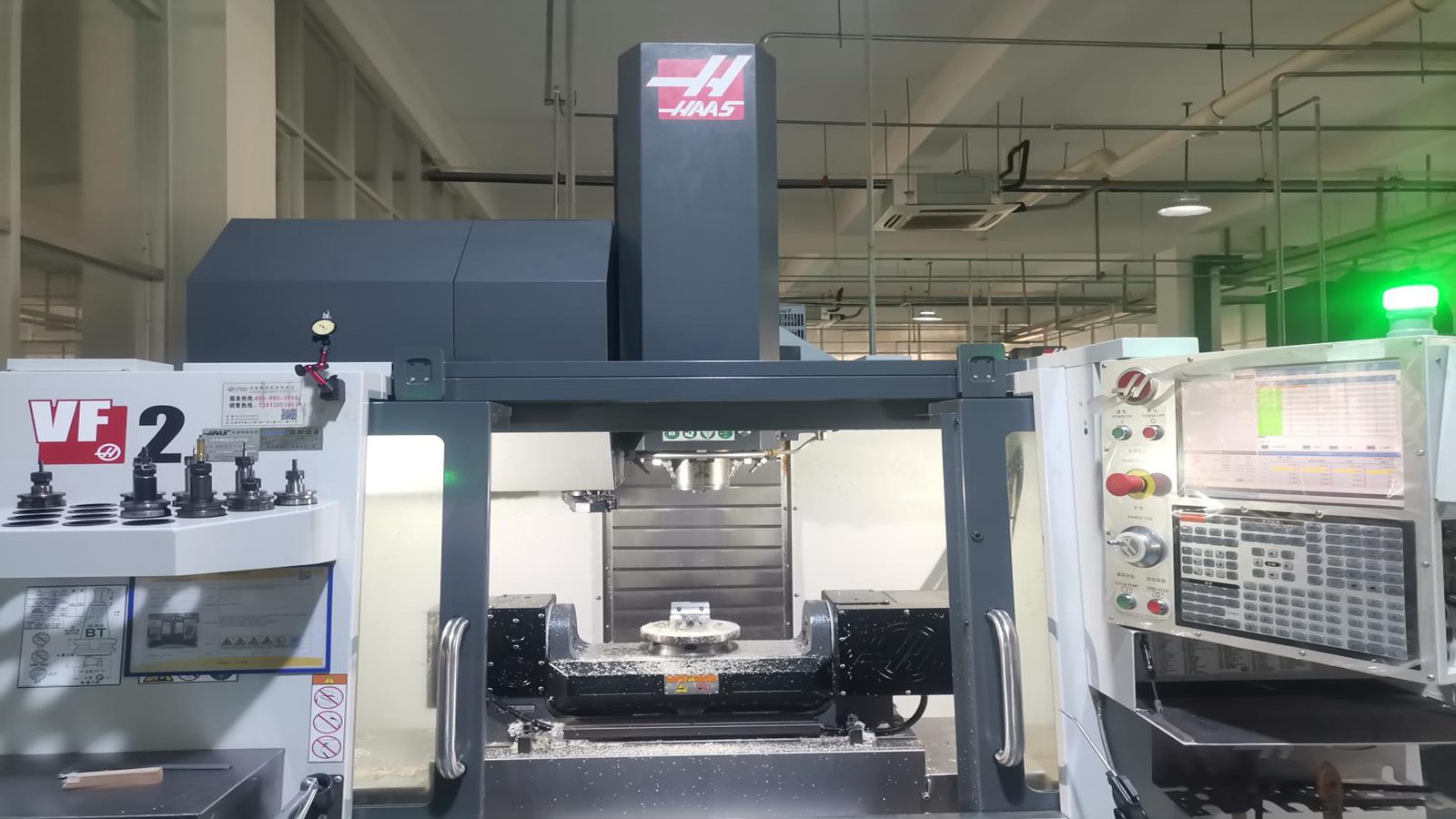
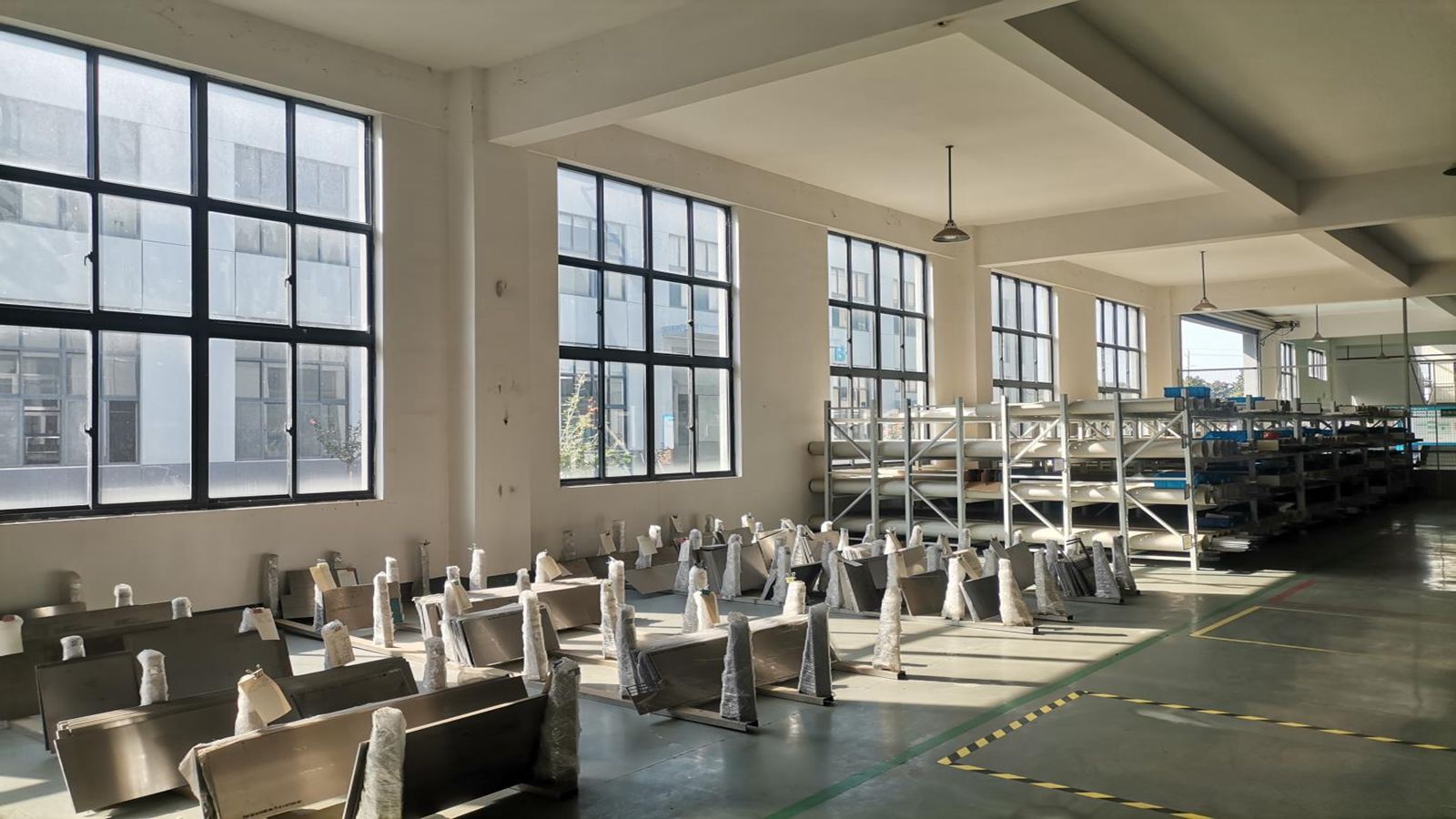
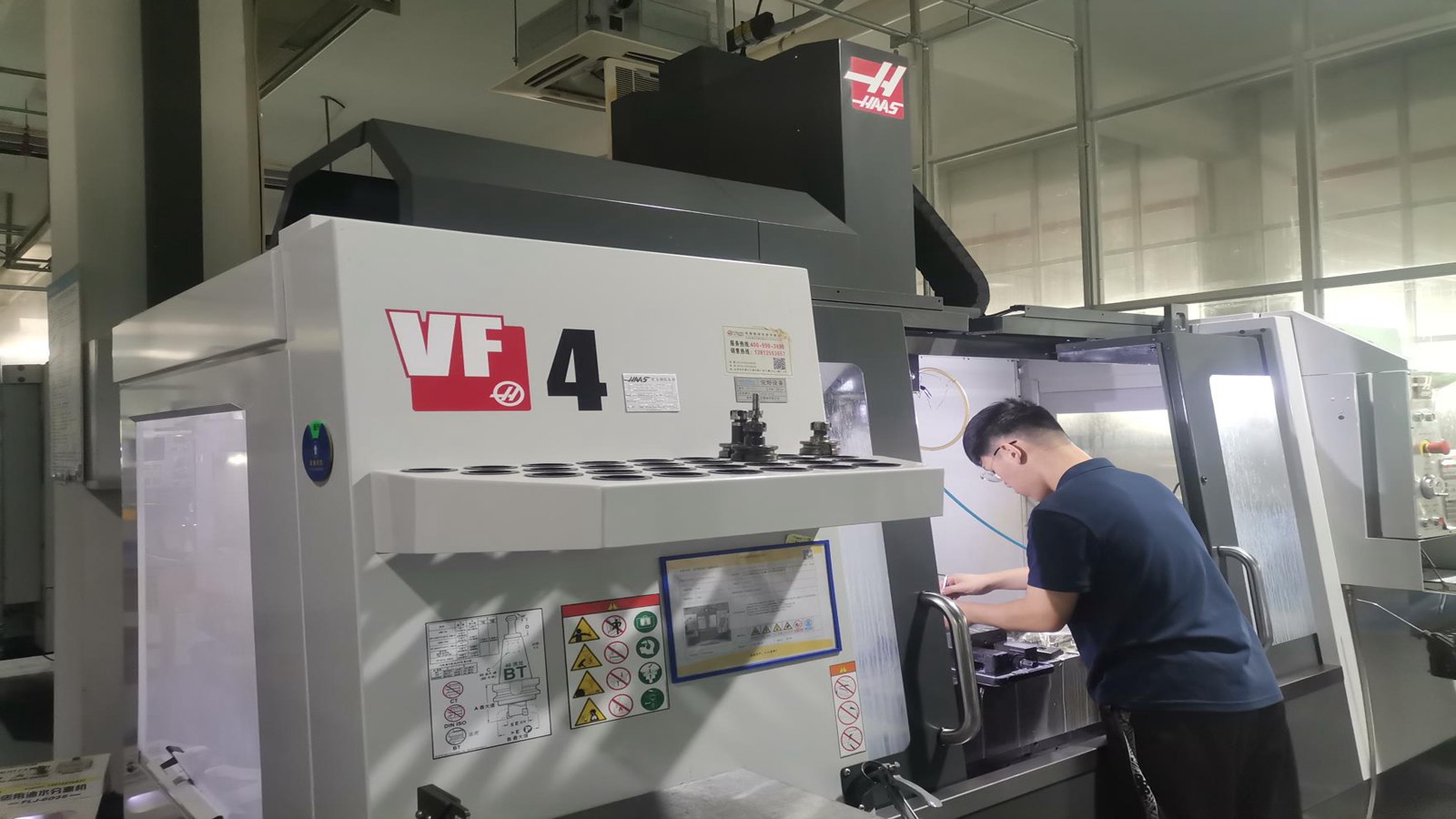
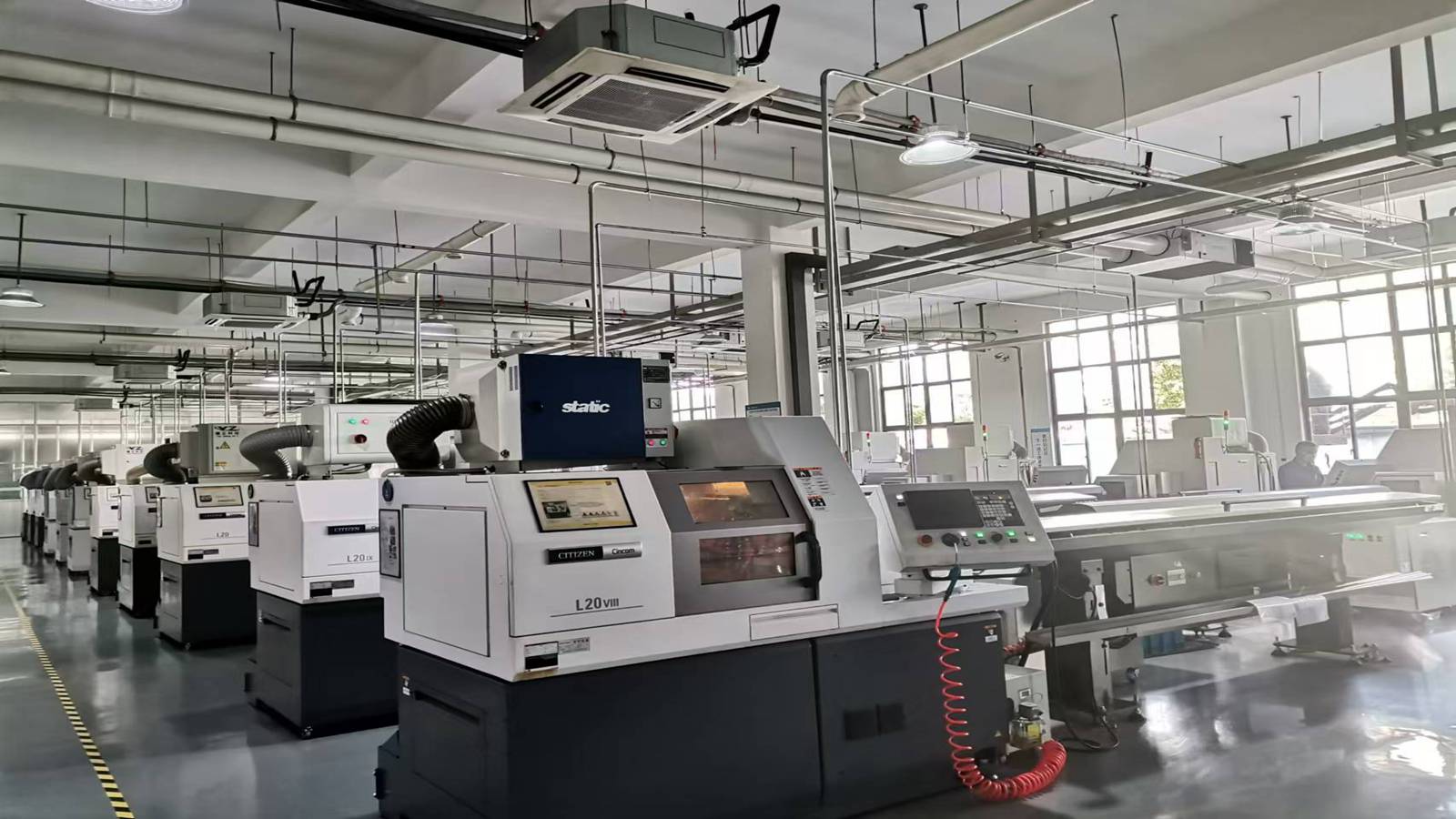
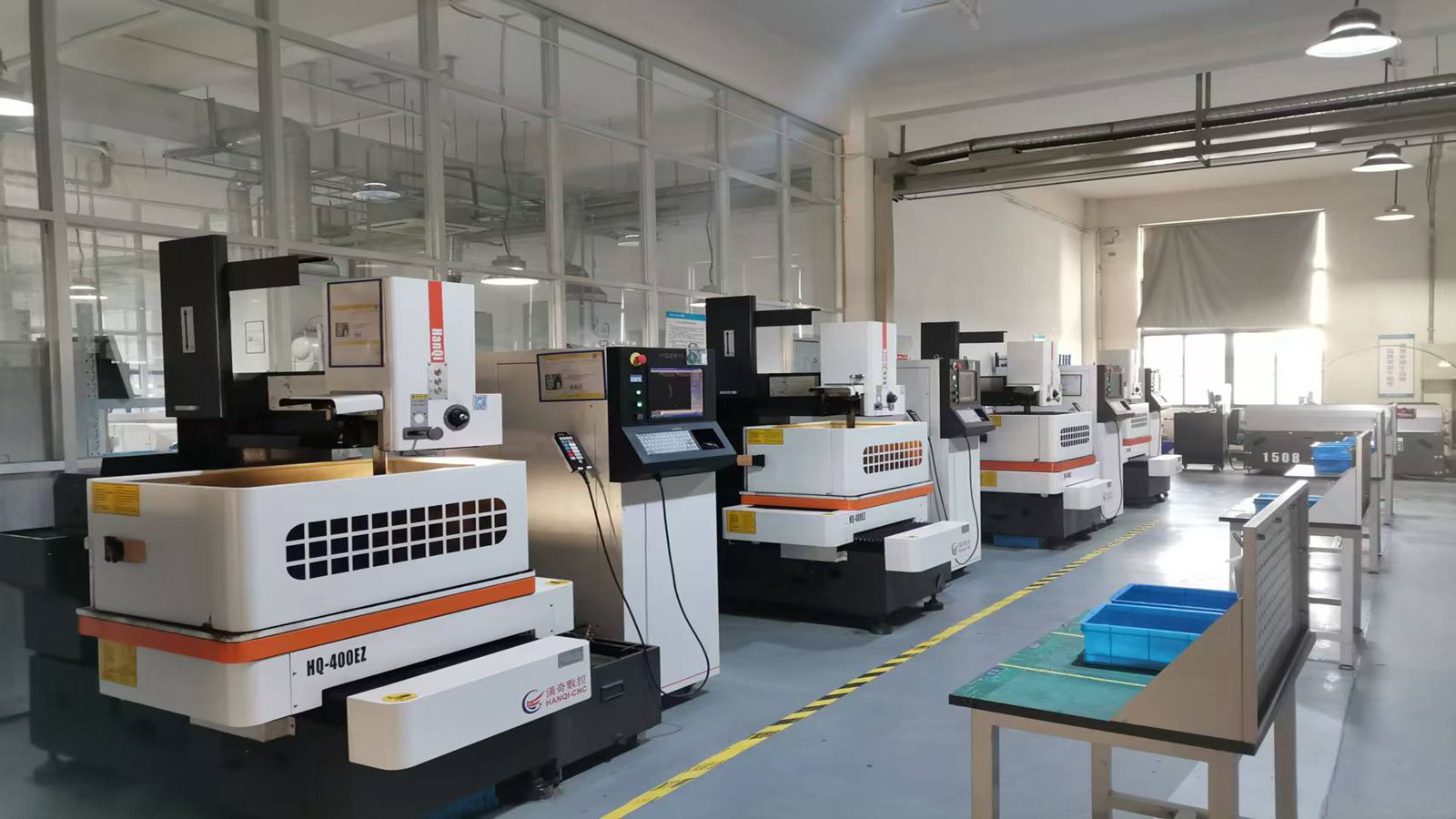
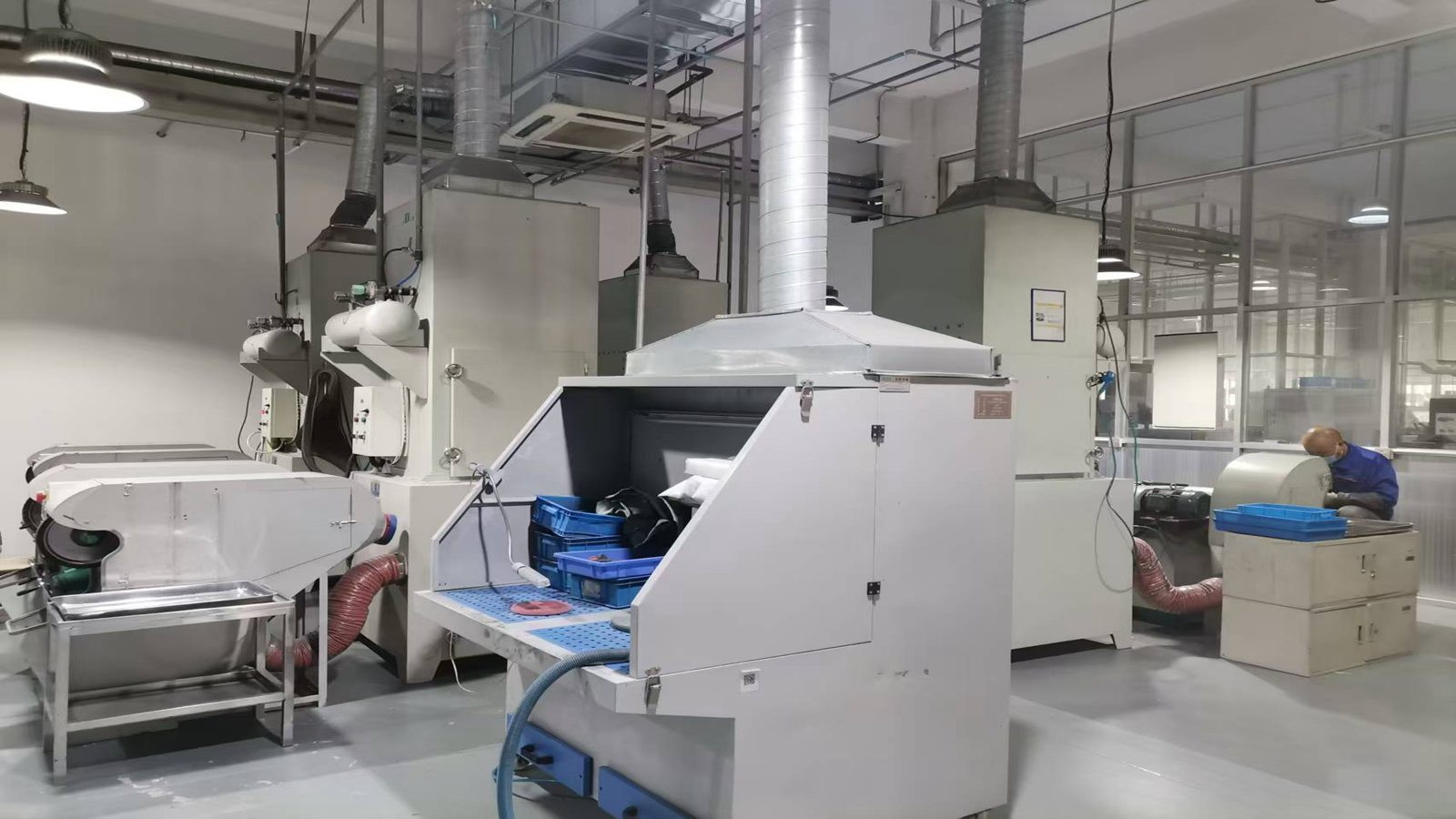
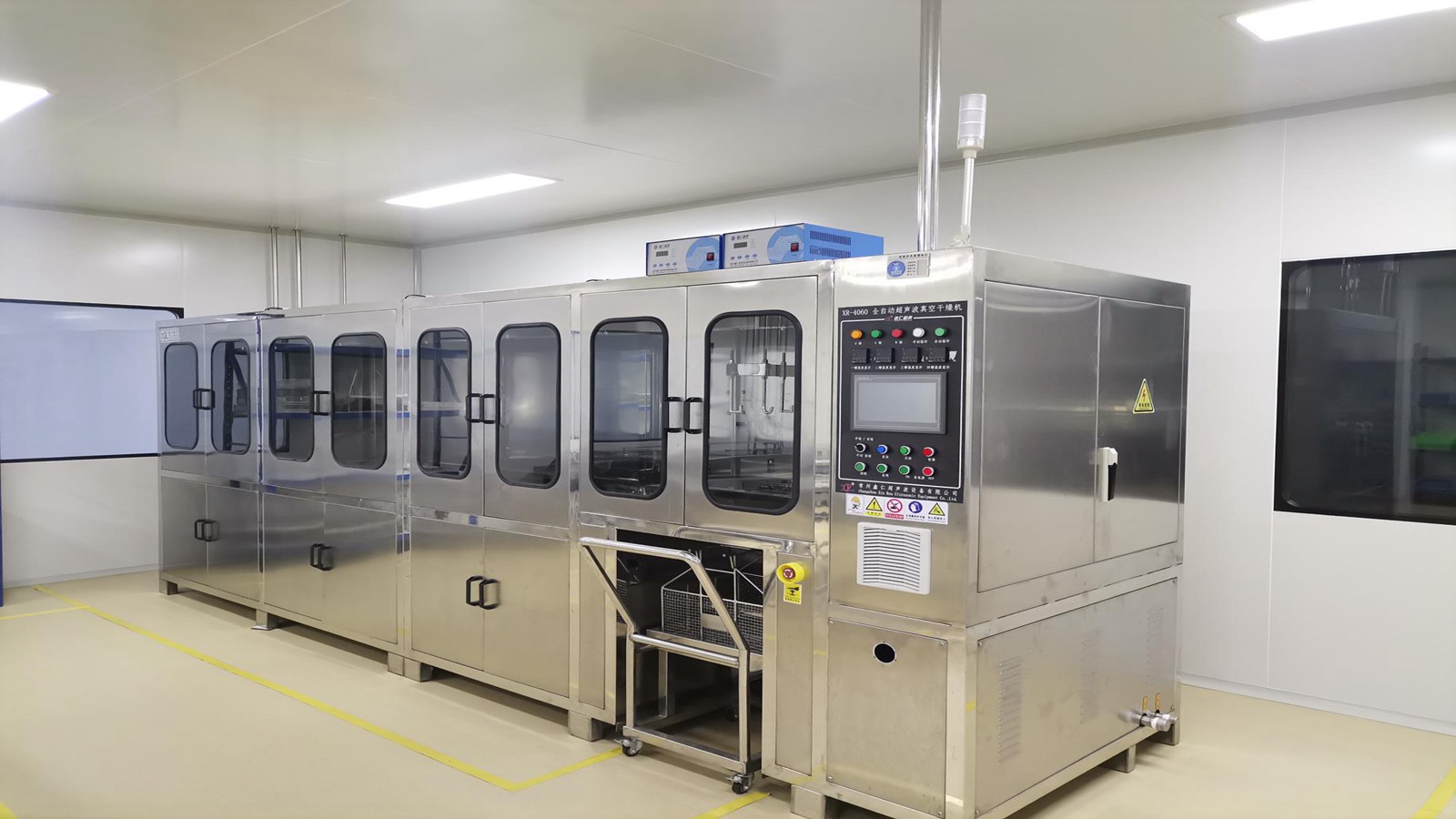
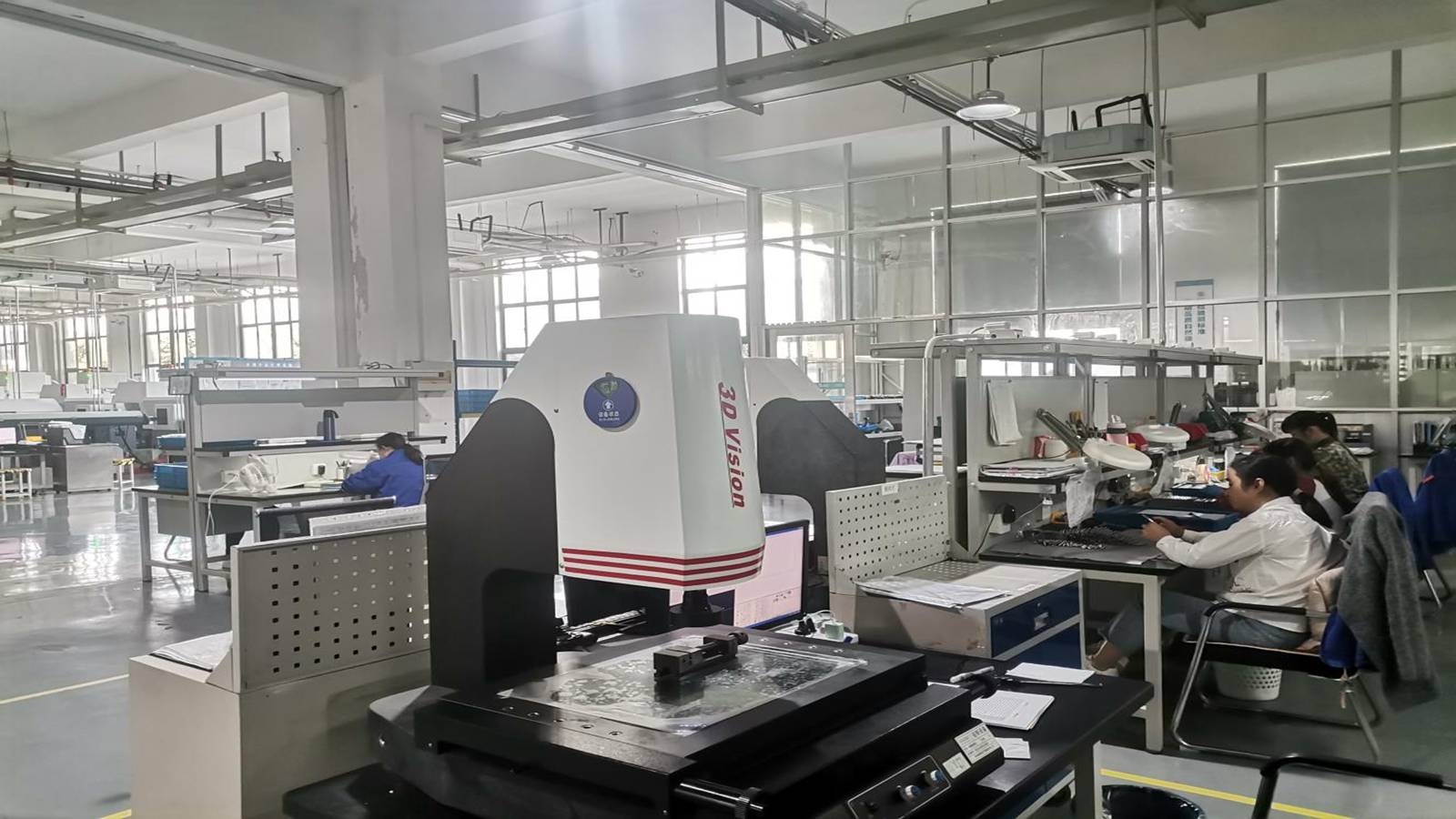
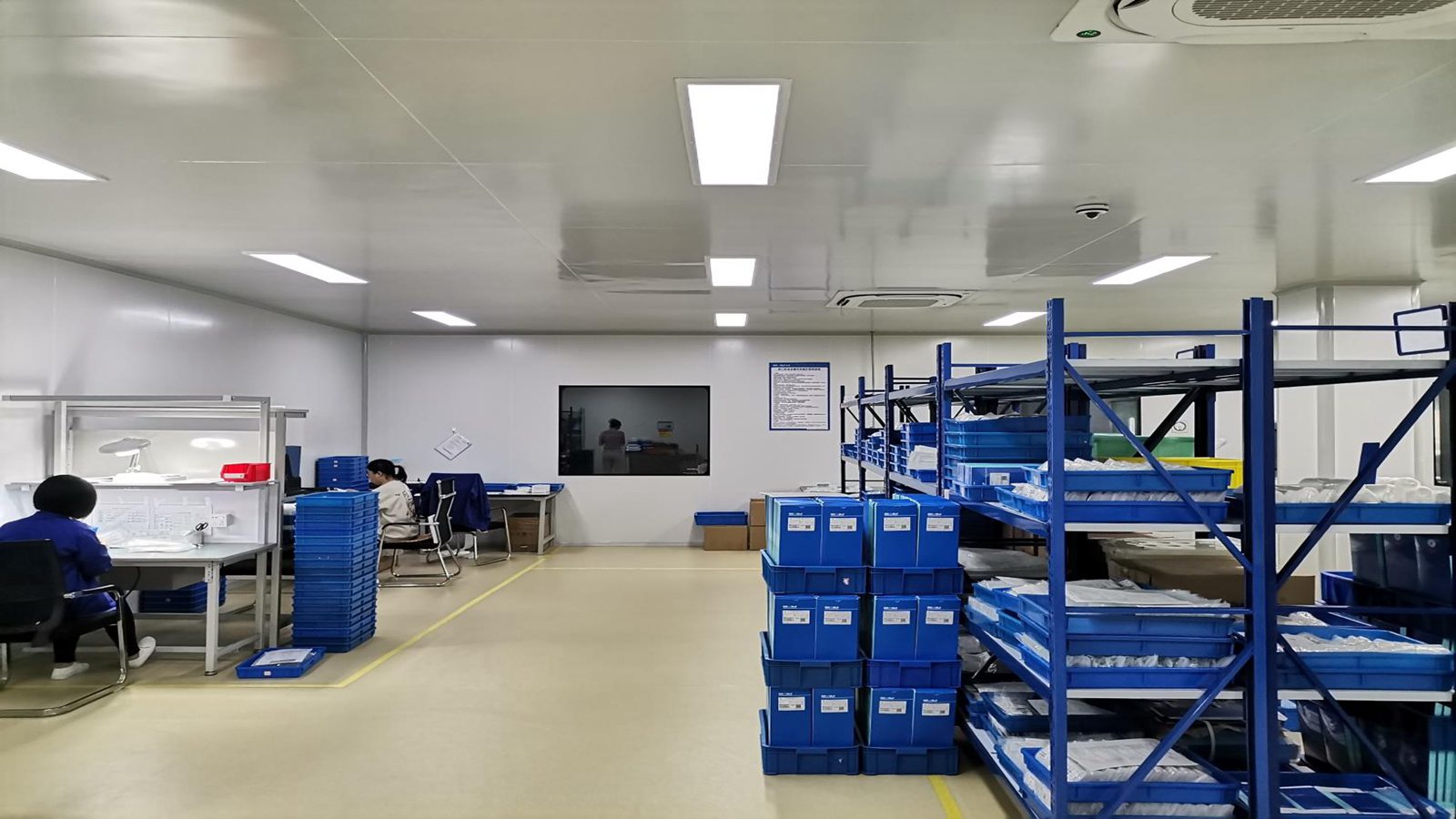
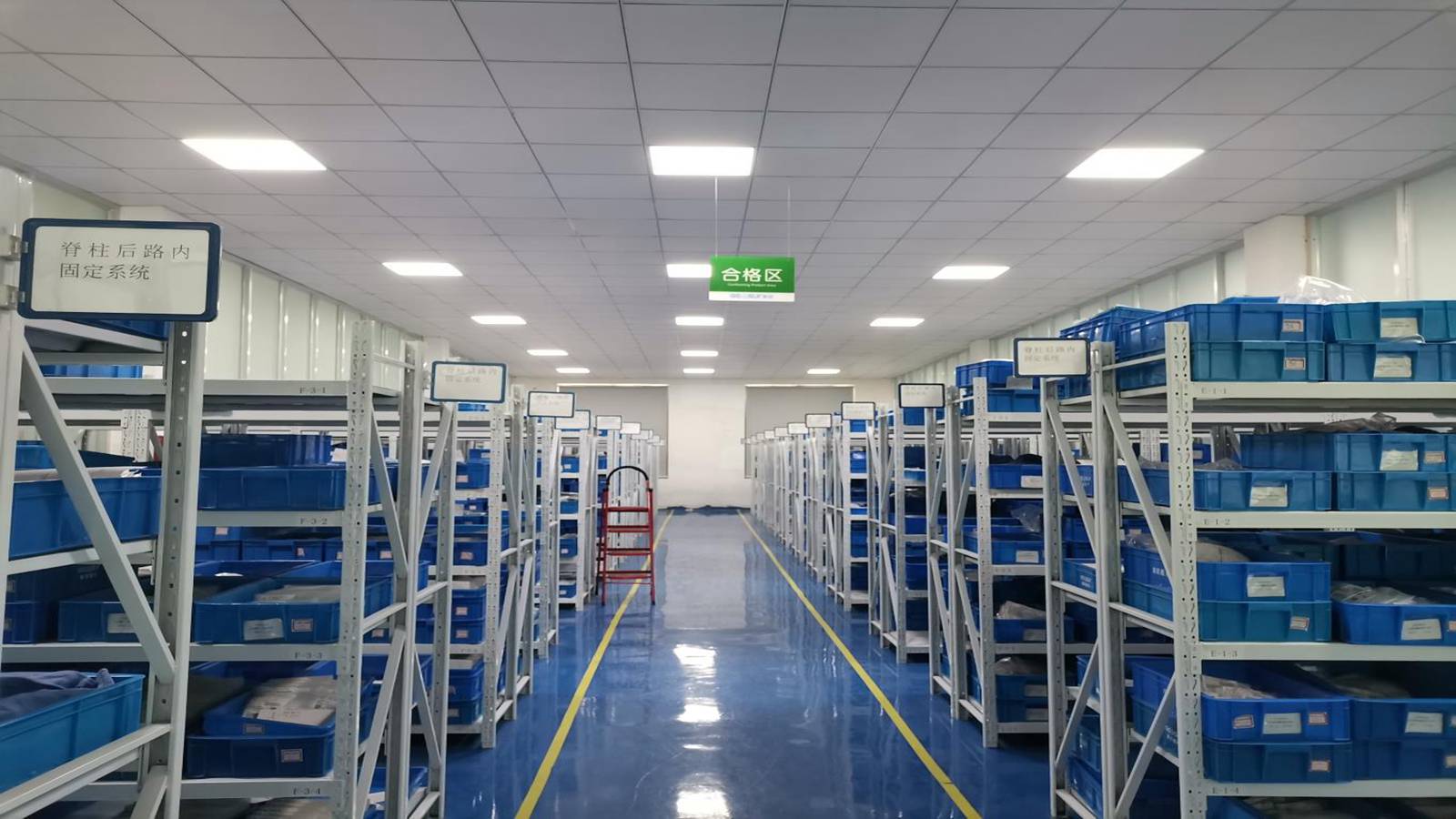
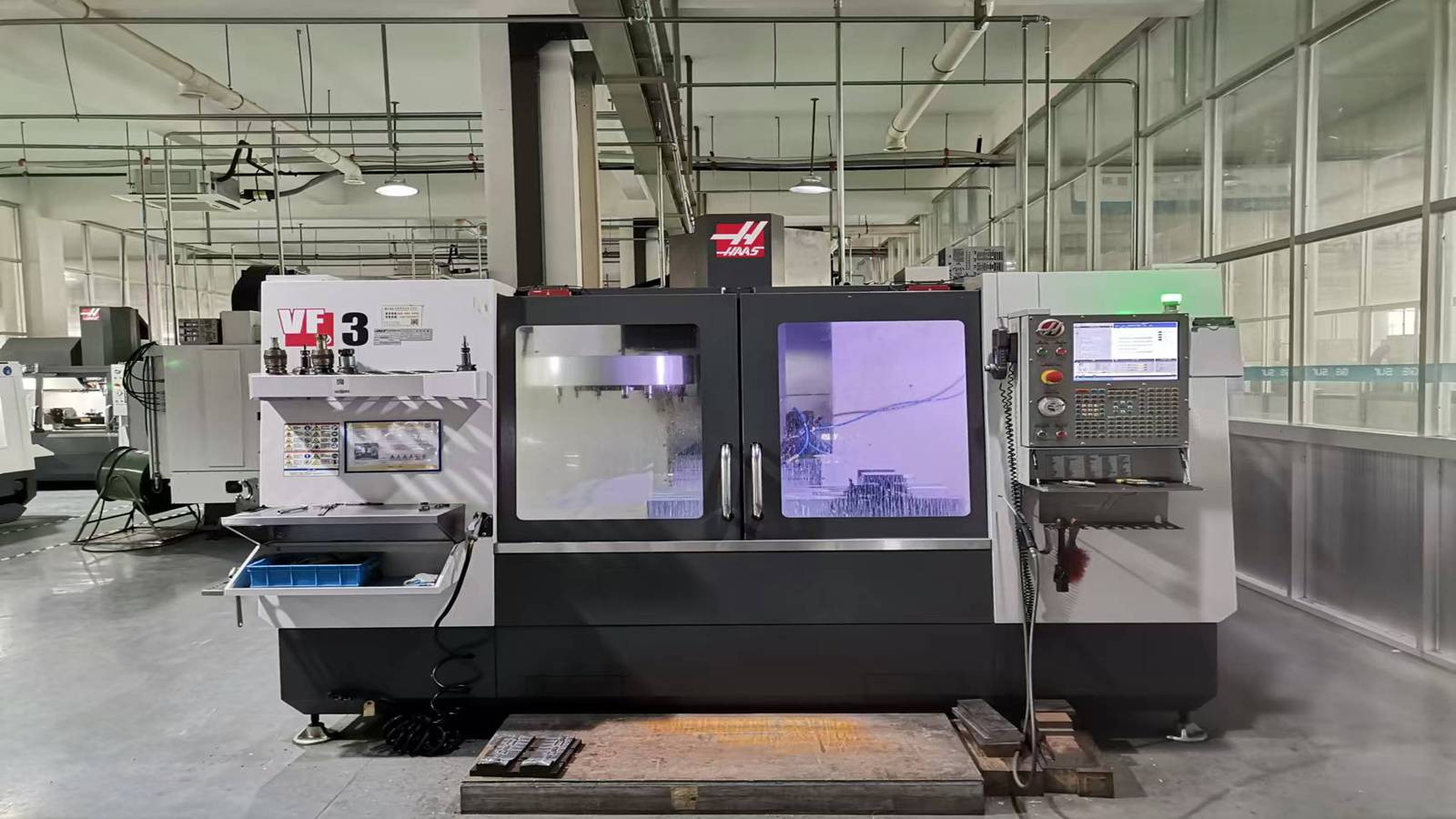
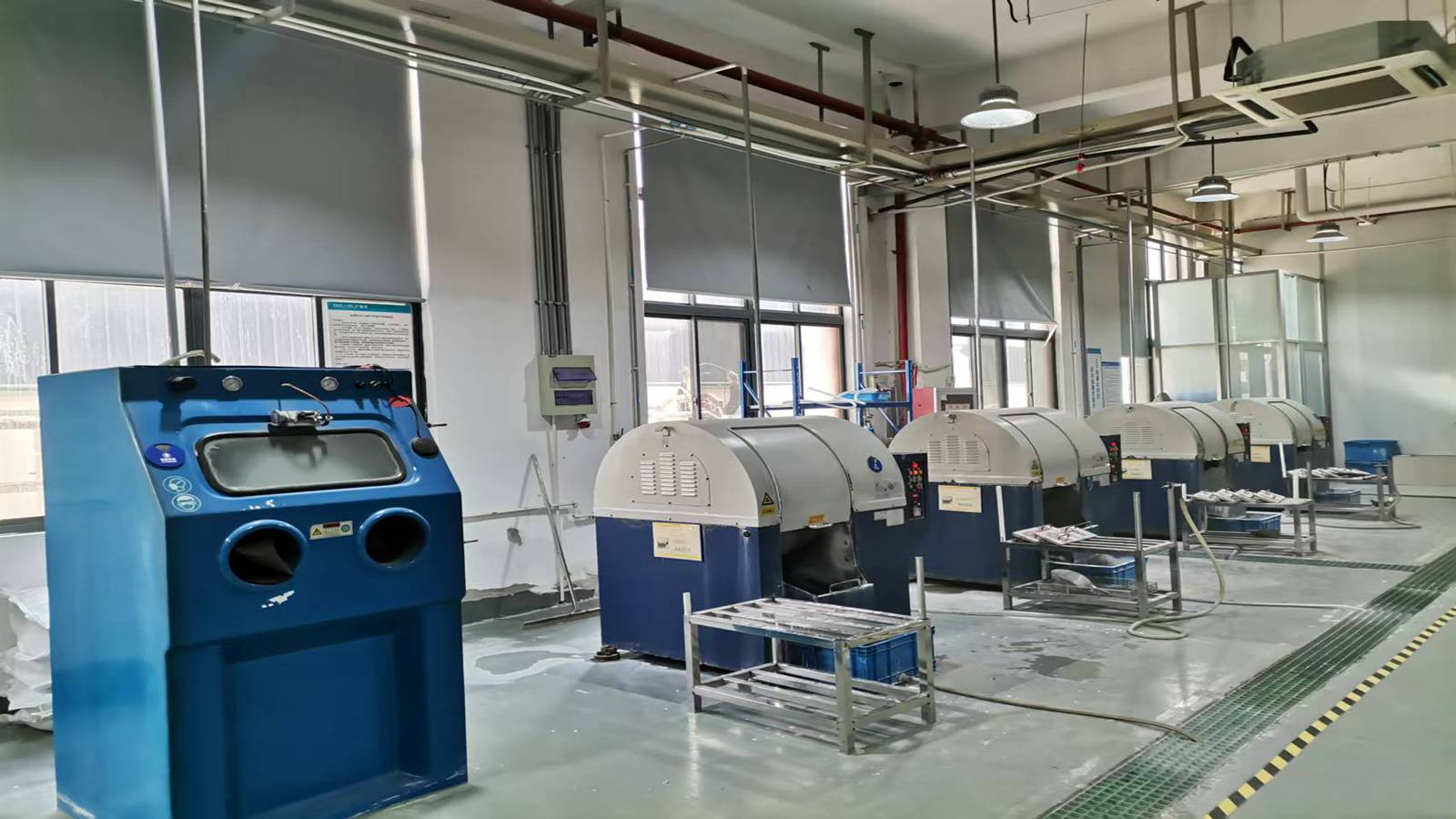
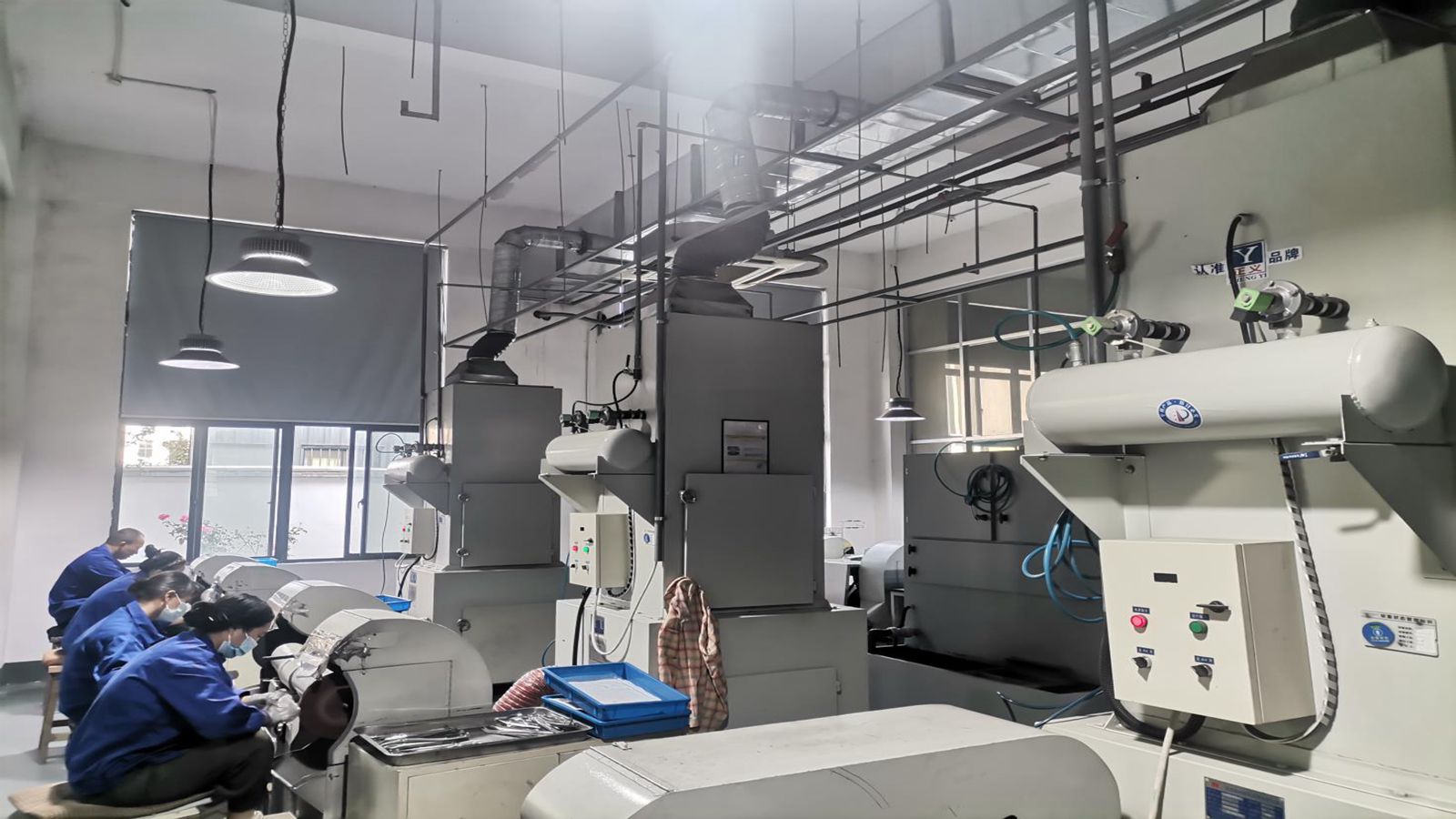
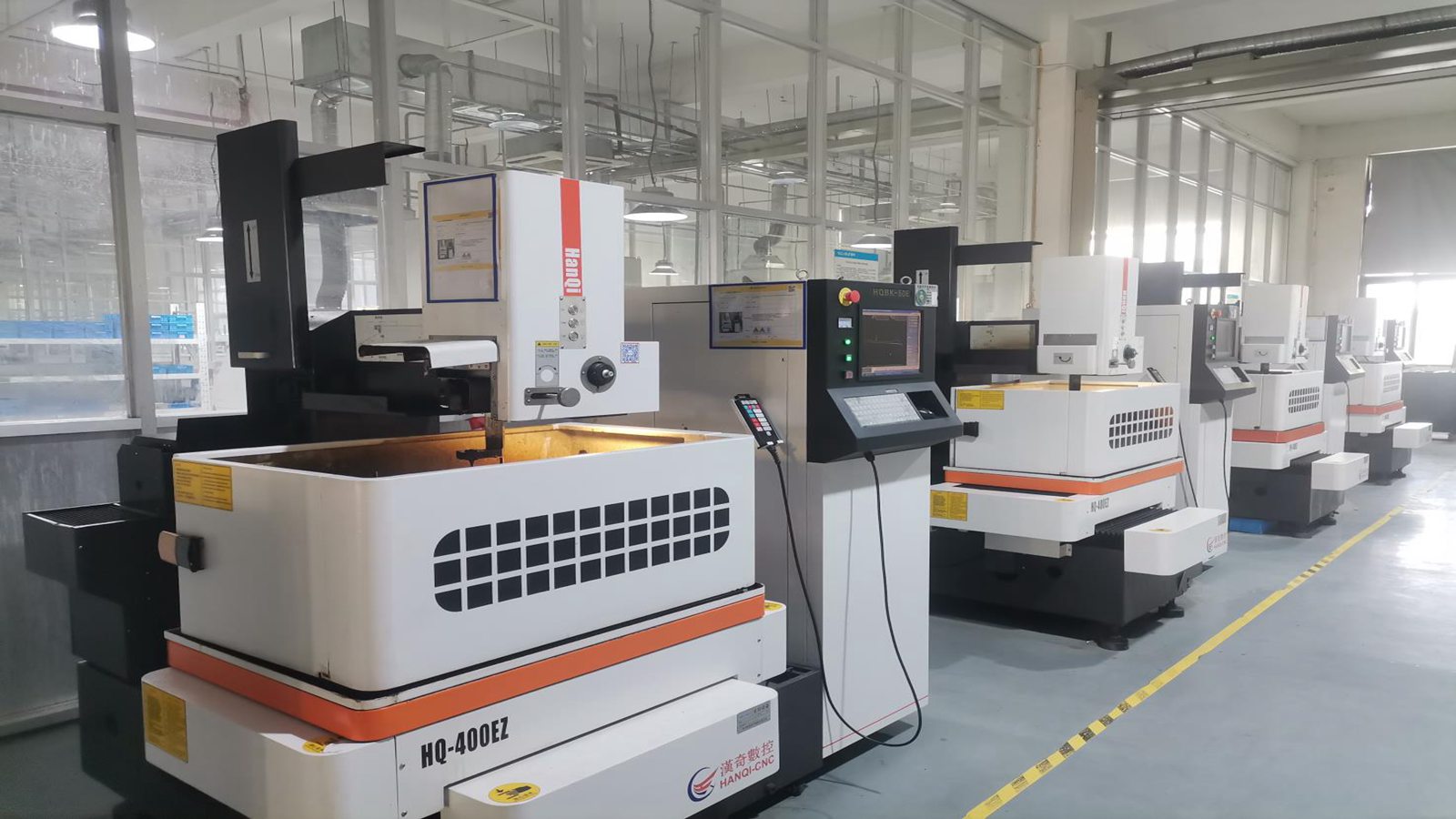
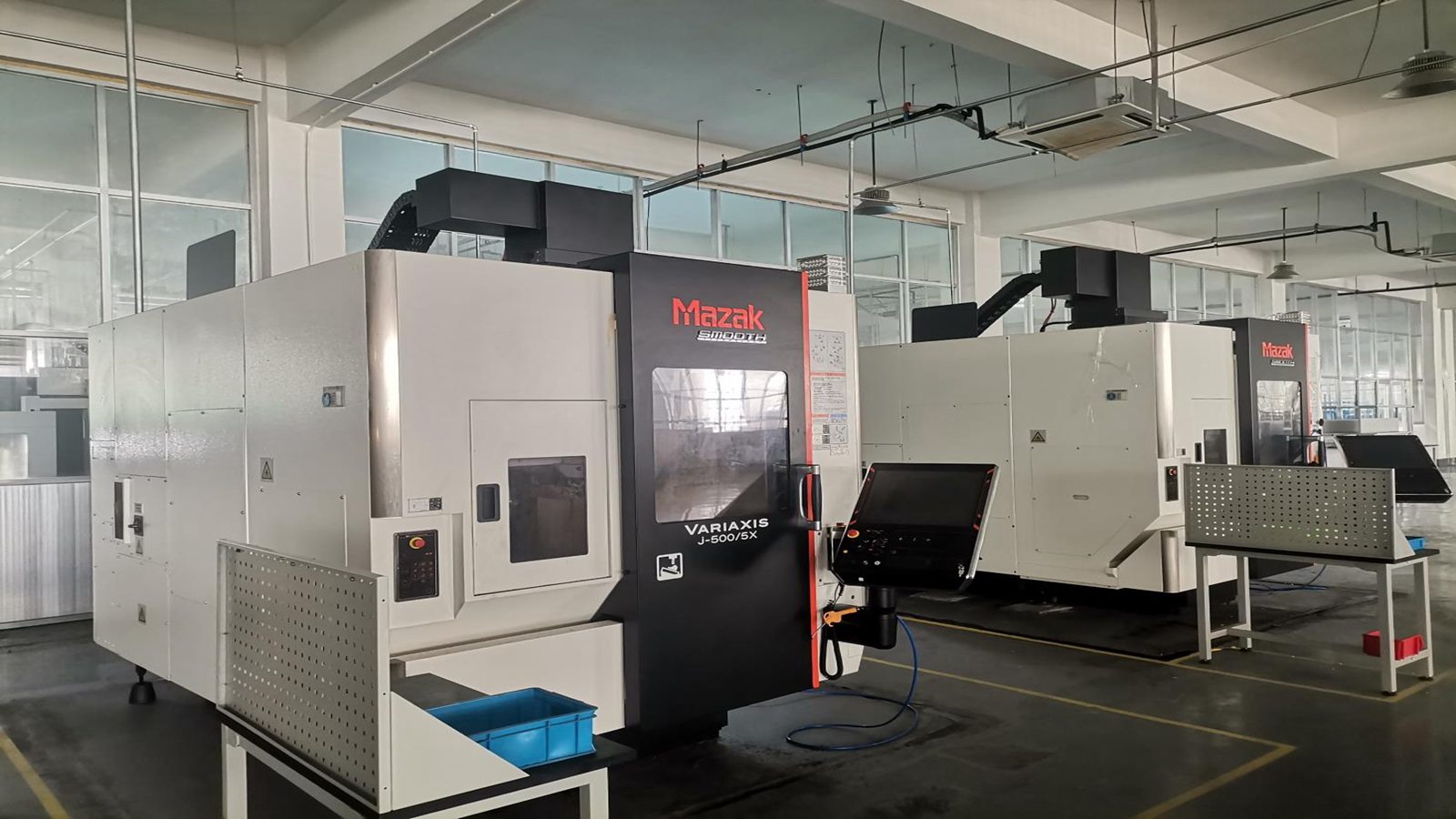
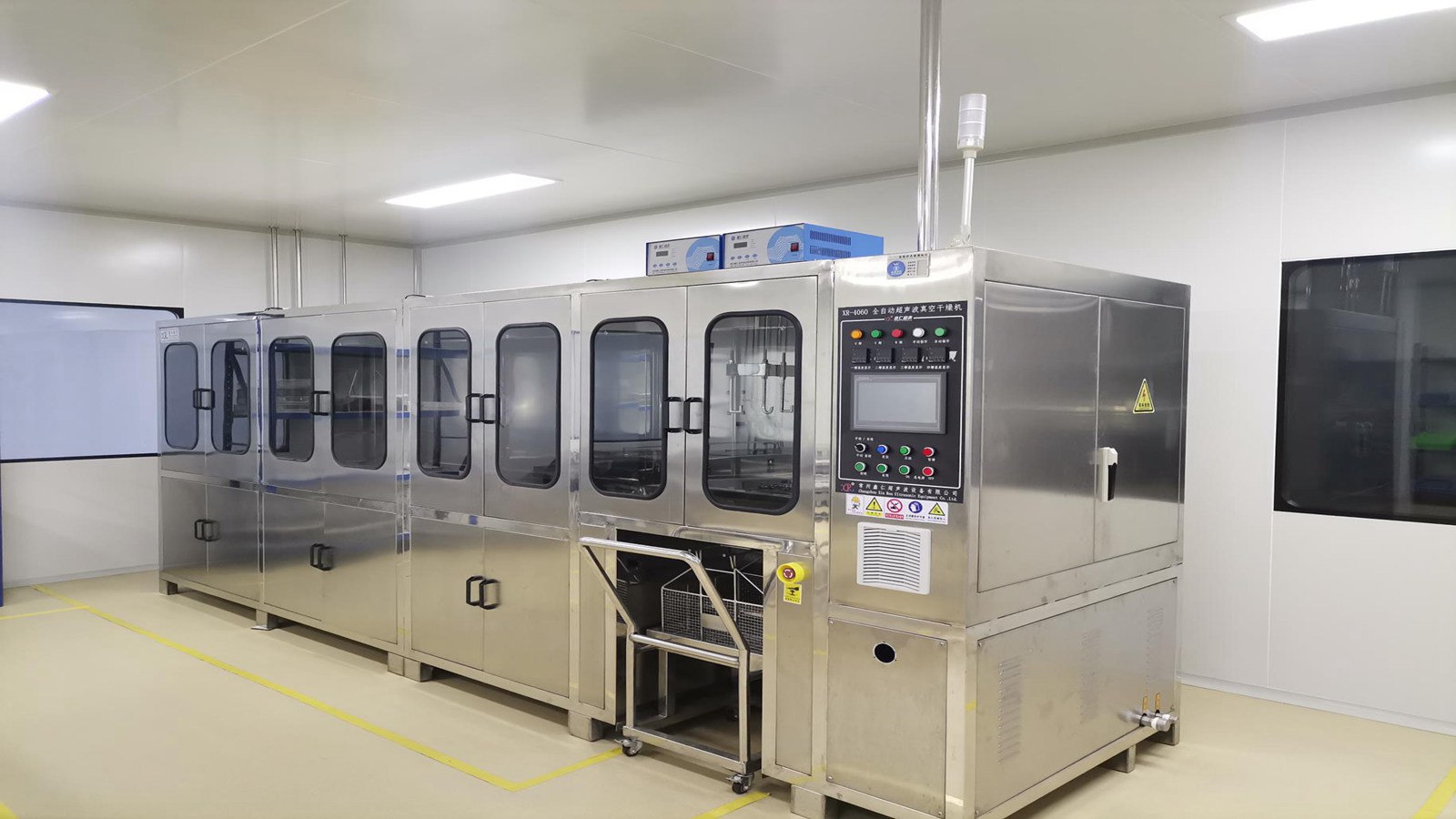
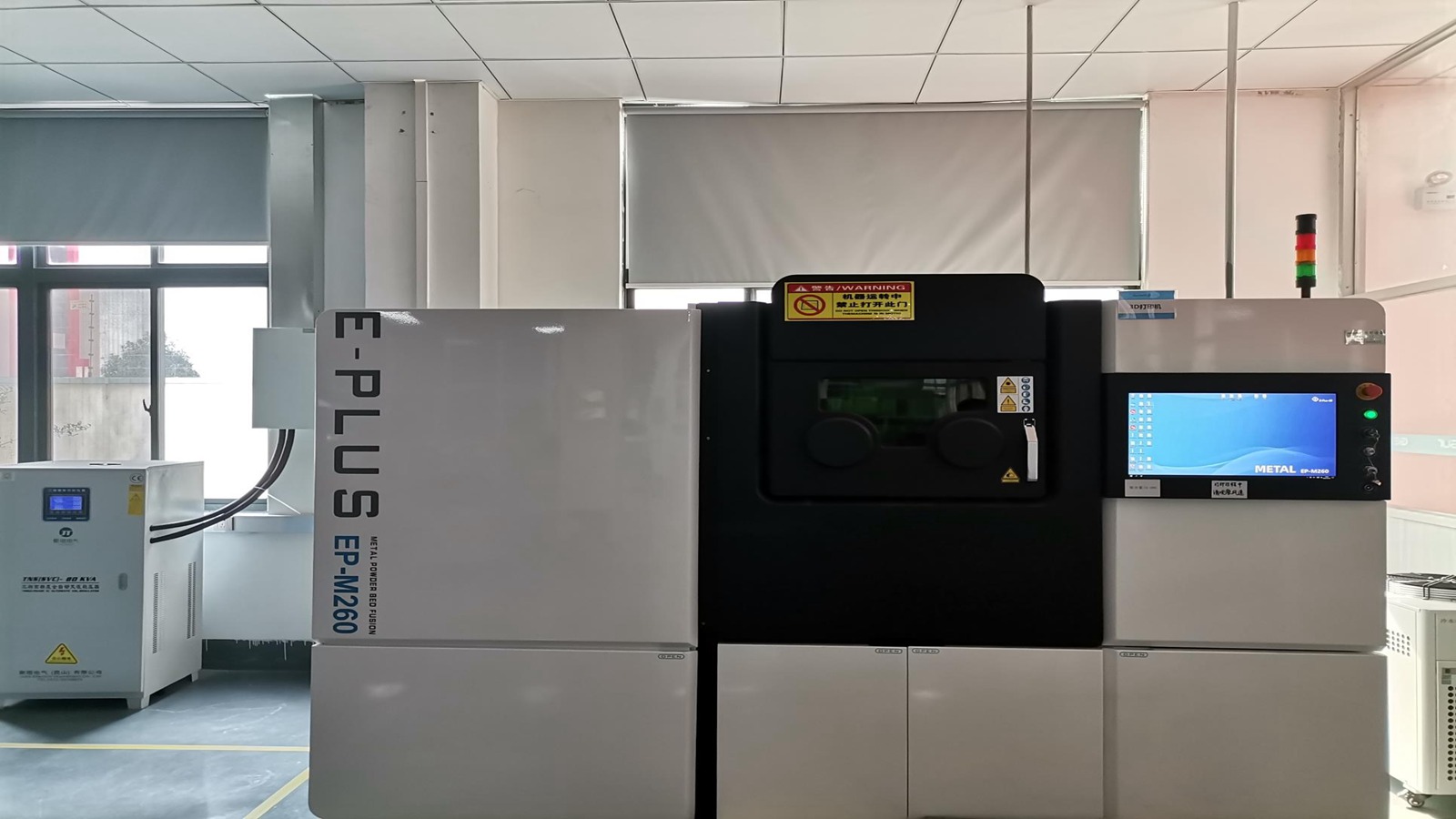
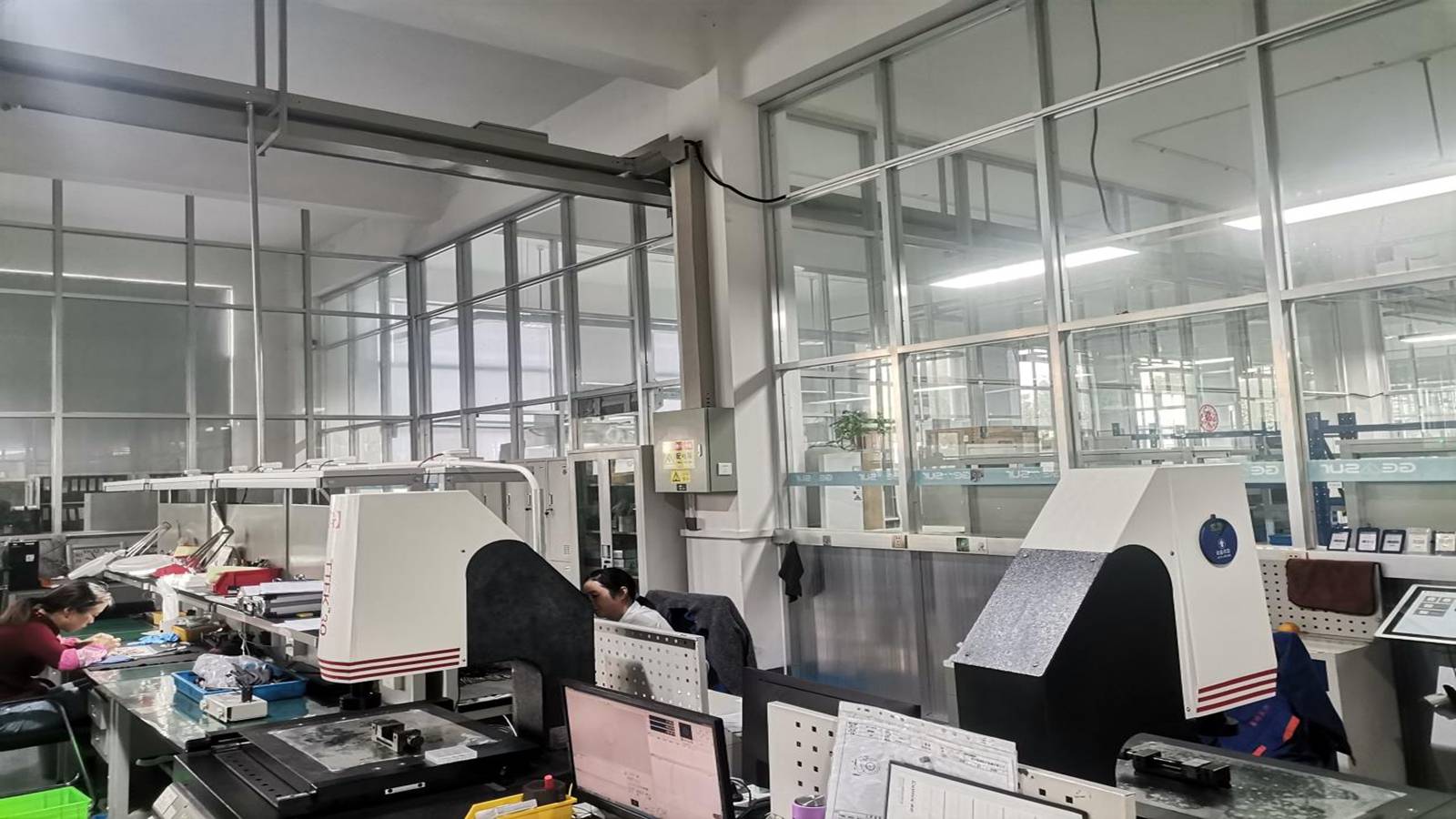
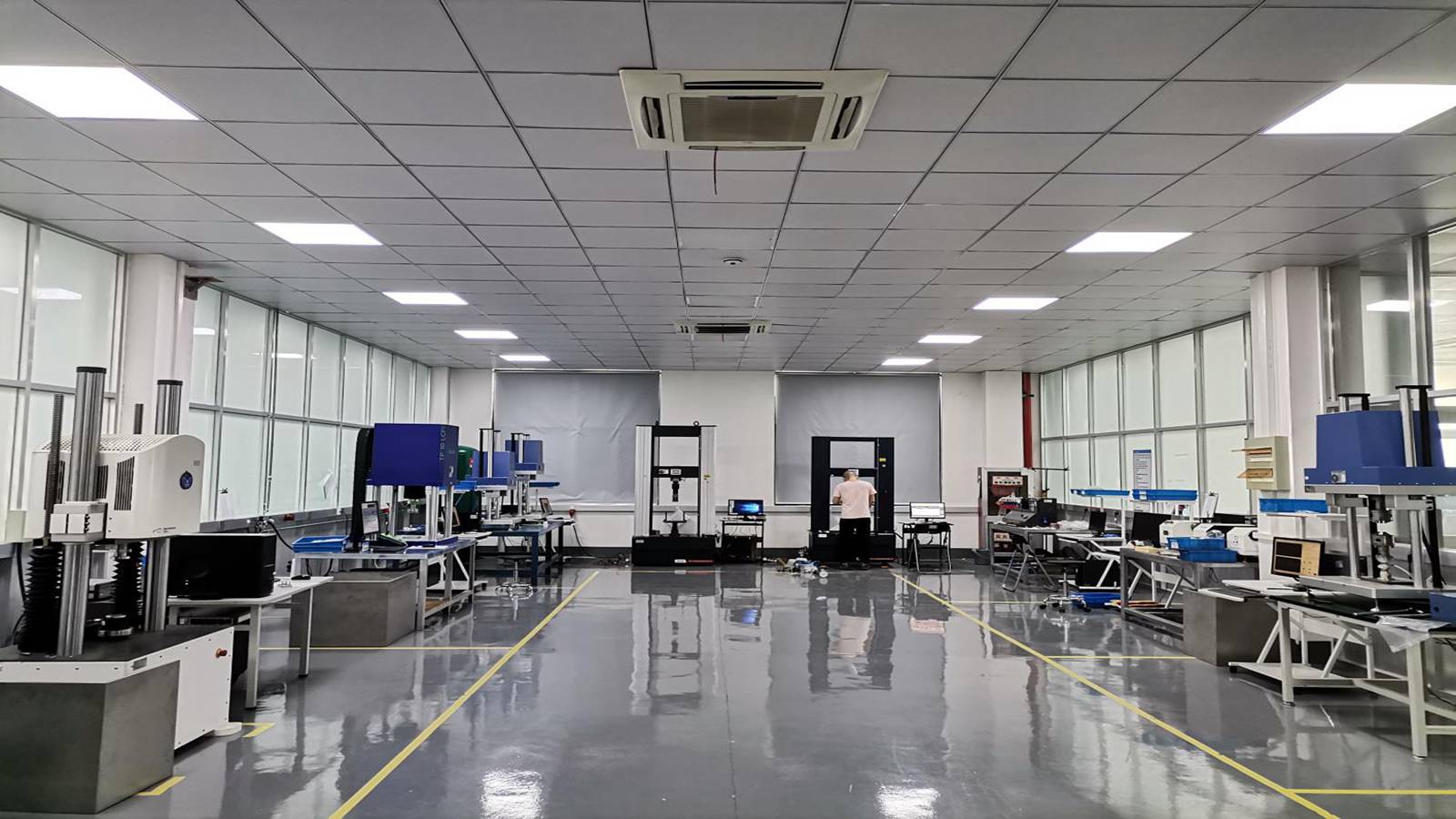
Clinical needs vary by region based on demographics and healthcare infrastructure. In countries with high cardiovascular risk profiles, sternal plating systems are implemented as a primary defense for high-risk cohorts—specifically diabetic, obese, and elderly patients. We offer local product training, custom sterilization containers, and modular instrument setups to support surgical departments globally.
Our localized support networks provide rapid replenishment services, on-site technical advisors, and comprehensive regulatory dossiers to facilitate smooth integration within regional hospital procurement structures.
The future of sternal fixation points toward smart, patient-specific materials. Our R&D roadmap focuses on:
• Resorbable Polymeric Matrix Plates: Reducing the need for long-term metal retention while maintaining mechanical integrity during healing.
• Bioluminescent Biosensors: Integrated into locking plates to monitor healing, load variations, and early inflammatory responses post-surgery.
• Custom 3D-Printed Solutions: Matching patient CT scans perfectly for highly complex reconstructive thoracic procedures.
Complete your surgical suite requirements with our premium collection of certified titanium nails, anchors, and compression systems.
Everything you need to know about our sourcing, materials, certifications, and biomechanics.
Titanium Sternal Fixation Plating provides rigid internal fixation, minimizing micro-motion between sternal halves. This biomechanical stability dramatically lowers risks of bone cut-through (especially in osteoporotic bone), reduces post-operative pain, limits deep surgical site infections, and accelerates primary bone healing.
Our manufacturing protocols are certified under ISO 13485 and EN ISO 13485 quality systems. We also possess MDSAP (Medical Device Single Audit Program) certificates and CE MDR certifications (e.g., Certificates EPT 0477.MDR.25/5905 and EPT 0477.MDR.26/6113), allowing compliant imports into EU nations and various global territories.
We provide full-spectrum customization including sample processing, design customization based on graphic templates, custom anodization coloring, laser marking for traceability, and dedicated surgical kit packaging configuration.
We employ 36 specialized QA/QC inspectors across our 12 production lines. Quality verification processes cover 100% raw material spectroscopic verification, CNC digital tolerance monitoring, surface finish verification, cleanroom bio-burden testing, and detailed mechanical stress-testing before shipping.
Yes, all implants are constructed of medical-grade Titanium (Ti-6Al-4V ELI) which is non-ferromagnetic. Under standard clinical settings, patients with our sternal plating systems can safely undergo MRI scanning under established medical safety guidelines.
For standard configurations, dispatch occurs within 14-30 business days. Custom parameters or customized orders require approximately 45-60 days. Our logistics team handles full customs documentation, clearing shipments through key global sea and air ports seamlessly.