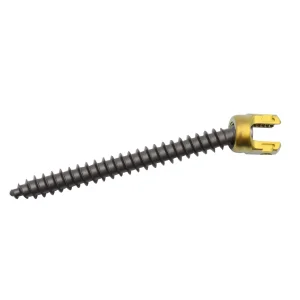
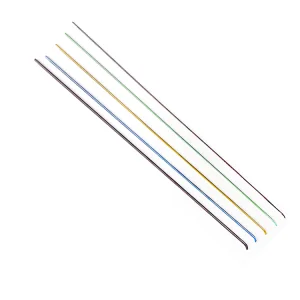
Ease Medical Apparatus And Instruments Ease Medical Apparatus And Instruments
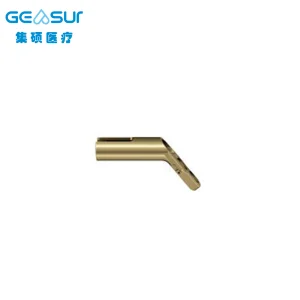
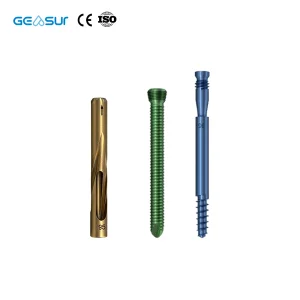
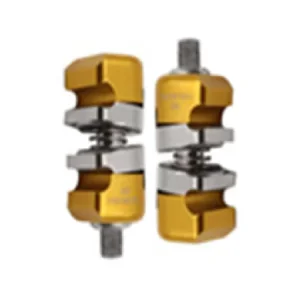
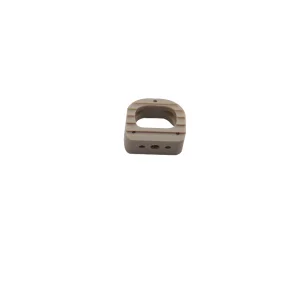
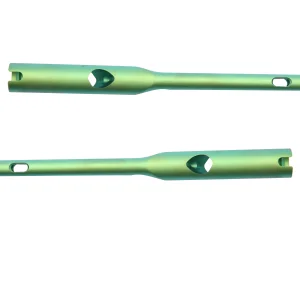
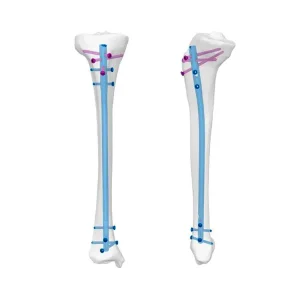
Femoral Neck Internal Fixation System

Industrial-Grade Orthopedic Implants & Systems | CE MDR & ISO 13485 Certified Manufacturer

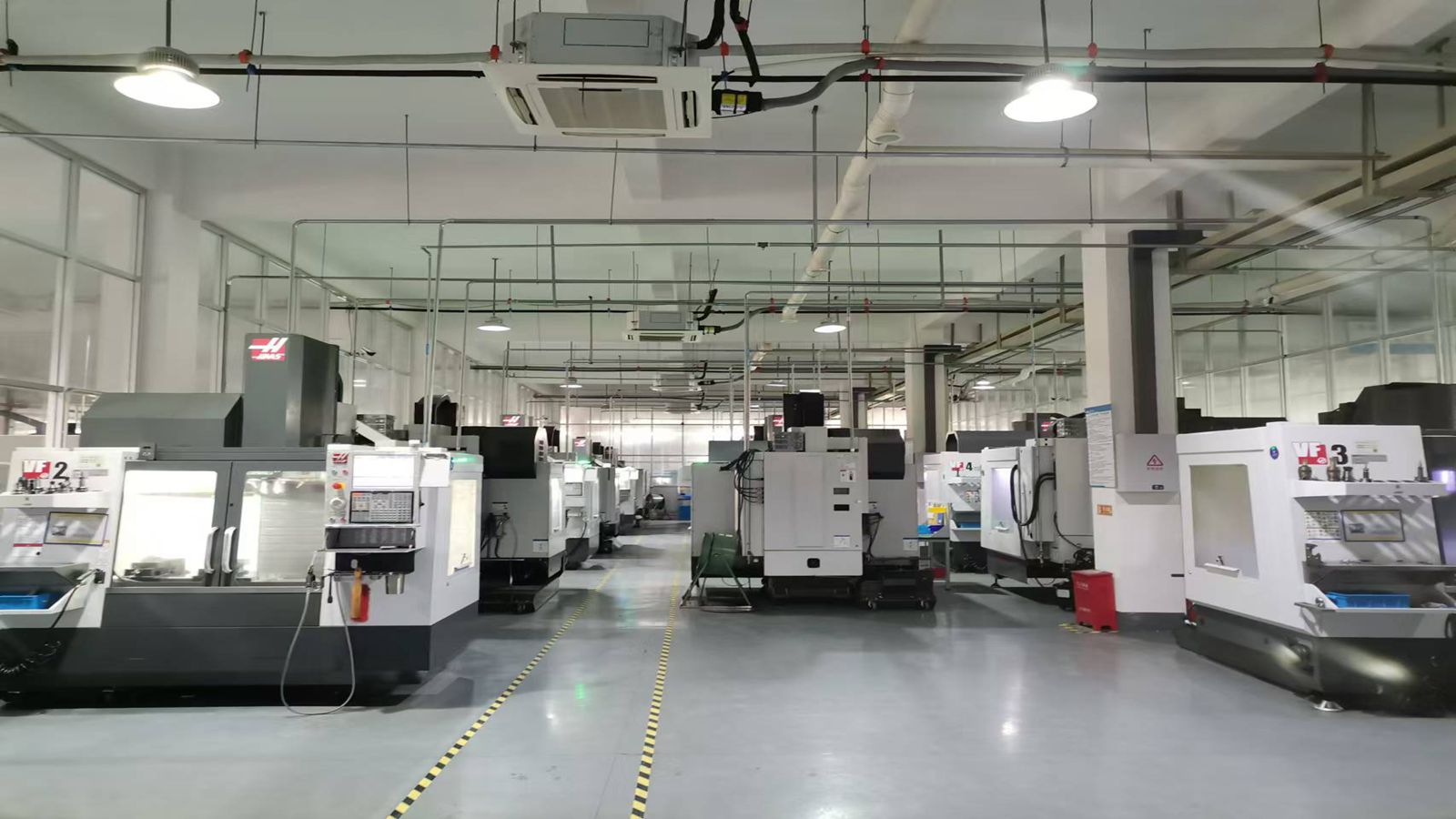
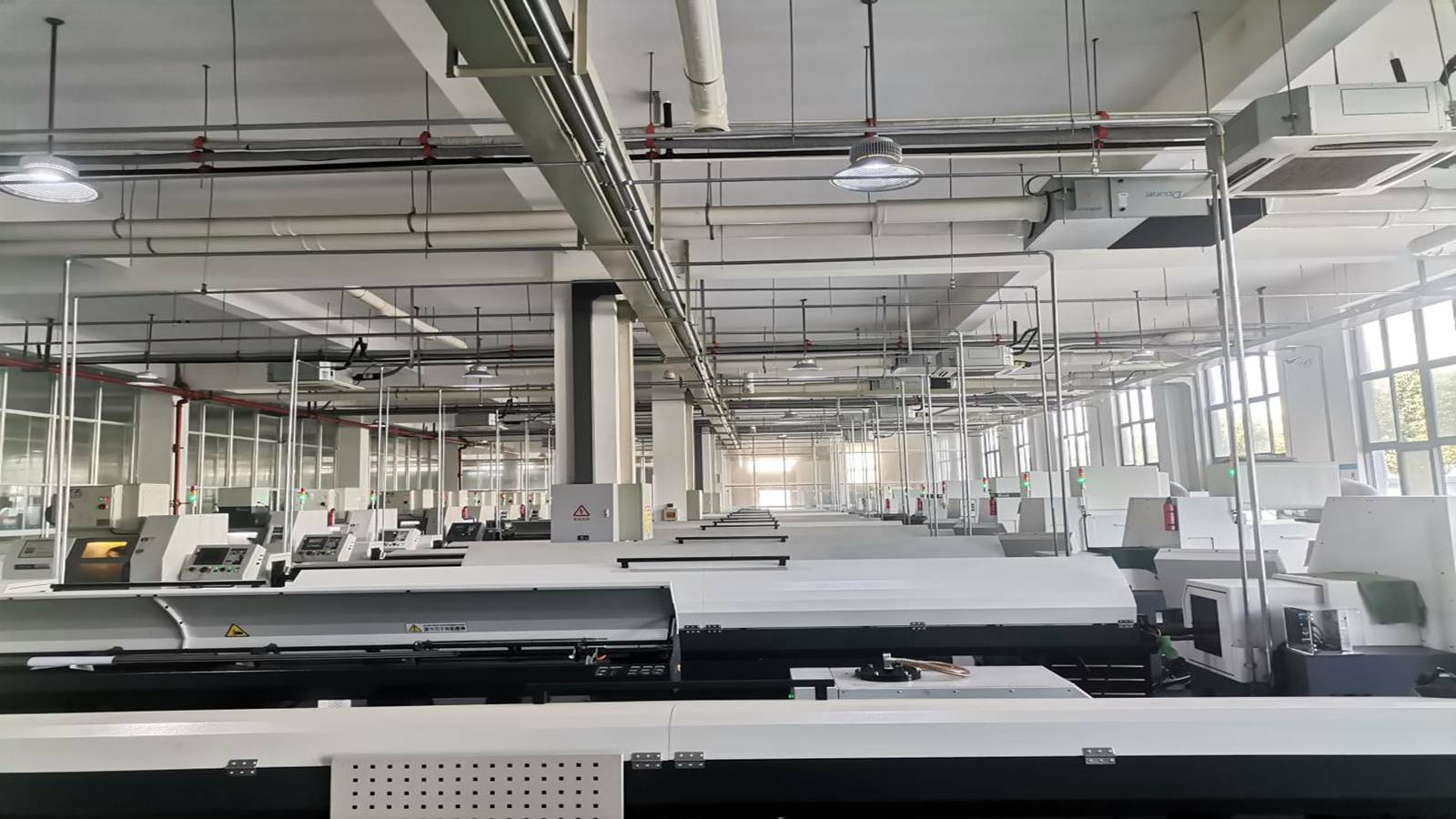
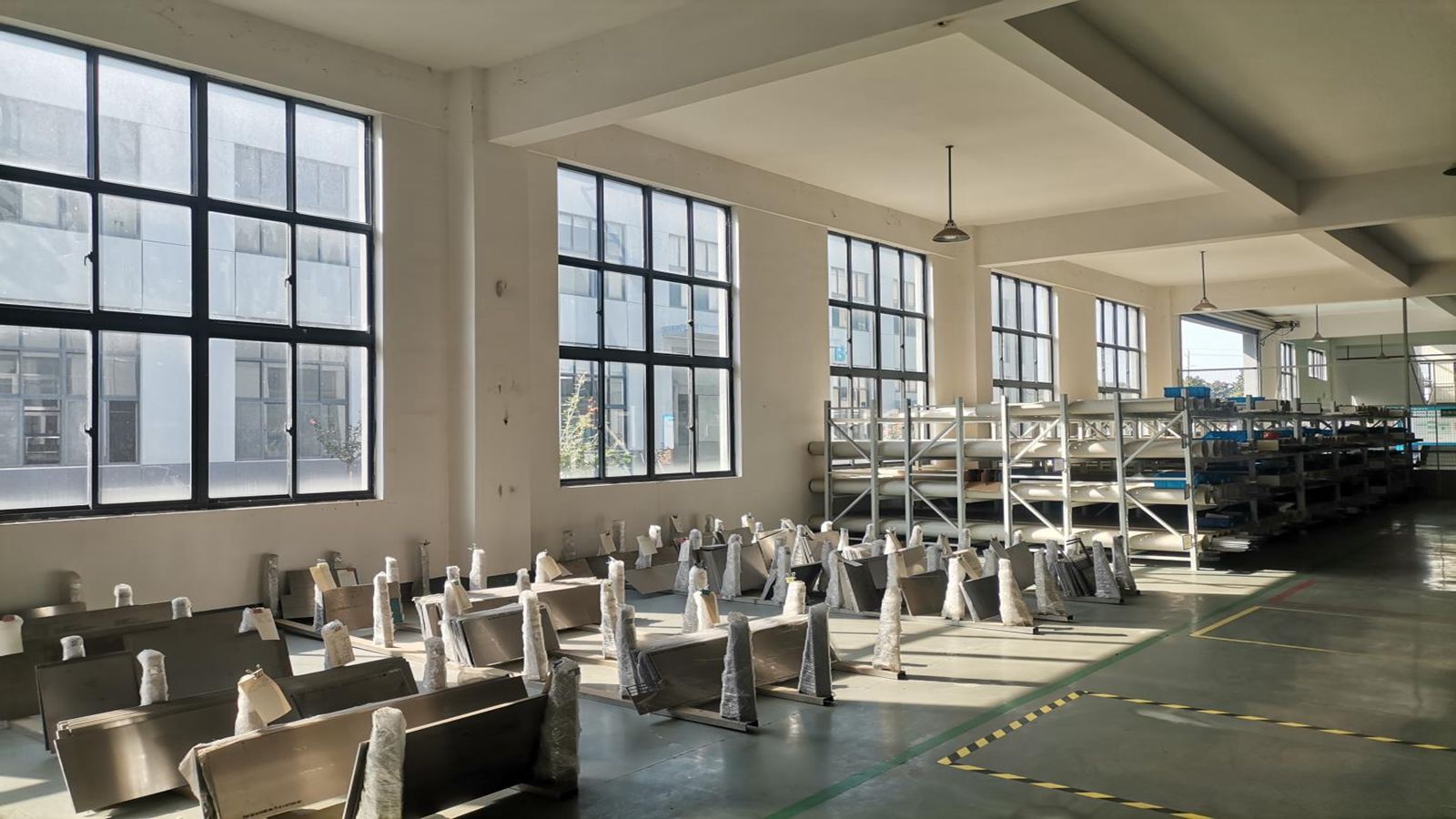
30,343m²
State-of-the-Art Factory Floor Space
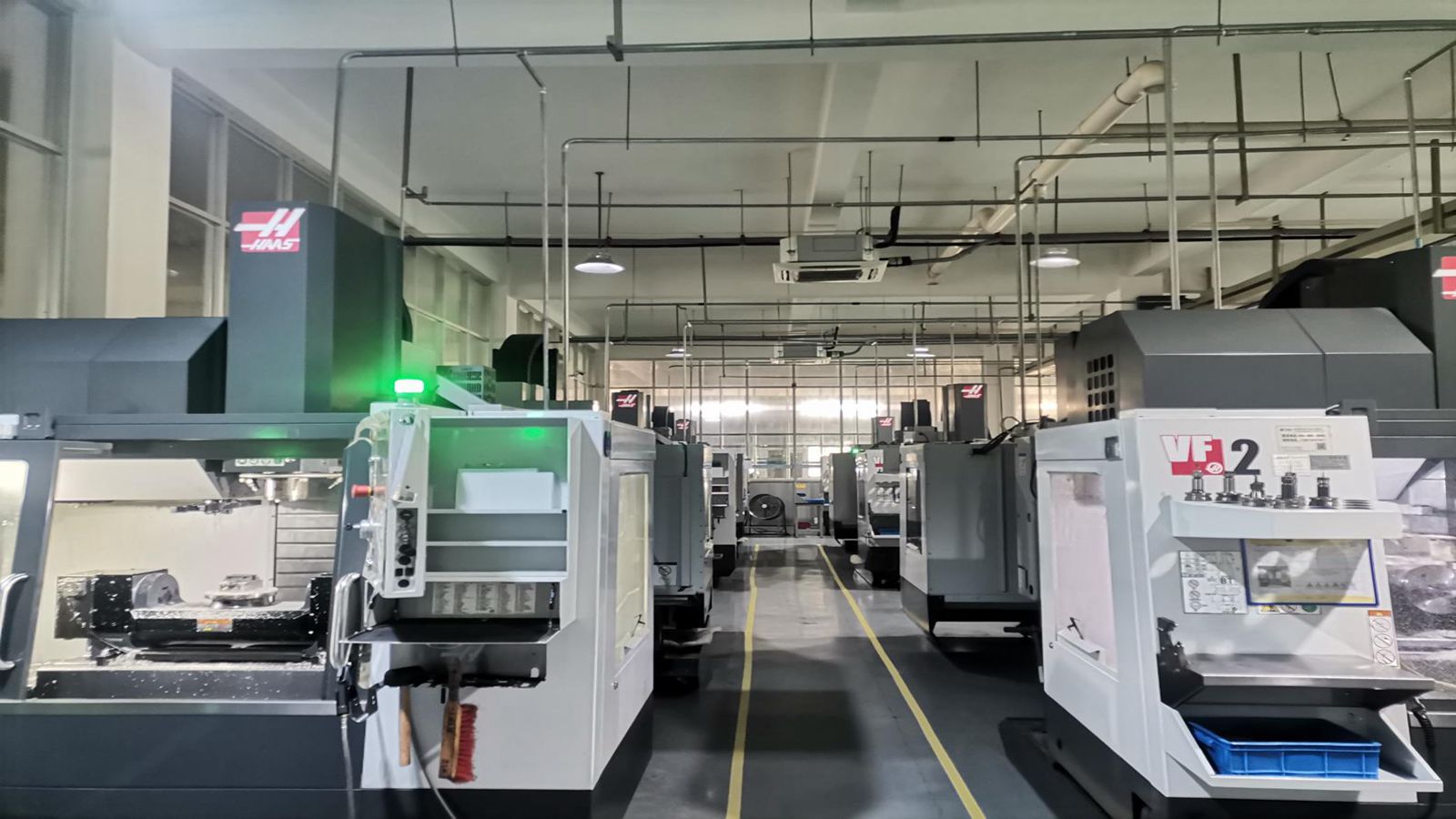
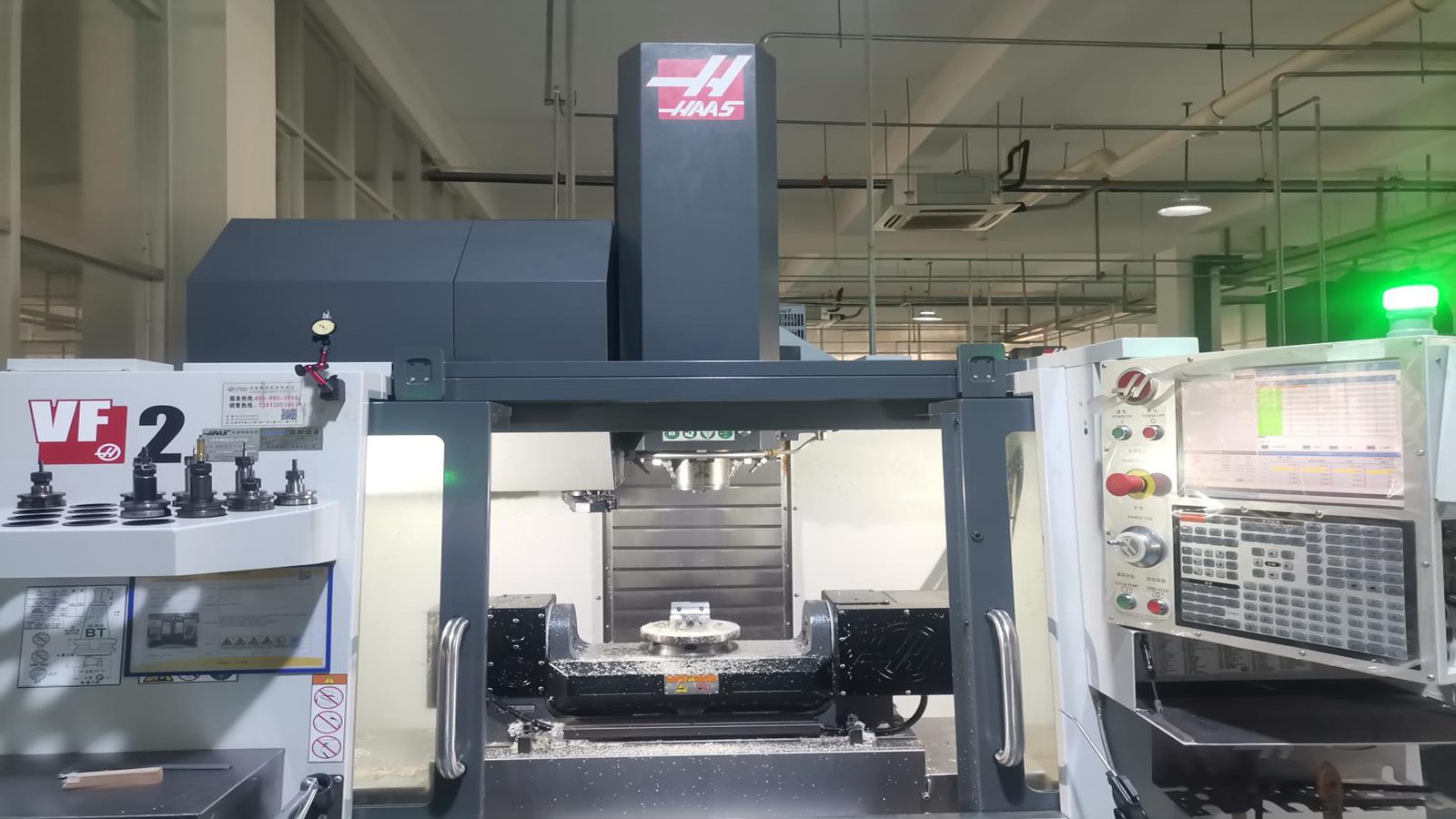
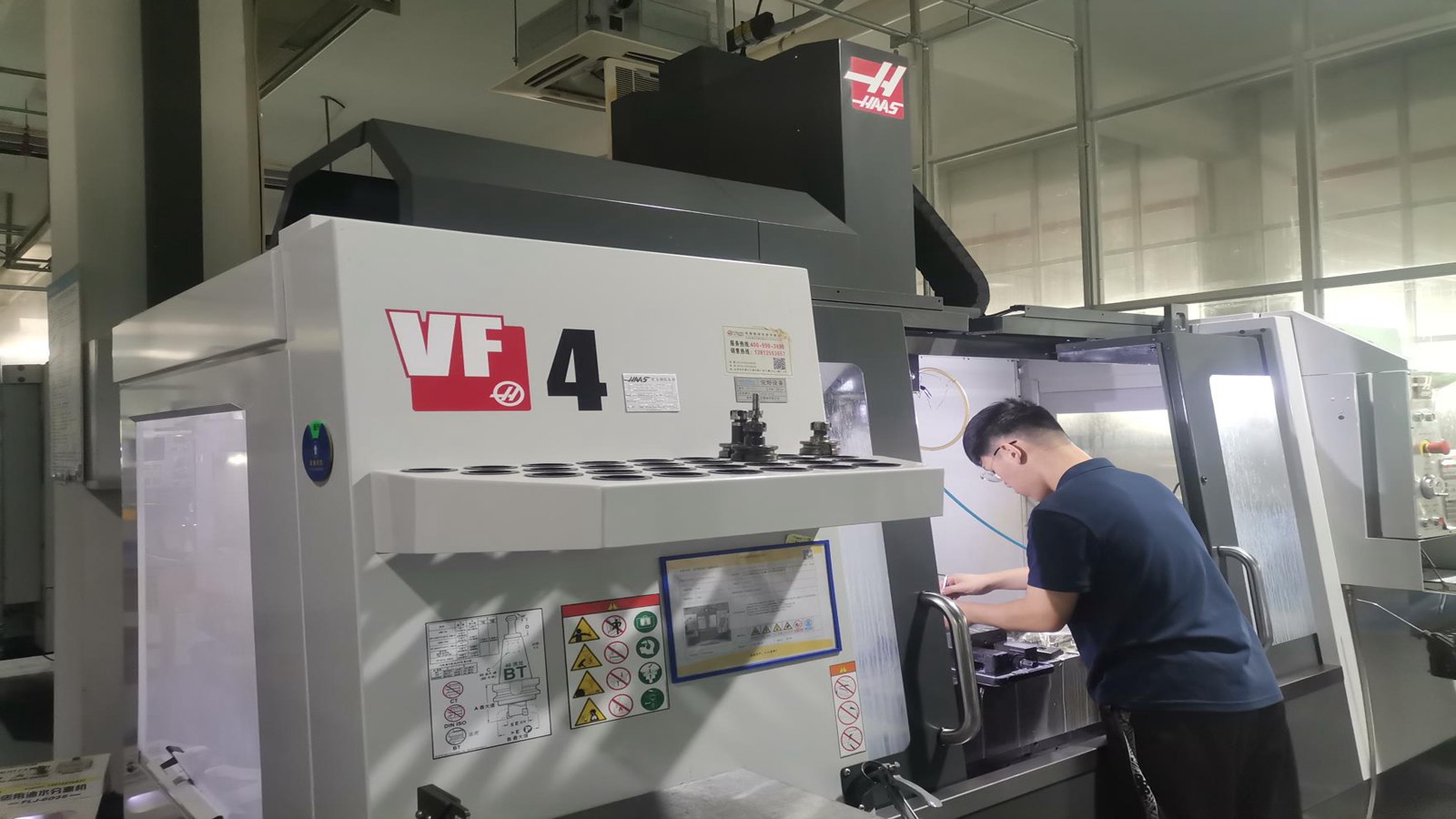
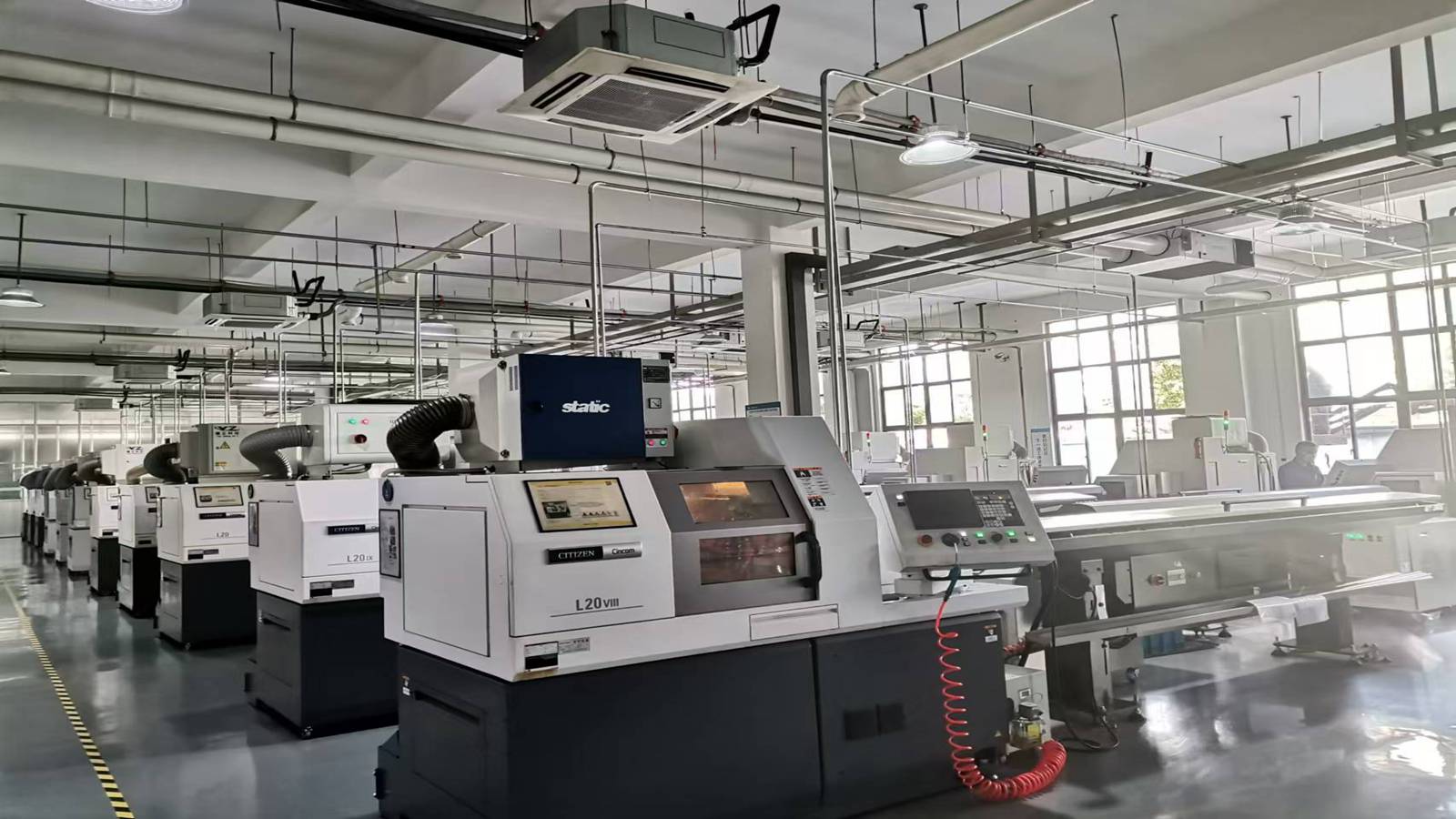
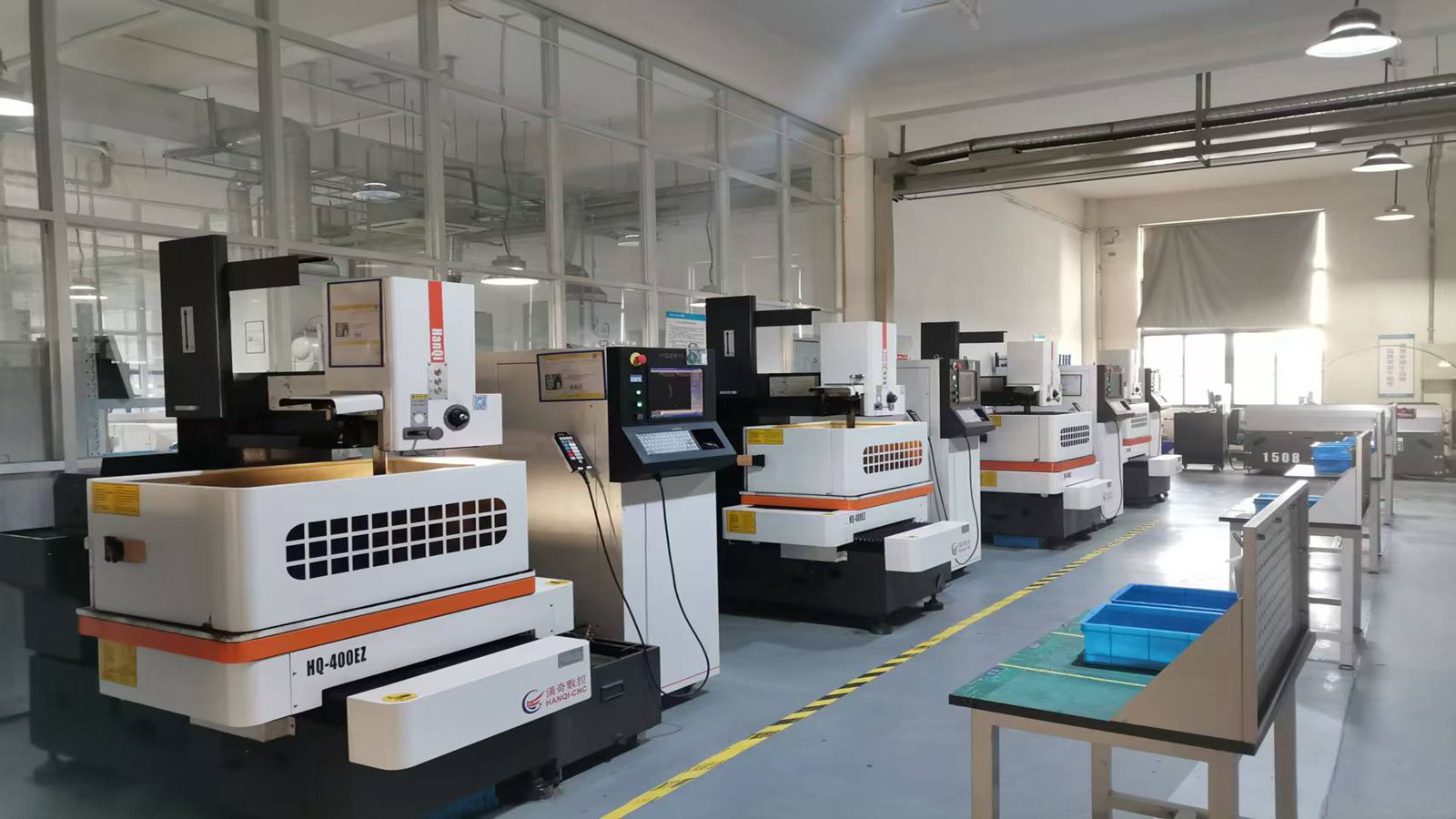
120+
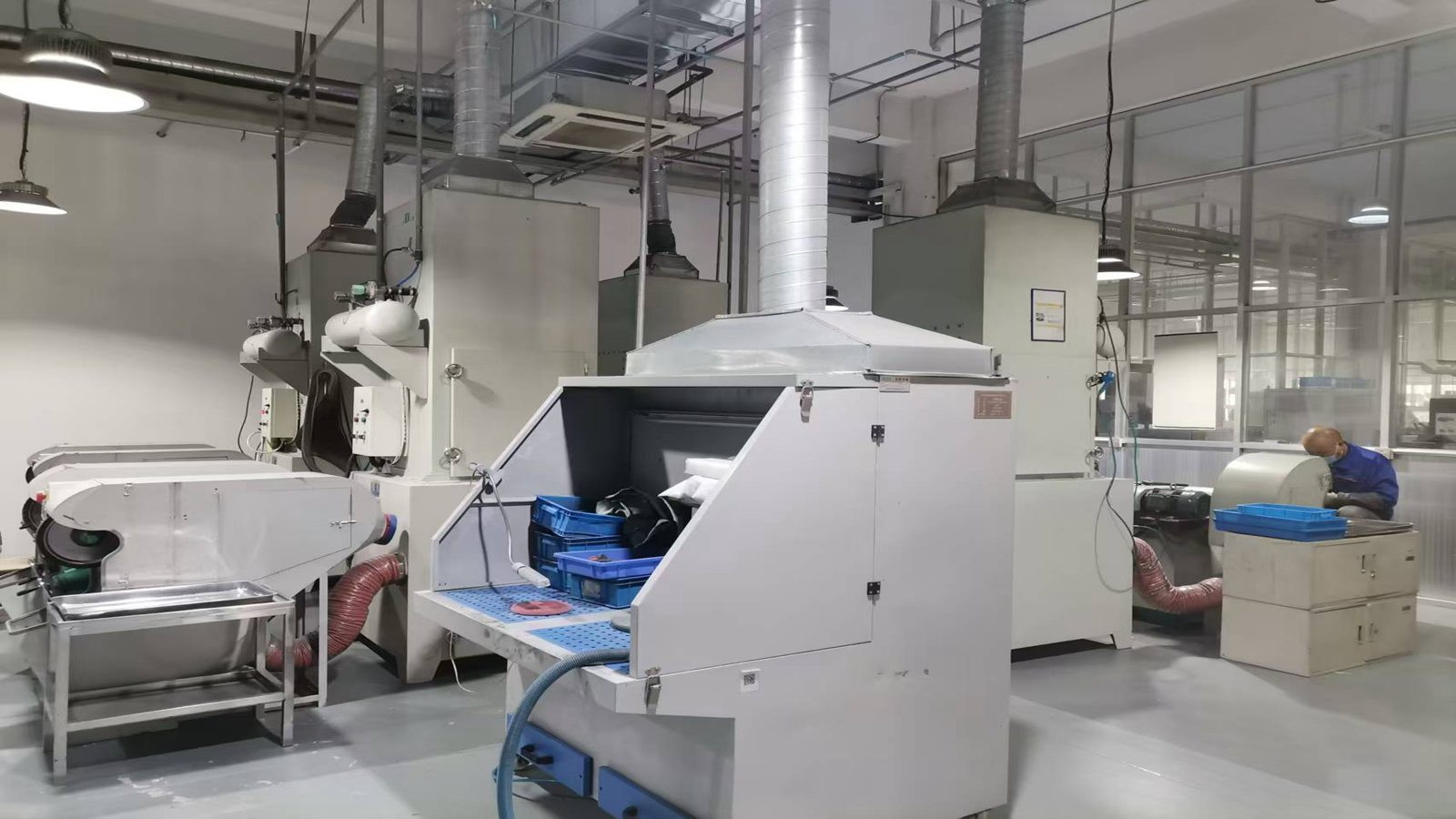
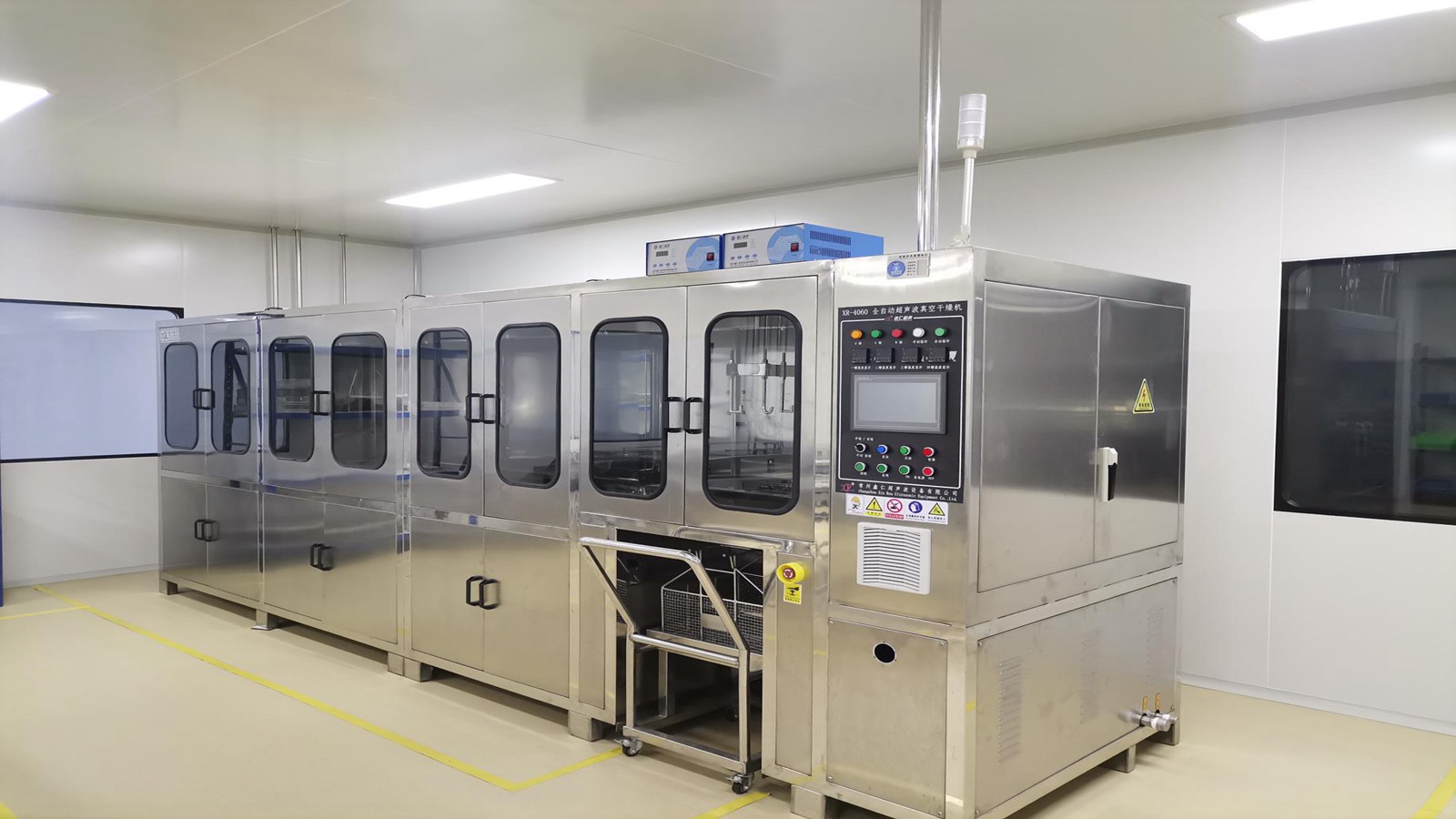
Precision Production Machines
12
Advanced Manufacturing Lines
31
R&D Engineers (Ph.D. & Masters)

Global Landscape: Femoral Neck Fixation Systems

The global incidence of hip fractures is projected to reach several million annually by 2050, driven primarily by an aging population and increasing rates of high-energy trauma in developing countries. As a leading manufacturer and supplier, we understand that femoral neck internal fixation systems are critical in restoring early mobility to patient cohorts while mitigating severe post-operative complications.
Recent advancements in orthopedic biomechanics have shifted the preferences of surgeons and healthcare procurement managers away from conventional parallel cannulated screws toward more sophisticated dynamic screw-plate systems. Technologies like the Femoral Neck System (FNS) and specialized titanium plates provide unmatched dynamic locking stability, minimizing the risk of femoral neck shortening, implant migration, and avascular necrosis of the femoral head.

Rotational Stability

By integrating a dynamic locking plate with integrated locking/anti-rotation mechanisms, our systems eliminate micromotion at the fracture line, accelerating primary bone healing.

Anatomical Contour

Engineered using Class III biocompatible titanium alloys (Ti-6Al-4V ELI) that mimic human bone compliance while ensuring supreme structural integrity under load.

Minimally Invasive

Shorter incision lengths and specialized instrumentation targeting surgical ease reduce anesthesia time and intraoperative blood loss significantly.

Precision Manufacturing & Quality Control

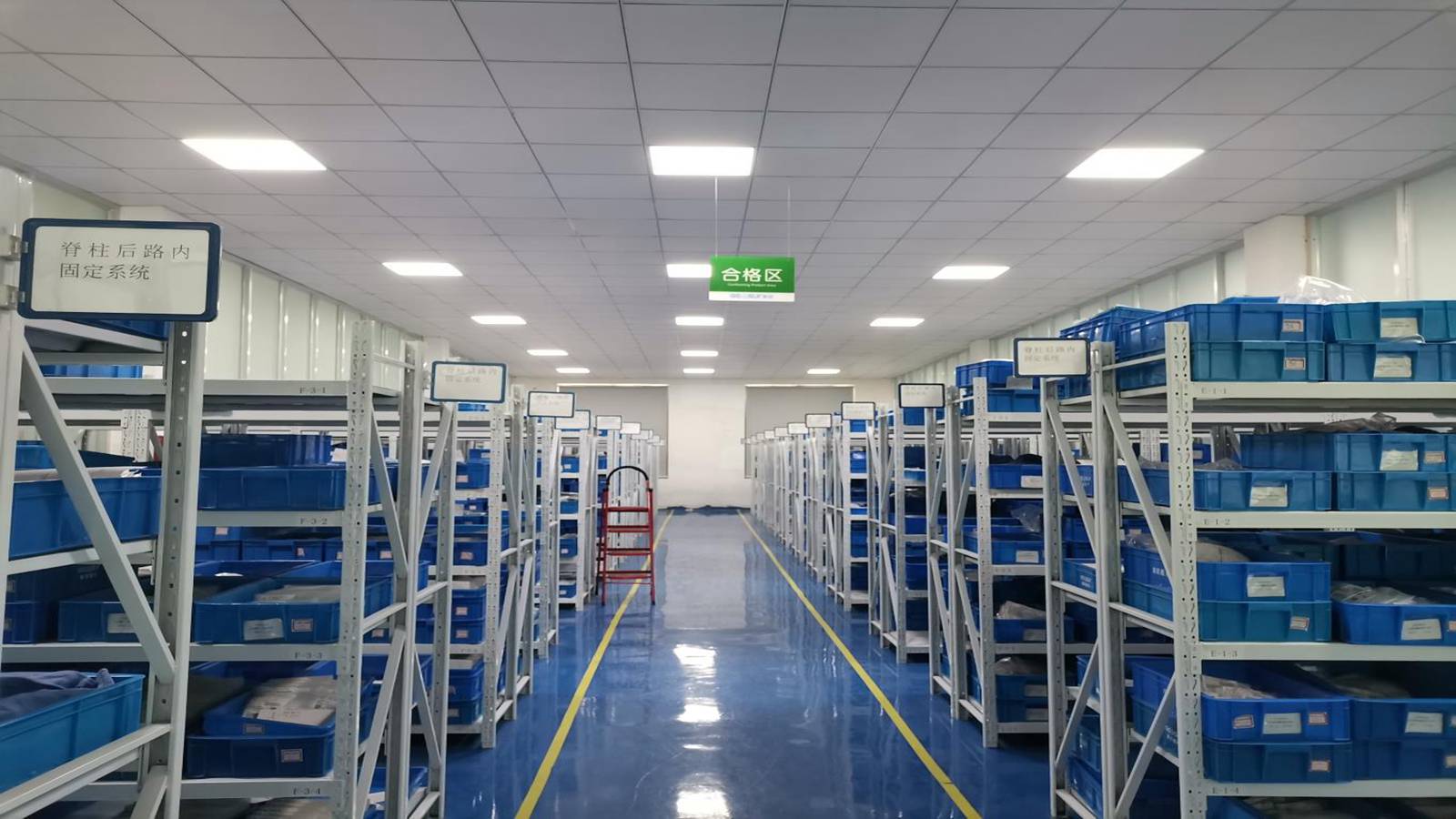
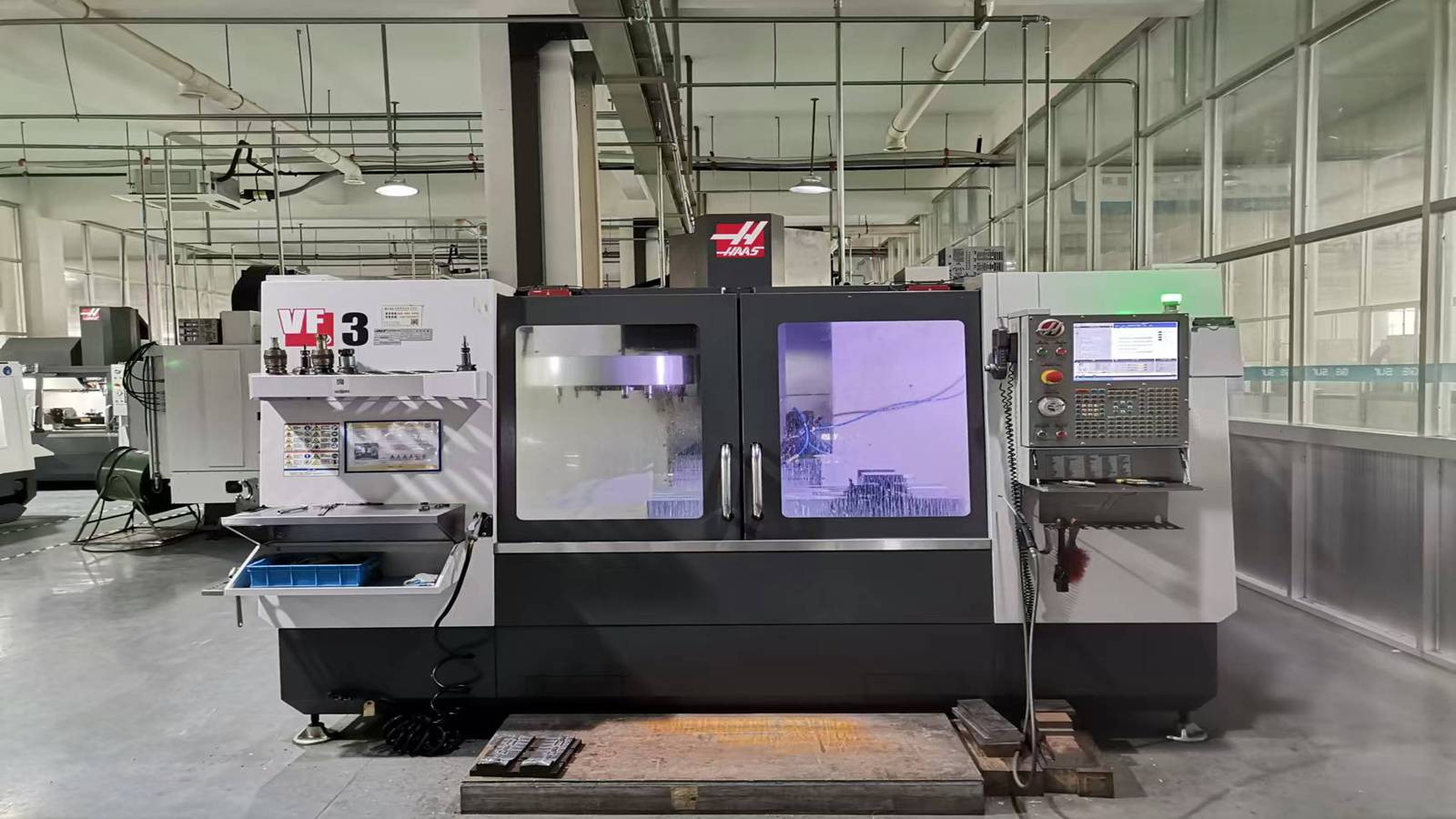
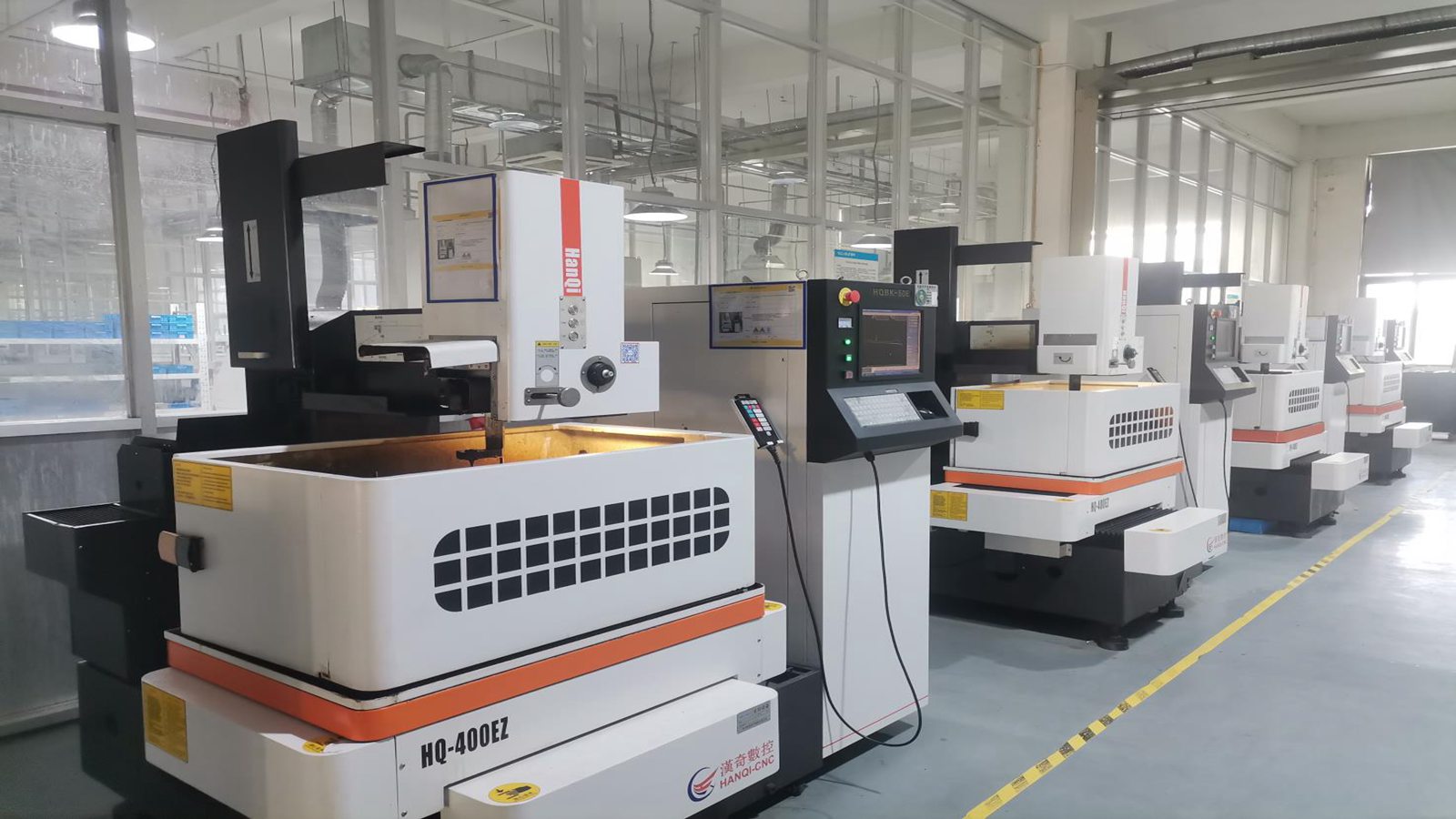
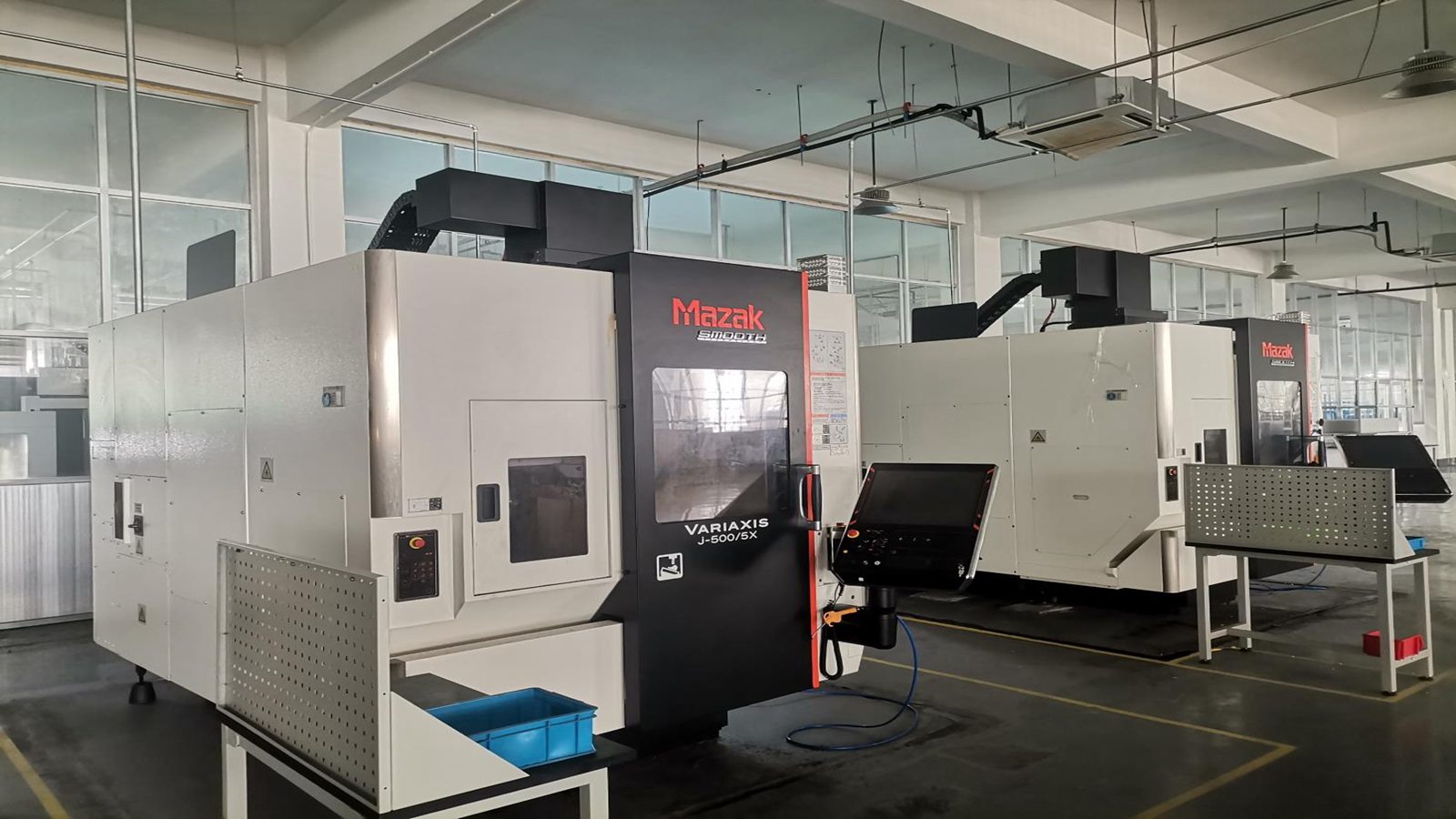
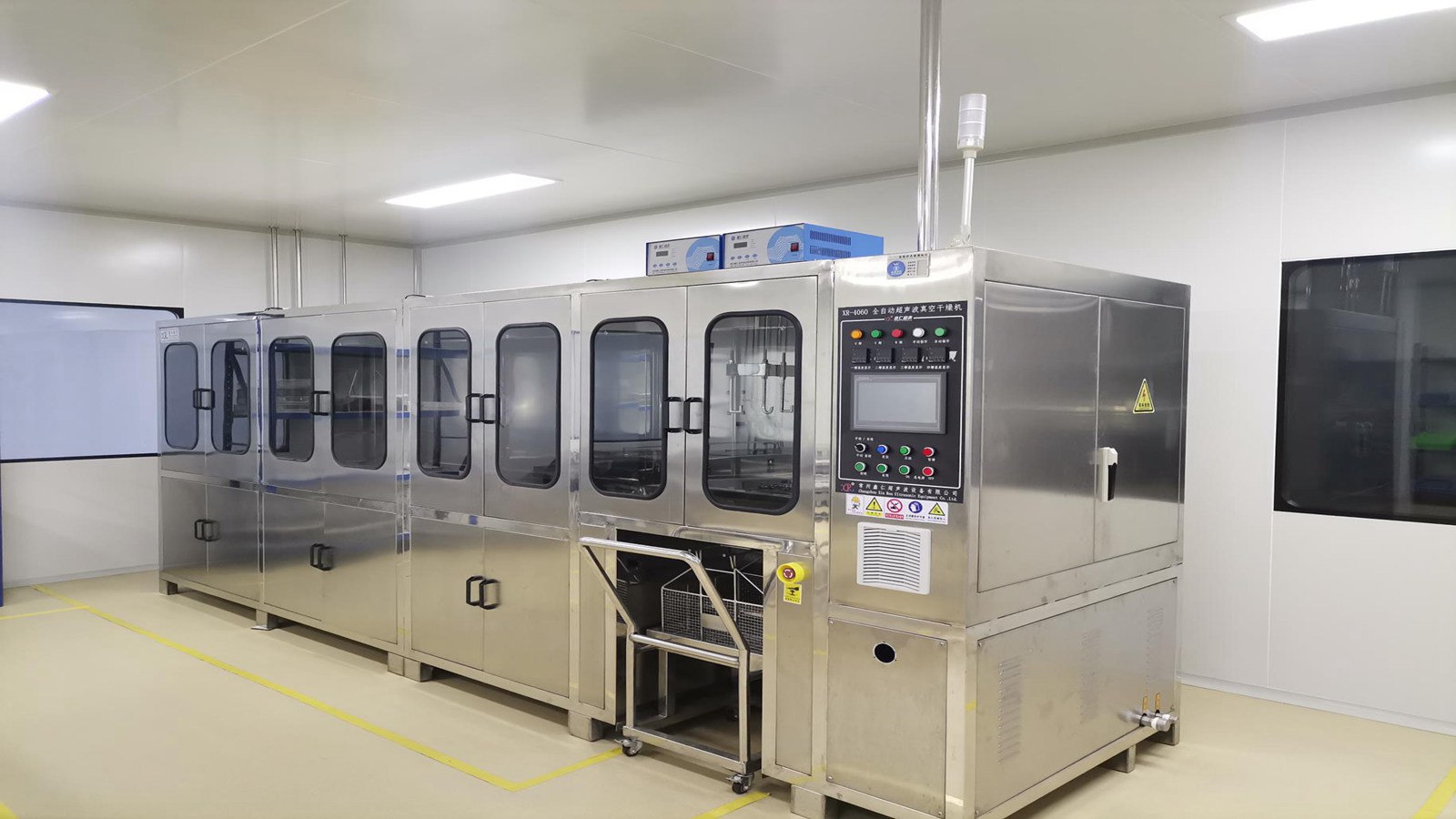
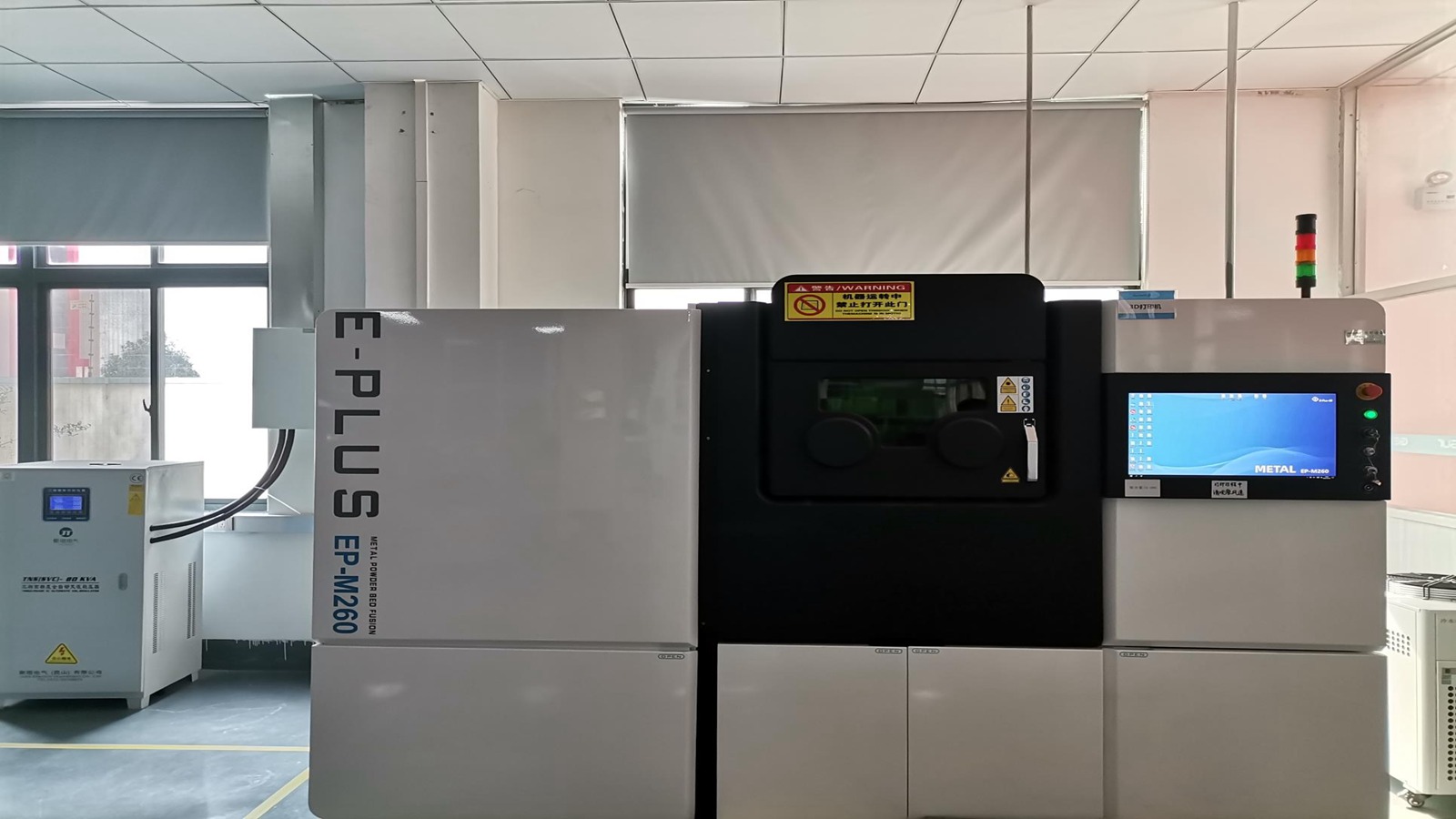
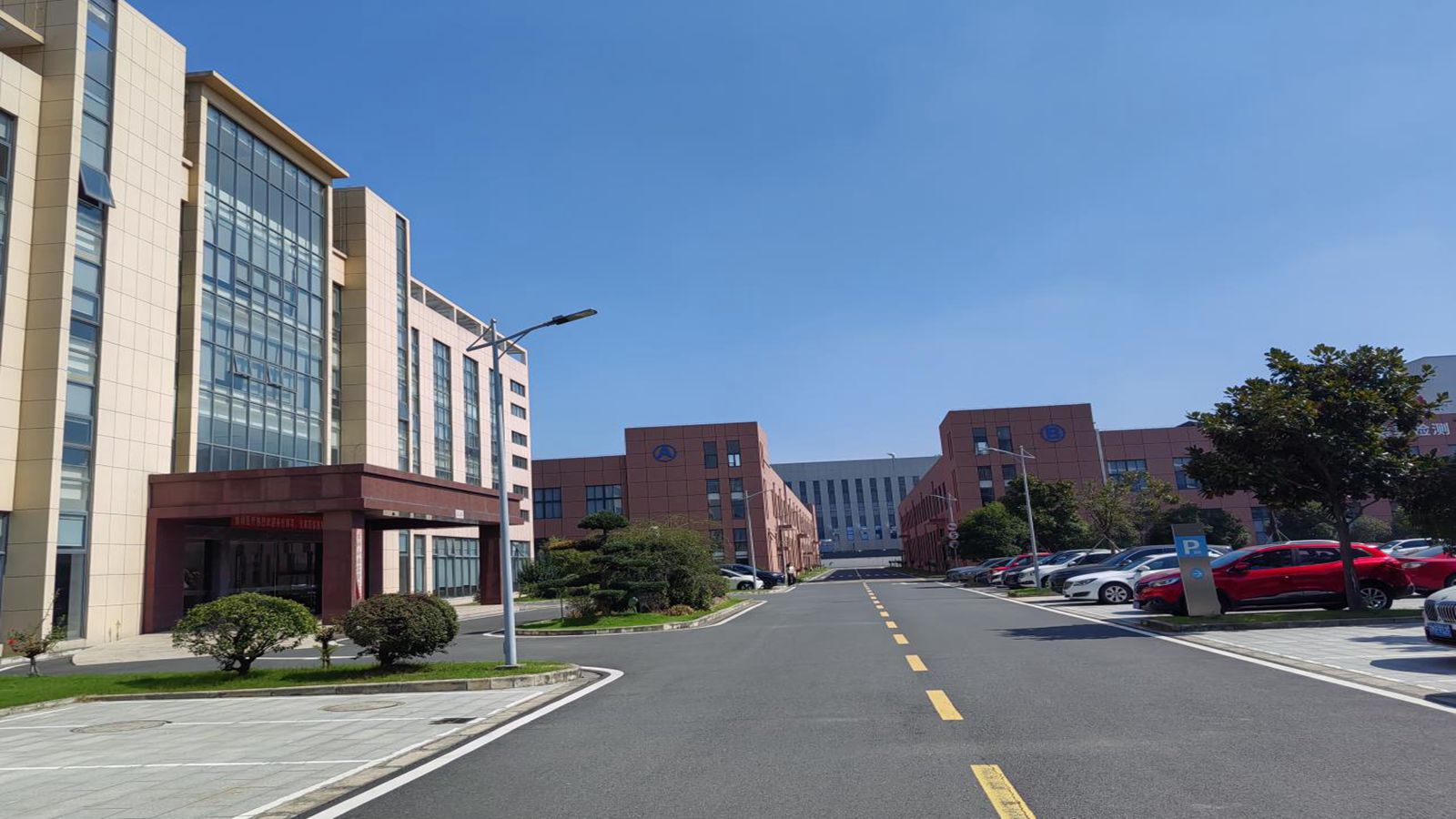
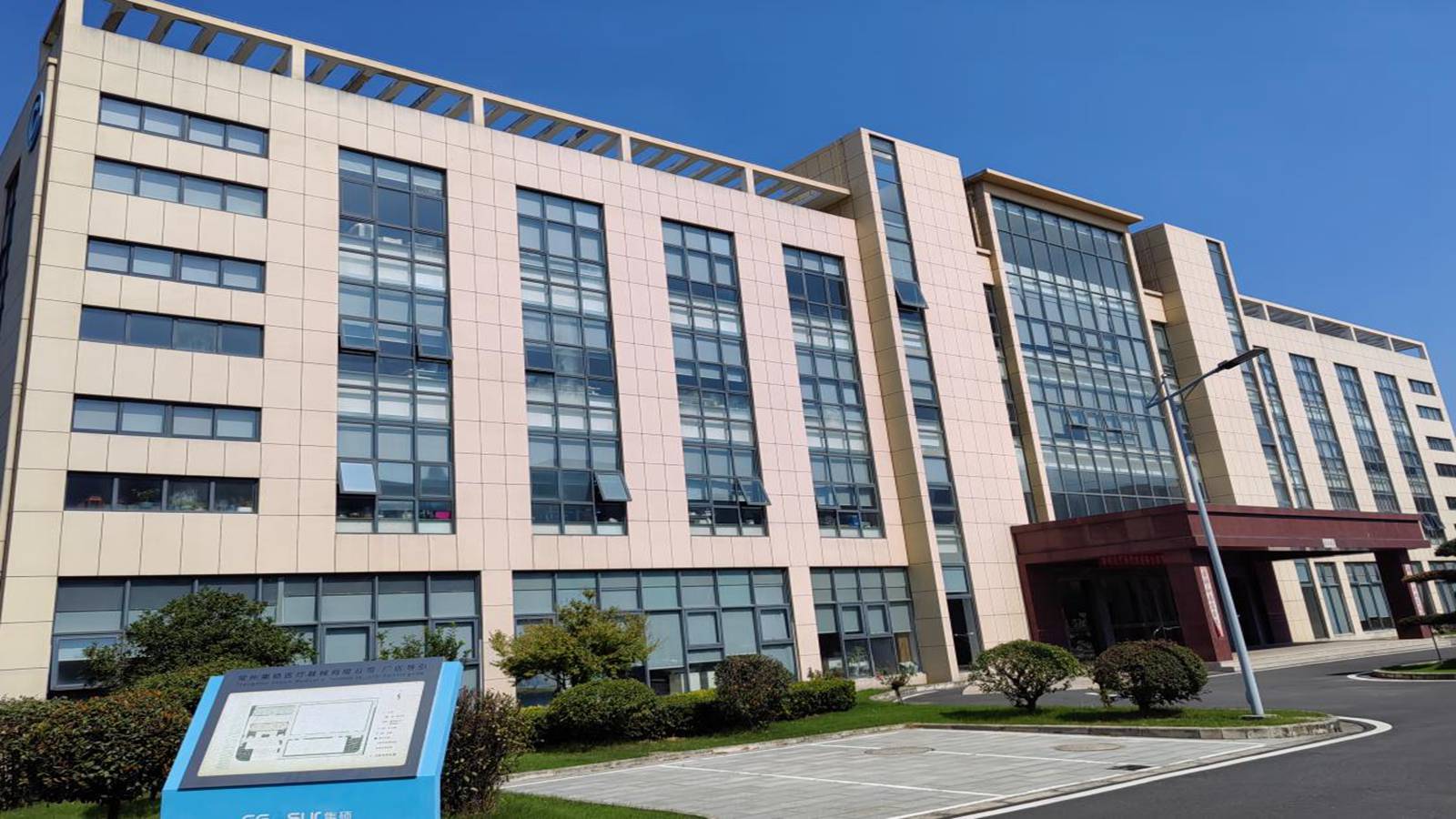
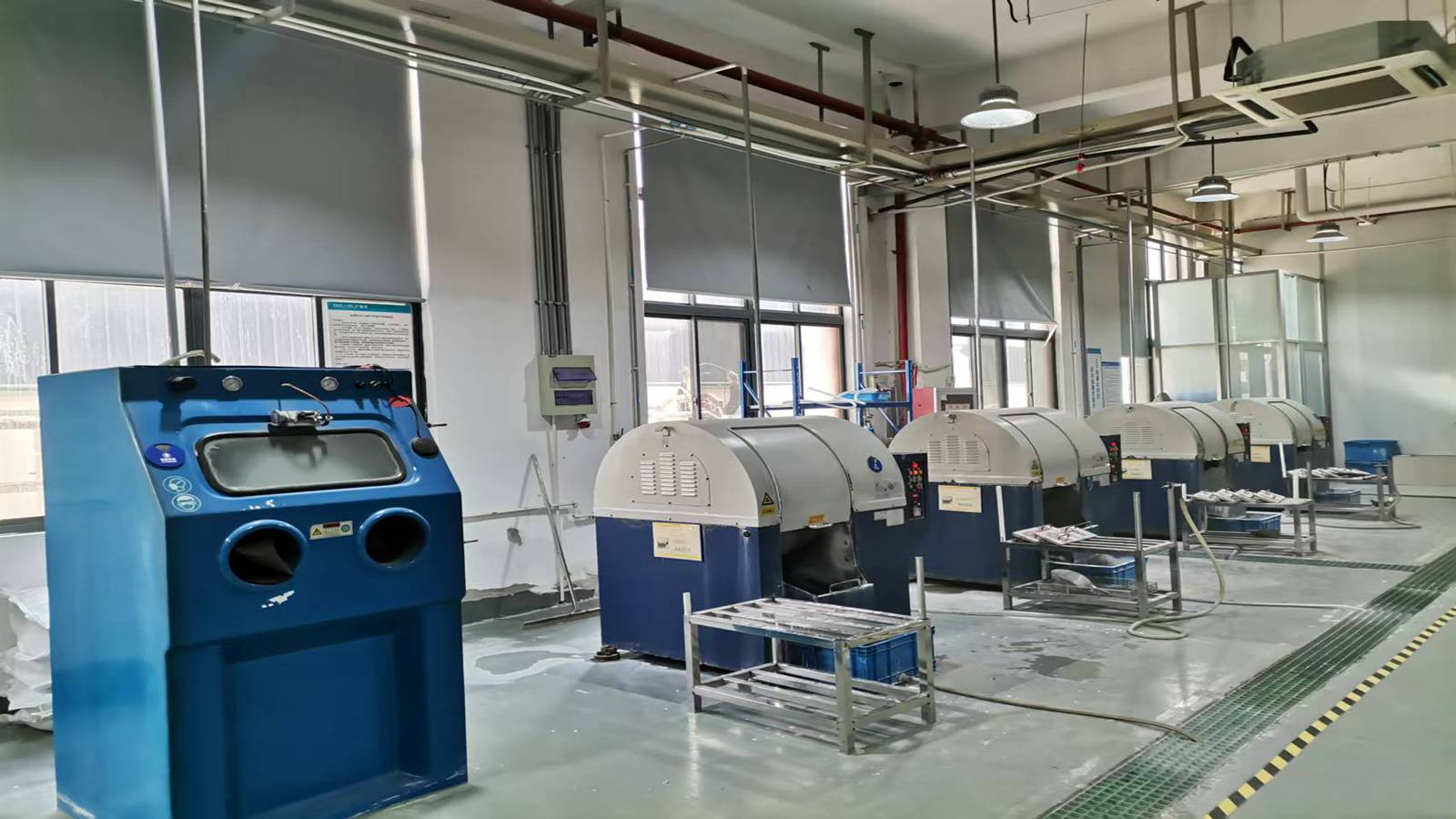
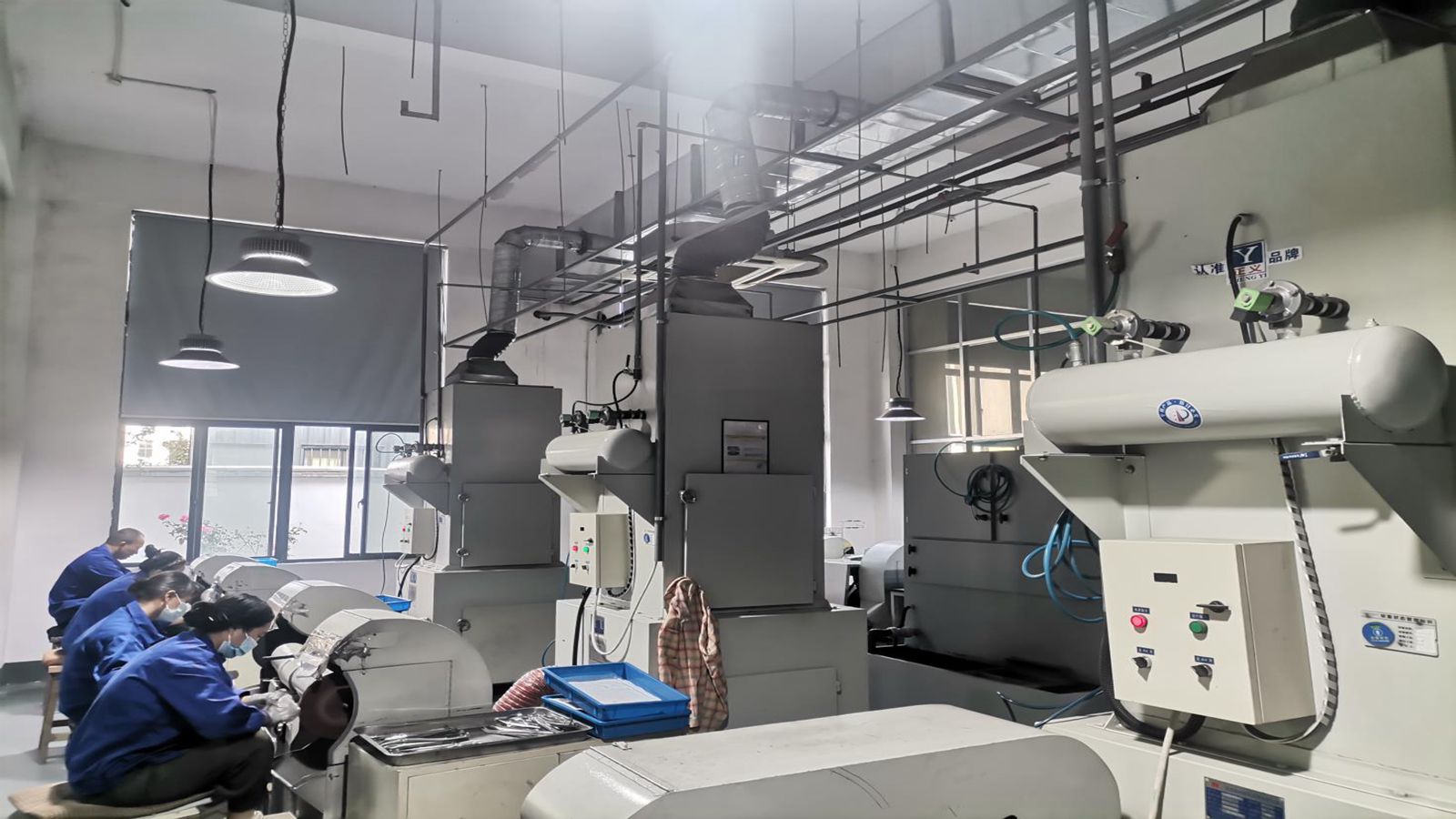
Since our establishment on October 15, 2015, we have committed ourselves to clinical excellence. With over 10 years of manufacturing and exporting experience, our state-of-the-art facility covers an expansive 30,343 square meters, utilizing 12 complete production lines and 120 advanced high-precision Swiss-type CNC machine centers.

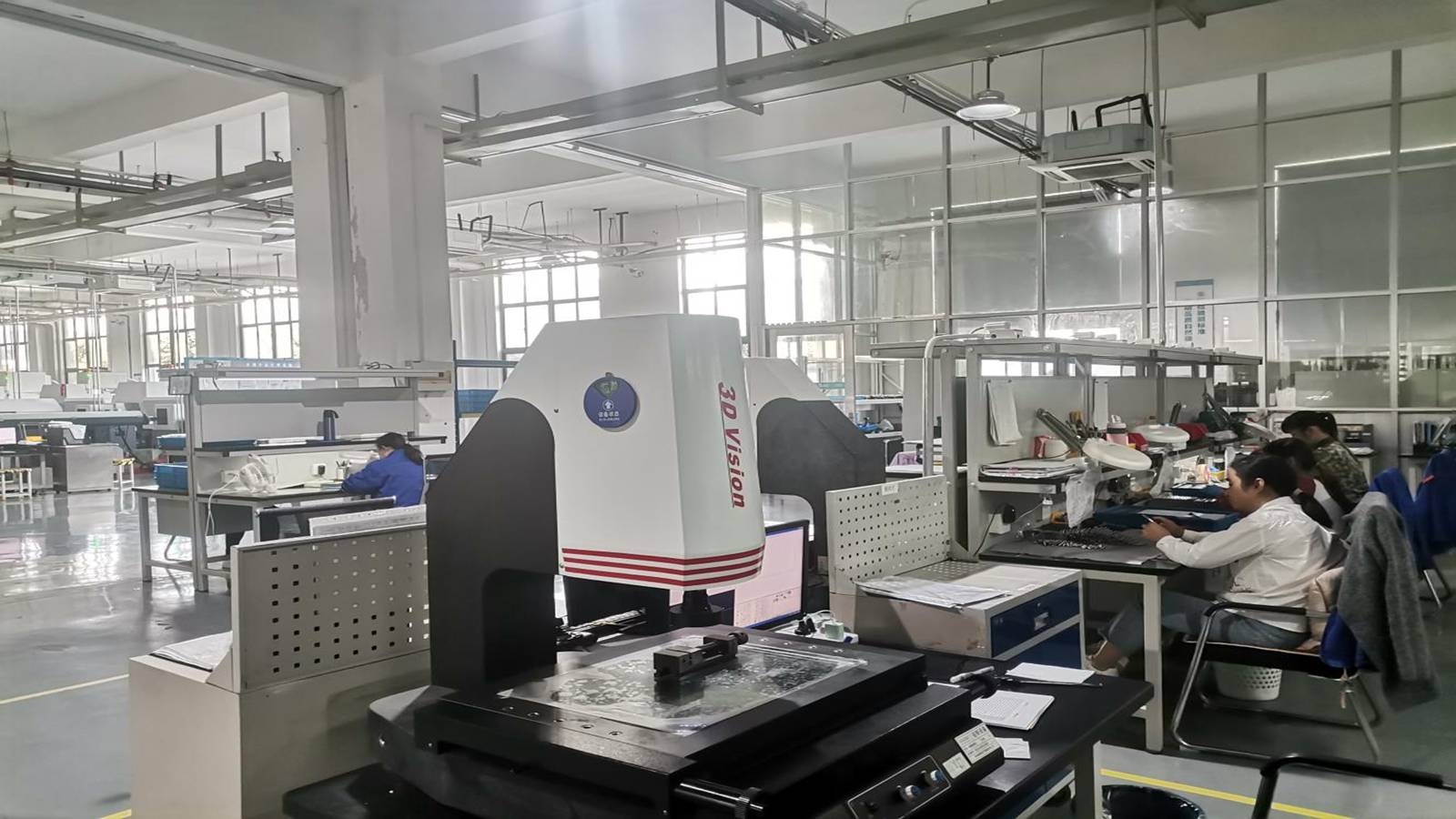
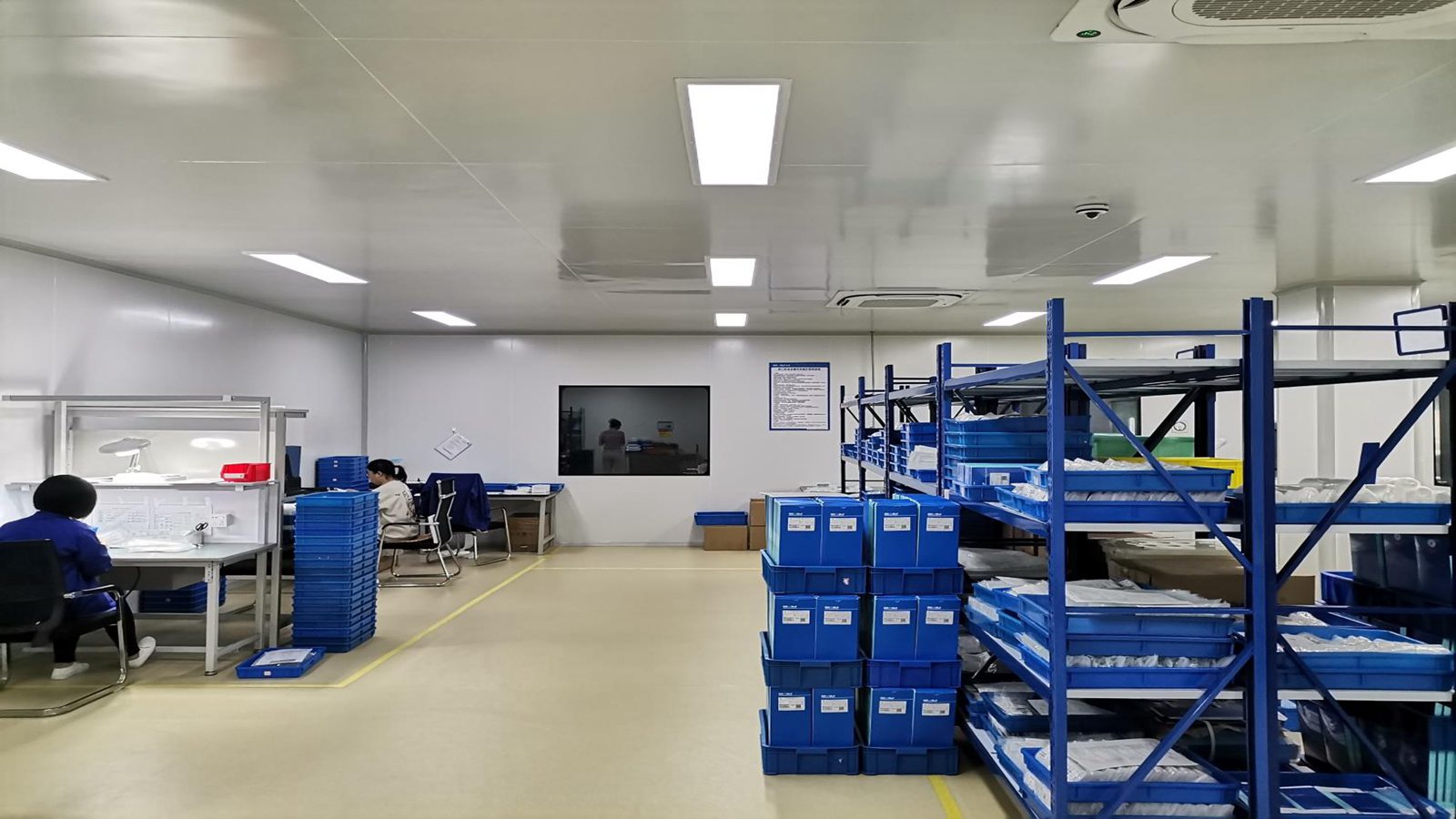
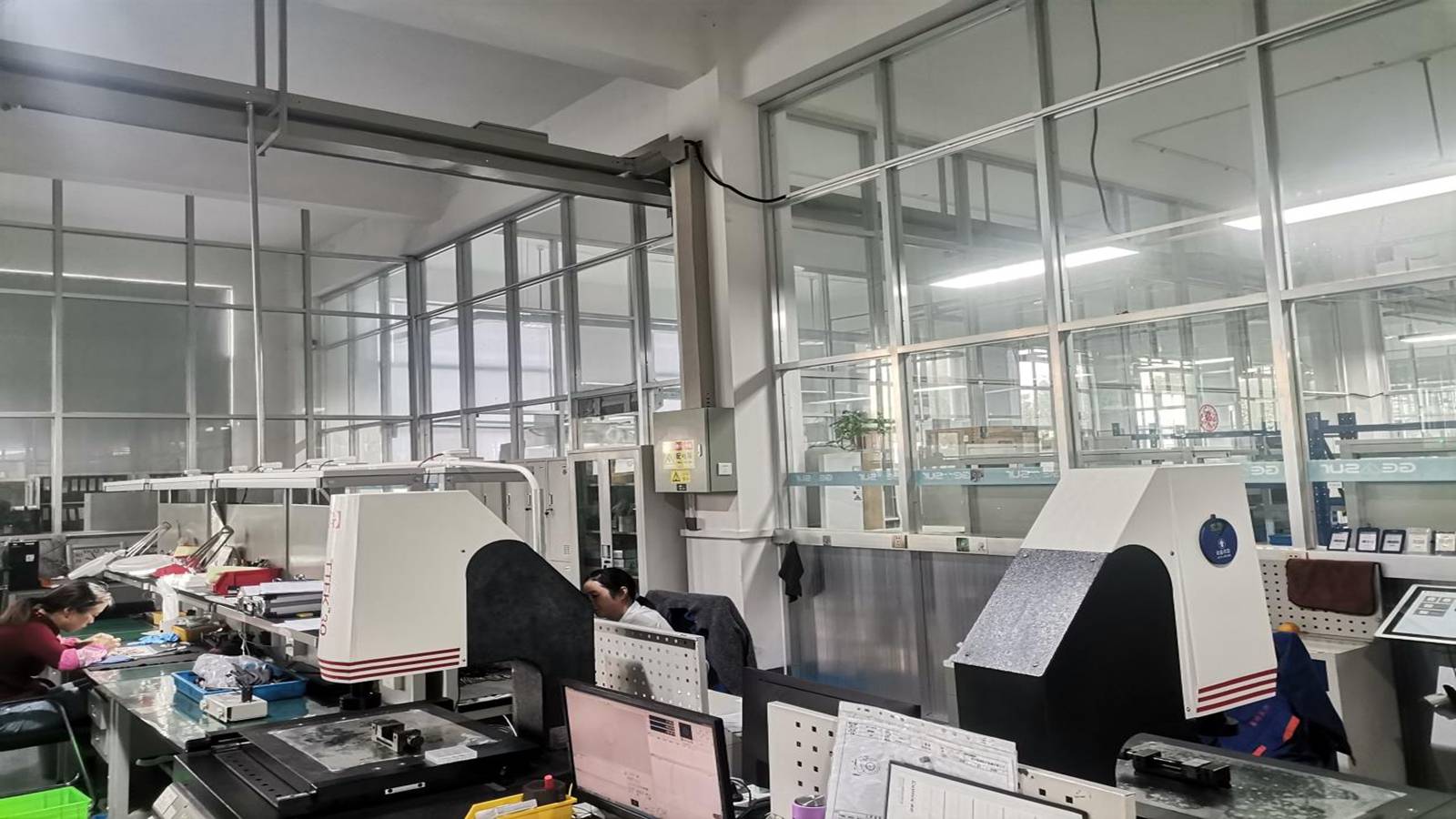
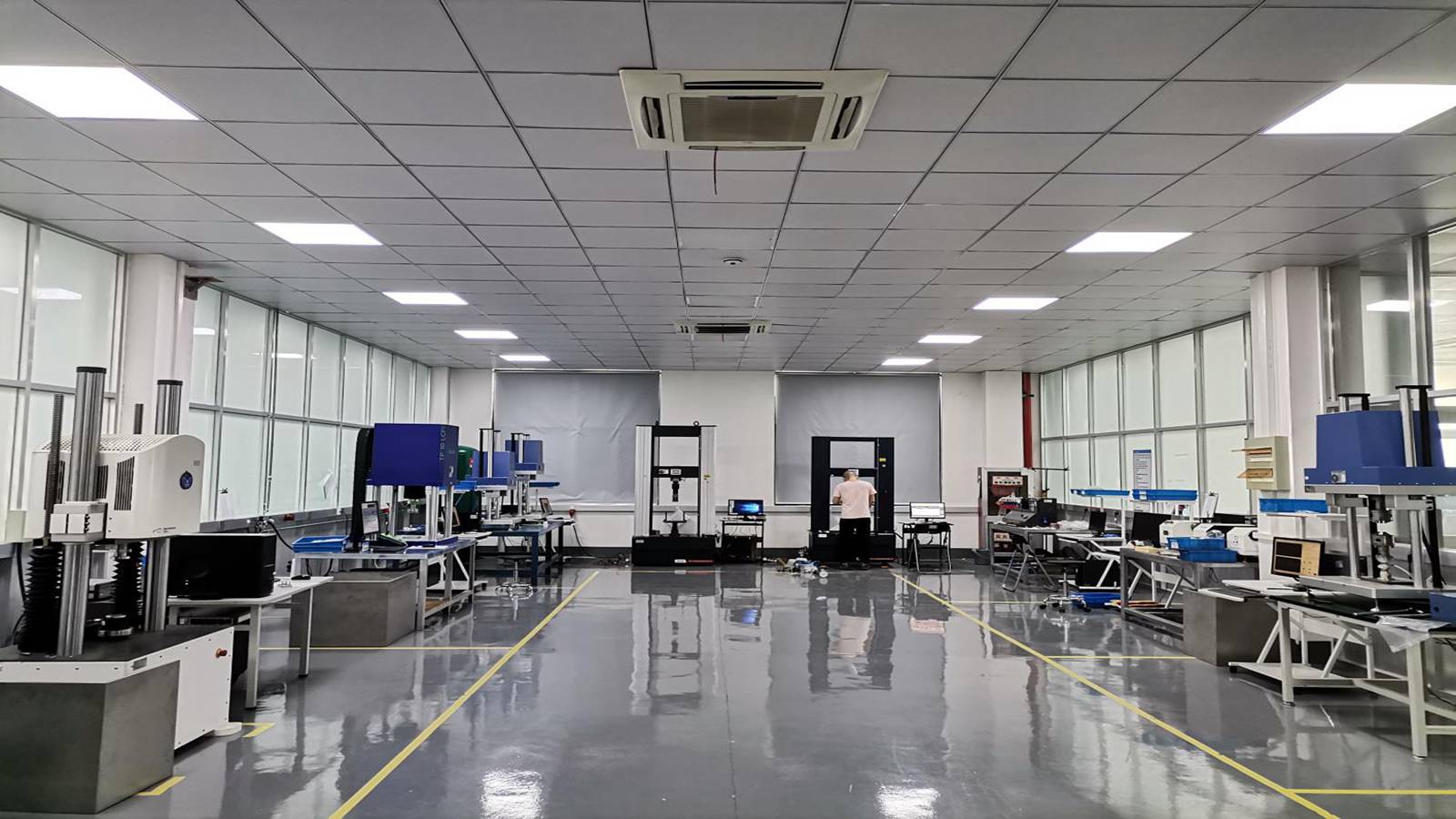
Our quality management system is rigorous: we employ 36 dedicated QA/QC inspectors conducting 100% inspection profiles on raw material validation, mid-process dimensional analysis, and finished-product packaging integrity. Each implant features full traceability back to the original ingot lot, satisfying rigorous Class III surgical device regulatory mandates globally.

Operational Parameter Factory Metrics & Capability
Establishment Date 2015-10-15
Floor Space 30,343 m²
Manufacturing Center 12 Production Lines / 120 CNC Machines
QA Inspectors 36 Professional QA/QC Personnel
Main Material Focus Medical Titanium (Gr5 / ELI), PEEK, SUS316L

Global Medical Regulatory Approvals

Securing medical device market access requires stringent adherence to international quality protocols. Our production facility holds active certifications validating our alignment with regional and global standards:

ISO 13485 ISO 13485 (04723Q10000765)
EN ISO 13485 EN ISO 13485 (EPT 25 ISO 13485 0067)
MDSAP MDSAP Certified (C730178)
CE CE MDR Certified (EPT 0477.MDR.25/5905)

MDR EU MDR 2017/745 (EPT 0477.MDR.26/6113)

These credentials assure orthopedic distributors, tender offices, and hospital networks that our implants maintain structural and biochemical consistency across every production batch, ensuring reliable patient outcomes.
R&D Strength & Customization Capabilities

Innovation drives our competitive edge. Our R&D team consists of 31 highly qualified engineers, including 1 Doctorate holder and 11 Postgraduate scholars specializing in biomechanics and metallurgy. Last year alone, our facility designed and introduced 25 new orthopedic systems to the market, optimizing structural designs based on surgical feedback.
We specialize in comprehensive OEM and ODM support, including sample processing, graphic configuration, and bespoke, customized-on-demand implants. This capacity ensures that specific anatomical geometries required for unique patient demographics—including pediatric spinal systems and varying femoral angles—can be manufactured efficiently with rapid time-to-market.

Biomechanical Engineering of the Femoral Neck System

Fixing femoral neck fractures presents a significant biological challenge. Due to the vulnerable blood supply of the femoral head, construct stability is essential to protect microscopic vessels and encourage revascularization. Standard internal fixation setups often fail under the shear stresses associated with high Pauwels angles.
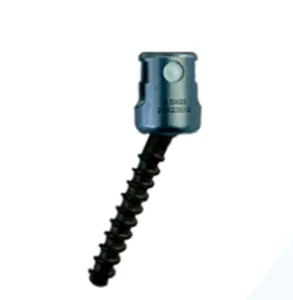
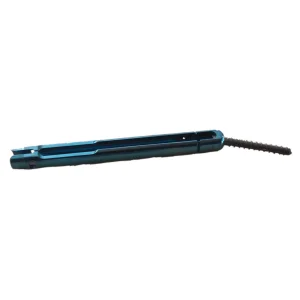
Our Femoral Neck System features a telescoping mechanism that enables controlled dynamic sliding compression. By combining a large-diameter locking bolt with a complementary anti-rotation screw, the construct manages bending moments and rotational stress. The low-profile plate reduces soft tissue irritation, making it suitable for both active adult trauma patients and osteoporotic elderly cohorts.

B2B Procurement Trends & Supply Chain Resilience

International medical supply chains demand resilience, competitive pricing, and regulatory compliance. Our primary market distribution includes a strong domestic presence (80%) supplemented by key export corridors in Eastern Europe (5%) and Southeast Asia (5%). We partner with a diverse range of clients, including international brand businesses, medical device wholesalers, trauma center engineers, and OEM manufacturers.

With a decade of export operations under our belt, we resolve typical import/export bottlenecks by providing documentation packages, certificate validation (MDR, ISO, MDSAP), and shipping options. Our production capacity handles high-volume hospital tenders and provides customized production runs for specific clinical applications.
Q&A: Femoral Neck Internal Fixation Systems

What are the primary clinical advantages of using a Femoral Neck System (FNS) over traditional Cannulated Screws?
The Femoral Neck System (FNS) offers superior rotational and angular stability. Conventional parallel screws can suffer from divergent trajectories and lack structural coupling, which can lead to implant migration or construct collapse. The FNS integrates a lateral plate with a dynamic locking bolt and an anti-rotation screw, allowing controlled telescoping slide while resisting high torsional loads.
What class of regulatory approval applies to these implants?
Femoral neck internal fixation plates, screws, and intramedullary nails are classified as Class III (high-risk) implantable medical devices. As such, they are subject to intensive clinical trial evaluations and regulatory reviews. Our systems are manufactured under EN ISO 13485 standards and hold EU CE MDR certifications, assuring compliance for use in surgical centers globally.
Which raw materials are utilized in manufacturing, and how is traceability maintained?
We use medical-grade Titanium Alloys (Ti-6Al-4V ELI) and implant-grade Stainless Steel (316L) to ensure high tensile strength and biocompatibility. We enforce full traceability on raw materials; every batch is supplied with an official material analysis report, and the chemical composition is verified before entering our CNC production lines.
What are the lead times and customization options for international distributors?
We support both standard and custom configurations. Customization options include sample processing, graphic design, and tailored dimensional variations. The turnaround time for custom runs varies between 4 to 8 weeks depending on geometry complexity, tooling parameters, and the regulatory documentation required for import clearance.
All Femoral neck internal fixation system Products