Ease Medical Apparatus And Instruments
Ease Medical Apparatus And Instruments
Ease Medical Apparatus And Instruments
Browse our premium portfolio of orthopedic internal fixators, intramedullary nails, and precision surgical instruments engineered for high mechanical load, biocompatibility, and integration with future smart bio-sensors.
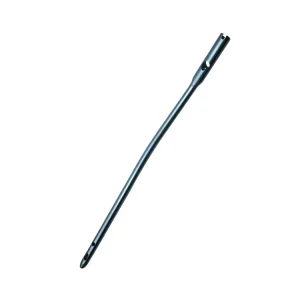
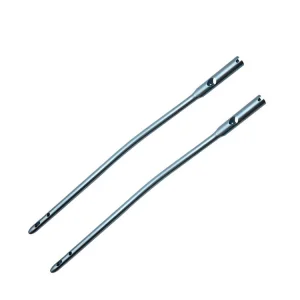
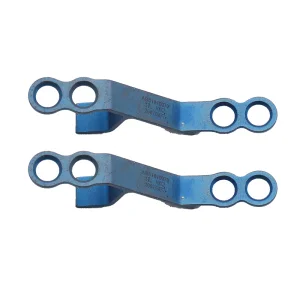
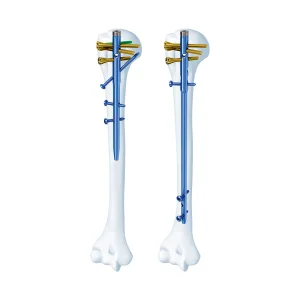
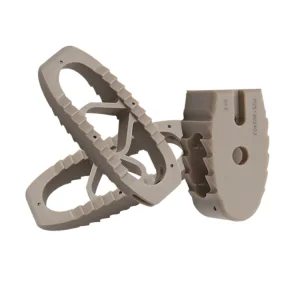
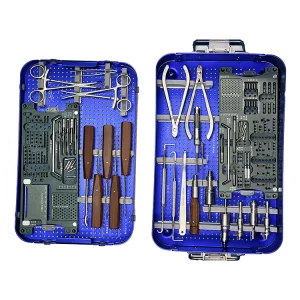
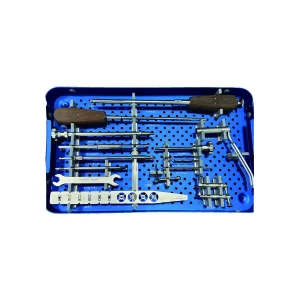
The intersection of orthopedic reconstructive surgery and digital telemetry is redefining the frontiers of personalized rehabilitation. In orthopedic recovery, assessing post-surgical alignment, fusion rates, and mechanical load transfer on devices like the Proximal Femoral Antirotation Nail (PFNA) or PEEK spinal cages has historically relied on static radiograms. Modern medicine demands continuous, dynamic, and non-invasive insights.
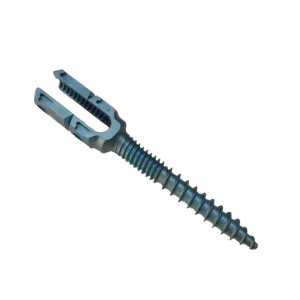
Integrating micro-electro-mechanical systems (MEMS) sensors directly within titanium locking plates and spinal screws allows orthopedic surgeons to measure osseointegration and mechanical load transmission wirelessly.
Wireless temperature and pH-monitoring microchips embedded in orthopedic biomaterials track micro-environmental anomalies early, identifying sub-clinical infections before radiographical changes manifest.
By leveraging low-power Bluetooth (BLE) and Near Field Communication (NFC) protocols, post-operative data transfers seamlessly from the patient's home terminal to clinical databases, minimizing unnecessary out-patient visits.
Operating with an absolute dedication to sterile manufacturing and raw material traceability, our facilities translate medical blueprints into reliable clinical hardware.
Every batch of titanium alloy, PEEK polymer, and stainless steel features 100% downstream traceability. We verify structural grain size and chemical composition against ISO 5832 and ASTM F136 standards.
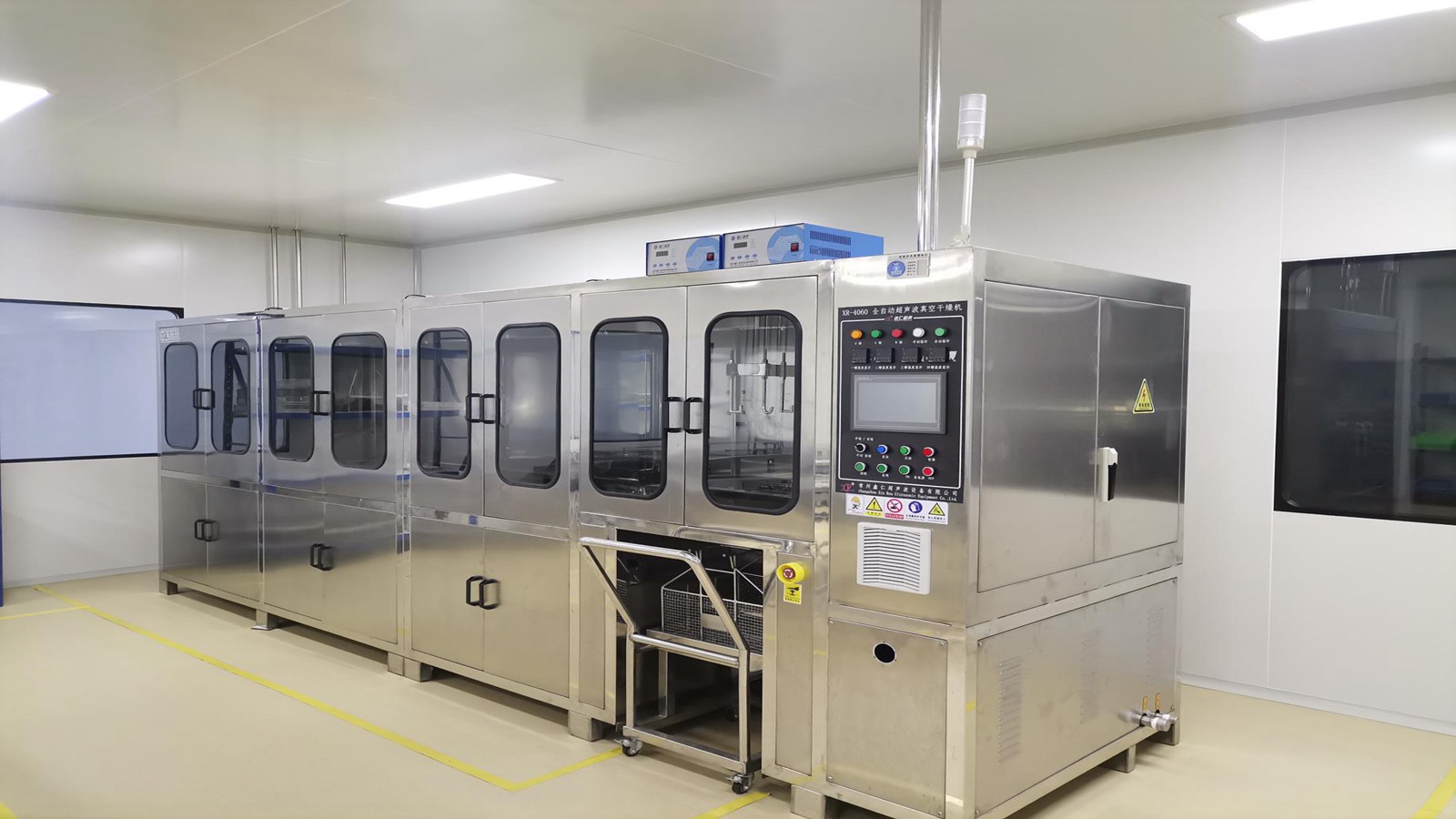
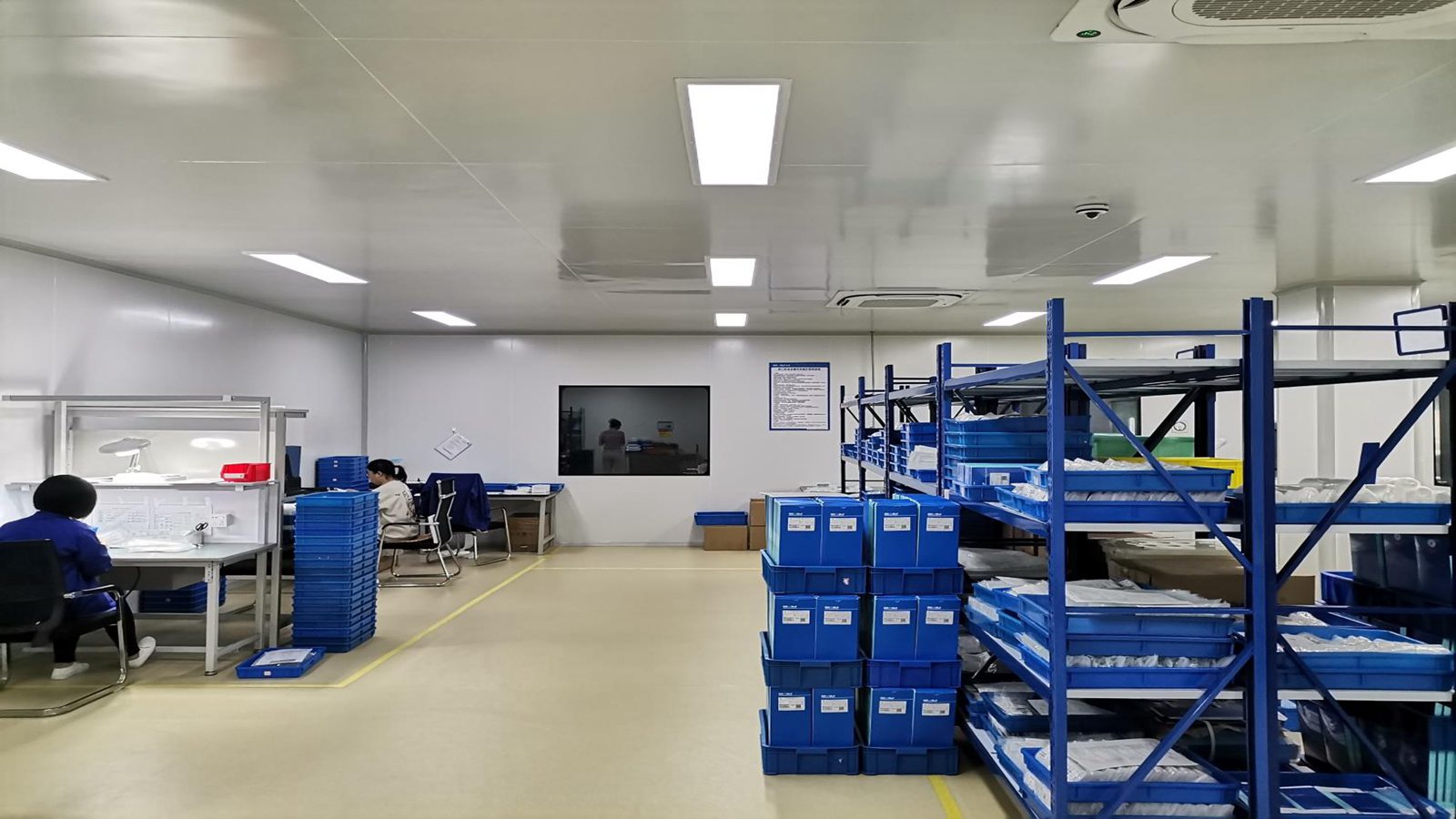
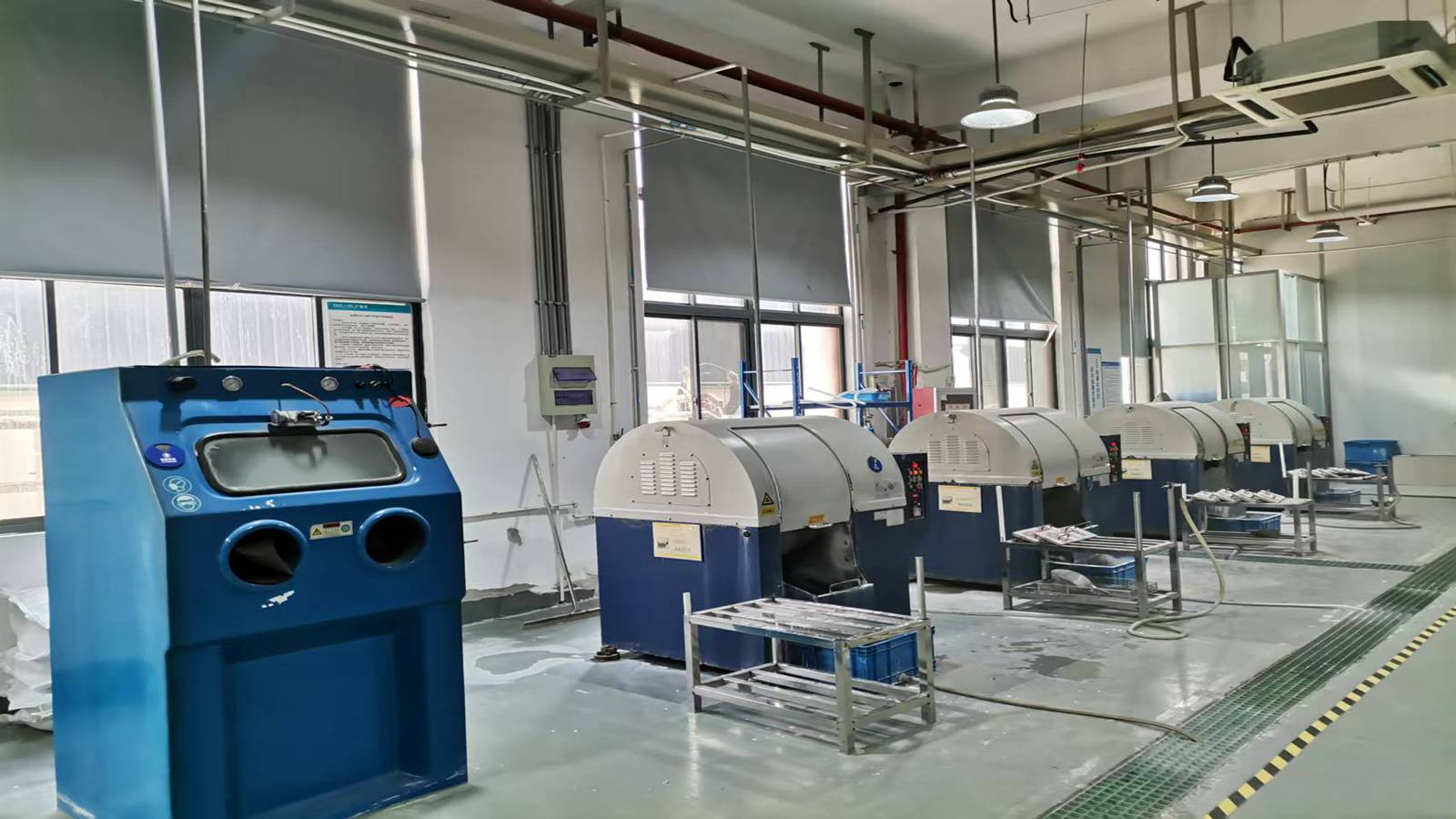
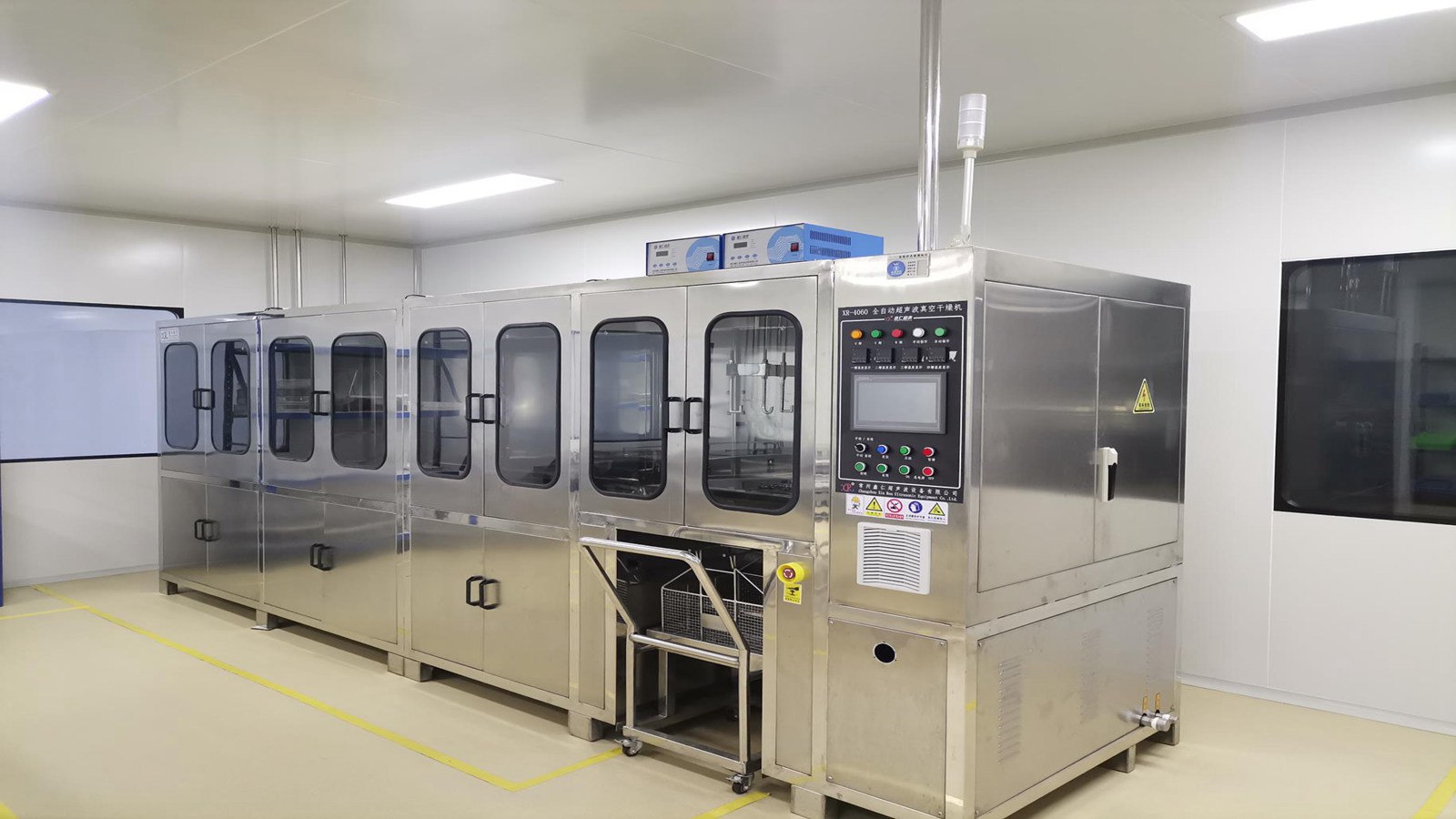
Our smart components and orthopedics undergo final ultra-sonic cleaning, precision packaging, and sterilization validation in controlled cleanrooms that exceed traditional Class III medical device baselines.
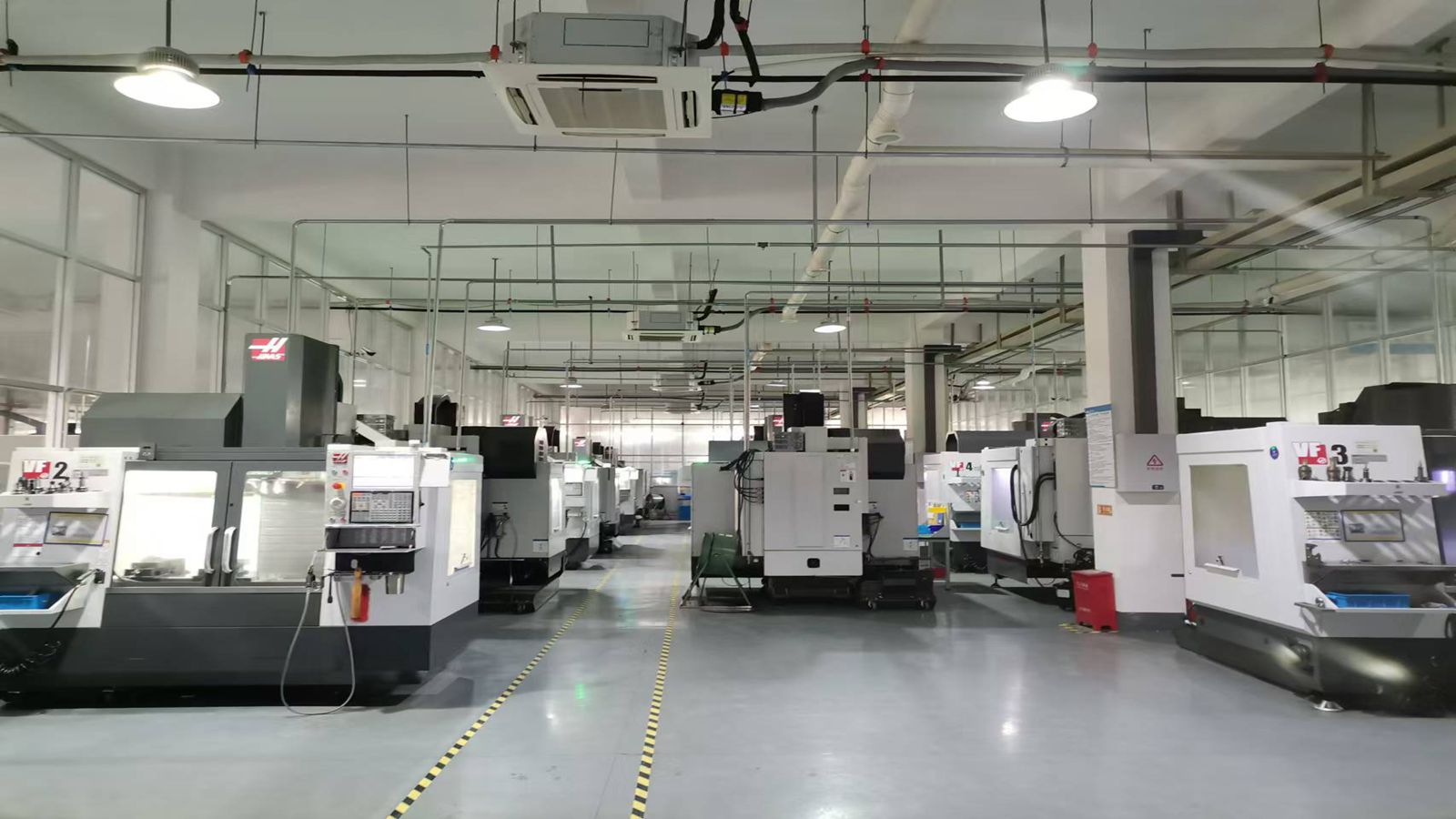
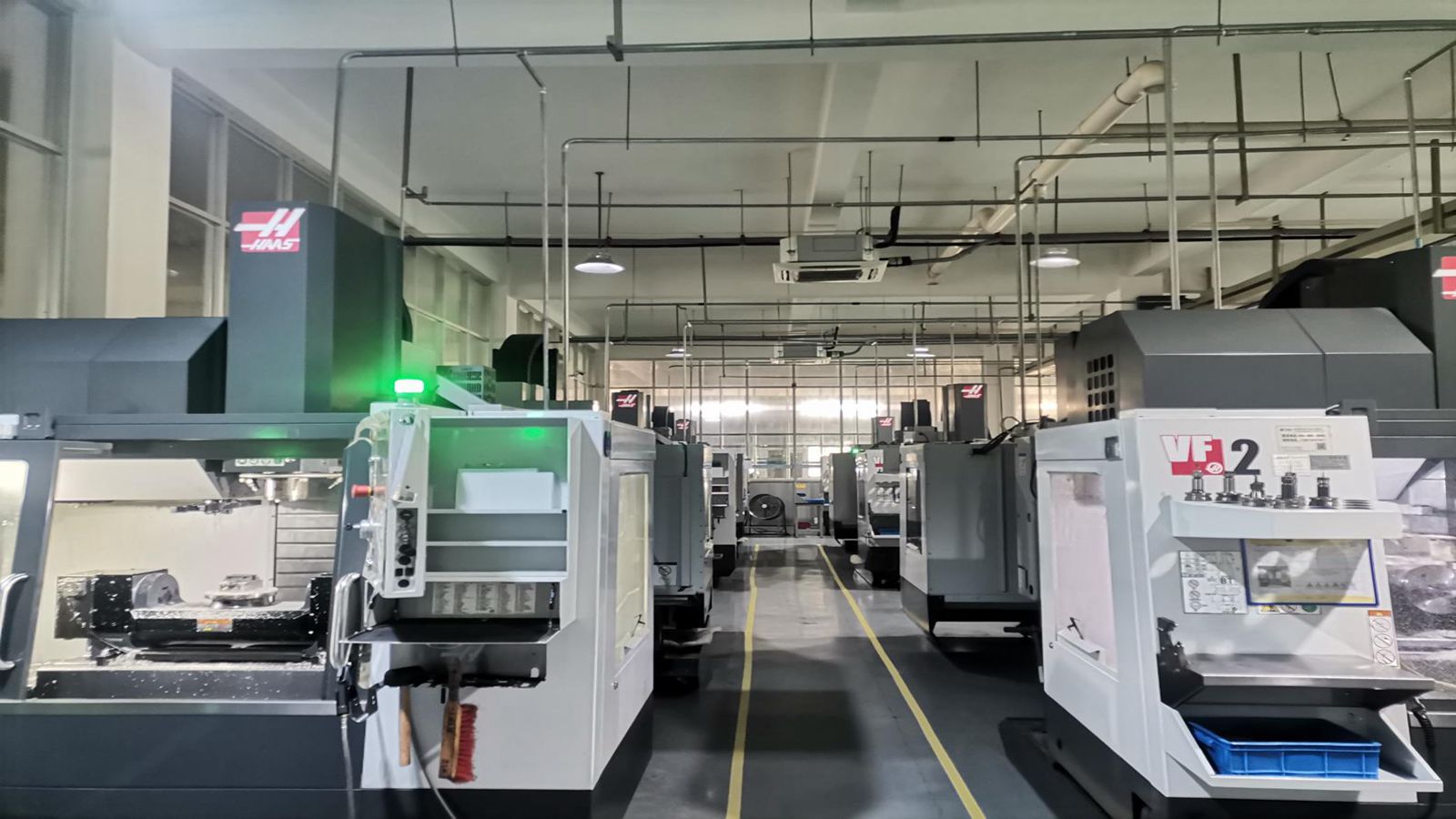
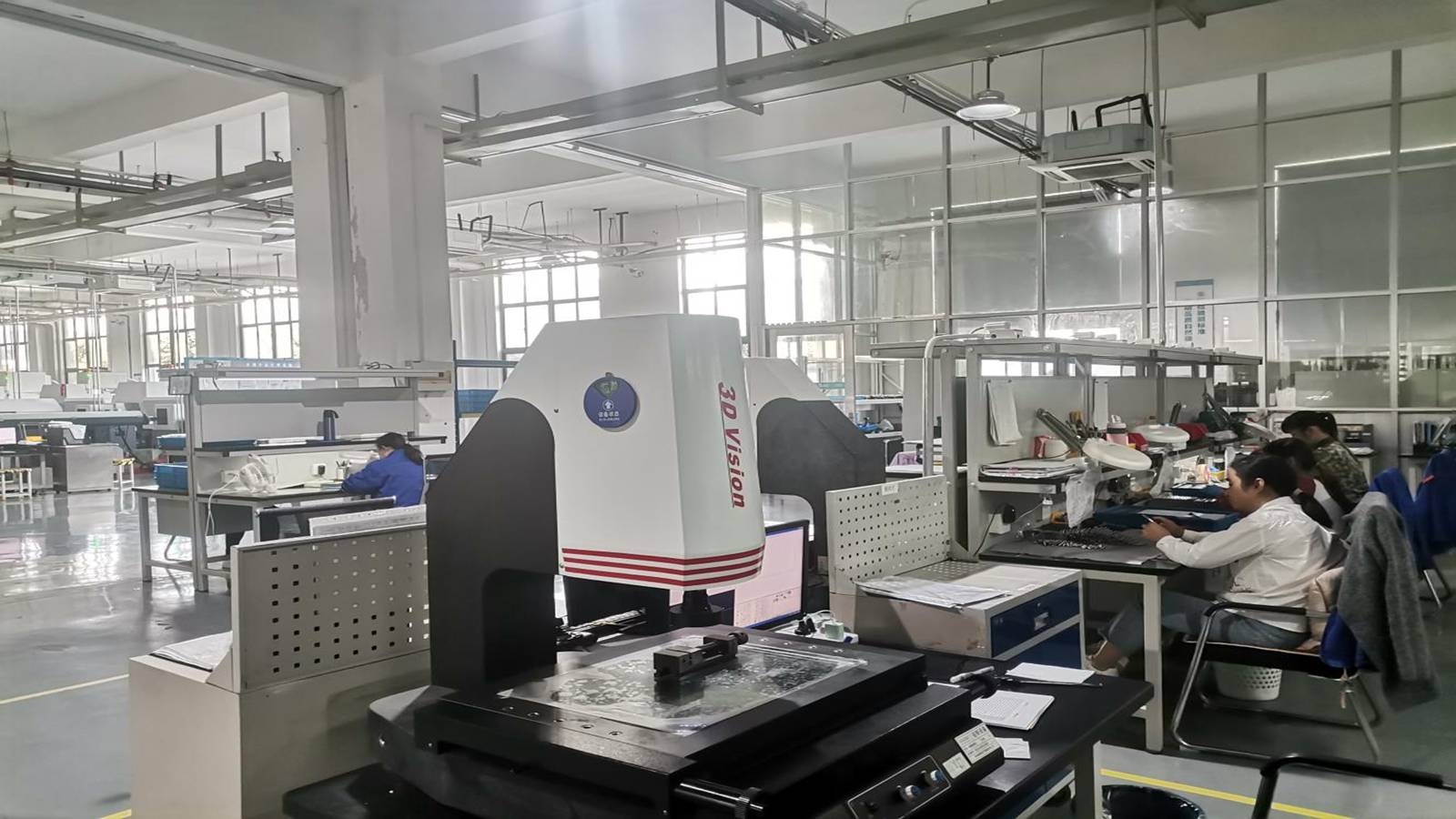
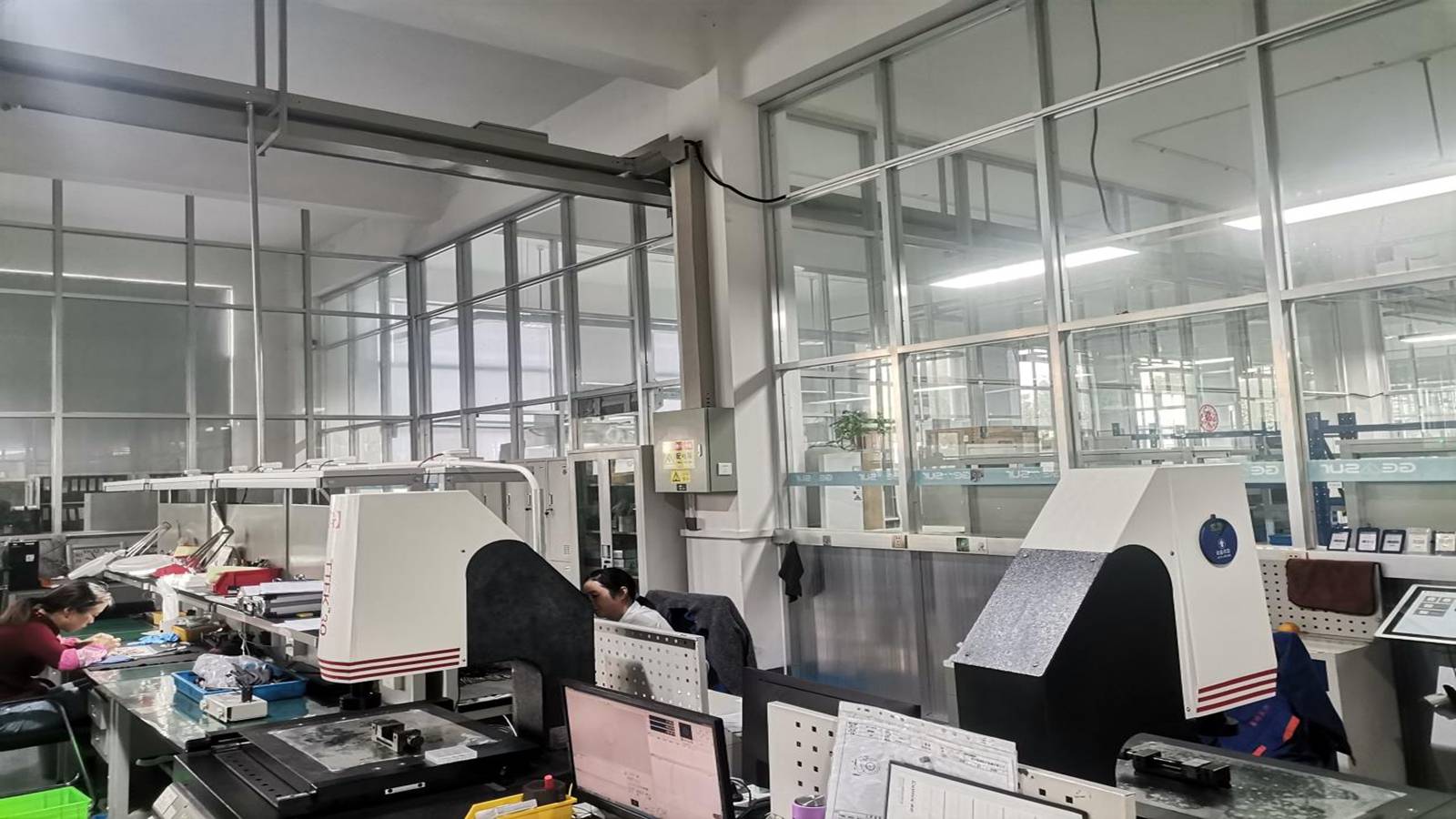
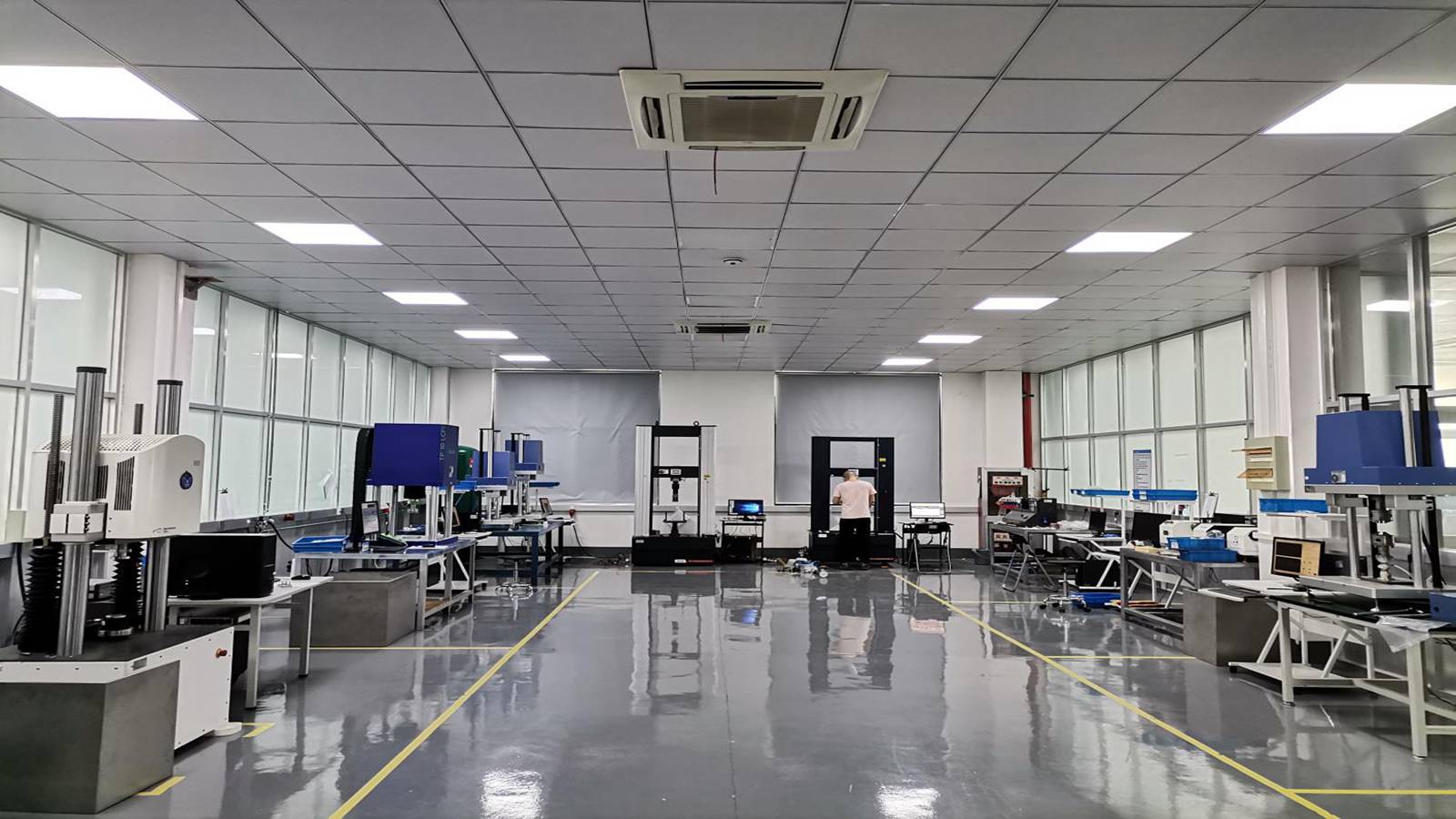
We combine automated coordinate-measuring machines (CMM) and computerized visual inspections to eliminate dimensional drift. Testing encompasses mechanical fatigue, pull-out force resistance, and hermetic sealing.
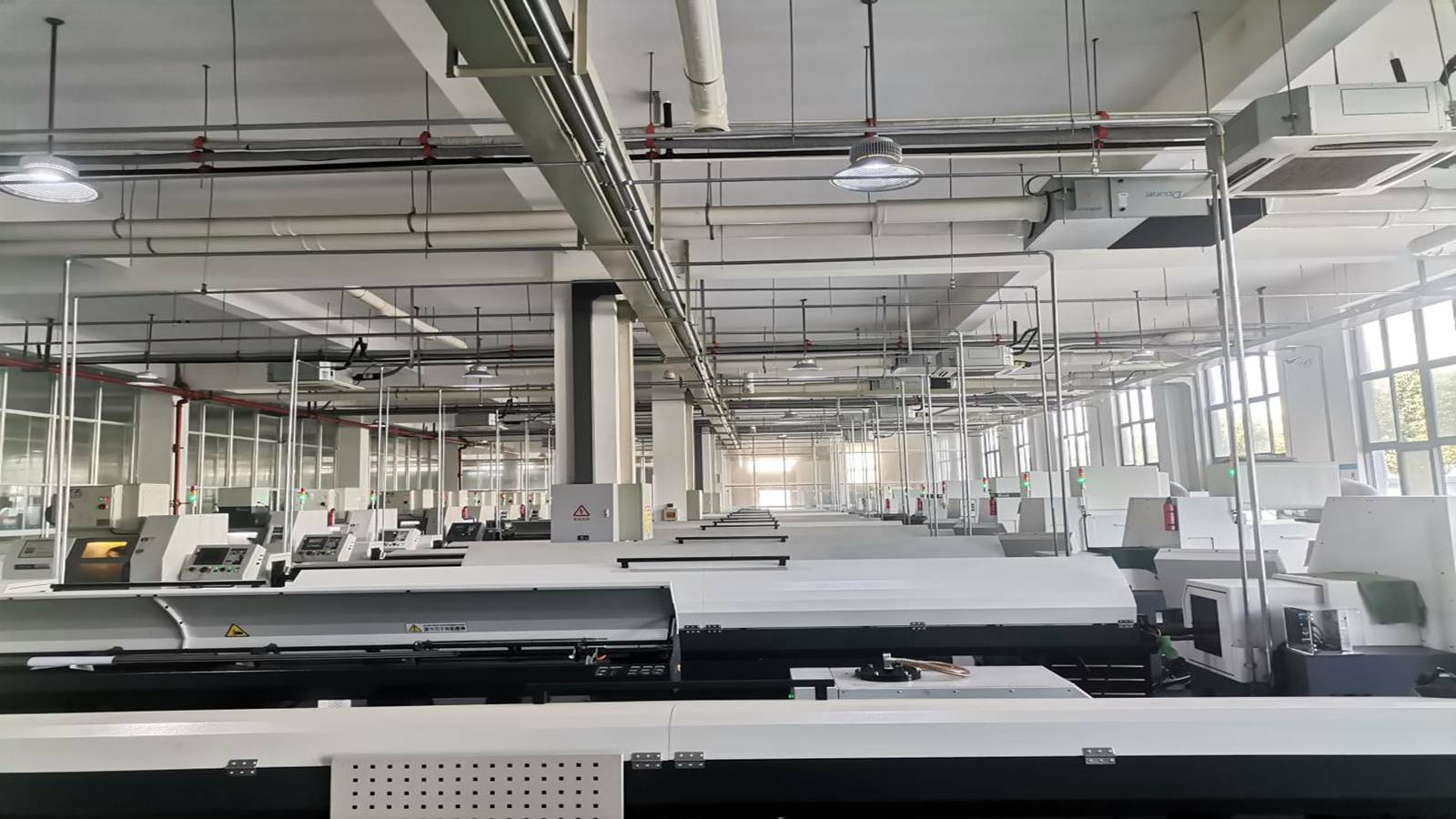
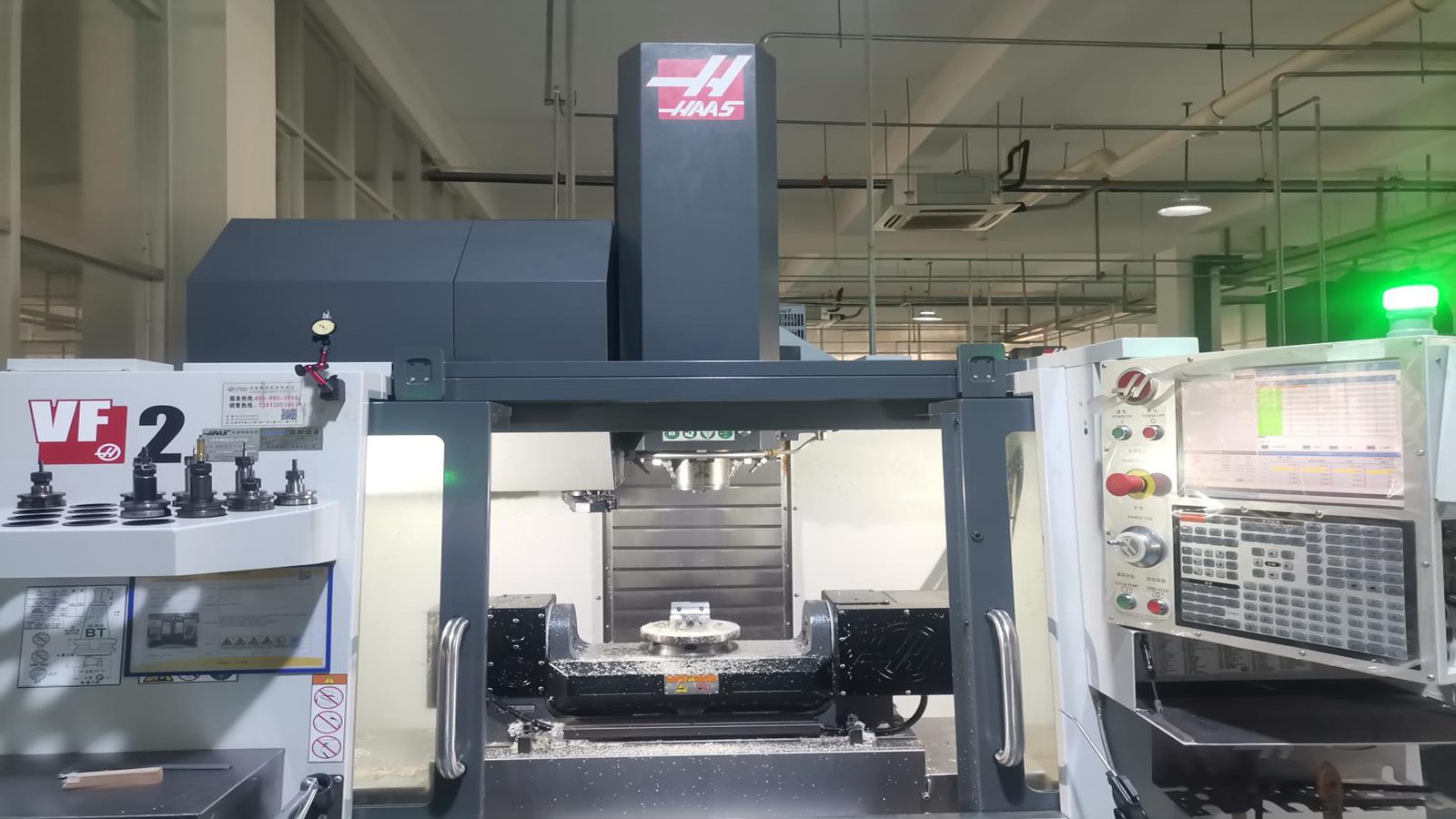
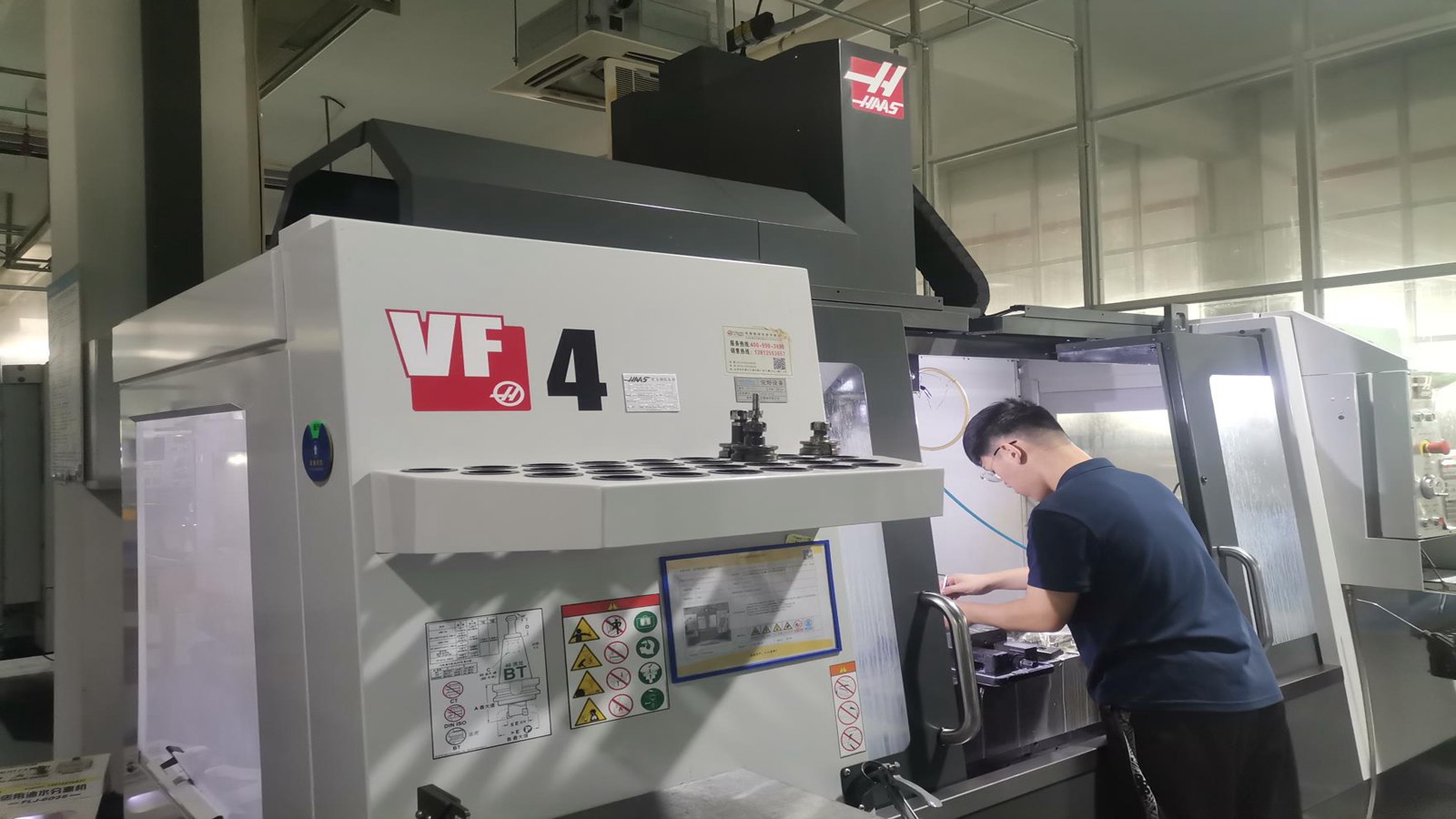
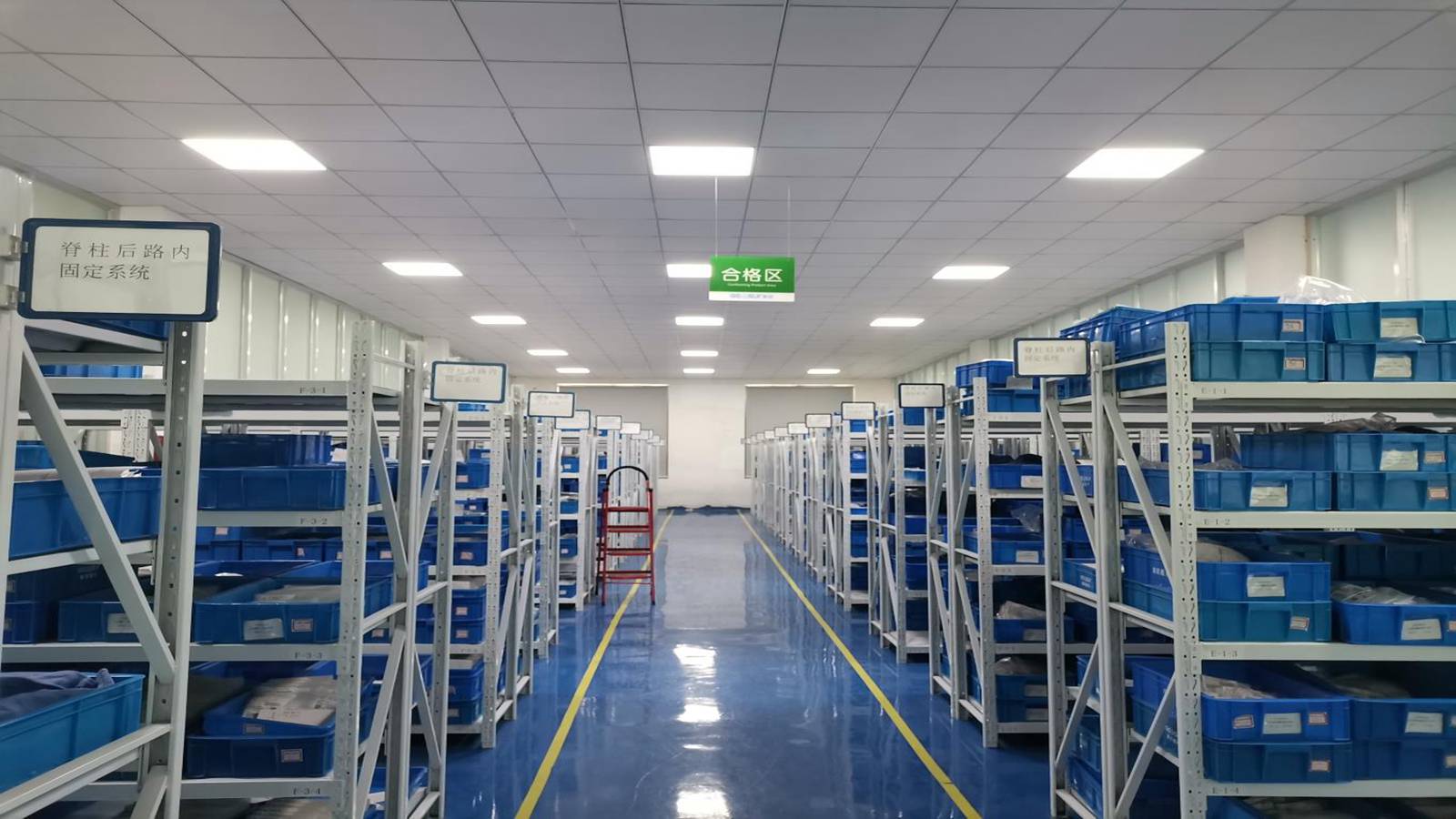
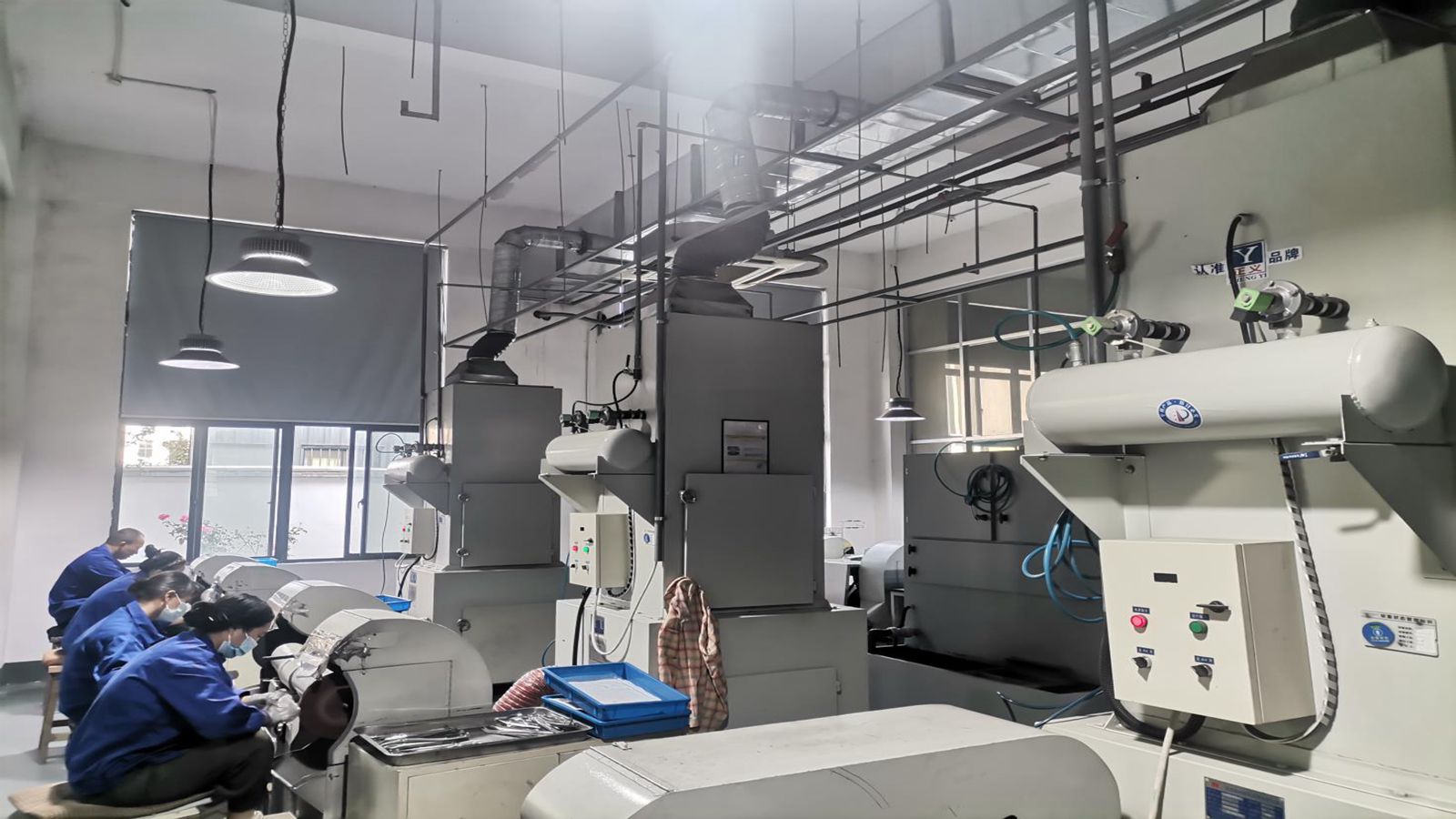
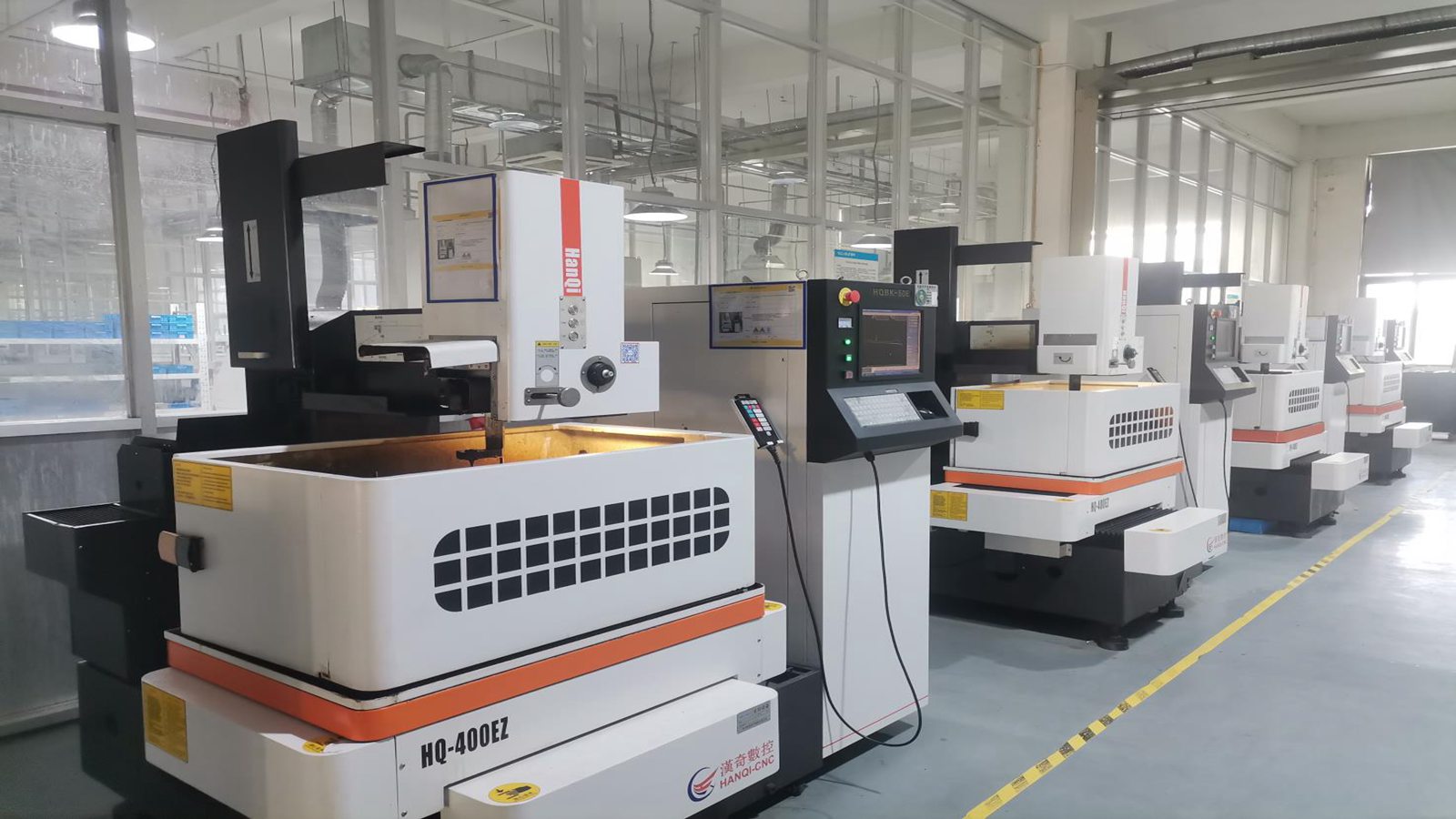
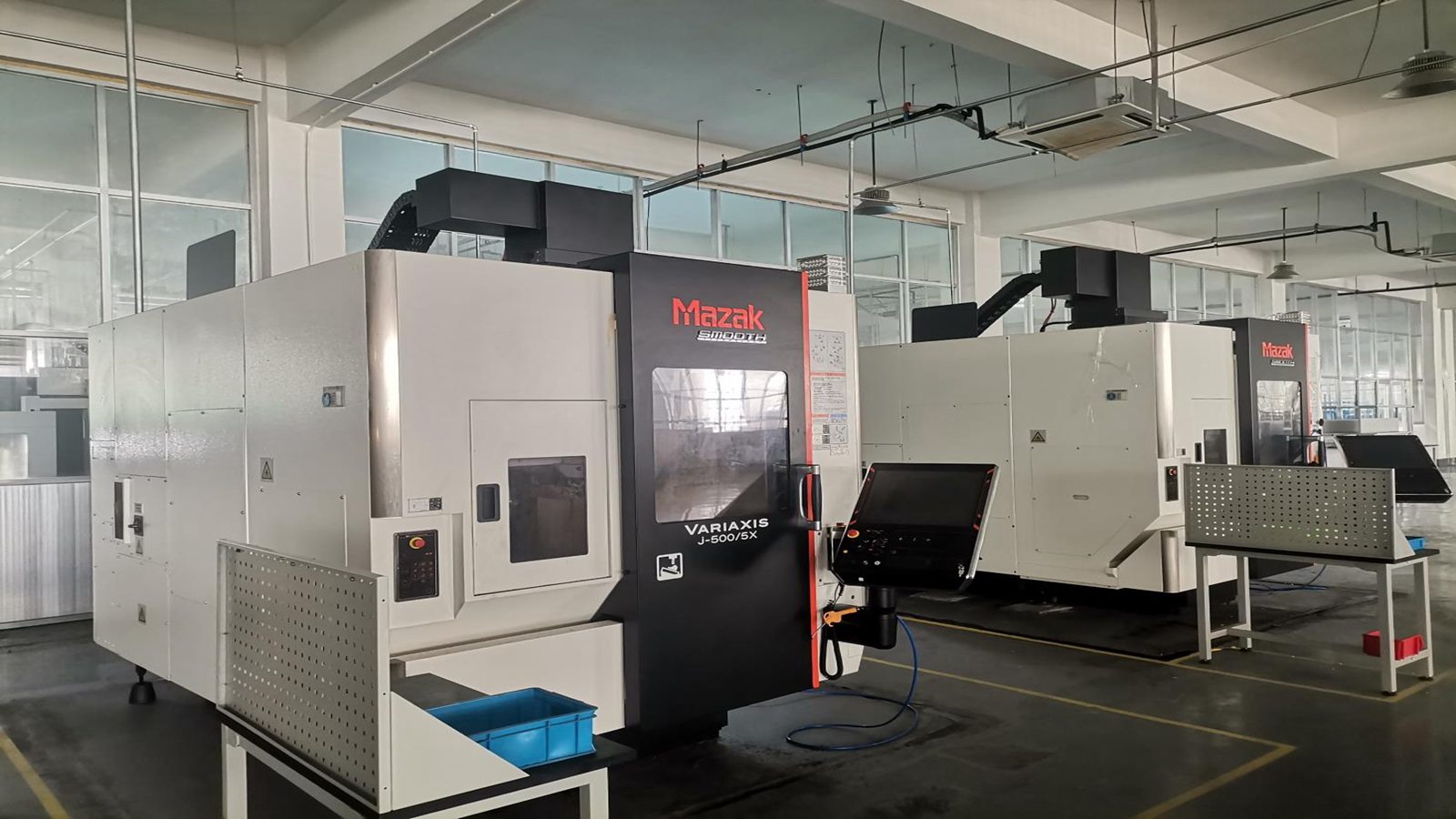
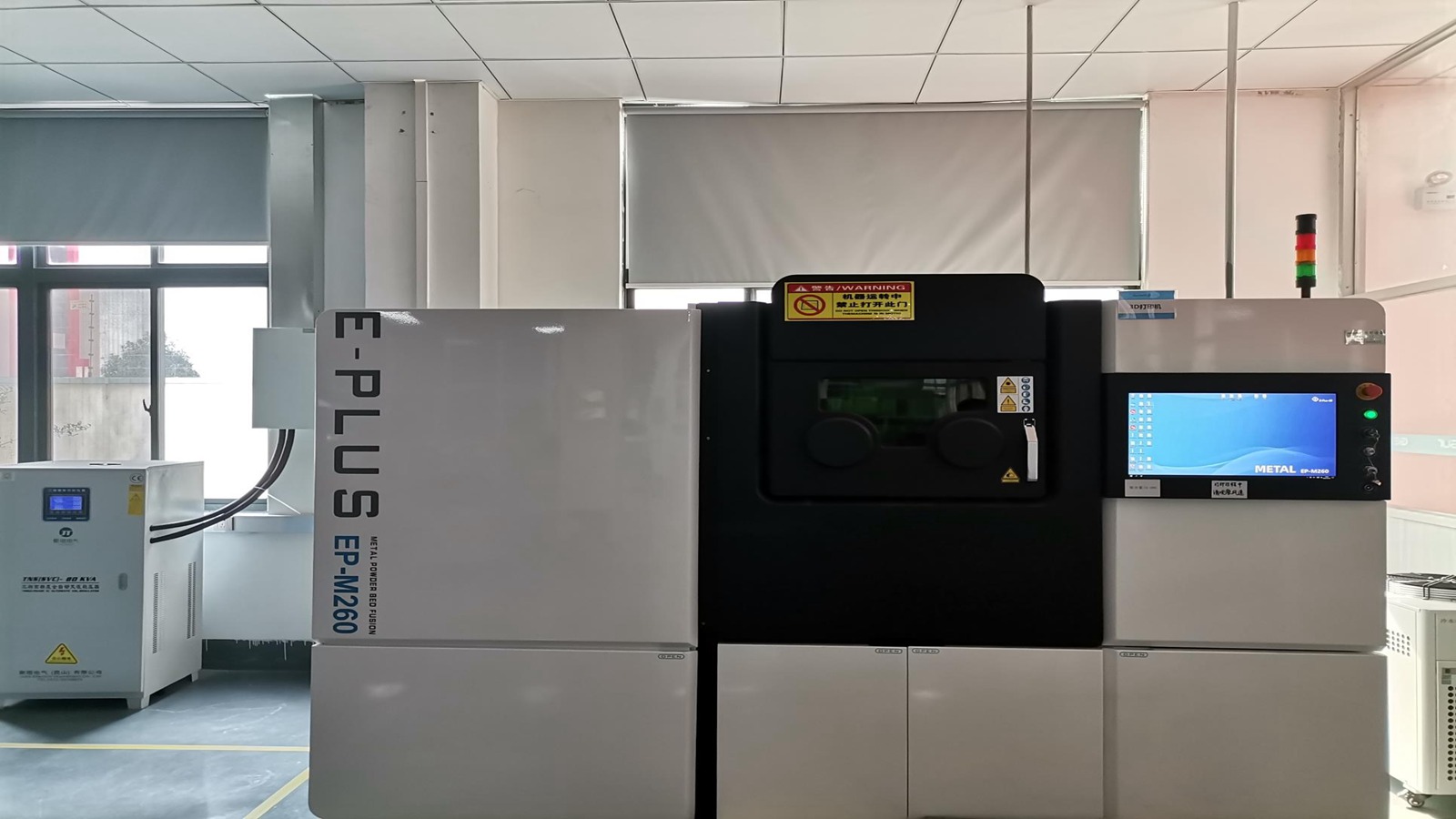
Visual verification of our advanced medical production environments, milling processing zones, quality validation stations, and sterile packaging setups.



Exporting medical devices and wireless clinical hardware globally requires absolute adherence to strict regional safety laws. From the European Union's comprehensive Medical Device Regulation (MDR) to the multi-jurisdictional Medical Device Single Audit Program (MDSAP), our facilities are audited to ensure frictionless clearance in destination markets.
 ISO 13485 & MDSAP Standards
Our quality management workflow maps every single component's manufacturing history. Under MDSAP, our processes meet the regulatory criteria of five participating global markets: Australia, Brazil, Canada, Japan, and the United States.
 CE MDR Transition & Class III Requirements
We actively coordinate with EU Notified Bodies, ensuring all implantable products—including humerus intramedullary nails and posterior cervical laminoplasty plates—have dynamic clinical evaluation plans (CEP) that comply with current MDR standards.
 EMC & Wireless Transmission Compliance
For active telemetric orthopedic hardware, we navigate local FCC (US), RED (EU), and SRRC (China) radio spectrum parameters to guarantee risk-free coexistence with hospital equipment like MRI suites and telemetry systems.
With 31 full-time R&D engineers, we execute custom surgical system development, mechanical simulations, and implant revisions based on client requirements.
Our research staff consists of 1 Doctor of Philosophy, 11 Postgraduates, 17 Graduates, and 2 Junior College specialists. They analyze biomechanics, mechanical stress patterns, and telemetry signal propagation within physical human tissue analogs.
By leveraging advanced 3D metal printing (SLM) and specialized CNC processes, we drastically reduce prototype-to-delivery lead times. We launched 25 new products last year alone, validating both mechanical resilience and bio-compatibility.
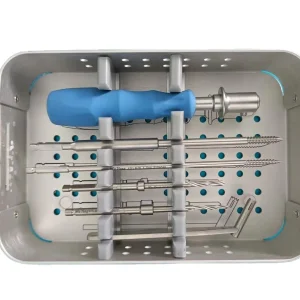
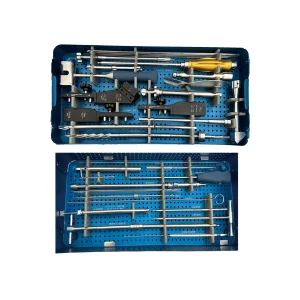
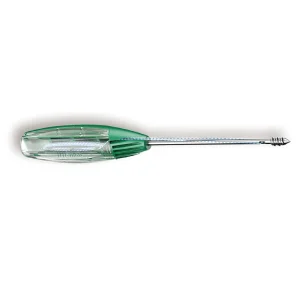
From custom branding, customized packaging configurations, to tailored surgical instrument trays (such as the expert humeral intramedullary nails instrument set), we provide tailored support for global wholesalers and hospital consortiums.
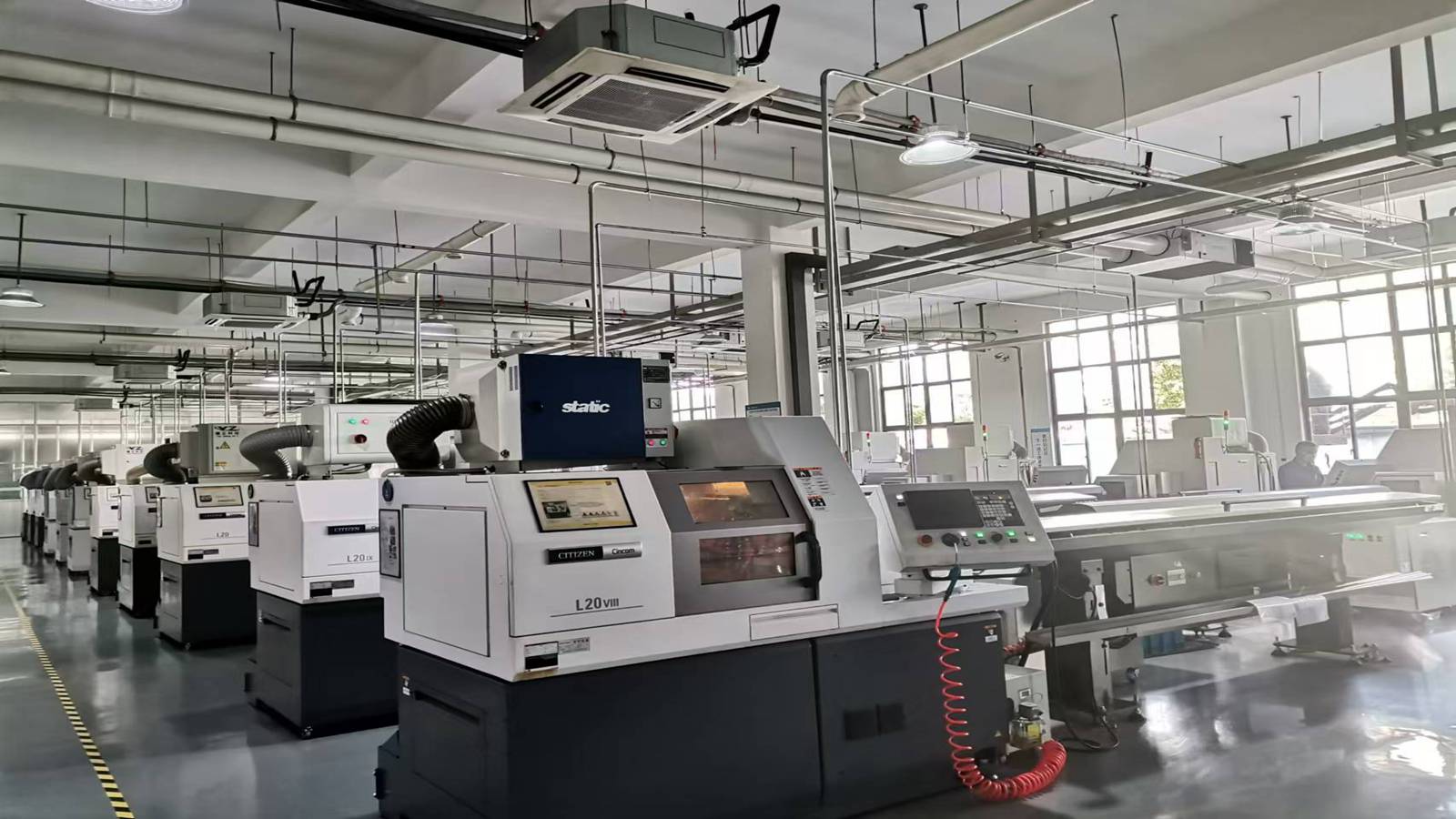
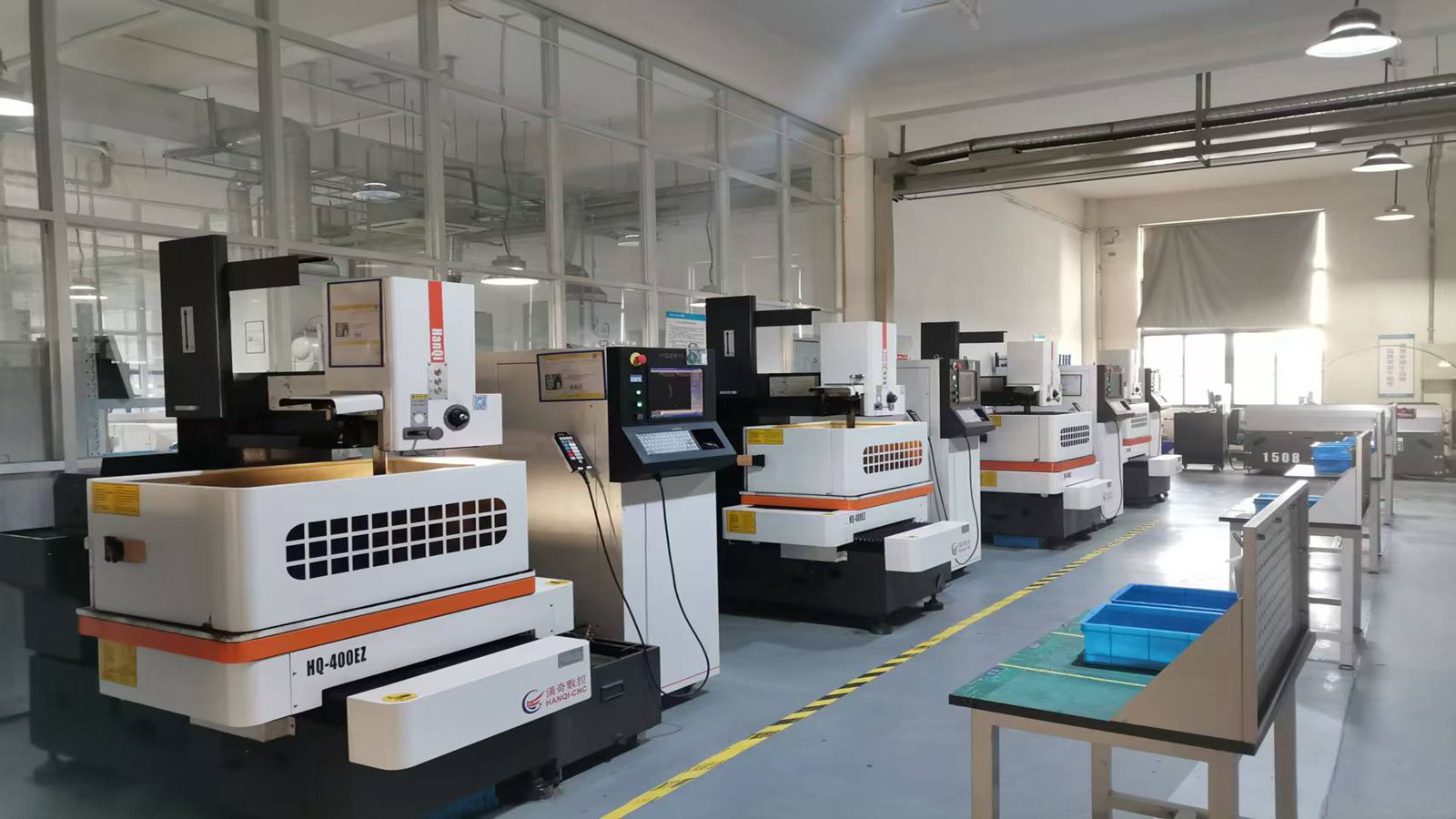
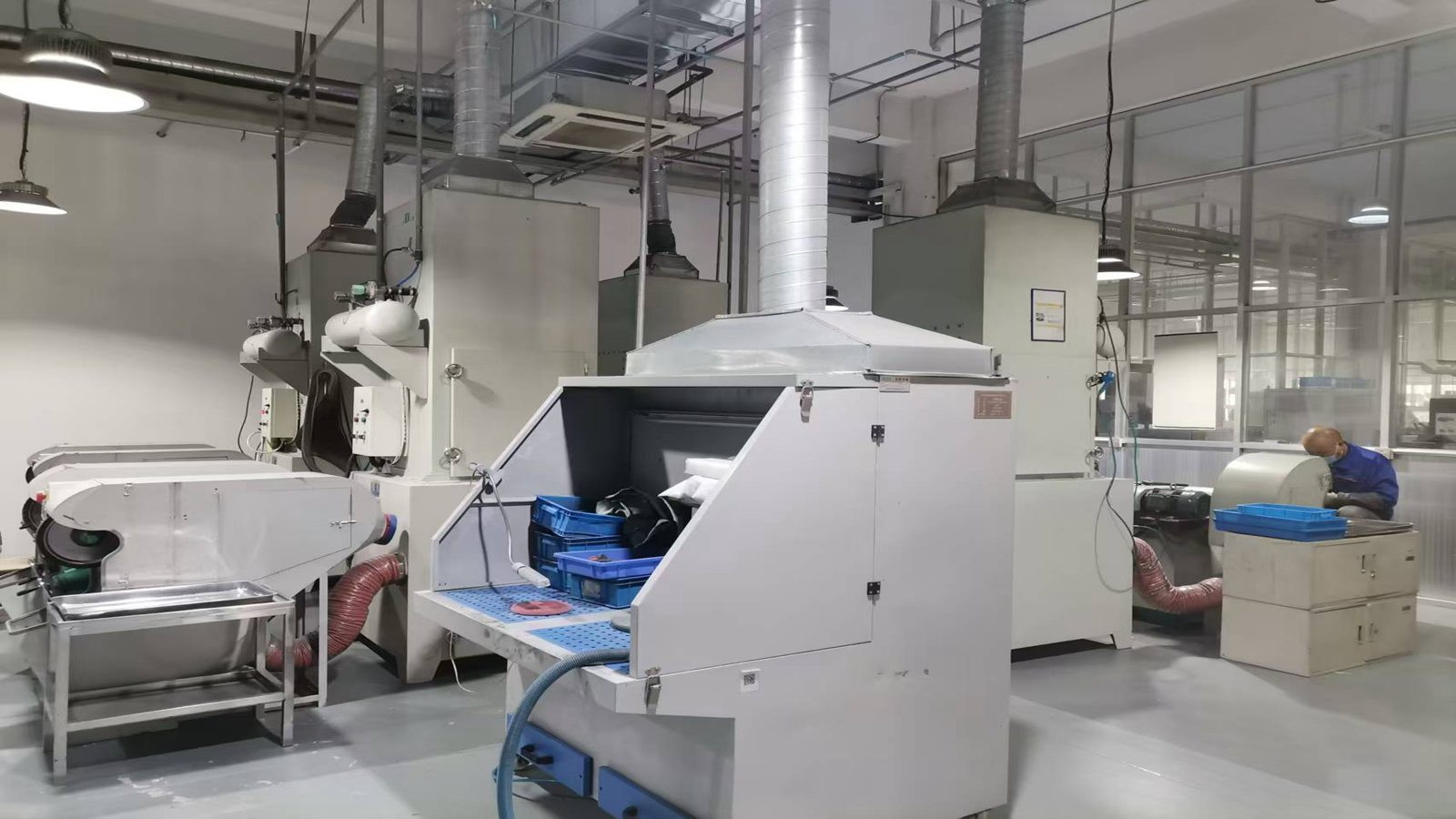
Consolidating precision machining, titanium smelting, wireless micro-electronics, and regulatory certification within one manufacturing zone gives our clients a definitive market advantage.
By directly souring medical-grade titanium from regional smelters and integrating high-precision multi-axis CNC machines in-house, we eliminate intermediate processing costs. This helps hospital groups optimize their bottom line without sacrificing implant quality.
Our strategic location next to major micro-electronics hubs facilitates the rapid integration of custom microchips and energy-harvesting coils into orthopedic designs, maintaining our technological edge in the telemetric implant space.
Exporting for 10 years, our team manages critical temperature-controlled shipping and custom clearances. This ensures sterile implants arrive securely and ready for surgical use at your destination ports.
How our products and telemetry systems integrate into modern hospitals, trauma centers, and clinical studies globally.
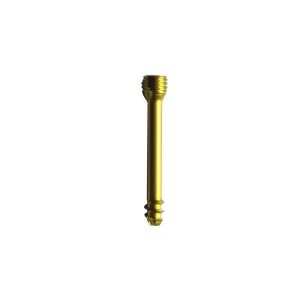
In high-velocity trauma scenarios involving complex fractures, instruments like our Sacral Reduction Screw and Humerus Intramedullary Nails provide immediate fixation stability. Post-op telemetry allows trauma wards to closely monitor initial stability in high-stress zones.
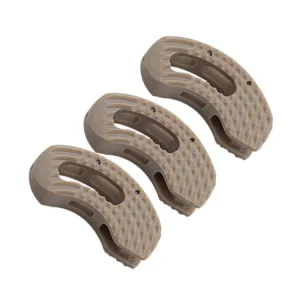
For degenerative disc diseases, using PEEK Lumbar Fusion Cages (PLIF/OLIF) together with pedicle screws guarantees mechanical stability. Incorporating wireless micro-strain sensors allows clinics to track fusion success and identify early implant displacement non-invasively.
Using systems like the ATFL Repair System and Titanium Suture Buttons allows for anatomic joint reconstruction. Integrated micro-sensors measure rehabilitation compliance, giving physical therapists real-time joint velocity and strain telemetry.
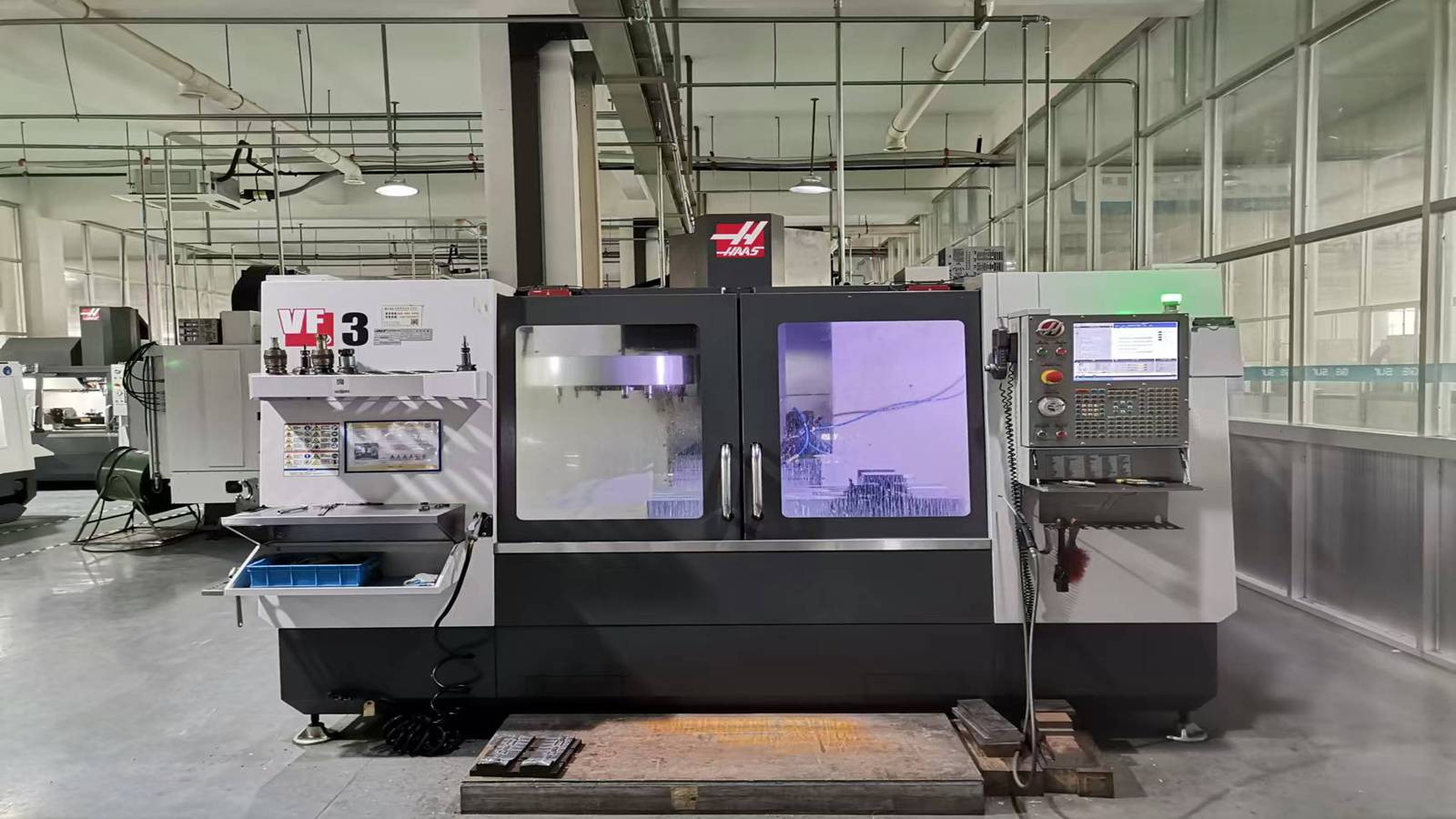
Get answers to technical questions about orthopedic implants, wireless telemetry integrations, quality certifications, and volume ordering terms.
Continuous verification ensures our surgical instruments and implants meet international orthopedics specifications.
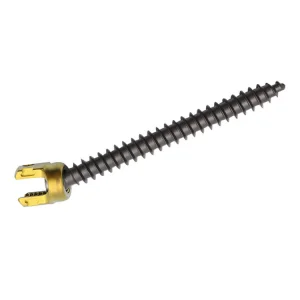
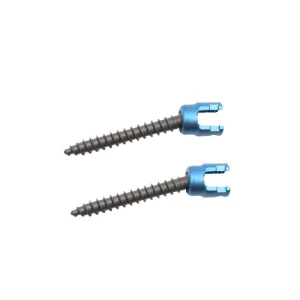
Explore our additional range of surgical implants, spinal screws, and internal fixation systems designed for diverse clinical applications.