Ease Medical Apparatus And Instruments
Cardiothoracic Rigid Sternal Fixation in the UK: Clinical Paradigms & Supply Resilience
Over the last decade, cardiothoracic surgical practices across the United Kingdom's National Health Service (NHS) and private hospital networks (such as Bupa and BMI Healthcare) have transitioned rapidly from traditional monofilament wire cerclage toward rigid sternal fixation systems. Clinical studies indicate that rigid internal plate and screw systems significantly reduce the incidence of sternal dehiscence, deep sternal wound infections (DSWIs), and post-operative pain. This is particularly vital for high-risk cohorts—patients presenting with diabetes mellitus, chronic obstructive pulmonary disease (COPD), obesity, or advanced age who are undergoing Coronary Artery Bypass Grafting (CABG) or complex aortic reconstructions.
Evolution of Rigid Sternal Fixation vs. Wire Cerclage in NHS Trusts
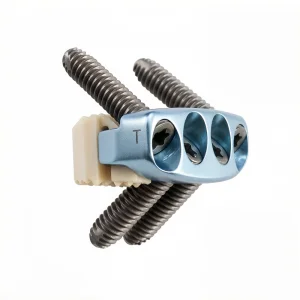
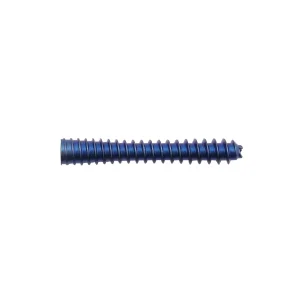
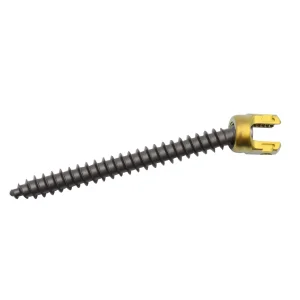
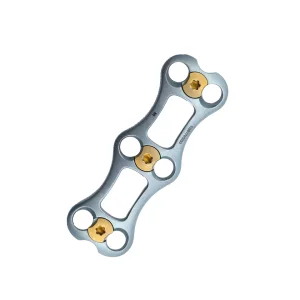
Traditional stainless steel wires often act as cutting bands under physiological stress—such as coughing or deep breathing—causing bone shear and leading to structural failure. In contrast, low-profile titanium plate systems distribute mechanical forces uniformly across the osteotomy line. By supplying locking screws and custom contoured plates engineered from high-strength Grade 5 Titanium (Ti-6Al-4V ELI), factories serving the UK are delivering implants that match the modulus of elasticity of cortical bone while providing exceptional biocompatibility. This ensures optimal compression and absolute immobilization, paving the way for faster primary bone healing.
Regulatory Compliance: Navigating UKCA, MHRA, and CE-MDR
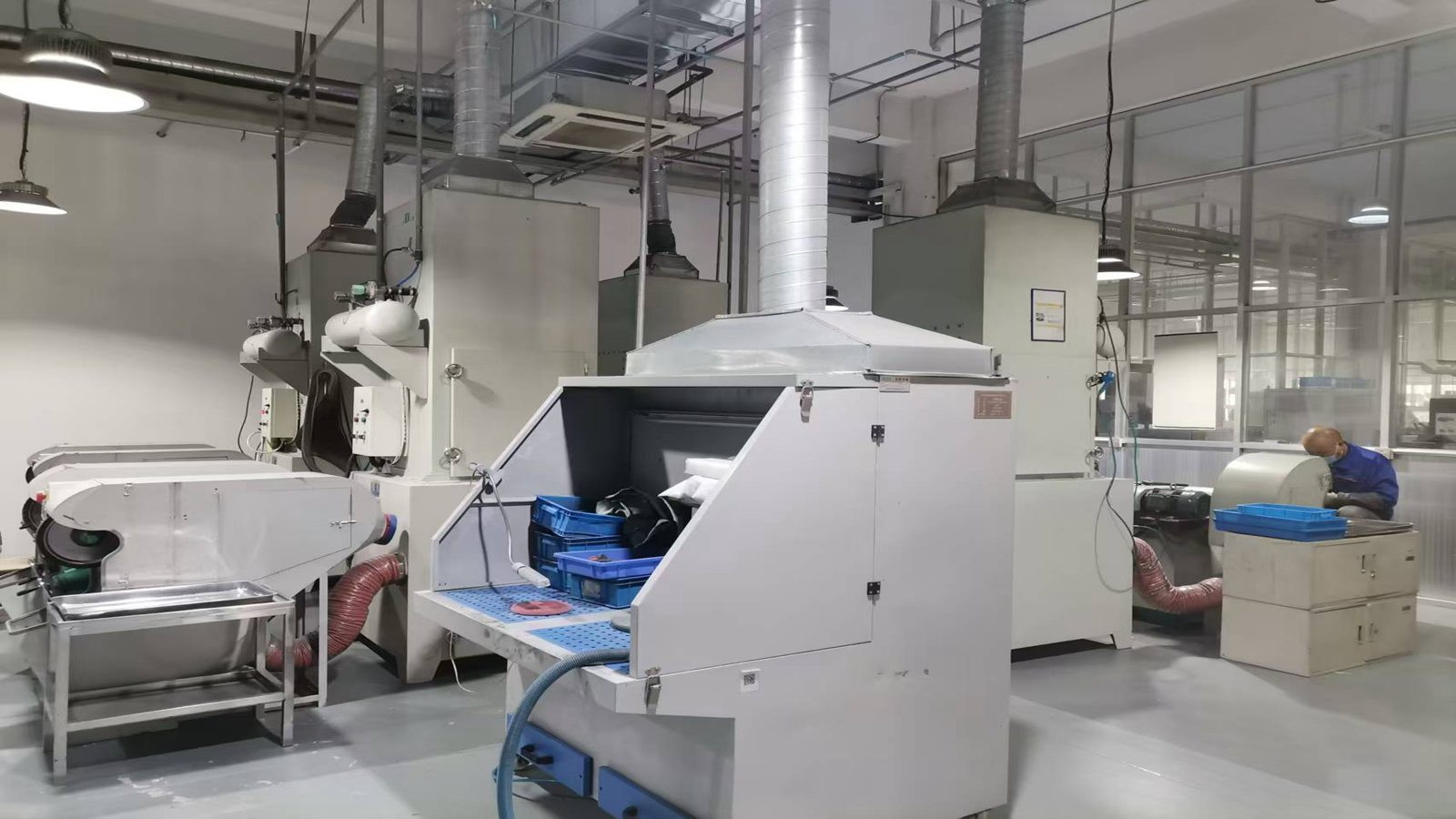
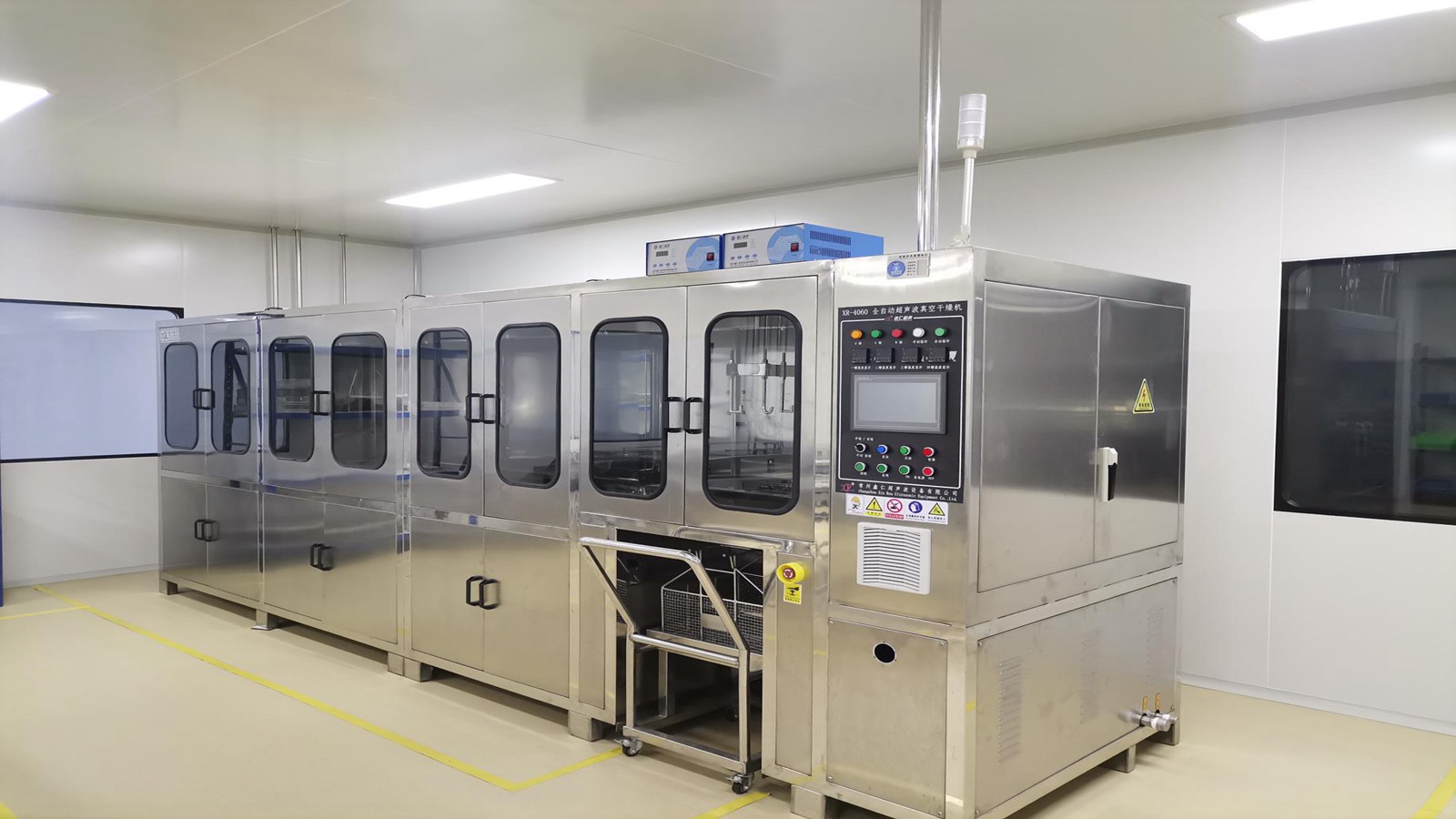
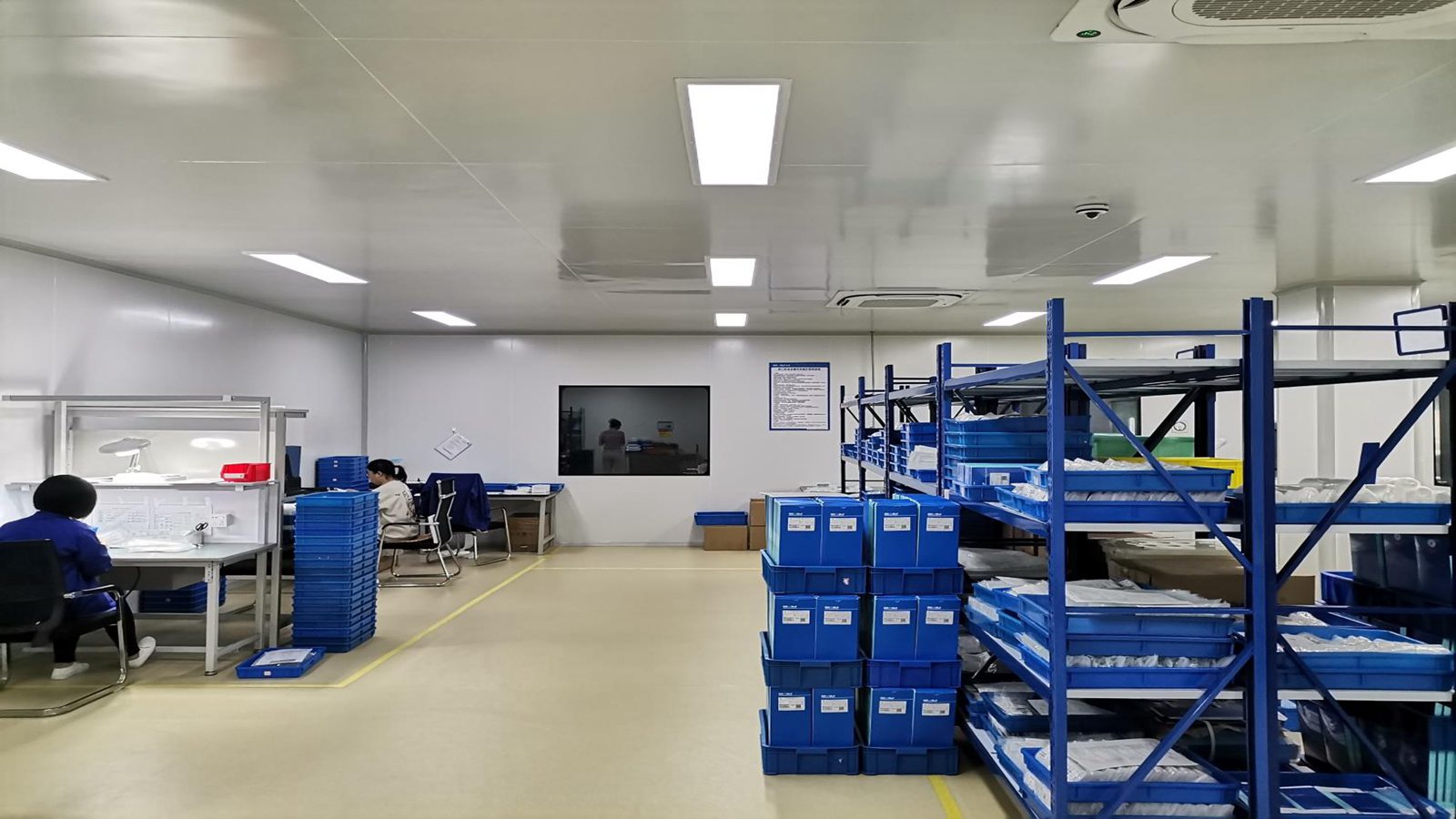
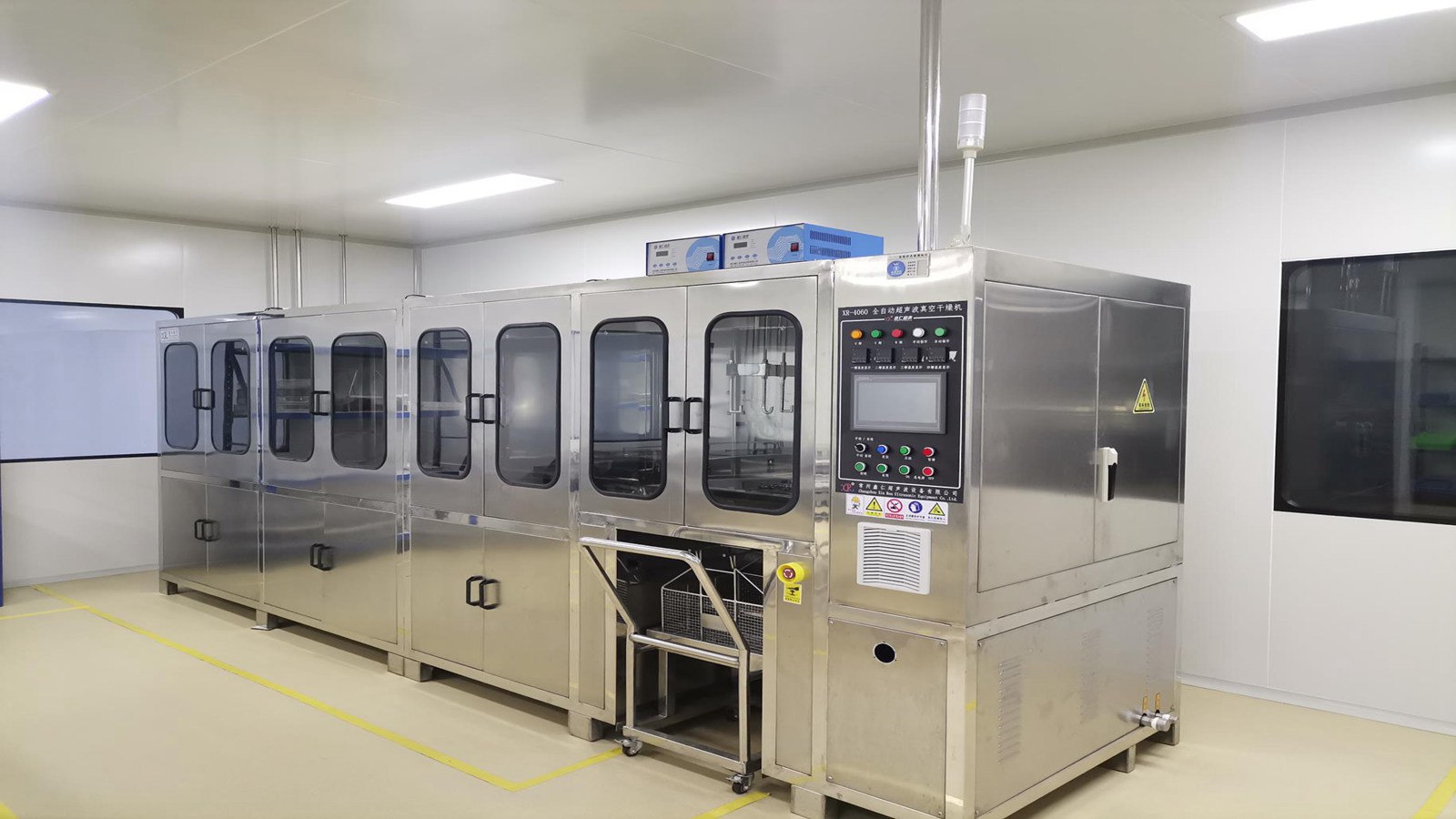
For medical devices to enter clinical usage in the UK, strict regulatory adherence is mandatory. Implants must clear the hurdles set by the Medicines and Healthcare products Regulatory Agency (MHRA). As global manufacturing partners, our production facilities are certified to EN ISO 13485:2016 and MDSAP (Medical Device Single Audit Program) guidelines. Furthermore, our products carry active CE Mark certifications under the European Medical Device Regulation (EU 2017/745 - MDR), which continues to be recognized in Great Britain under the current transition frameworks. Raw material traceability, cleanliness validation according to ISO 19227, and rigorous bioburden assays are conducted under Class 100,000 cleanroom environments before packaging and shipping.
China-to-UK Medical Device Supply Chain Advantage
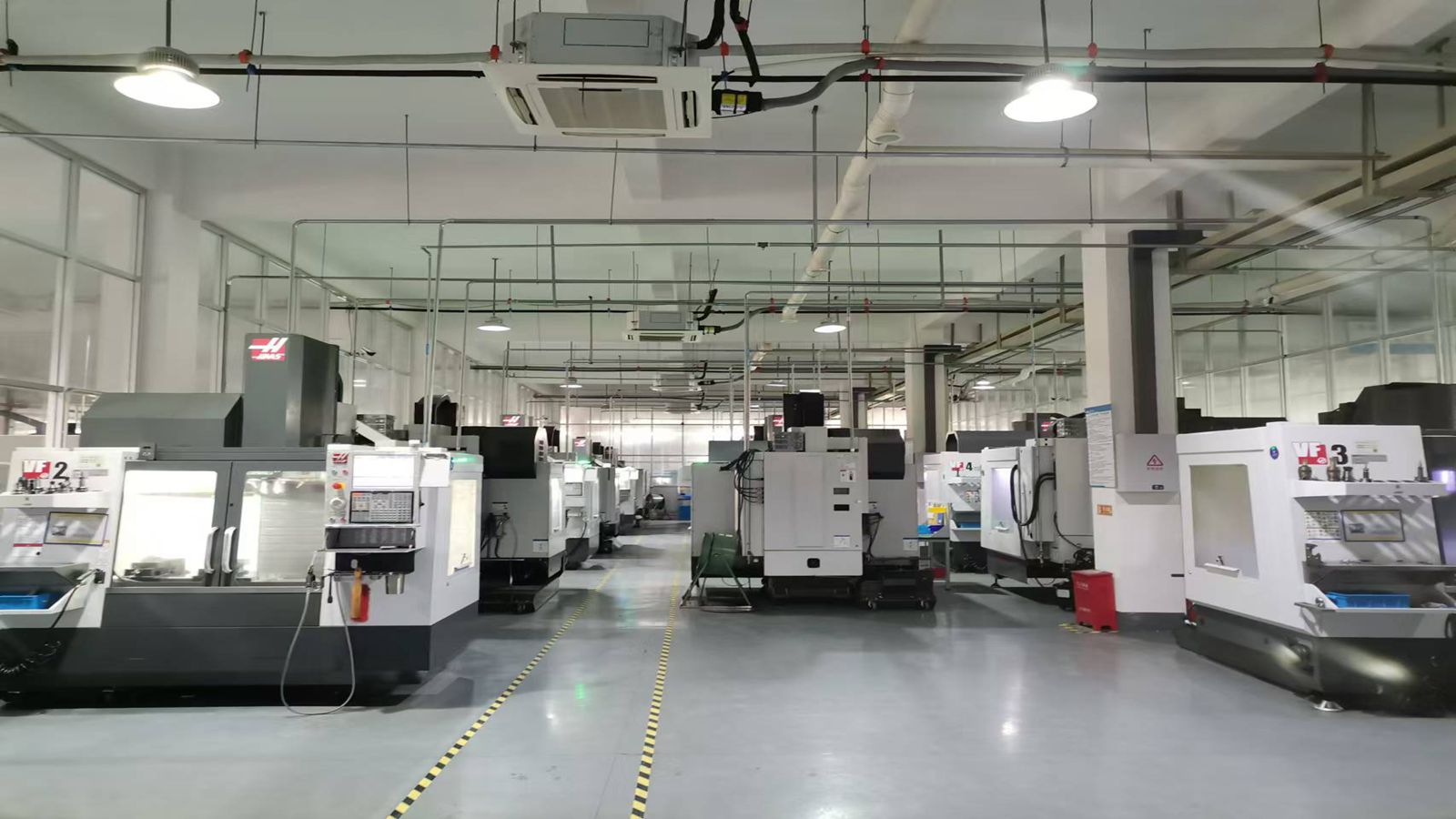
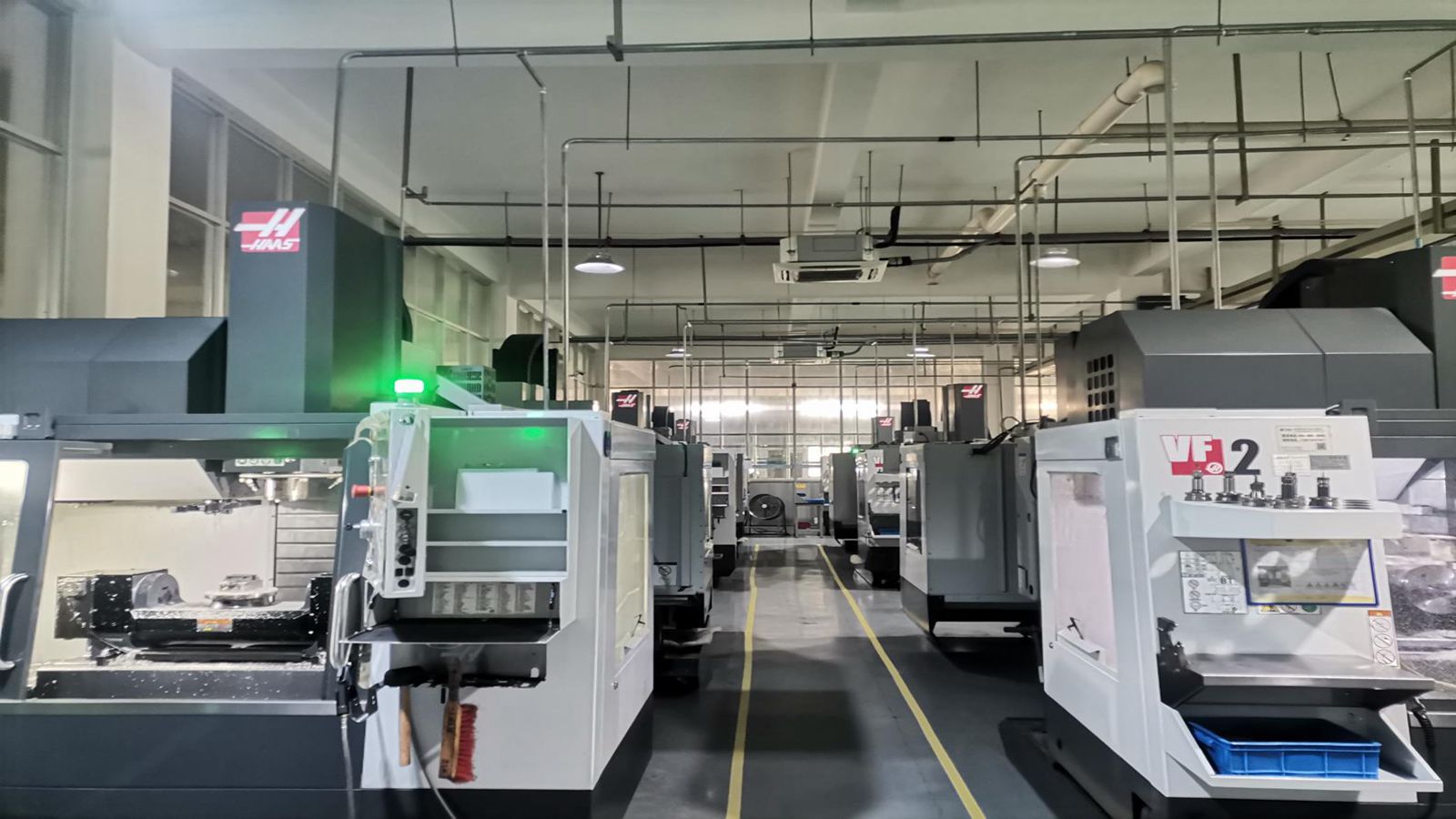
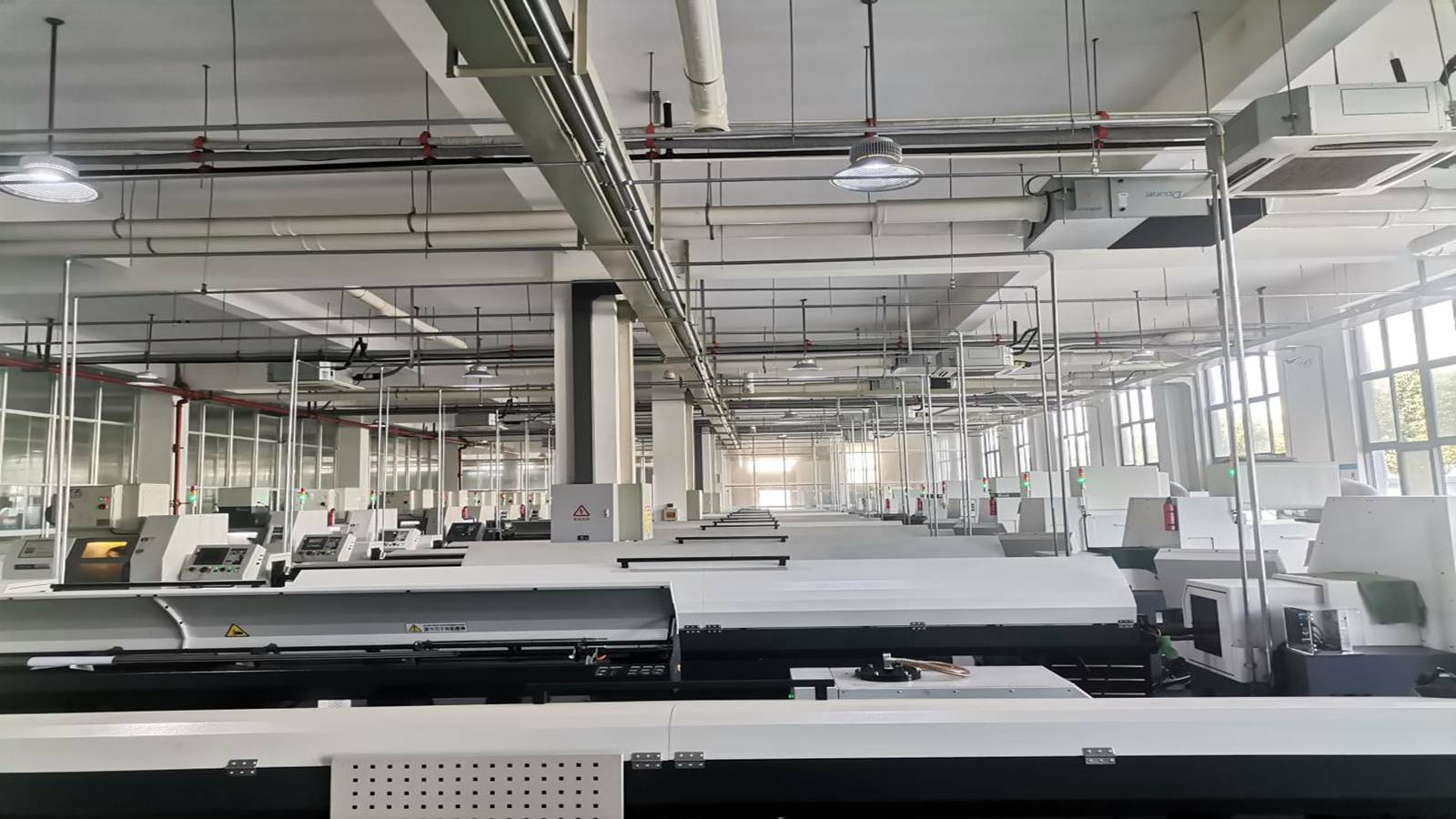
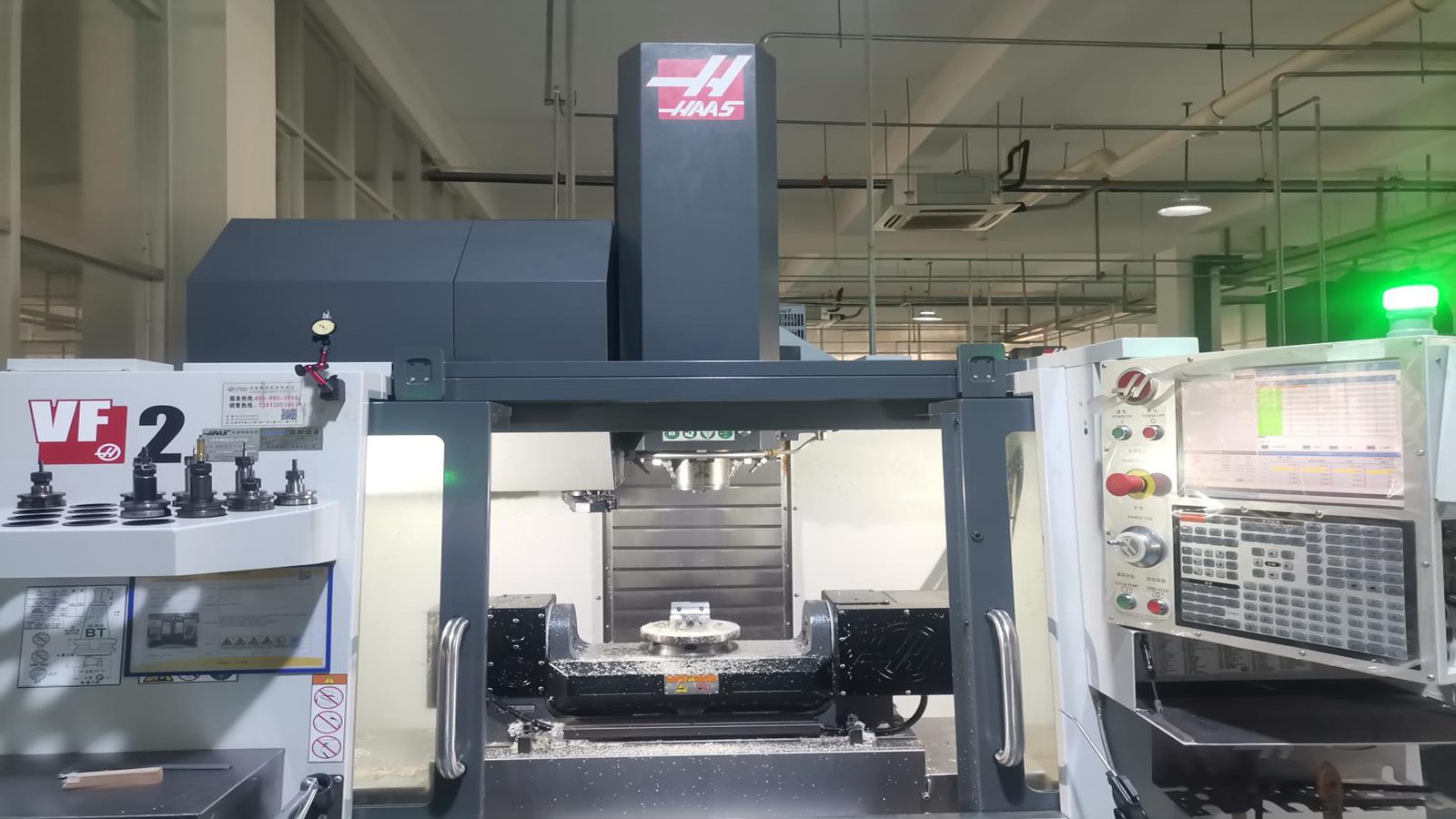
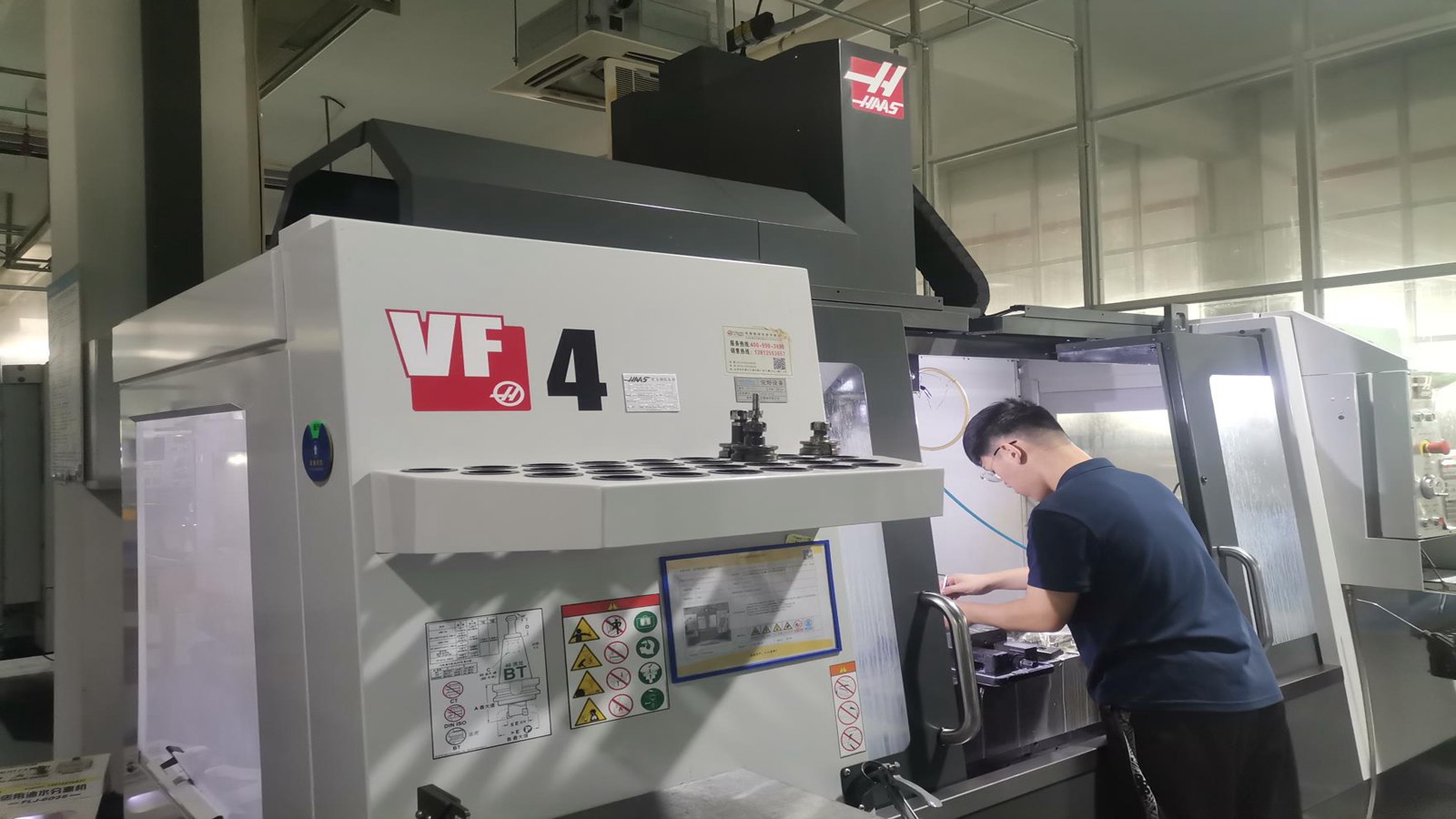
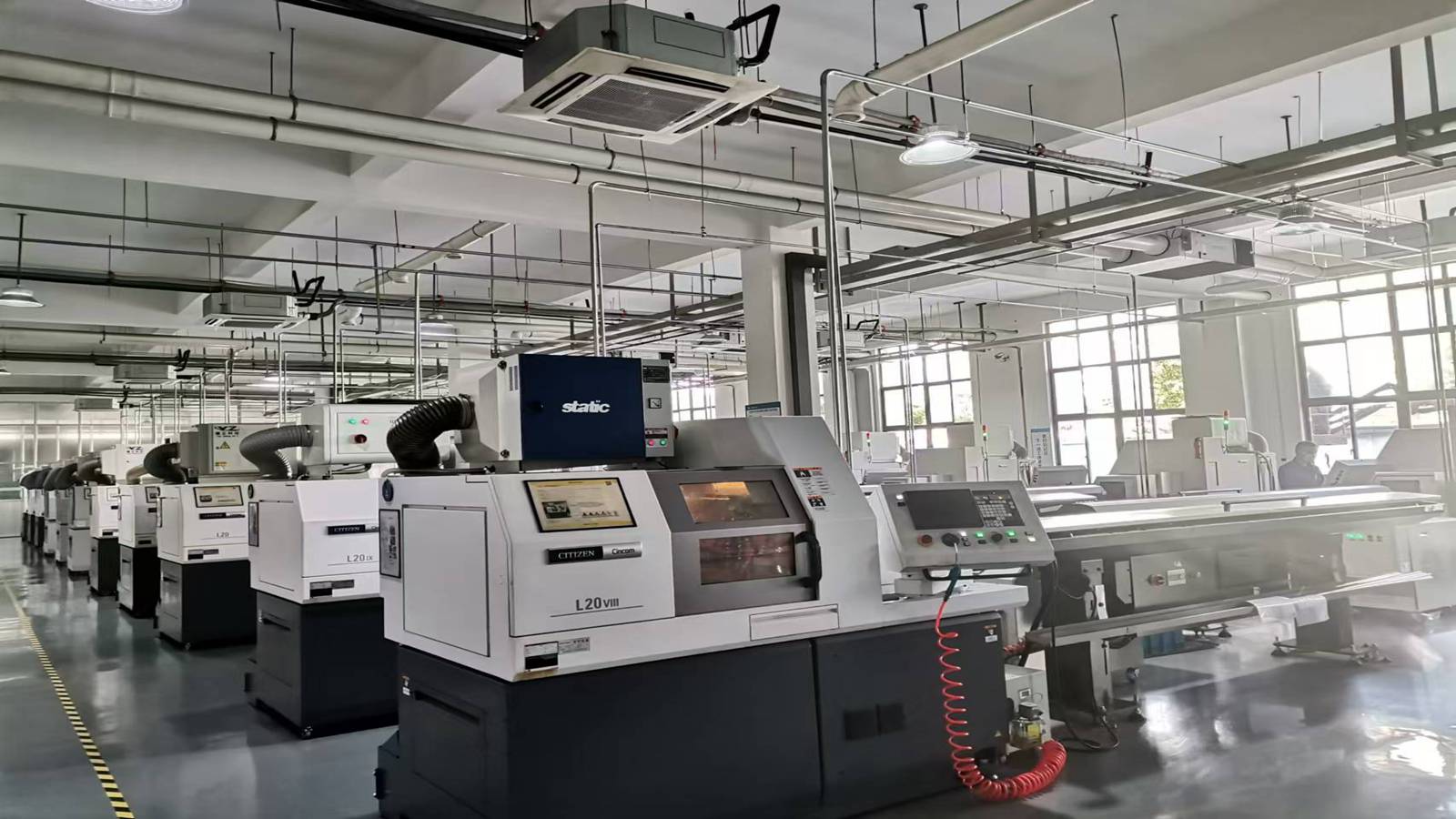
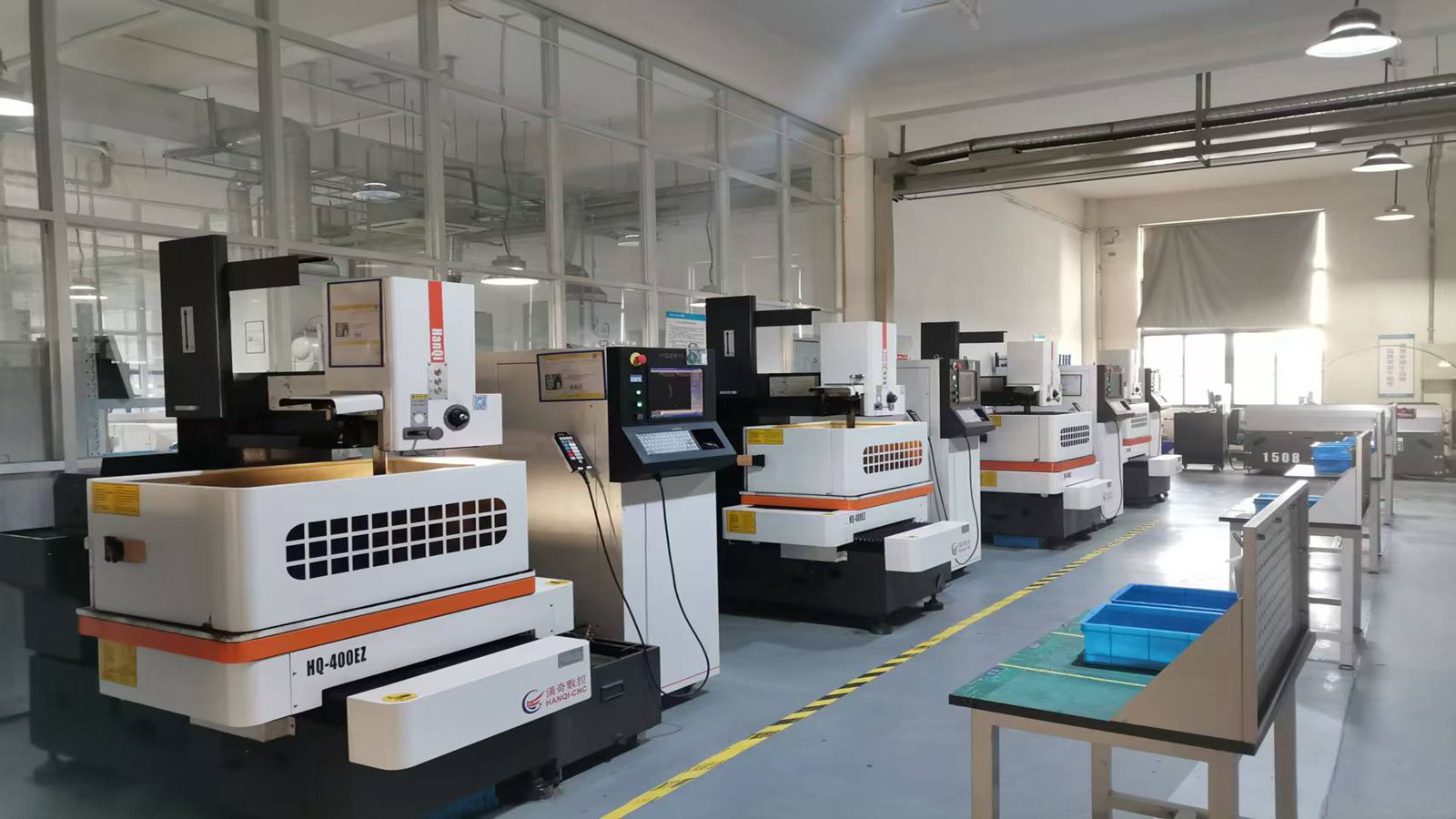
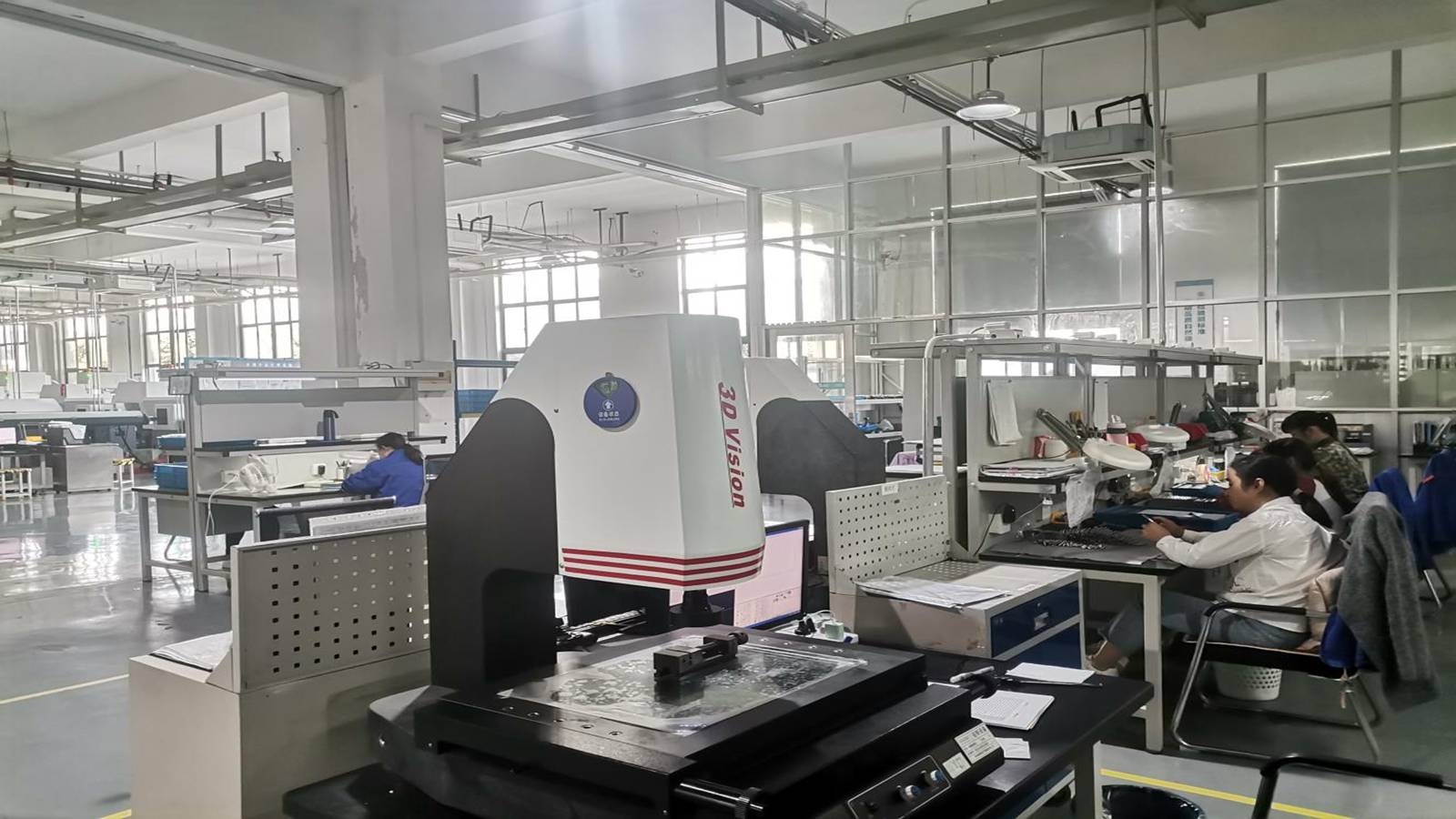
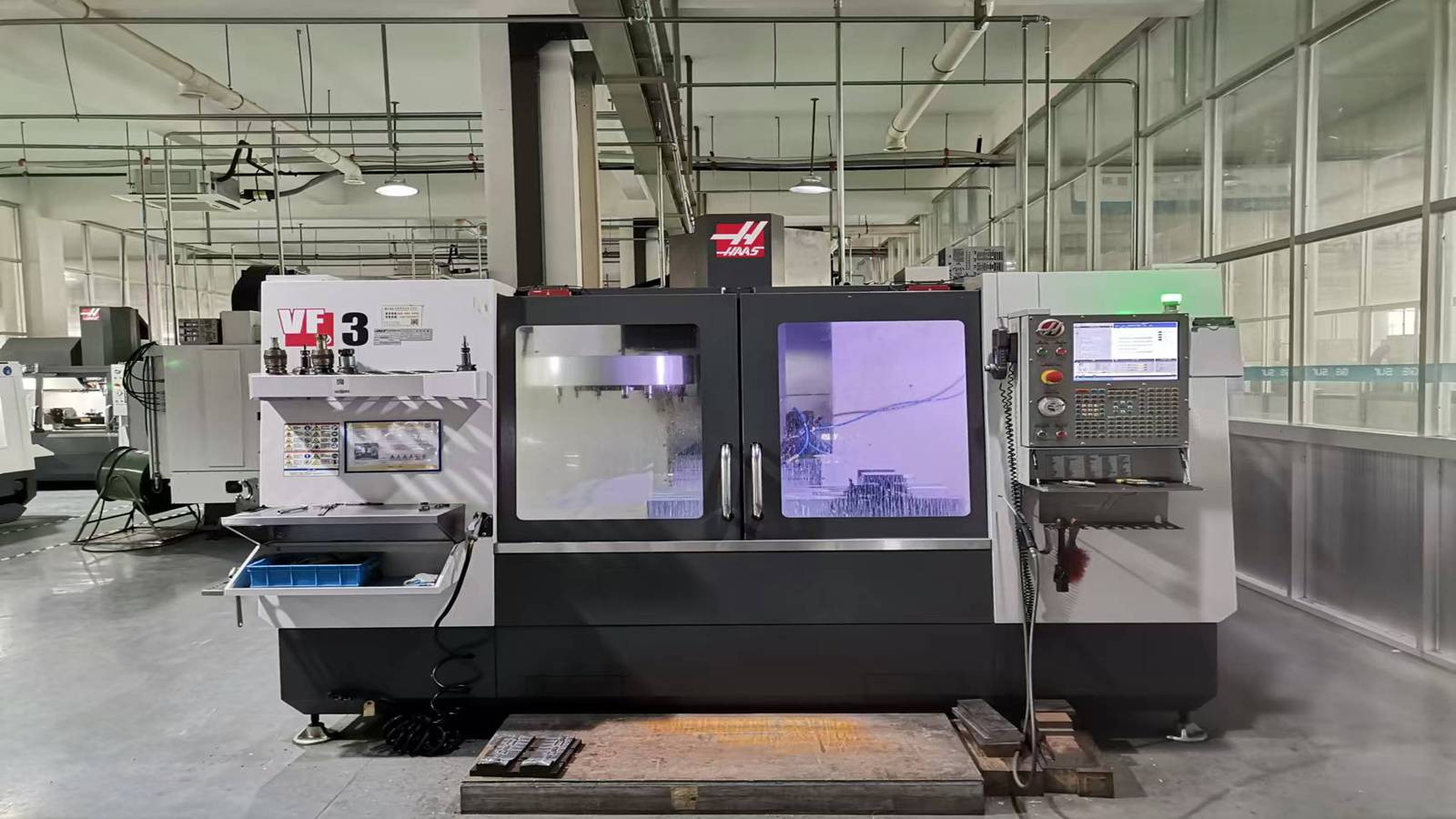
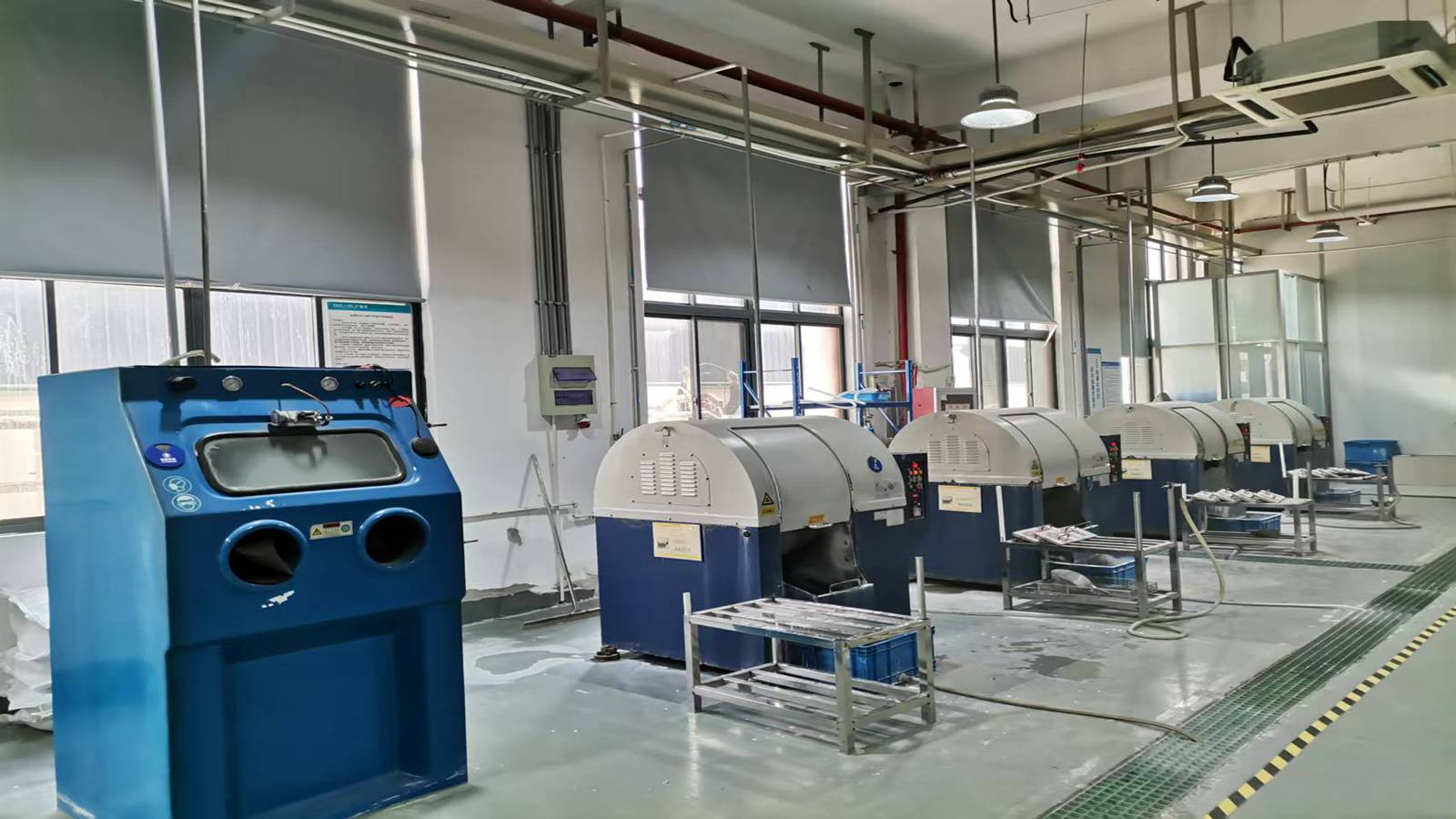
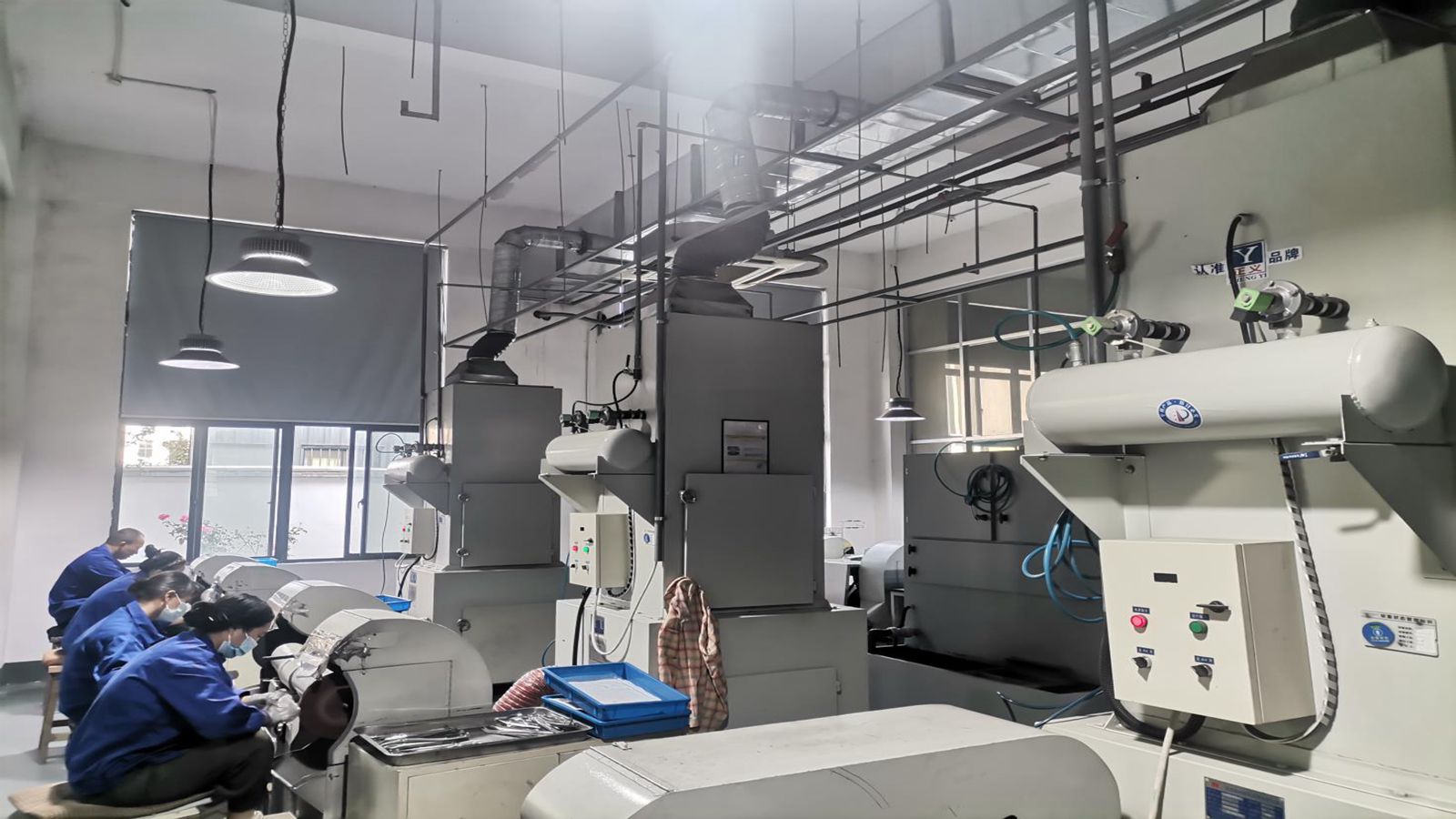
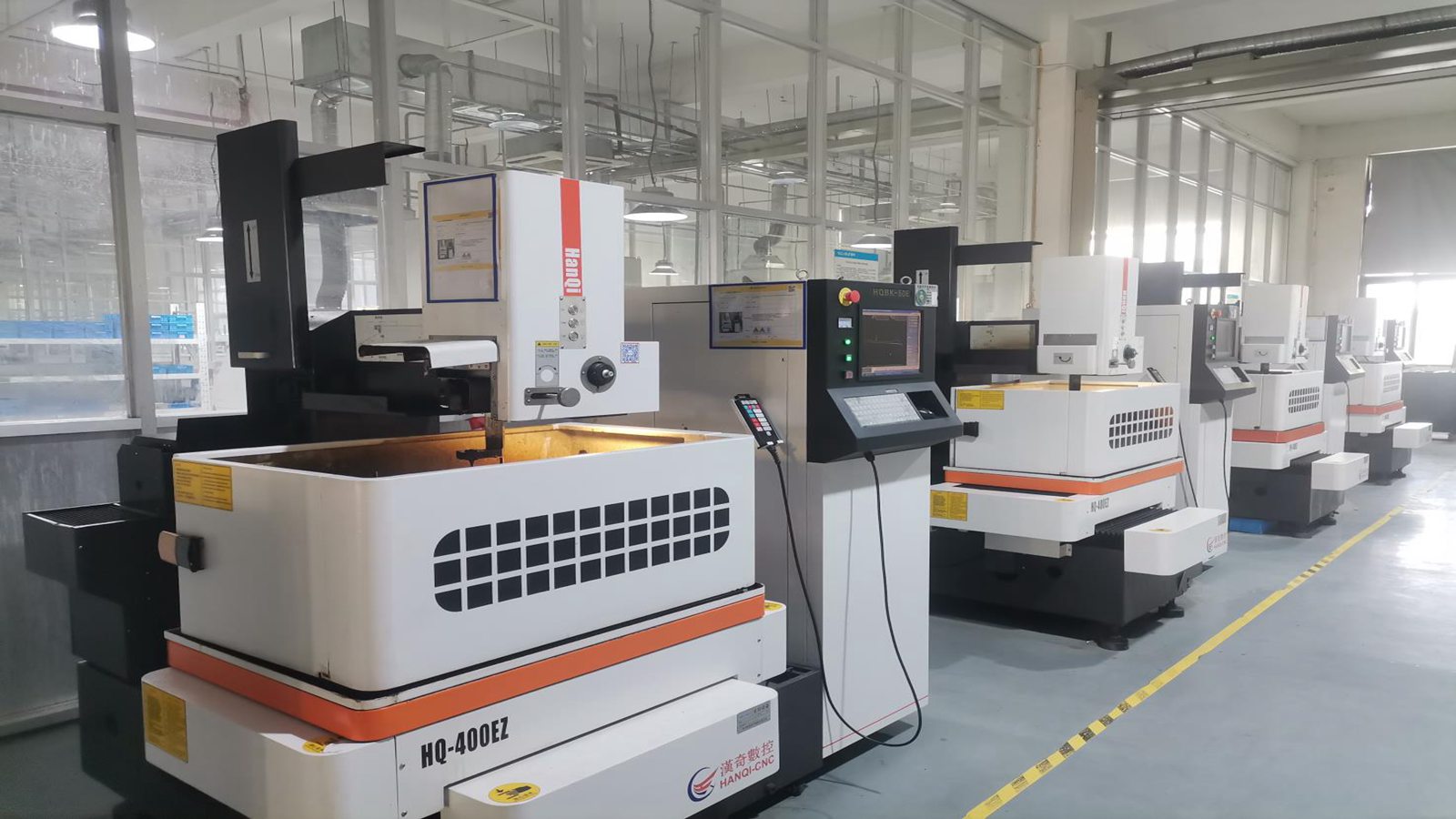
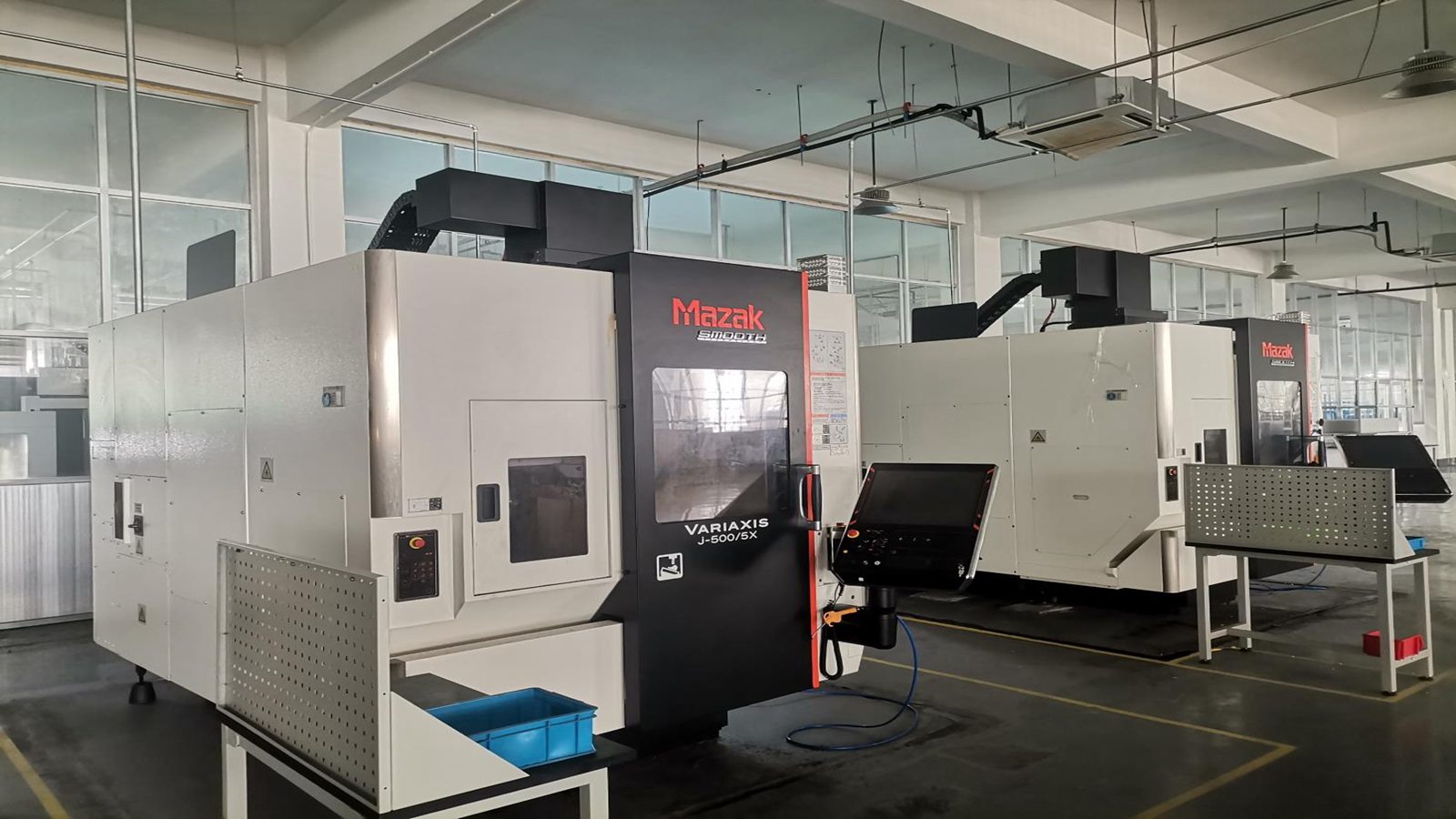
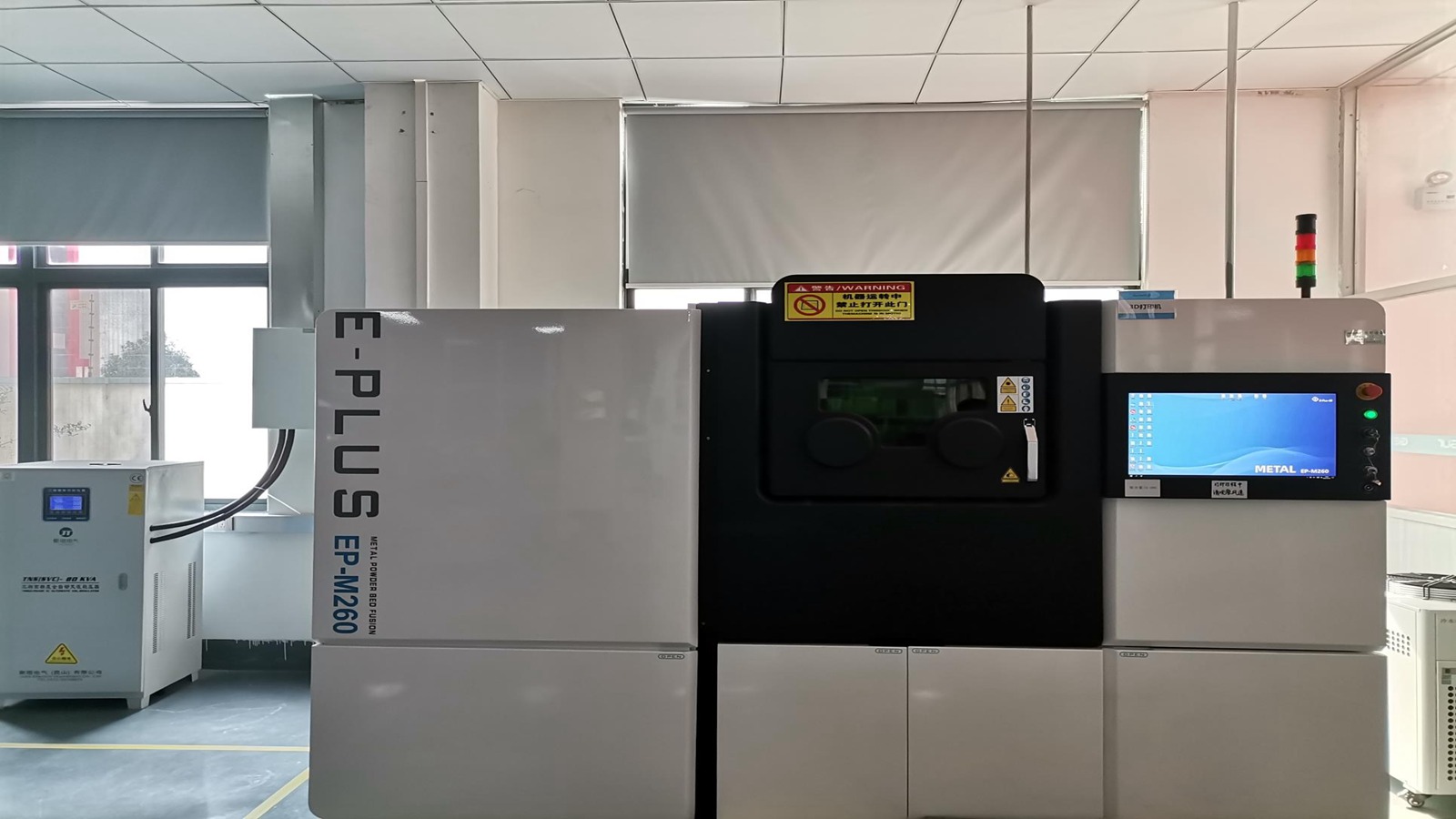
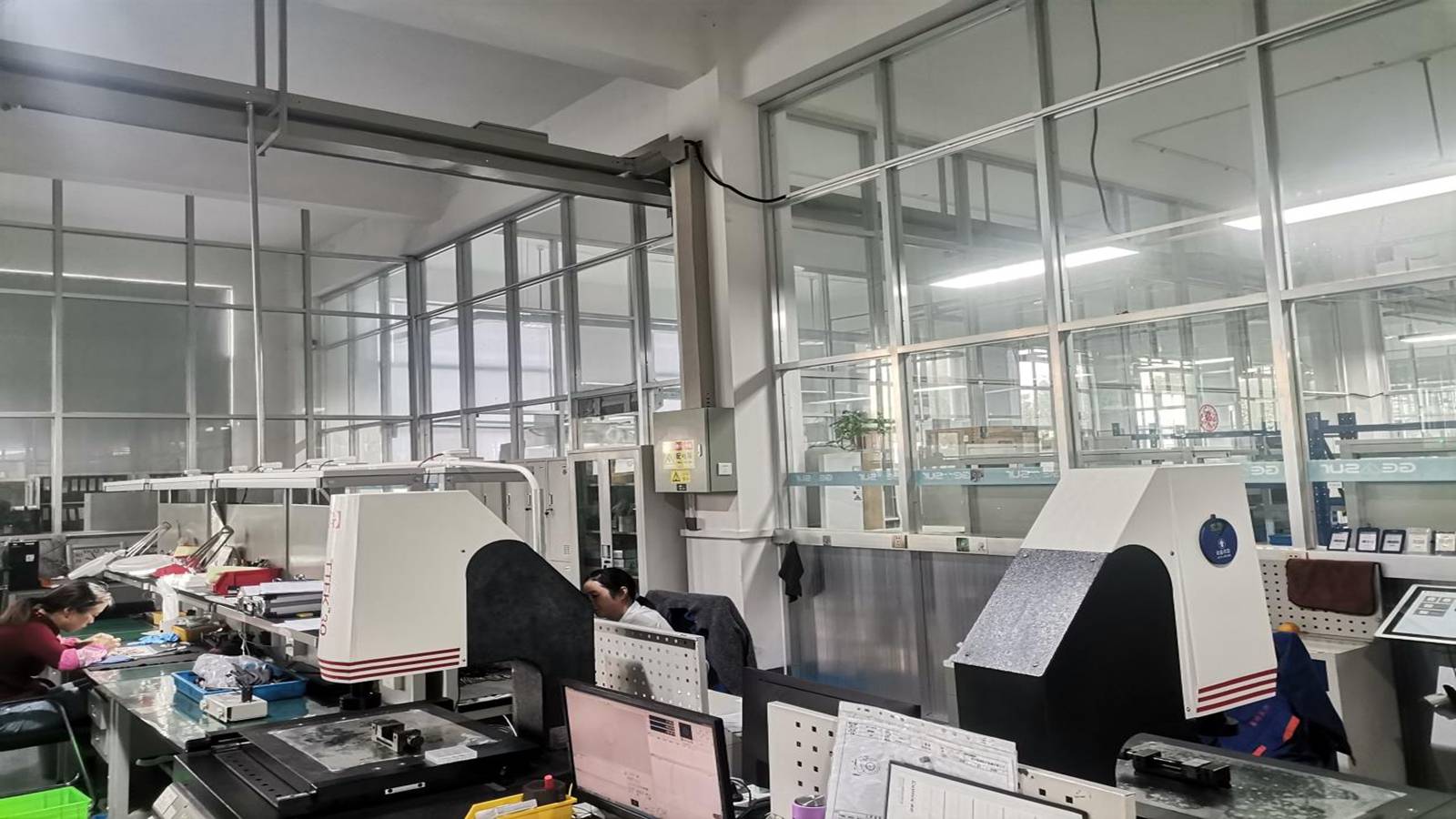
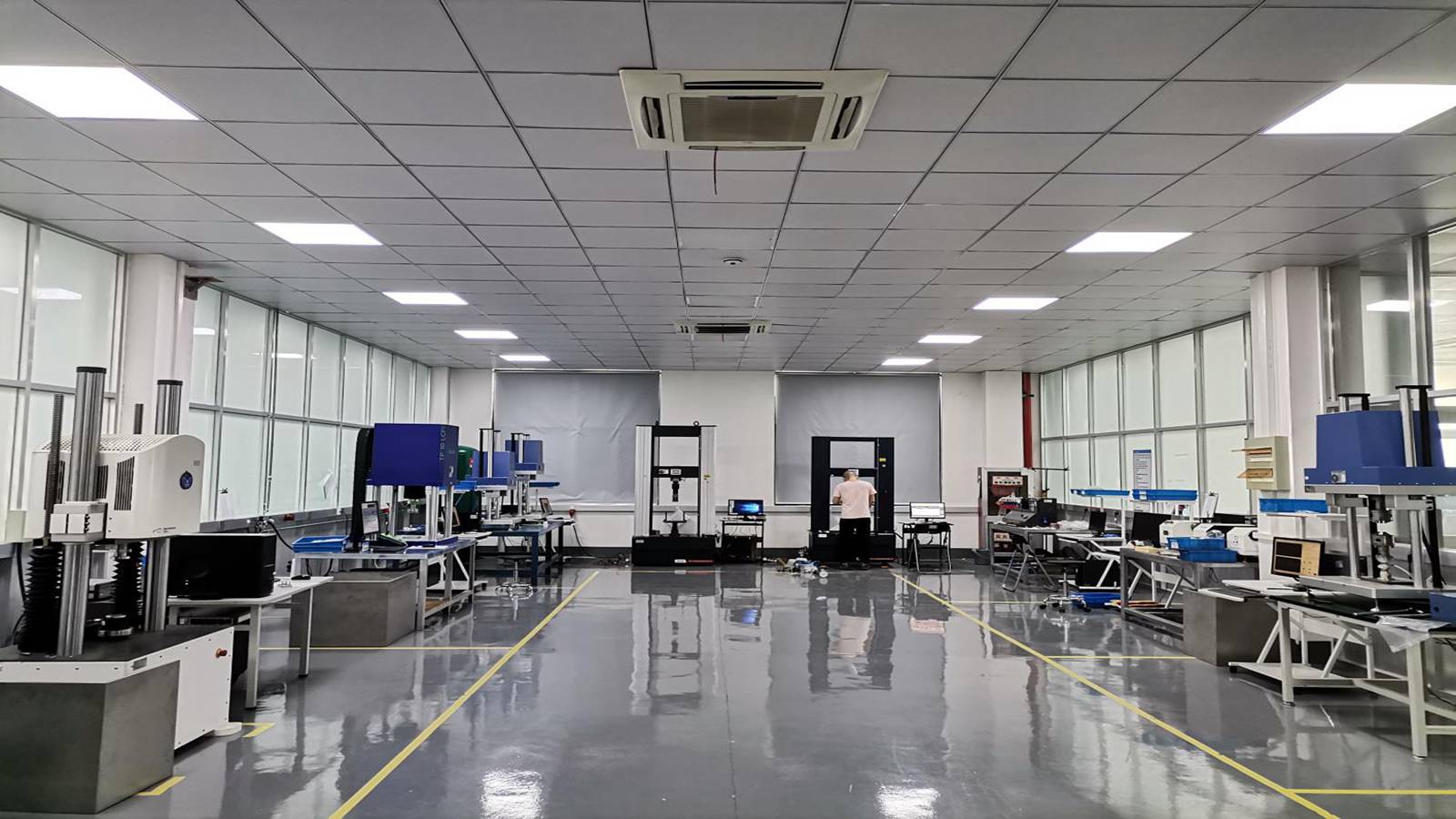
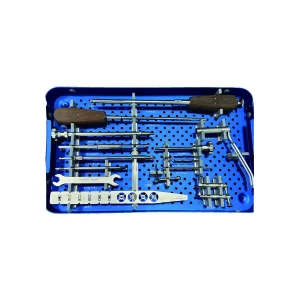
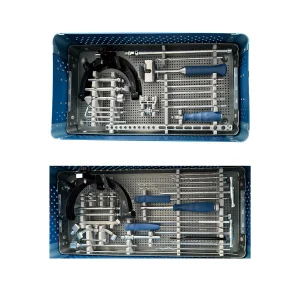
Our integrated manufacturing platform bridges the gap between sophisticated R&D engineering and cost-effective bulk production. With over 12 specialized production lines and more than 120 precision Swiss CNC milling and turning centers, we guarantee continuous, high-volume supply to mitigate inventory shocks. We help UK distributors and hospital buying groups achieve up to 40% cost efficiency compared to traditional Western OEMs, without compromising surgical tolerances. Our R&D team consists of 31 expert engineers (including postgraduates and doctoral researchers) specialized in biomechanics and additive manufacturing, facilitating fast-track OEM/ODM customization of plates, screws, and tailored instrumentation sets.