Ease Medical Apparatus And Instruments
Ease Medical Apparatus And Instruments
Ease Medical Apparatus And Instruments
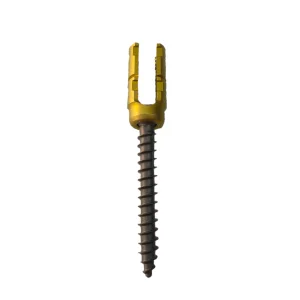
Featured premium spinal fixation systems deployed in advanced clinical procedures in Tokyo and leading international medical centers.
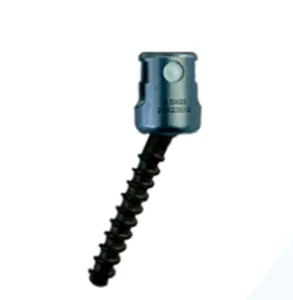
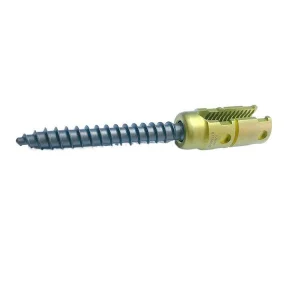
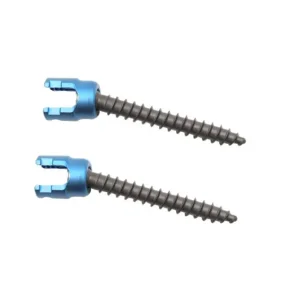
Polyaxial precision design for cervical stabilization.
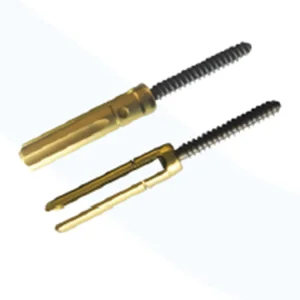
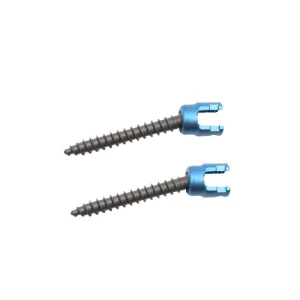
View SpecificationsOptimized for minimally invasive surgeries (MIS) reducing recovery time.
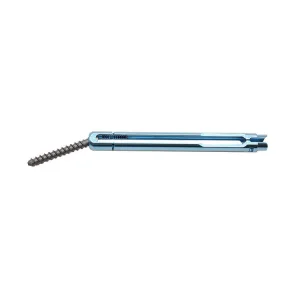
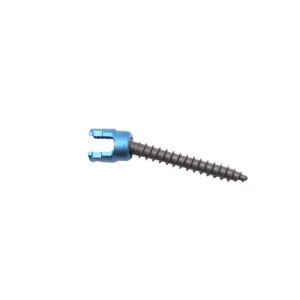
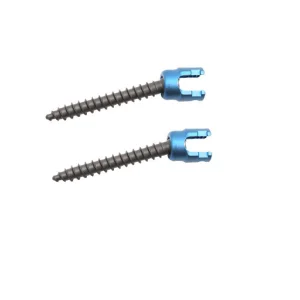
View SpecificationsPremium interventional materials delivering optimal mechanical purchase.
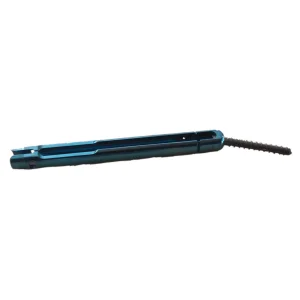
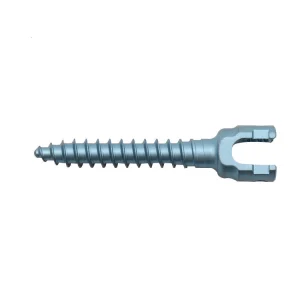
View SpecificationsEngineered for high load-bearing capability and biological integration.
View SpecificationsAnalyzing the macro-economic shifts, localized healthcare requirements, and micro-precision engineering of advanced spinal fixations.
Tokyo serves as a global epicentre for medical robotics, high-grade biomedical materials, and rigid clinical trials. With Japan's advanced demographics trending toward a super-aged society, the local demand for spine surgical implants has surged. Local universities and hospitals (e.g., in Shinjuku and Bunkyo wards) collaborate actively with precision CNC manufacturers to develop implants optimized for high-bone-density variations and osteoporotic structures.
The global spinal implants market is witnessing a rapid shift from traditional open surgeries to Minimally Invasive Spine Surgeries (MISS). High-grade medical implants demand strict control over fatigue resistance, mechanical wear, and biostability. By offering optimized thread configurations, modular connectors, and low-profile polyaxial mechanisms, we supply global hospitals with cost-effective, high-yield solutions that compete directly with leading western orthopedic brands.
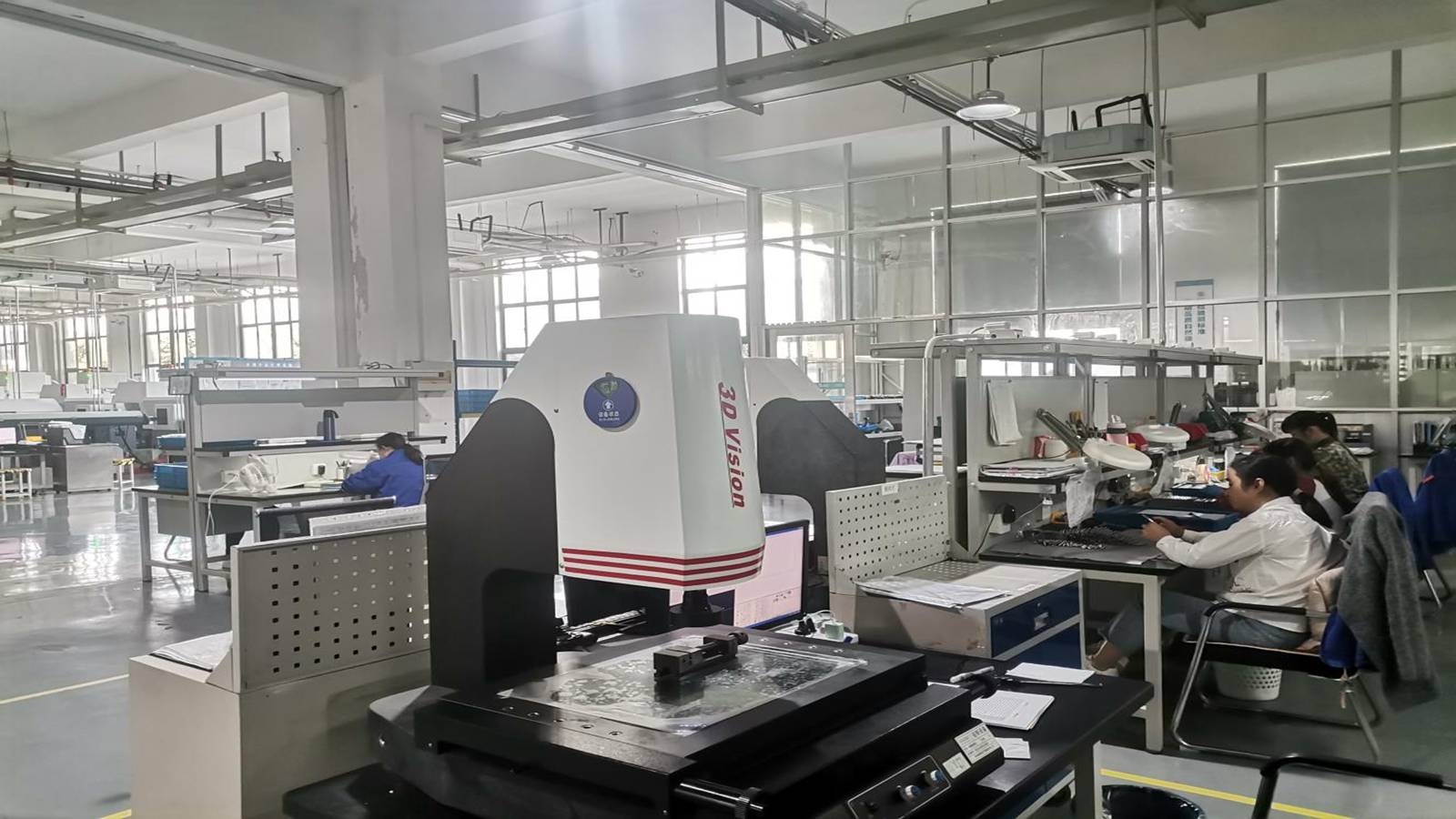
International distribution of Class III/IV medical devices requires flawless compliance. Our manufacturing infrastructure is backed by **ISO13485**, **EN ISO 13485**, **MDSAP**, and **CE MDR** certificates. Every single pedicle screw undergoes comprehensive coordinate measuring machine (CMM) testing, surface analysis, and destructive testing to ensure absolute reliability in clinical applications.
Global Medical Exporting Experience
Advanced Production & R&D Floor Space
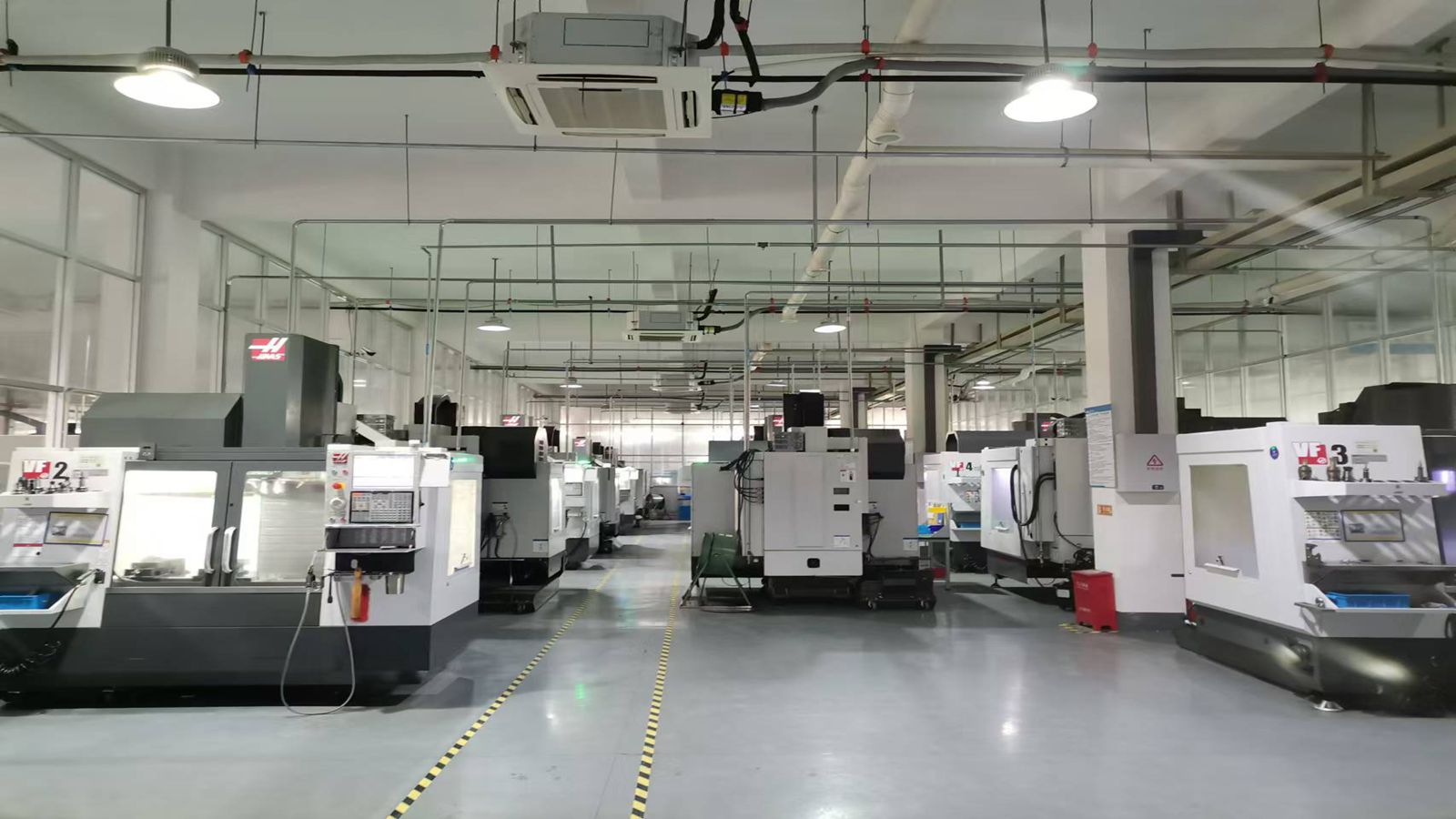
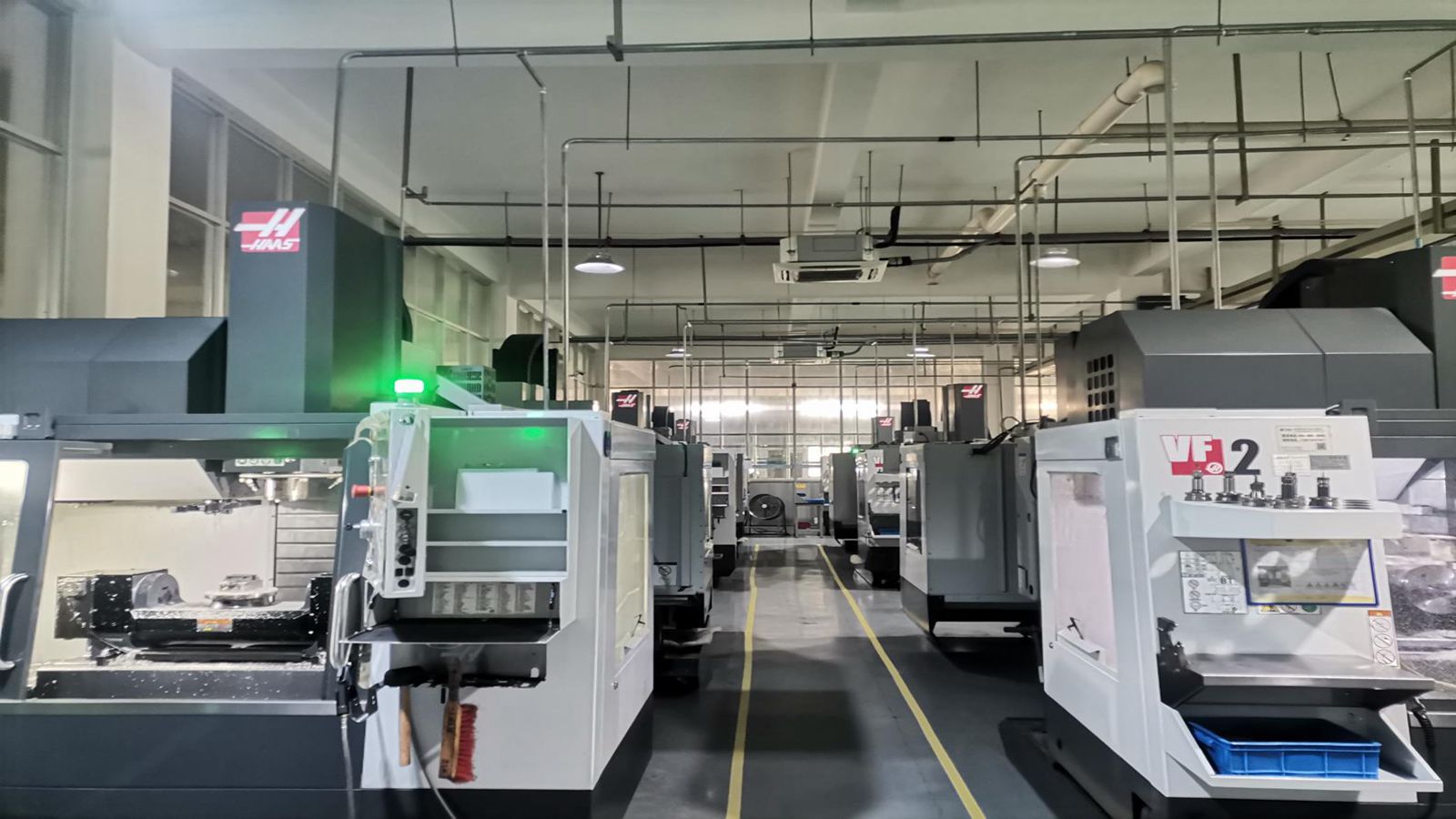
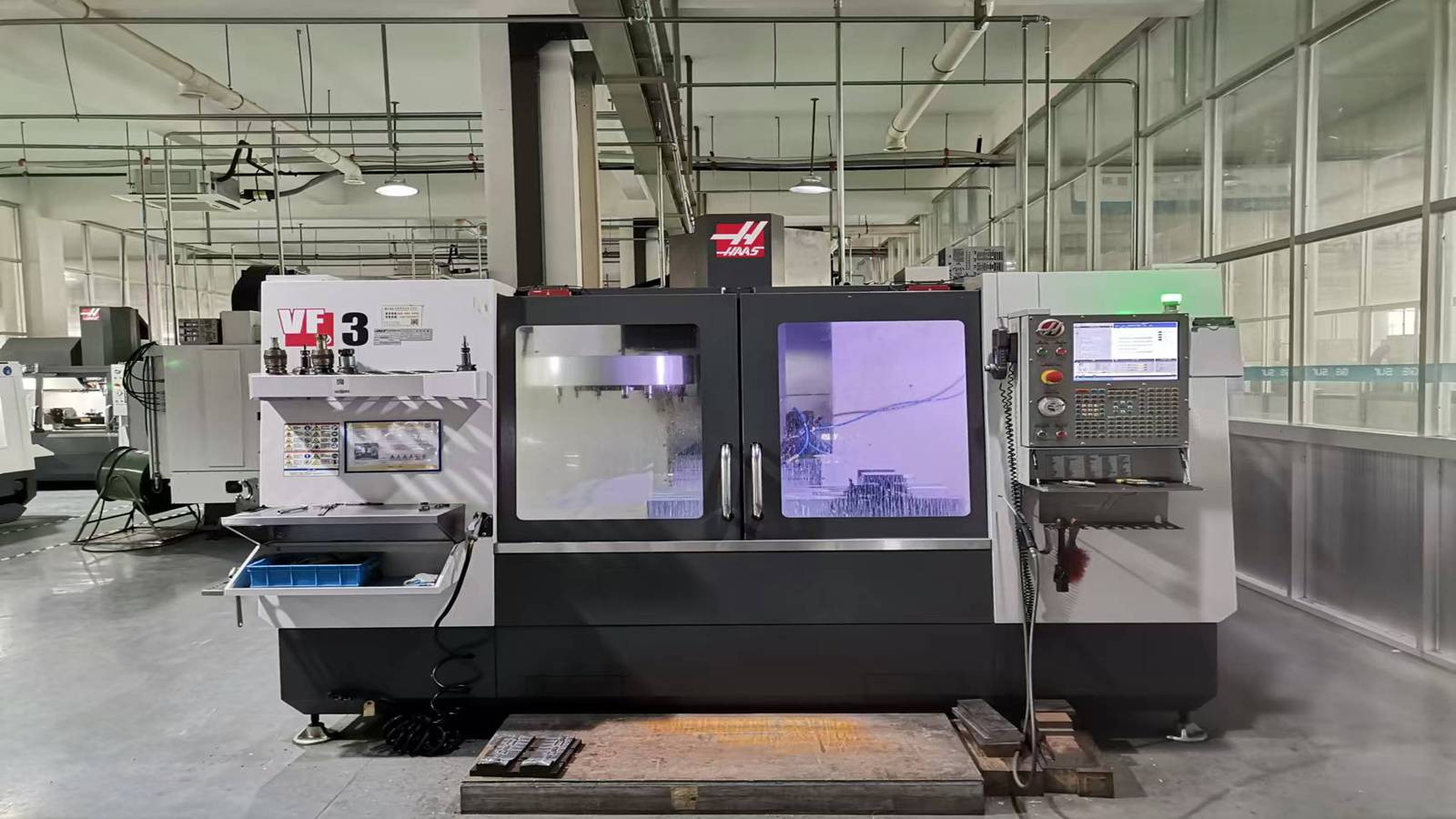
High-Precision CNC Machining Centers
Dedicated QA/QC Control Inspectors
Pedicle screws are mechanical components that require high fatigue limits, optimal grip force, and low profile layouts to minimize soft tissue agitation. Our R&D team works with high-grade Titanium Alloy (Ti-6Al-4V ELI) to build monoaxial and polyaxial pedicle screws that secure the vertebrae without yielding to spinal biomechanical loads.
Our designs incorporate **dual-lead threads** to double the insertion rate, **cancellous-to-cortical thread transition** for superior pullout strength, and a **friction-fit head** to allow seamless rod capture during complex alignment operations.
Ensuring reliable operation and patient integration in leading Japanese healthcare centers and public medical institutes.
Applied extensively across geriatric medicine hubs in Tokyo. The polyaxial screw structure permits customized anatomical adjustment, stabilizing spinal motion segments to promote solid arthrodesis and relieve chronic compression pain.
For complex cases of adolescent scoliosis, adult spinal deformity, or burst fractures. The high yield strength of our titanium reduction screws enables surgeons to apply substantial corrective forces safely.
Designed with tight head tolerances to align with computerized navigation stars and robotic tracking guides widely utilized in Tokyo's smart surgical theatres.
10-year manufacturing history backed by global testing parameters and ISO/CE/MDSAP regulatory compliance.





A comprehensive inventory of orthopedic spine implants, reduction systems, and pediatric/adult monoaxial & polyaxial options.
Comprehensive reduction set designed for complex spinal alignment procedures.
View SpecsOptimized polyaxial angulation for variable anatomical placement.
View SpecsRigid monoaxial construct providing high mechanical stability.
View SpecsBulk hospital supply titanium alloy screws with consistent sizing tolerances.
View SpecsCost-efficient clinical solution certified for multi-level lumbar stabilization.
View SpecsPrecision-milled locking caps to eliminate set screw cross-threading.
View SpecsSpecially engineered thread pattern for enhanced bone purchase in neurosurgery.
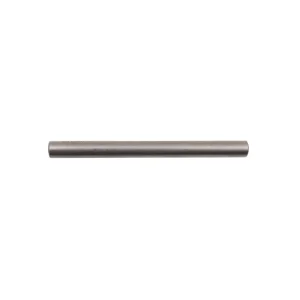
View SpecsRigid titanium rods ensuring uniform load distribution across spinal segments.
View SpecsEmbracing the fusion of additive manufacturing, surface functionalization, and navigation technology to optimize patient recovery.
Future spinal fixation depends on accelerating bone-implant integration. We are pioneering porous titanium interfaces utilizing Electron Beam Melting (EBM) and Selective Laser Sintering (SLS) systems. This matches the micro-porous structure of human cancellous bone, encouraging natural vascularization and bone ingrowth directly into the implant head and screw margins.
By integrating micro-sensors within hollow pedicle screw shafts, surgeons of the future will monitor post-operative mechanical strain and spinal fusion progress in real-time. Our Tokyo-based clinical research partnerships study how telemetry data can predict hardware failure or non-union before symptoms manifest.
To reduce long-term foreign body presence in pediatrics, we are actively testing magnesium-based alloys and bio-absorbable polymers. These structural compounds provide stable fixation during the crucial bone healing phase and gradually dissolve, leaving natural, functional bone tissue.
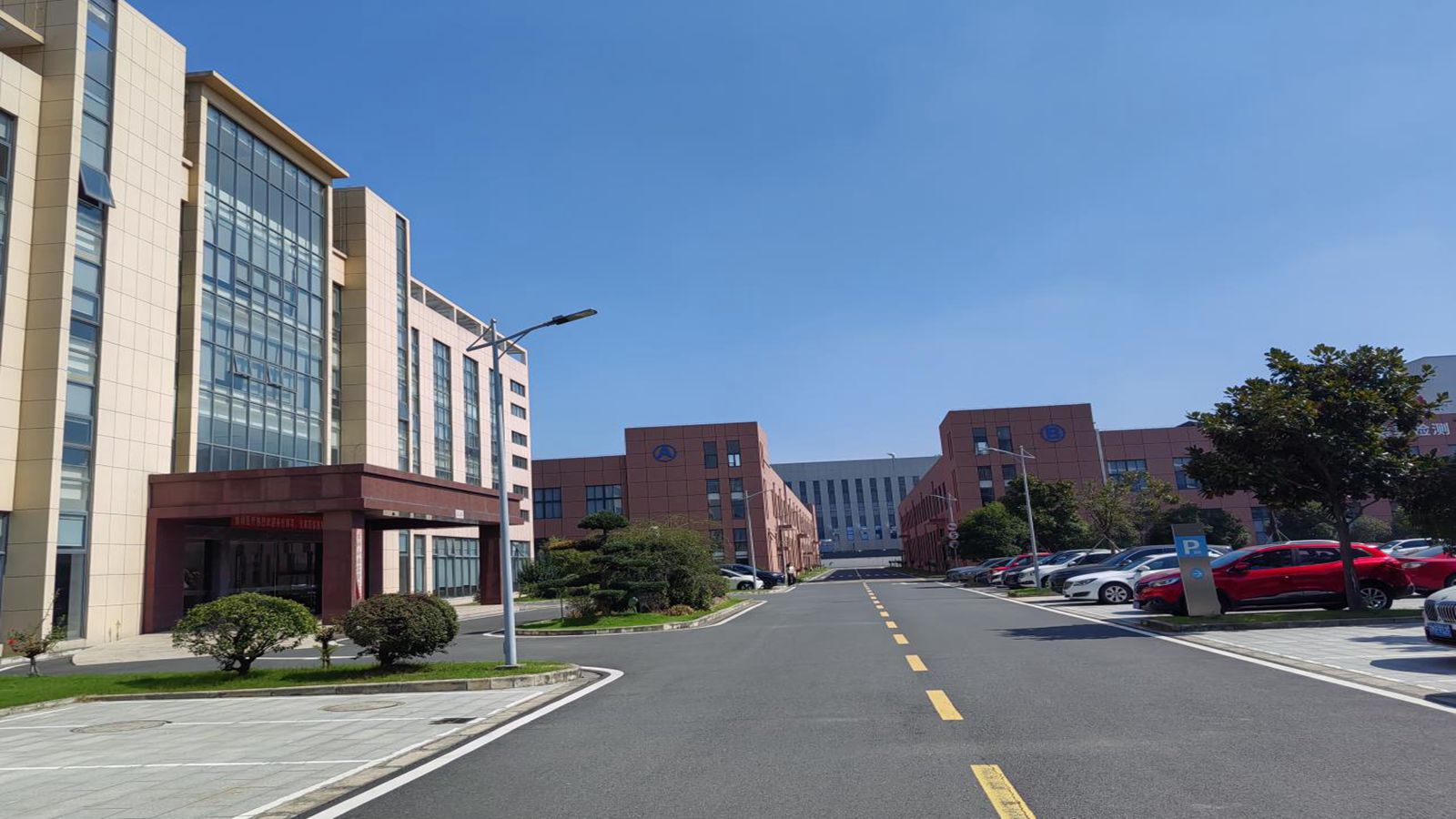
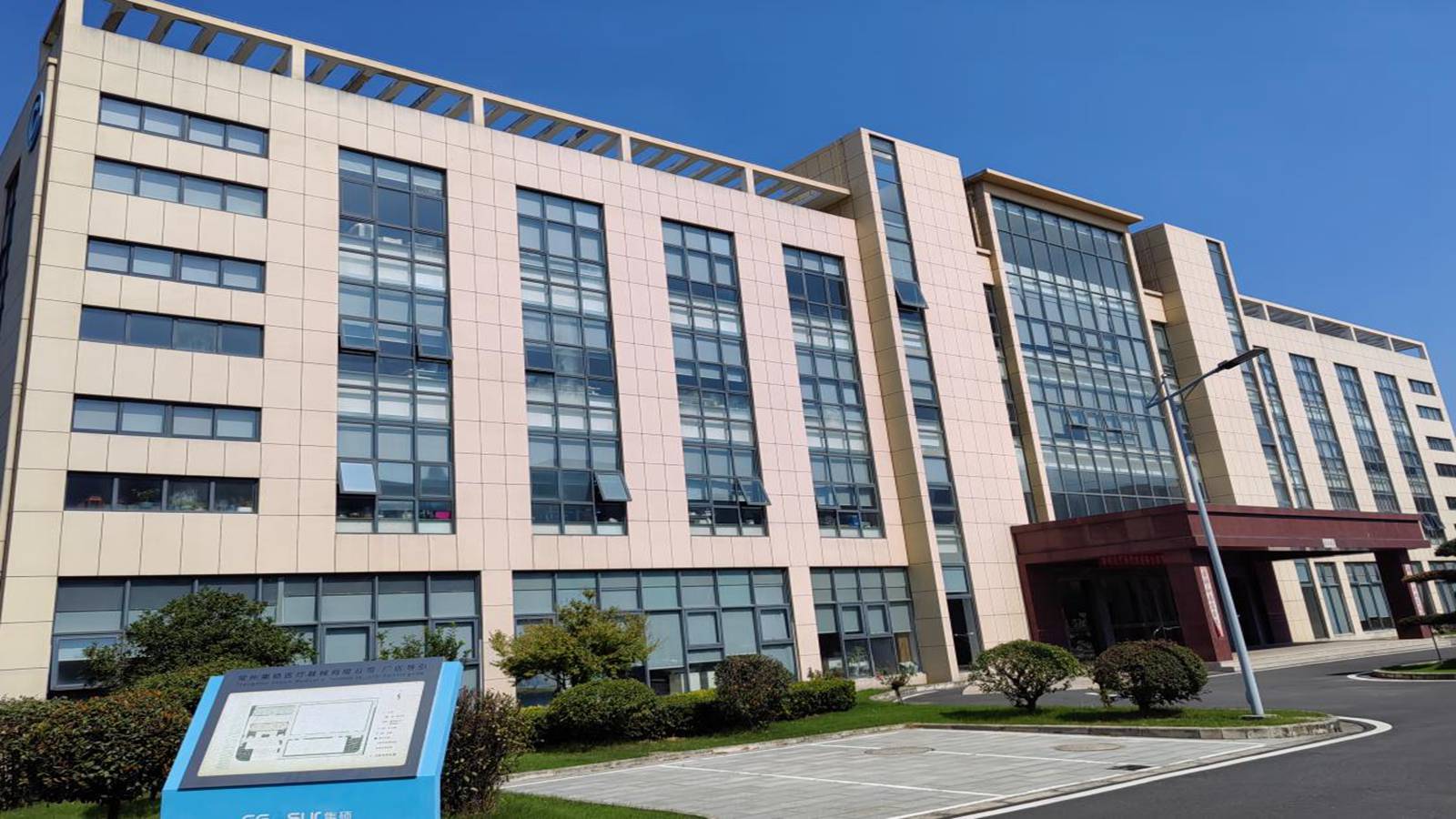
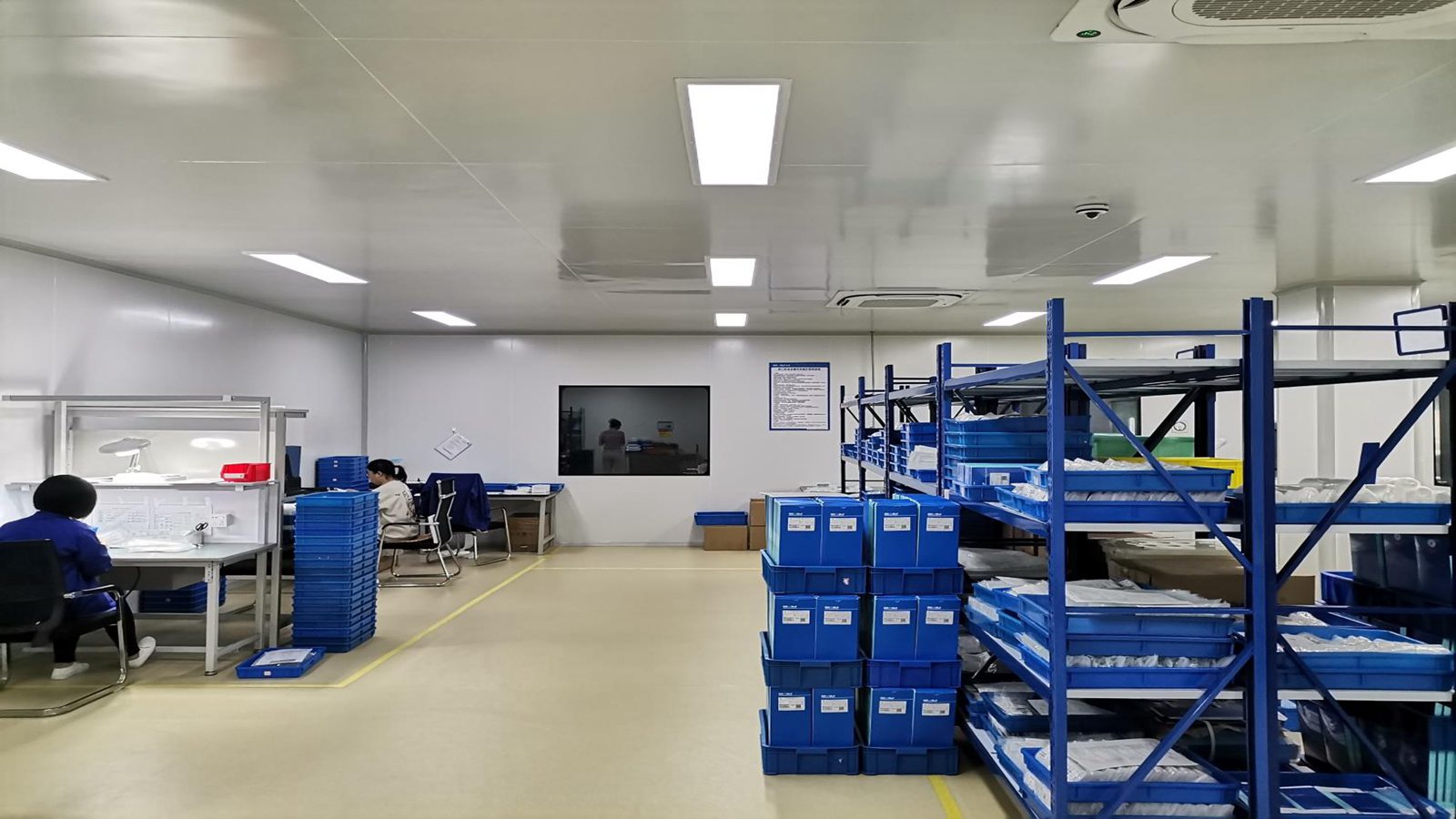
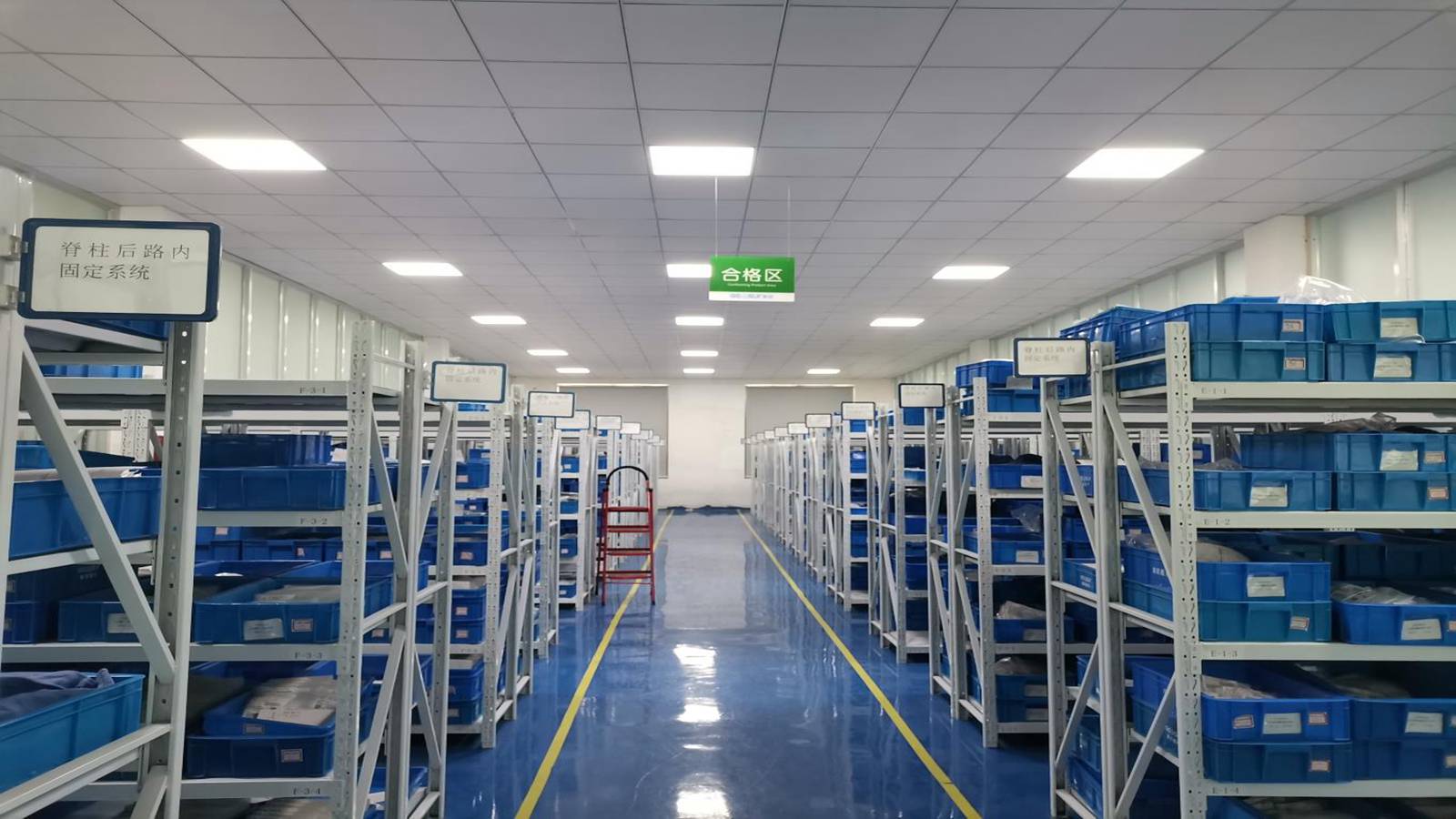
A closer look at our production capacity, certified testing labs, and warehousing logistics powering global medical distributions.
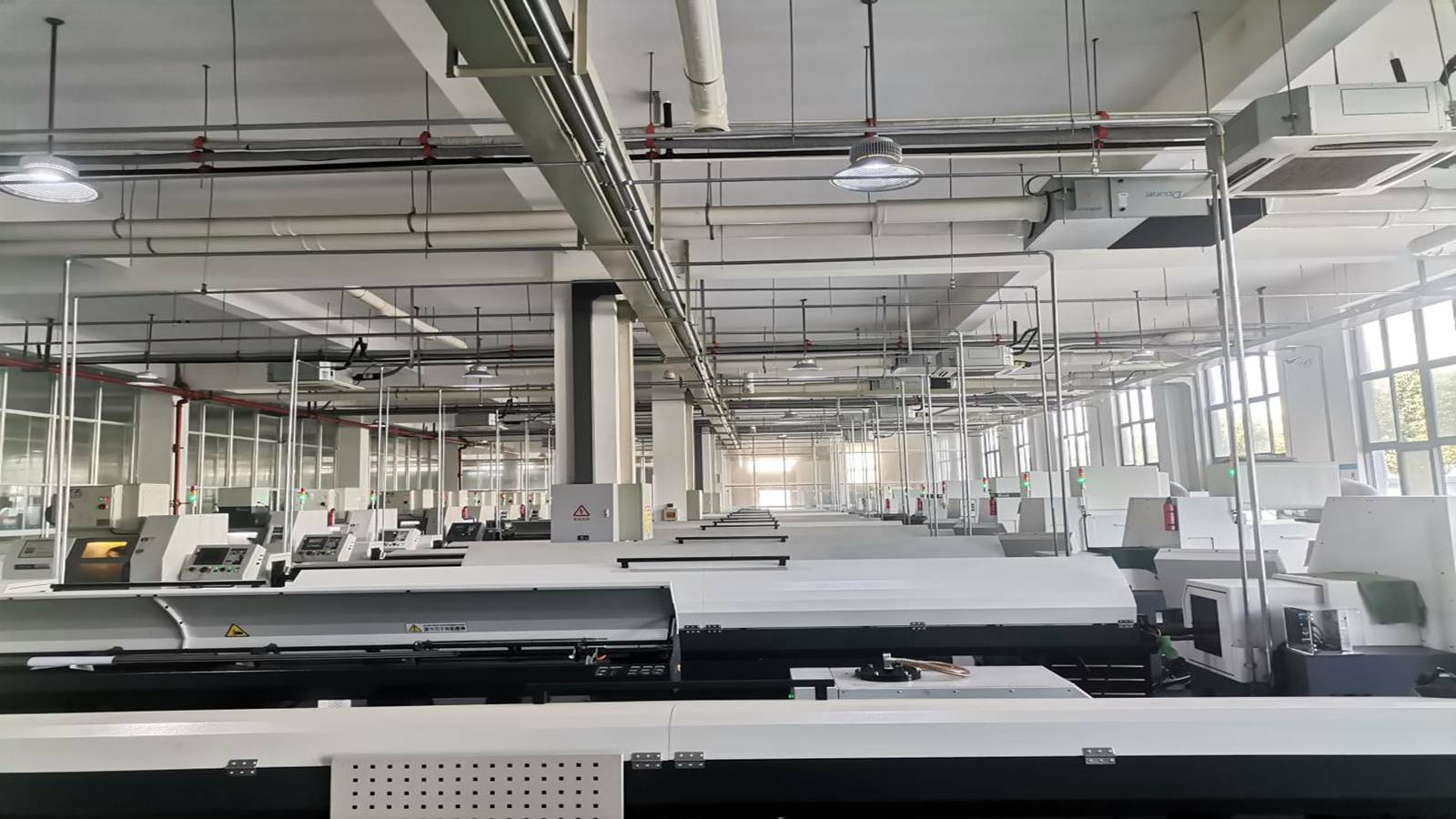
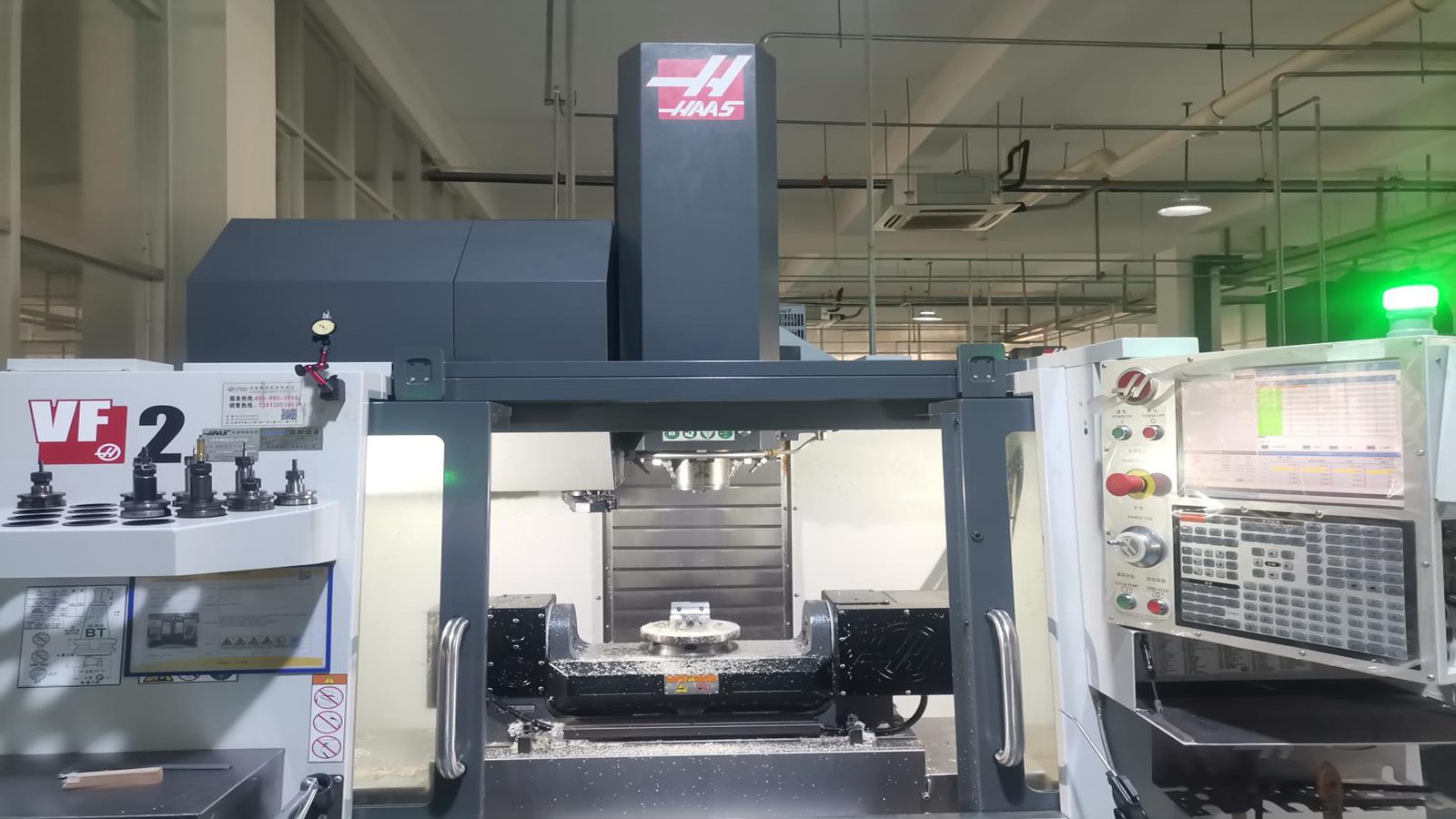
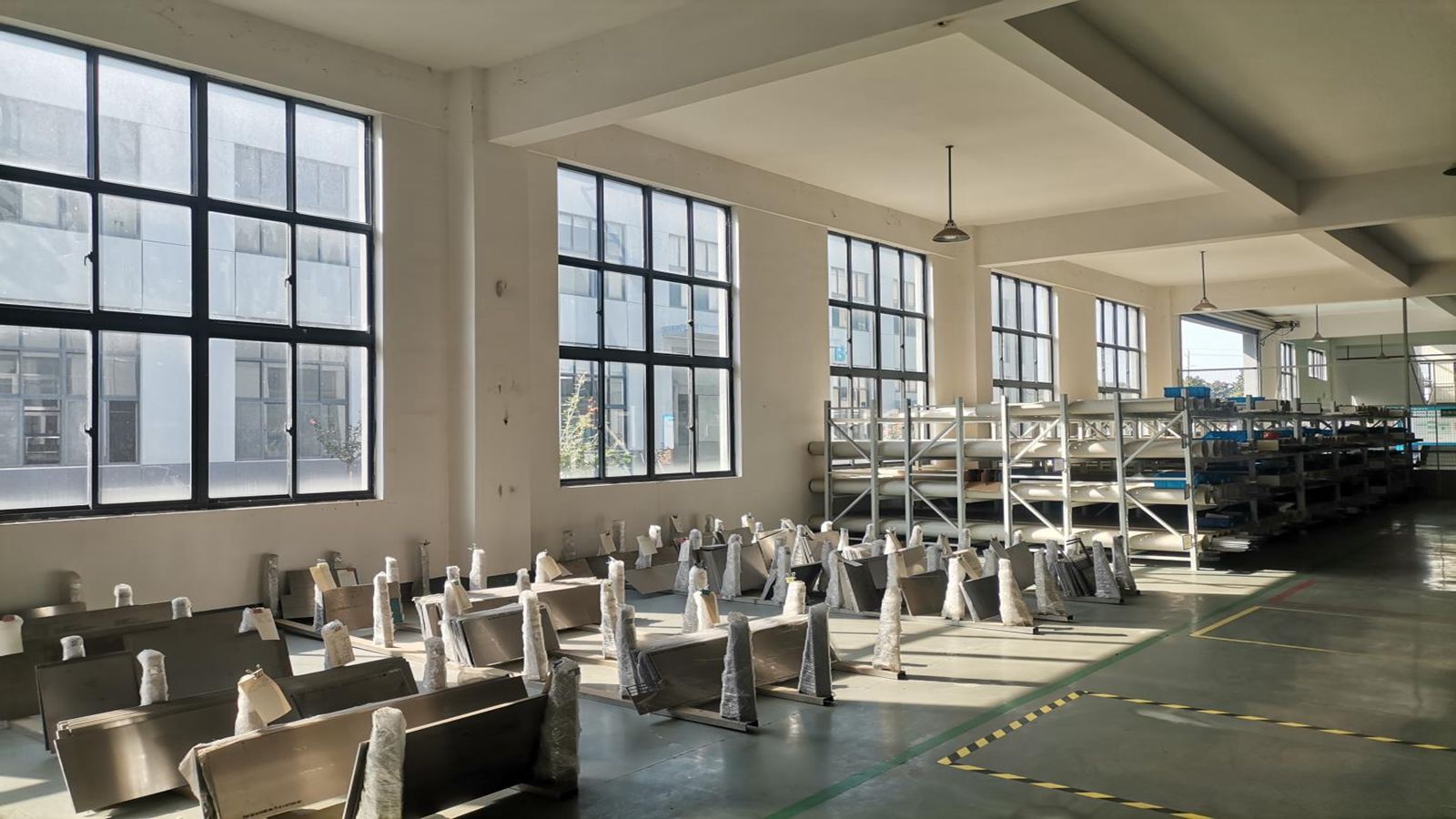
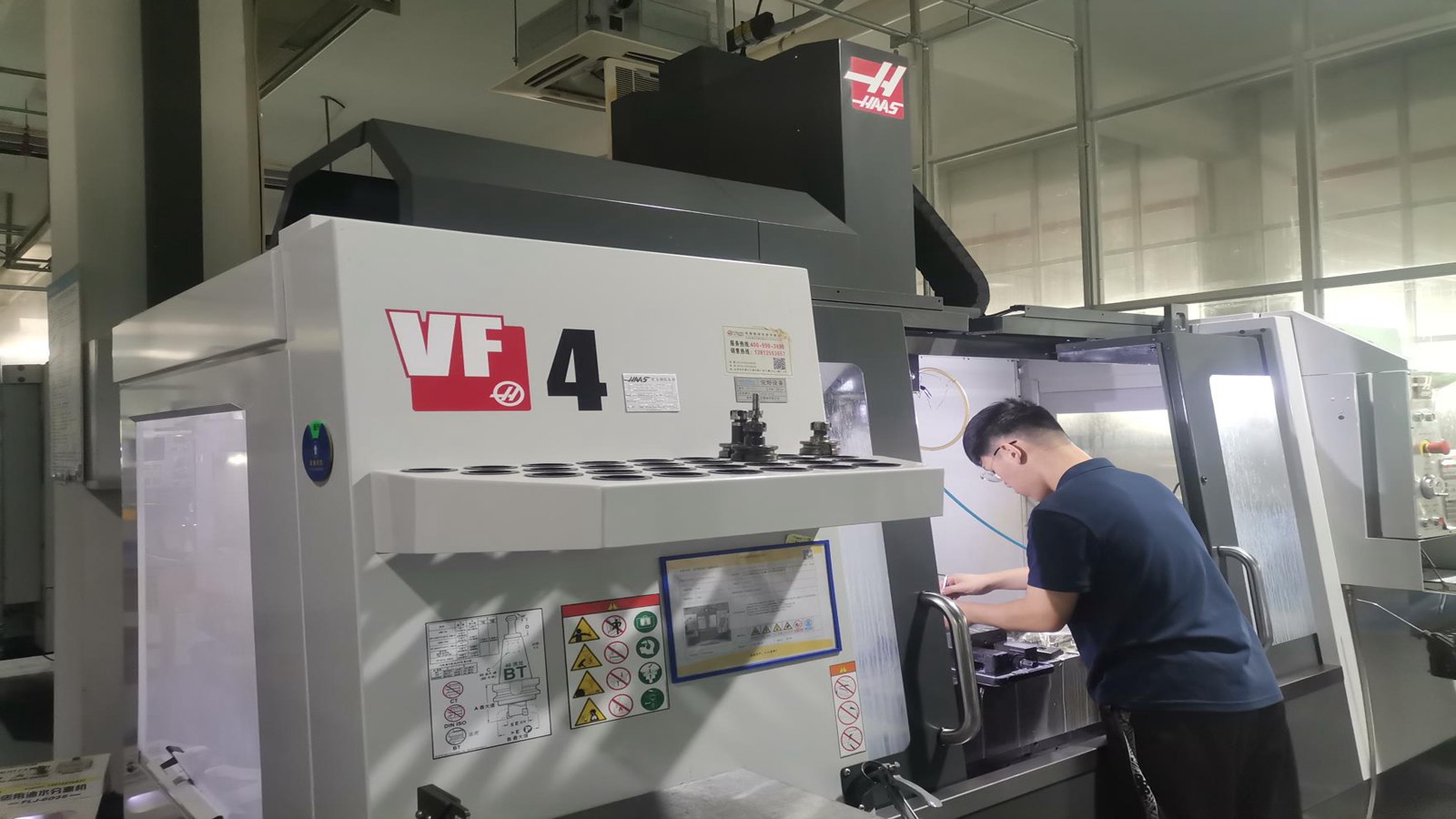
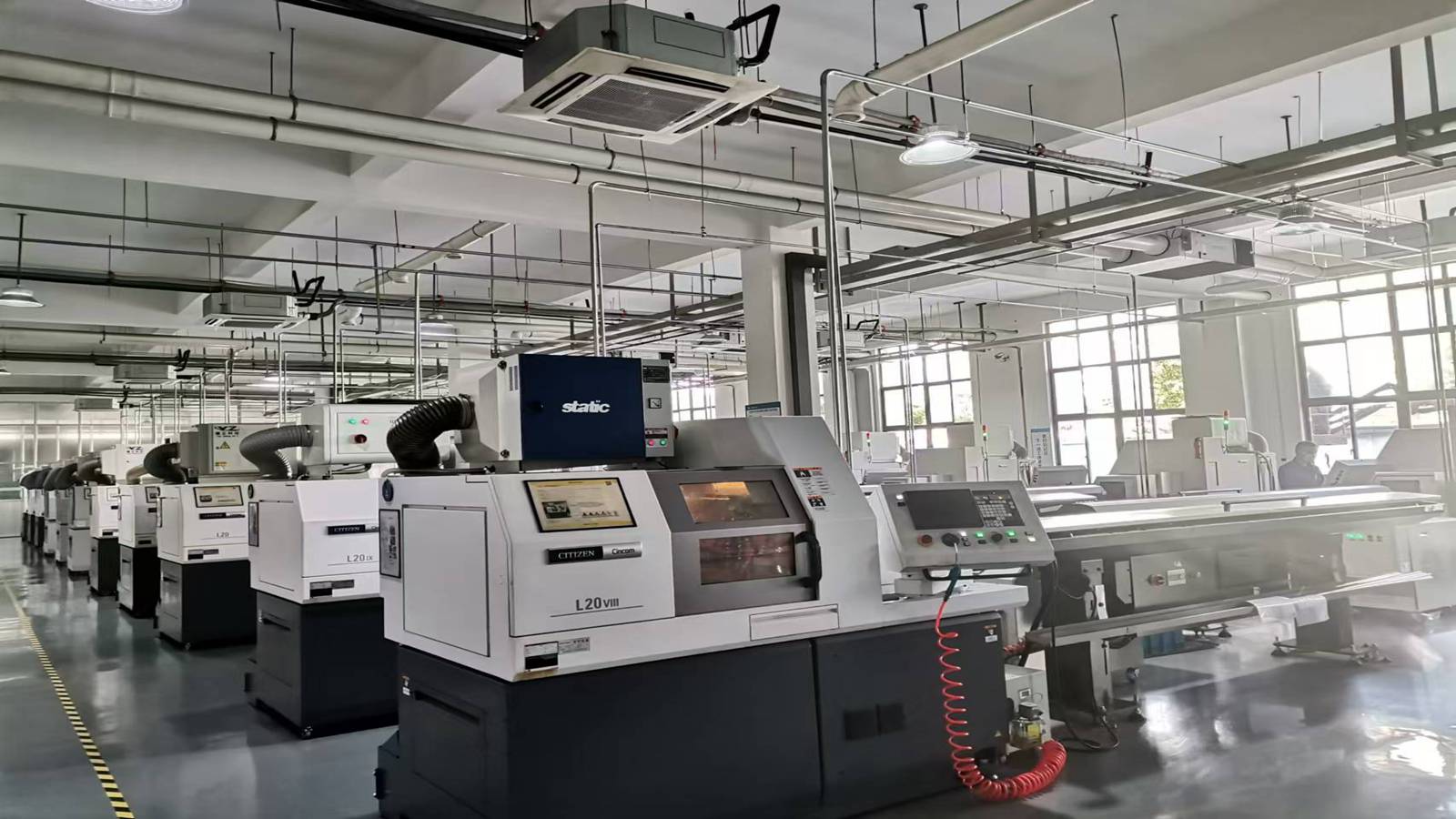
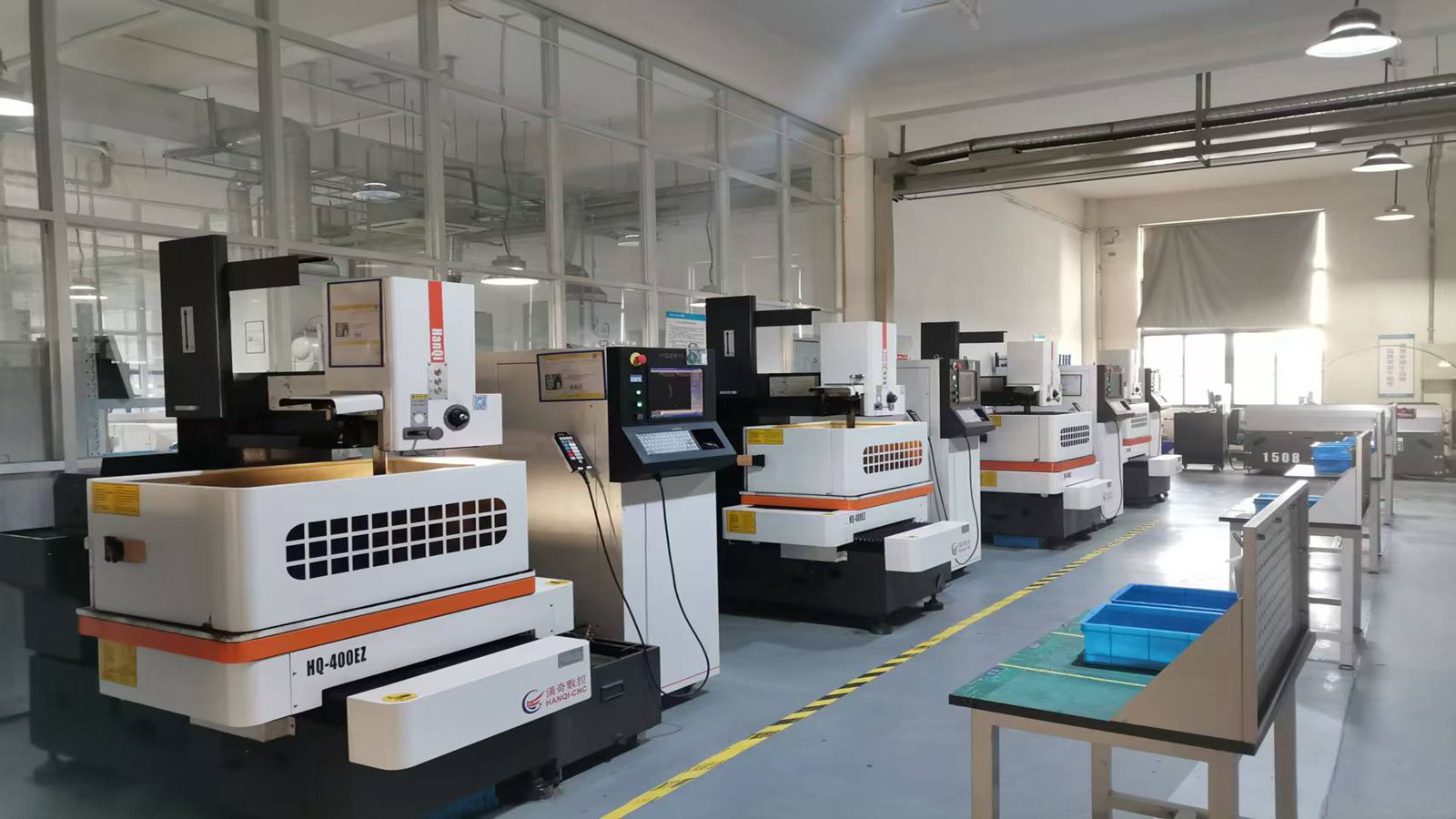
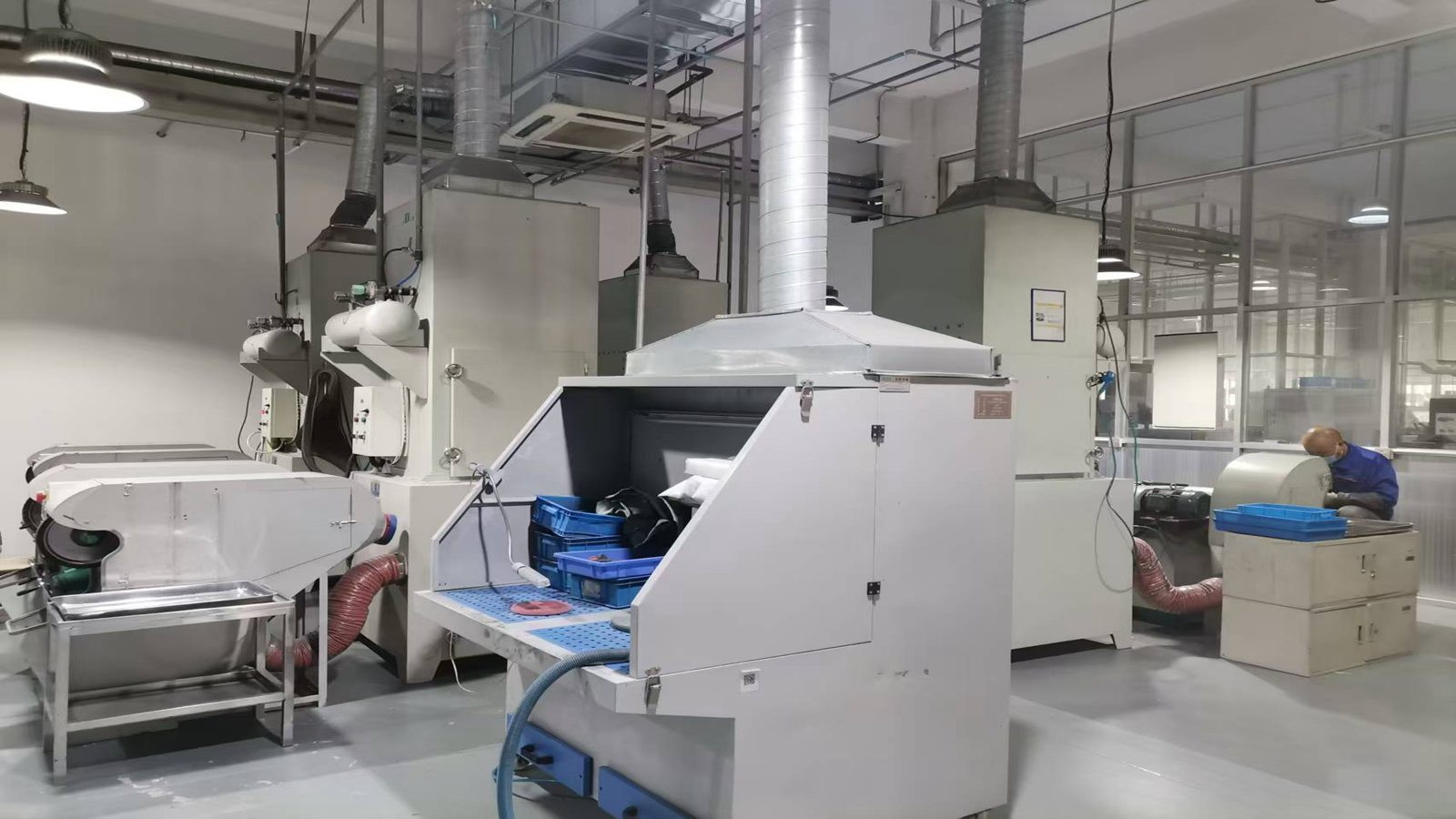
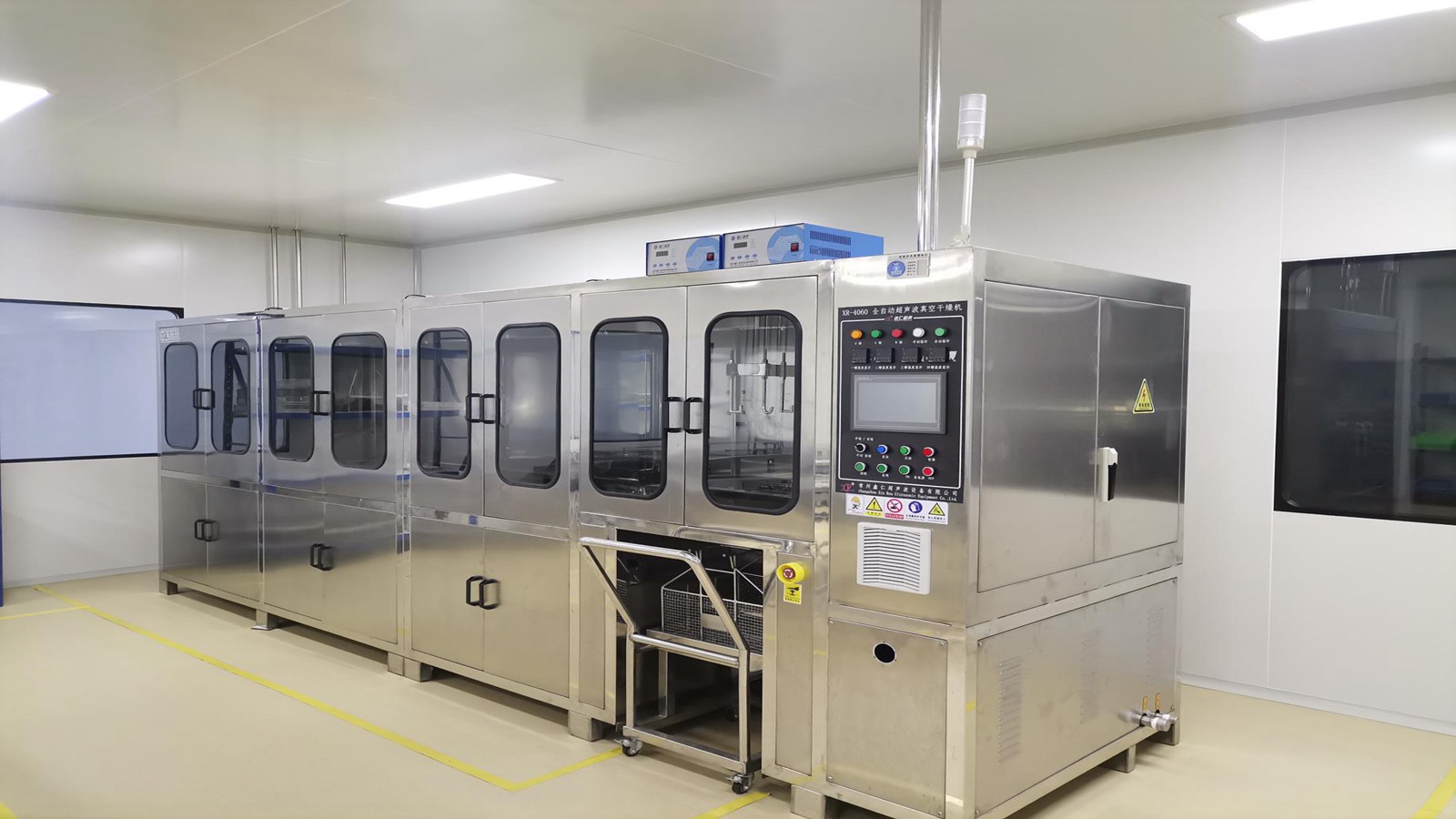
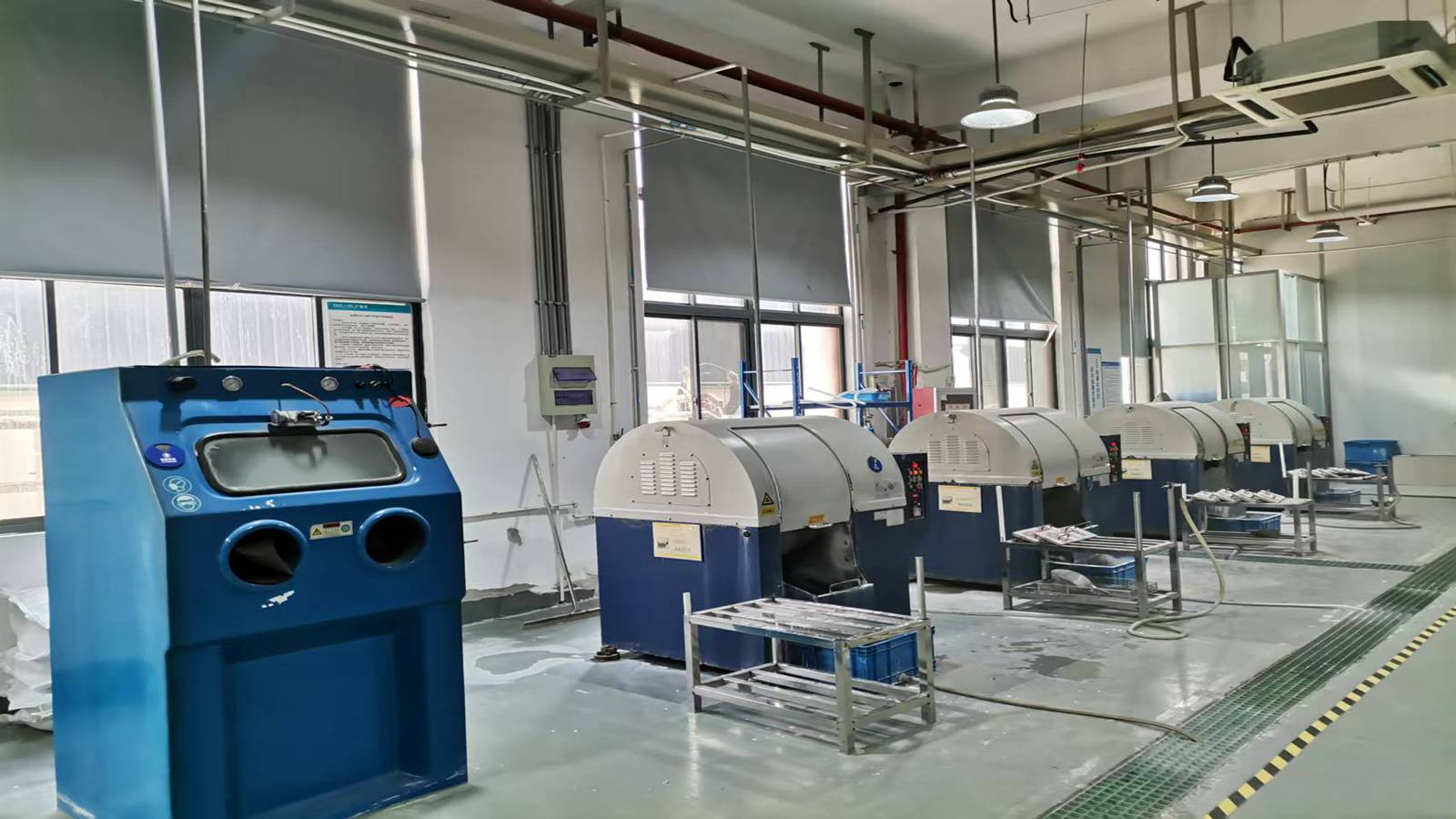
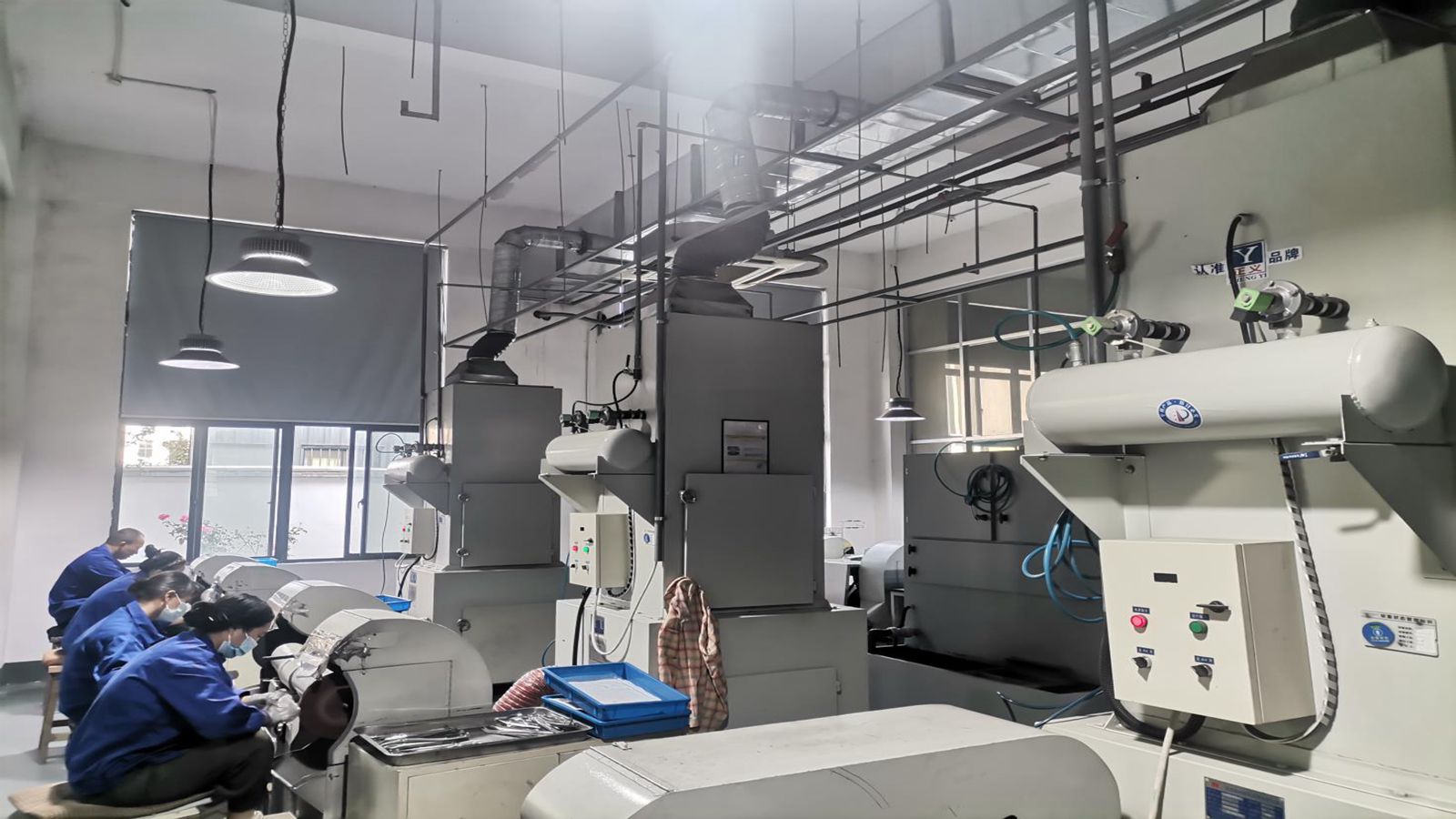
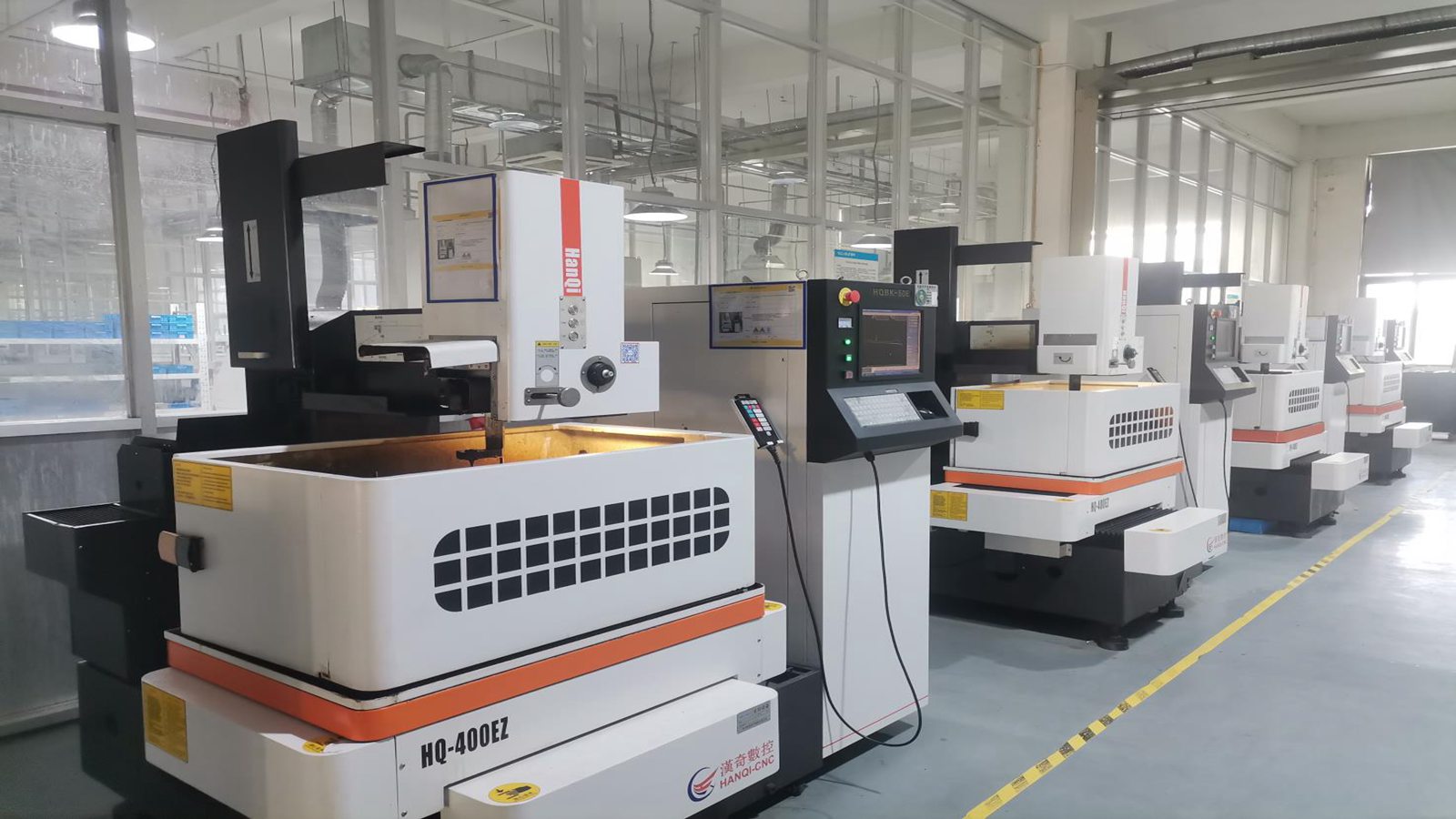
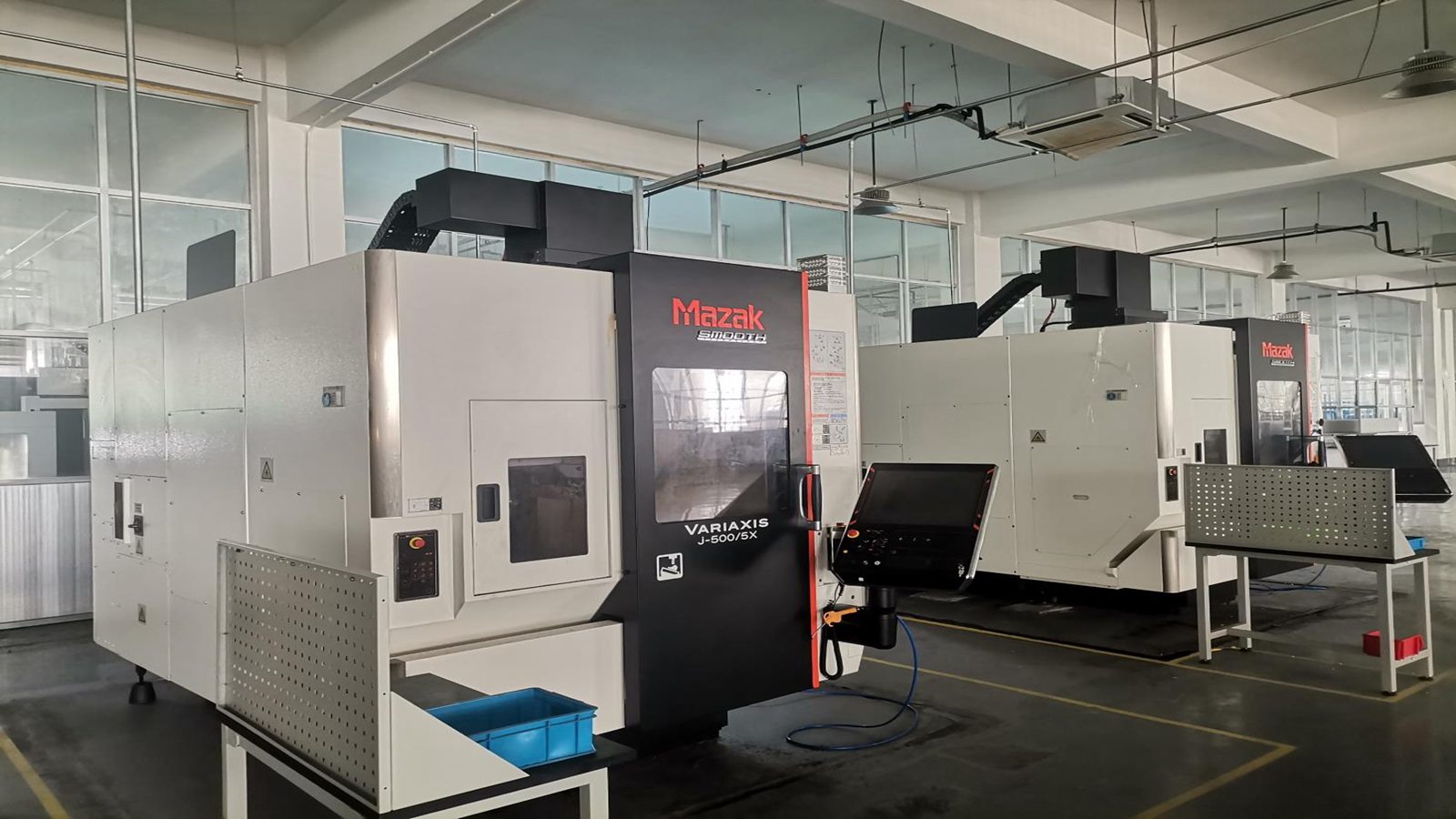
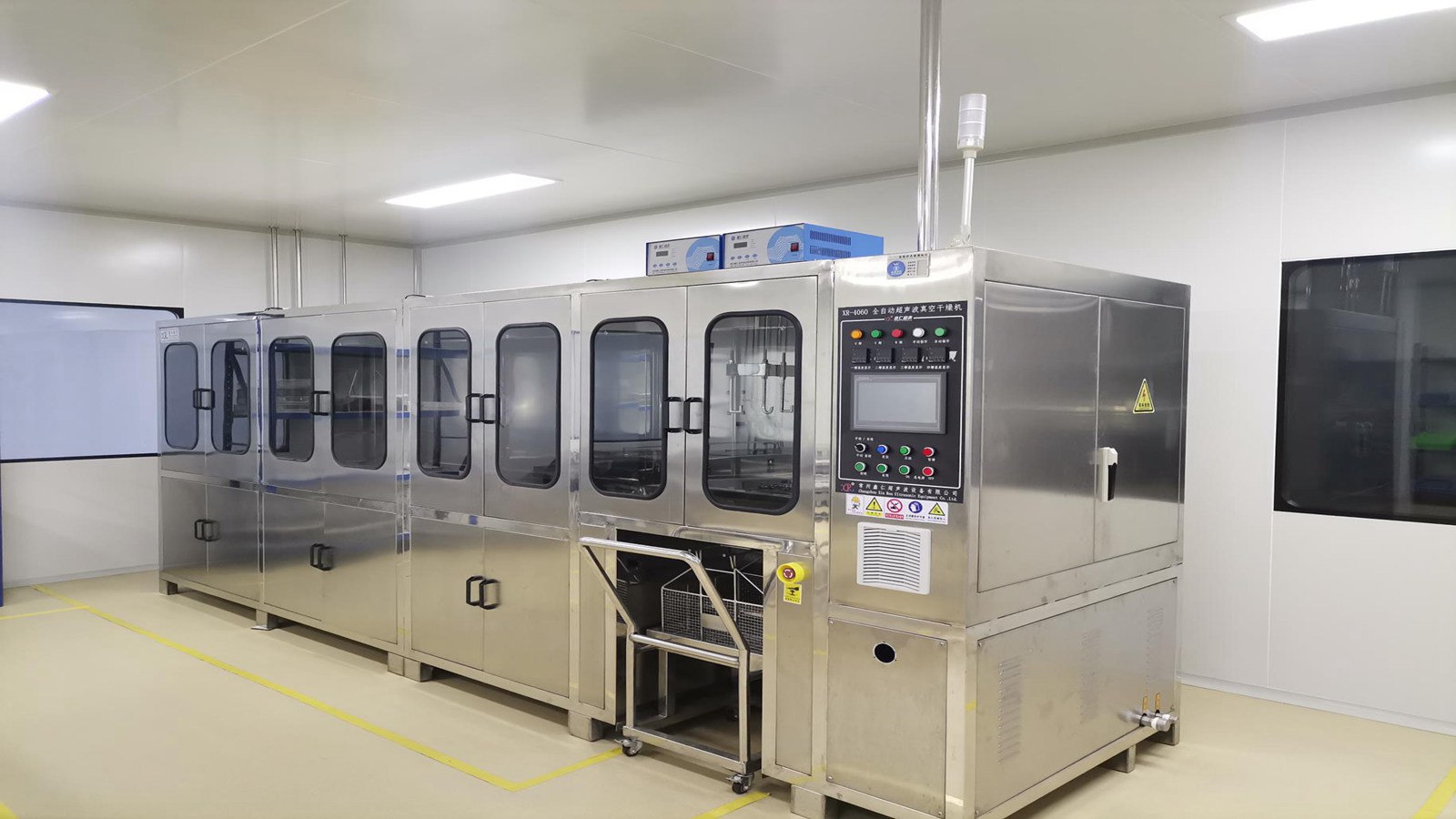
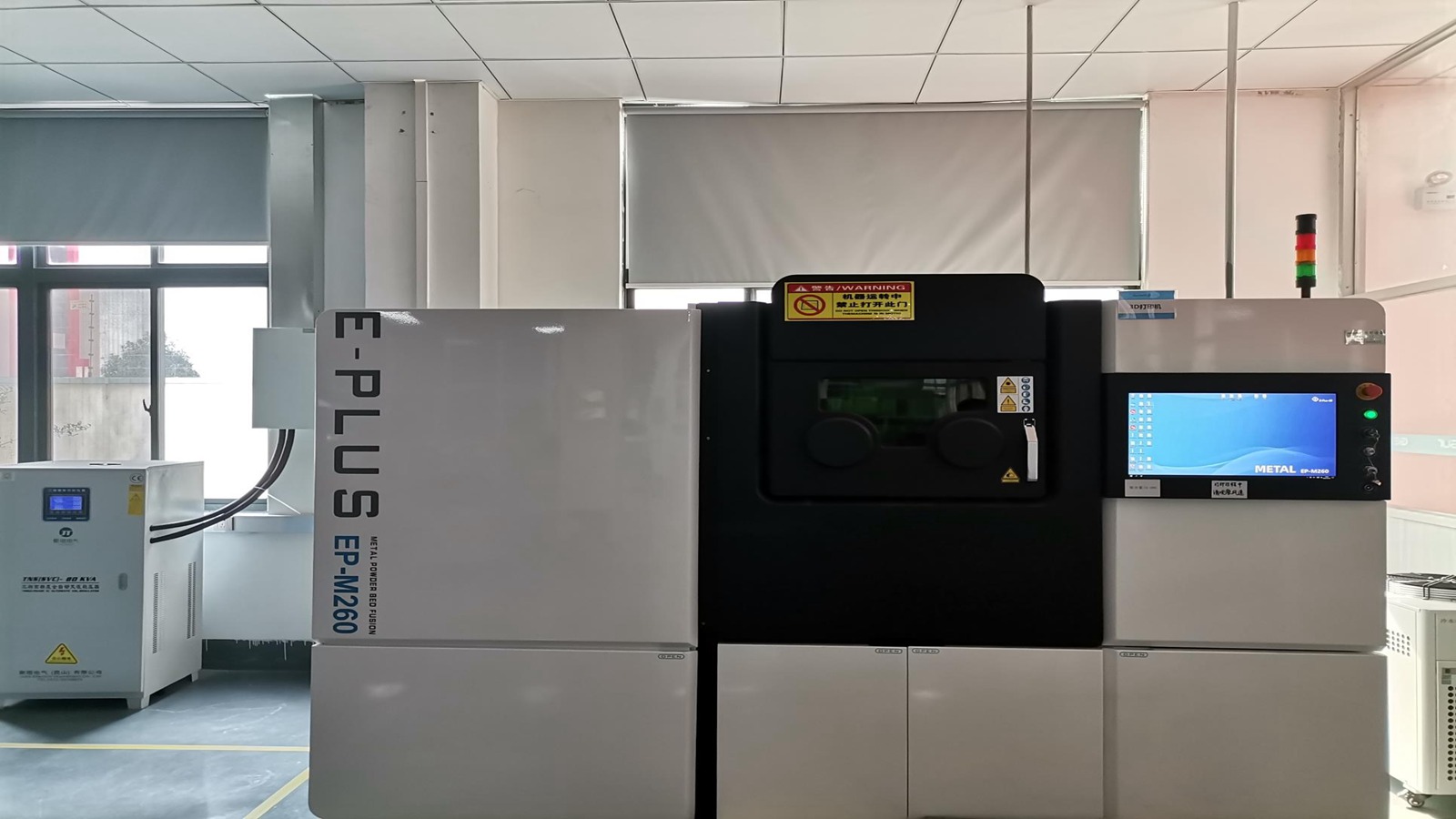
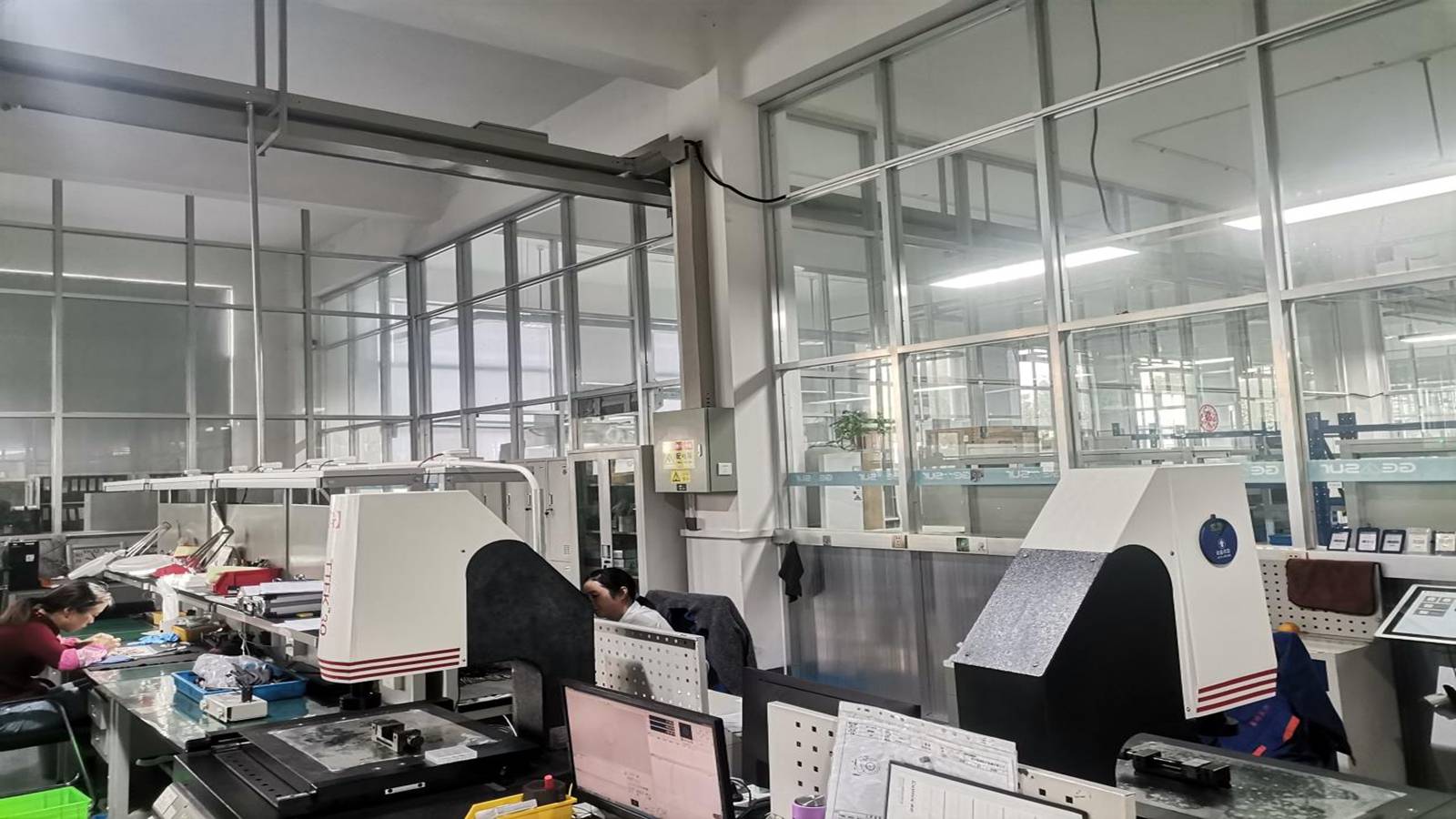
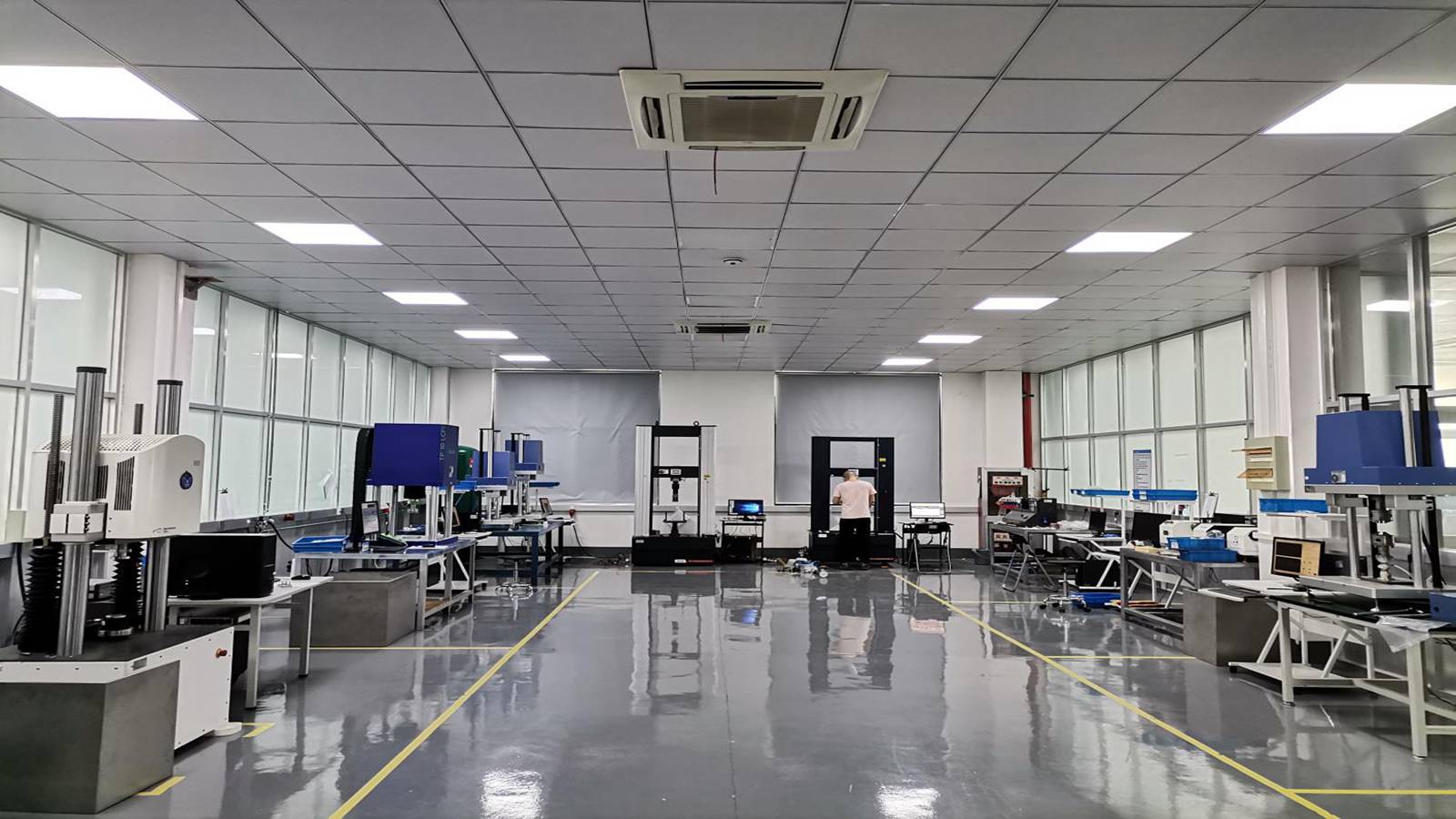
Essential technical and logistical answers for medical distributors, surgeons, and hospital procurement officers in Tokyo and internationally.
We source medical-grade Titanium Alloy (Ti-6Al-4V ELI) conforming strictly to ASTM F136 / ISO 5832-3. This material ensures optimal biocompatibility, outstanding corrosion resistance, and high fatigue limit, preventing hardware failure under severe in-vivo physiological stresses.
Yes, all of our manufacturing facilities hold MDSAP (Medical Device Single Audit Program), ISO 13485, and CE MDR certifications. We coordinate with local marketing authorization holders (MAH) in Tokyo to navigate PMDA Class III/IV registration, facilitating import clearance and clinical deployment.
Our polyaxial pedicle screws allow an angulation range of up to ±30 degrees. This modular flexibility permits the spinal surgeon to adjust the fixation rods easily across uneven vertebrae, reducing lateral displacement force and mitigating post-operative junctional kyphosis risk.
We support sample processing, graphic drawing custom blueprints, and specialized surface coatings (such as Hydroxyapatite or anodic oxidation). Our facility can customize packaging configurations to match specific hospital tray layouts or sterilizer specifications.
Depending on configuration complexity, raw material sourcing, and validation protocols, custom orthopedic implants are manufactured and delivered within 4 to 8 weeks. Stocked systems can be dispatched immediately from our central logistics hubs.
Need comprehensive dimensional drawings, clinical study reports, or customized OEM implant quotes? Get in touch with our engineers today.
Send Inquiry Now