Ease Medical Apparatus And Instruments
Ease Medical Apparatus And Instruments
Ease Medical Apparatus And Instruments
Engineered for high biomechanical stability, immediate load-bearing capabilities, and rapid surgical placement in emergency trauma centers.
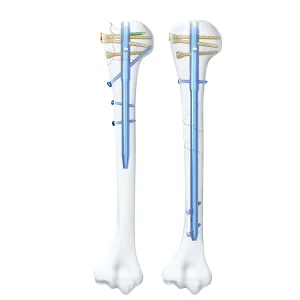
Analyzing demographic shifts, localized clinical requirements, and high-performance biomechanics.
Israel's medical system is globally recognized for its exceptional clinical standard, led by prominent institutional groups (HMOs) including Clalit, Maccabi, Meuhedet, and Leumit, alongside world-renowned research hospitals such as Sheba Medical Center and Ichilov Hospital (Tel Aviv Sourasky Medical Center). The country’s demographic curve shows an active, aging population, resulting in a rising clinical demand for trauma devices, joint revision solutions, and internal fixation systems.
Furthermore, Israel's geographical location and defense posture demand trauma response readiness. Orthopedic surgeons in local emergency departments require locking compression plates (LCPs) and intramedullary nailing systems that offer structural reliability under dynamic stress loads, ensuring immediate load-bearing capabilities and shortening operational time.
In highly demanding clinical applications such as osteoporotic bone fixation, structural failure is unacceptable. Our locking plate systems prioritize Medical Grade Titanium Alloy (Ti-6Al-4V ELI). This provides excellent biocompatibility, superior fatigue resistance, and an elastic modulus that closely aligns with human cortical bone, reducing the risk of stress shielding.
Request Material Test ReportsThe technological evolution of orthopedic locking plates from rigid fixation to biological micro-environment harmony.
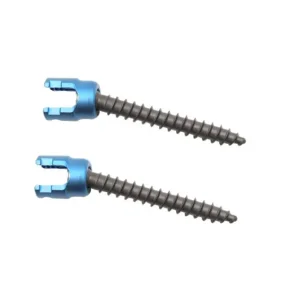
Currently standardizing anatomically pre-contoured plates. Polyaxial locking screws permit up to a 15-degree cone deviation, enabling surgeons to direct screws away from joint spaces and secure fragmented bone constructs with precise screw placement.
Implementing Type II Anodized surfaces for improved bone contact and corrosion resistance. Currently investigating antimicrobial silver-ion and polymer coatings that release localized antibiotics to minimize surgical site infections (SSI).
Integrating bio-absorbable magnesium alloys that degrade safely as the bone regenerates, removing the need for a secondary implant removal surgery. Additionally exploring sensor-embedded plates for real-time load feedback.
As Israel acts as an incubator for global digital health, our manufacturing processes integrate advanced technology, linking product QR codes directly to manufacturing batch documents. This facilitates quick tracking and integration with hospital Electronic Health Records (EHR).
Customized surgical kit configuration and streamlined logistics workflows for trauma facilities.
| Service Attribute | Standard Factory Output | Israeli Healthcare Requirements |
|---|---|---|
| Plate Contouring | Standard anatomical geometries | Pre-bent for typical Middle-Eastern anthropometric datasets |
| Screw Interlock | Monoaxial / fixed-angle option | Variable angle (polyaxial) 2.4mm/3.5mm/5.0mm systems |
| Kits Configurations | Bulk packaged components | Sterile individual packaging / rapid-reload modular trays |
| Regulatory Verification | Factory COC (Certificate of Conformance) | MDR CE certificate + full traceability files for AMAR |
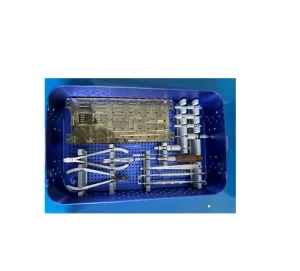
We provide full-scope implant systems that address clinical and operational challenges. Managing inventory across various surgical departments can lead to inefficiencies; to resolve this, we provide customizable, modular locking plate screw racks that match specific clinical demands.
Whether configuring small fragment plates for distal radius fractures or large fragment plates for femur reconstructions, our surgical instrument kits are manufactured from premium, autoclavable stainless steels and high-performance plastics (PPSU). These kits are designed to withstand repeated steam sterilization cycles, supporting rapid surgical prep times.
Meeting the regulatory demands of the Israeli Ministry of Health (AMAR) and European Union Medical Device Regulation (EU MDR).
Exporting orthopedic medical devices to Israel requires strict compliance. The Israeli Ministry of Health (MOH) regulates these through the AMAR division. AMAR relies on approvals from recognized global regulators, particularly European Union CE marks under the current Regulation (EU) 2017/745 (MDR).
We provide comprehensive support for this process by supplying documentation directly to local Israeli importers and distributors, including:
• Valid EU MDR Certificates issued by recognized notified bodies (e.g., Notified Body 0472).
• Complete EN ISO 13485:2016 and MDSAP (Medical Device Single Audit Program) compliance documents.
• Raw material certificates showing conformance with ASTM F136 / ISO 5832-3 standards.
• Clinical evaluation reports (CER), biocompatibility study logs (ISO 10993), and sterilization validation data.




Combining automated manufacturing with strict quality assurance to support consistent global delivery.
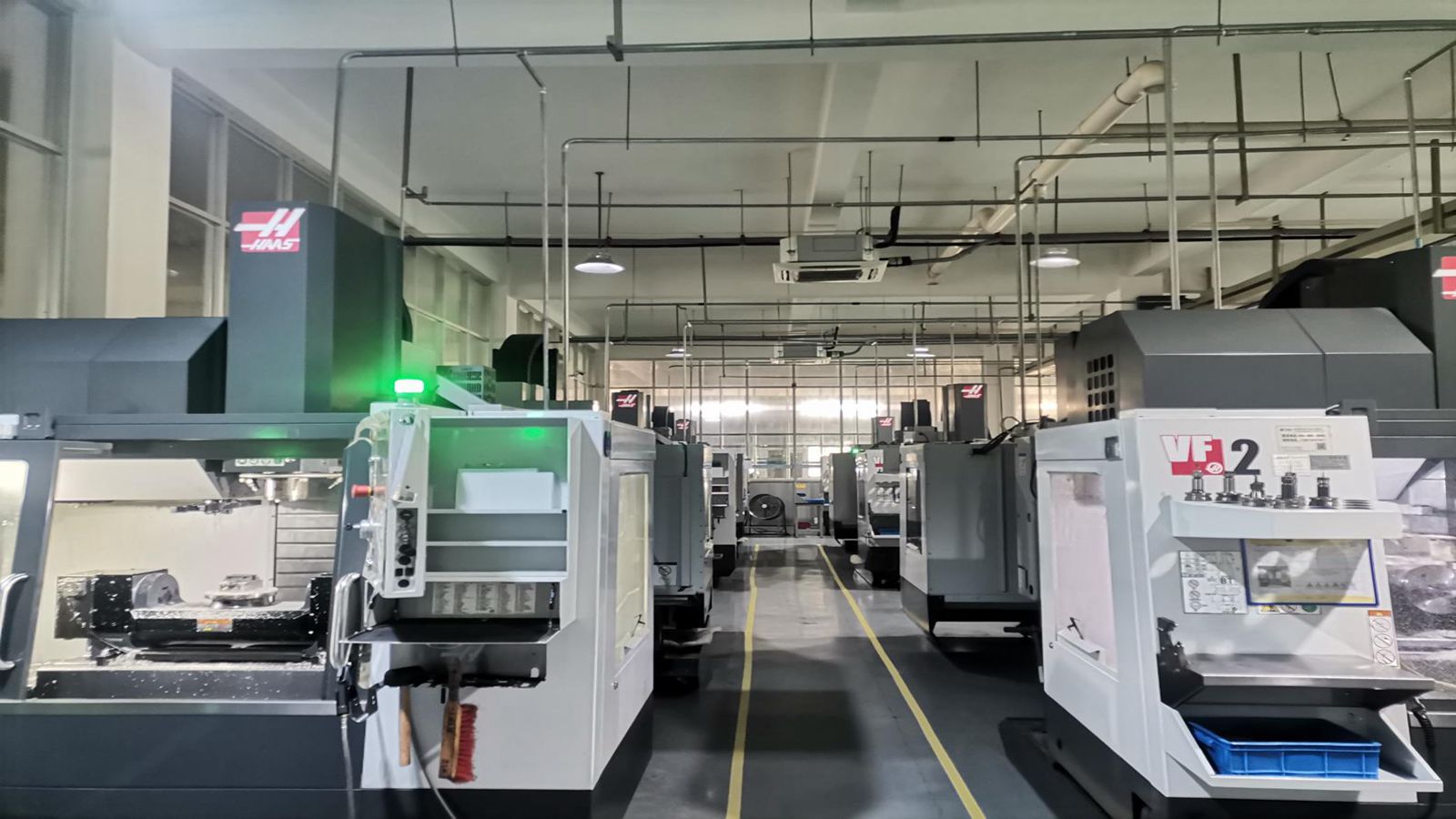
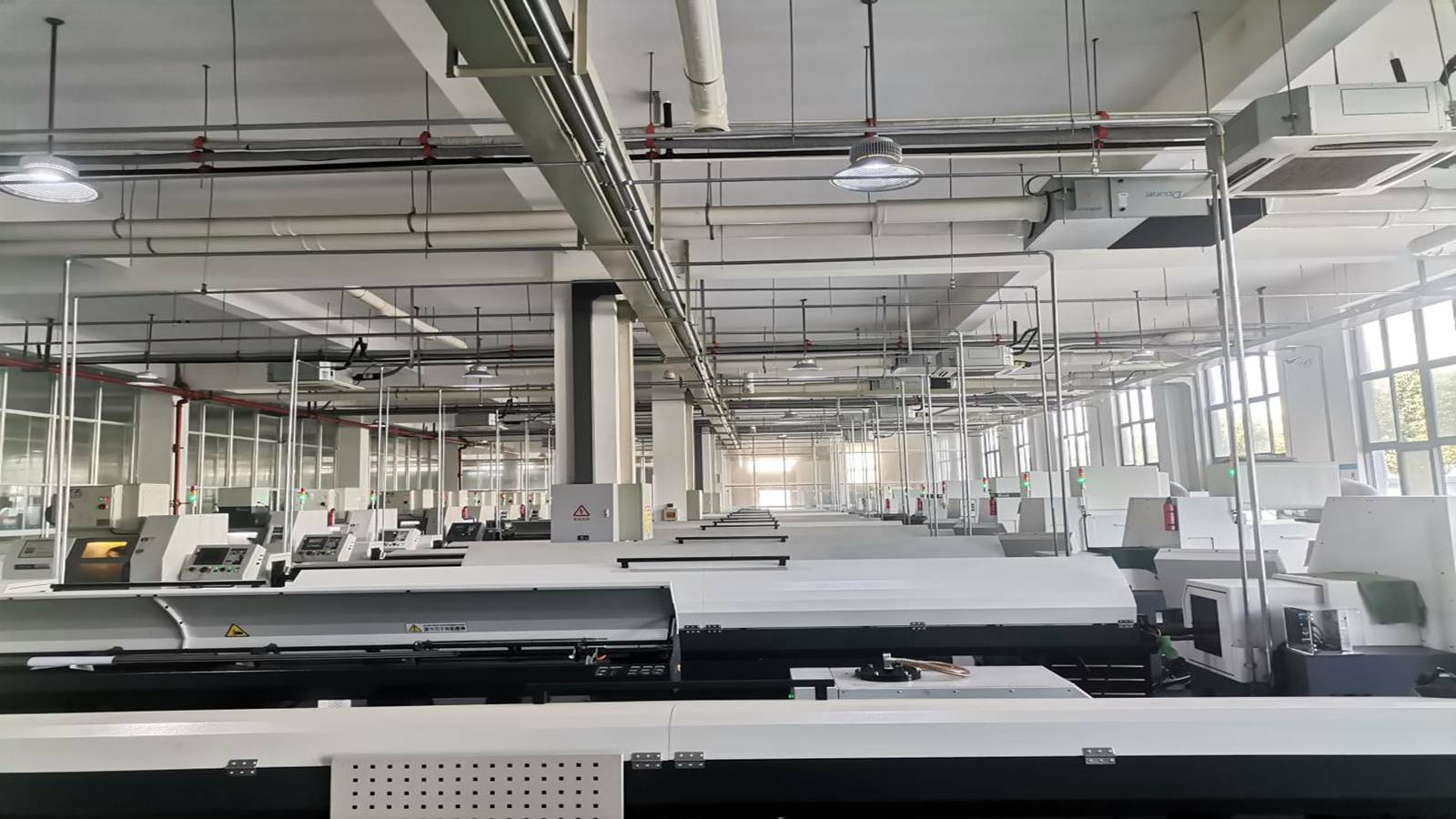
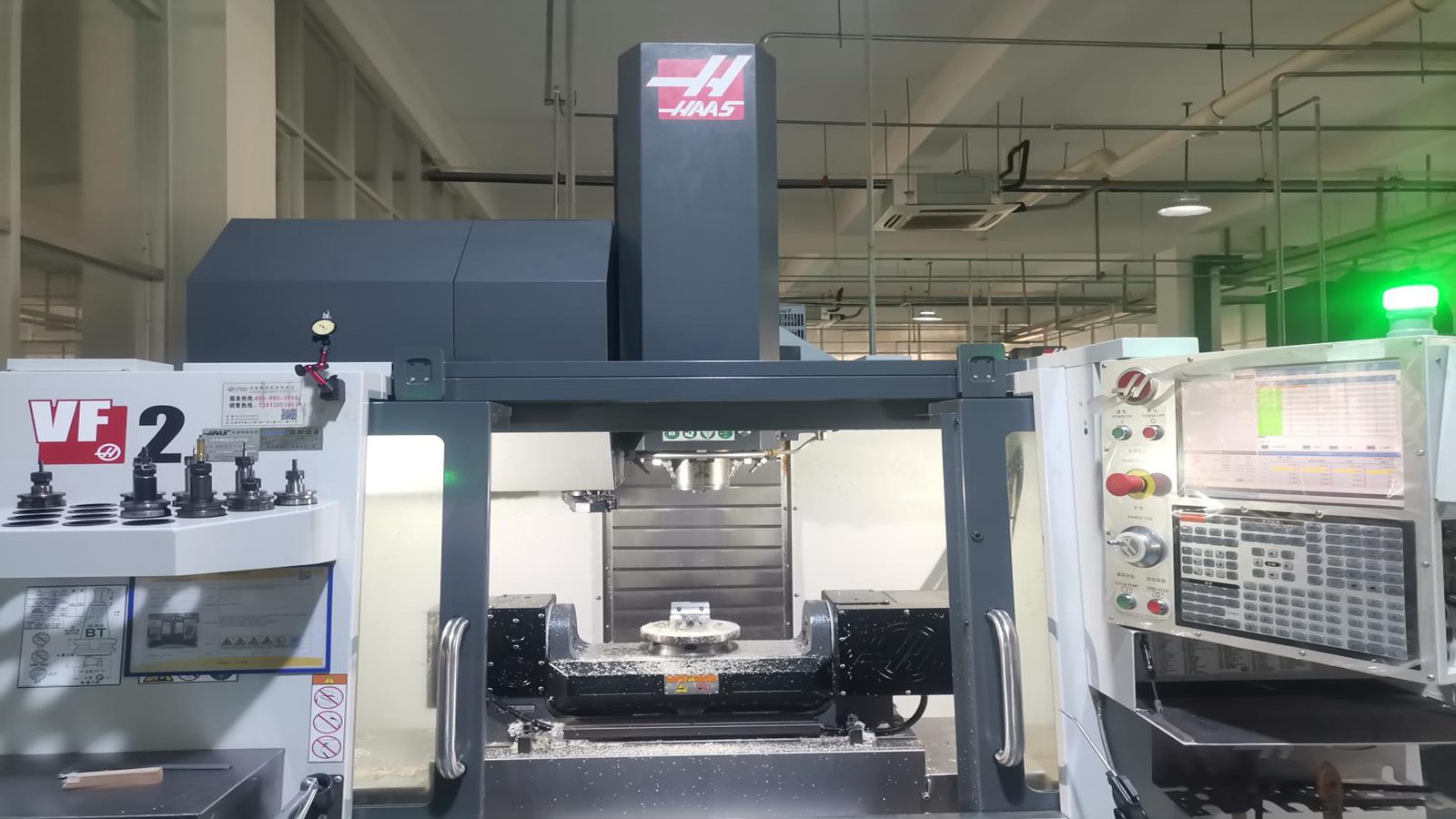
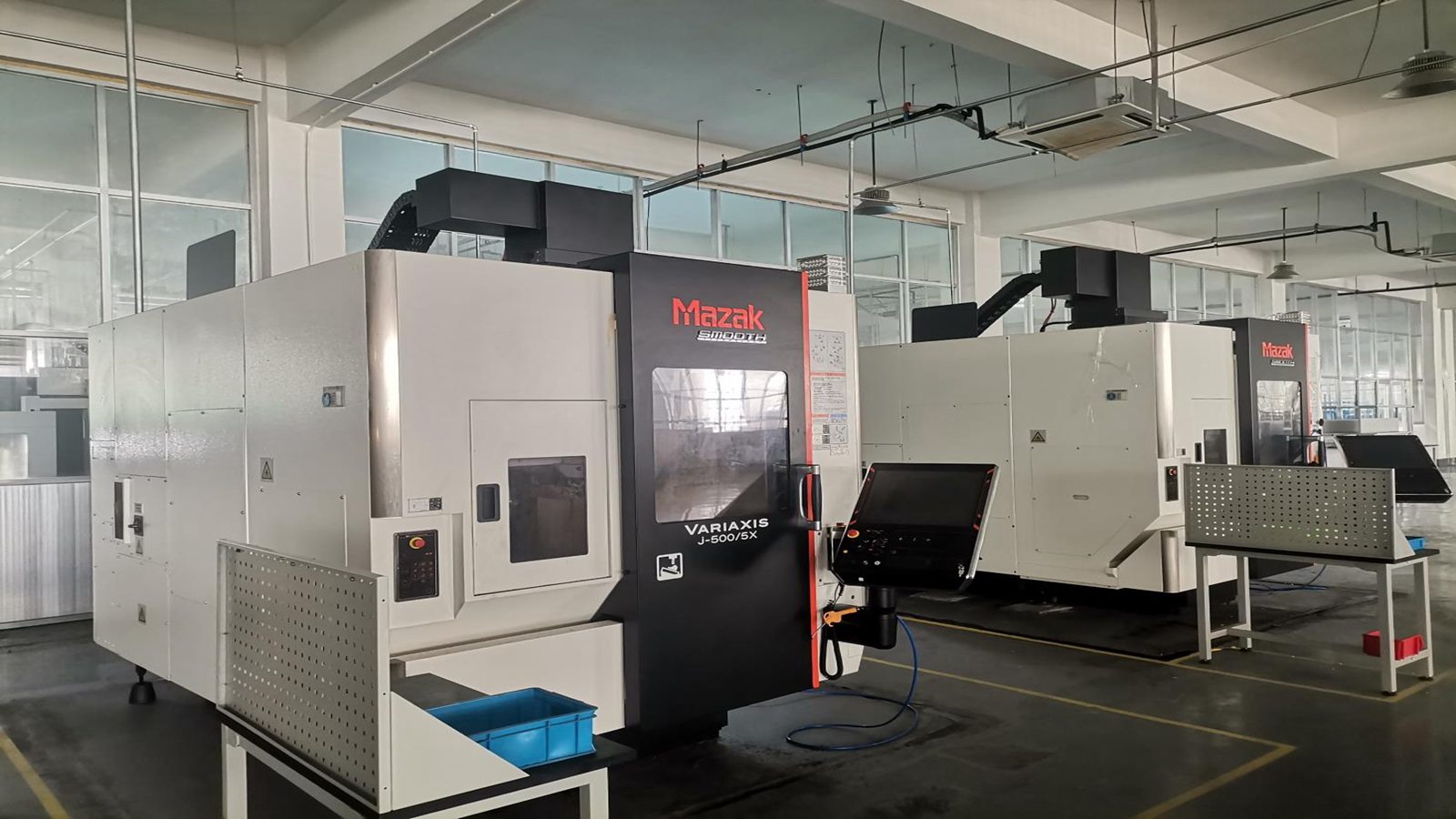
Operating a modern, 30,343 square meter facility equipped with 12 high-capacity production lines and over 120 advanced CNC and Swiss milling centers, we produce osteosynthesis systems that meet international tolerances. This setup supports continuous, high-volume production with minimal dimensional deviation.
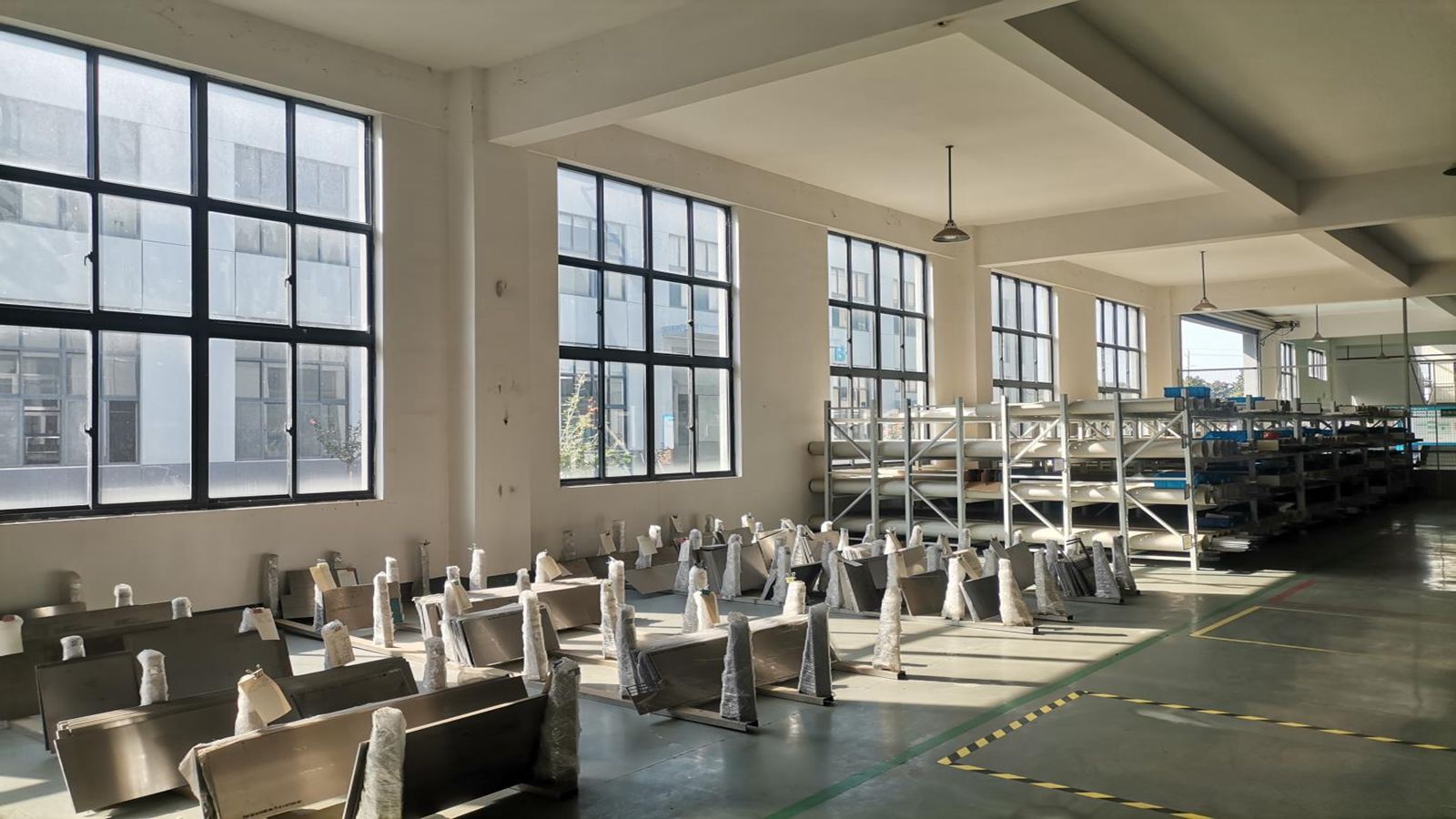
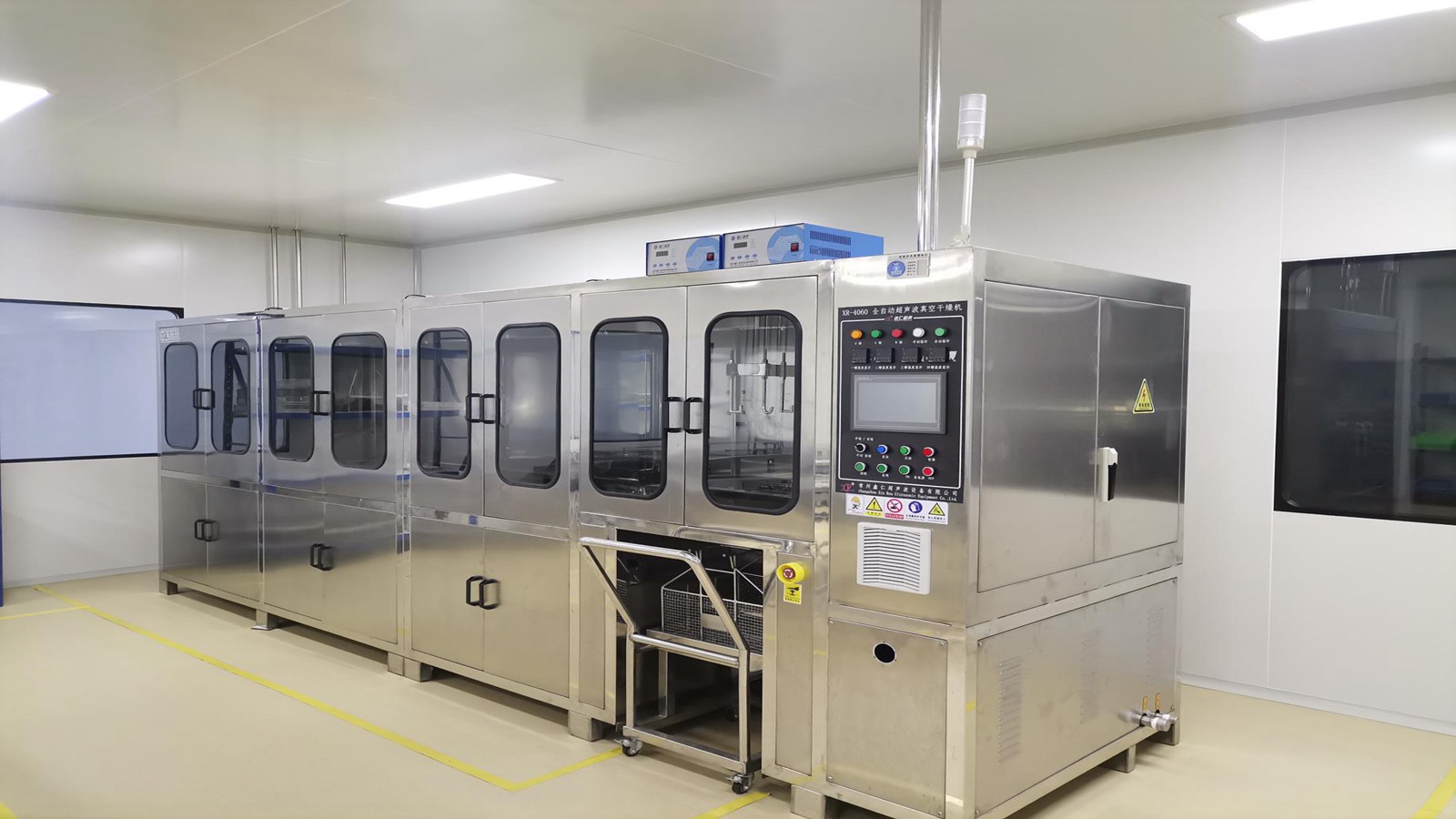
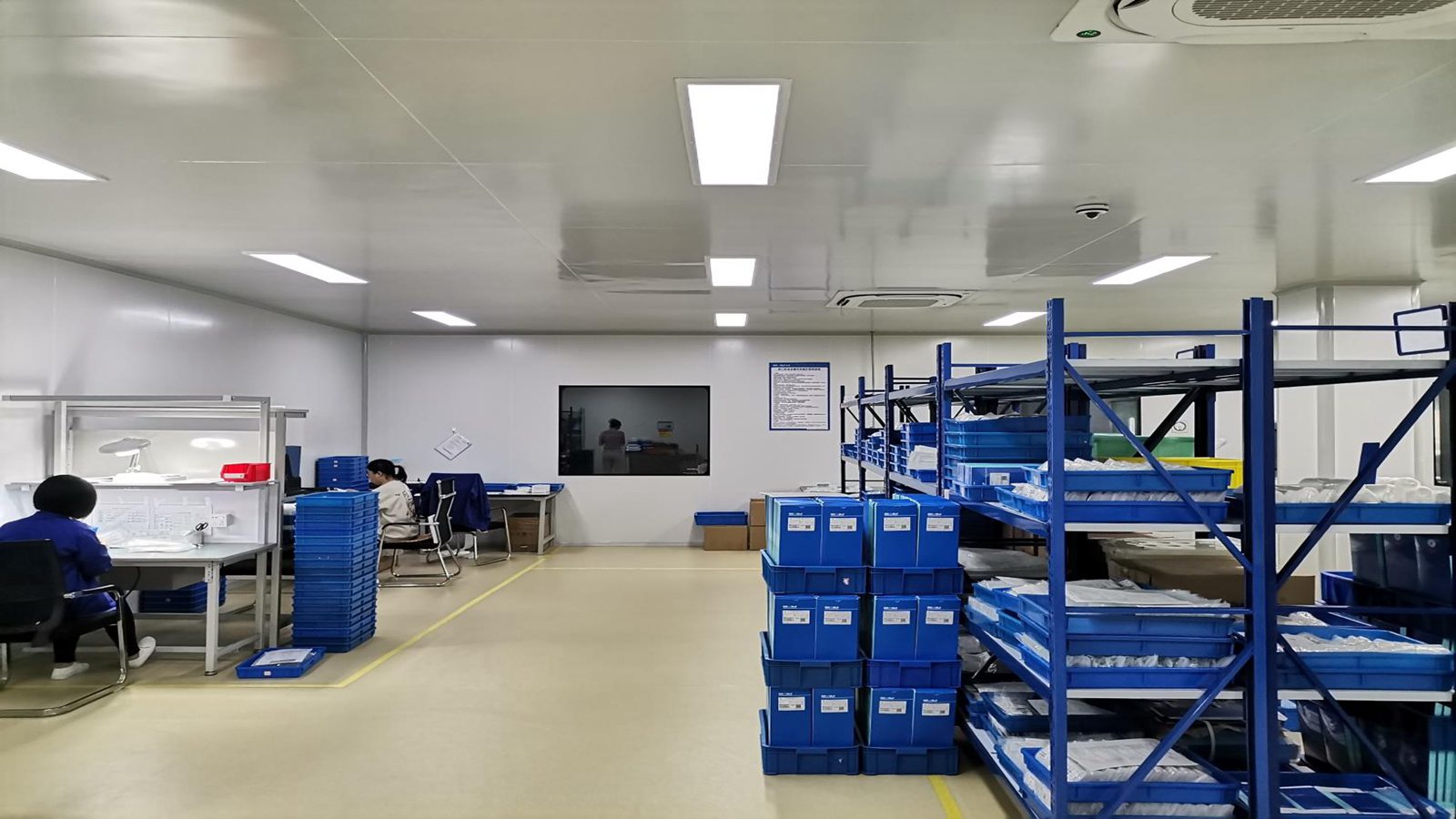
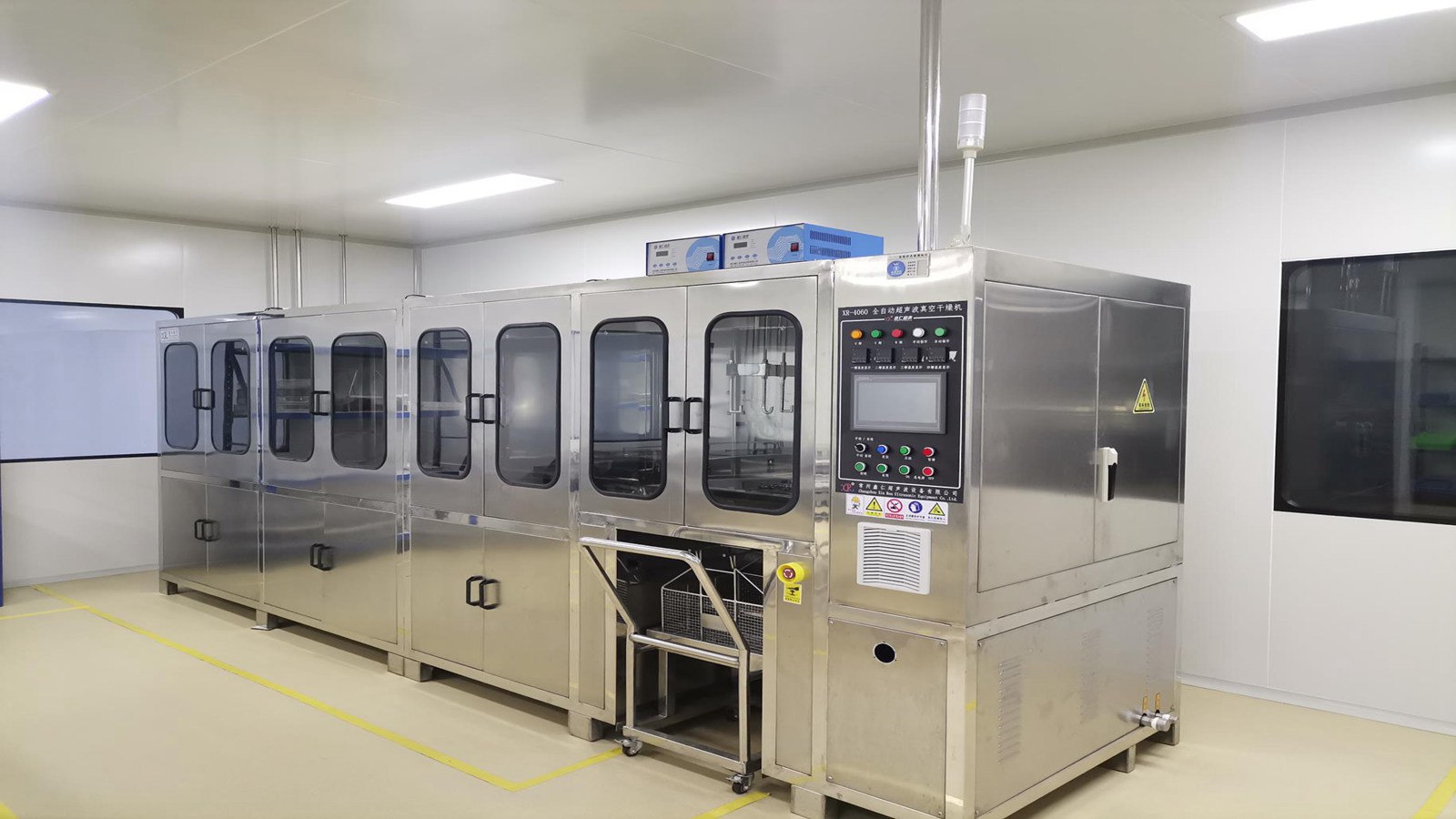
Our raw material supply chain relies on certified medical-grade titanium alloy bars. Each manufacturing run is traceable back to the raw material heat number, ensuring material transparency. We employ 36 dedicated QA/QC inspectors who oversee validation steps from initial raw material receipt through CNC machining, anodizing, cleaning in Class 100,000 cleanrooms, and final packaging.
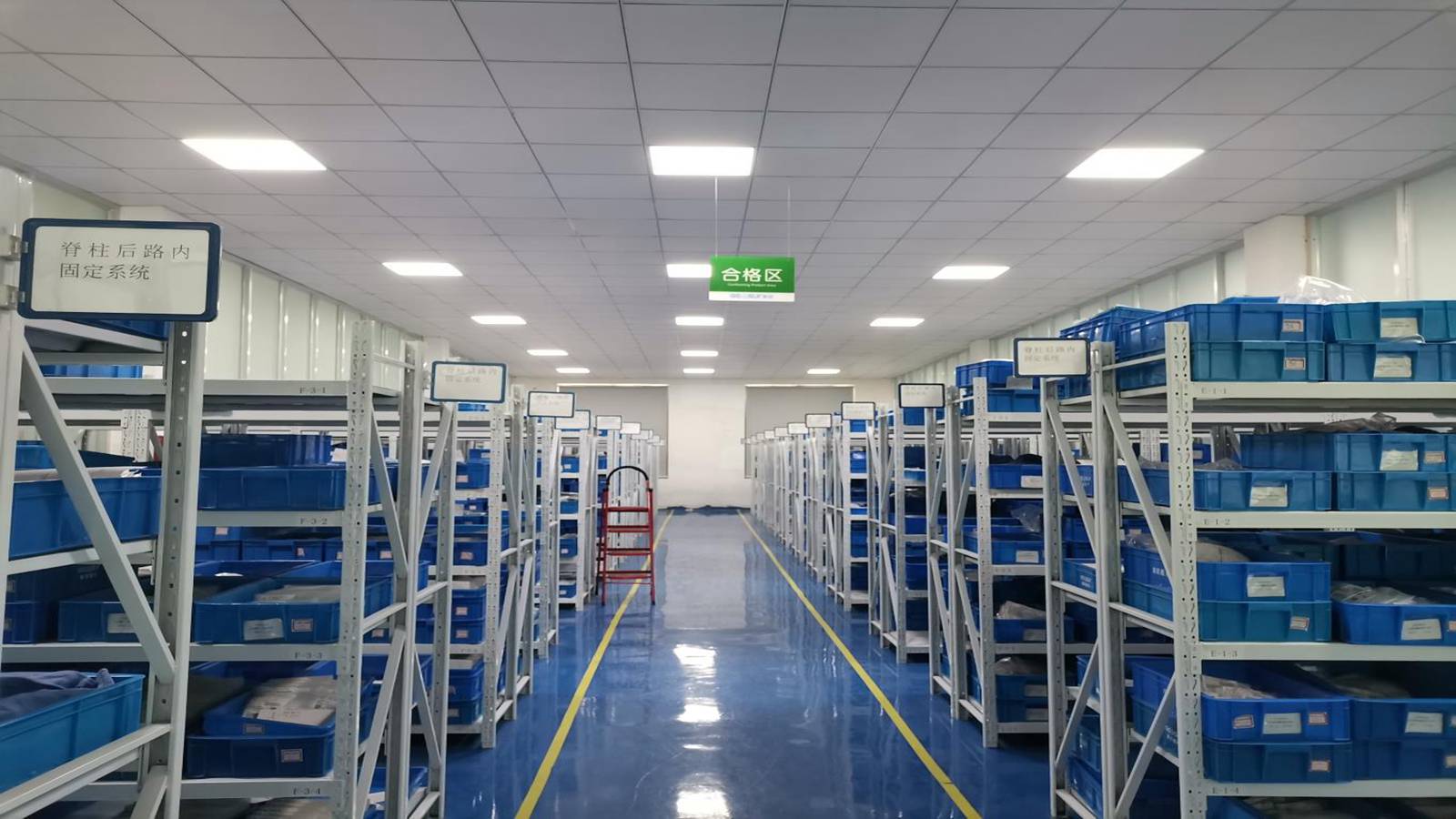
Global shipping channels can experience unexpected delays. To support supply chain resilience, we maintain safety stock programs for key trauma components. Partnering with major air freight and ocean logistics providers, we offer consistent shipping routes directly to Ben Gurion International Airport (TLV) and the ports of Ashdod and Haifa.
By streamlining customs documentation and providing clear HS coding, we help reduce import processing times, assisting local partners in maintaining stable inventory levels.
Evaluating total cost of ownership, lead times, and regulatory support for hospital systems.
Institutional sourcing managers working with Israeli HMOs require detailed manufacturing documentation, consistent delivery, and competitive pricing. We provide comprehensive bid packages for local government and private hospital tenders. Our teams offer clear cost-breakdown models, detailing raw material, machining, quality control, packaging, and logistics costs, allowing buyers to make well-informed procurement decisions.
Addressing technical, regulatory, and logistics inquiries for the Israel orthopedic implant market.
We supply all technical and quality documentation required for registration, including EU MDR certificates, ISO 13485 credentials, and test reports. We work closely with our local Israeli partners to facilitate the AMAR registration process with the Ministry of Health.
We use Medical Grade Titanium Alloy (Ti-6Al-4V ELI) conforming to ASTM F136 standards. This material is selected for its high strength-to-weight ratio, excellent fatigue resistance, and biocompatibility profile for permanent or temporary internal fixation.
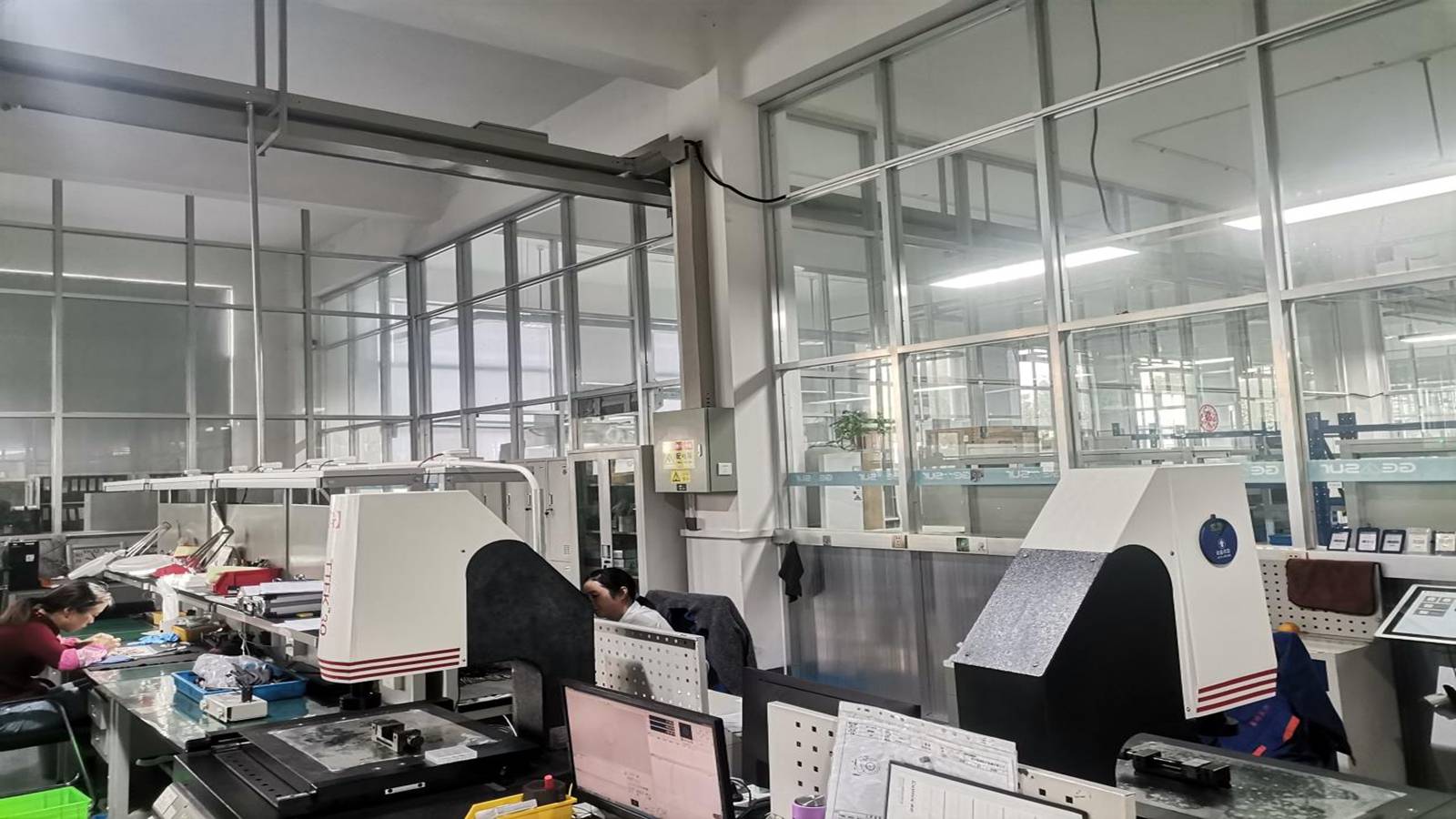
Our facility employs 36 QA/QC inspectors monitoring our production lines. Every single implant batch is logged with its respective material heat certificates, precision inspection reports, and cleaning logs, establishing full traceability from raw material to finished product.
For in-stock standard configurations, shipping via air freight typically takes 5 to 7 business days to Ben Gurion Airport. High-volume sea freight shipments to Ashdod or Haifa ports generally arrive within 25 to 35 days, depending on shipping schedules.
Yes. Supported by 31 R&D engineers, we offer sample processing, graphic design customization, and customized manufacturing services based on your local market specifications and anatomical data requirements.
Explore our selection of clinical products configured for trauma, reconstruction, and spinal surgeries.
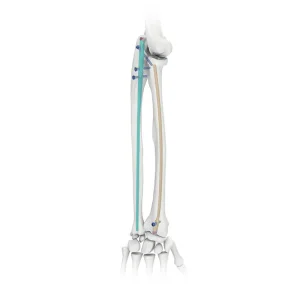
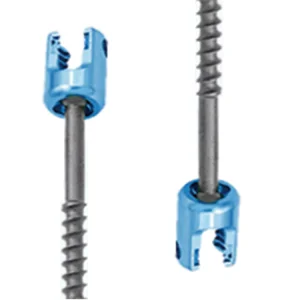
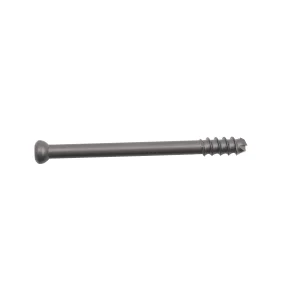
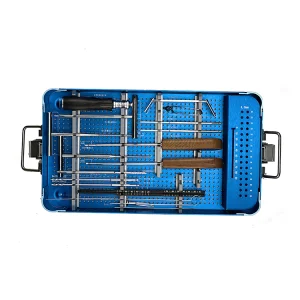
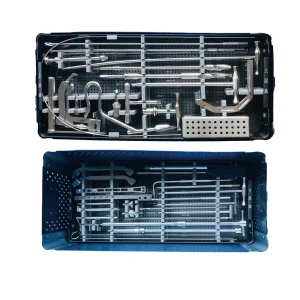
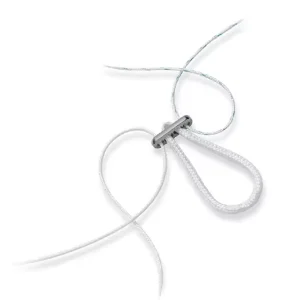
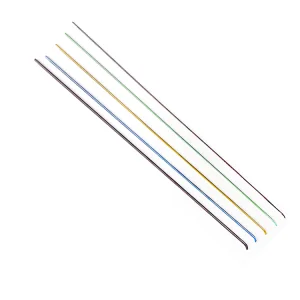
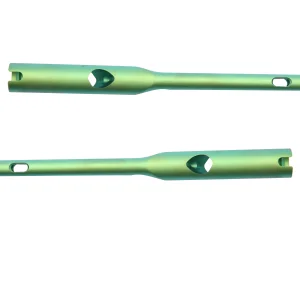
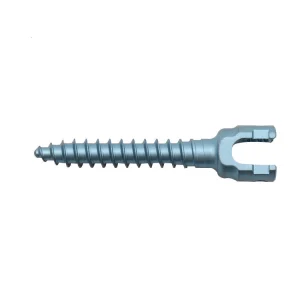
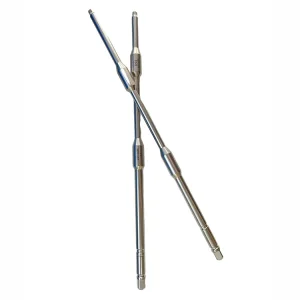
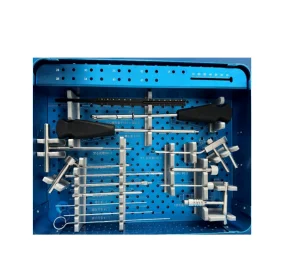
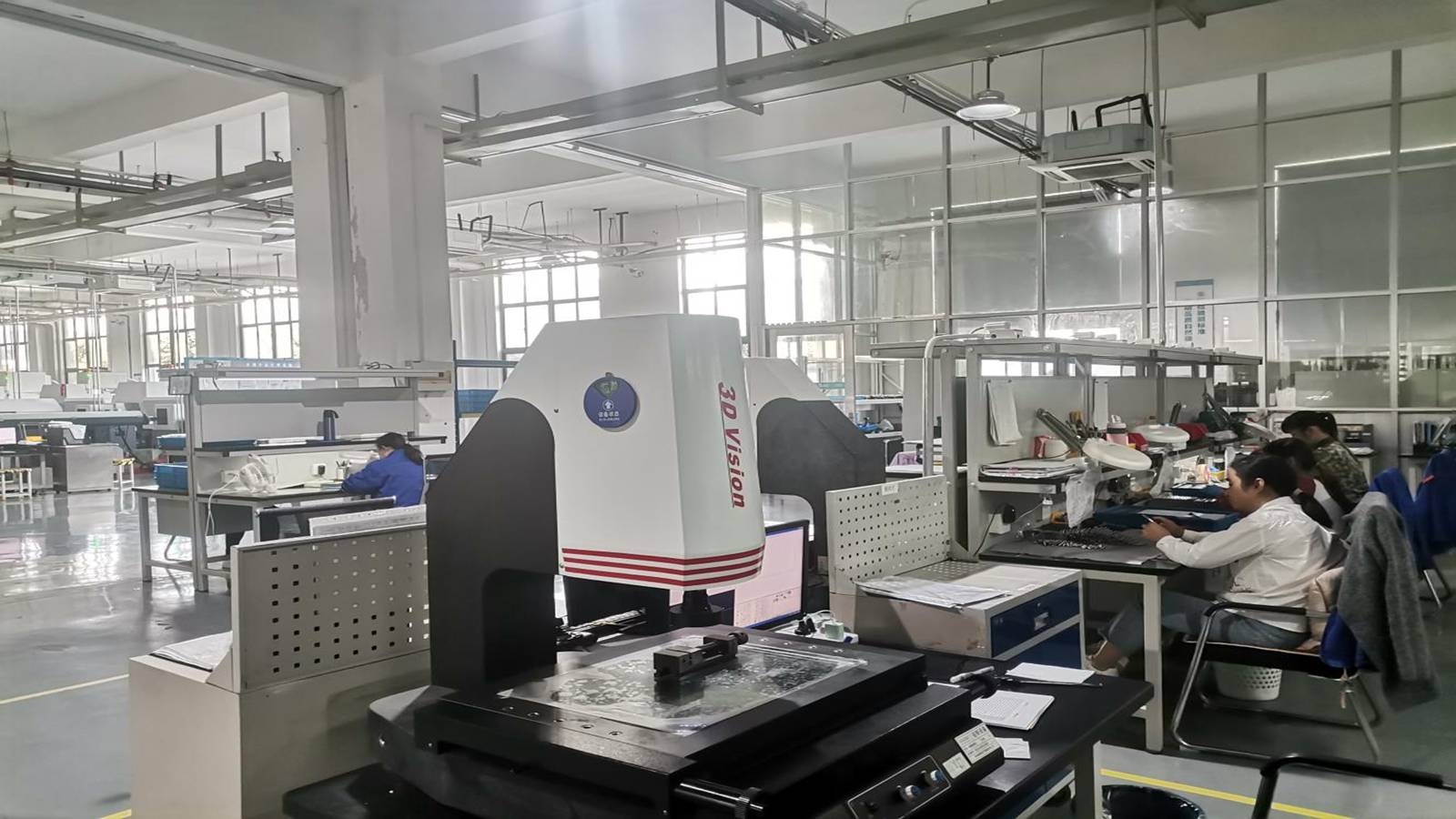
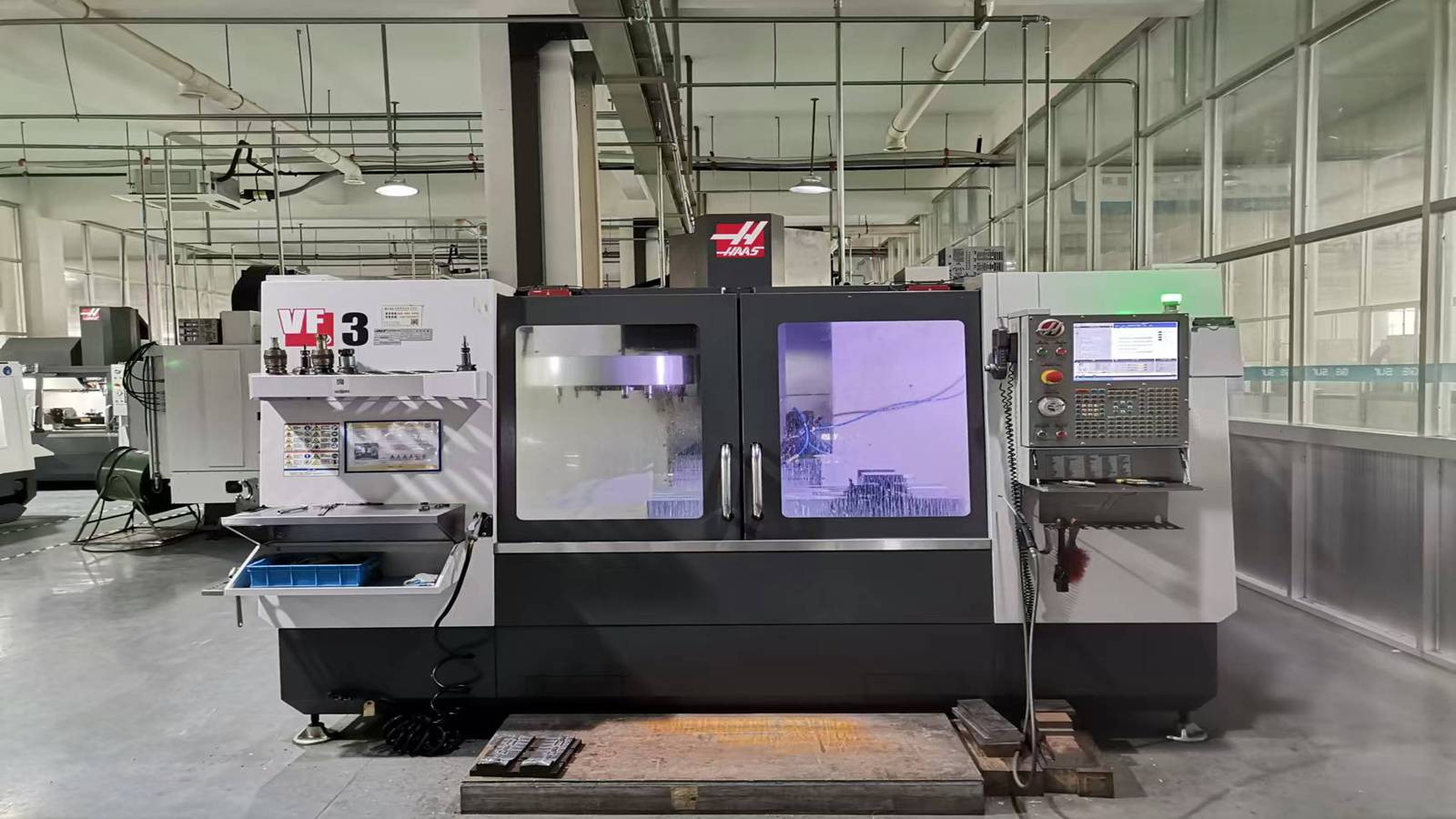
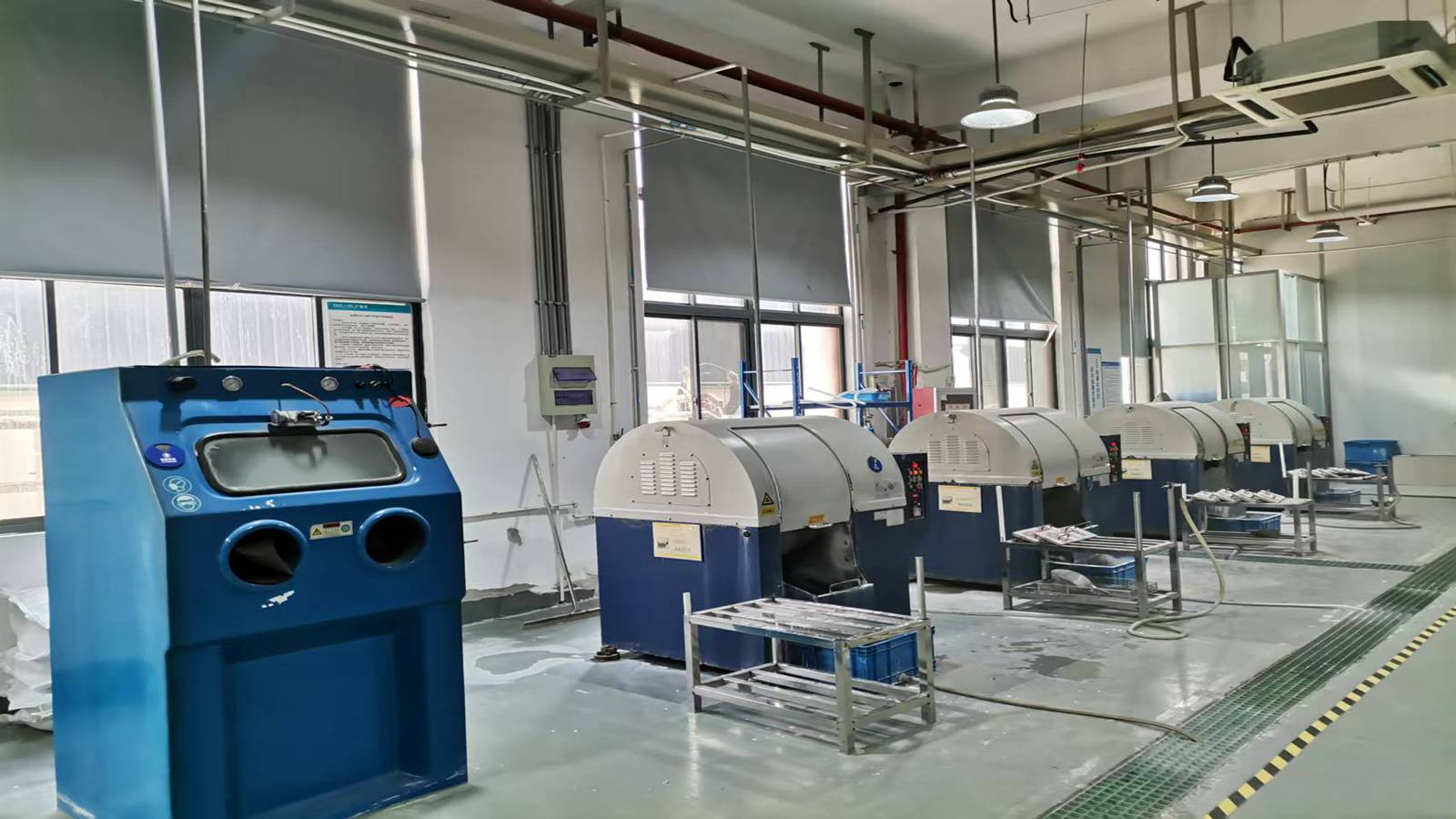
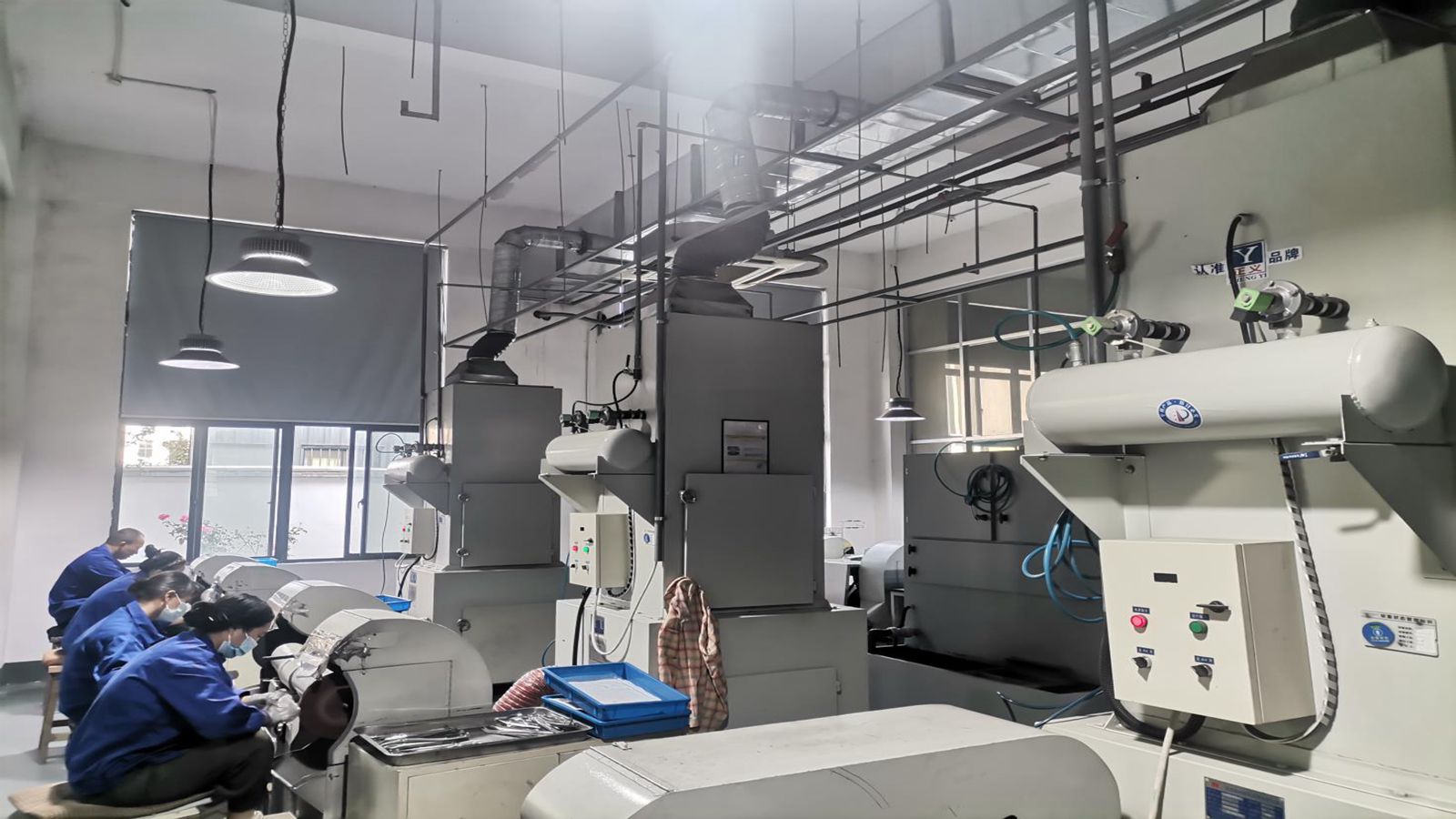
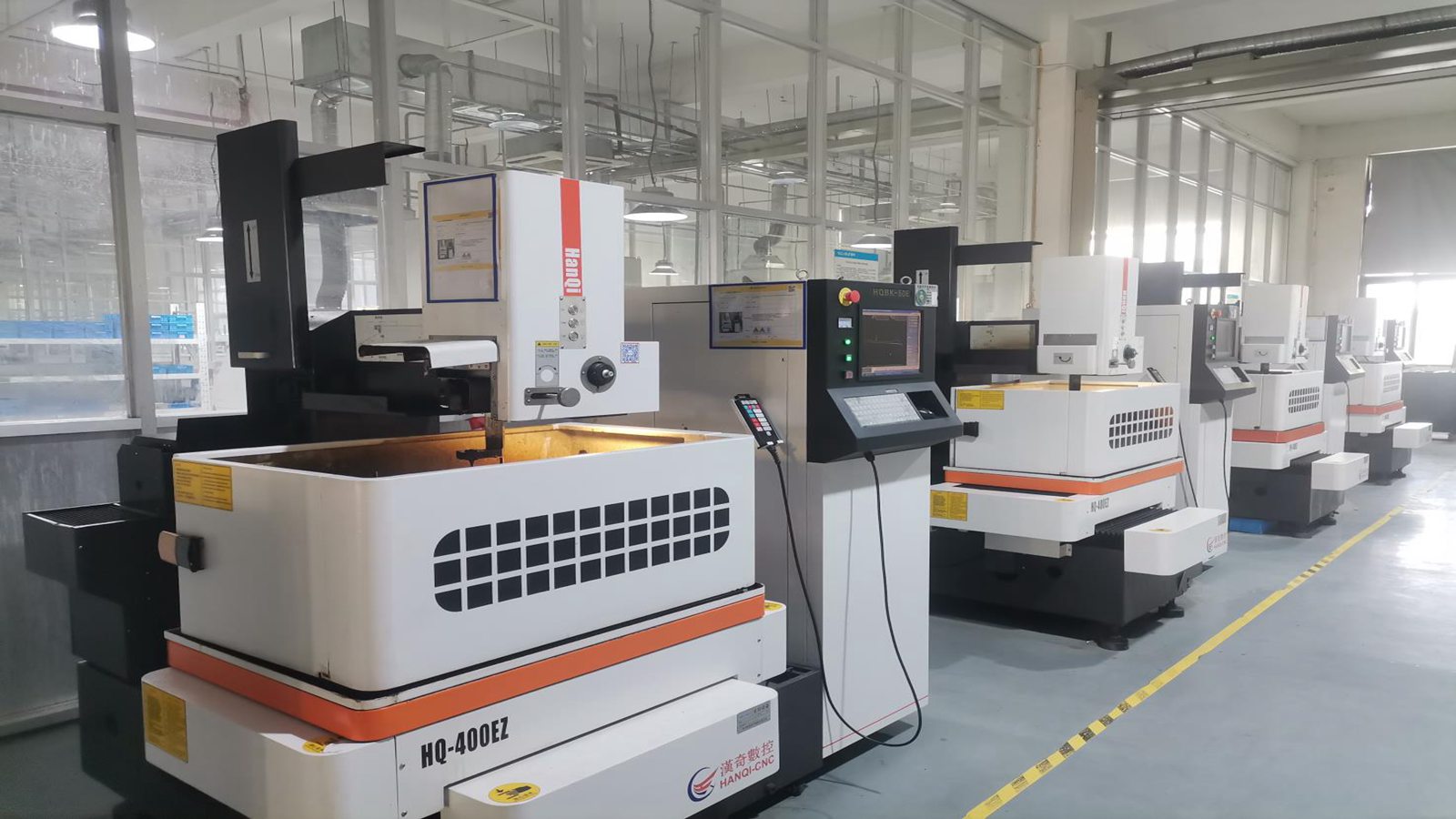
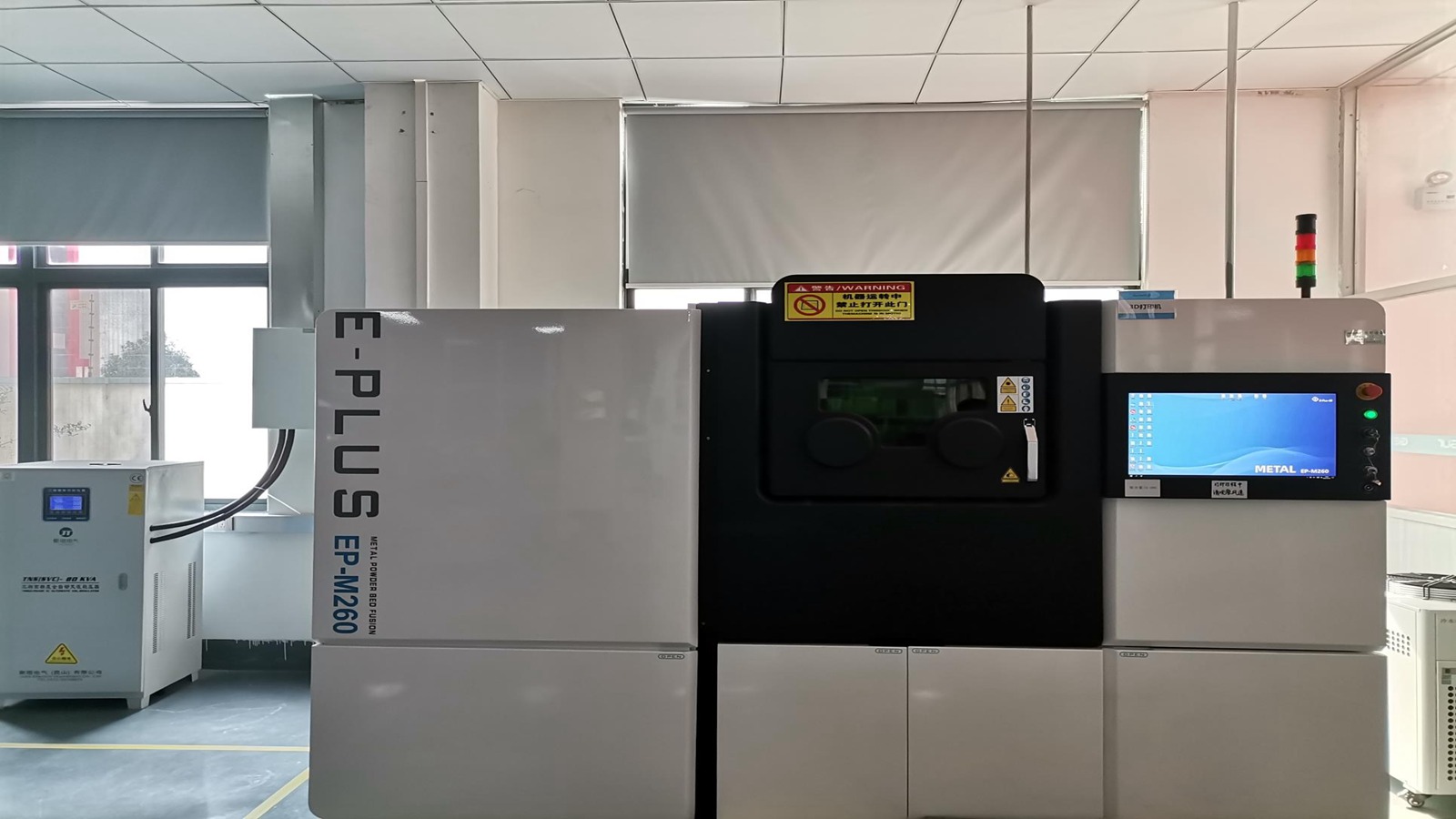
A closer look at our production floor, raw materials, cleaning areas, and finished assemblies.
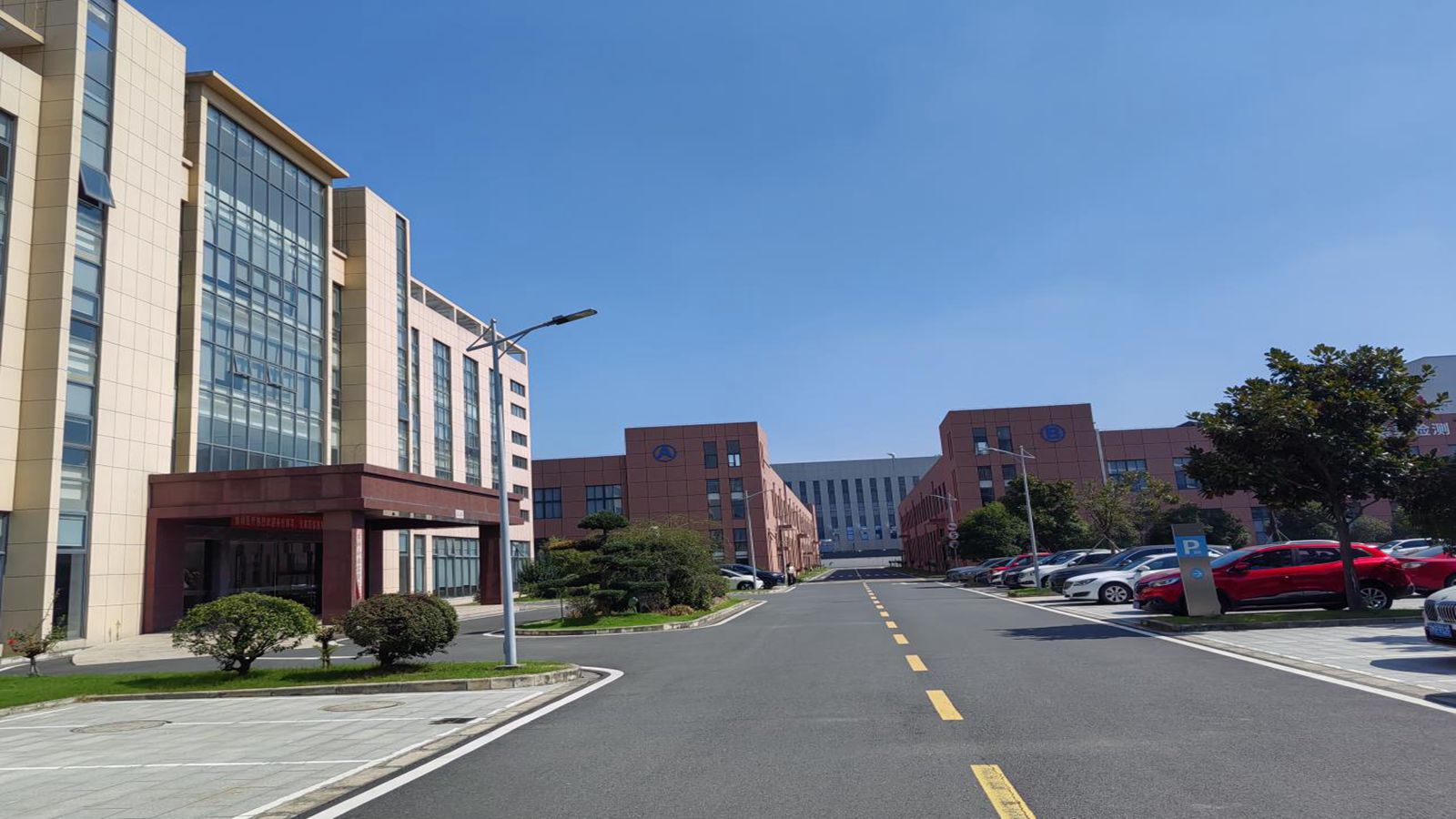
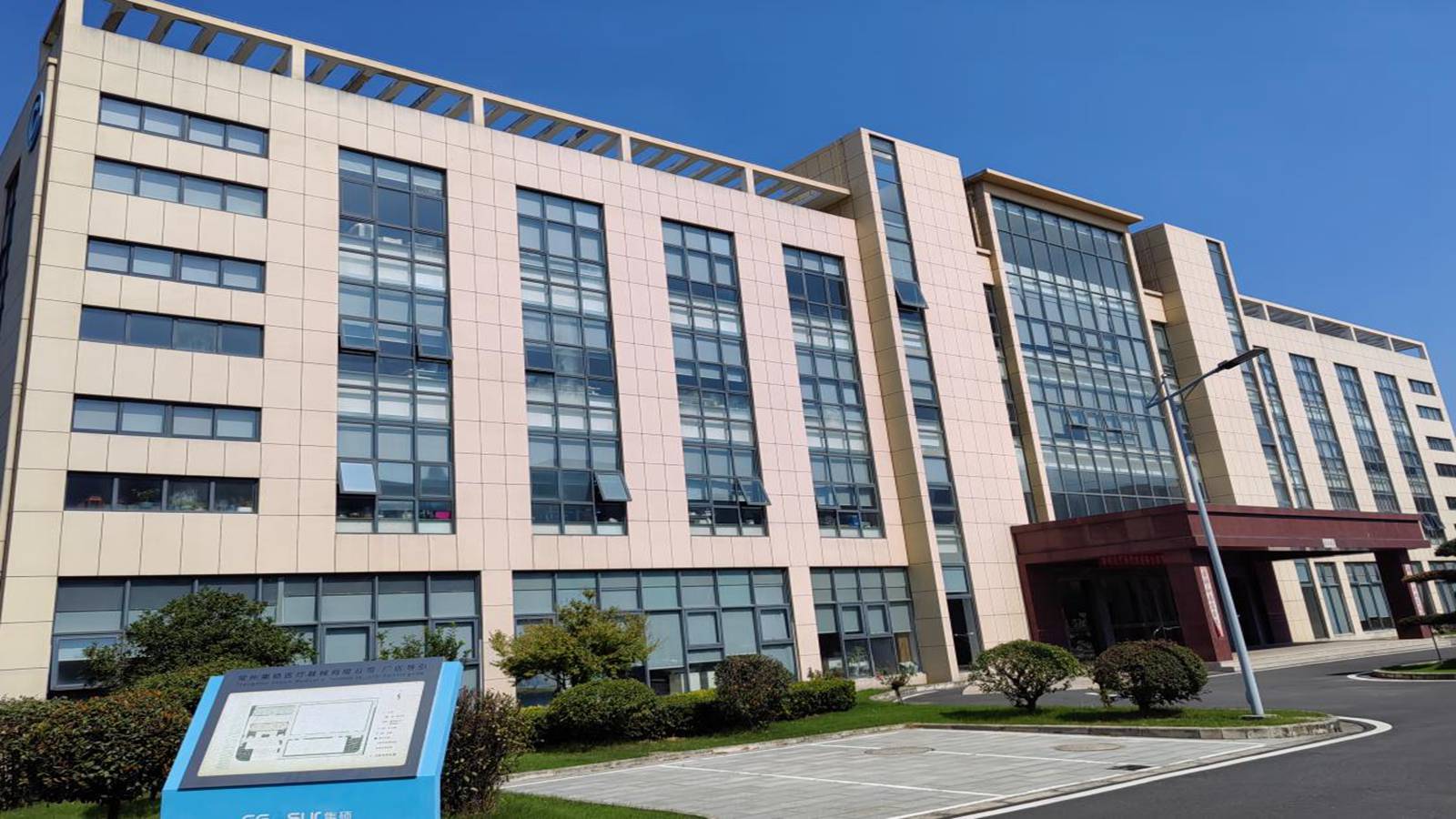
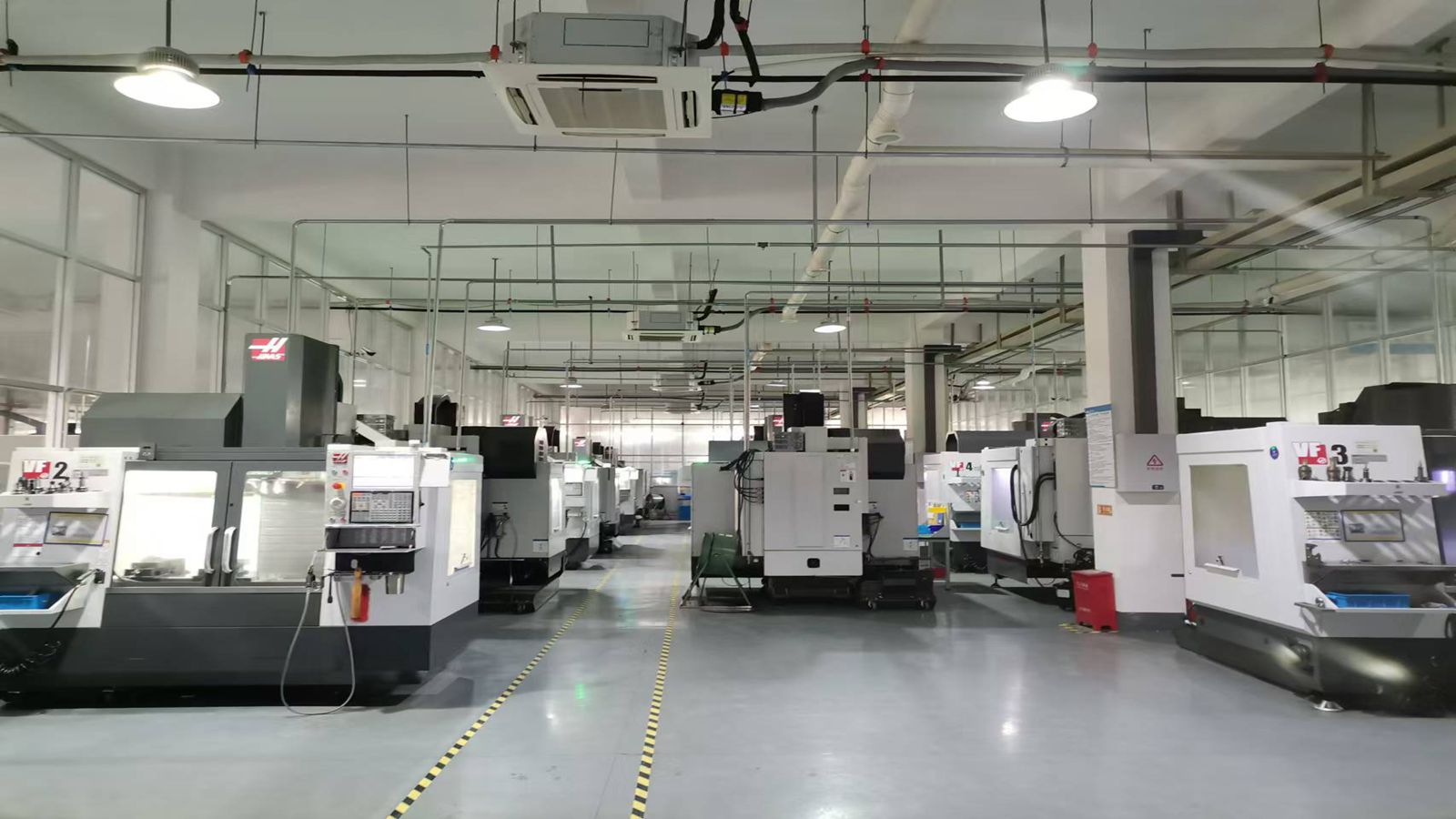
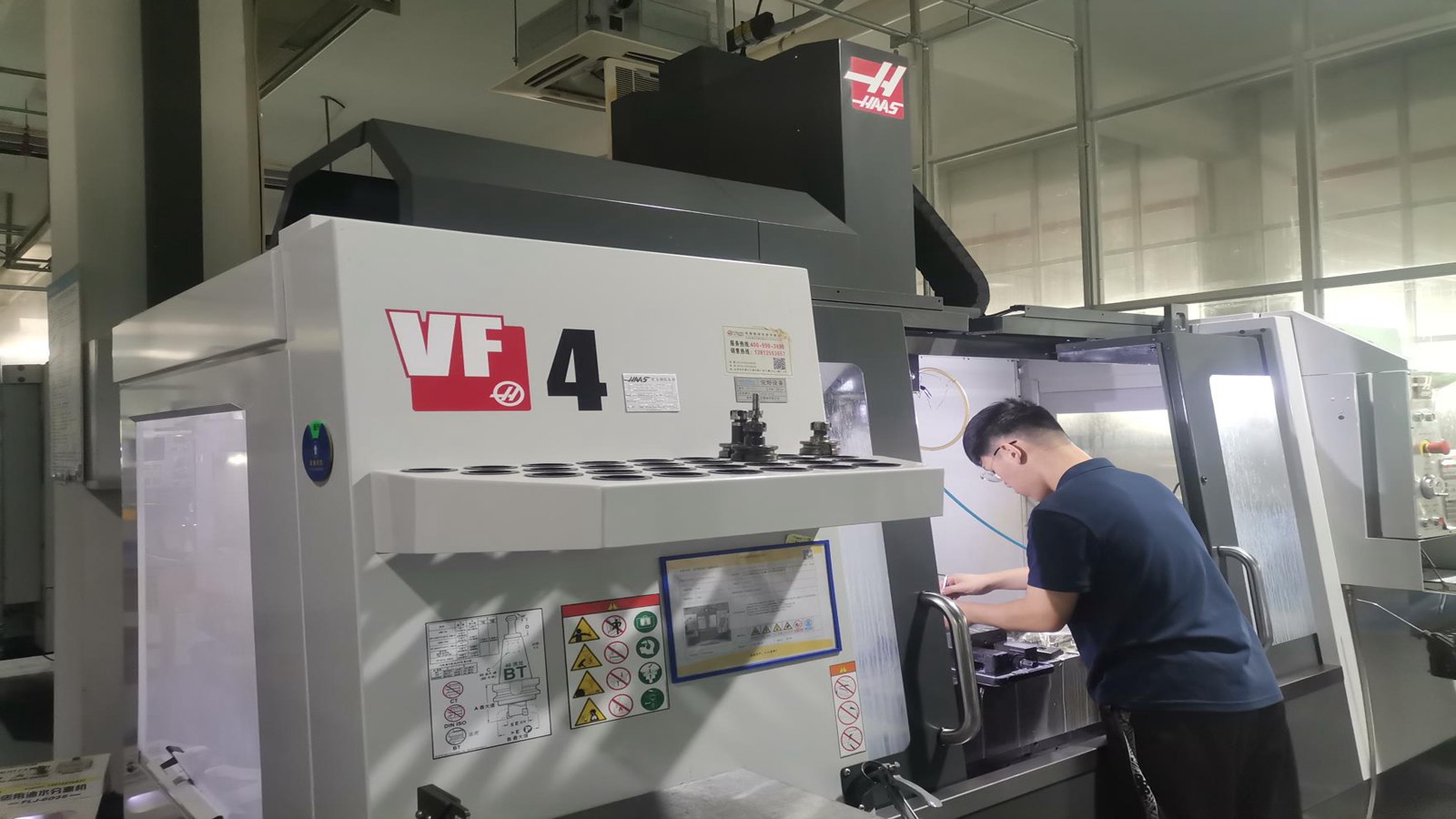
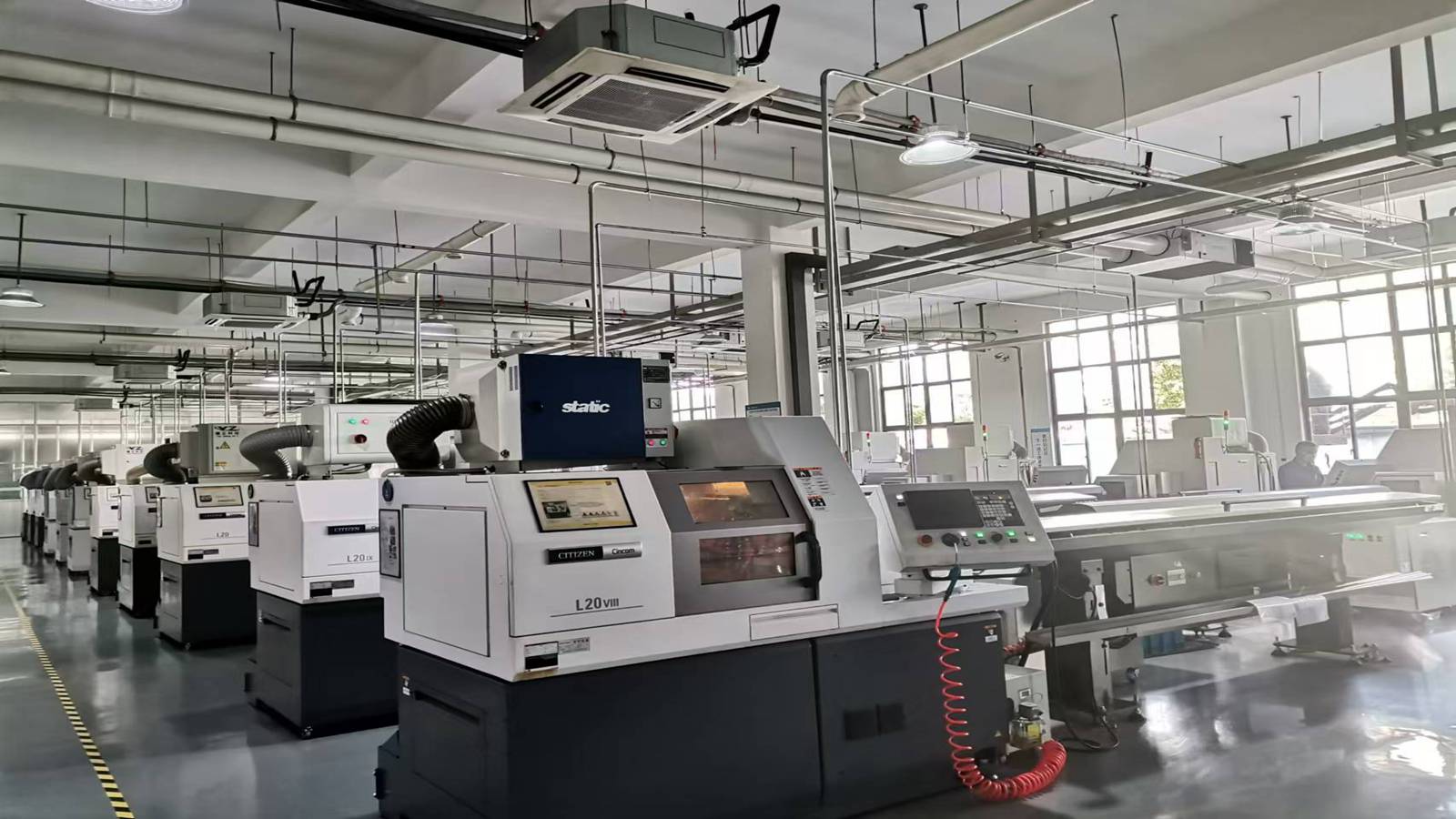
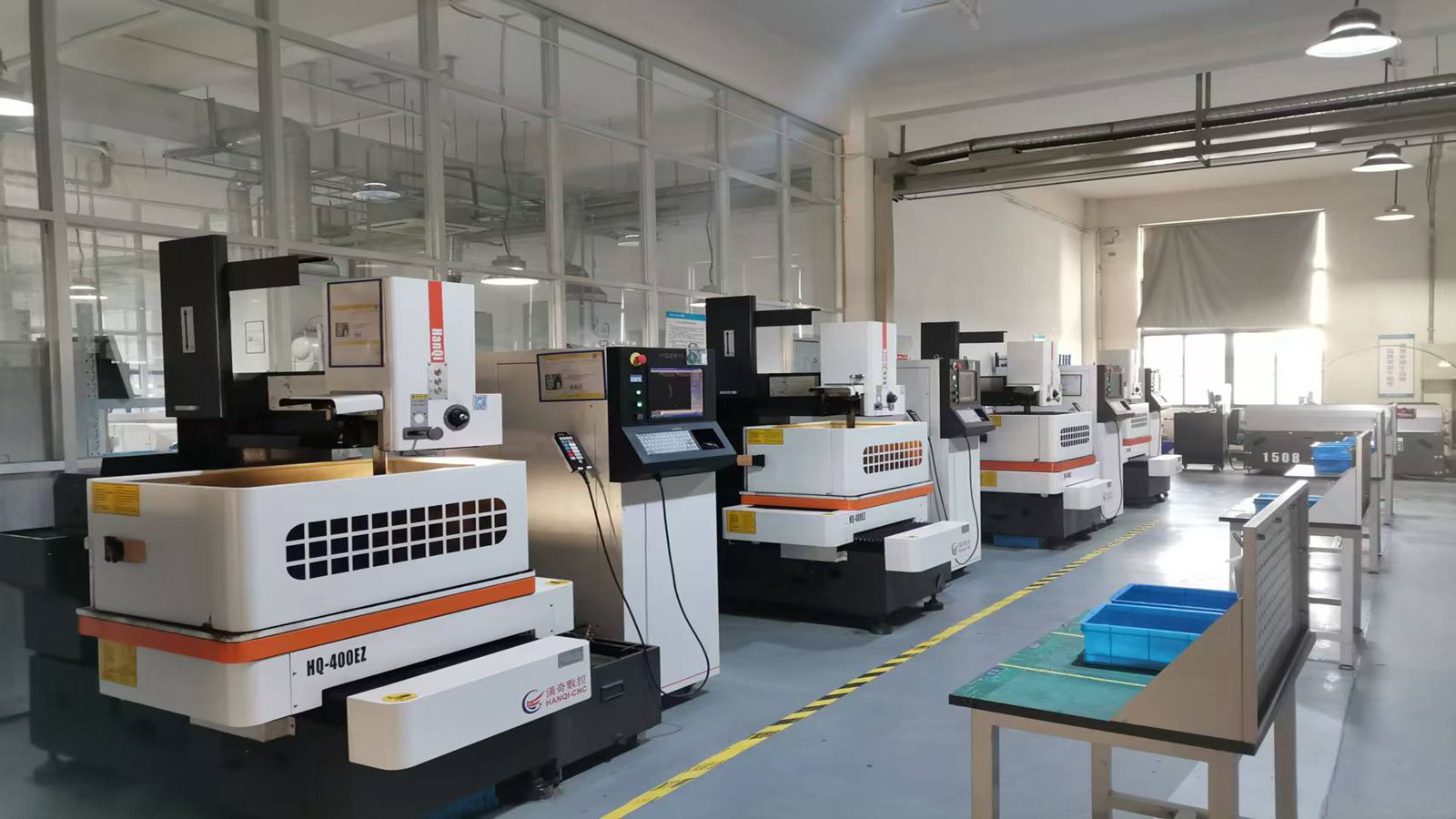
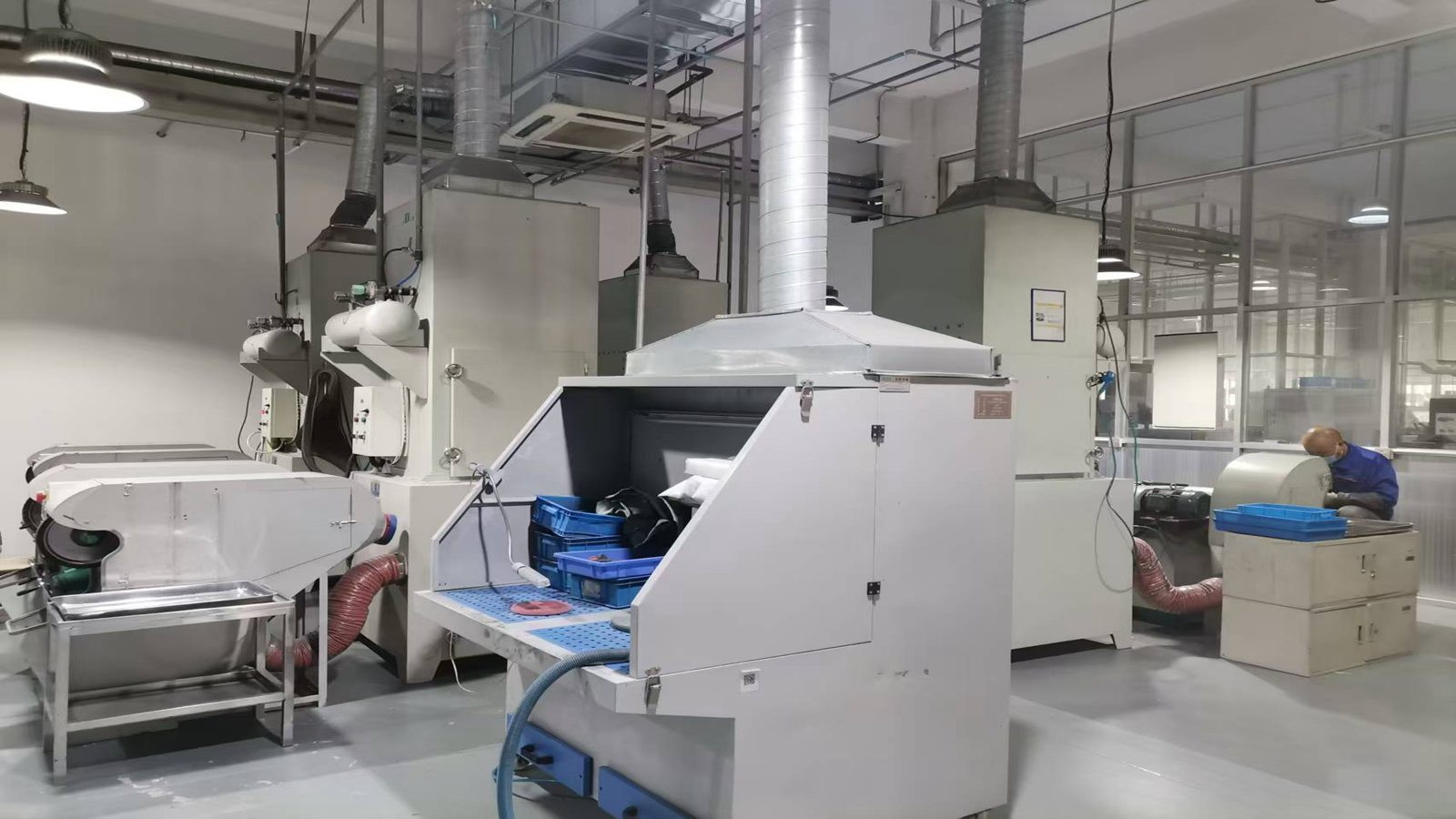
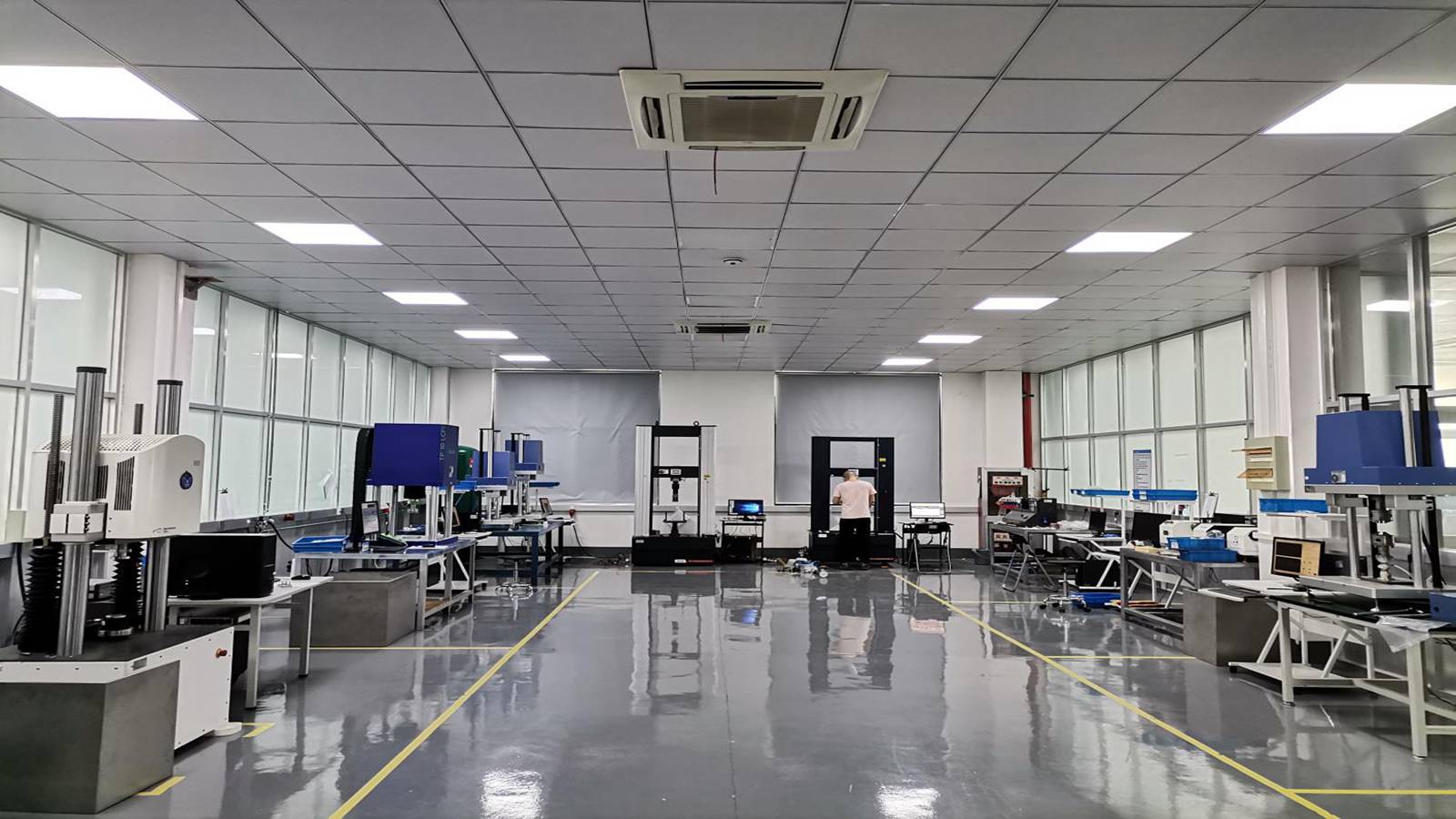
A transparent overview of our operational metrics, quality frameworks, and research capacity.
Established on October 15, 2015, we have developed our facility into an integrated manufacturer of orthopedic internal fixation systems. Operating across a 30,343 square meter factory, we manage all production stages in-house to maintain strict quality control.
Our facility operates 12 dedicated production lines with a fleet of 120 processing machines, including multi-axis CNC milling centers and high-precision EDM tools. We support diverse distribution networks, including brand businesses, retail networks, procurement engineers, wholesale distributors, and medical device manufacturers globally.
| Key Manufacturing Parameters | |
|---|---|
| Registration Date | 2015-10-15 |
| Total Factory Footprint | 30,343 m² |
| Export Experience | 10 Years |
| Total Production Lines | 12 Active Lines |
| Active Machinery Count | 120 Precision Units |
| Quality Control Staff | 36 Certified Inspectors |
| R&D Engineering Team | 31 Specialists |
Our research and development team consists of 31 engineers holding advanced medical and engineering degrees, including 1 PhD and 11 post-graduate researchers. We offer OEM/ODM services, including customization based on 3D CAD models, anatomical imaging, or custom instrument requirements.
We implement quality inspection protocols at all stages of production. Our facility uses 100% component inspection alongside random batch testing to maintain high reliability. We trace all raw material batches, validating titanium alloys and medical-grade polymers to meet ISO and ASTM standards.