Ease Medical Apparatus And Instruments
Ease Medical Apparatus And Instruments
Ease Medical Apparatus And Instruments
Advanced Orthopedic Solutions for Japan's Aging Society: PMDA-Compliant Titanium & PEEK Precision Implants
As the world’s fastest-aging nation, Japan presents a unique set of challenges and opportunities in the field of orthopedics. With nearly 30% of its population over the age of 65, the demand for external fixation implants and trauma solutions has shifted from simple fracture management to complex osteotomy, deformity correction, and fragility fracture care. The Japanese medical device market, overseen by the PMDA (Pharmaceuticals and Medical Devices Agency), is one of the most rigorous yet rewarding for high-quality global exporters.
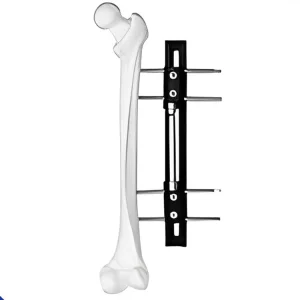
The prevalence of osteoporosis-related fractures in Japan—particularly in the distal radius, proximal humerus, and femoral neck—has catalyzed the development of minimally invasive external fixators. Unlike traditional internal fixation, modern external fixation systems offered by leading exporters focus on biocompatibility and early mobilization, which is critical for reducing post-operative complications in elderly Japanese patients.
The evolution of external fixation in Japan is moving toward Dynamic Fixation Systems. Our technology roadmap incorporates:
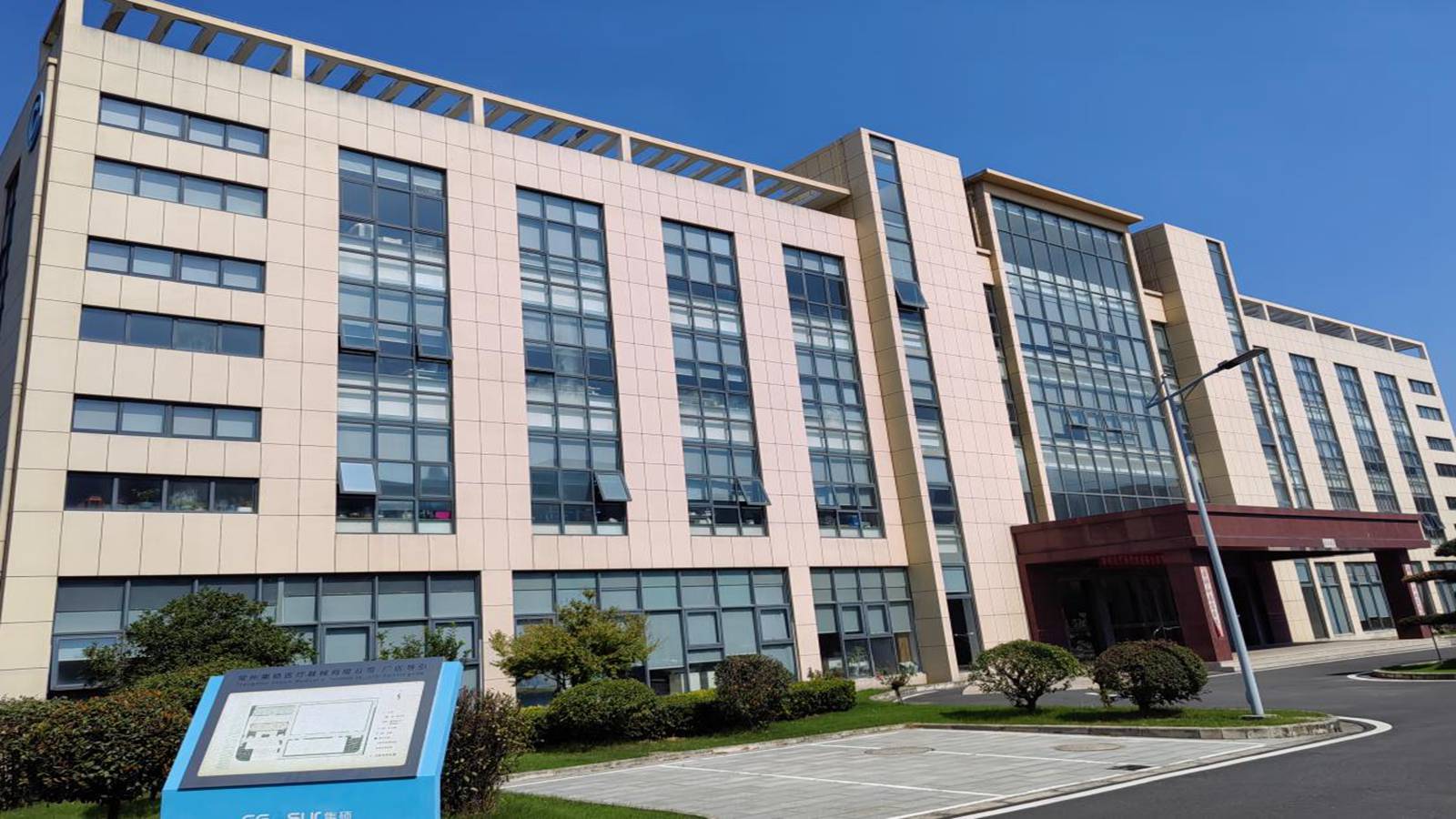
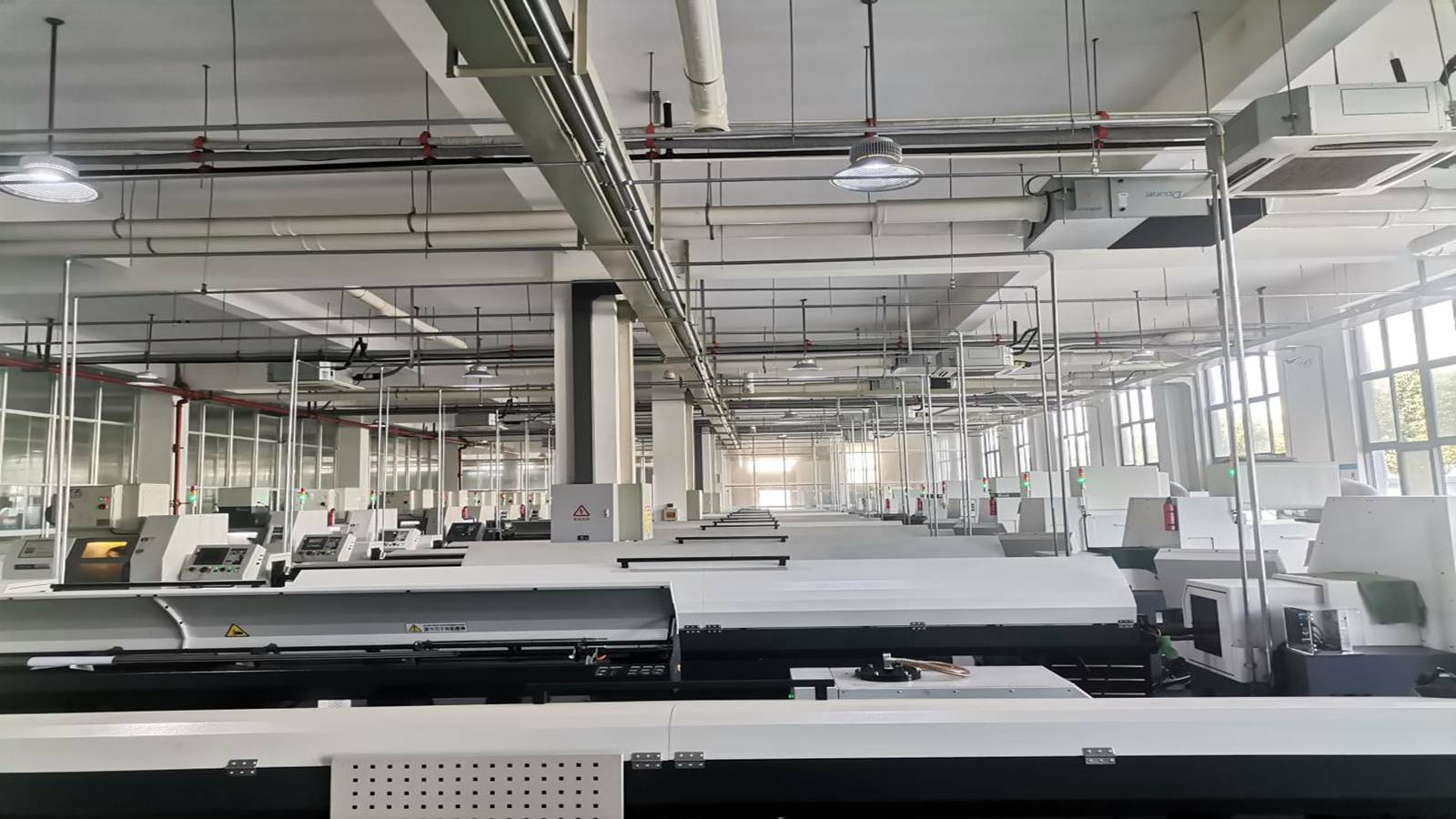
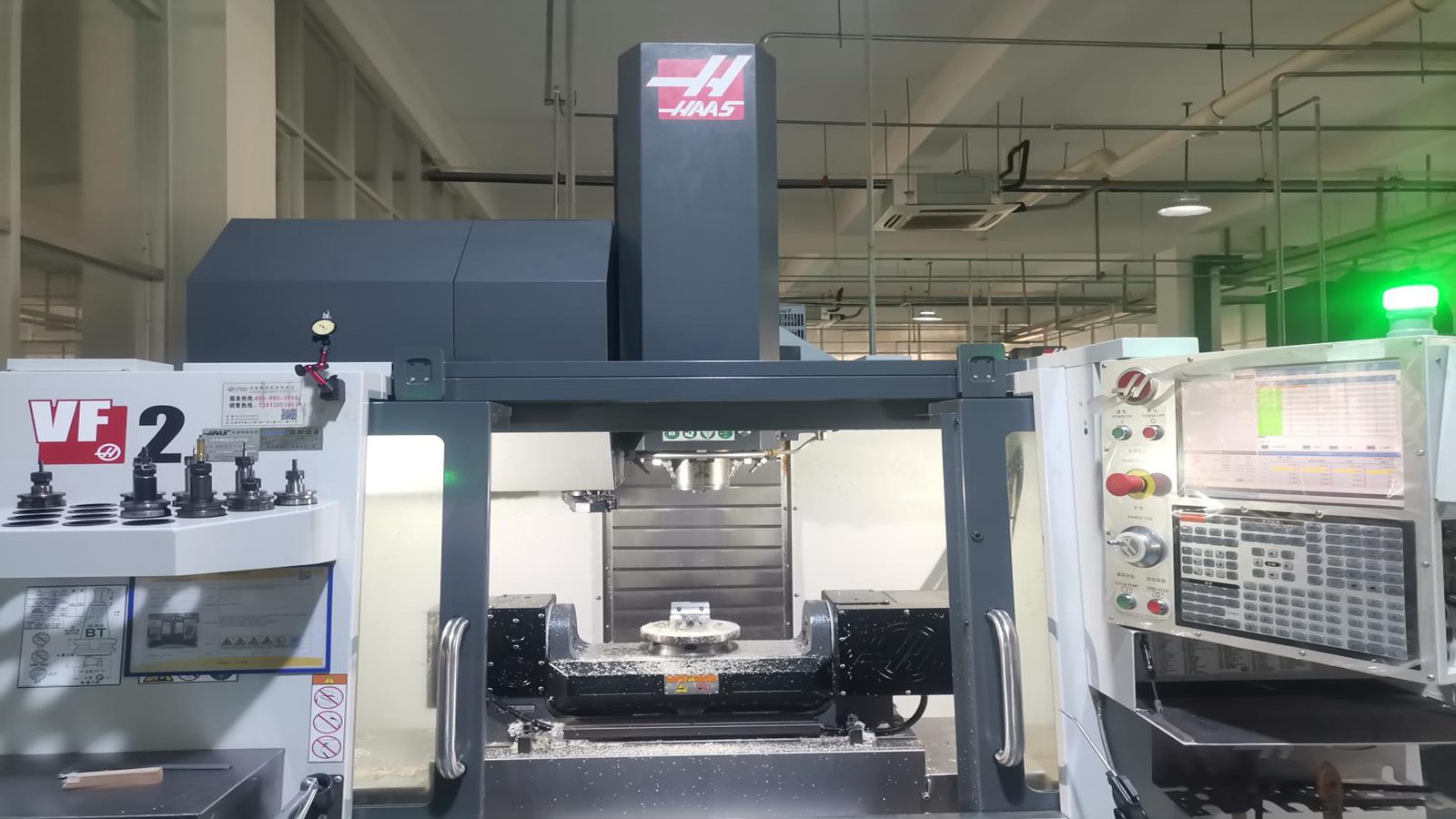
For Japanese hospitals and distributors (Shousha), procurement isn't just about price—it's about the Security of Supply and Regulatory Compliance. Our manufacturing facility, spanning over 30,343㎡, is optimized to meet the high-volume needs of global medical supply chains while adhering to the strict ISO 13485 and MDSAP standards recognized in the Japanese market.
We provide comprehensive technical documentation (STED) to assist Japanese partners in the PMDA registration process, ensuring Class II and Class III devices meet local efficacy and safety standards.
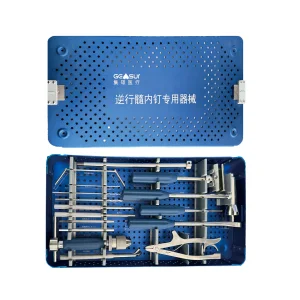
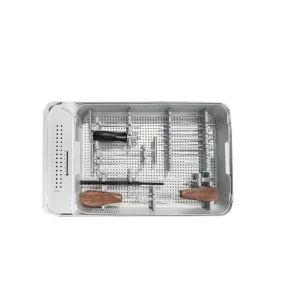
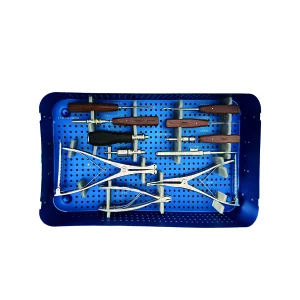
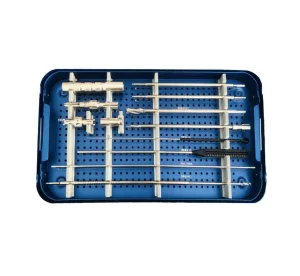
With 31 R&D engineers and doctorate-level leadership, we offer customized instrument sets tailored to the specific surgical preferences of Japanese orthopedic surgeons.
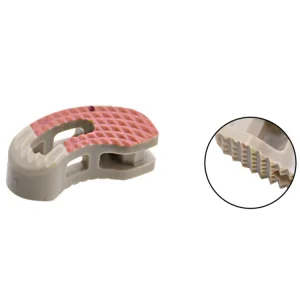
Our implants use only medical-grade Titanium and PEEK, undergoing rigorous testing for cytotoxicity, sensitization, and irritation as per ISO 10993.
The next decade of external fixation in Japan will be defined by Digital Transformation. As a leading exporter, we are investing in:
1. Patient-Specific Implants (PSI): Leveraging 3D printing (Additive Manufacturing) to create fixator components that match a patient's unique CT scan data.
2. Tele-Monitoring: Developing sensor-embedded fixators that allow Japanese surgeons to monitor bone healing progress and weight-bearing compliance remotely via smartphone apps.
3. Robotic-Assisted Application: Standardizing instrument interfaces to ensure compatibility with robotic surgical systems like Mako or ROSA, which are gaining traction in major Japanese medical centers like Keio University Hospital.
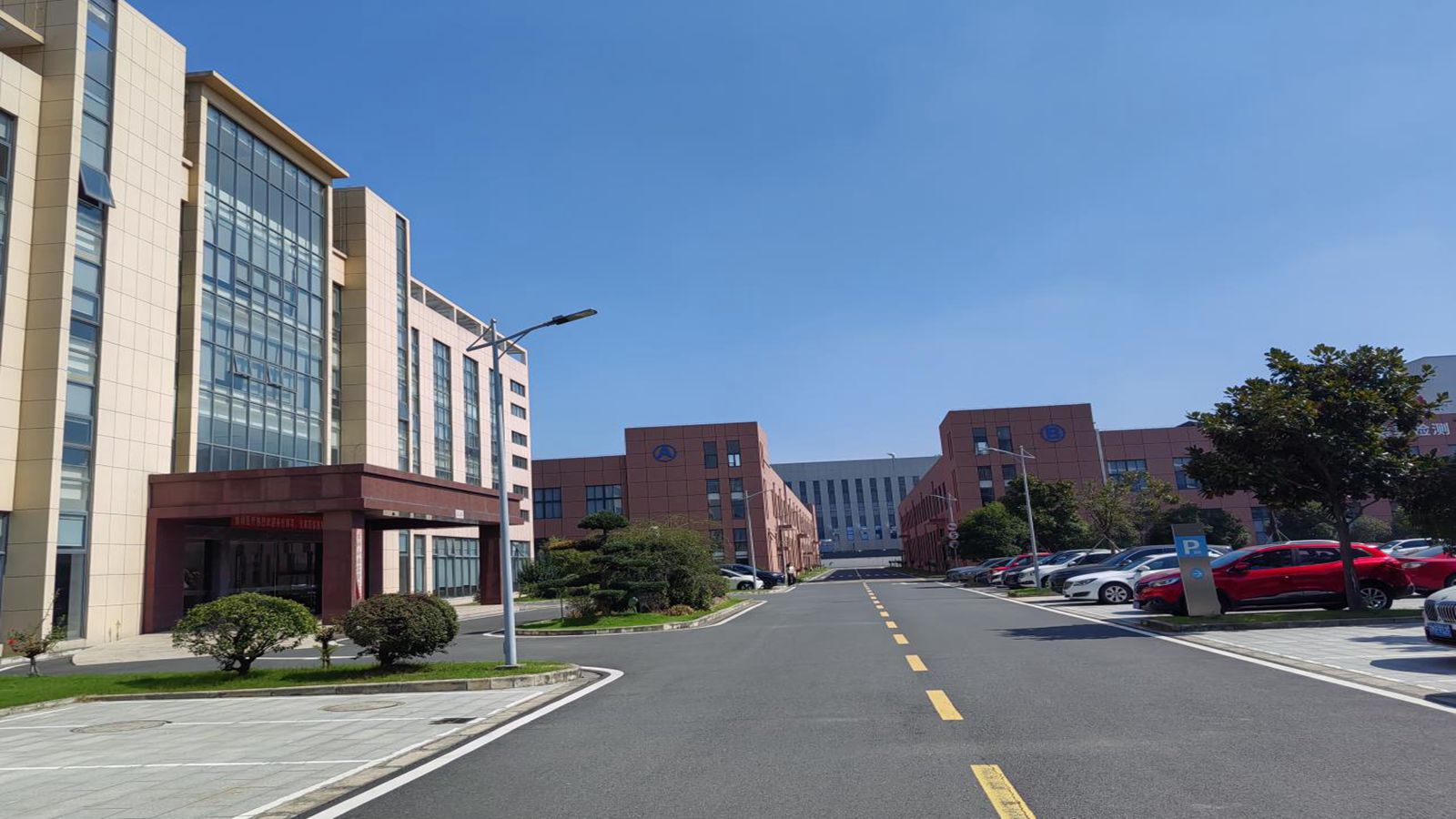
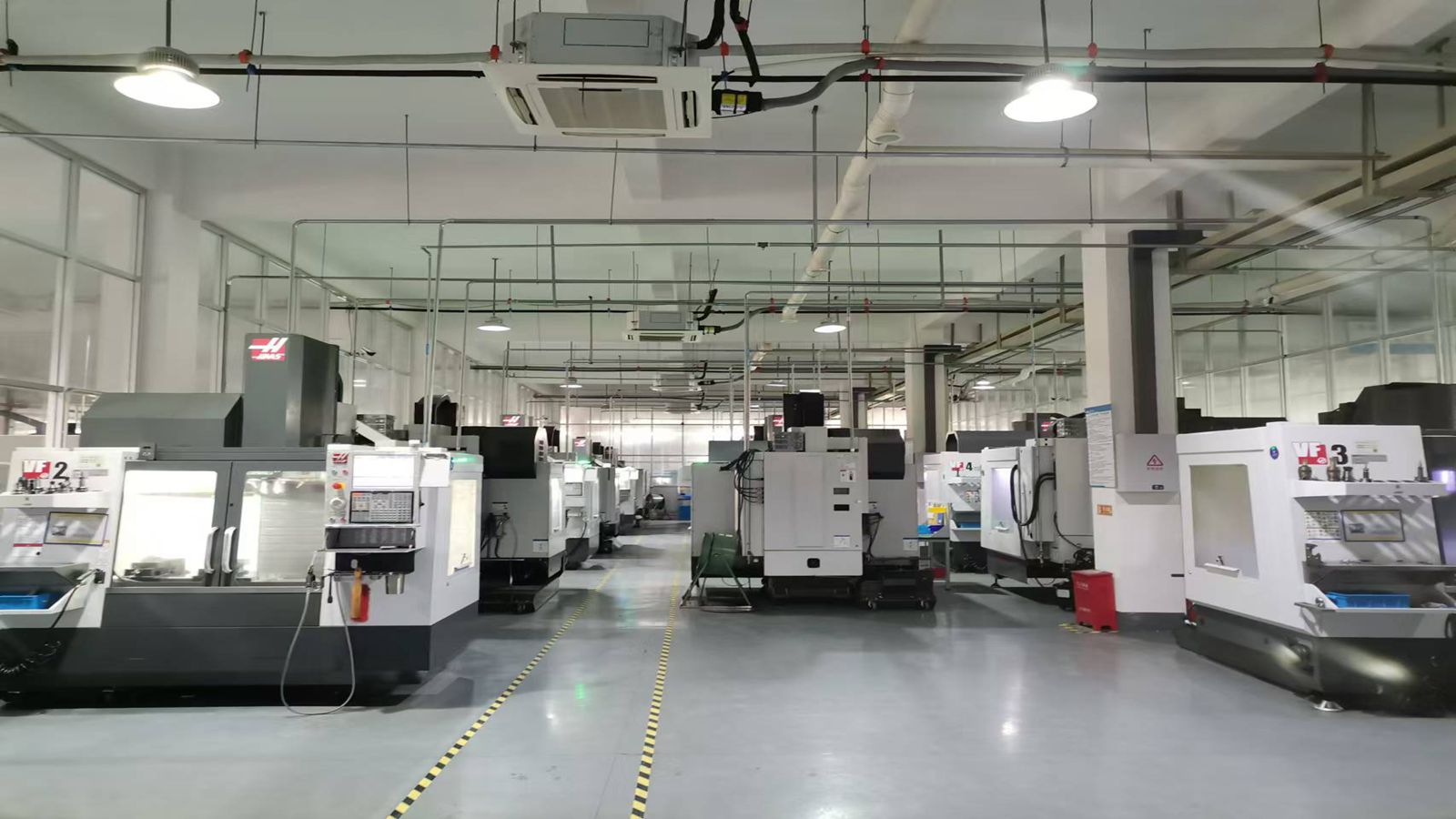
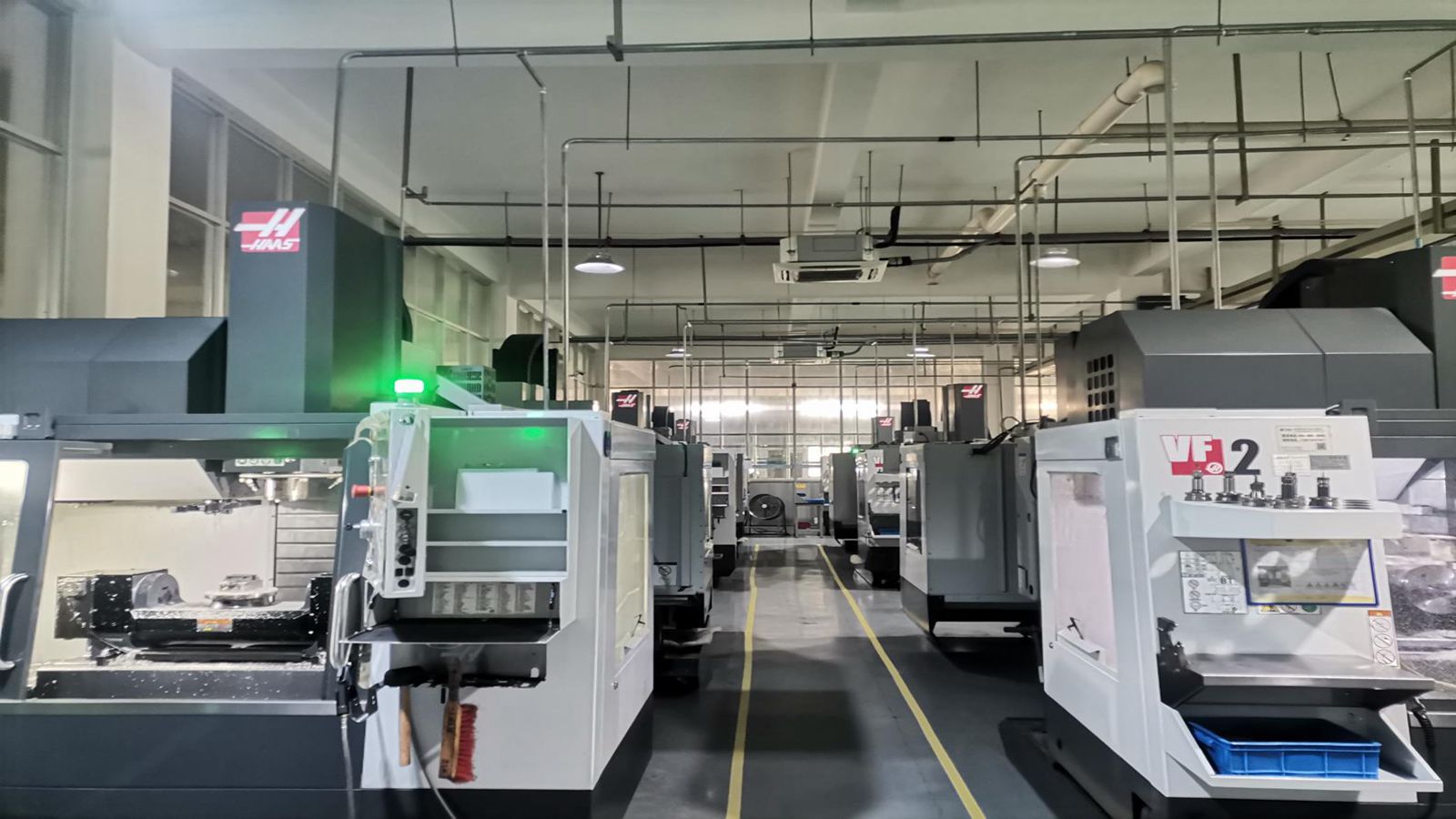
Our commitment to the Japanese market is backed by a robust production infrastructure. We operate 12 production lines with over 120 advanced production machines, ensuring that every screw, plate, and fixator meets the "Zero Defect" expectation of Japanese healthcare providers.

ISO13485

EN ISO 13485

MDSAP

CE MDR
Founded in 2015, our 30,343㎡ facility produces over 25 new orthopedic innovations annually, serving as a pillar for global orthopedic supply chains.