Ease Medical Apparatus And Instruments
Ease Medical Apparatus And Instruments
Ease Medical Apparatus And Instruments
Direct manufacturer-sourced, premium-grade titanium alloy and PEEK medical devices engineered for spinal stabilization, osteosynthesis reconstruction, and trauma recovery.
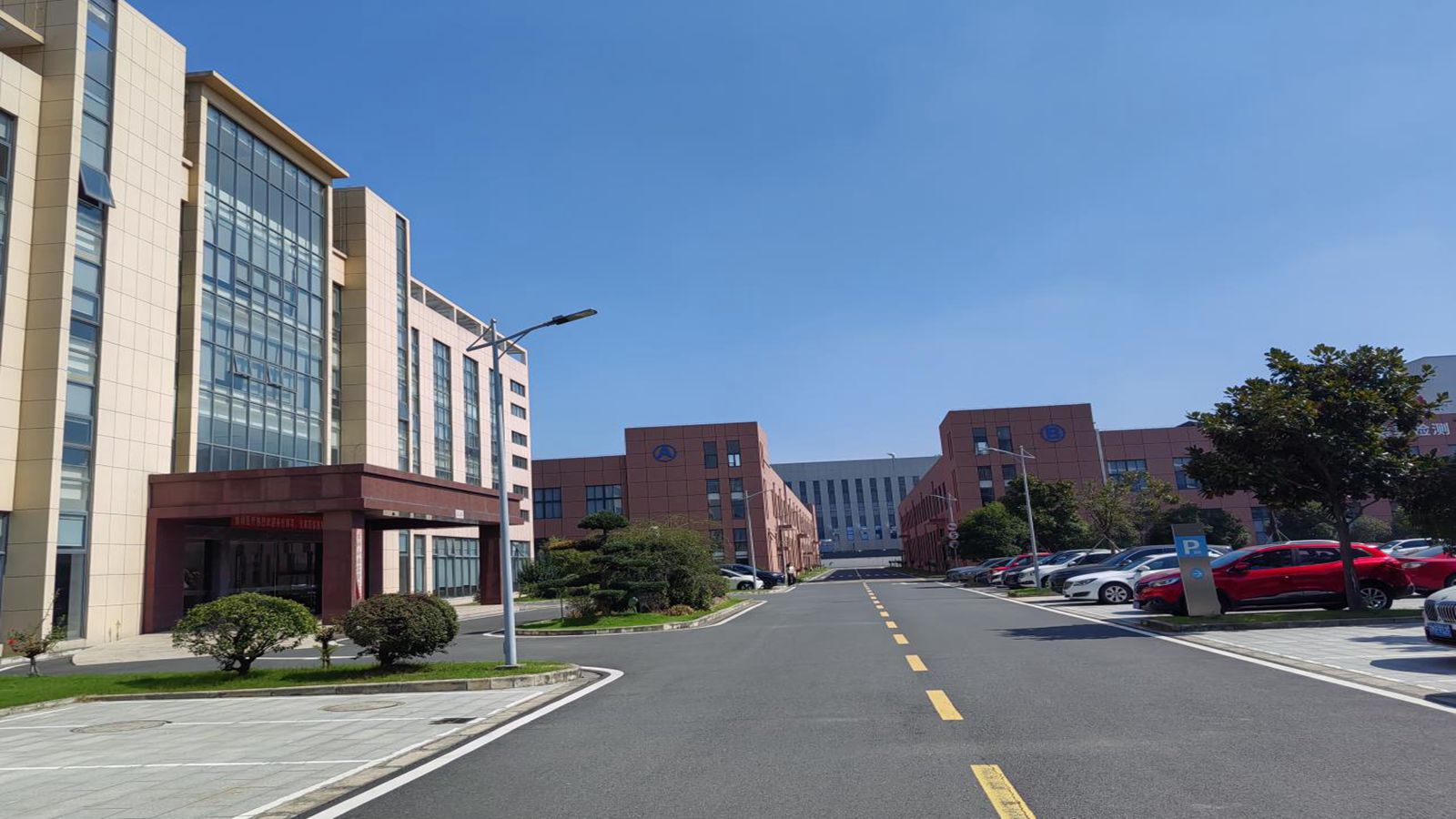
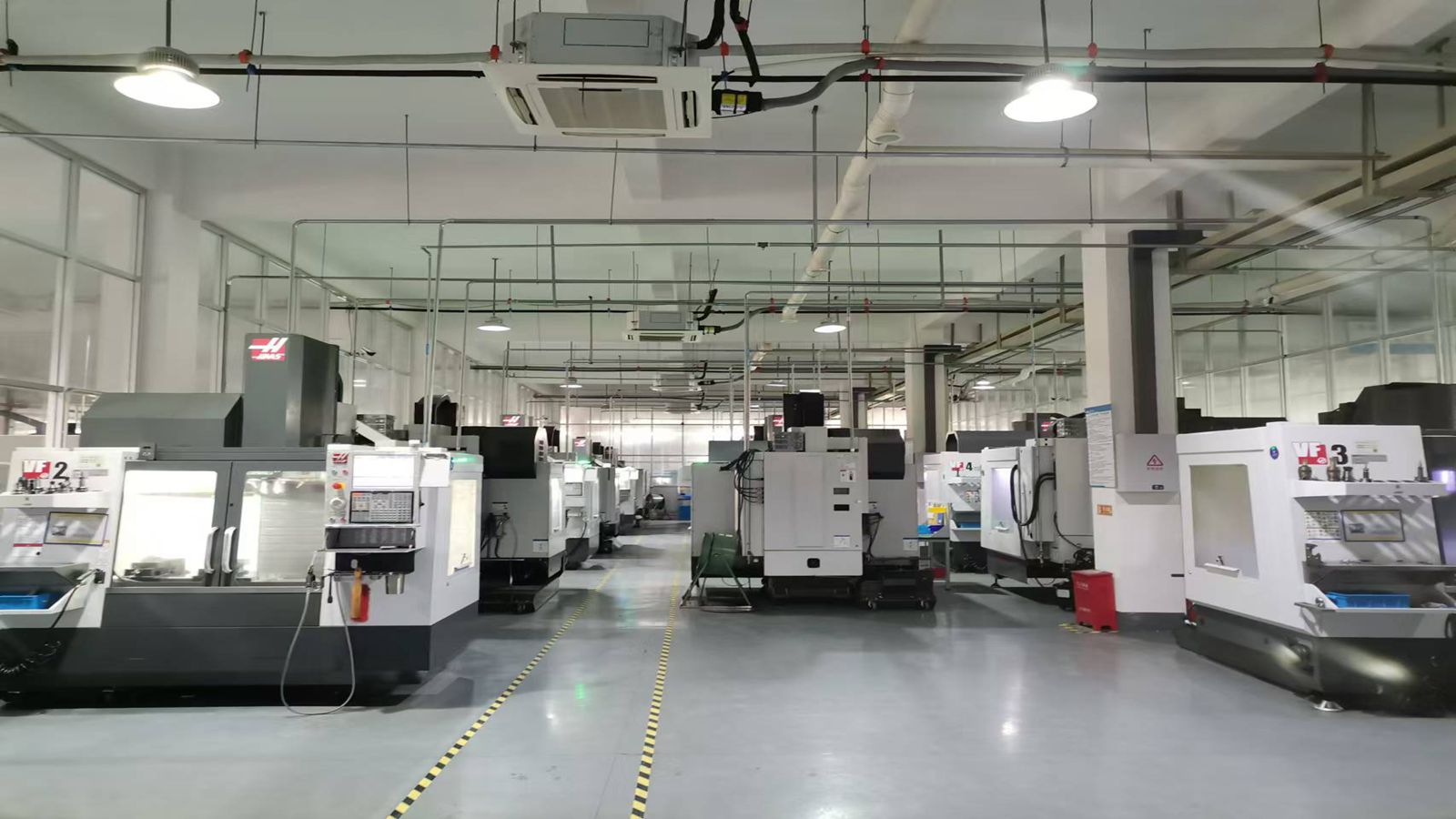
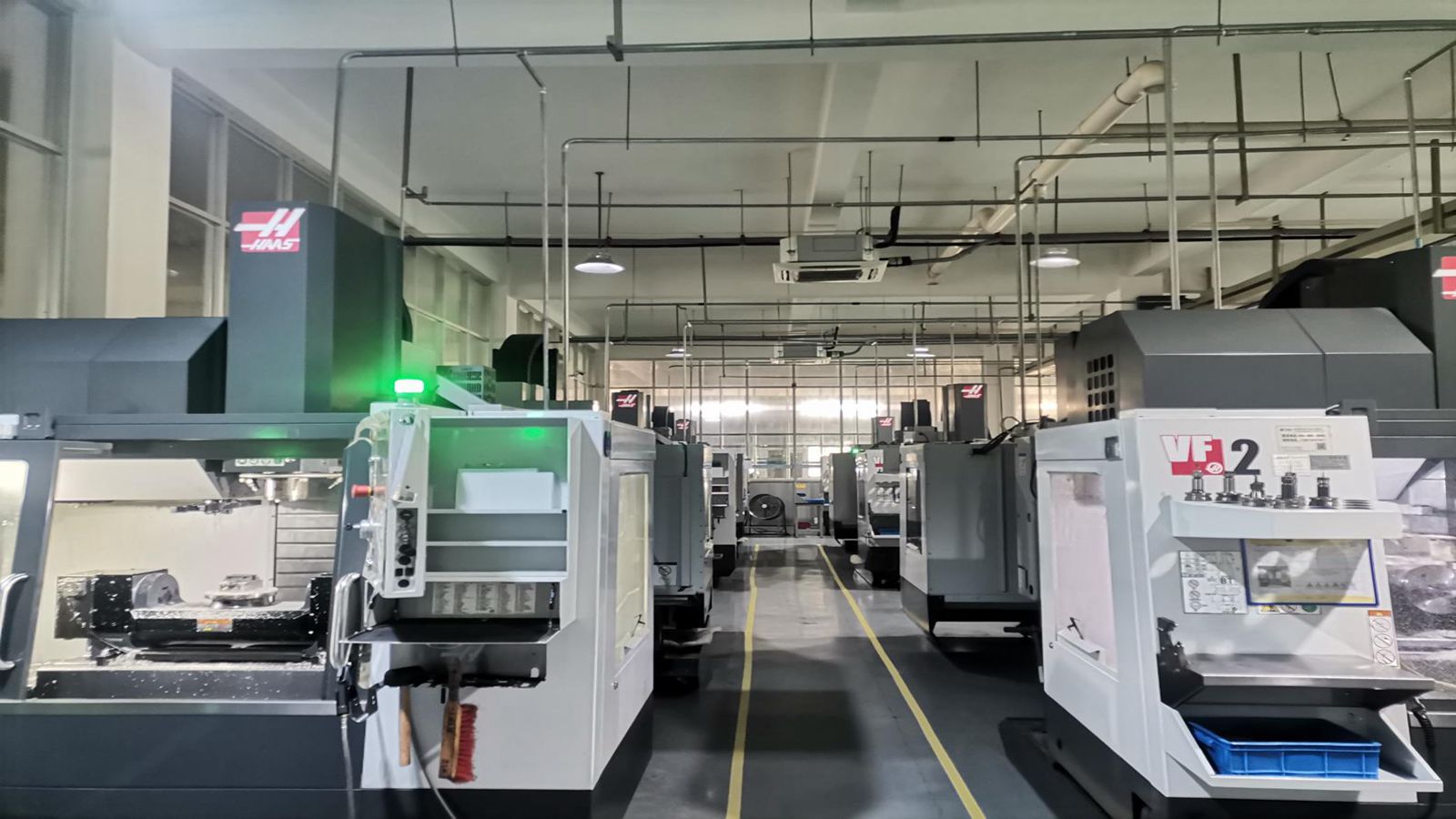
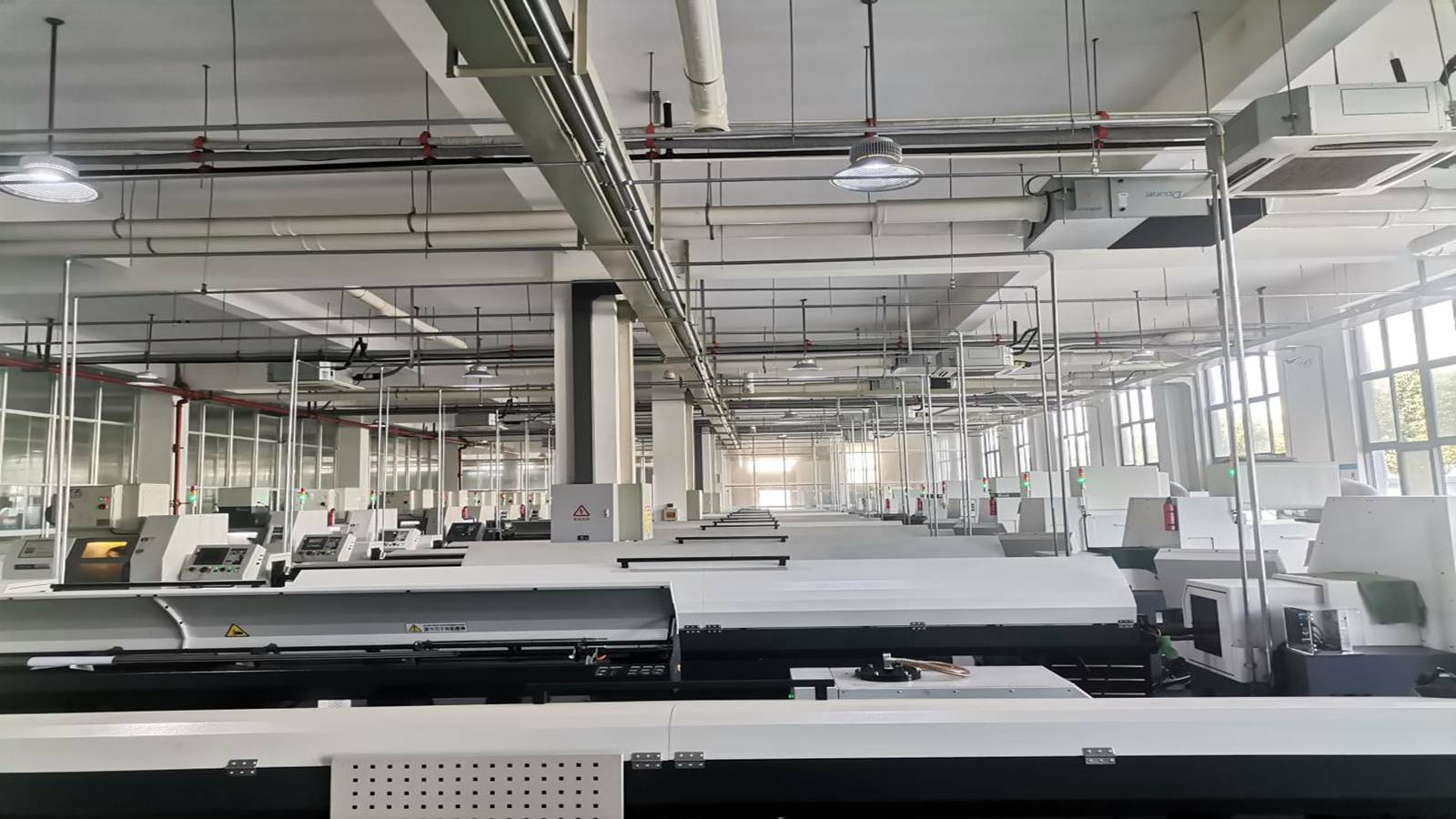
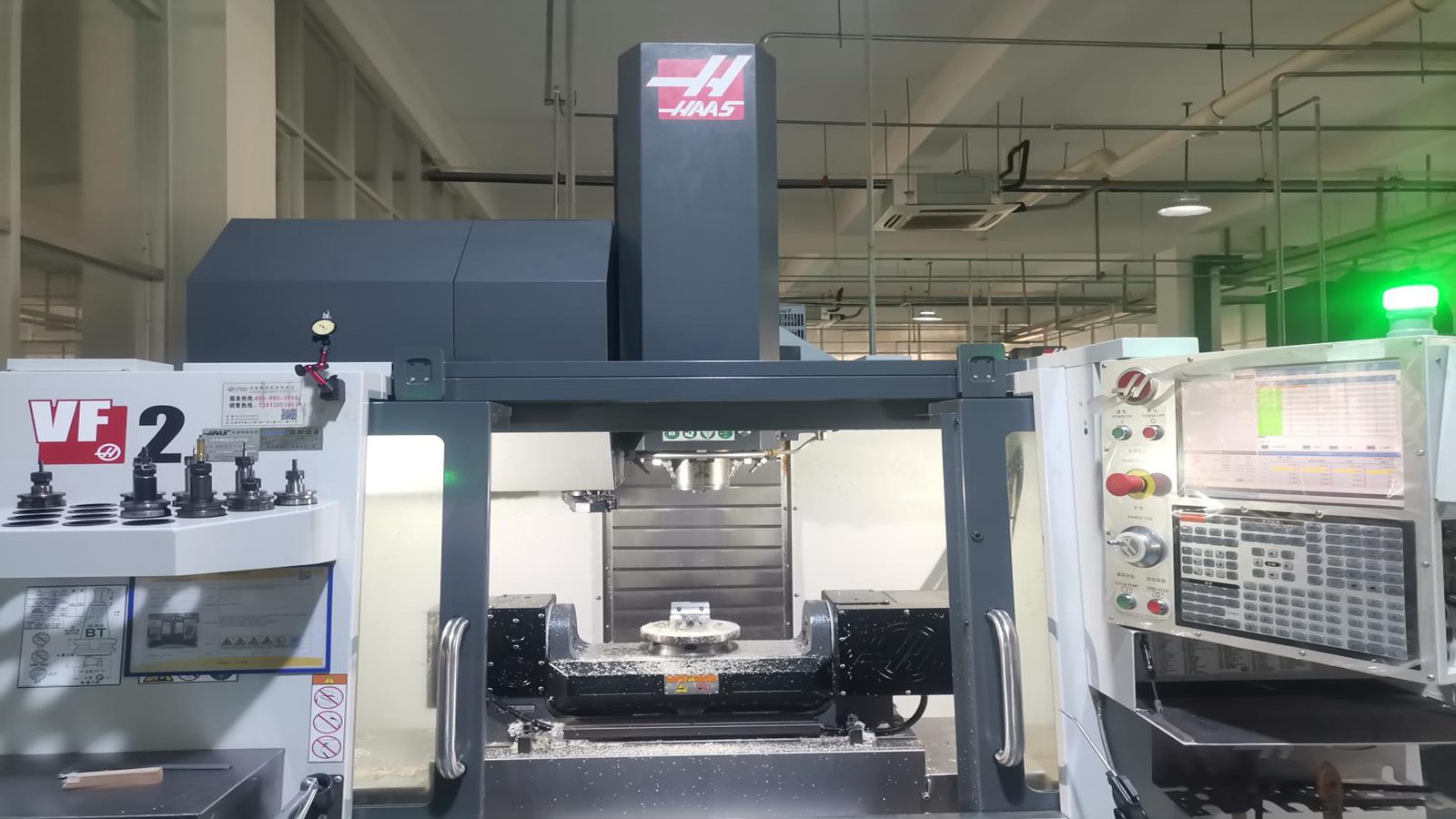
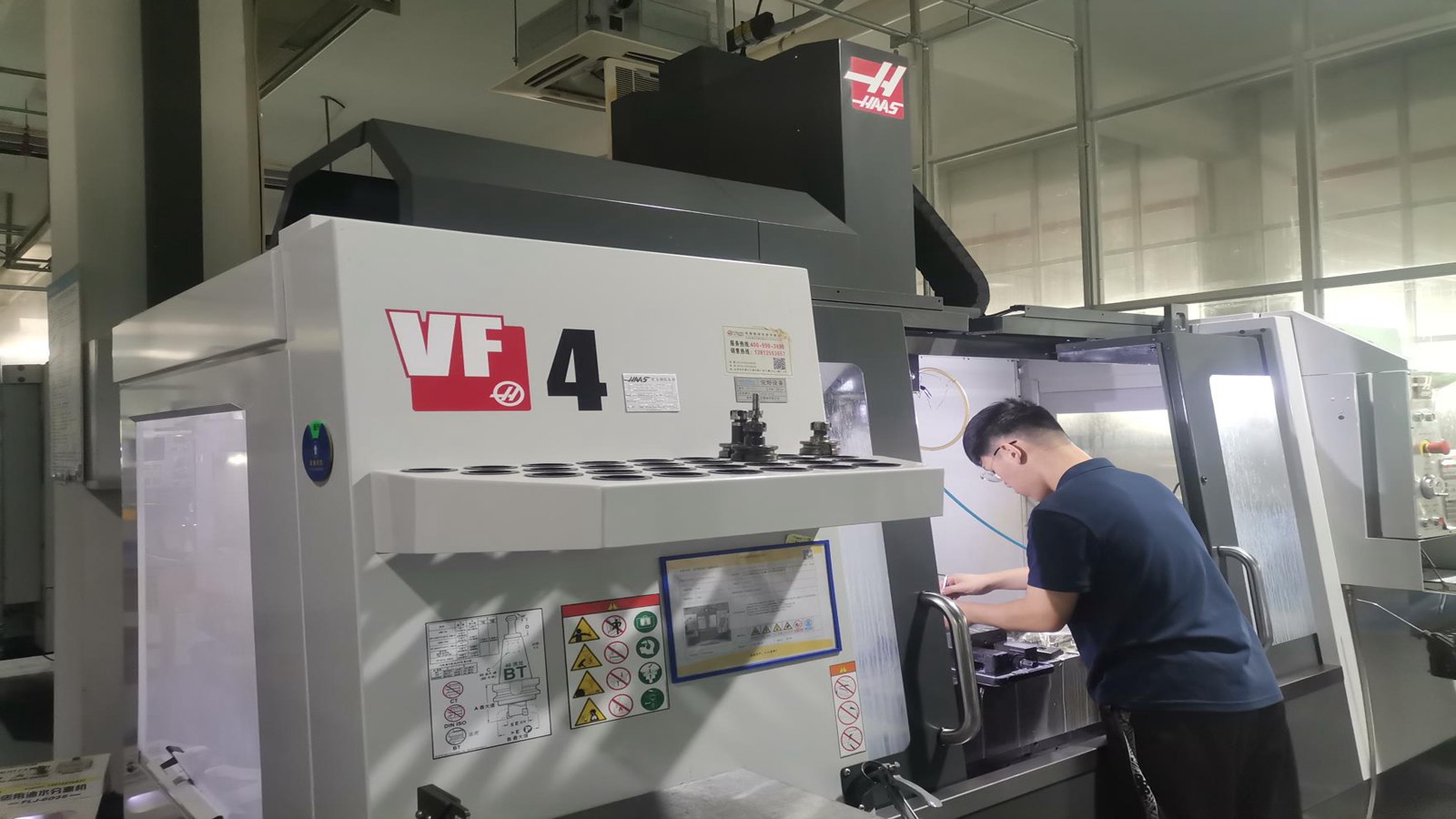
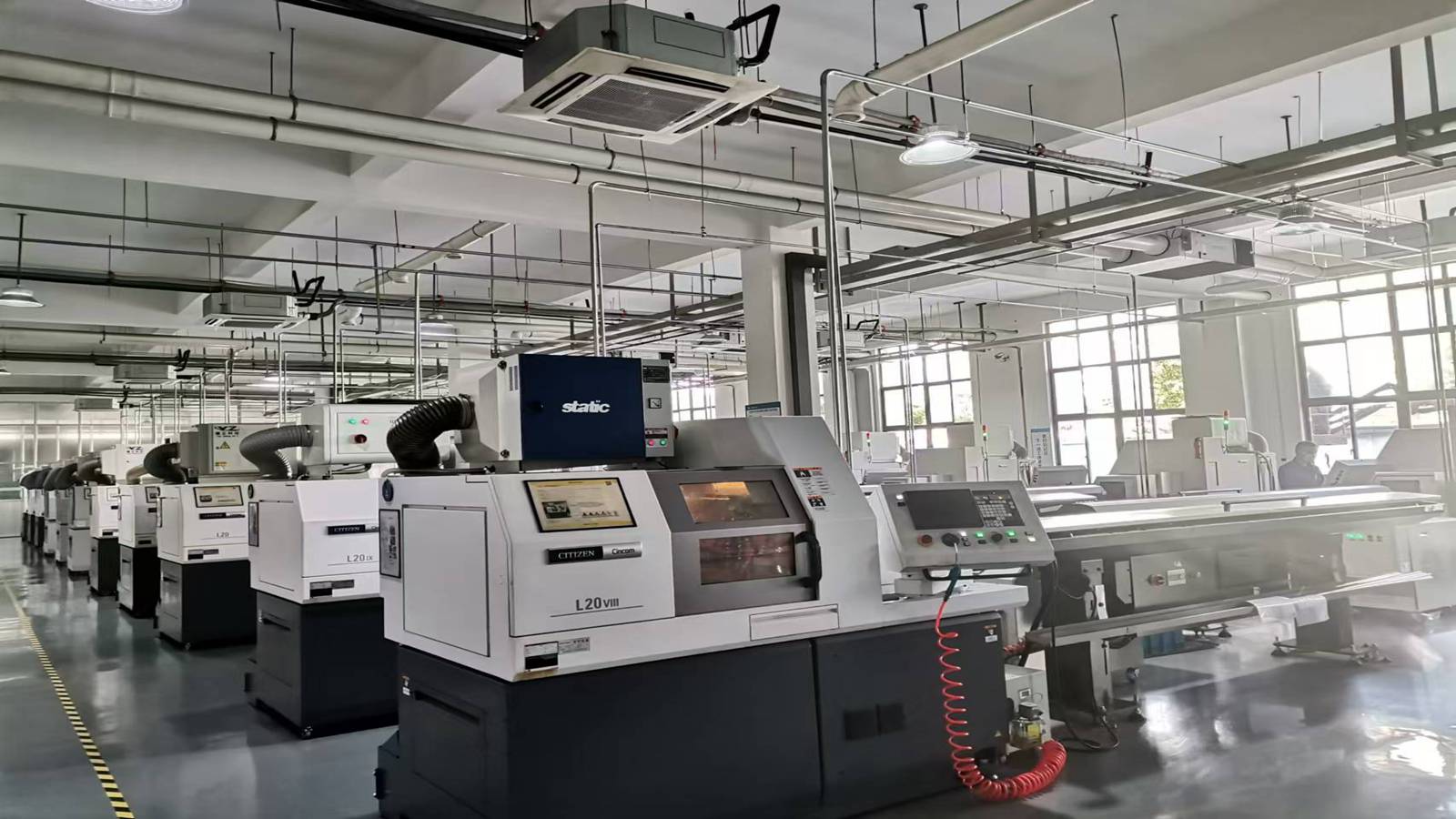
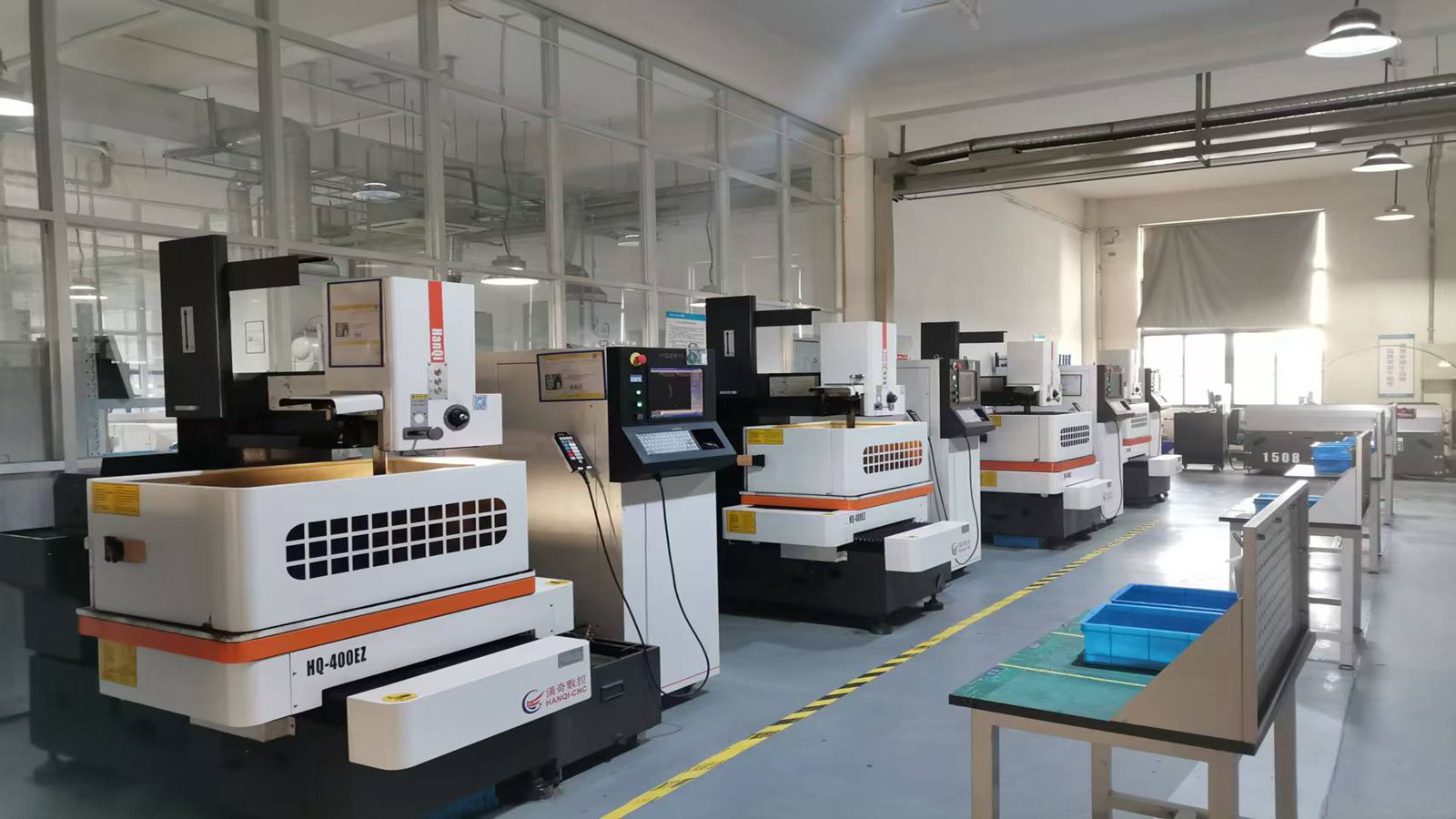
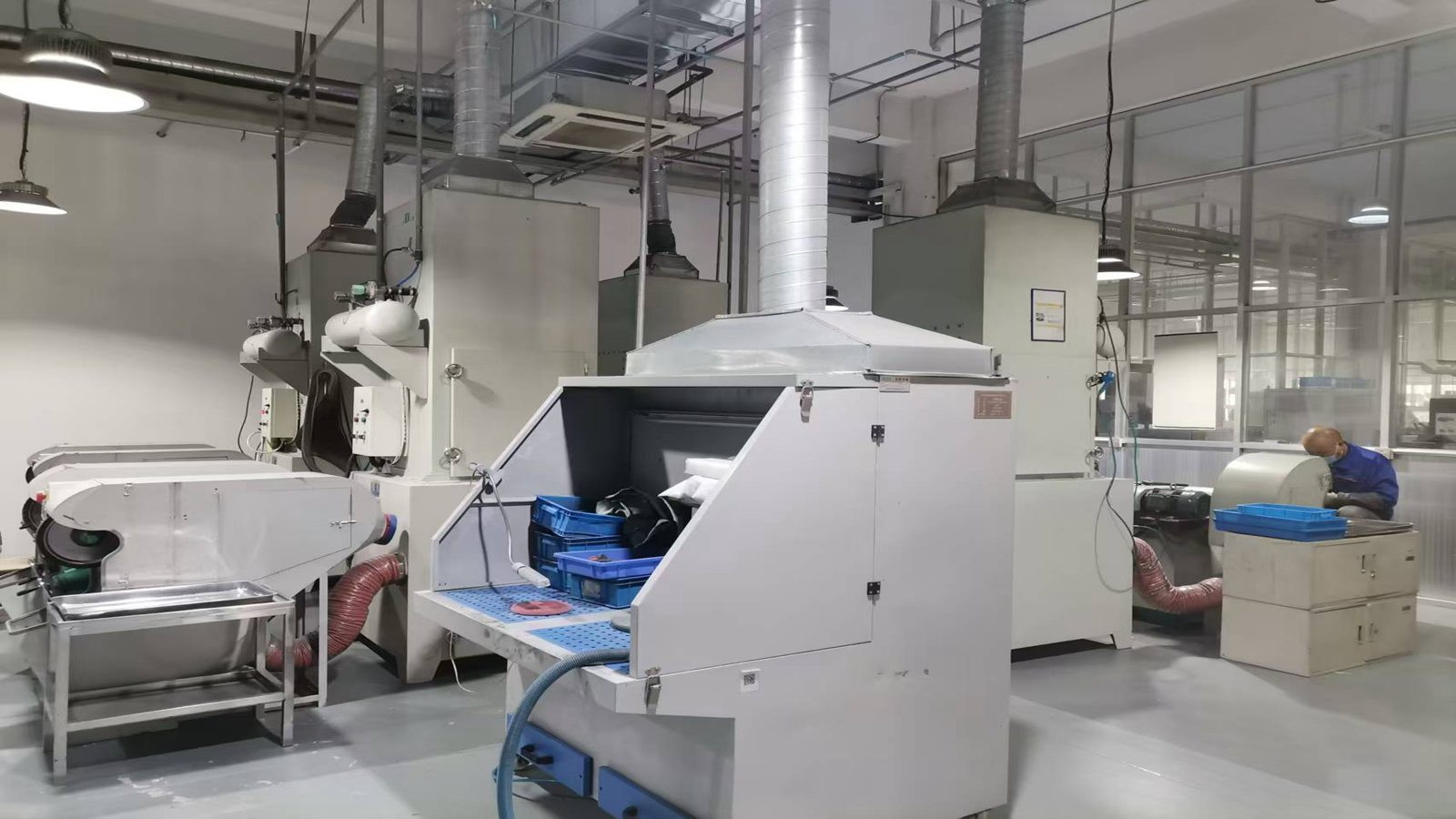
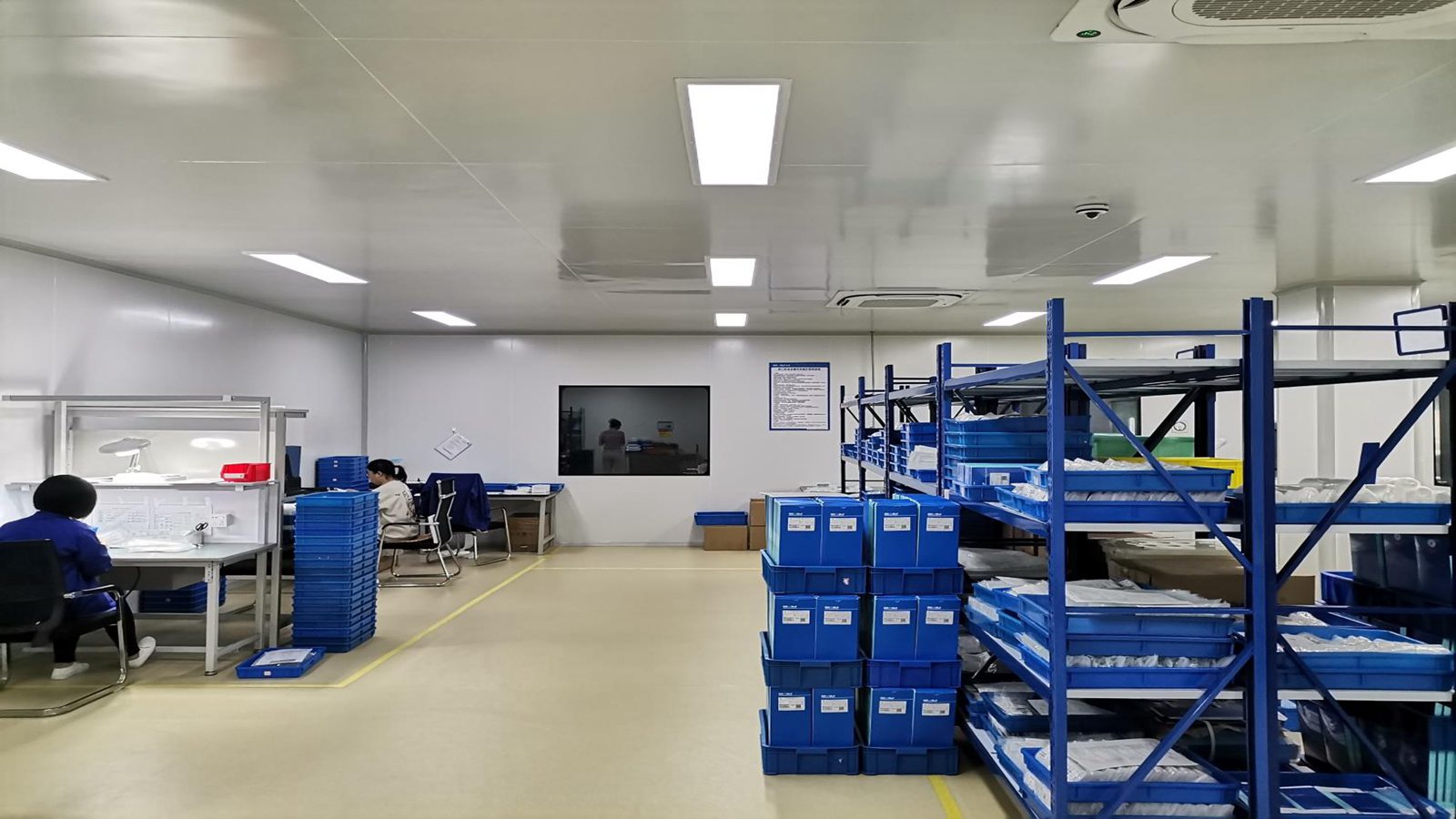
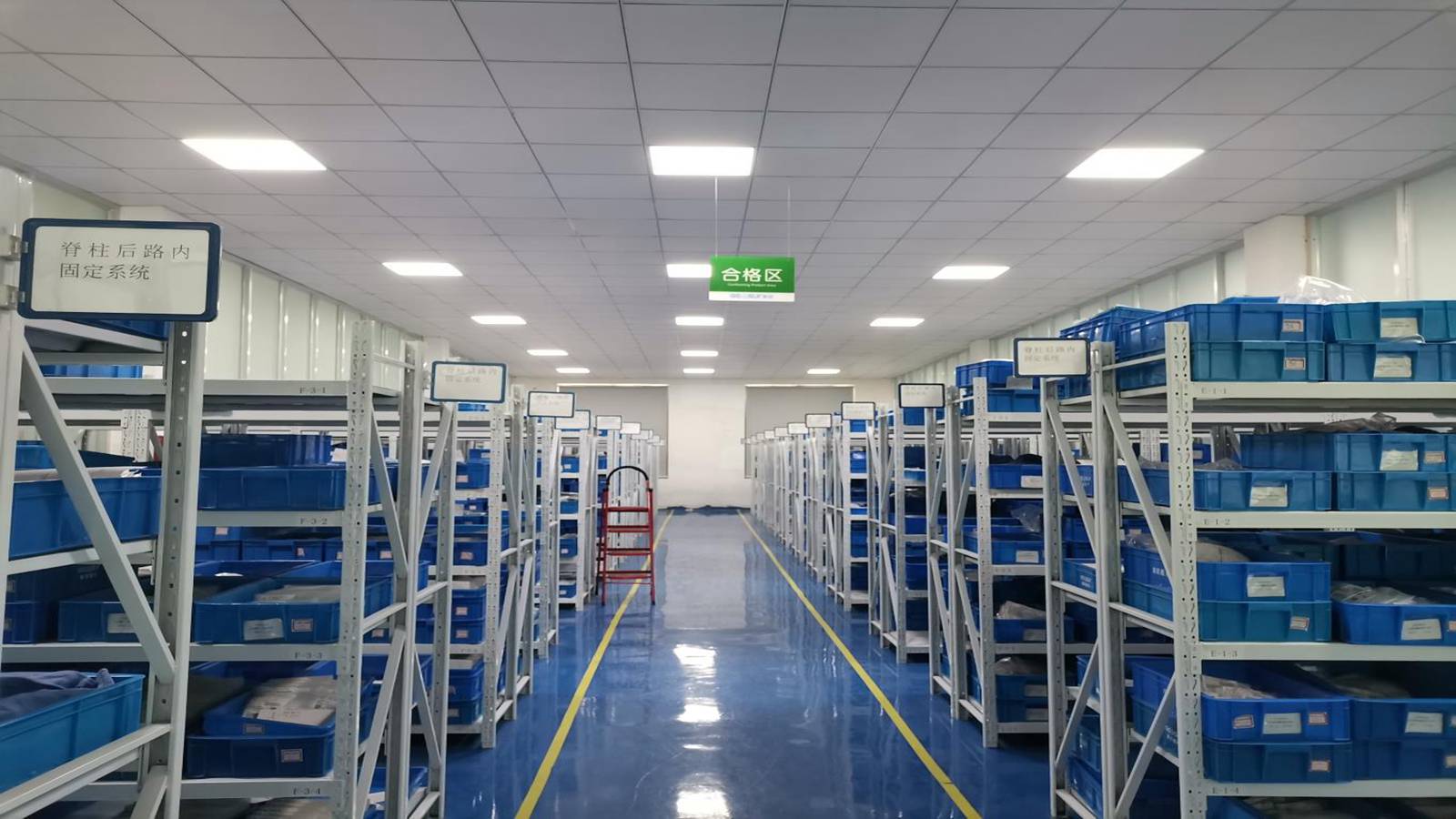
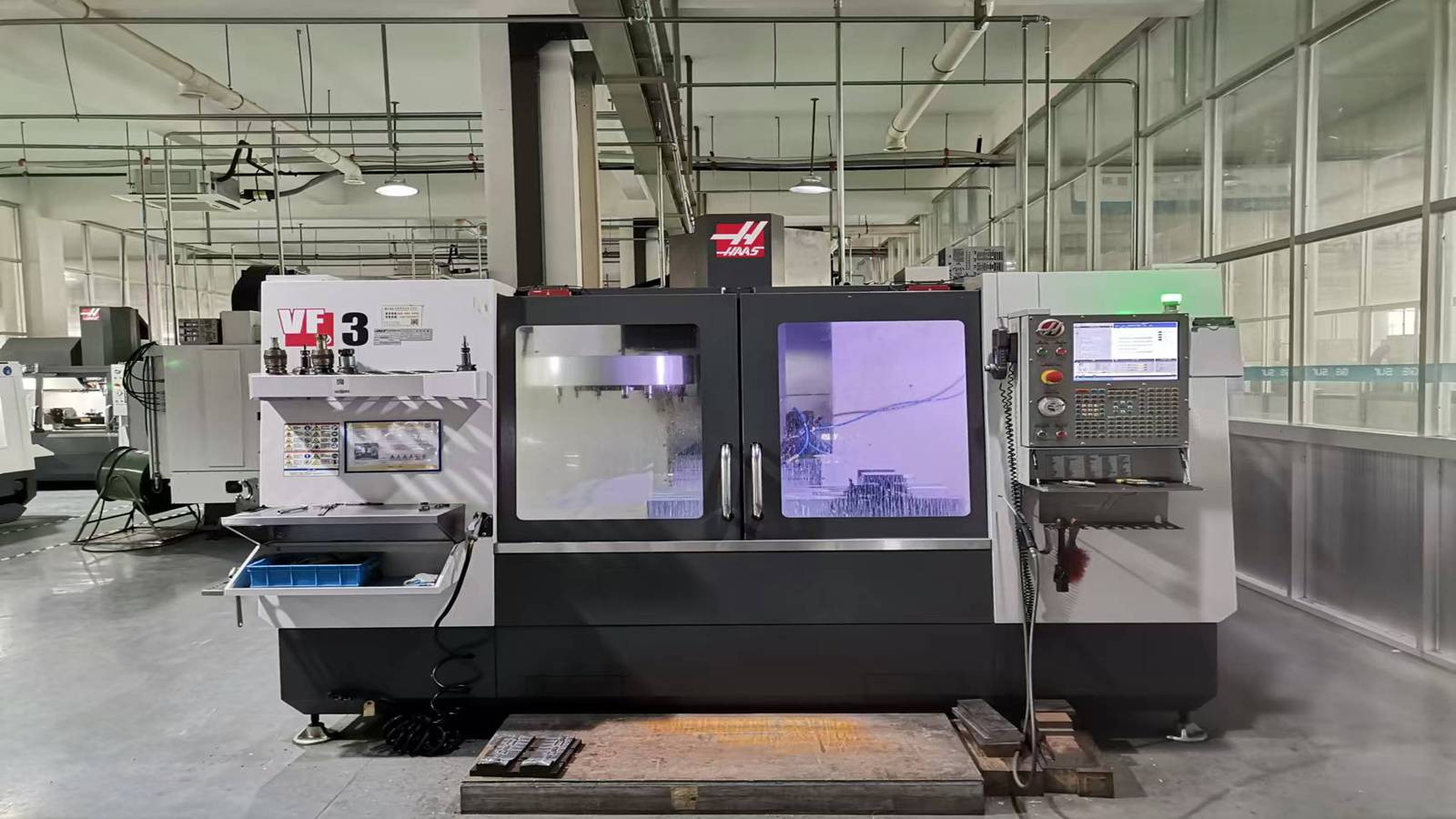
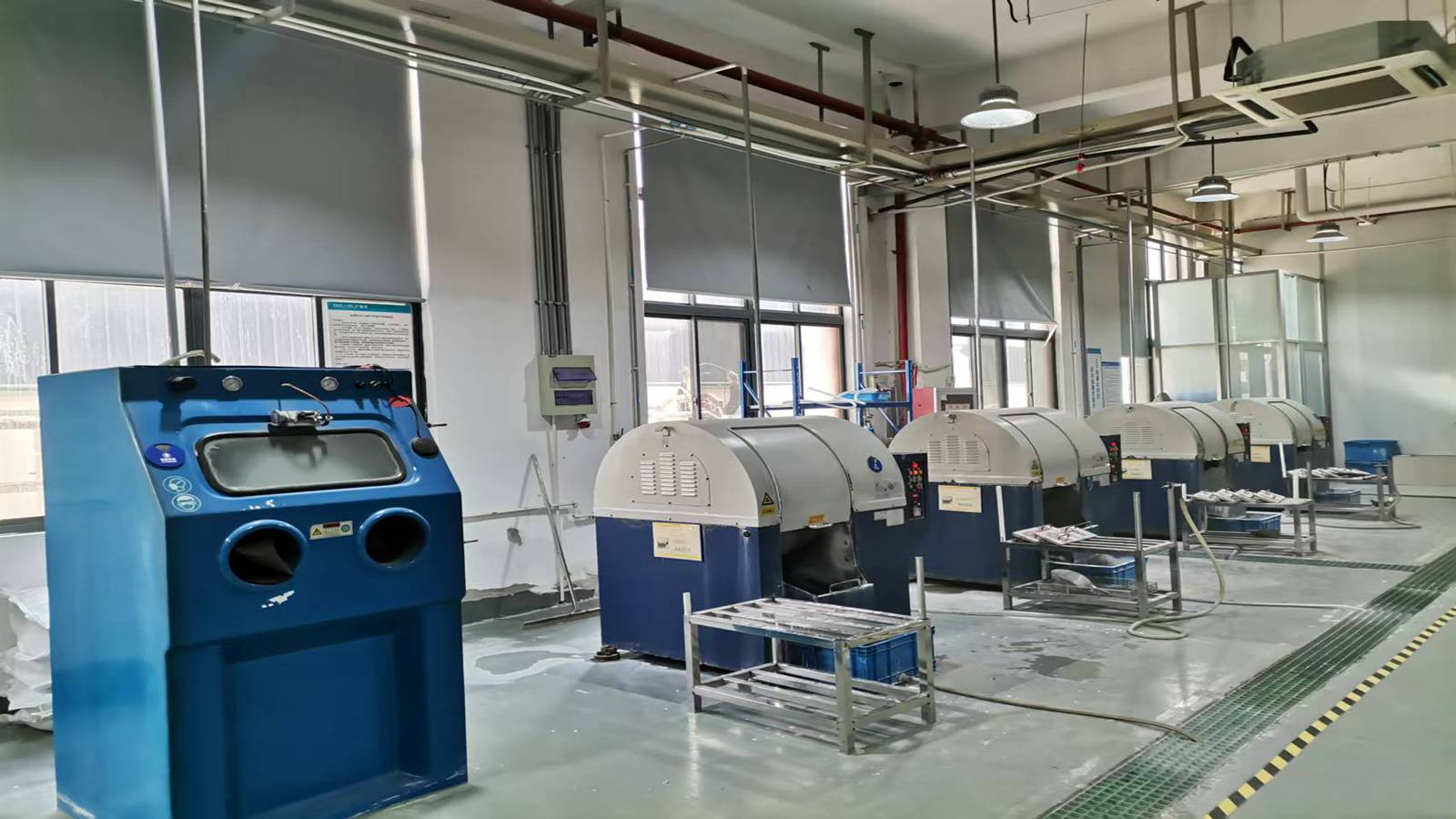
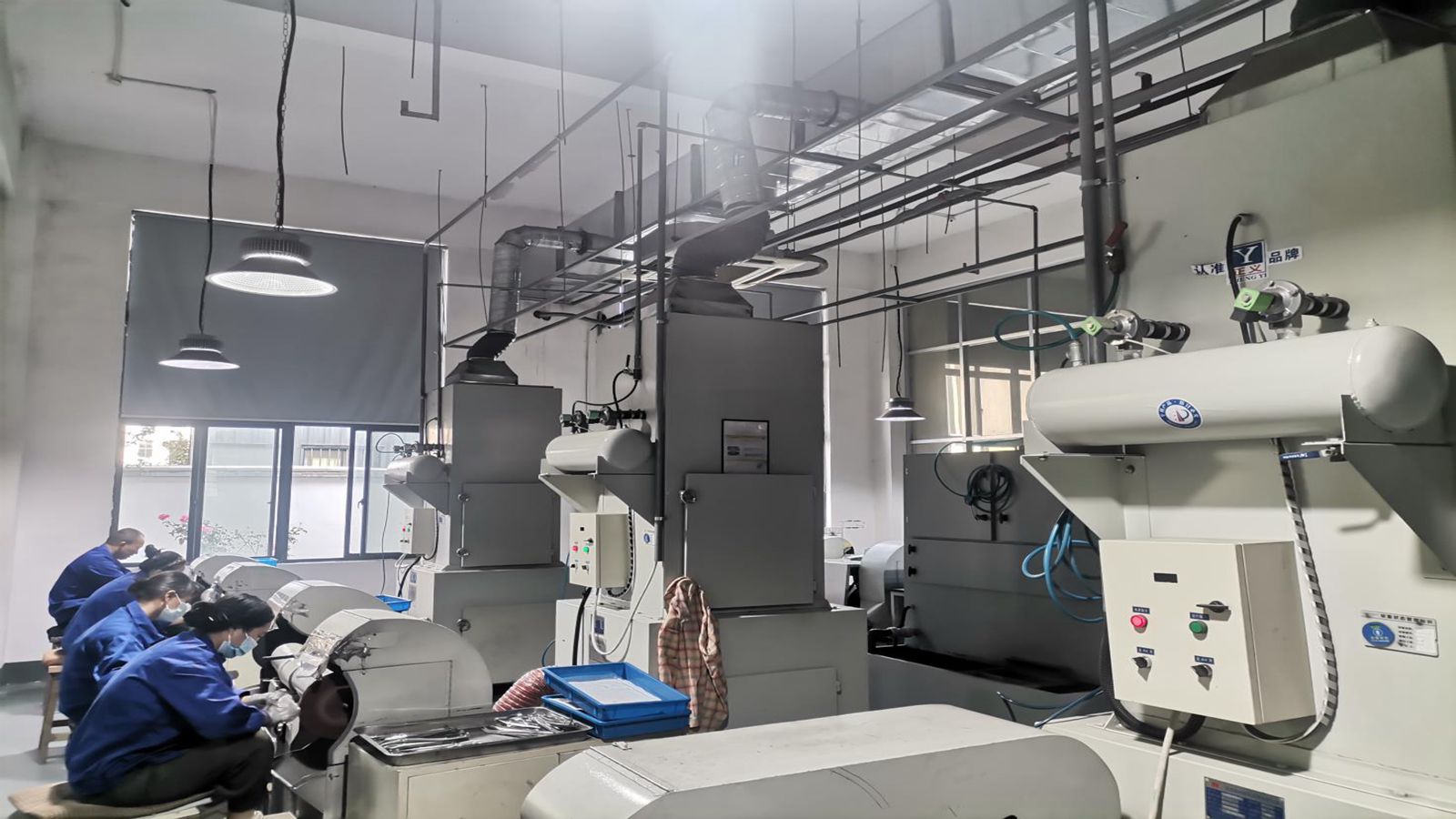
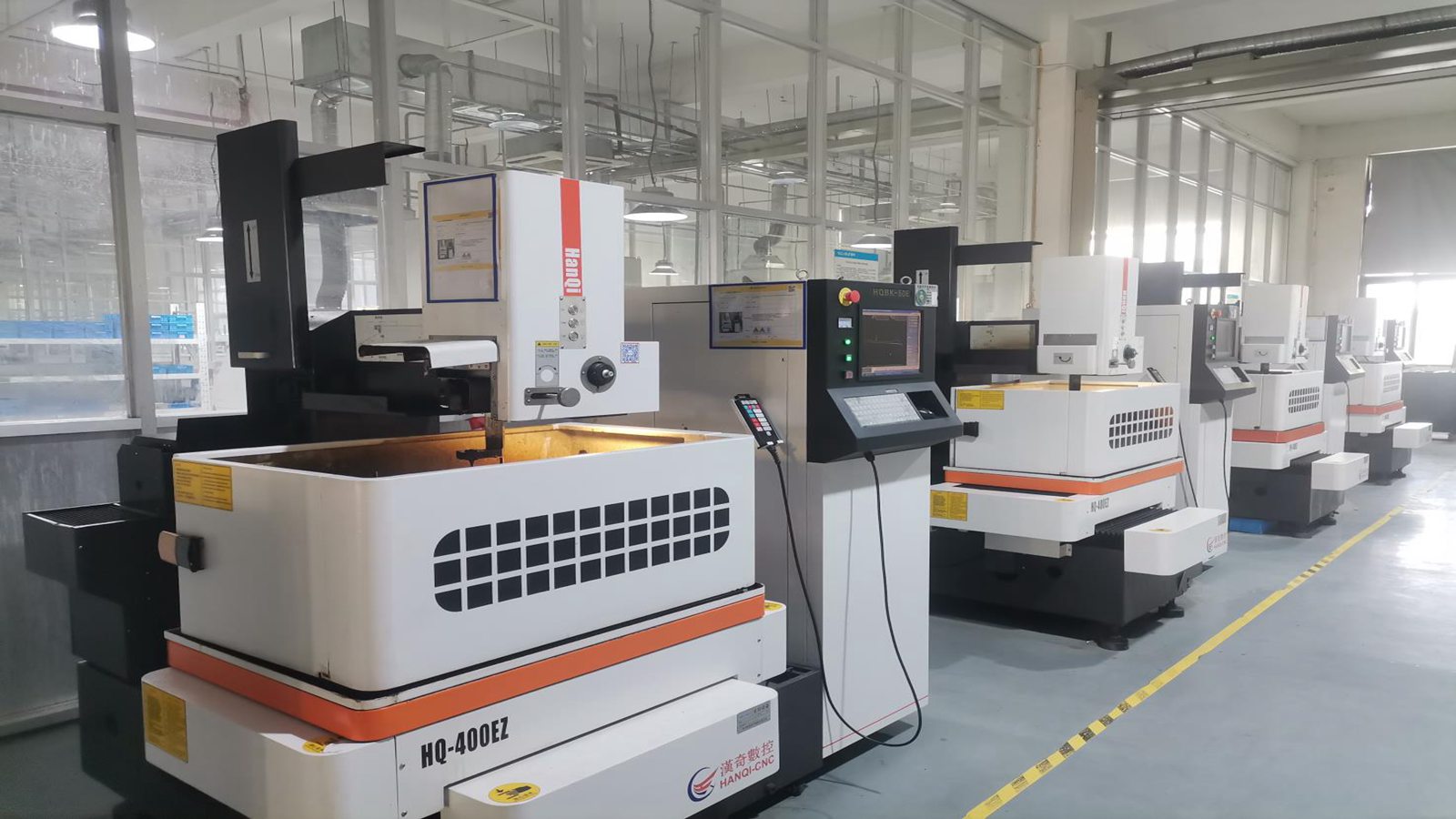
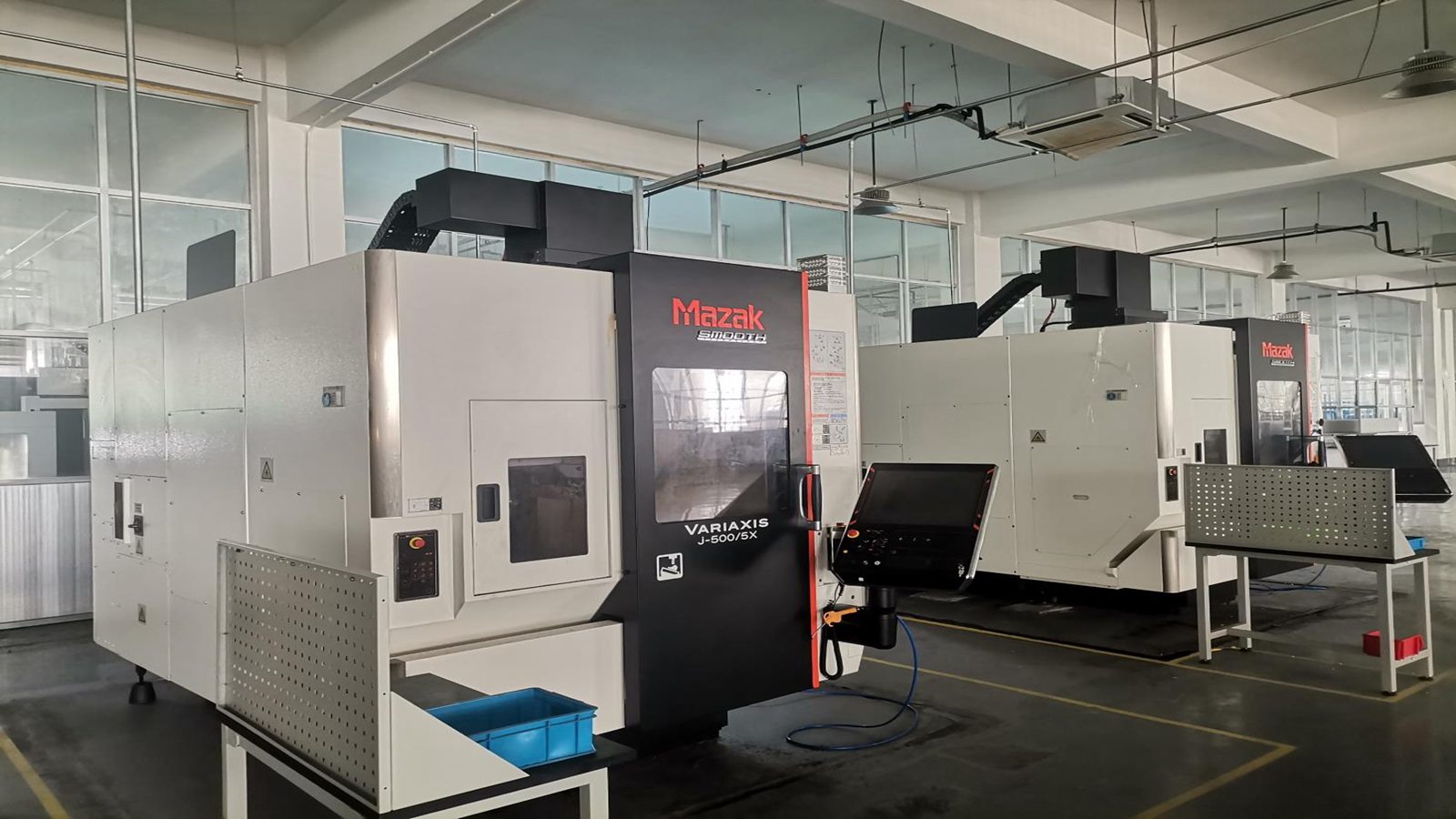
Since 2015, we have established a state-of-the-art manufacturing campus of over 30,343 square meters. Equipped with 12 advanced production lines, our manufacturing floor houses 120 precision CNC machines and specialized medical-grade surface treatment systems.
 ISO13485 (04723Q10000765)
 EN ISO 13485 (EPT 25 ISO 13485 0067)
 MDSAP Certified (C730178)
 CE MDR (EPT 0477.MDR.25/5905)
 CE MDR (EPT 0477.MDR.26/6113)
The global orthopedic rigid fixation system market is undergoing a significant transformation, driven by an aging global population, the increasing incidence of trauma cases, and rapid advancements in biomaterial science. Rigid fixation—including spinal pedicle screws, locking plates, intramedullary nails, and skull/maxillofacial fixation plates—serves as the cornerstone of modern osteosynthesis. Its primary objective is to provide mechanical stability, reduce structural micro-motion, and facilitate anatomical alignment during the healing process.
Developing nations are transitioning away from basic stainless-steel fixation devices to advanced titanium alloys (Ti-6Al-4V ELI) and biocompatible polymers such as Polyetheretherketone (PEEK). According to global health database assessments, the need for revision surgeries has declined by over 30% when utilizing dynamic or rigid locking systems that offer superior fatigue resistance and anatomical pre-shaping.
By leveraging advanced automation and integrated manufacturing centers based in mainland China, global medical procurement systems can acquire high-tier regulatory approved implants (CE MDR and MDSAP compliant) at a fraction of Western historical costs without compromising metallurgical integrity.
Modern rigid fixation protocols emphasize anatomical pre-contouring and locked-screw geometries. This eliminates the necessity of pressing the plate tightly against the periosteum, thereby preserving local vascular supply and accelerating cortical remodeling.
Titanium Grade 5 (Ti-6Al-4V ELI) and PEEK cages are engineered to match bone mechanical properties closer than standard stainless steel, which significantly reduces the phenomenon of "stress shielding" and post-operative implant loosening.
High-performance rigid fixation systems require extreme precision during fabrication. Our ISO 13485-certified facilities leverage advanced Swiss-type CNC lathes and multi-axis machining centers to achieve dimensional tolerances within 0.005mm.
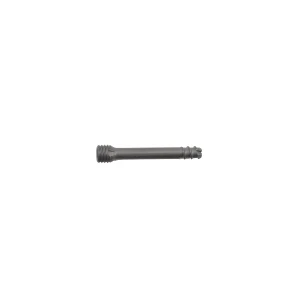
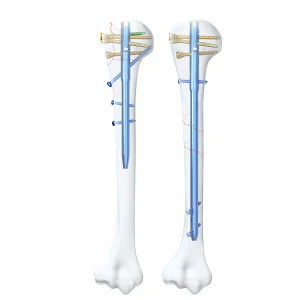
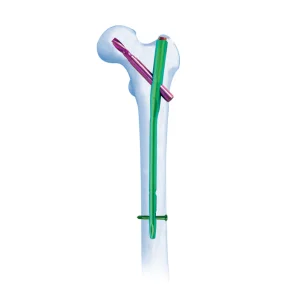
All pedicle screws, intramedullary nails (such as PFNA systems), and bone compression plates are fabricated from Medical Grade Titanium Alloy (Ti-6Al-4V ELI). This material displays exceptional biocompatibility, superior corrosion resistance, and an optimal strength-to-density ratio compared to conventional metals.
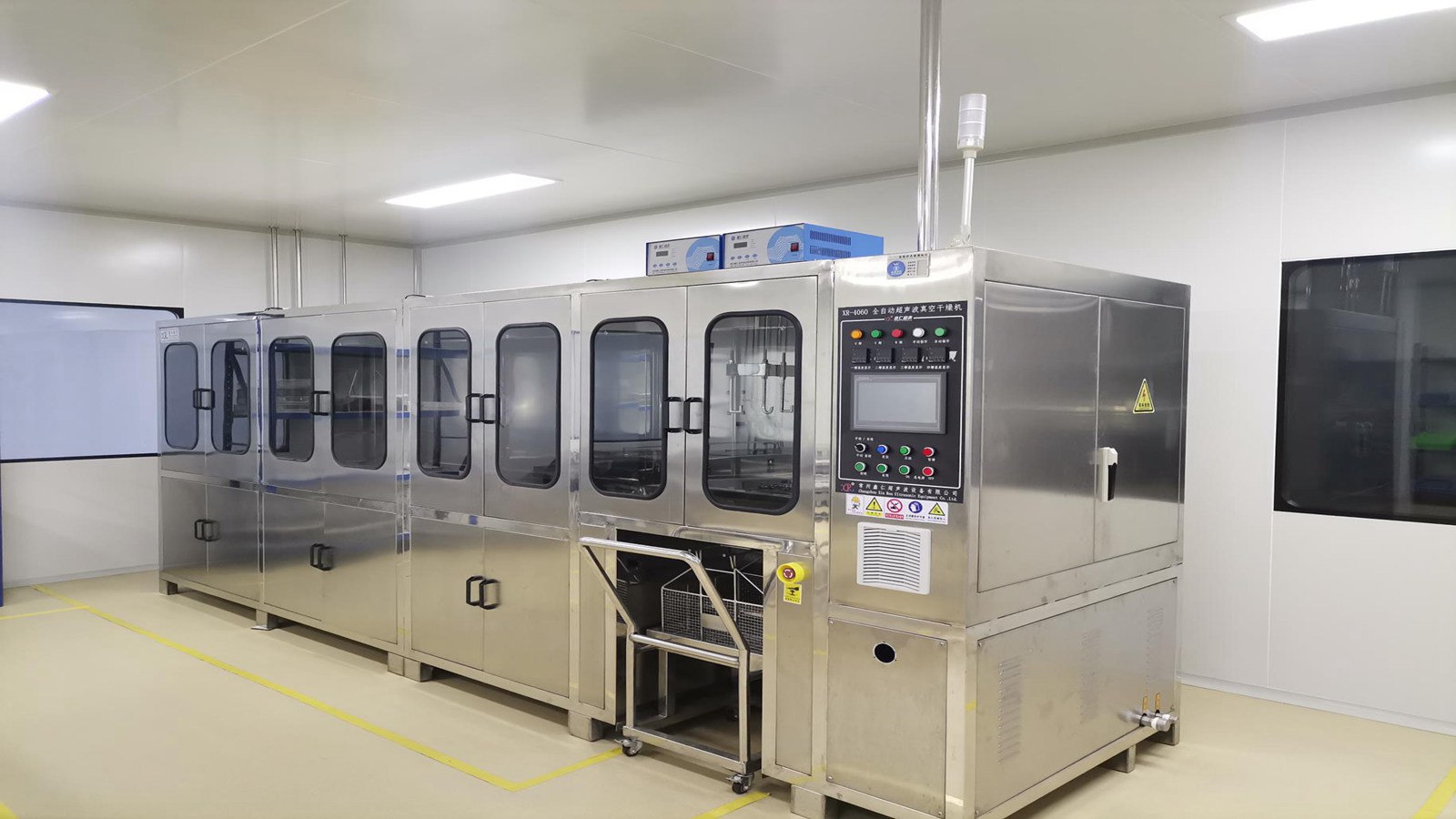
To enhance osseointegration, our implants undergo automated surface treatment protocols including type-II anodization, grit-blasting, and chemical etching. This generates a stable, bio-inert titanium dioxide layer that promotes rapid osteoblast attachment.
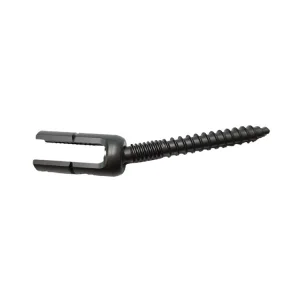
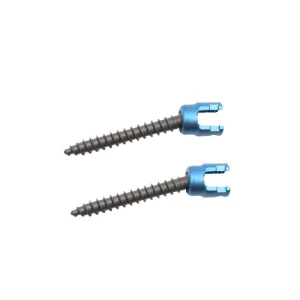
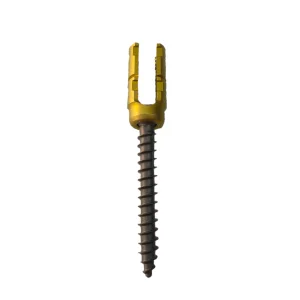
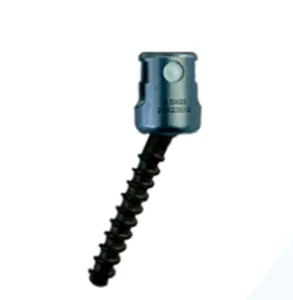
Our spine screws incorporate a dual-lead thread profile that optimizes insertion torque while doubling the pull-out resistance. The self-tapping tip allows for immediate anatomical engagement without structural bone micro-fractures.
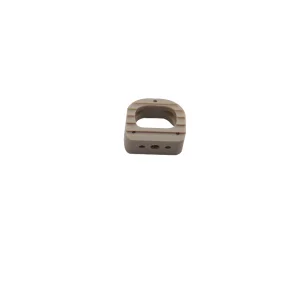
For interbody spinal cages, Polyetheretherketone (PEEK) is used. It features a modulus of elasticity very similar to human cortical bone, which facilitates physiological load sharing and provides absolute radiolucency for clear postoperative CT and MRI visualization.
Different clinical situations demand specific biomechanical configurations. Rigid fixation platforms must adapt to regional demographics, trauma trends, and surgical environments.
Using our 5.5mm and 6.0mm Polyaxial Pedicle Screws, surgeons can execute posterior instrumentation across complex spinal segments. In osteoporotic patients, the cannulated design allows for bone cement injection (PMMA augmentation) through the core of the screw, ensuring stable anchorage within compromised cancellous bone.
The PFNA (Proximal Femoral Nail Antirotation) system utilizes a single helical blade instead of traditional locking screws. This design compaction is ideal for geriatric proximal femur fractures, offering high resistance to cutout and rotation, reducing overall operating time, and allowing immediate postoperative weight-bearing.
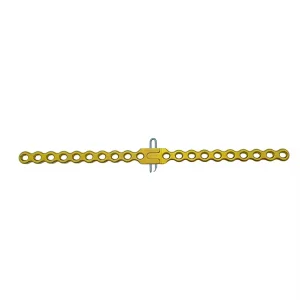
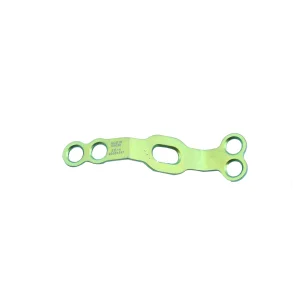
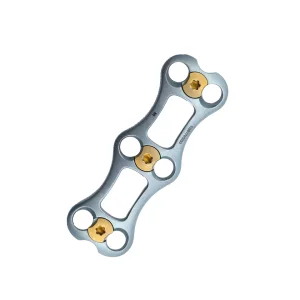
Distal lateral tibial locking plates offer anatomically contoured profiles designed to match the complex curves of the distal tibia. The dynamic combination of locking and compression screw holes allows the surgeon to apply compression or achieve rigid locking depending on the fracture classification (AO/OTA system).
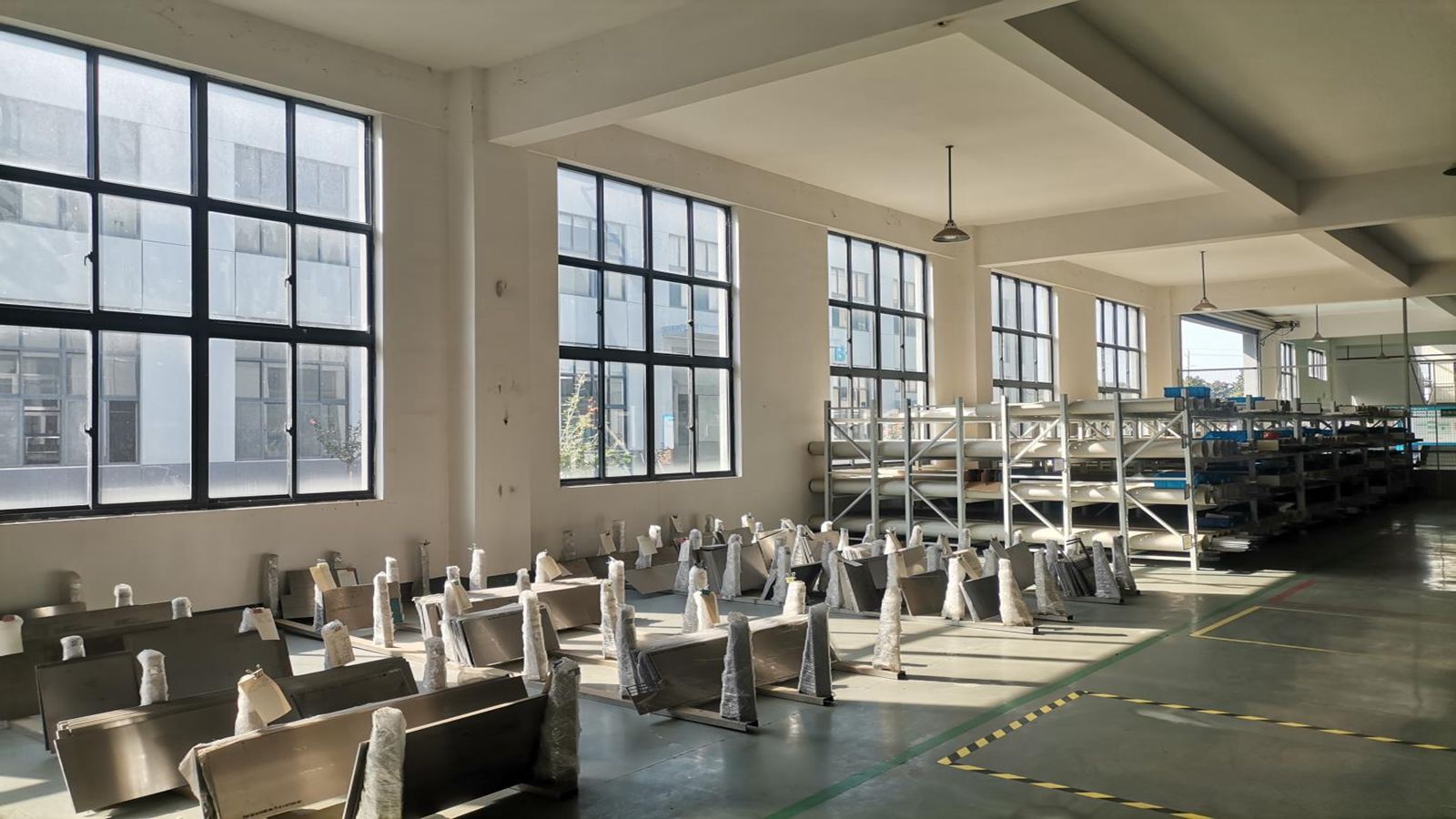
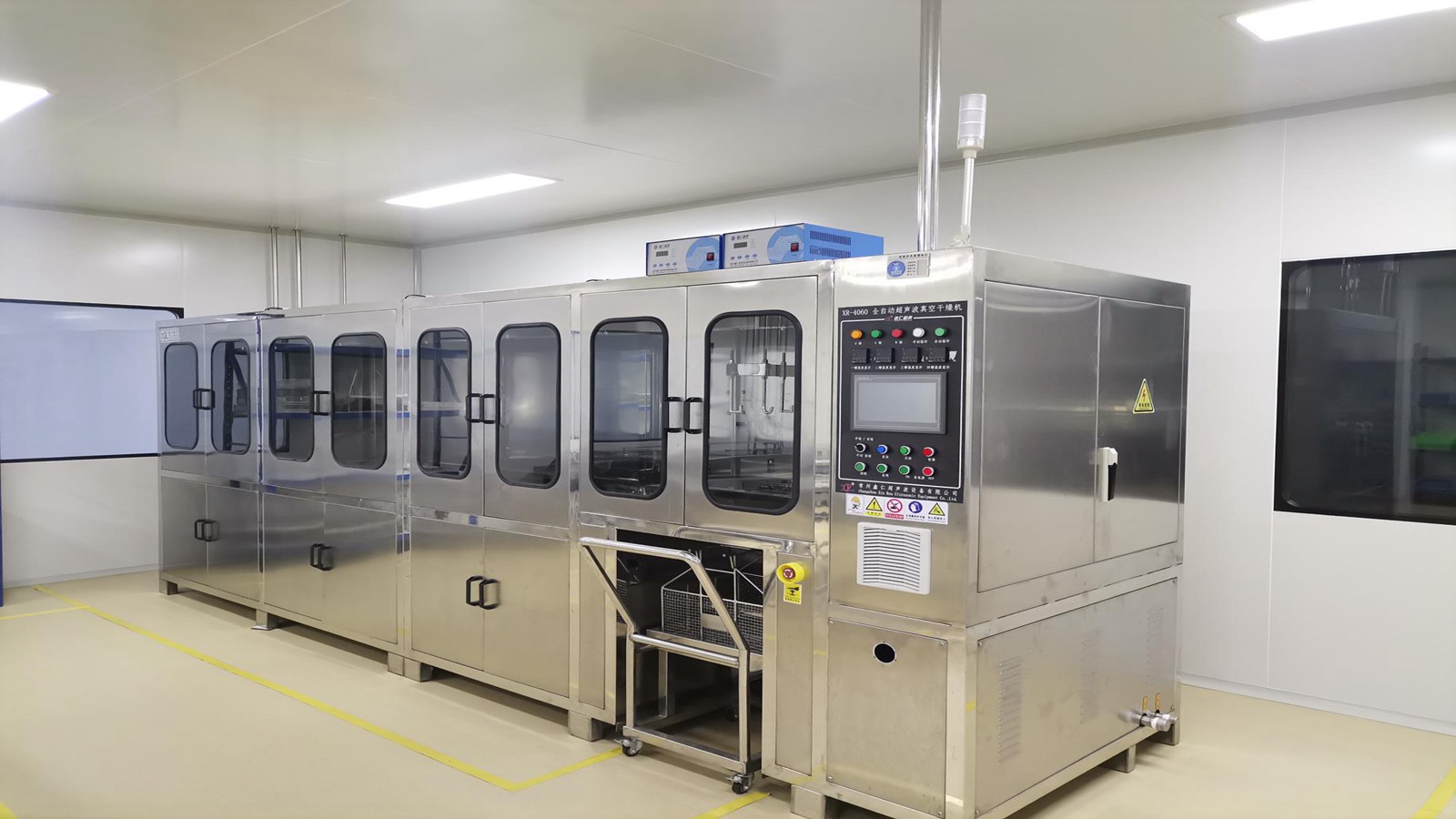
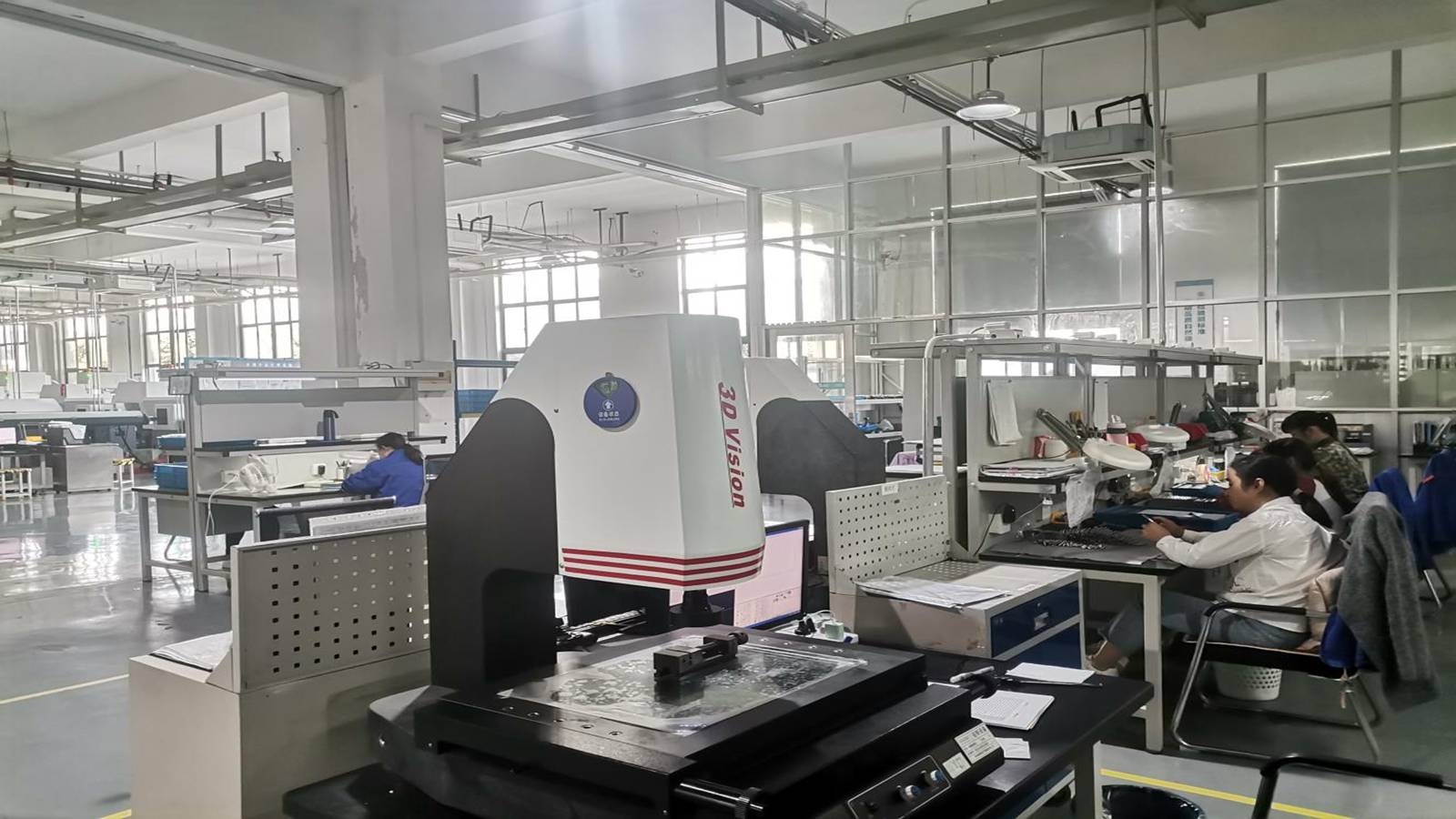
A visual demonstration of our modern medical manufacturing environment. All facilities maintain Class 100,000 (ISO 8) cleanroom standards for assembly and packaging, ensuring complete biological safety and sterile integrity.

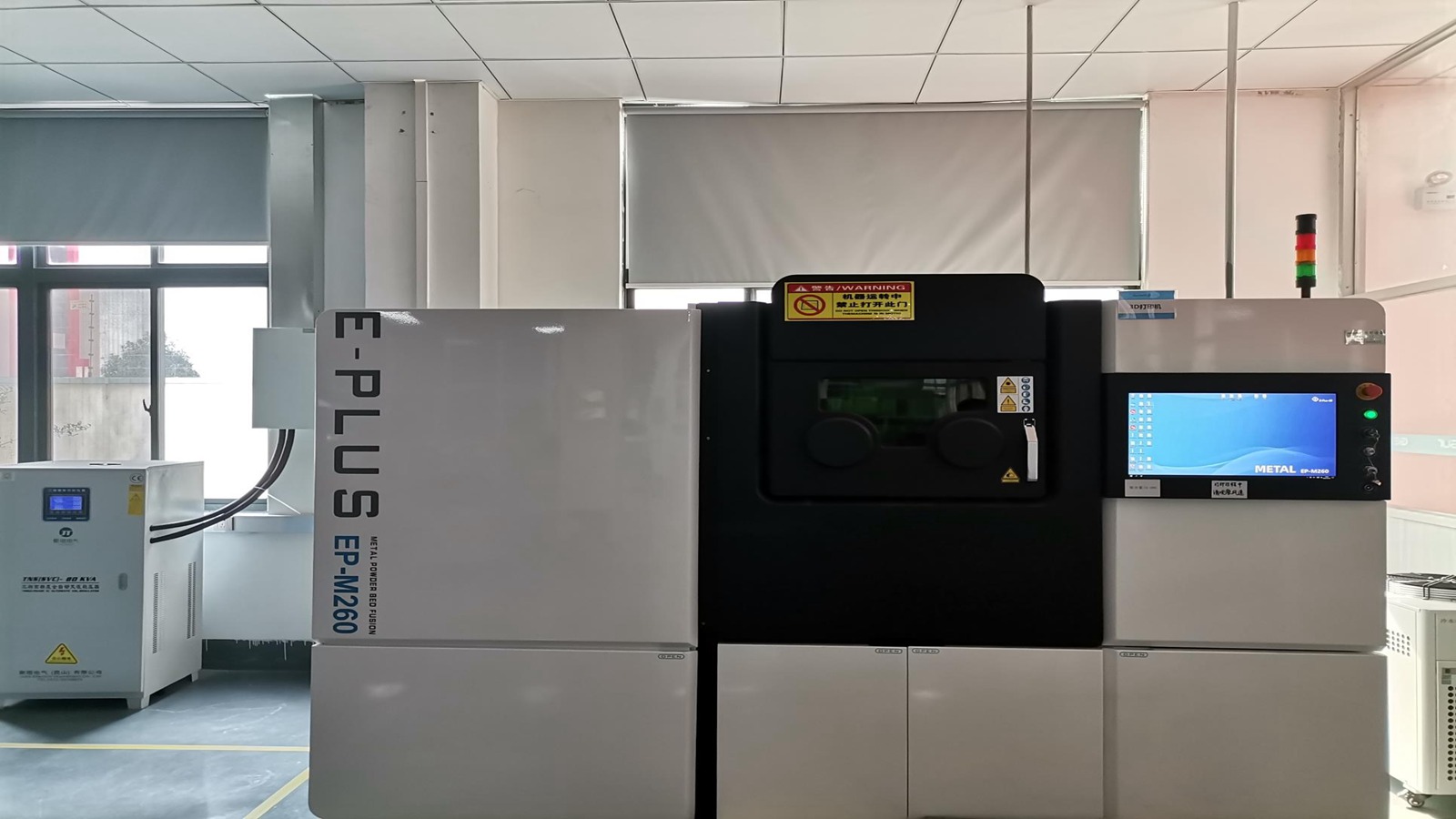
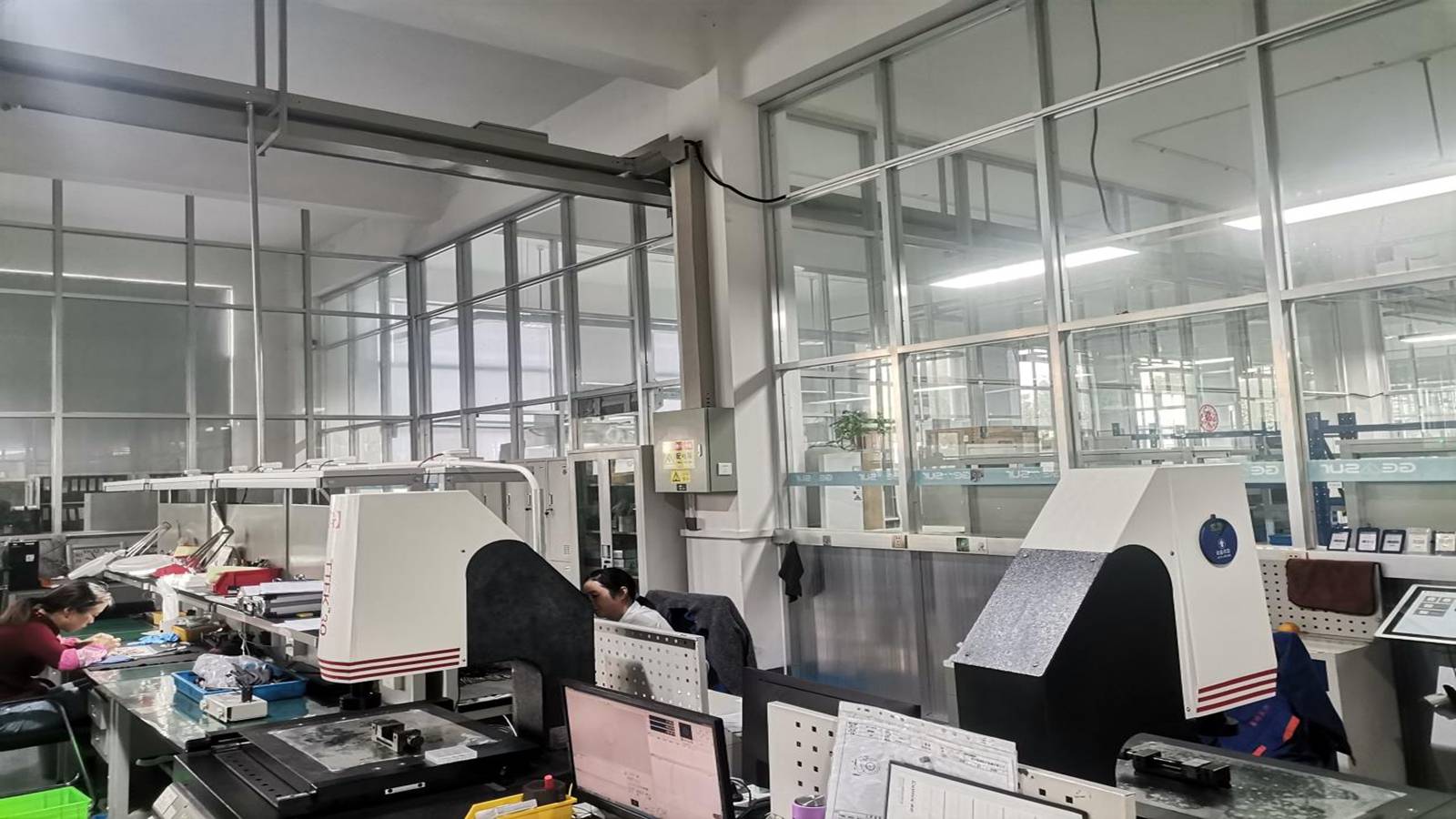
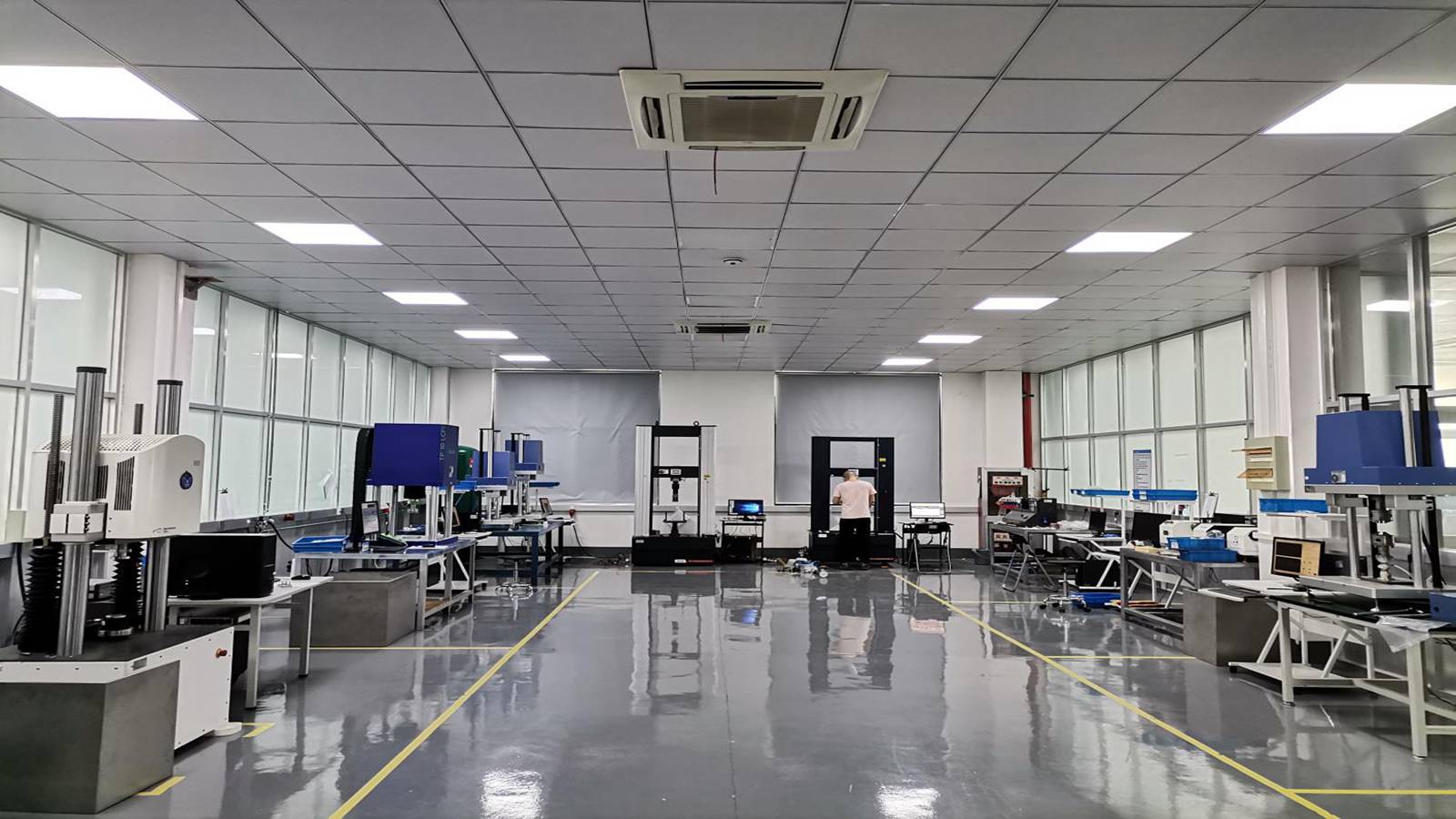
As the orthopedics industry moves toward patient-specific treatments and minimally invasive techniques, the design of rigid fixation hardware is shifting. Key focus areas include structural design optimization, bioactive coatings, and intelligent telemetry interfaces.
Integrating additive manufacturing (3D printing) using electron beam melting (EBM) allows us to design implants with porous titanium structures. These simulate the architecture of human trabecular bone, lowering the mechanical modulus and facilitating direct vascularized bone ingrowth.
Applying hydroxyapatite (HA) and biological silicon-doped coatings onto rigid titanium hardware acts as a chemical catalyst, speeding up local mineralization and shortening the overall recovery time from months to weeks.
Integrating micro-electronic strain sensors into orthopedic fixation assemblies can provide wireless, real-time diagnostic telemetry about localized healing pressure, helping doctors monitor load progression and detect potential implant failure early.
Our quality assurance framework utilizes a multi-phase testing protocol that begins with raw material verification and runs through to final product validation. This methodology ensures total compliance with international standards for Class III medical devices.
Every orthopedic implant is laser-etched with a unique Device Identifier (UDI) containing production lot data, raw material certificate numbers, and test reports. This ensures complete supply chain transparency, complying with both European MDR and US FDA traceability requirements.
Professional insights and technical details for international buyers, medical distributors, and hospital procurement departments.
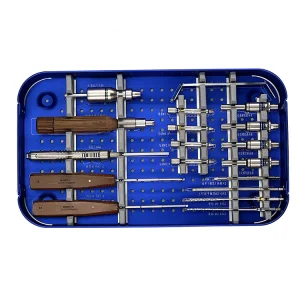
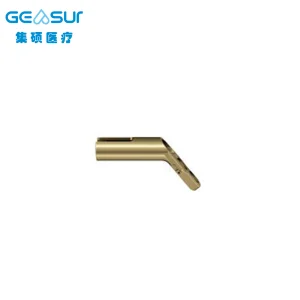
Full portfolio of orthopedic fixation systems, including spinal pedicle implants, locking compression plate sets, tibial fixation platforms, and cervical cages.