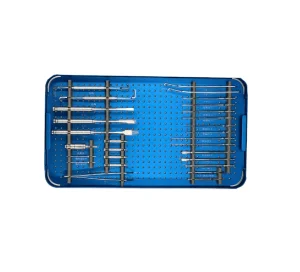
Ease Medical Apparatus And Instruments
Ease Medical Apparatus And Instruments
Ease Medical Apparatus And Instruments
Pelvic ring fractures are among the most severe injuries in orthopedic trauma, often resulting from high-energy mechanisms such as vehicular accidents or falls from heights. As a leading China pelvic fixation device manufacturer, we have witnessed a paradigm shift in surgical approaches—from prolonged bed rest to internal fixation aimed at early mobilization.
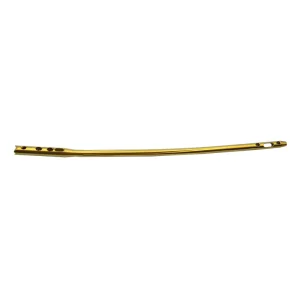
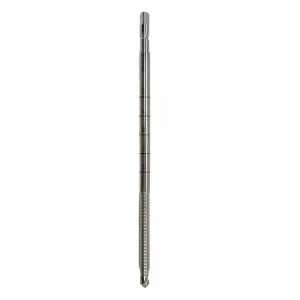
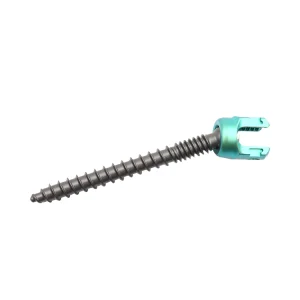
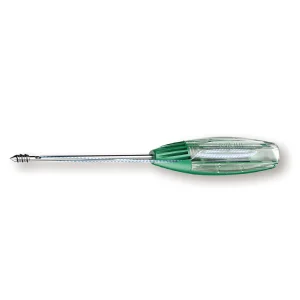
The global demand for high-quality, cost-effective pelvic fixation systems is surging, driven by an aging population prone to osteoporotic pelvic fractures and the increasing prevalence of high-speed trauma in emerging markets. Modern manufacturers are no longer just "suppliers"; they are partners in clinical outcomes, providing advanced titanium locking plates, sacroiliac screws, and minimally invasive fixation tools.
Domestic Market Share
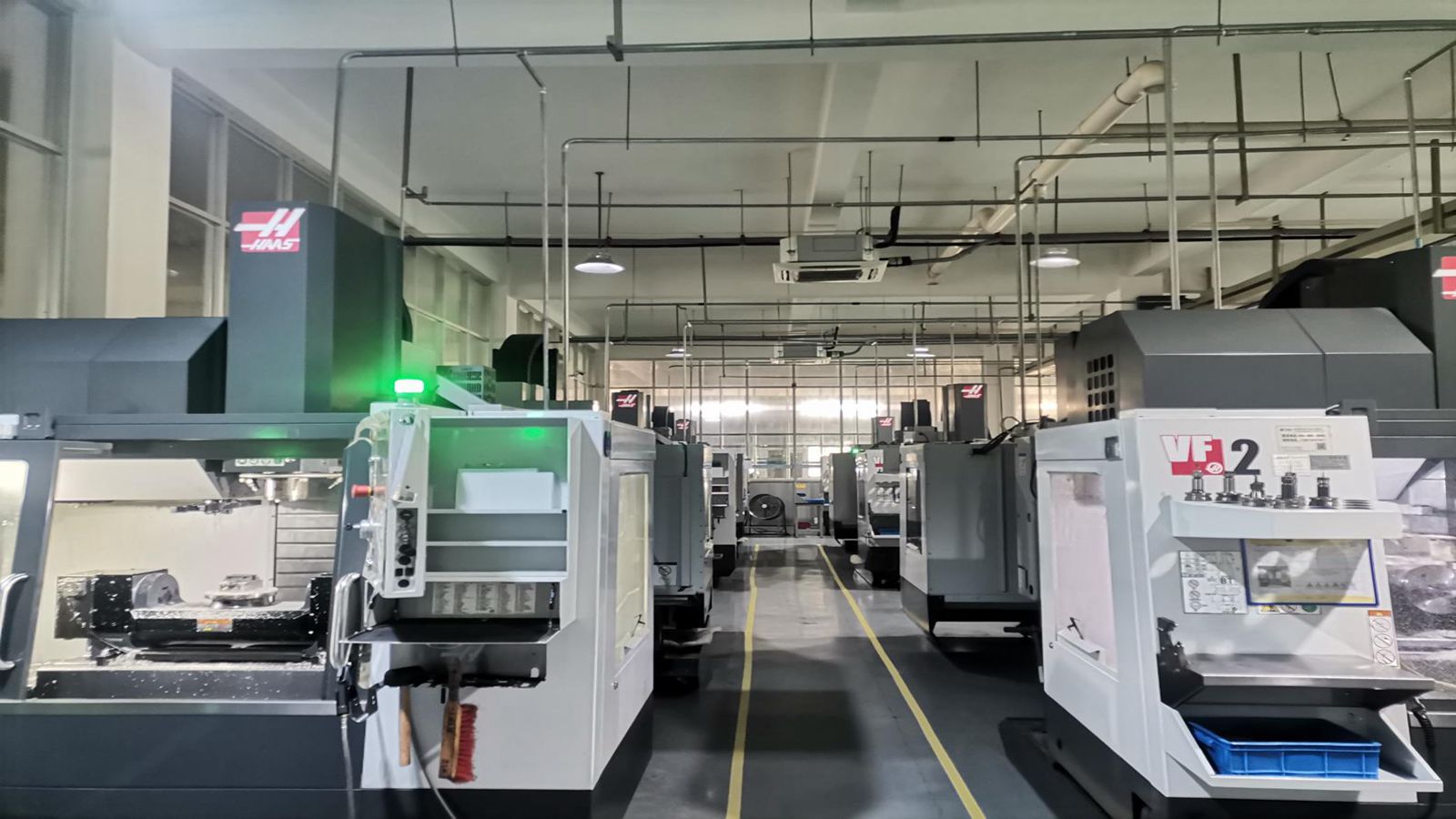
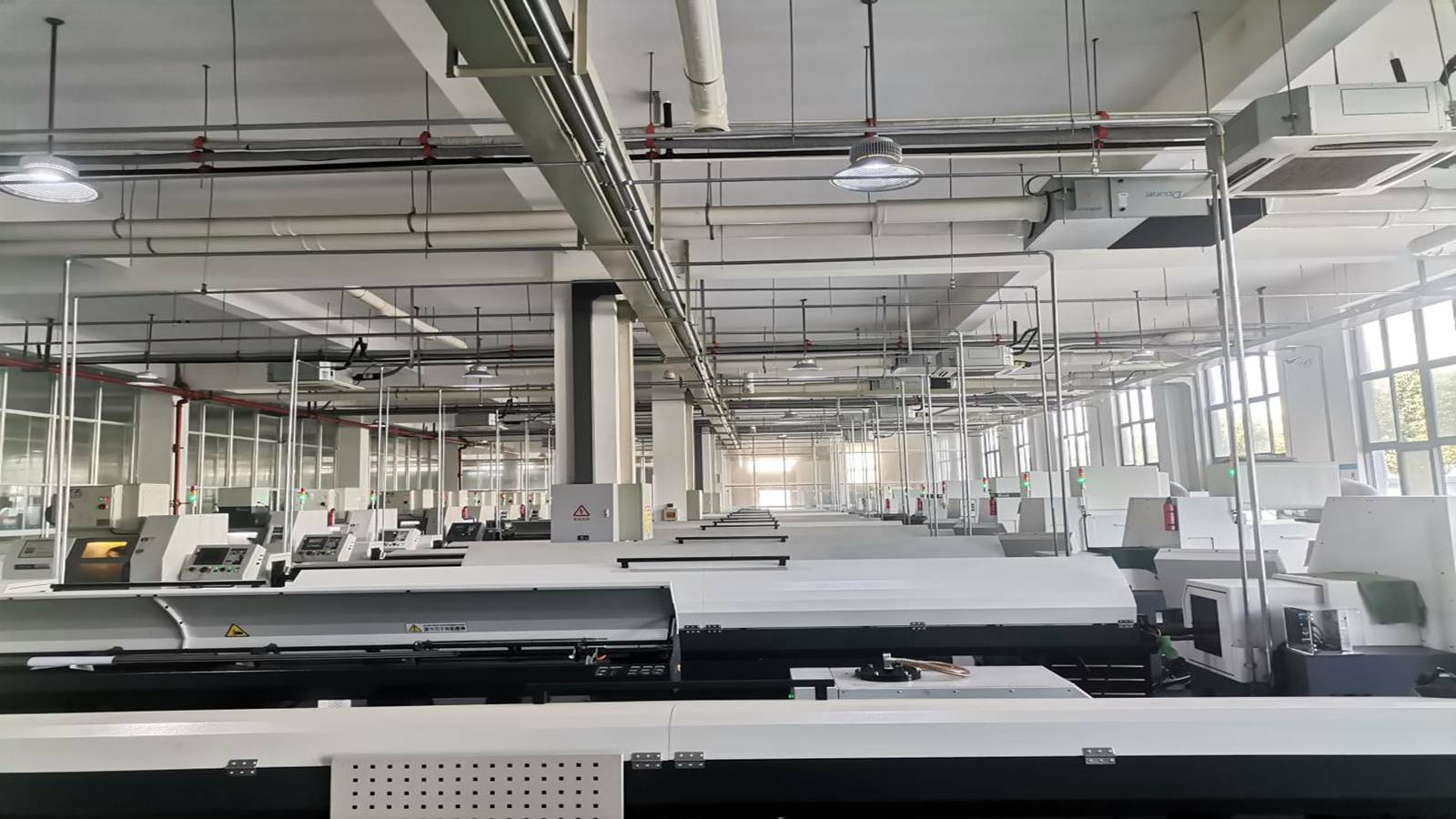
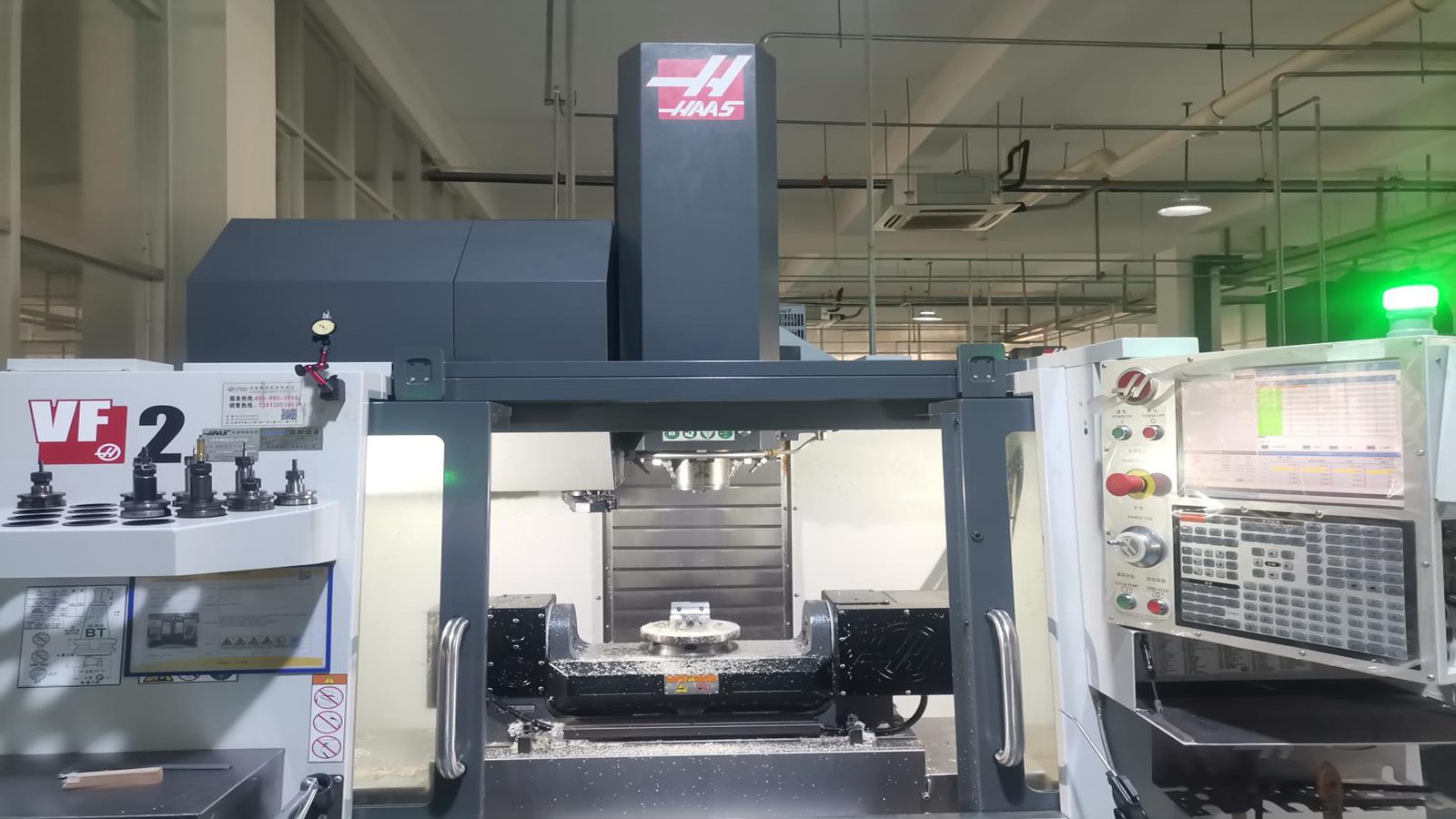
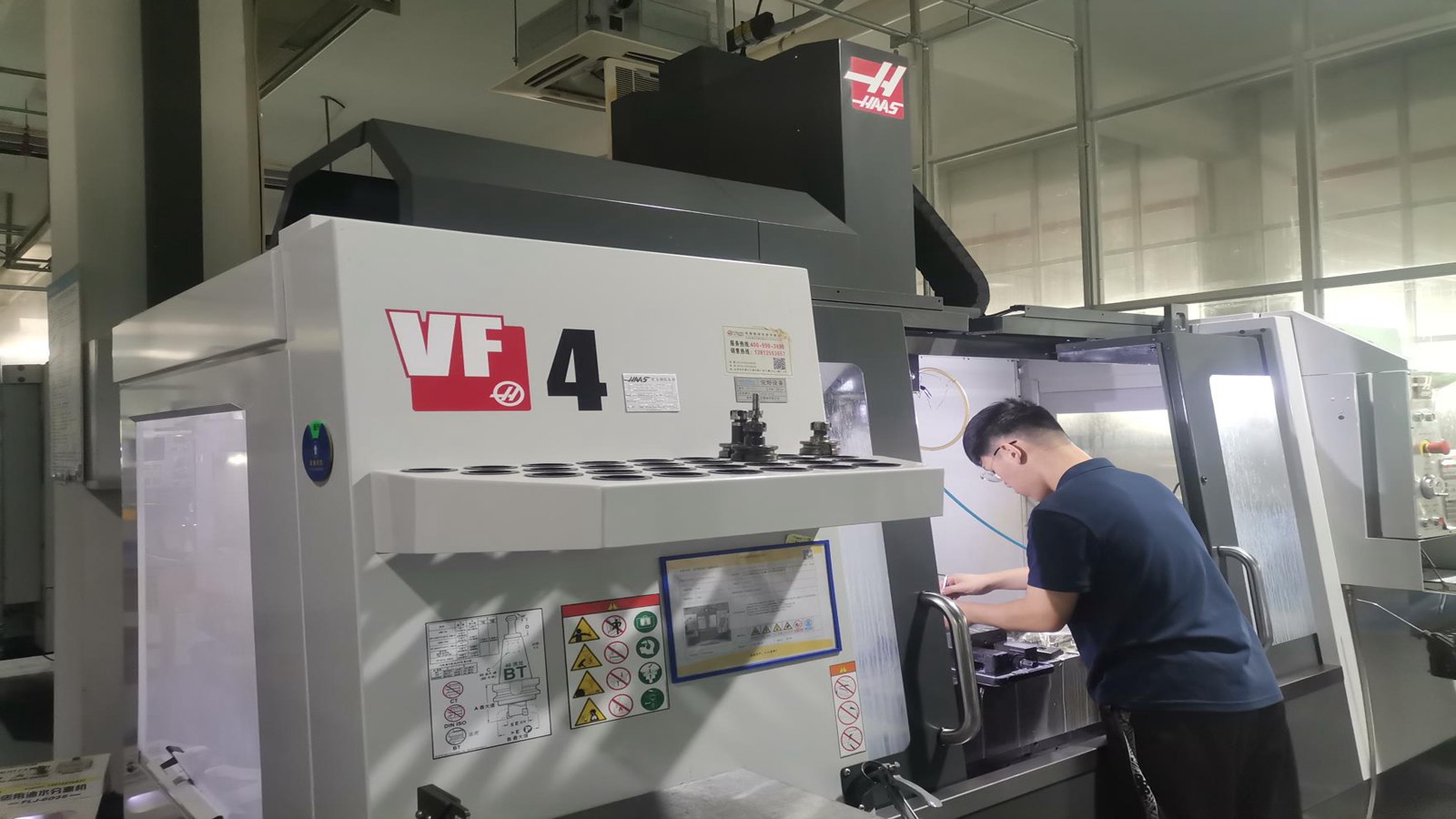
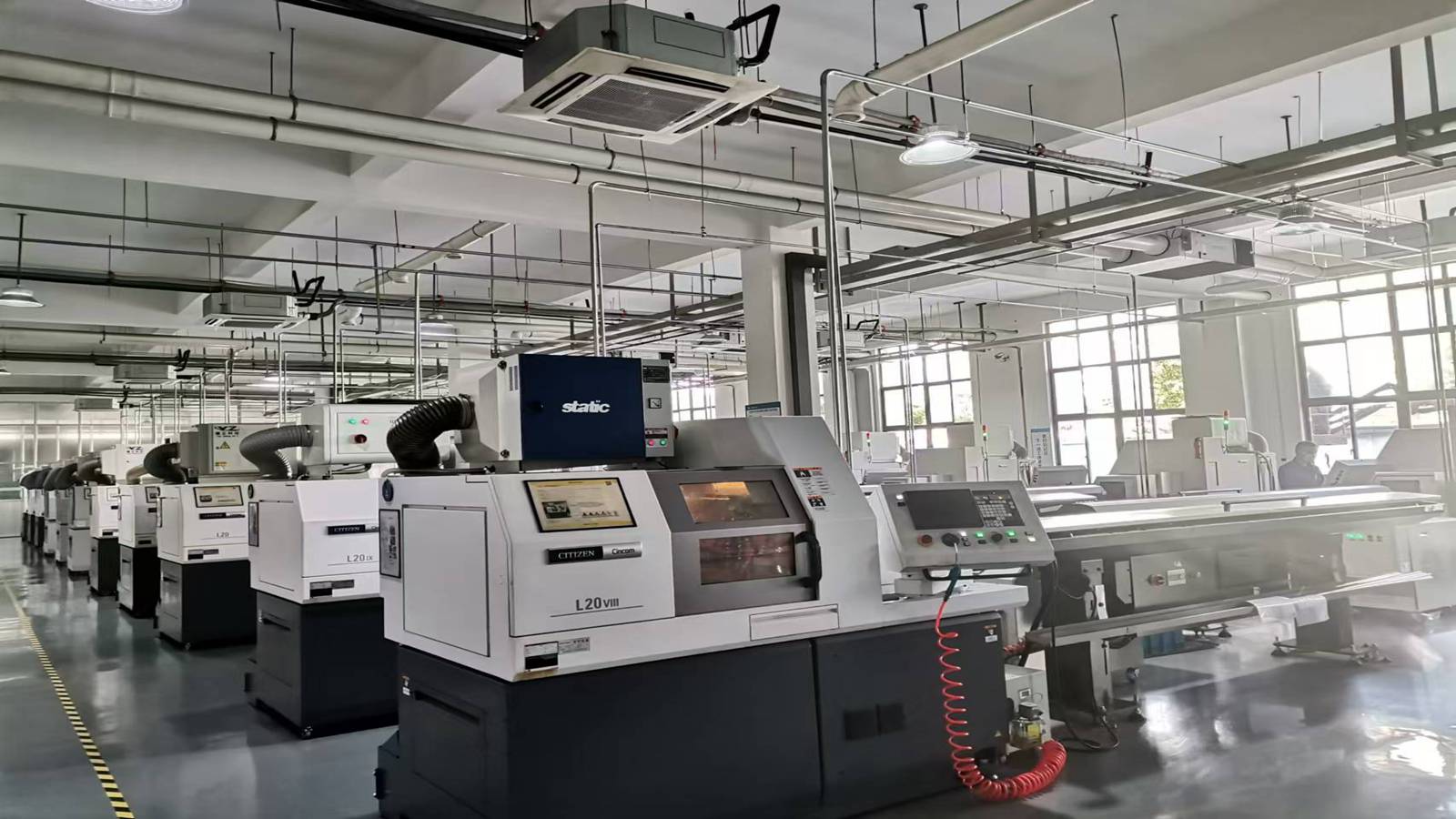
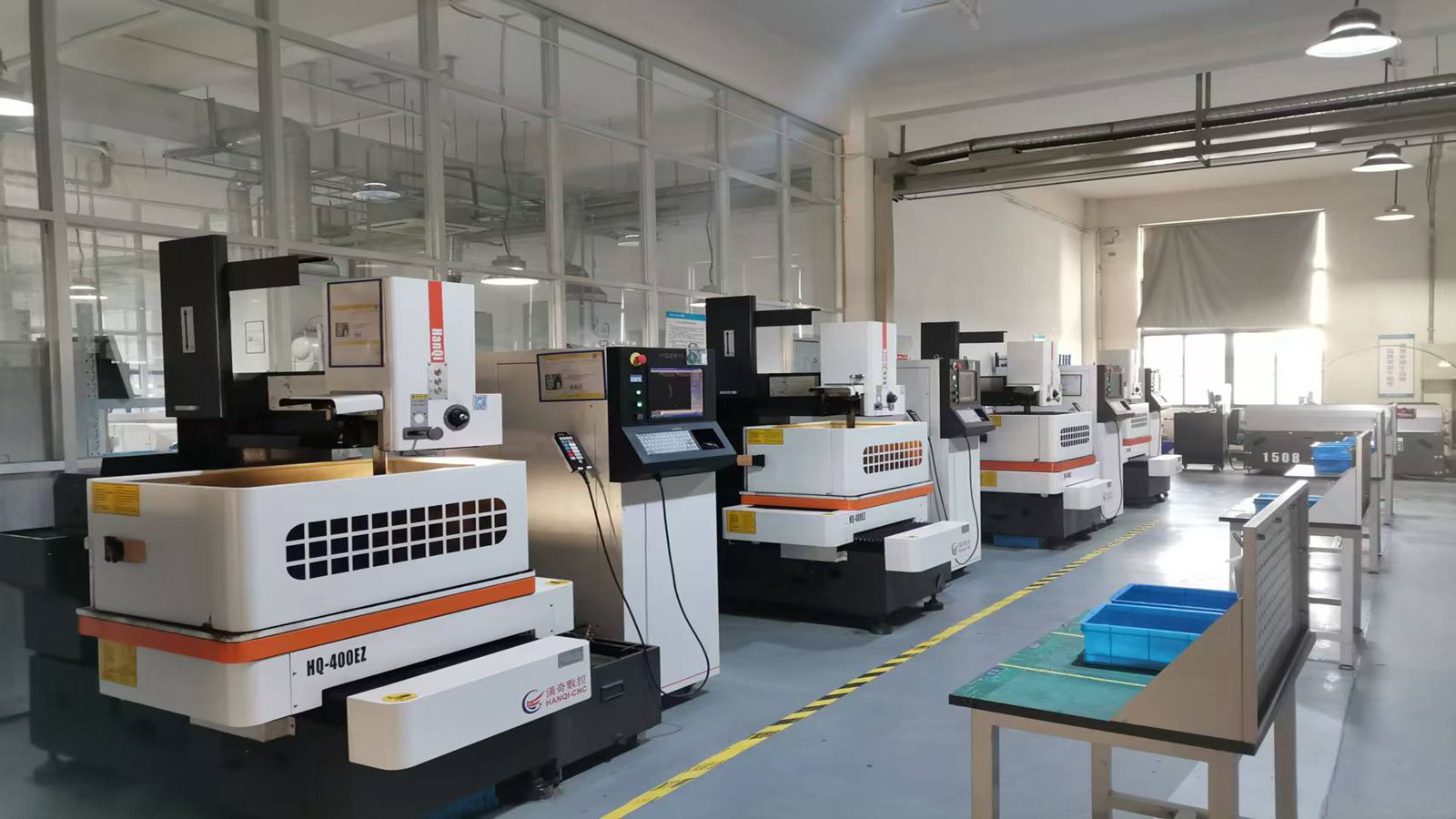
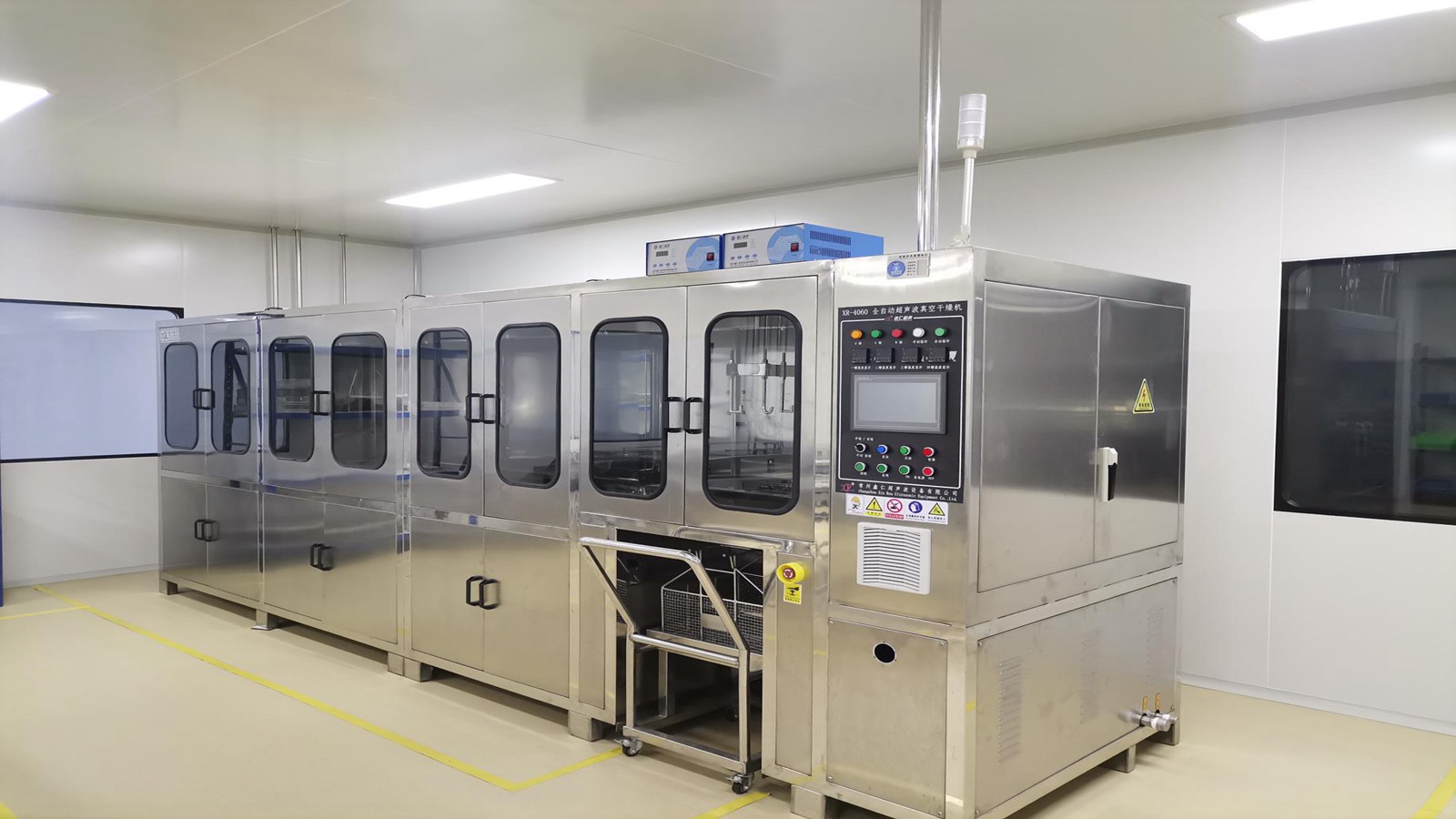
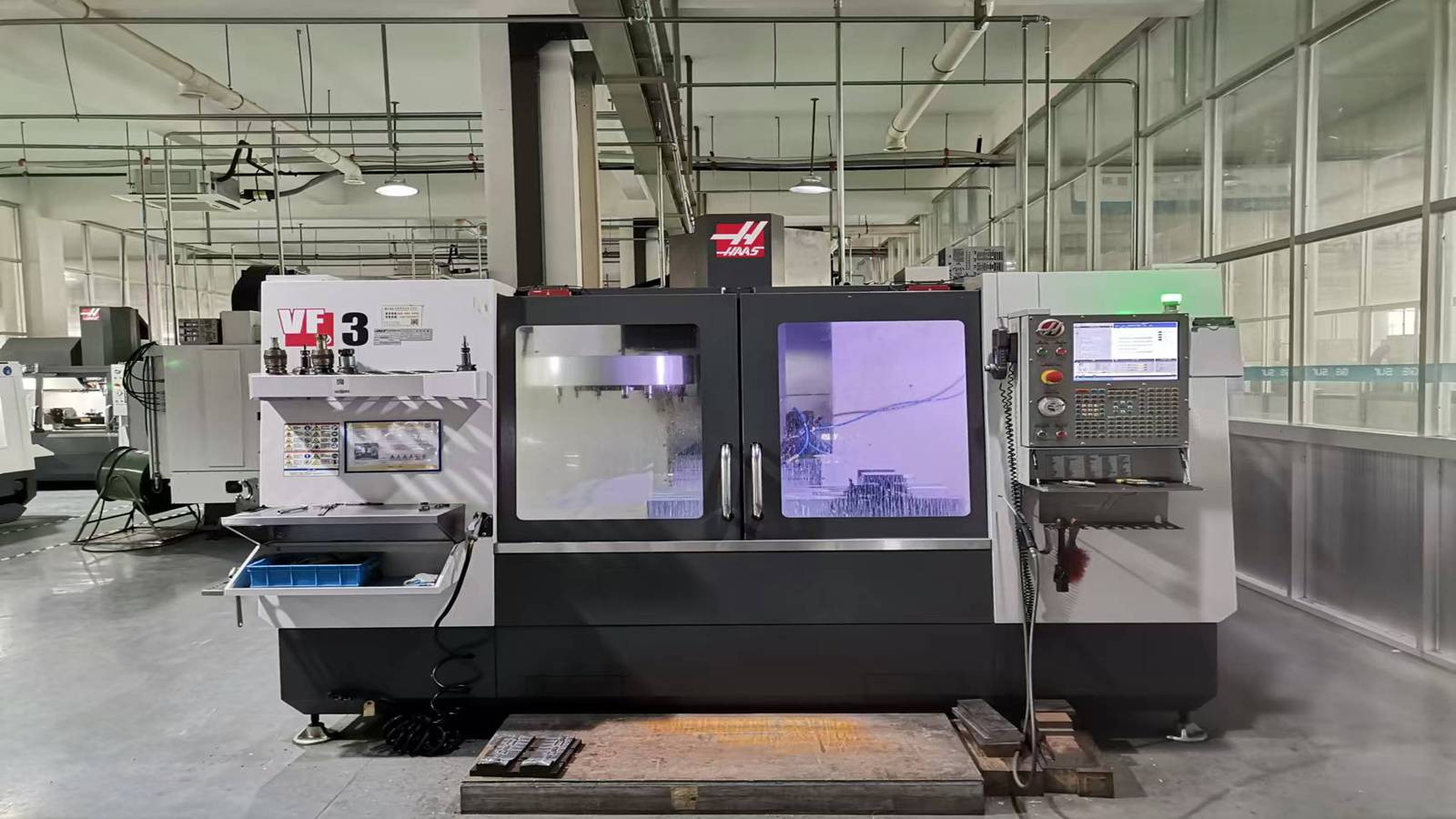
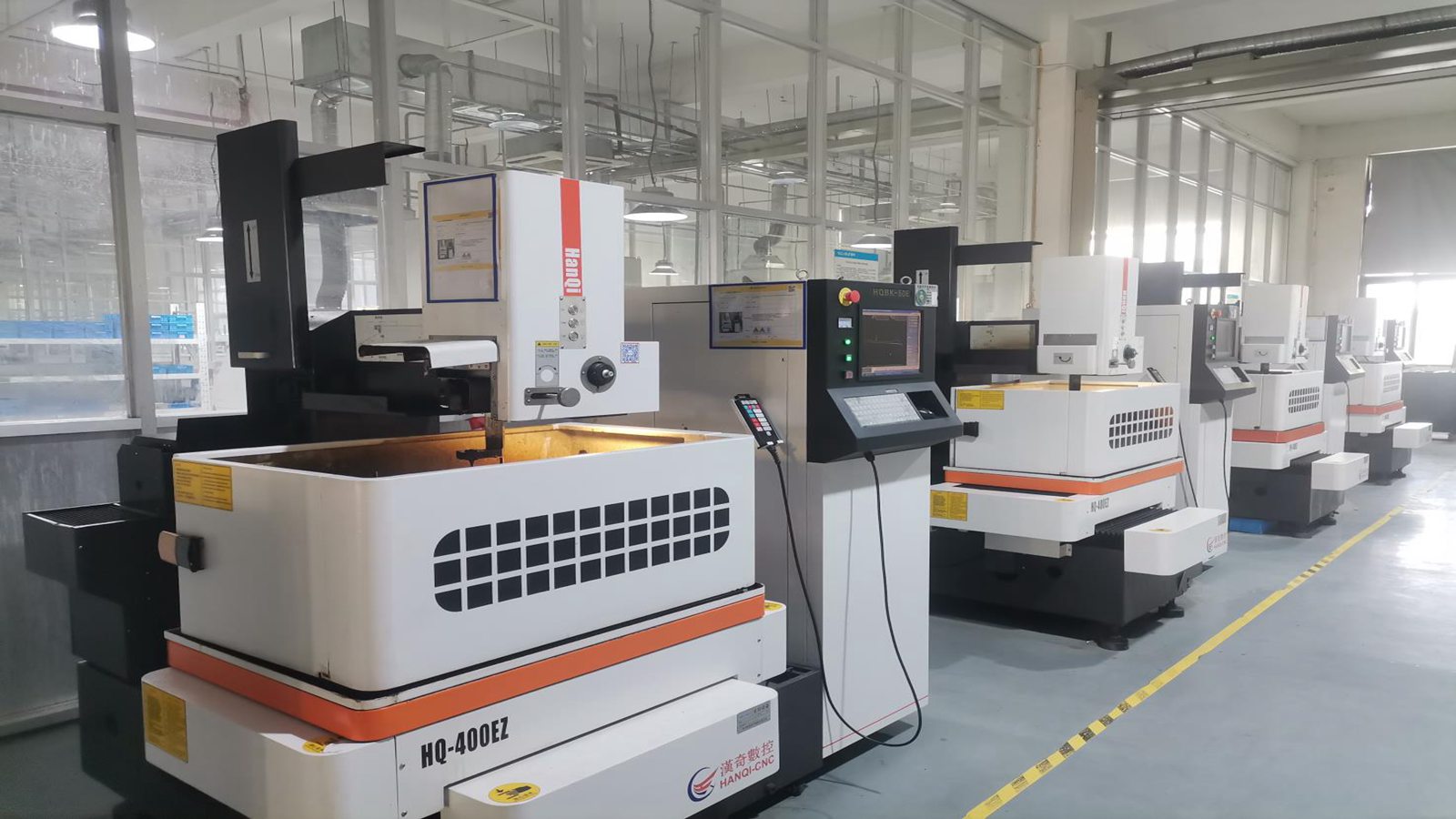
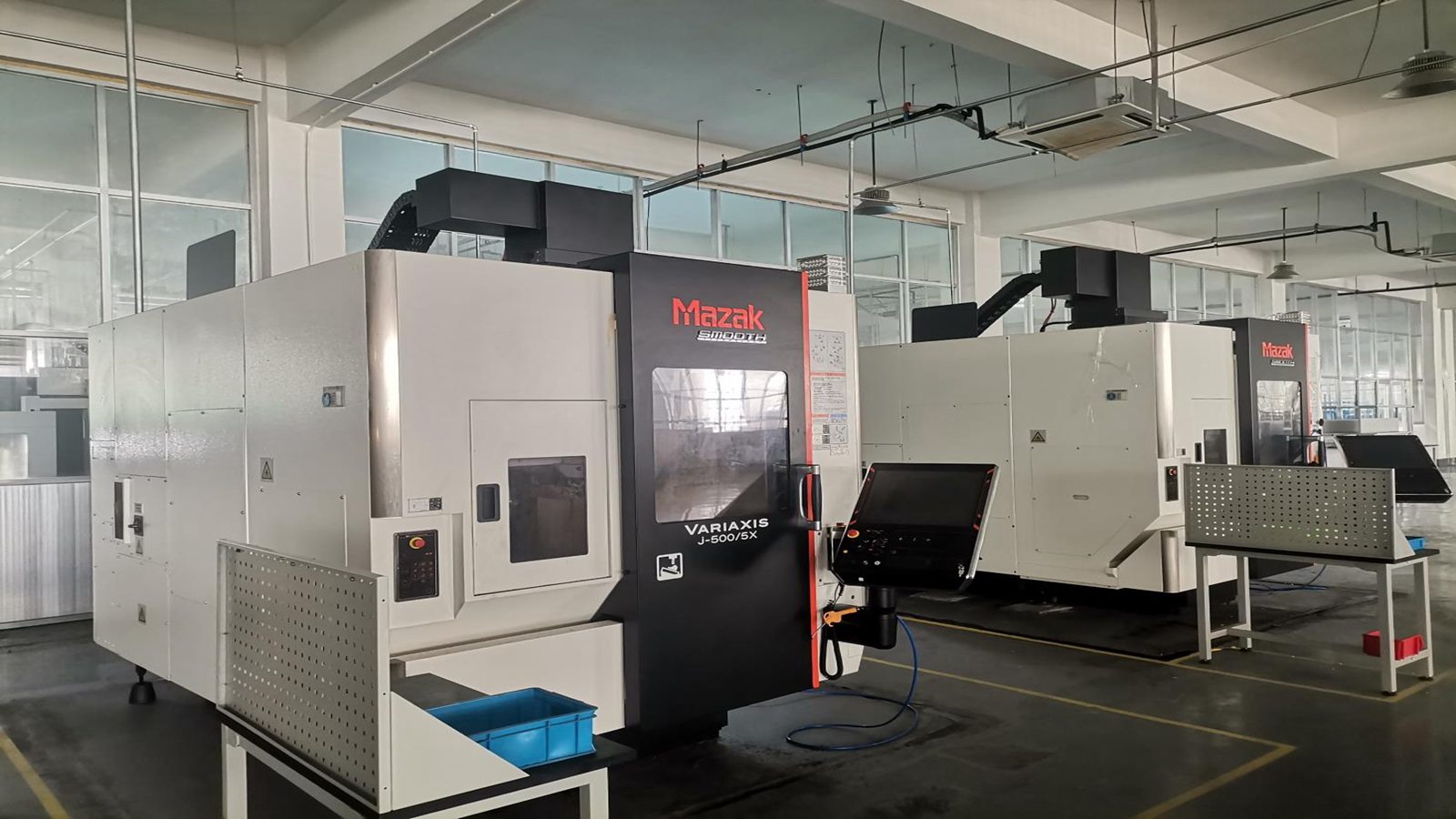
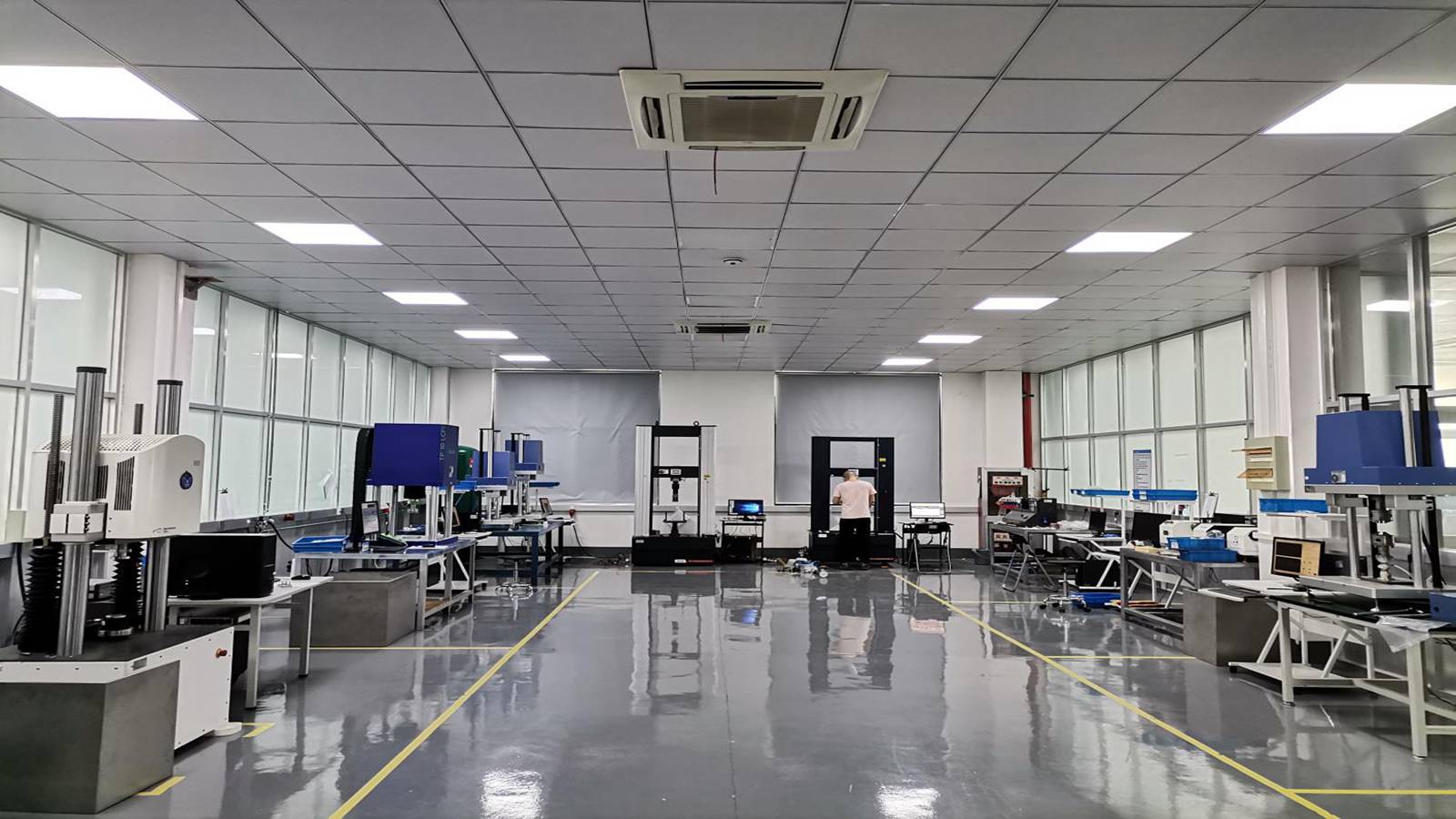
Precision Production Machines
Dedicated R&D Engineers
Global Export Experience
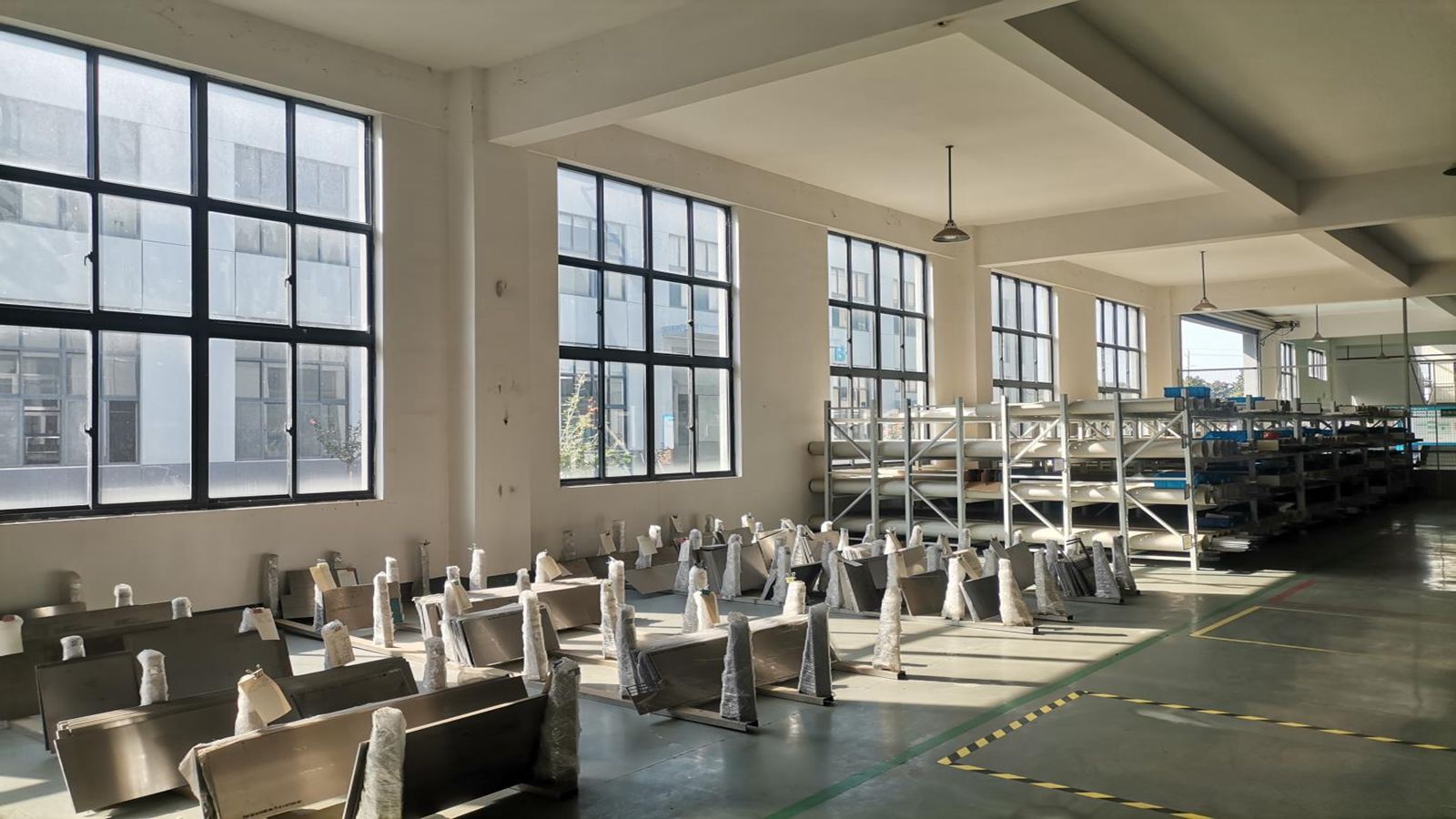
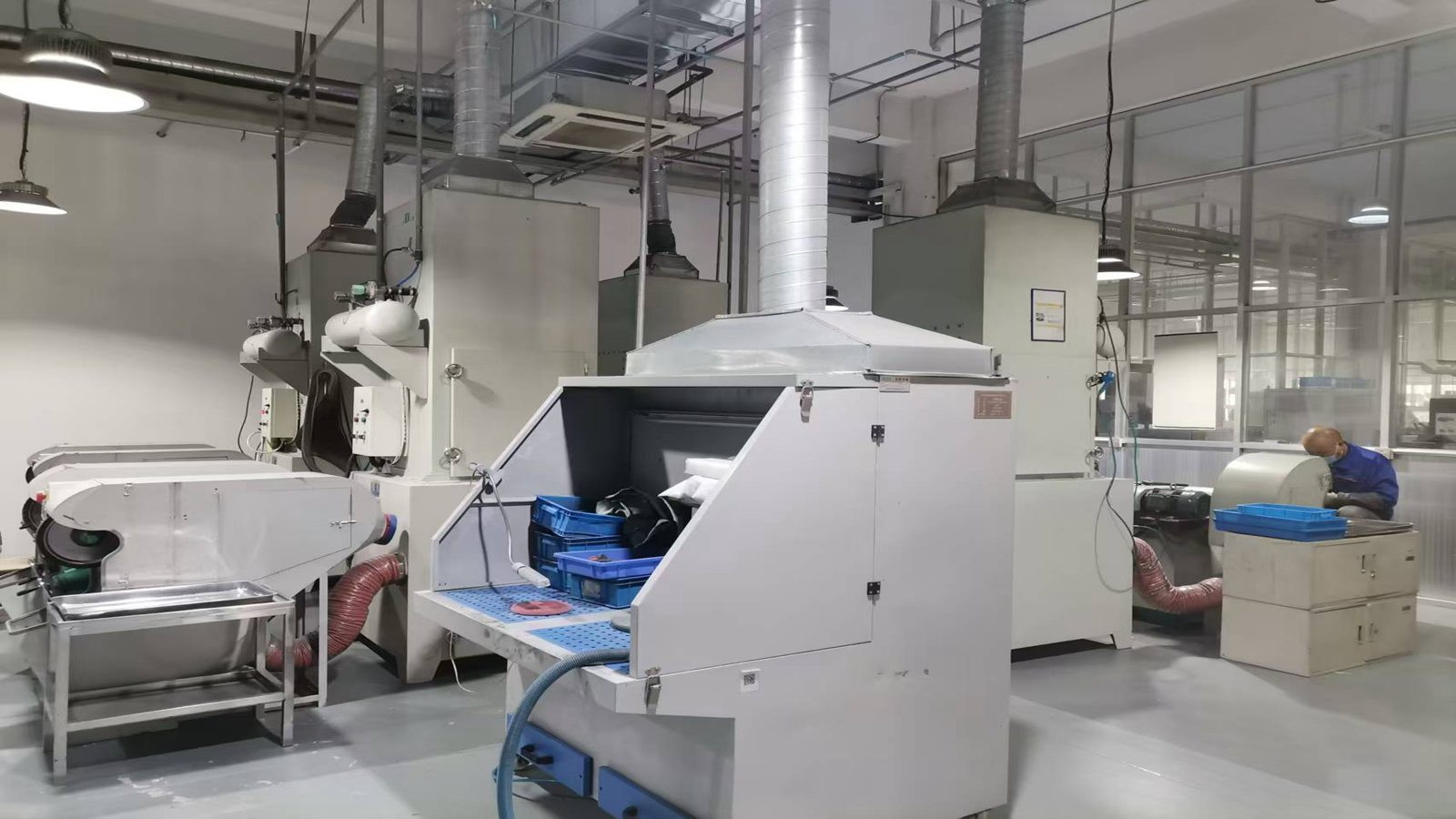
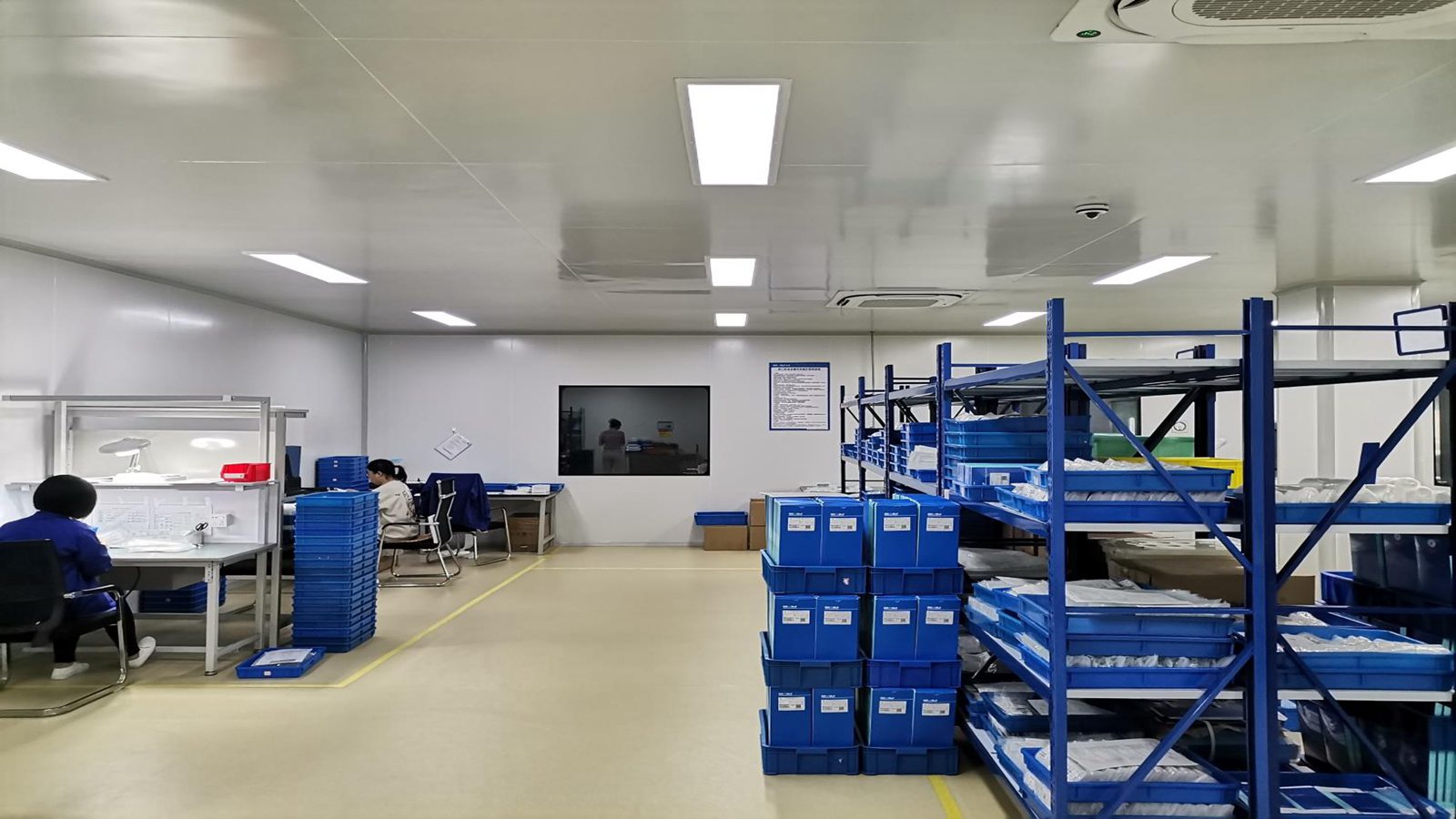
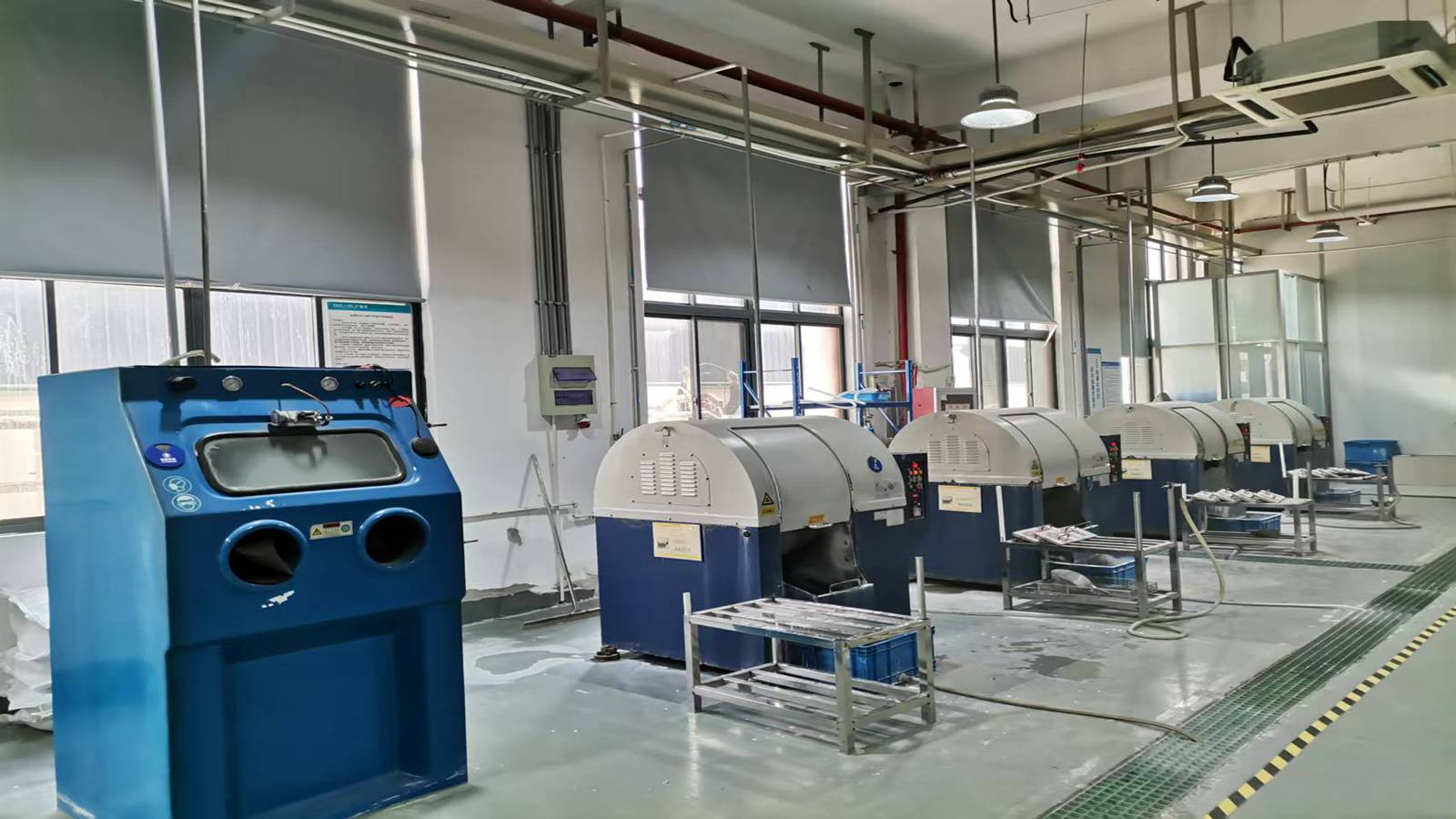
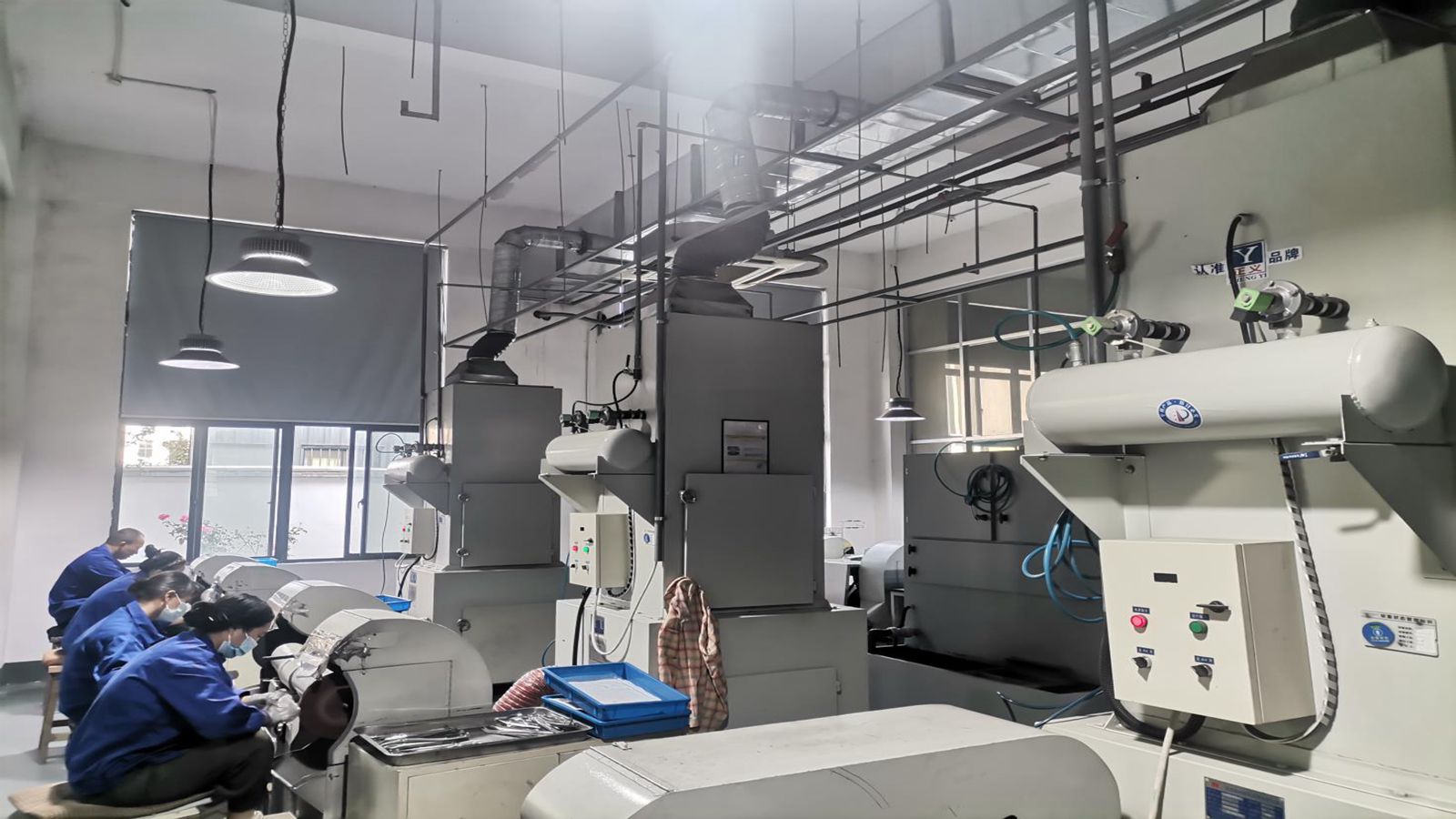
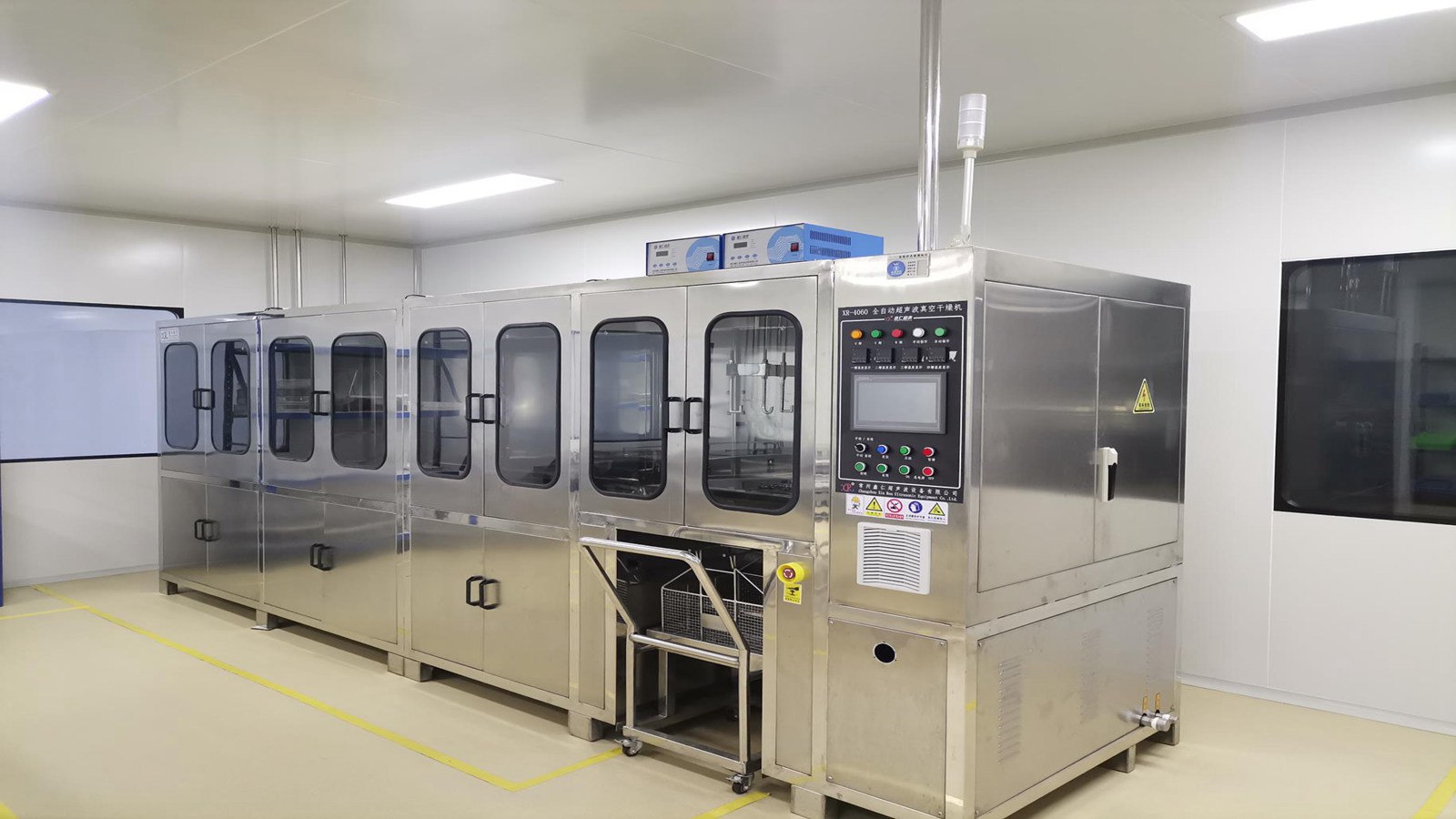
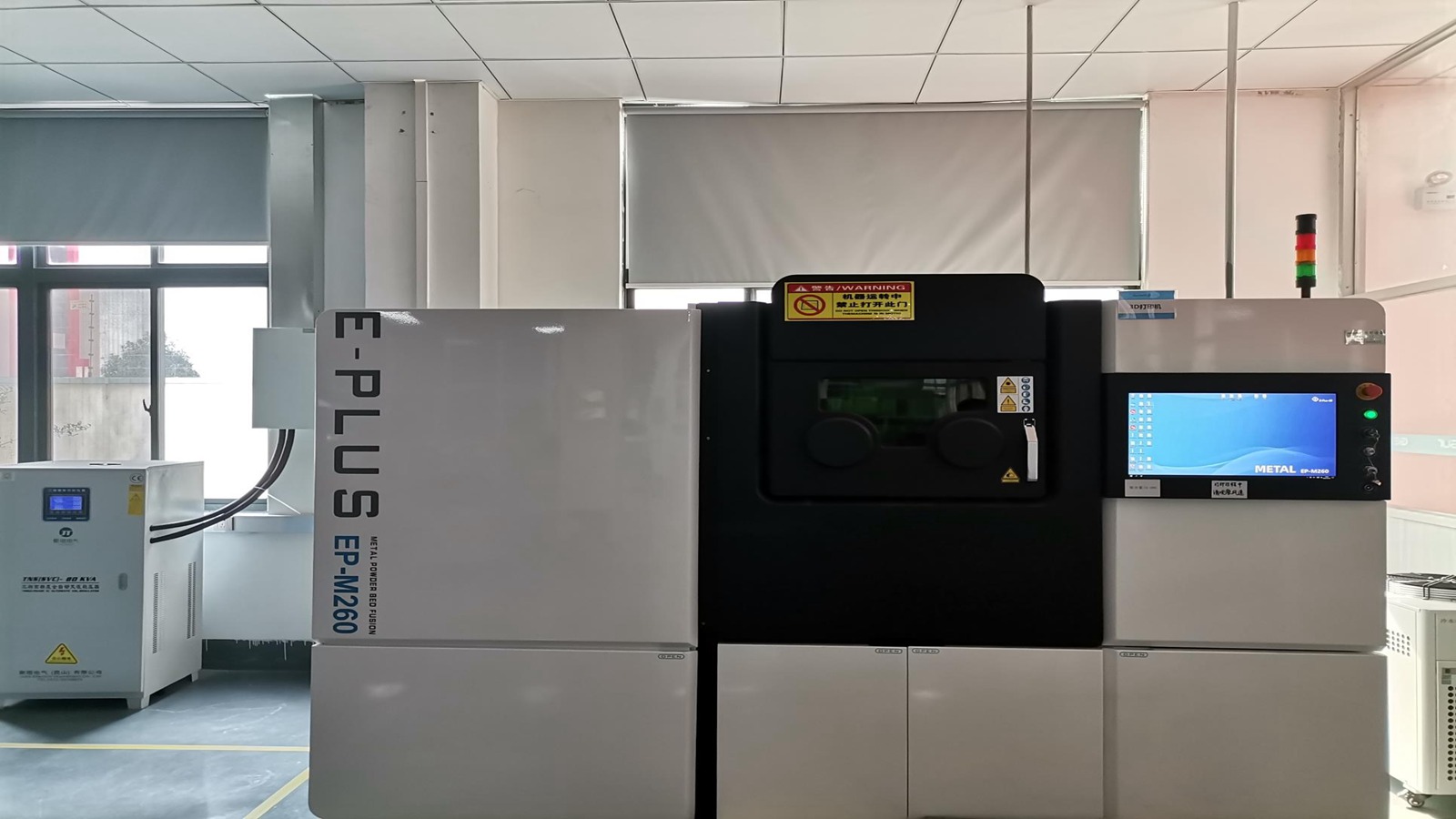
China has established itself as the global hub for medical device manufacturing, particularly in the orthopedic sector. Our factory, established in 2015, leverages 30,343 square meters of state-of-the-art floor space to integrate the entire lifecycle of pelvic fixation device production.
Unlike fragmented supply chains, top Chinese manufacturers offer "One-Stop" solutions. From raw material sourcing (Medical Grade 5 Titanium) to 12 specialized production lines, every step is centralized. This vertical integration ensures:

In the medical field, reliability is non-negotiable. Our pelvic fixation devices are manufactured under rigorous EN ISO 13485 and MDSAP (Medical Device Single Audit Program) standards, ensuring they meet the stringent regulatory requirements of the USA, Canada, Japan, and Australia.
 ISO13485
 MDSAP Certified
 CE MDR (0477)
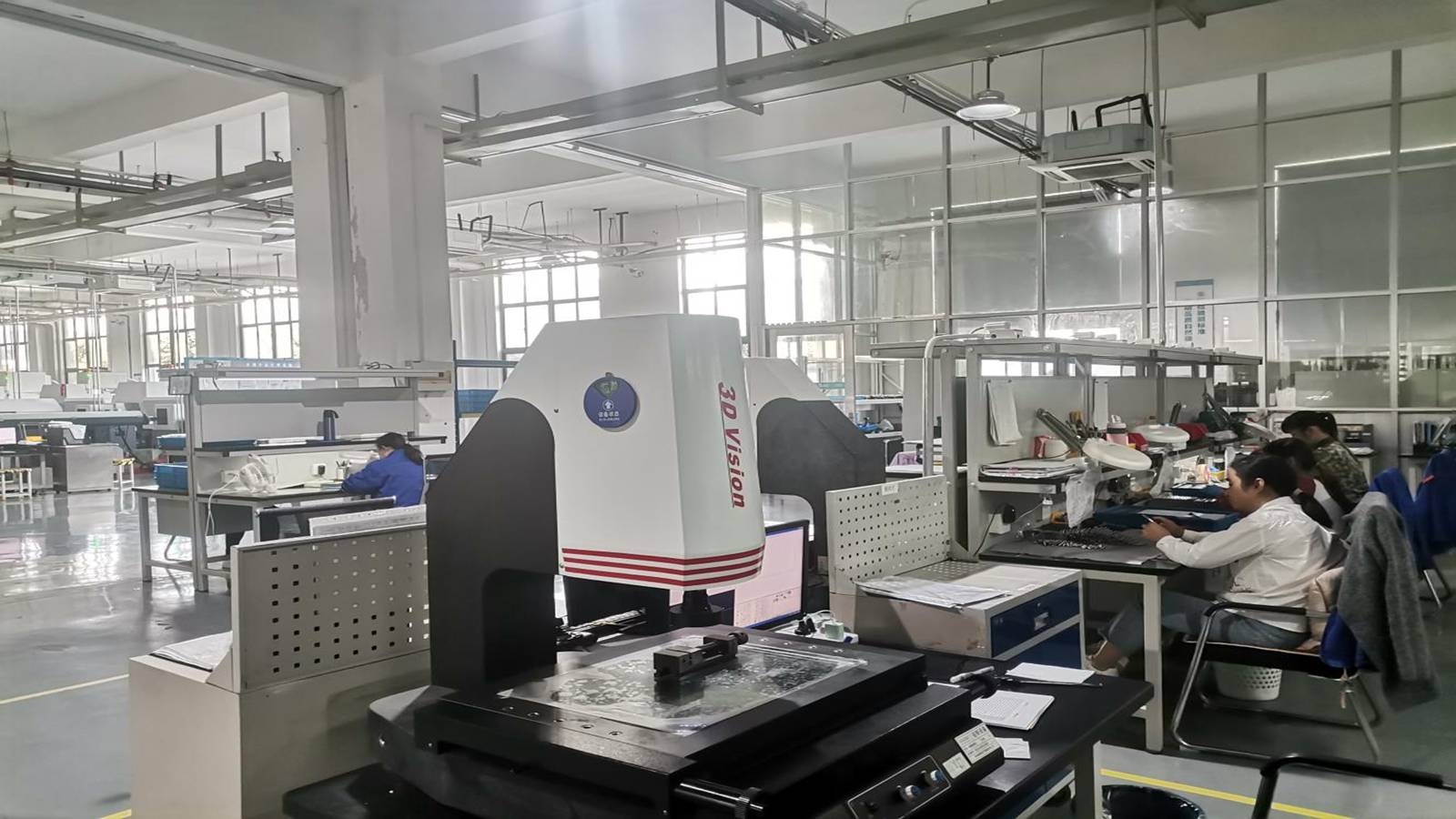
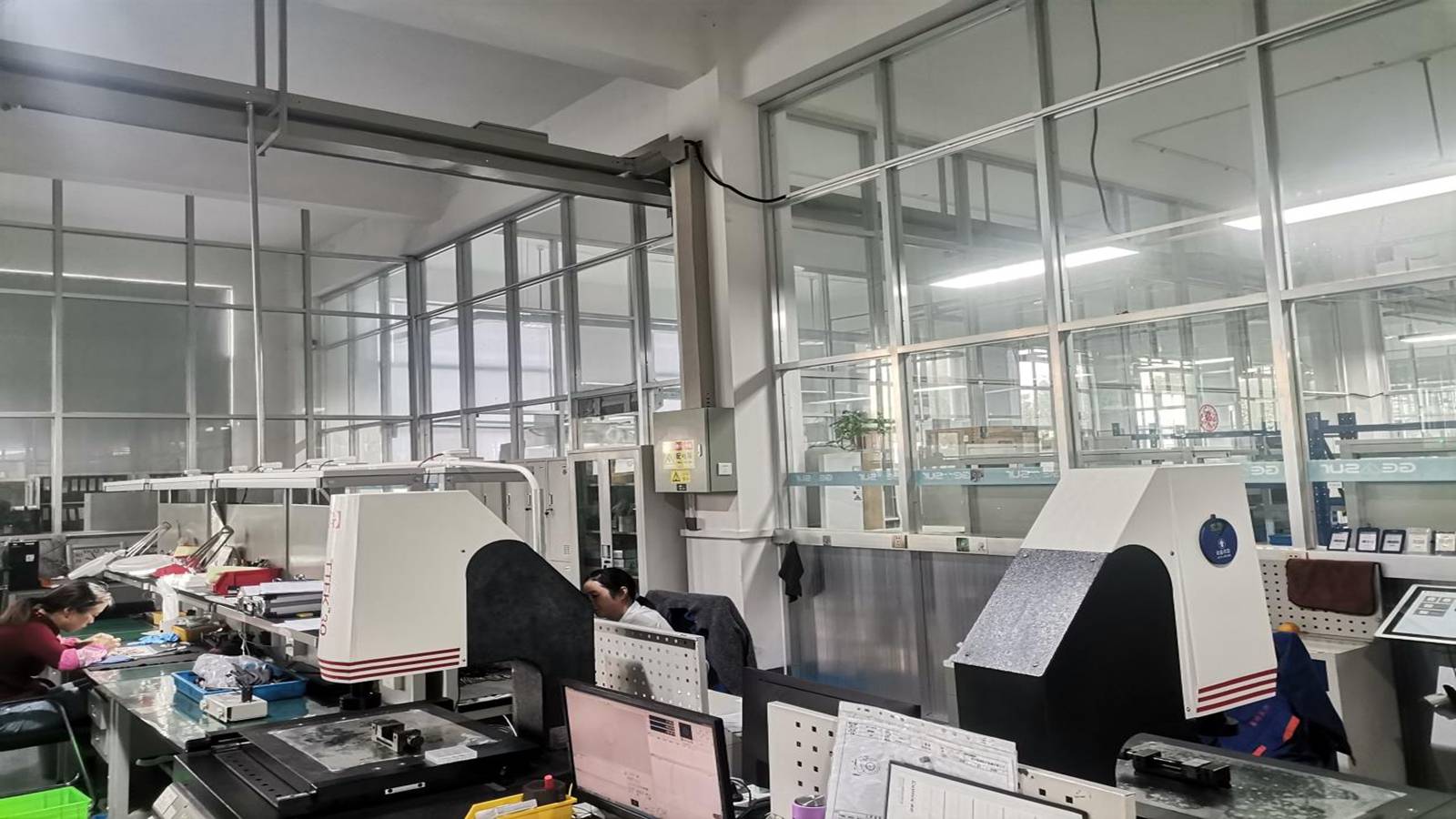
Our Quality Control team consists of 36 dedicated inspectors performing 100% inspection on critical production lines. We utilize advanced metrology equipment to verify thread pitch, surface roughness (Ra), and fatigue strength, ensuring that every pelvic plate can withstand the dynamic loads required during patient recovery.
The transition from "Standard Implants" to "Precision Implants" is driven by AI-aided design and material science. We focus on three core areas:
Plates designed based on high-resolution CT databases of global populations, reducing the need for intraoperative bending.
Minimizing soft tissue irritation and hardware prominence, which is crucial for pelvic areas with thin muscle coverage.
Allowing surgeons to direct screws away from joints and into optimal bone stock, even in complex fracture patterns.

We understand that procurement managers at hospitals and distribution companies face unique challenges: lead times, customs compliance, and surgeon training. Our export department offers 10 years of experience in international logistics, supporting Eastern Europe, Southeast Asia, and beyond.
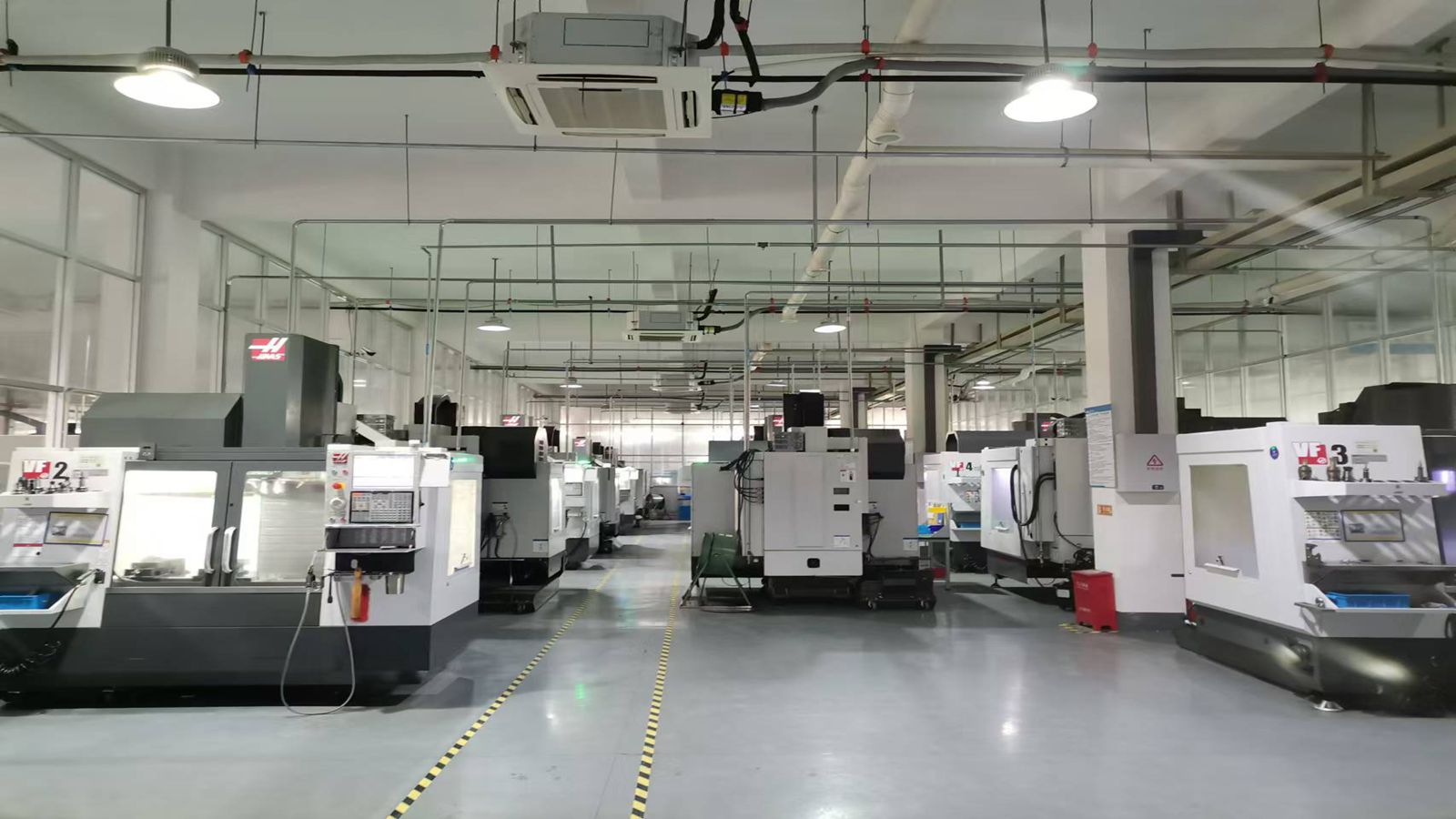
We primarily use Ti-6Al-4V ELI (Grade 23) titanium alloy, which offers superior biocompatibility and fatigue resistance compared to standard Grade 5 titanium, essential for the high-stress environment of the pelvis.
Every plate and screw undergo automated thread inspection using CNC optical comparators. This ensures a perfect fit, preventing cross-threading during surgery.
Yes, with 31 R&D engineers and doctorate-level leadership, we offer rapid prototyping for patient-specific implants (PSI) or regional anatomic variations.
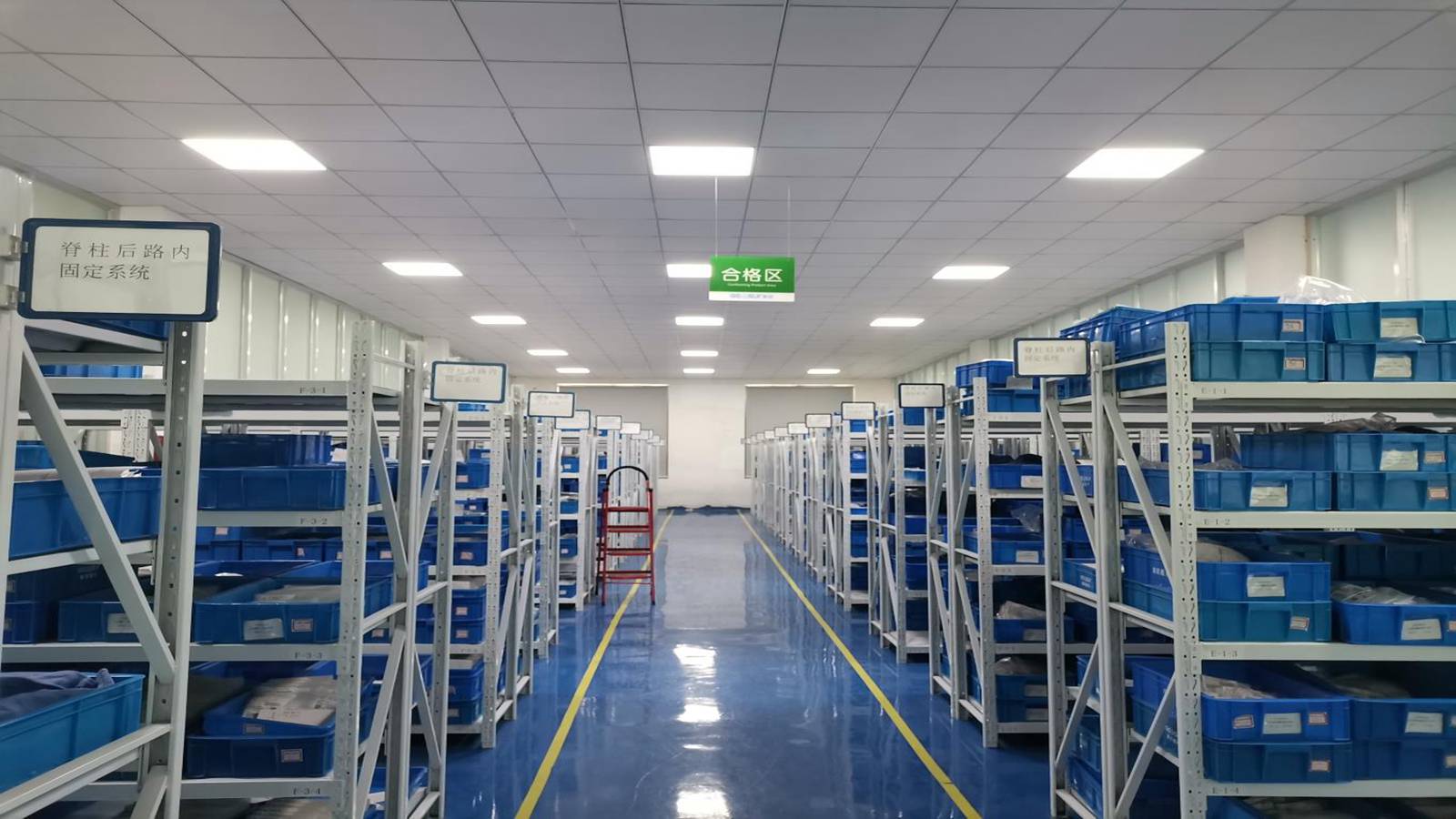
With 12 production lines running 24/7, we maintain a high inventory level for standard trauma sets, typically shipping within 2-4 weeks depending on the order volume.