Ease Medical Apparatus And Instruments
Ease Medical Apparatus And Instruments
Ease Medical Apparatus And Instruments
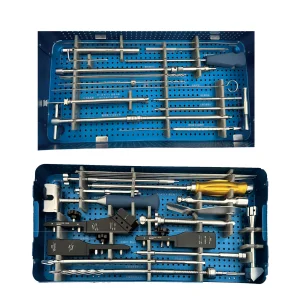

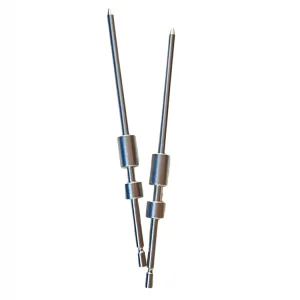
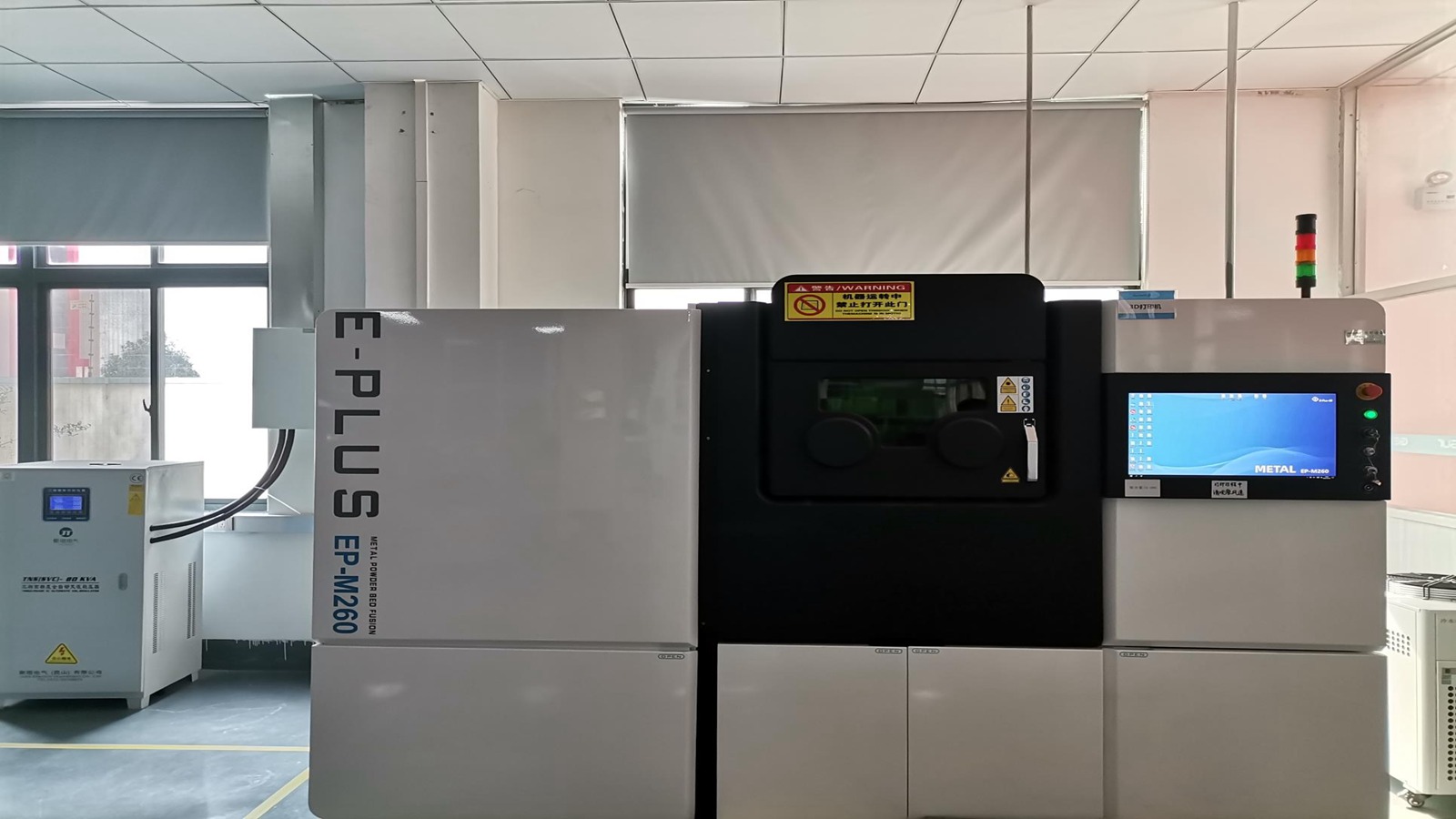
In the modern landscape of orthopedic surgery, the clinical demand for biocompatible devices has migrated from standardized sizes to patient-specific geometries. Additive manufacturing (AM), predominantly utilizing Selective Laser Melting (SLM) and Electron Beam Melting (EBM), has emerged as the paradigm-shifting standard. Unlike traditional subtractive CNC machining, 3D printing of titanium alloys (specifically Ti-6Al-4V ELI Grade 23) allows for the production of engineered porous structures that mimic human trabecular bone architectures.
This porous topology plays a vital role in biological fixation. Standard orthopedic implants frequently suffer from "stress shielding"—a phenomenon where the higher stiffness of dense metal implants compared to host bone prevents natural mechanical stress from reaching the bone tissues, leading to bone resorption. By adjusting the porosity and pore sizing (typically between 300 to 800 micrometers), 3D printed implants can modulate their Young’s modulus to match surrounding bone tissue, significantly mitigating bone density loss and promoting long-term biological stability.
Pore Interconnectivity: >95%
Modulus Range: 1.5 - 5.0 GPa
Biocompatibility Class: Class III (MDR Compliant)
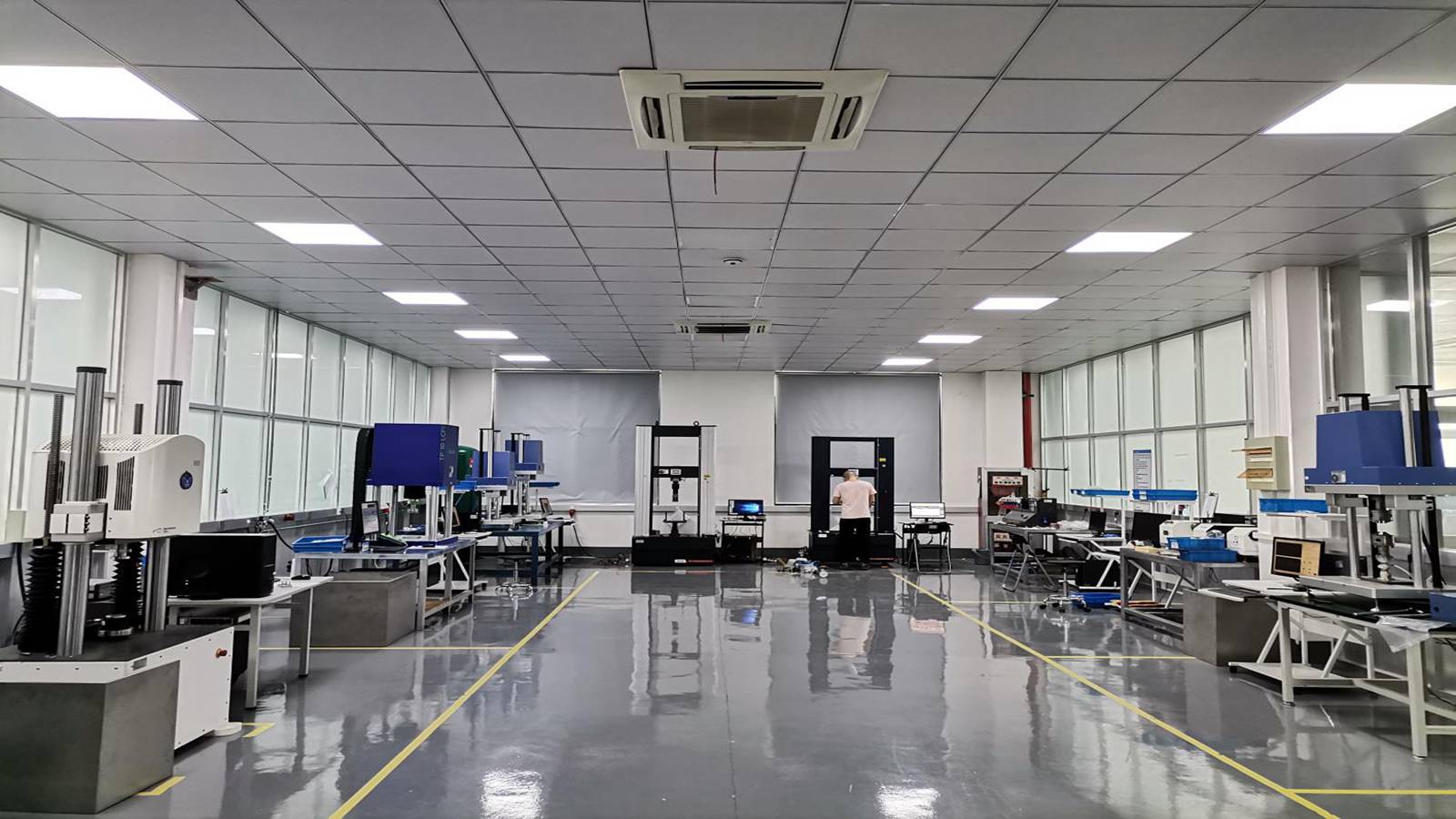
Fatigue Resistance: Up to 10M cycles under dynamic loading
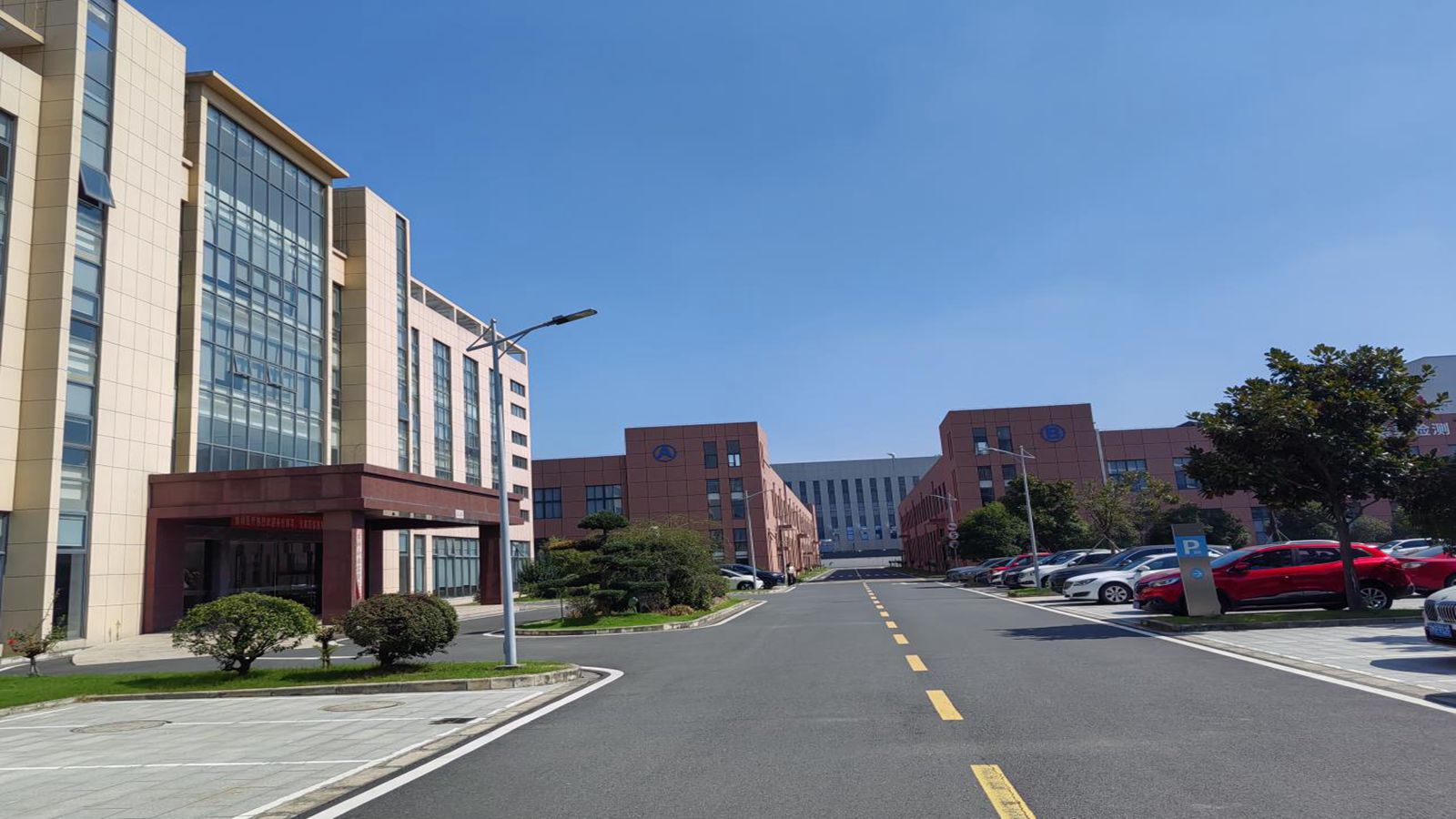
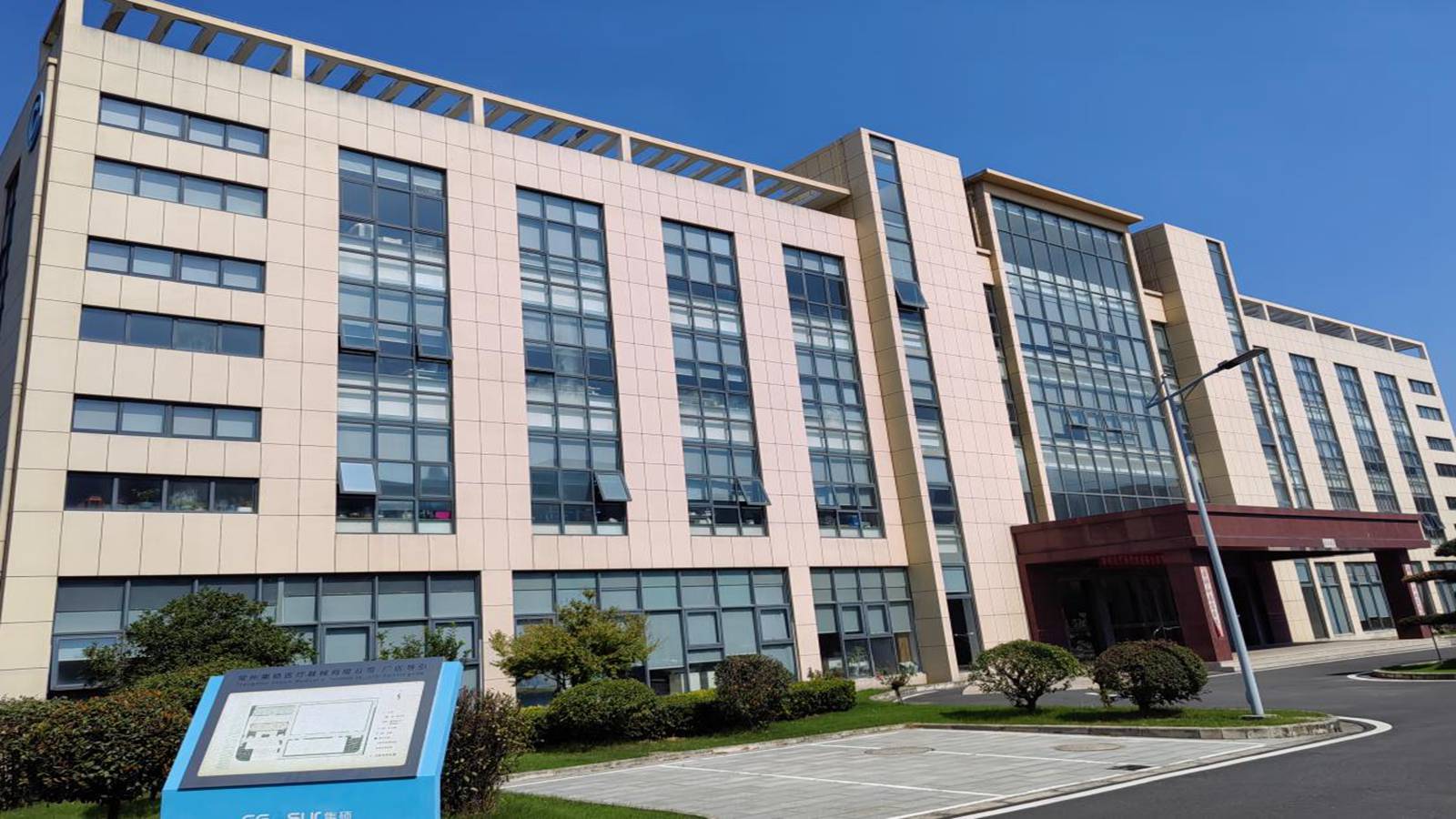
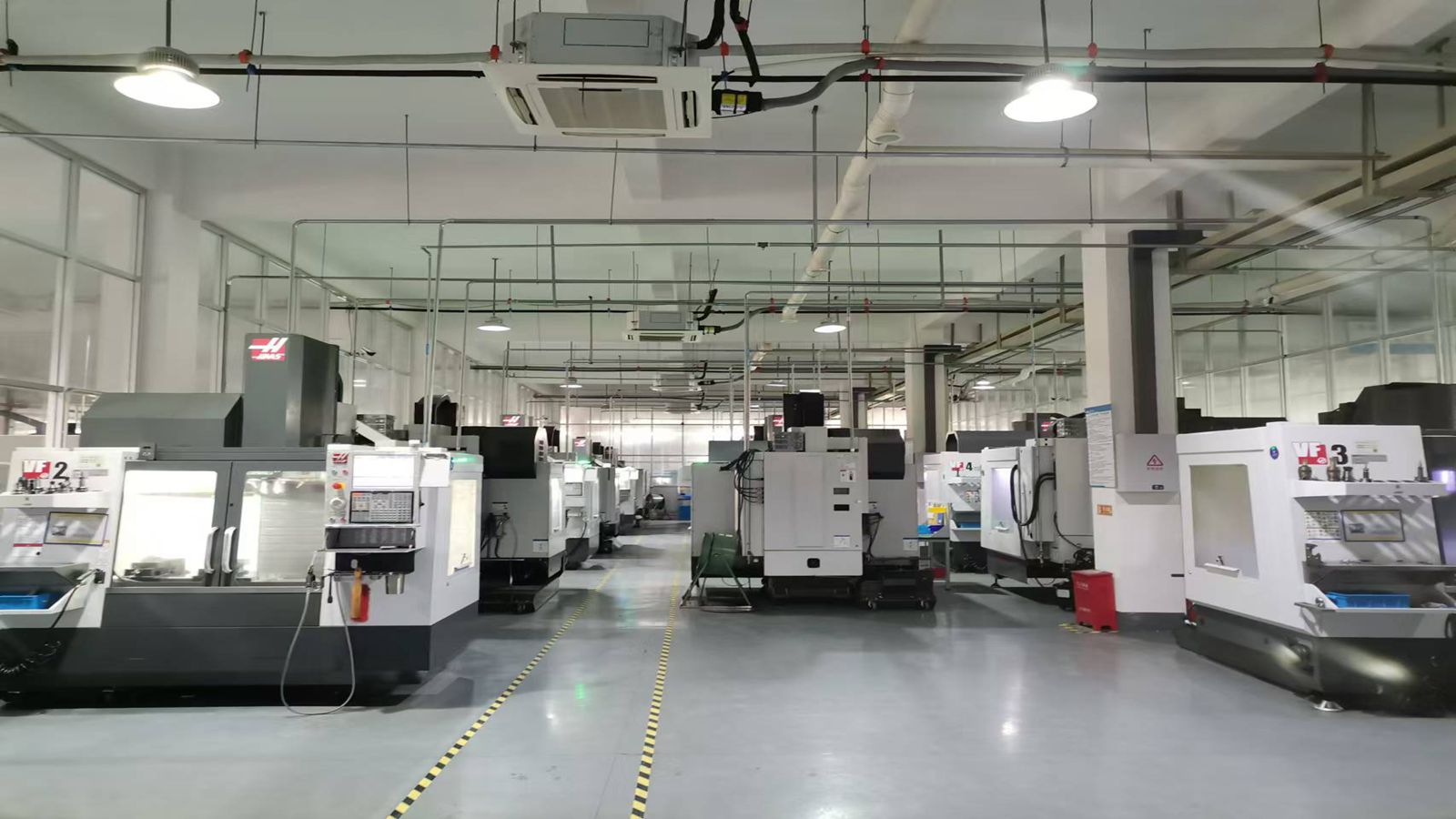
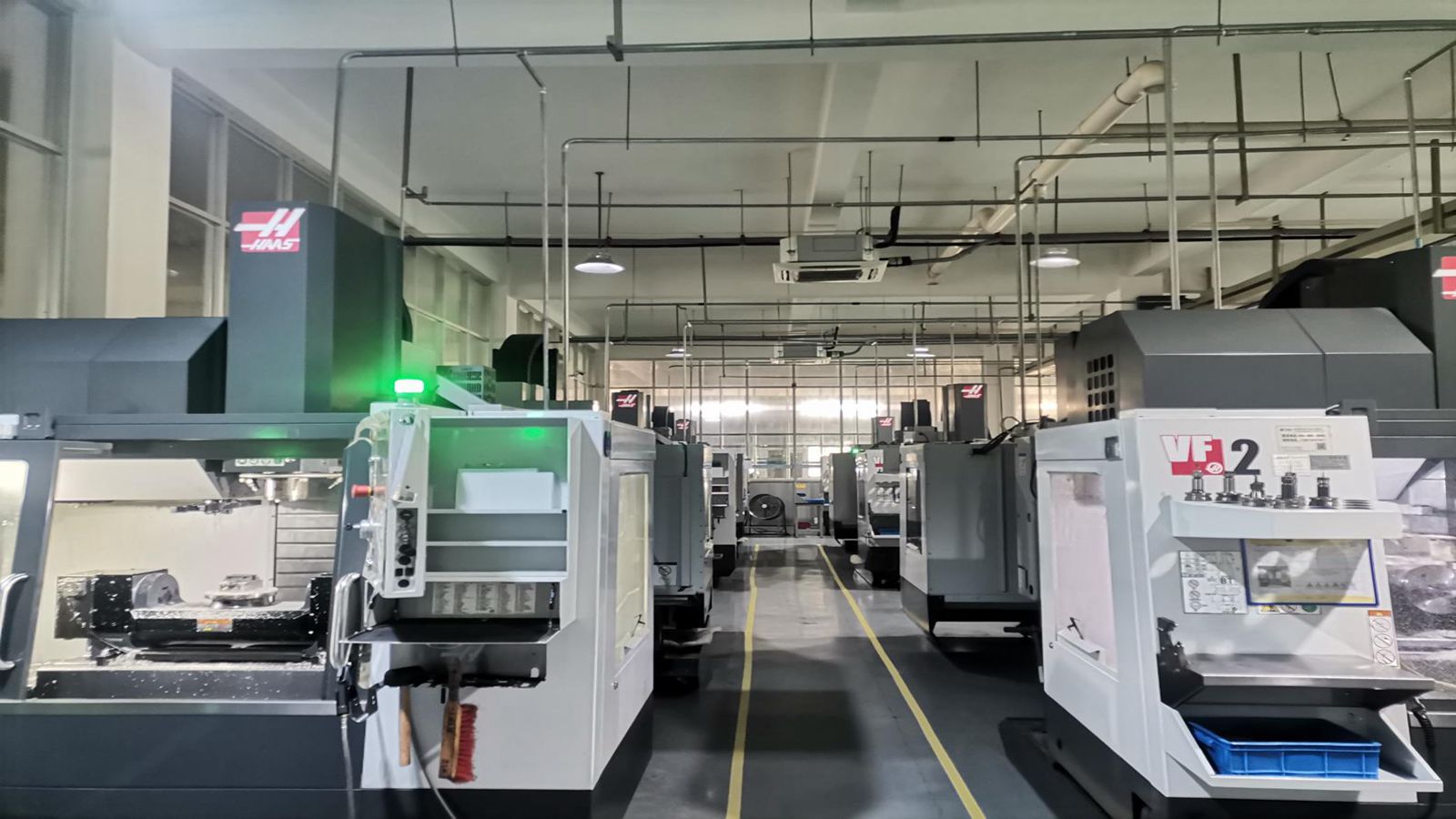
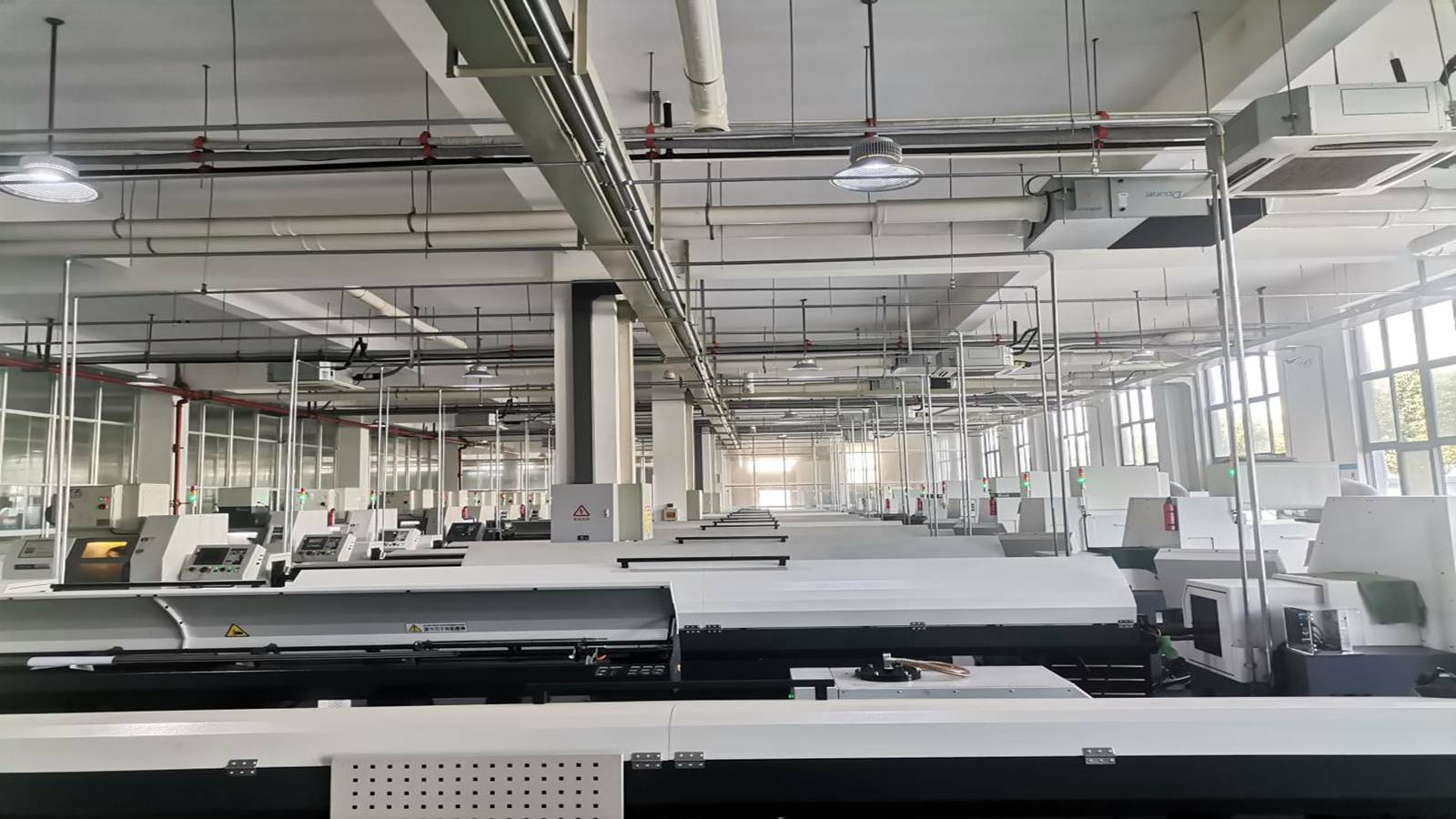
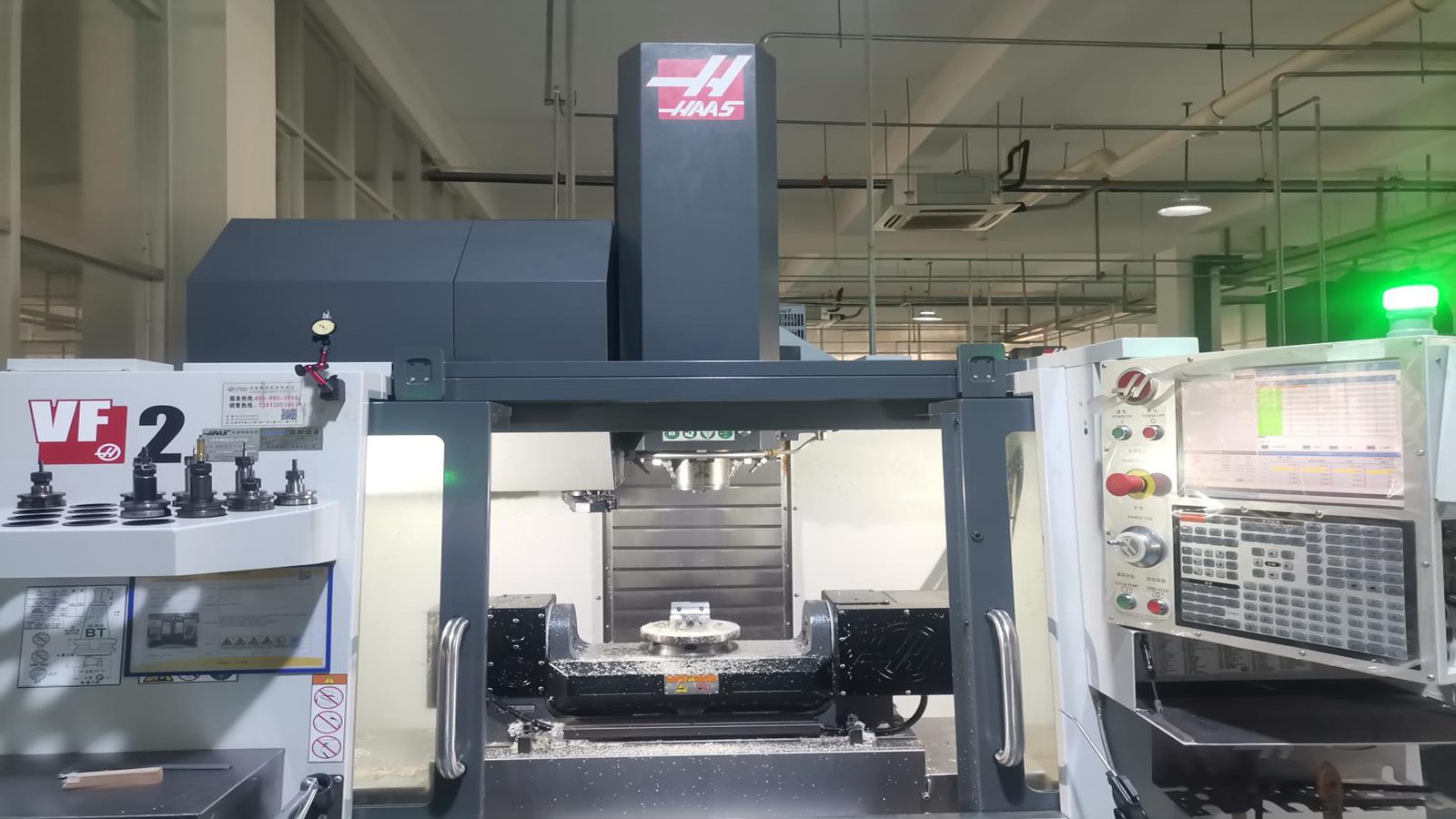
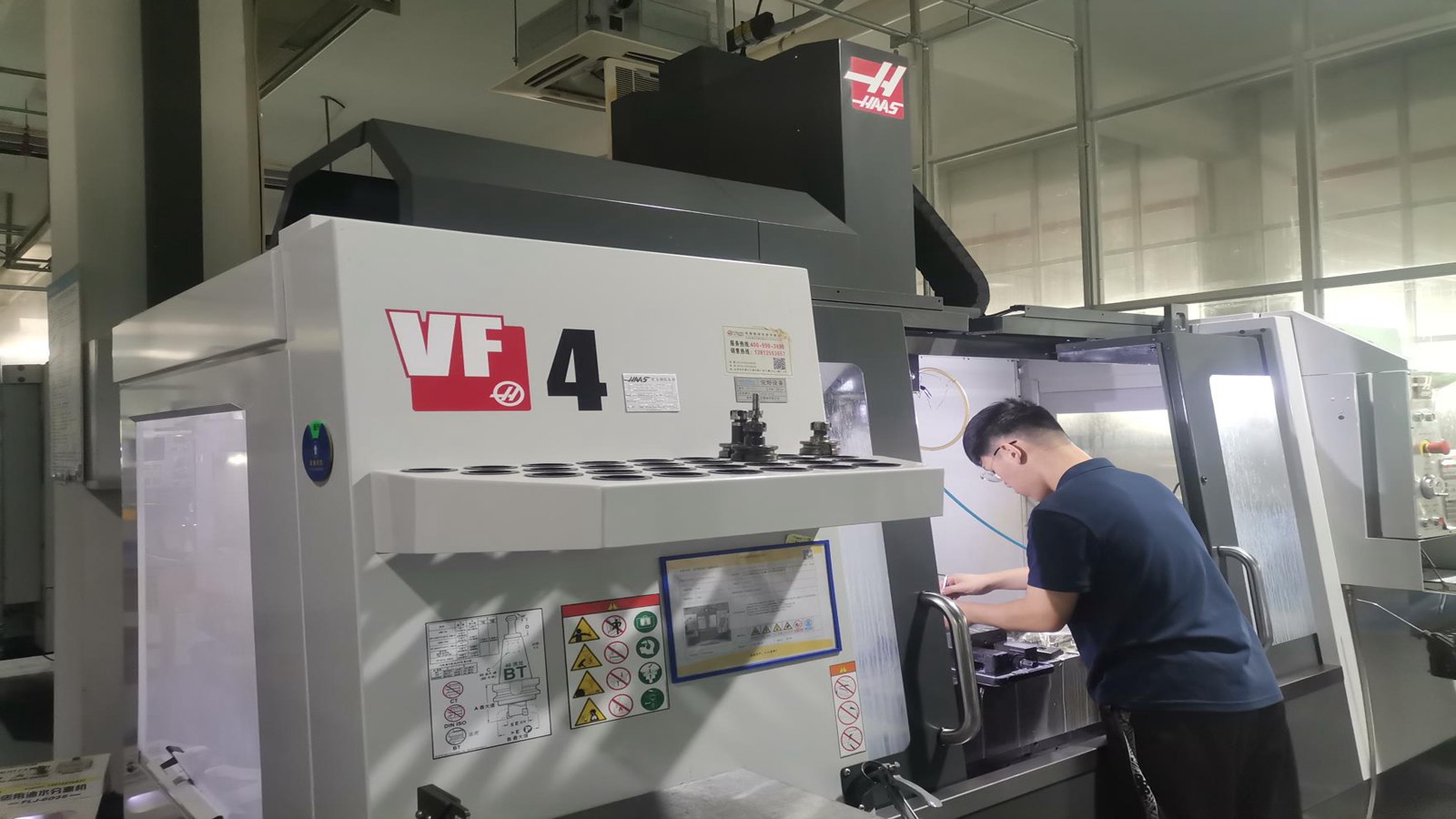
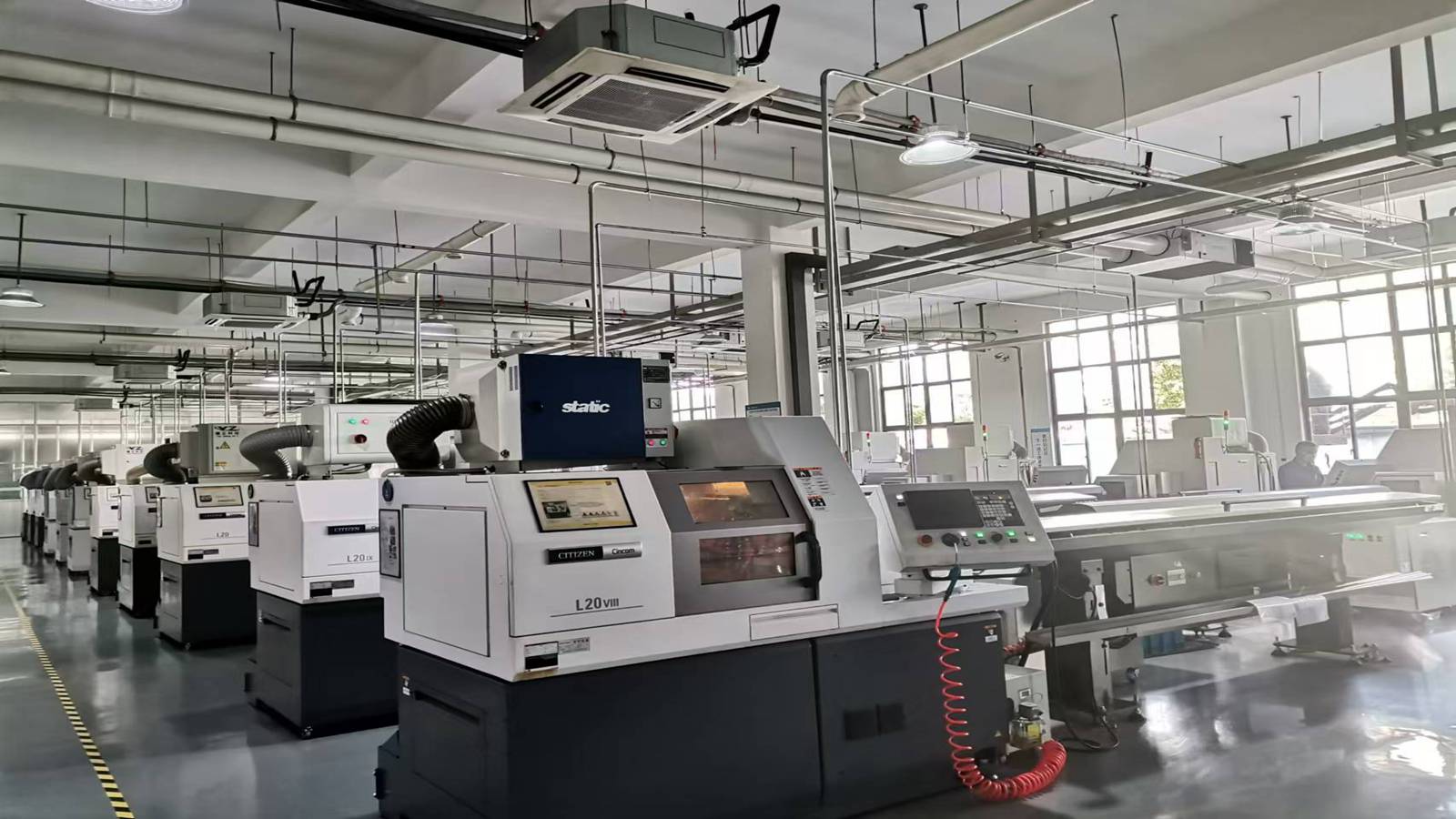
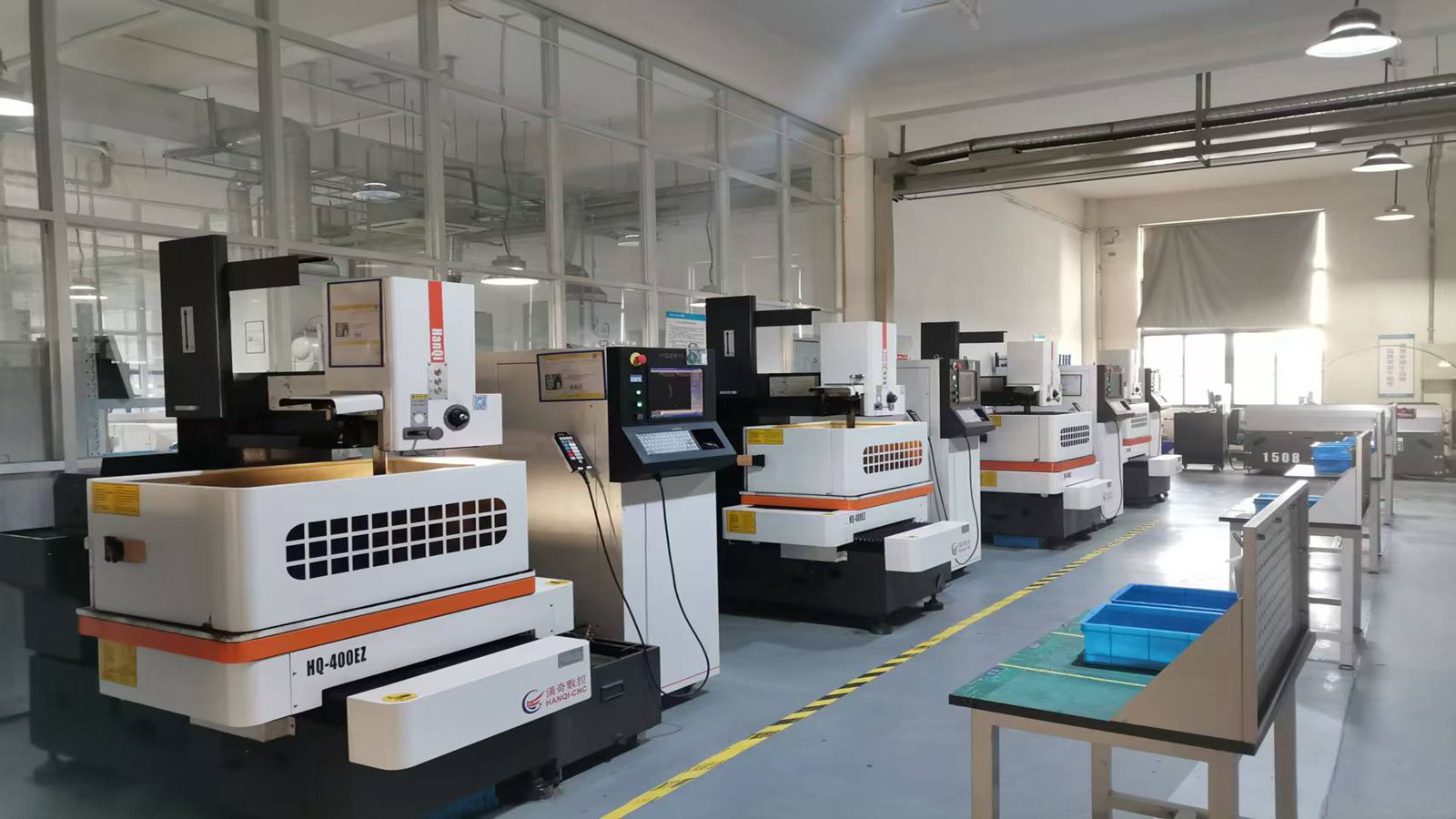
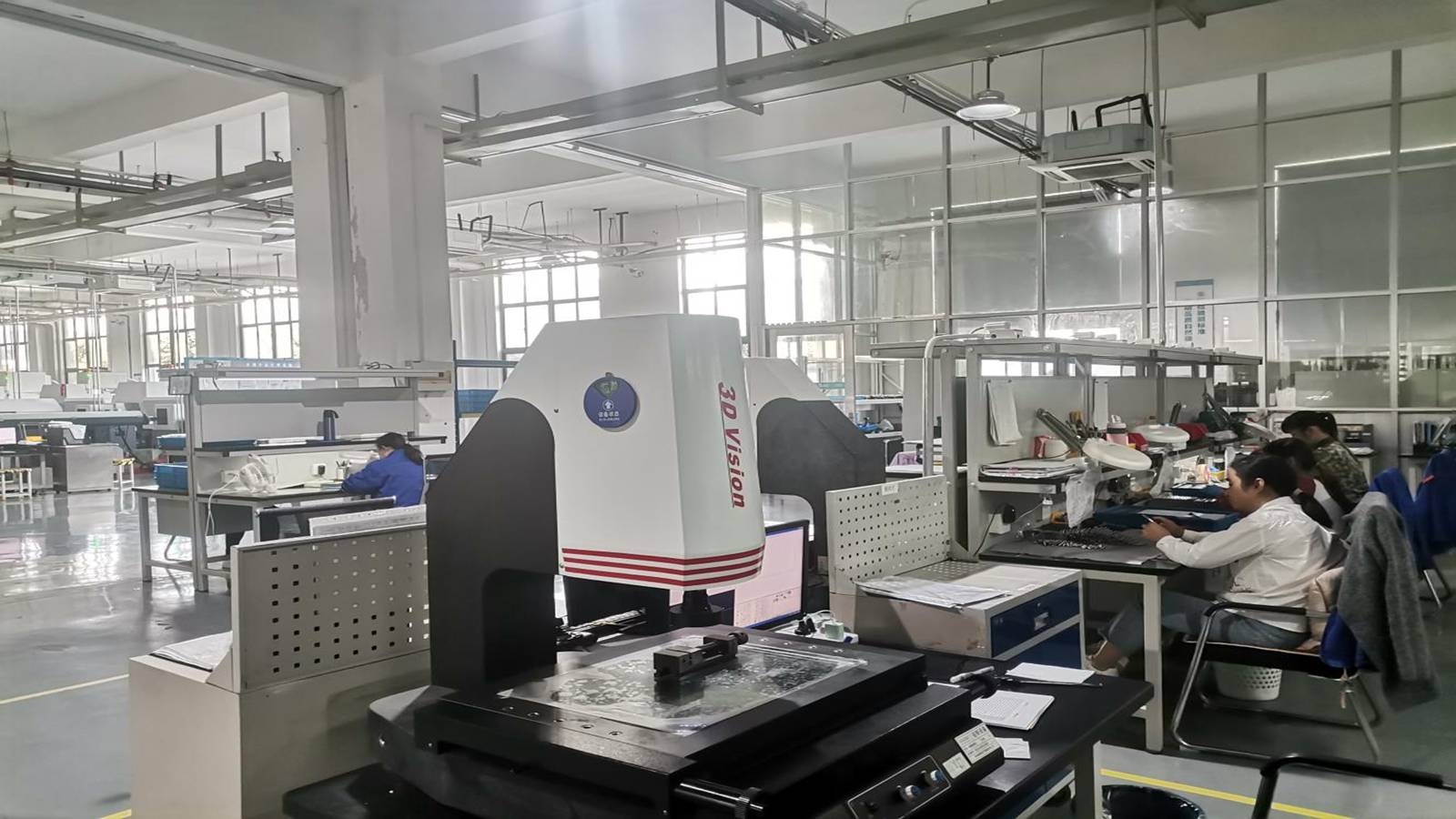
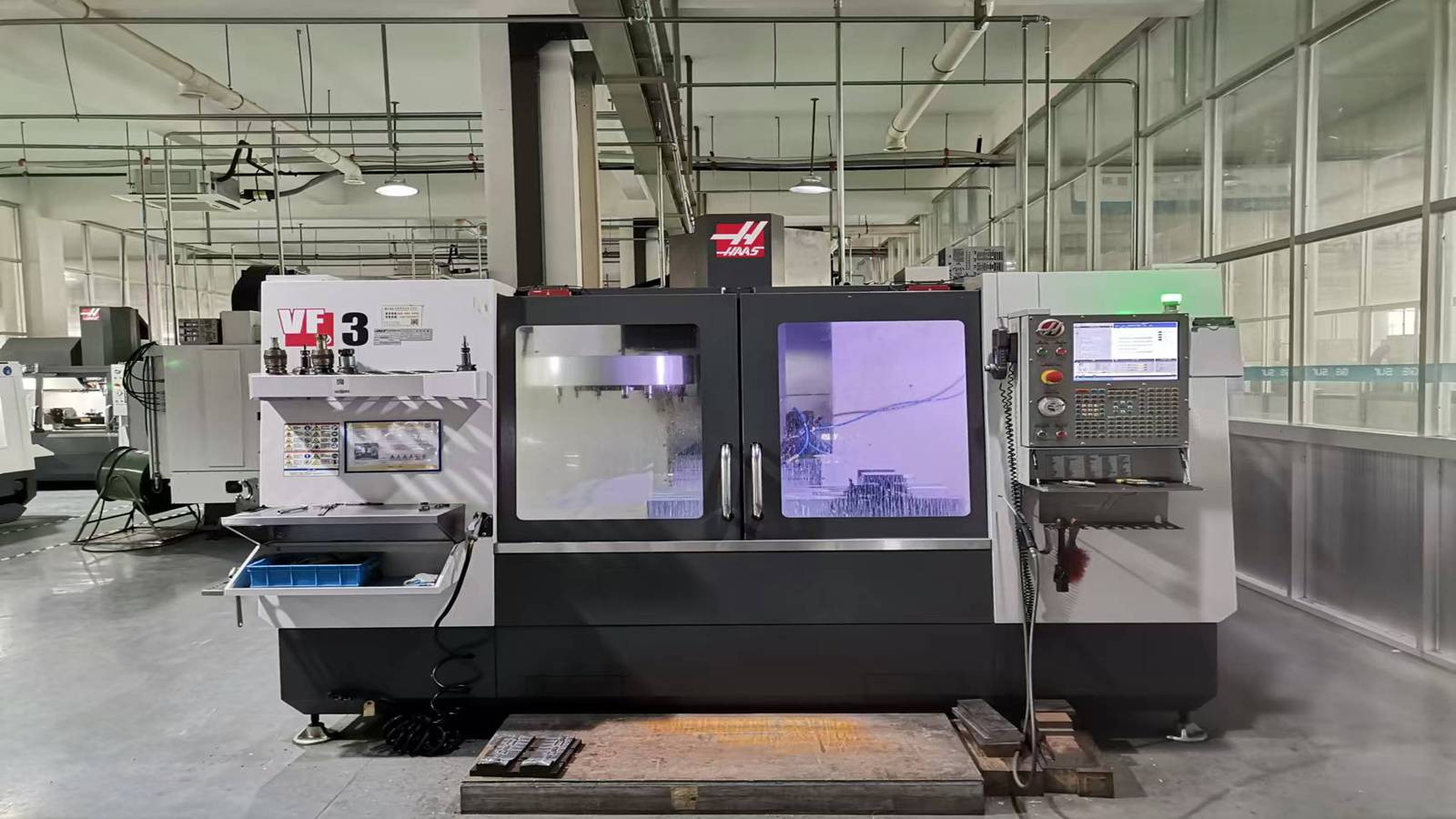
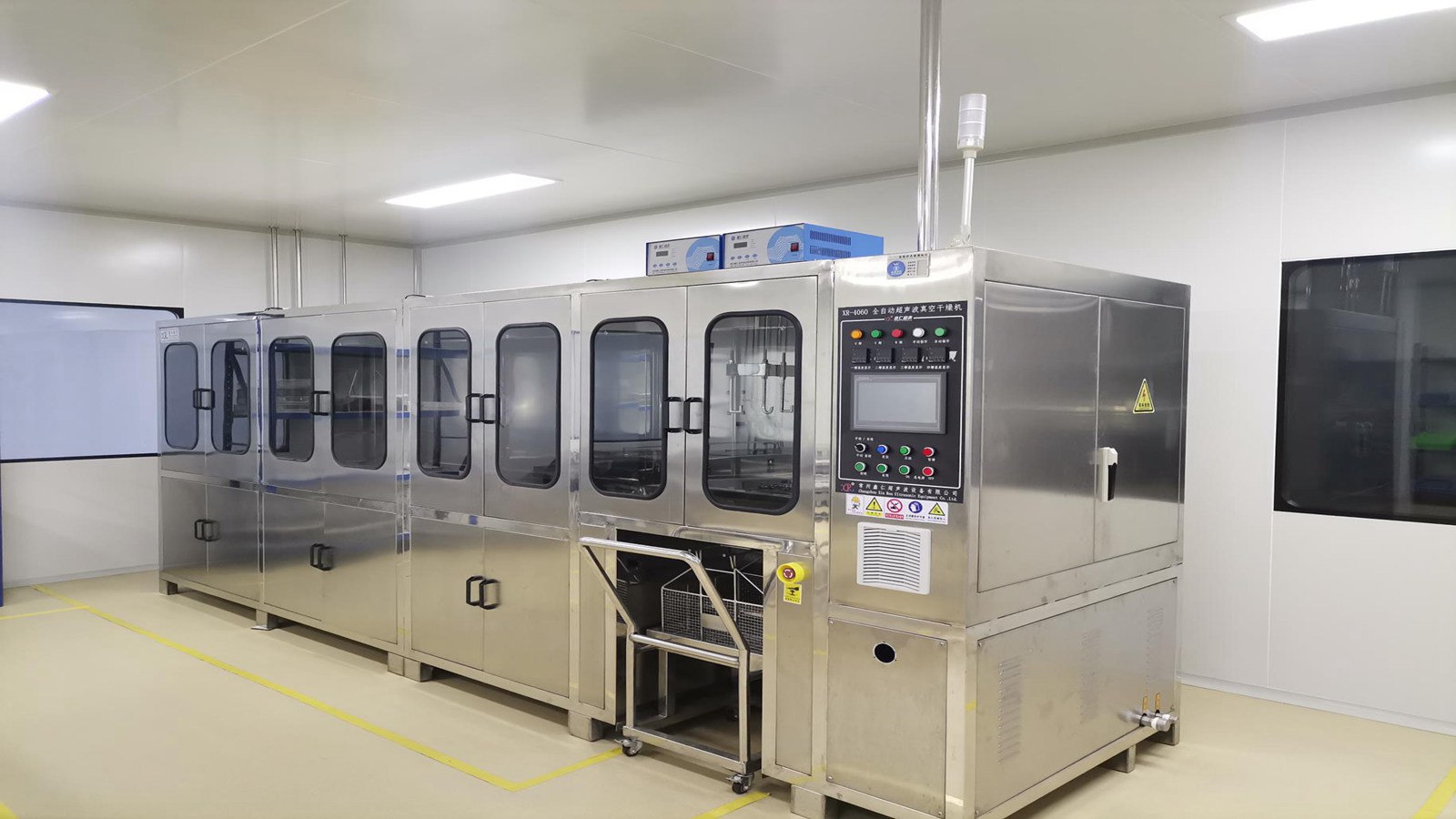
As a premier China-based exporter with over a decade of dedication to orthopedics, our integrated facility balances raw material purification, CAD optimization, additive processing, post-heat treatments, and sterile validation under a single high-efficiency ecosystem.
Our production cycles combine raw titanium processing, gas atomization powder synthesis, and precision laser printing in-house, minimizing global supply line disruptions and guaranteeing material purity (traceable at every single step).
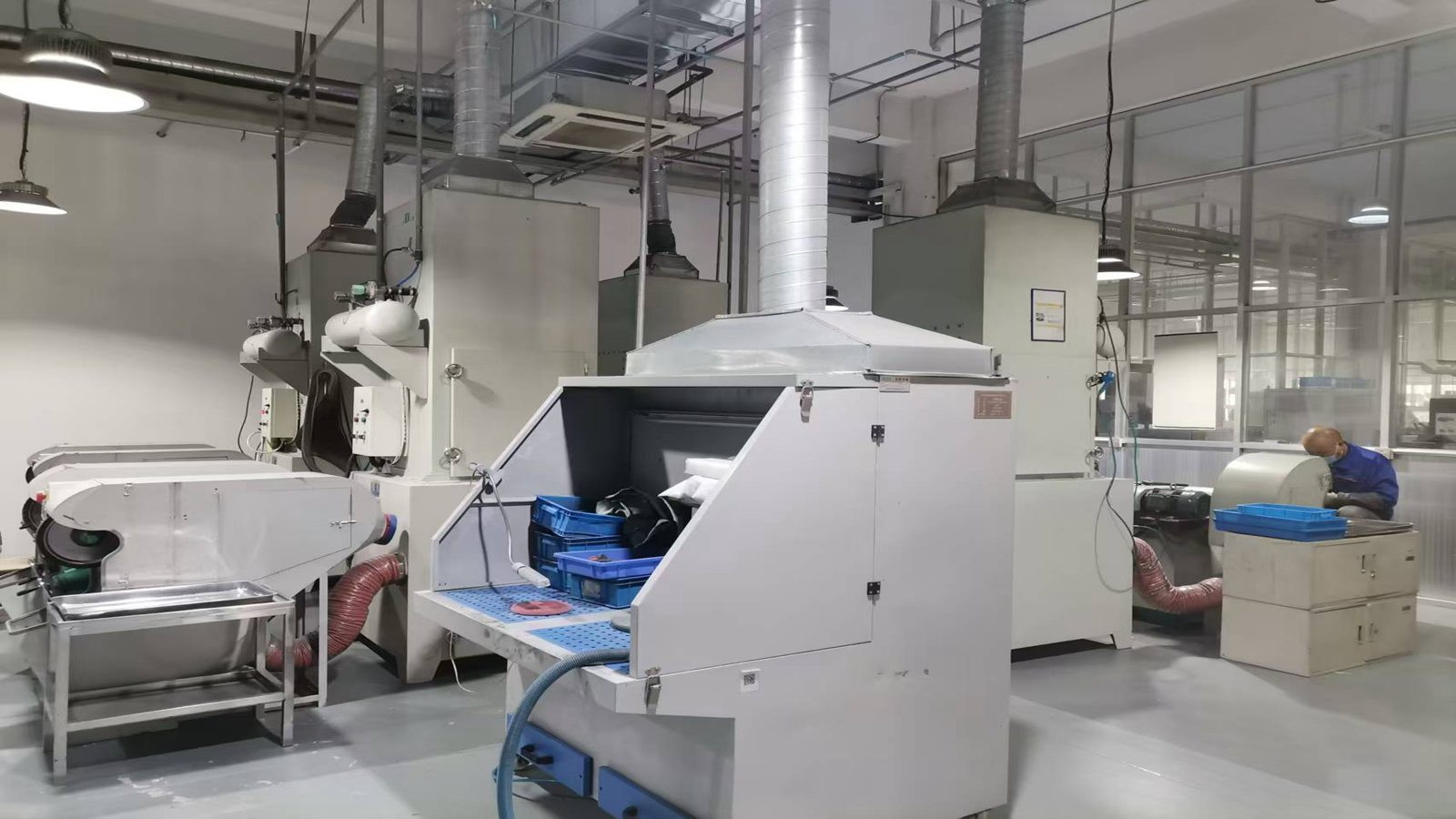
Advanced post-processing procedures include Hot Isostatic Pressing (HIP) to remove internal micro-voids, precise acid etching for surface treatment, and customized passivation treatments ensuring clean bio-adhesion interfaces.
Leveraging direct CAD integration allows us to cut prototype design-to-delivery loops for patient-specific implants down to 72 hours, matching demanding trauma and oncological surgical schedules worldwide.
Deploying research pathways focused on biomimetic materials, active drug-eluting lattices, and smart sensor integration to redefine orthopedic device performance over the next decade.
Refining nanoscale chemical deposits on titanium surfaces to stimulate osteoinduction, accelerating standard fusion times by up to 40% compared to traditional smooth cages.
Fusing radiological translucence of Polyetheretherketone (PEEK) with high osteogenesis trabecular titanium zones to yield optimized radiolucent spinal and cranial constructs.
Integrating porous matrices with localized silver nanoparticles and controlled-release antibiotics to prevent bacterial adhesion and drastically drop post-operative infection rates.
Co-printing strain gauges and micro-sensors inside custom load-bearing hip stems to transmit real-time bone-healing and mechanical stress data directly to monitoring clinicians.
Orthopedic clinicians require unique design variants across distinct surgical frameworks. The application of 3D printing shines when adapting to specific physical constraints, offering solutions that traditional manufacturing methods simply cannot achieve:
Our custom PLIF, TLIF, and ALIF cages utilize complex, macro-porous structures that promote internal bone ingrowth. Rapid capillary draw pulls blood into the inner core, facilitating fast bony fusion and ensuring immediate post-op segment stability.
Following high-grade bone tumor resections, standard sizes cannot bridge massive defects. Using patient CT scan data, we build precise, topology-optimized replacements that match original anatomical contours and anchor screws securely.
High failure rates in revision hip surgeries stem from poor bone stock. Our customized acetabular cups feature localized micro-pore pads that contact vascularized host bone directly, encouraging tissue bridging and preventing micromotion.
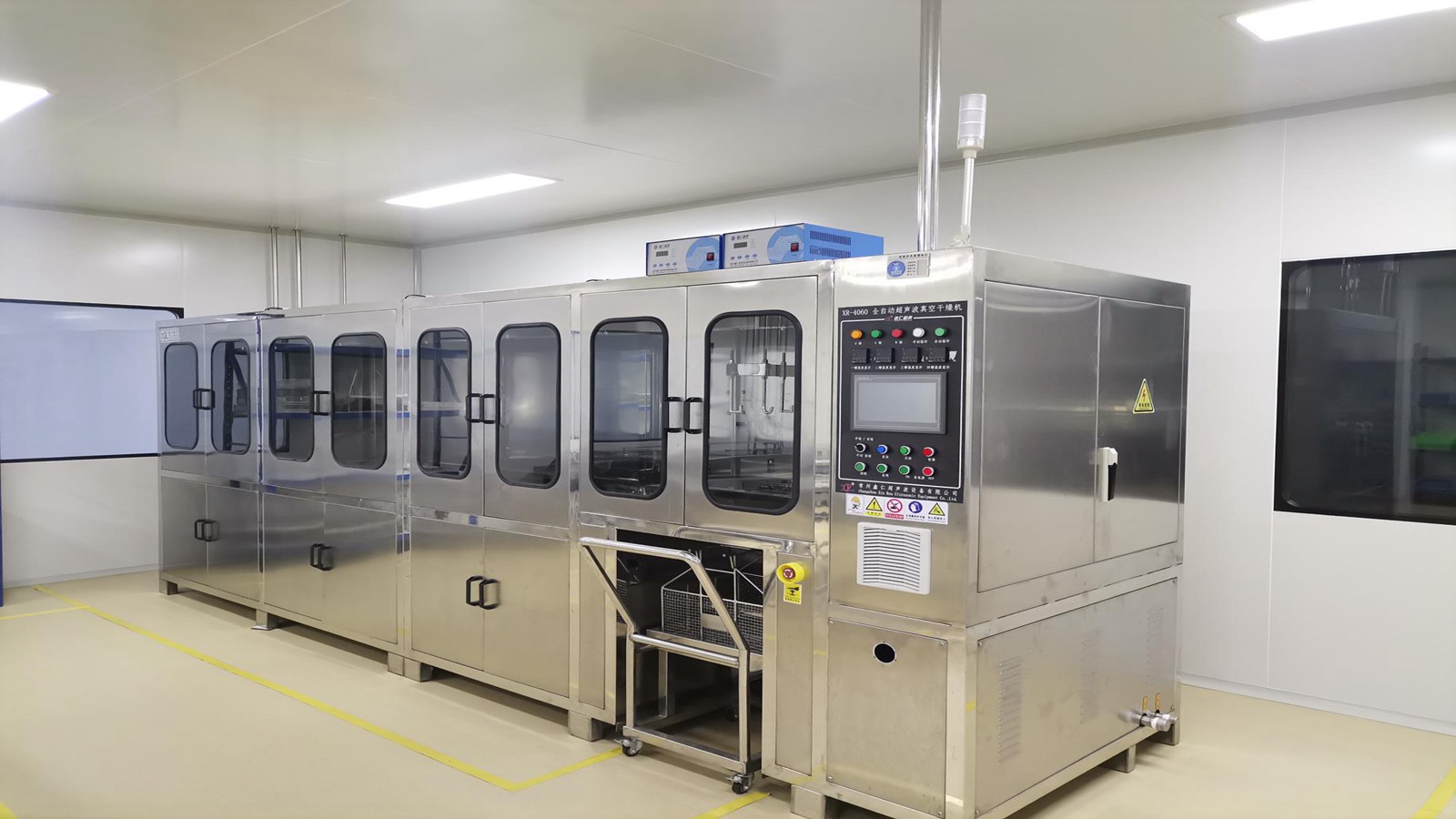
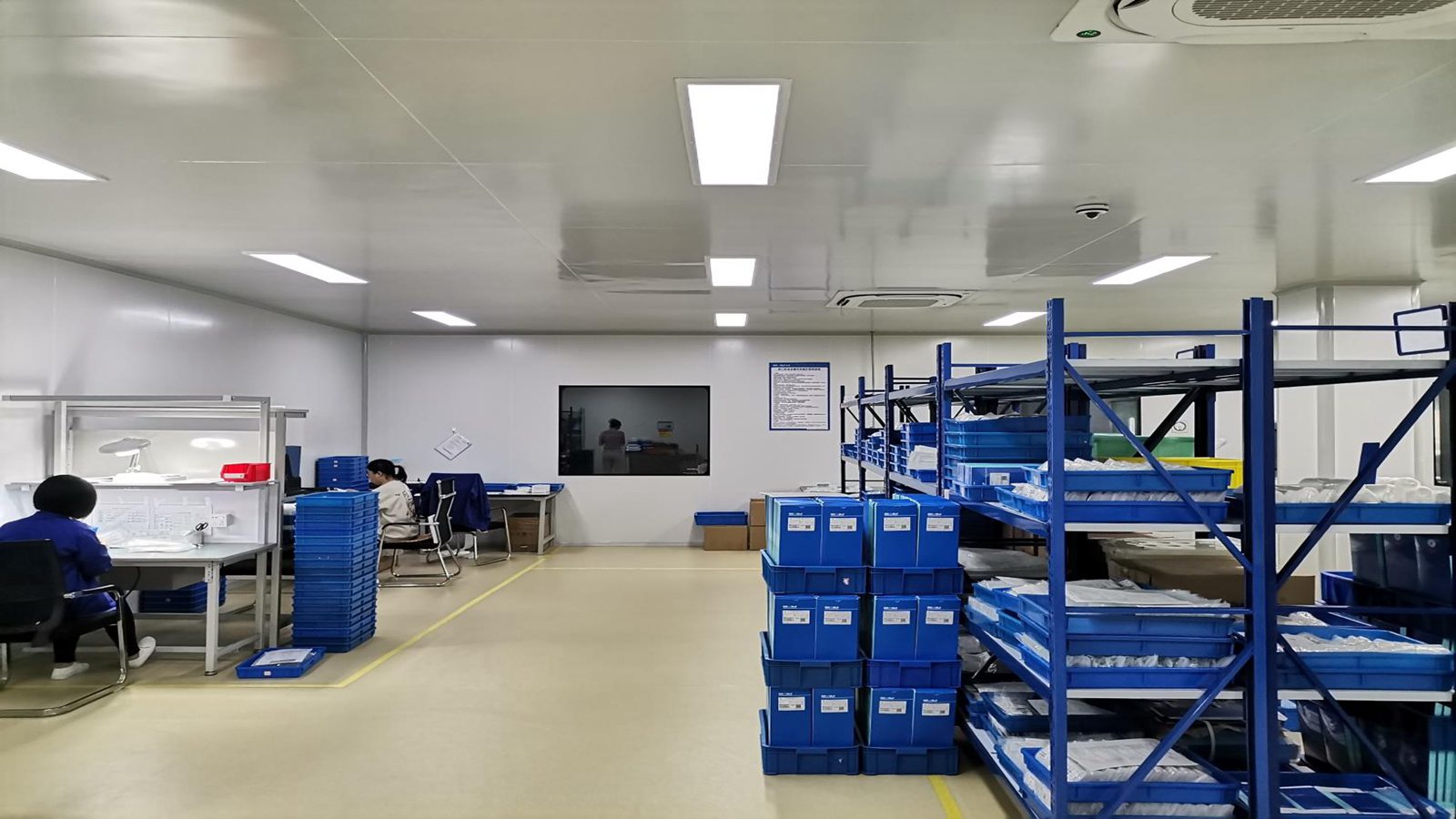
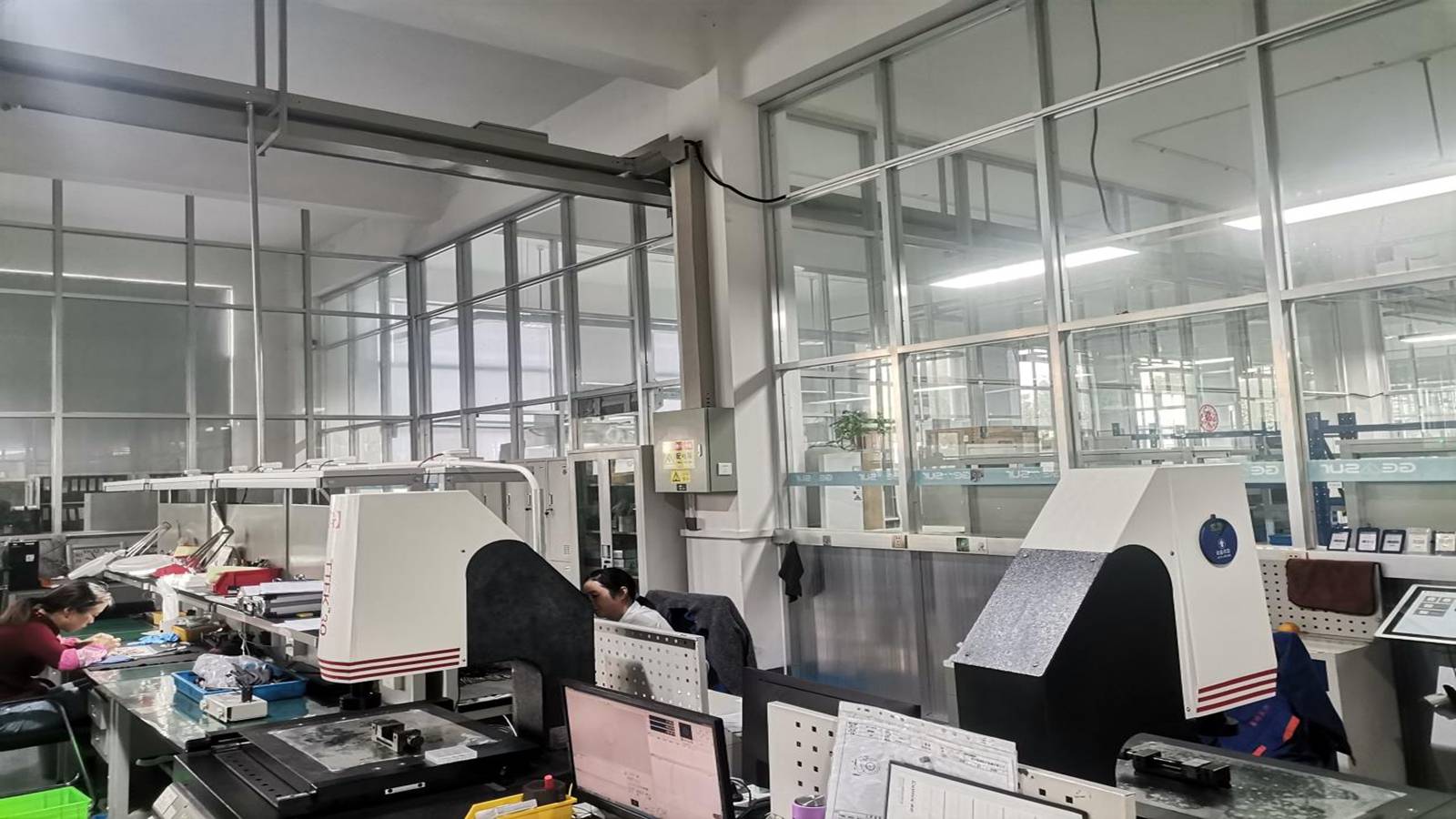
Uncompromising adherence to international regulatory baselines defines our operation. We support full documentation traceability, mechanical validation certificates, and biological safety files.





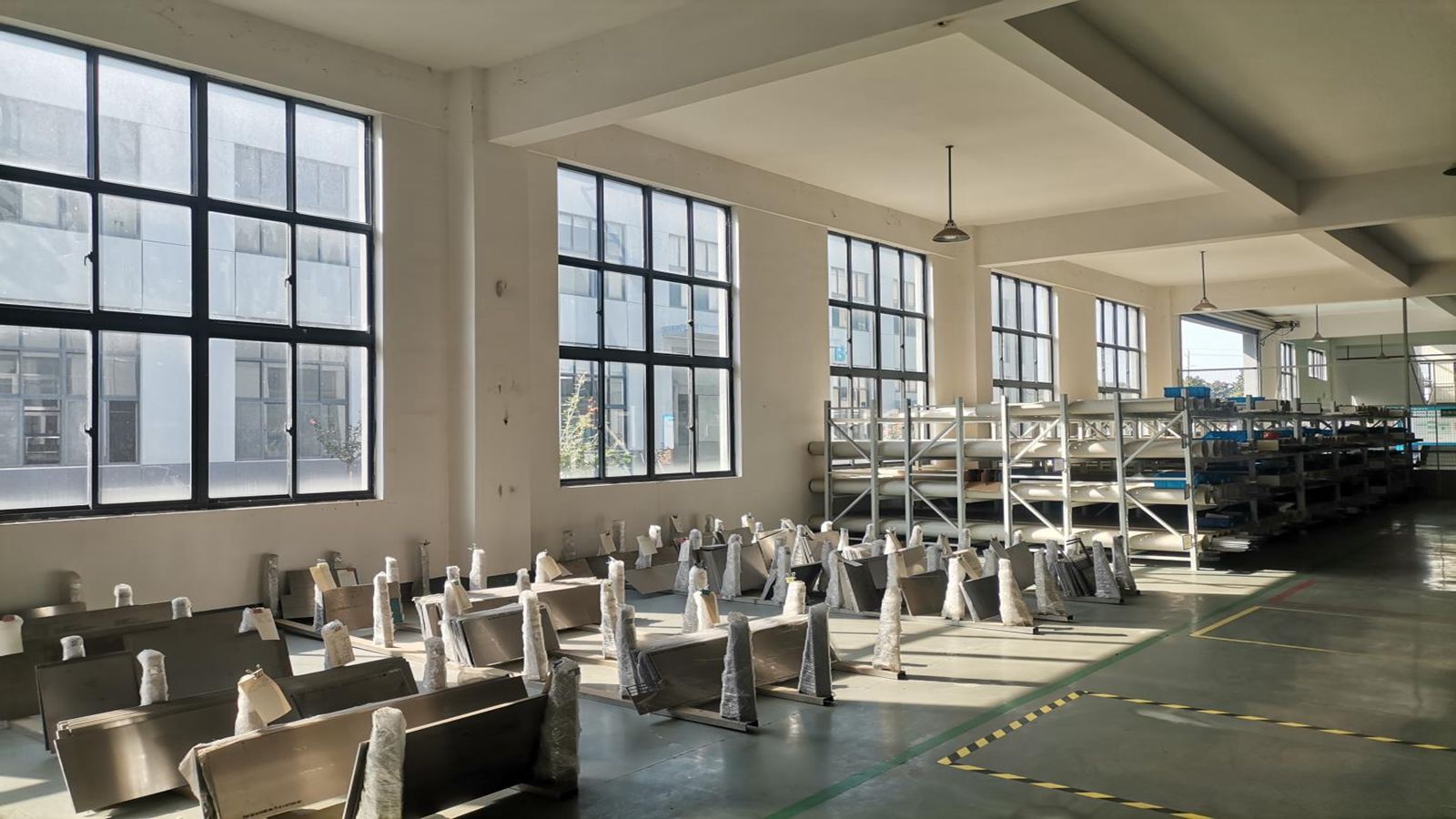
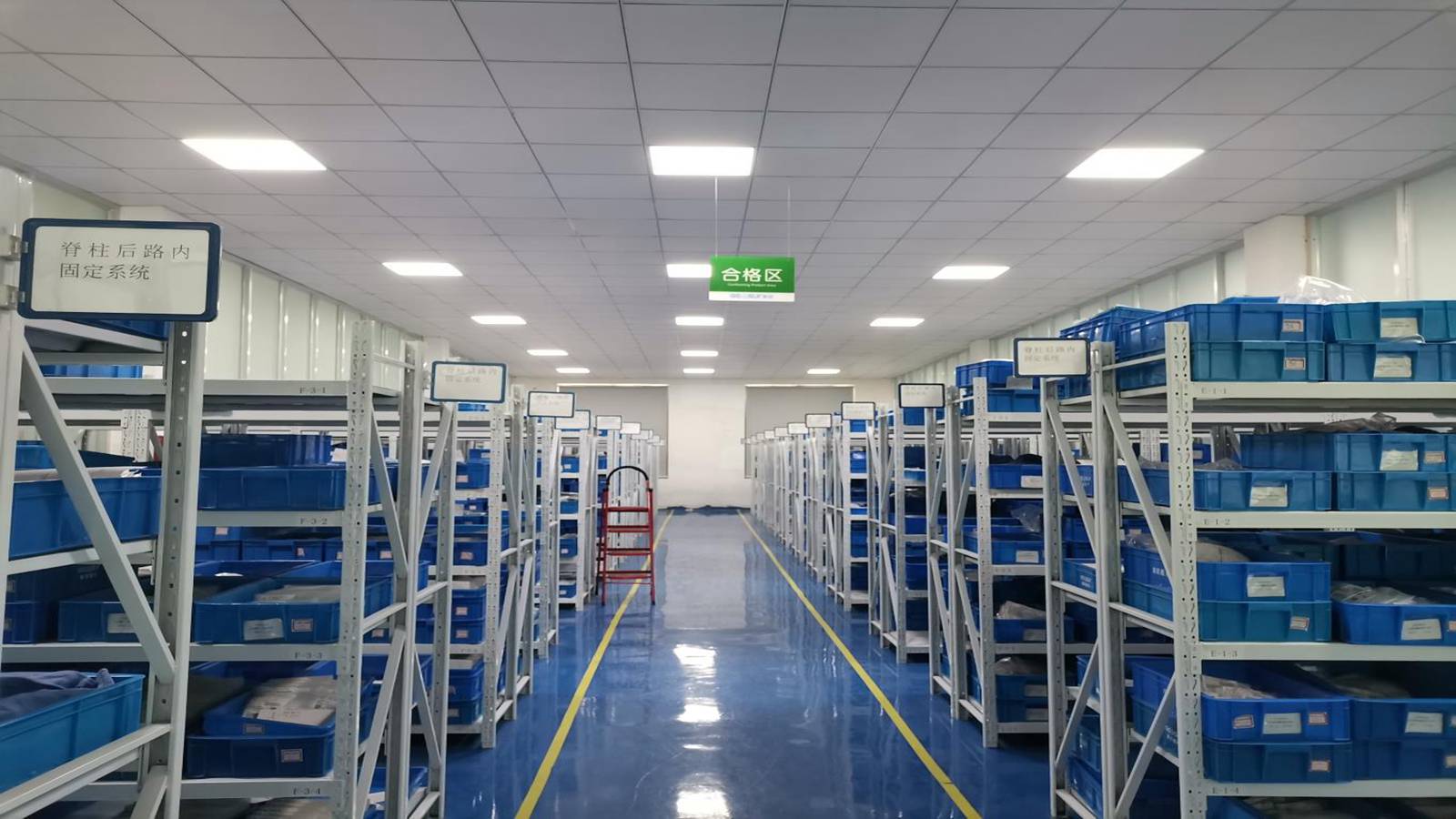
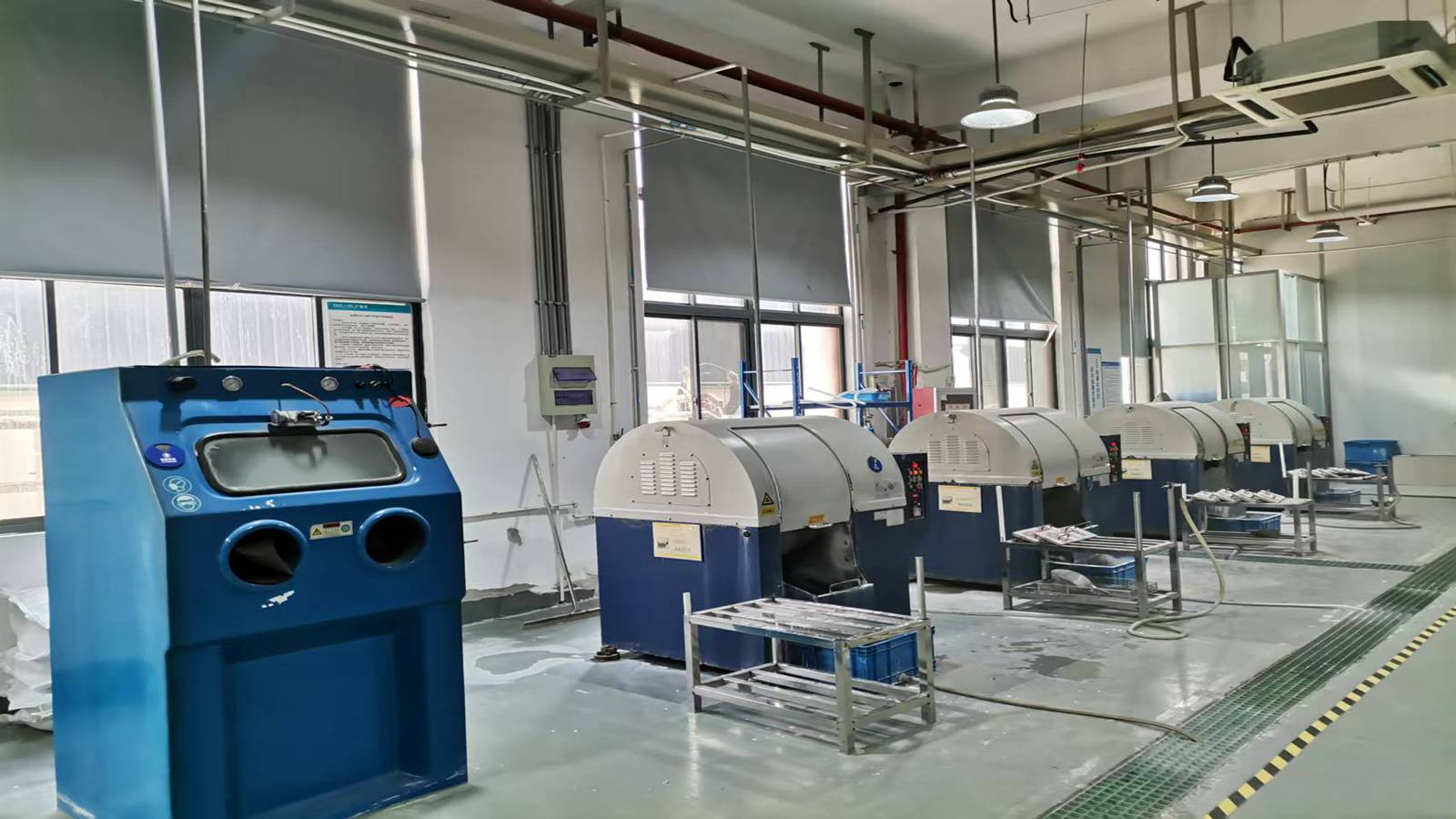
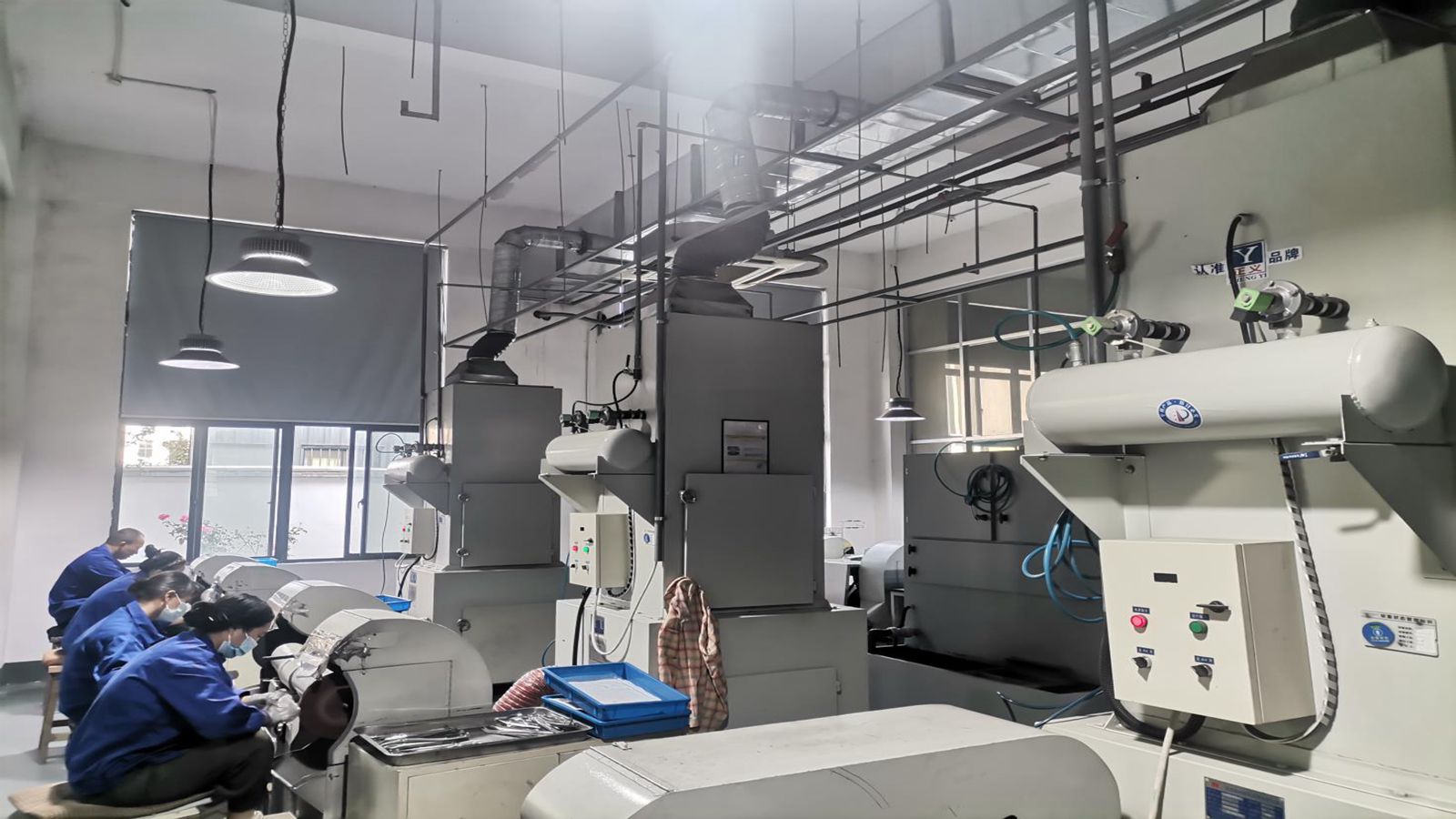
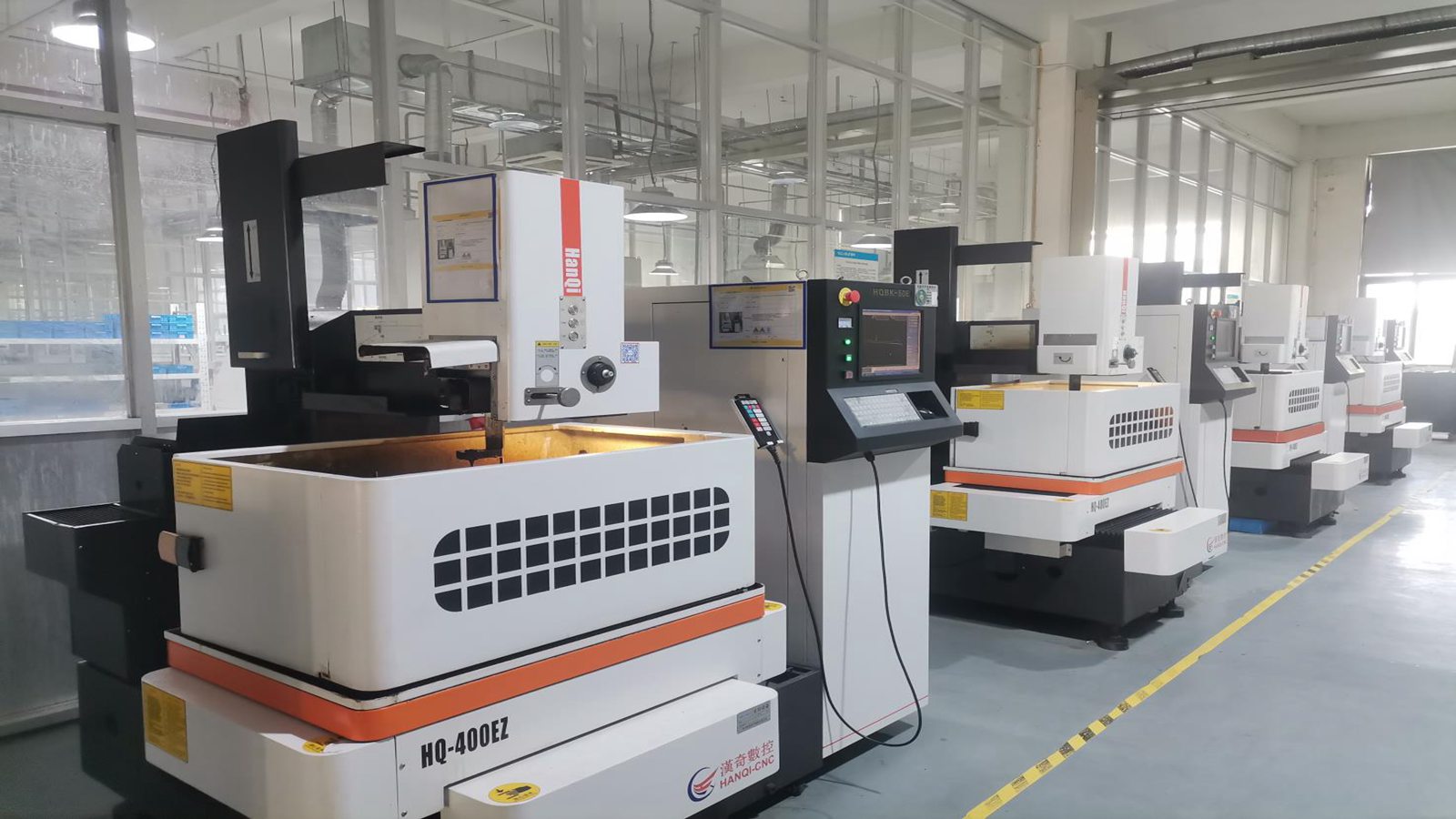
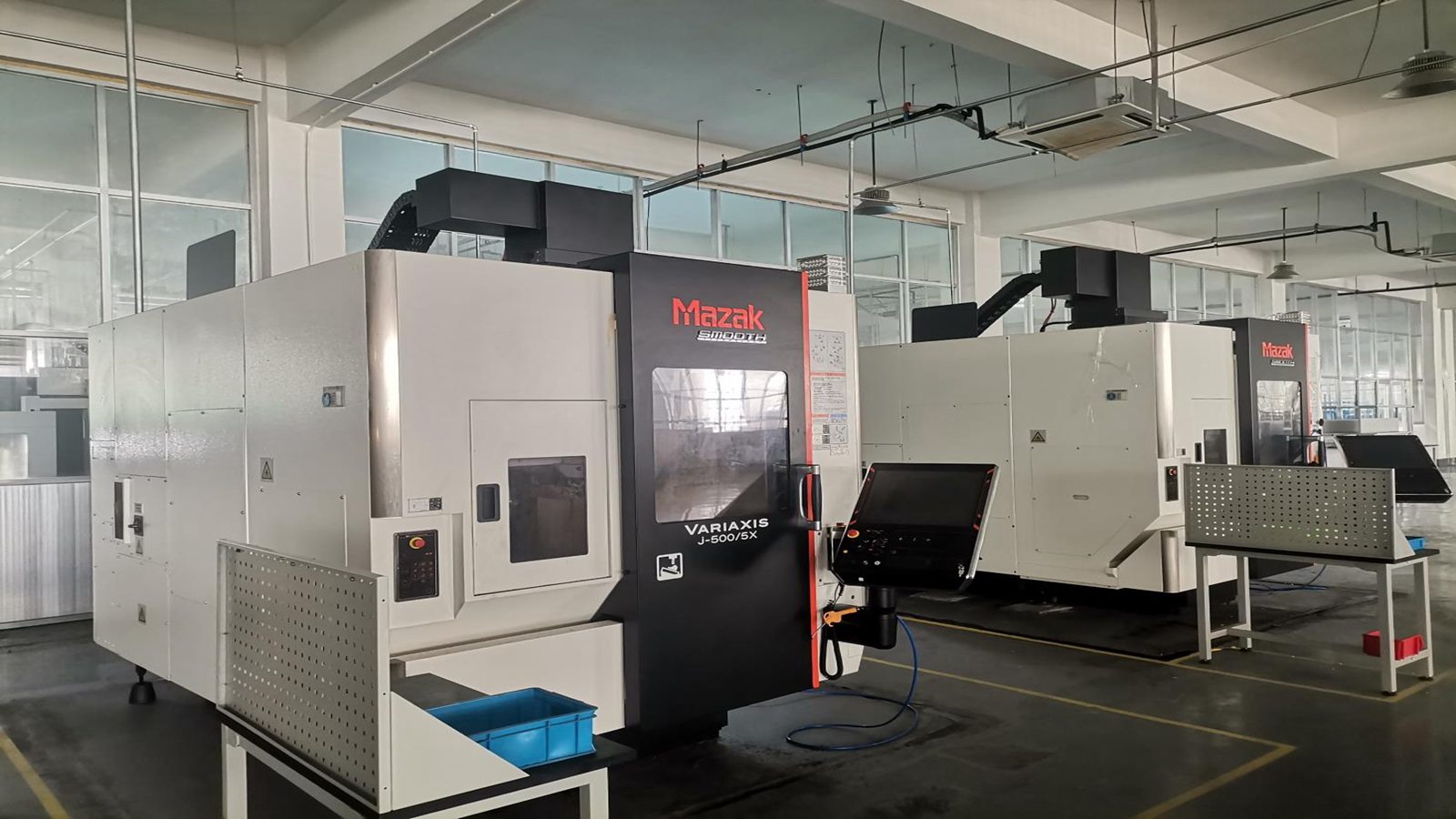
Verified visual documentation of our ISO 13485 manufacturing lines, cleanrooms, and testing facilities.