 Ease Medical Apparatus And Instruments
Ease Medical Apparatus And Instruments
Ease Medical Apparatus And Instruments
Explore our Class III medical devices engineered for spinal stabilization, internal fracture fixation, and osteosynthesis procedures.
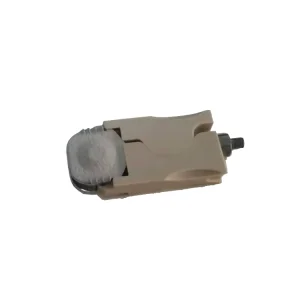
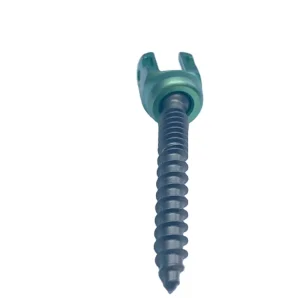
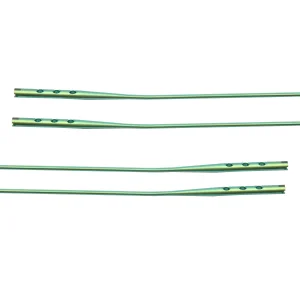
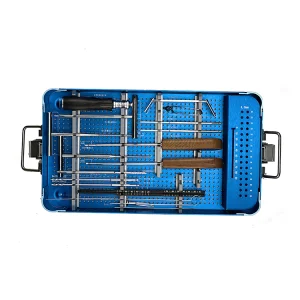
Understanding clinical requirements, biomaterial shifts, and the paradigm of long-term biocompatibility in modern reconstructive surgery.
The global orthopedic and spinal implant sector is undergoing a massive paradigm shift. As demographics shift toward an aging population and surgical techniques move toward minimally invasive options, implantable devices must exhibit uncompromising mechanical performance and optimized bone integration. In this highly specialized market, manufacturers are no longer just suppliers; they are critical partners in the clinical lifecycle, responsible for ensuring Class III medical regulations are met without exception.
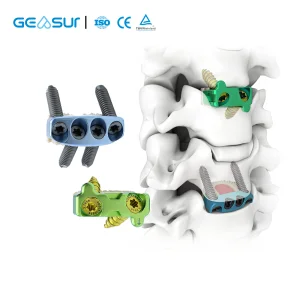
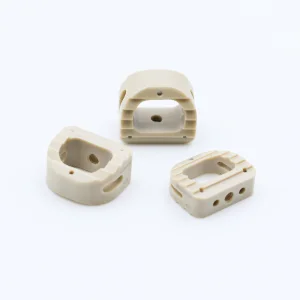
Currently, the core demand spans across spine, trauma, joint, and sports medicine. Key surgical goals like achieving instantaneous primary stability and minimizing long-term stress shielding have driven research into dual-material approaches. Titanium alloys (typically Ti-6Al-4V ELI, conforming to ASTM F136) remain the standard for load-bearing structures due to their excellent fatigue limit and biocompatibility. In parallel, PEEK (Polyetheretherketone) has become the preferred choice for interbody spinal fusion devices, offering a modulus of elasticity closely matching human cortical bone and radiolucent properties for clear post-operative radiographic evaluation.
Utilizing implant-grade Ti-6Al-4V titanium and Medical PEEK polymers. These materials are optimized to reduce bone resorption, prevent biological rejection, and support healthy osteoblast migration.
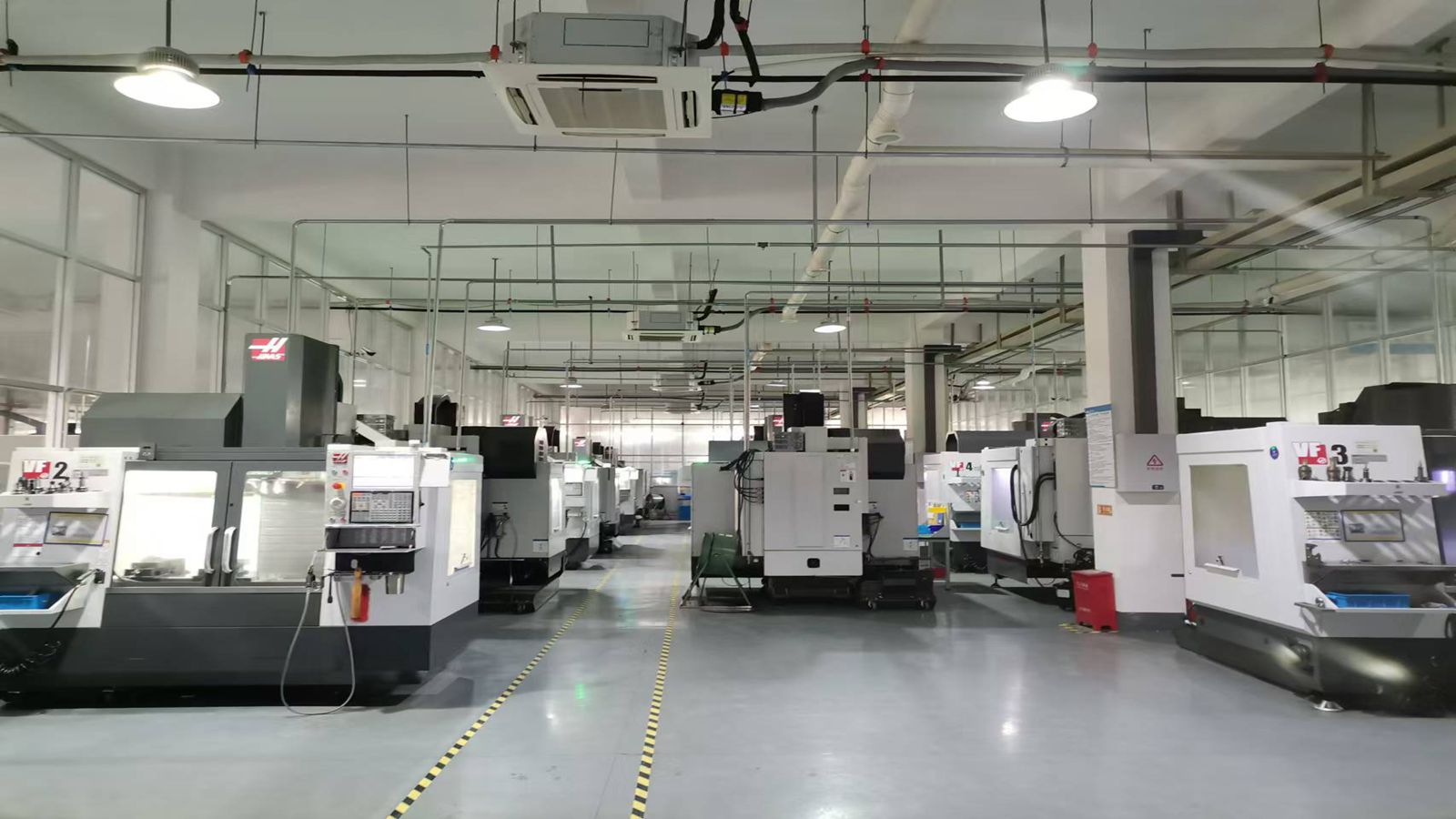
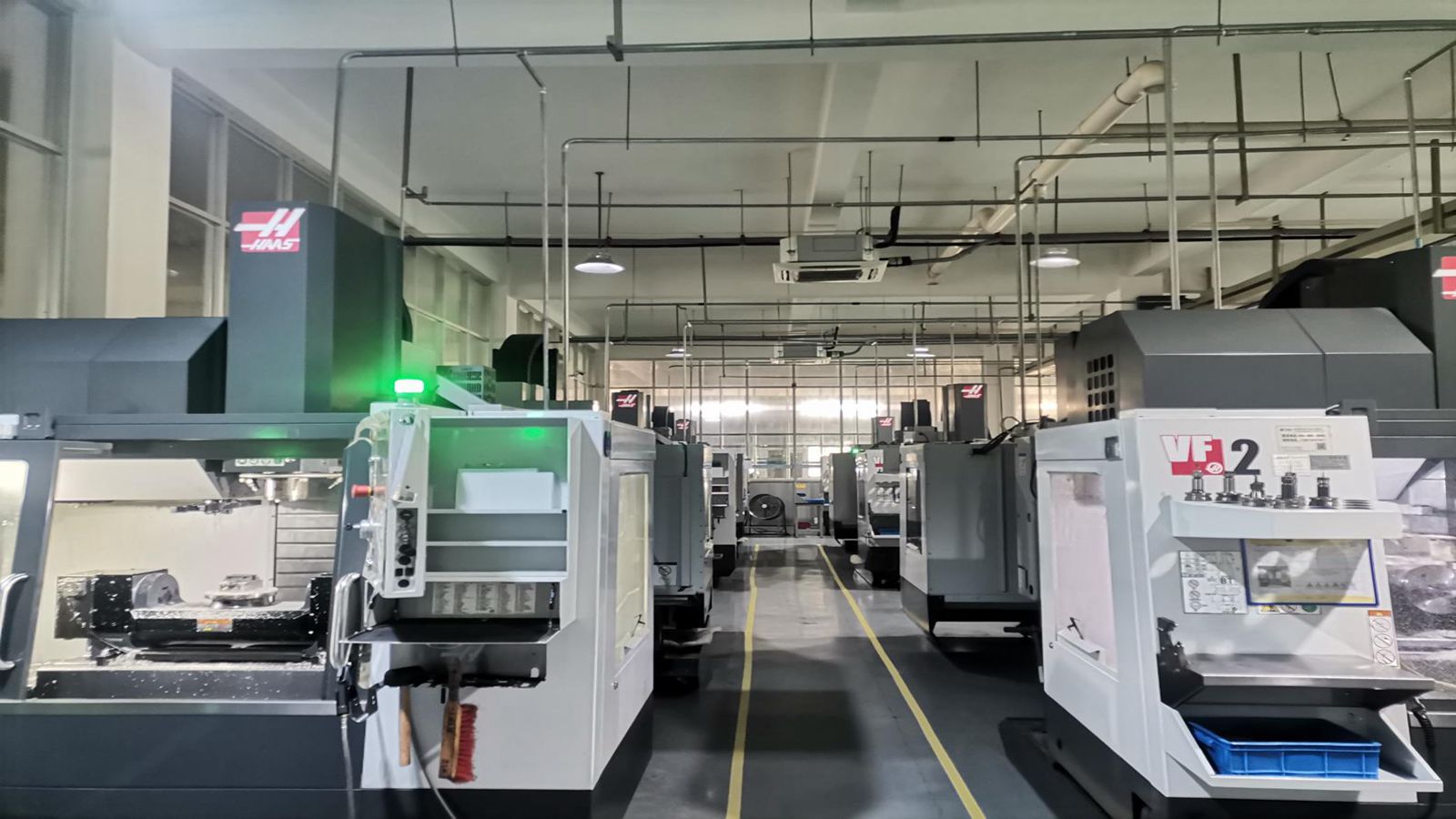
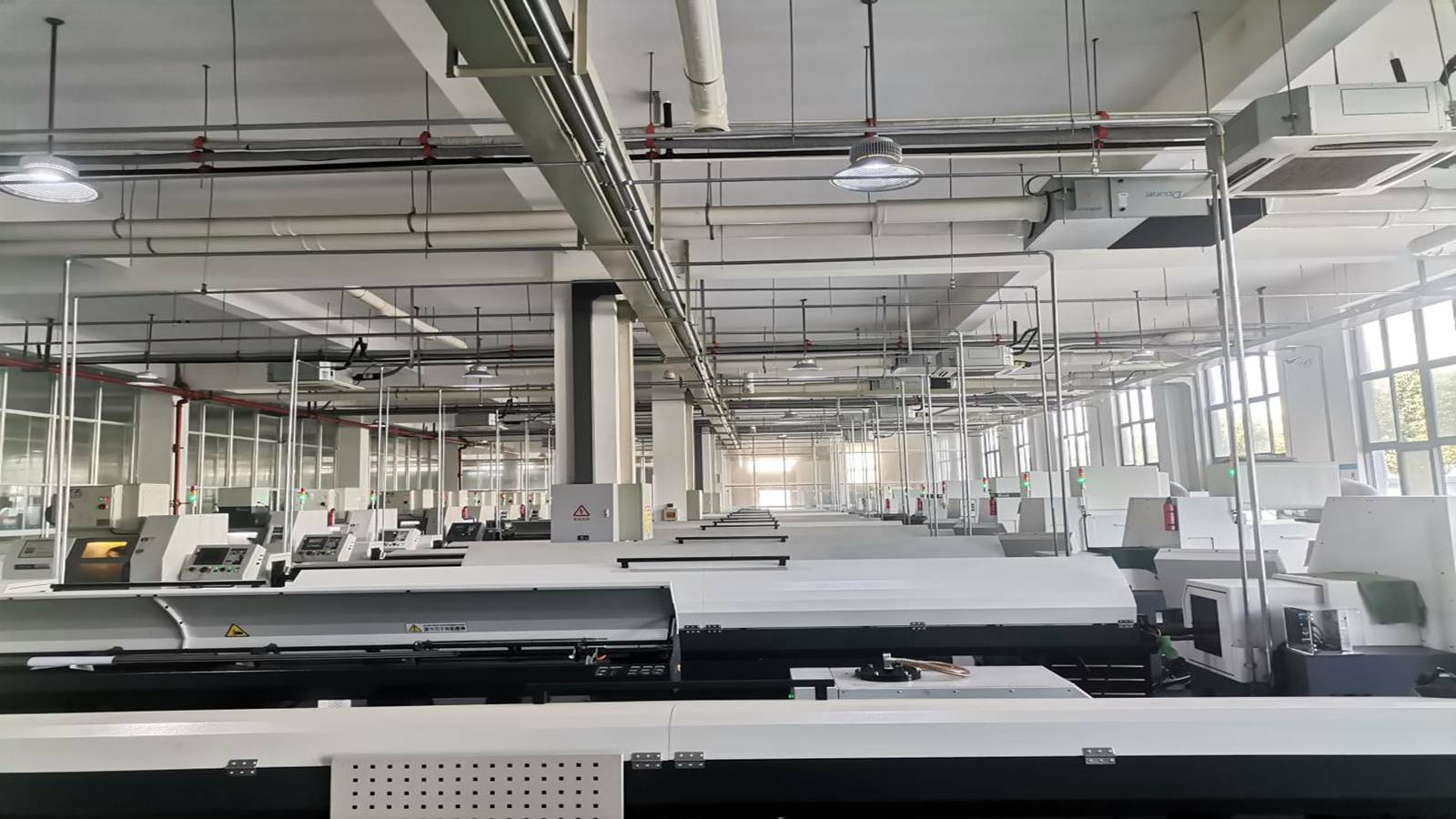
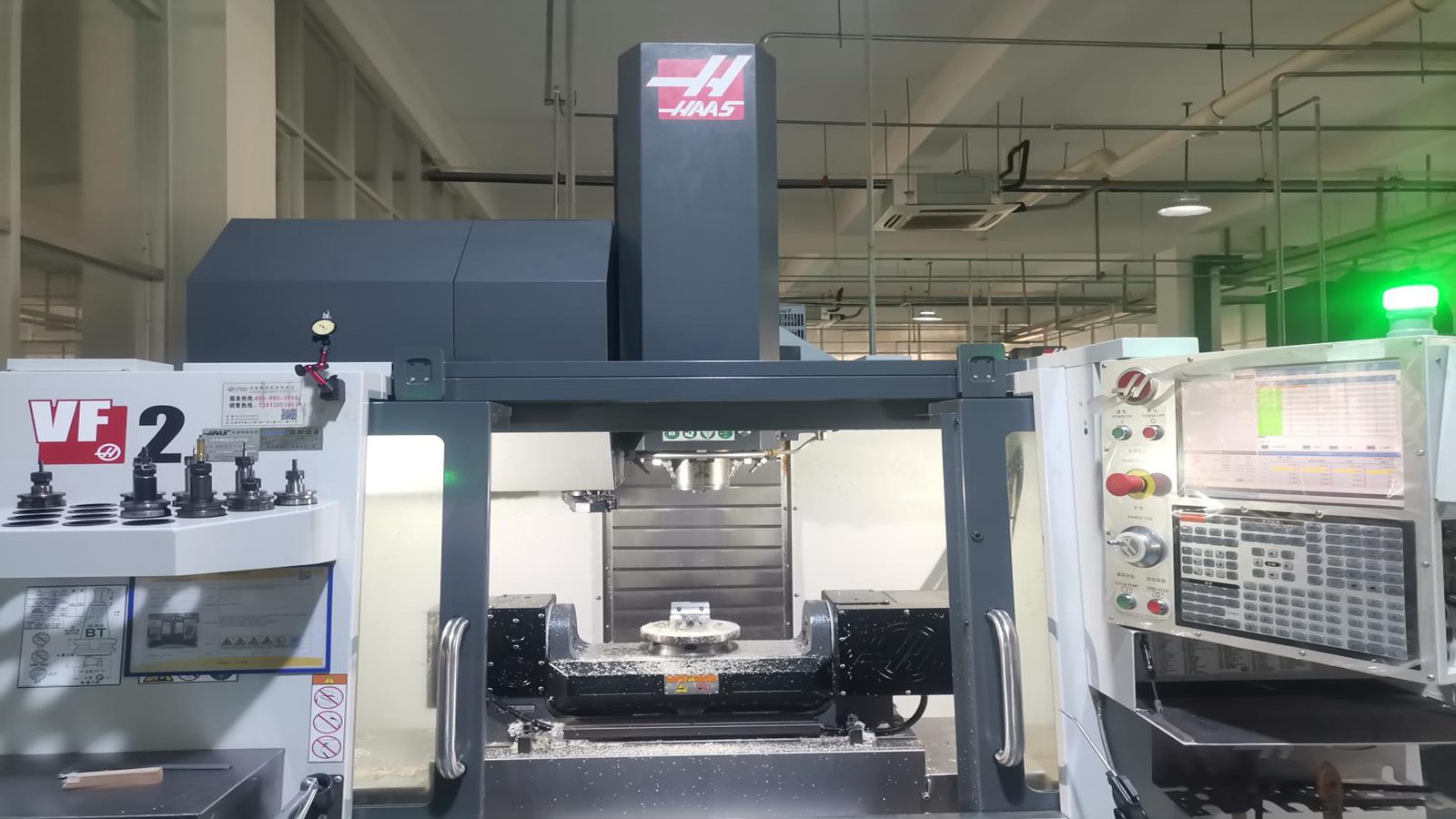
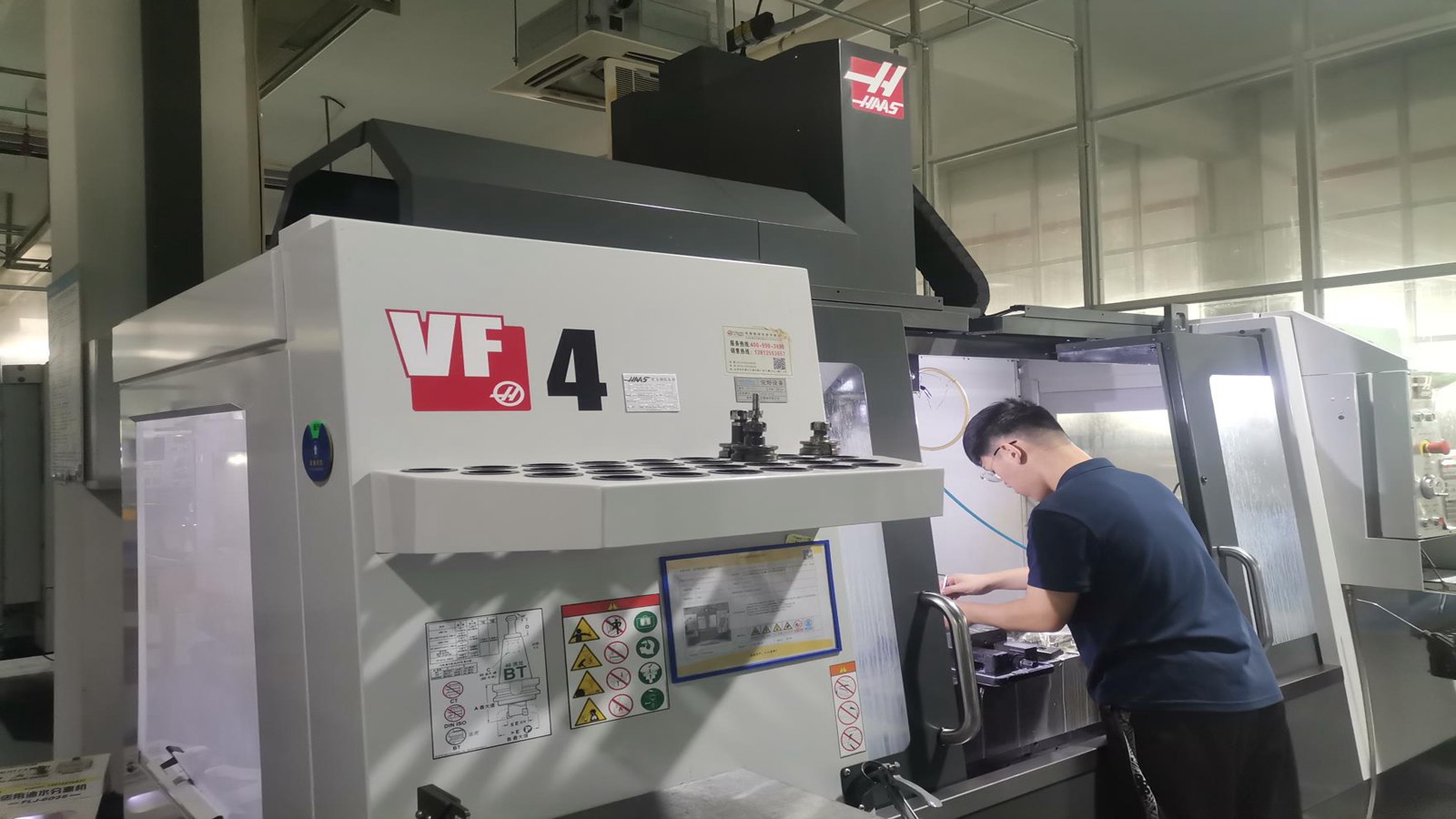
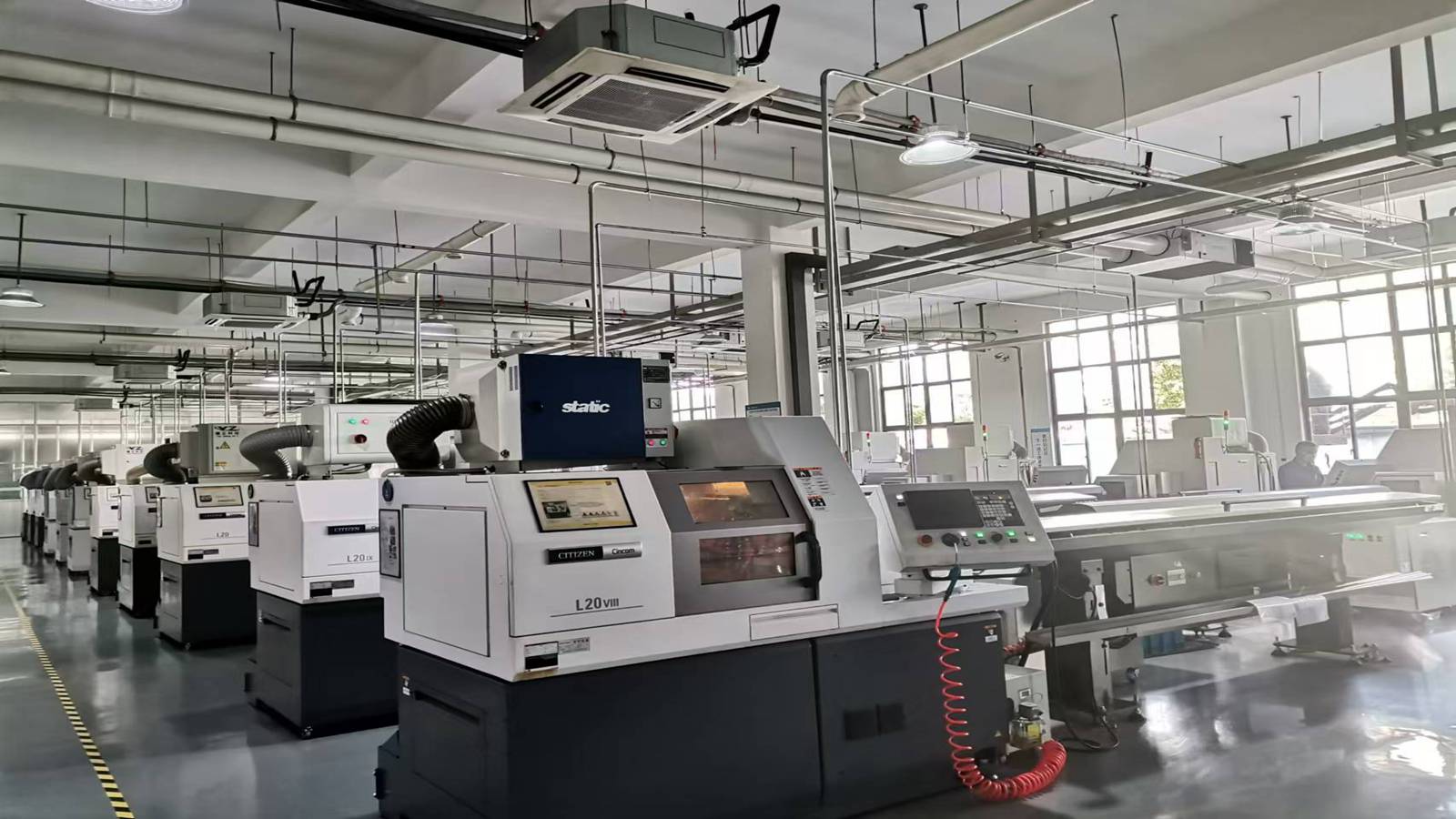
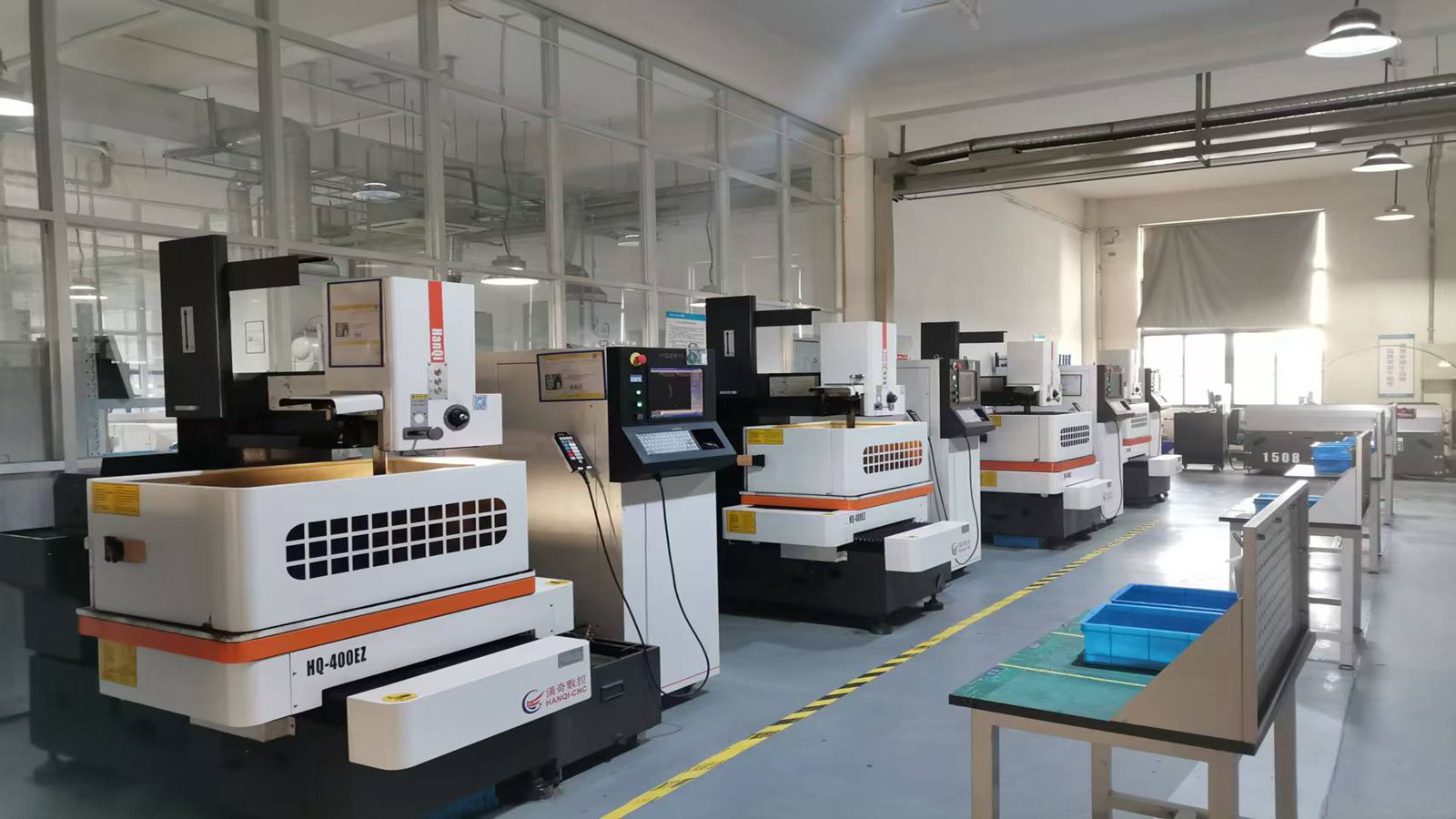
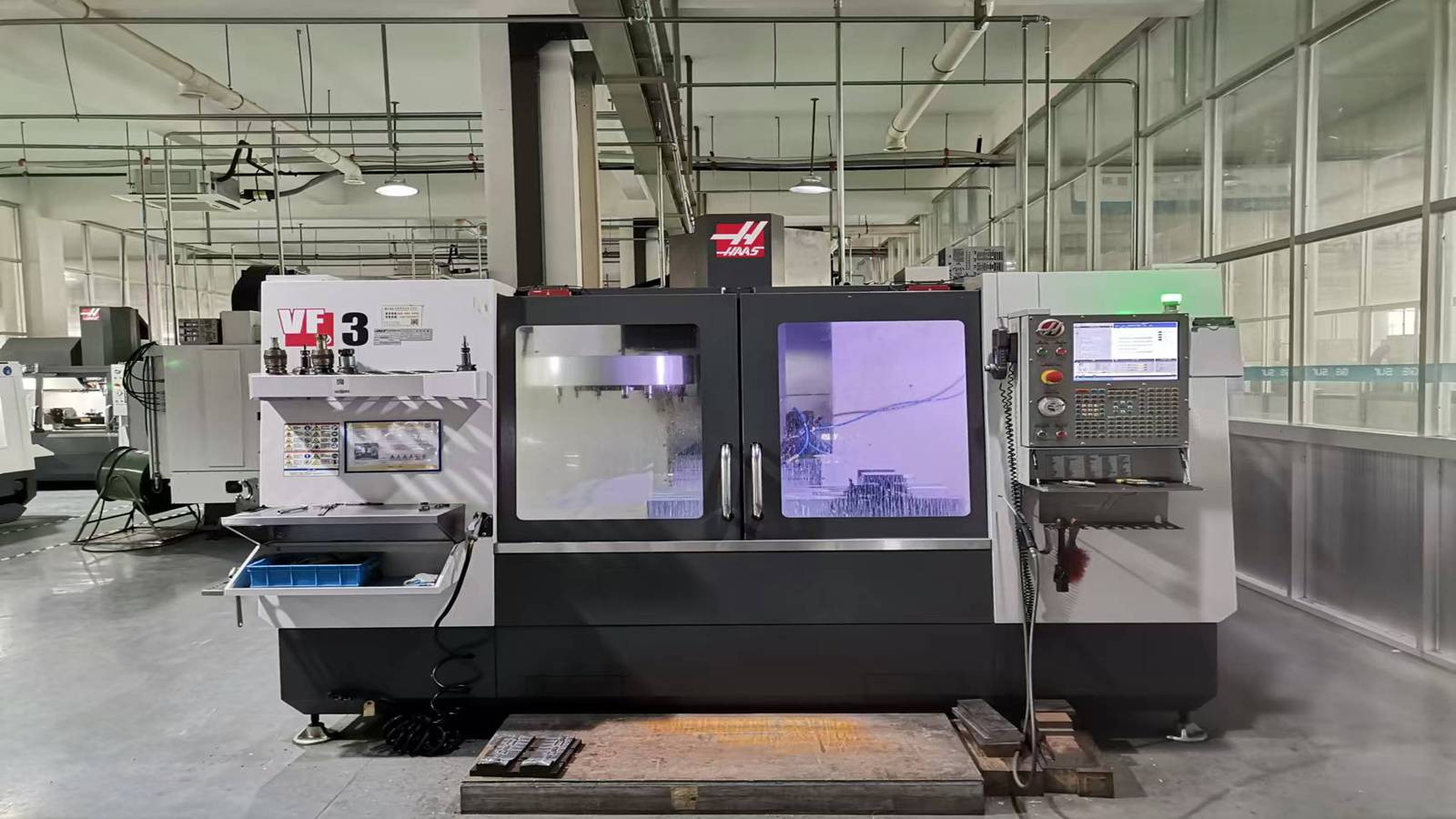
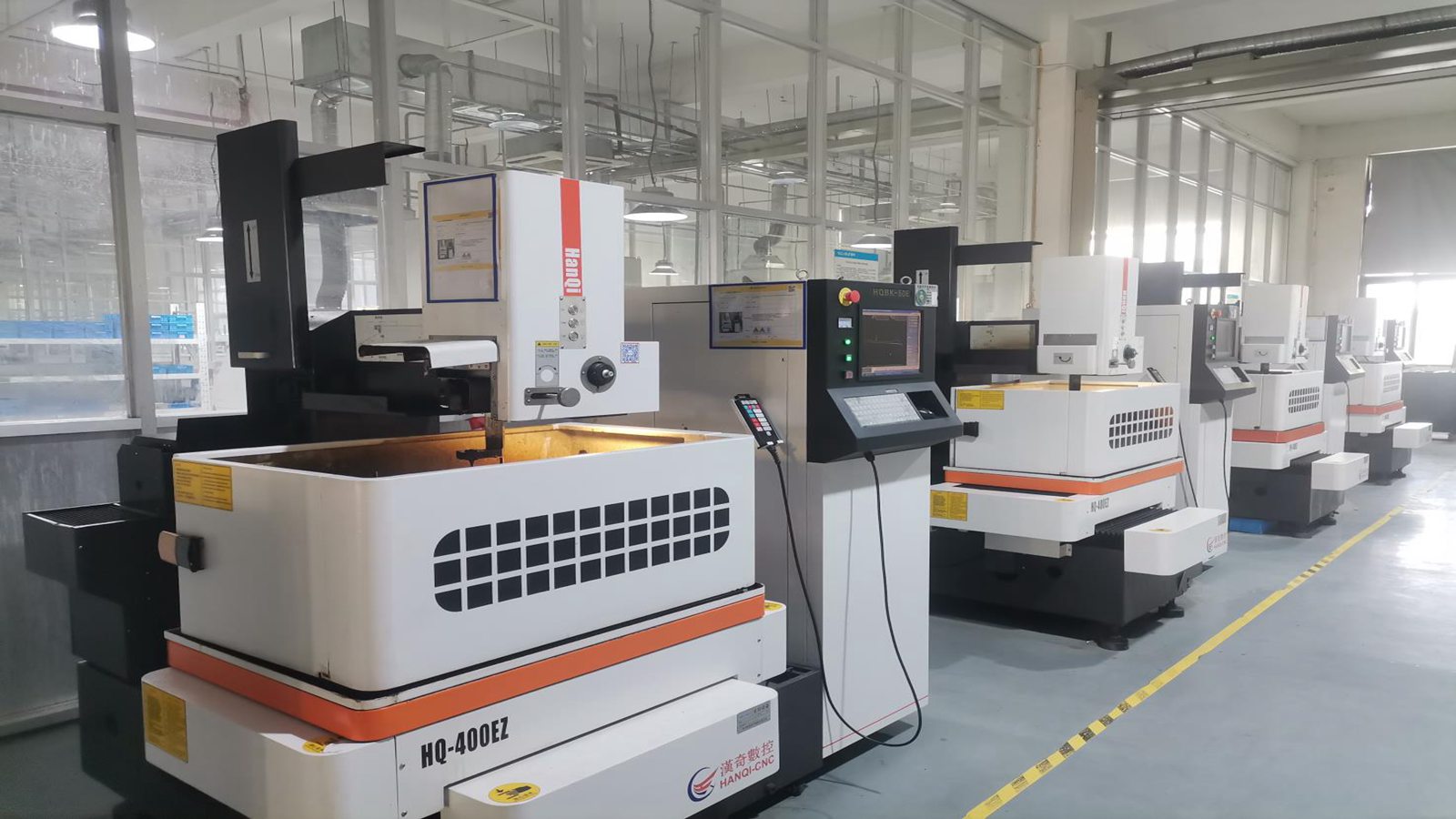
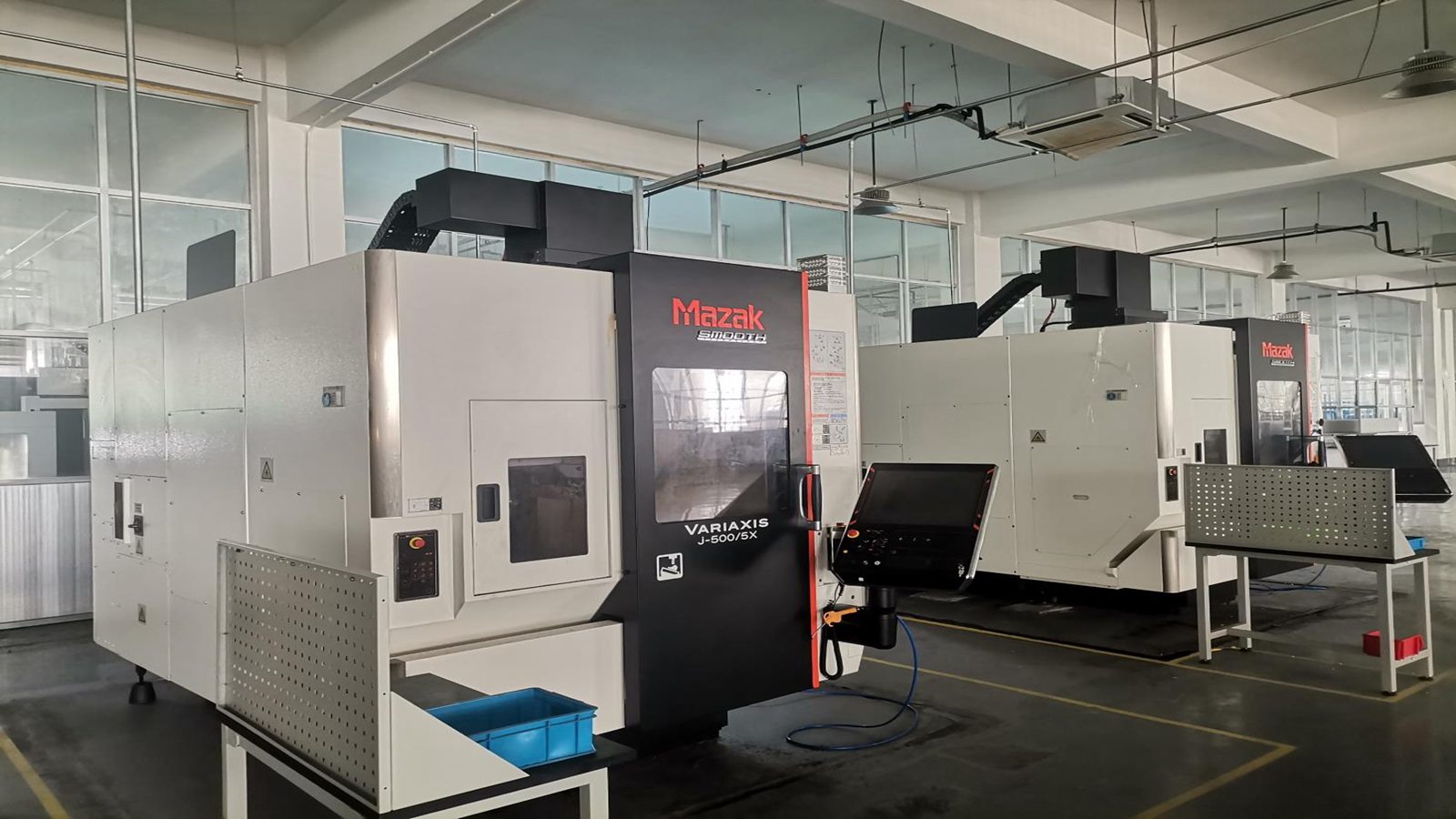
Our facility runs high-speed precision longitudinal lathes and 5-axis machining centers. This allows us to maintain tight tolerances down to ±0.005mm, which is essential for complex pedicle screw and plate assemblies.
We apply advanced techniques like anodic oxidation, acid-etching, and plasma-sprayed coatings. These surface modifications encourage fast bony ingrowth, shortening patient recovery times.
A look at the numbers, quality processes, and international regulatory credentials behind our manufacturing capabilities.
Operating as an OEM/ODM for Class III medical devices requires complete accountability. Every batch of raw materials is accompanied by chemical composition and tensile strength analysis certificates. We ensure 100% traceability from the raw bar stock to the finished, sterile implant in the operating room.
Our R&D team is staffed by 31 expert engineers dedicated to turning clinical feedback into functional implant improvements. We launched 25 new products in the past year alone.
| Educational Level | R&D Team Breakdown |
|---|---|
| Doctorate Degree | 1 Researcher |
| Post-Graduate Degree | 11 Engineers |
| Graduate Degree | 17 Engineers |
| Junior College | 2 Specialists |
To ensure smooth global distribution, our manufacturing facilities and products are fully certified by leading auditing bodies, meeting the strict standards of MDSAP, ISO, and EU MDR.
 ISO13485 (No. 04723Q10000765)
 EN ISO 13485 (No. EPT 25 ISO 13485 0067)
 MDSAP Certified (No. C730178)
 CE Mark (No. EPT 0477.MDR.25/5905 & 25/5973)
 EU MDR (No. EPT 0477.MDR.26/6113)
How we are preparing for the next generation of implantable systems over the next decade.
The boundary between biological tissue and medical implants is blurring. Our R&D division is focused on three main pillars for our technology roadmap:
By integrating advanced manufacturing with clinical feedback, we ensure our global distributors and OEM customers receive cutting-edge orthopedic solutions.
How our optimized logistics network, domestic raw material access, and advanced automation benefit our international clients.
China represents the world's most comprehensive manufacturing ecosystem. Our factory, located near key raw material processors and logistics hubs, guarantees uninterrupted access to medical-grade titanium and specialized tooling. This cluster effect minimizes logistics delays and insulates our operations from global raw material supply disruptions.
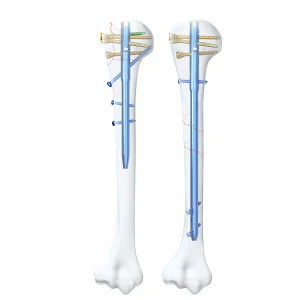
Additionally, our 12 dedicated production lines can quickly shift focus based on demand. This allows us to scale up production for trauma screws and plates during emergencies or high-demand periods without affecting our standard order delivery times.
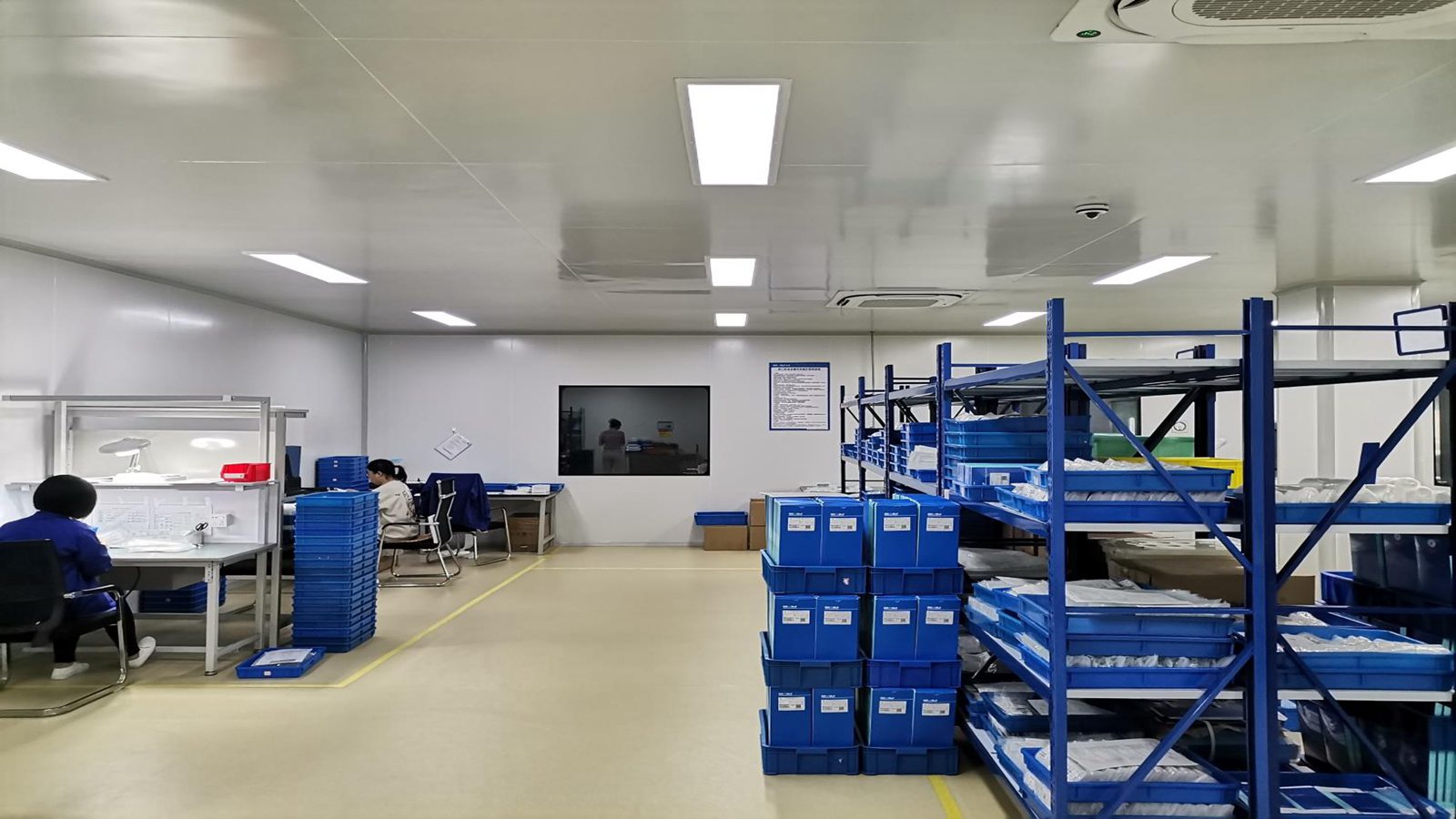
Through our vertically integrated production process—covering everything from raw material inspection and precision CNC milling to surface treatment and final cleanroom packaging—we keep our overhead low. We pass these savings directly to our buyers, wholesalers, and OEM clients.
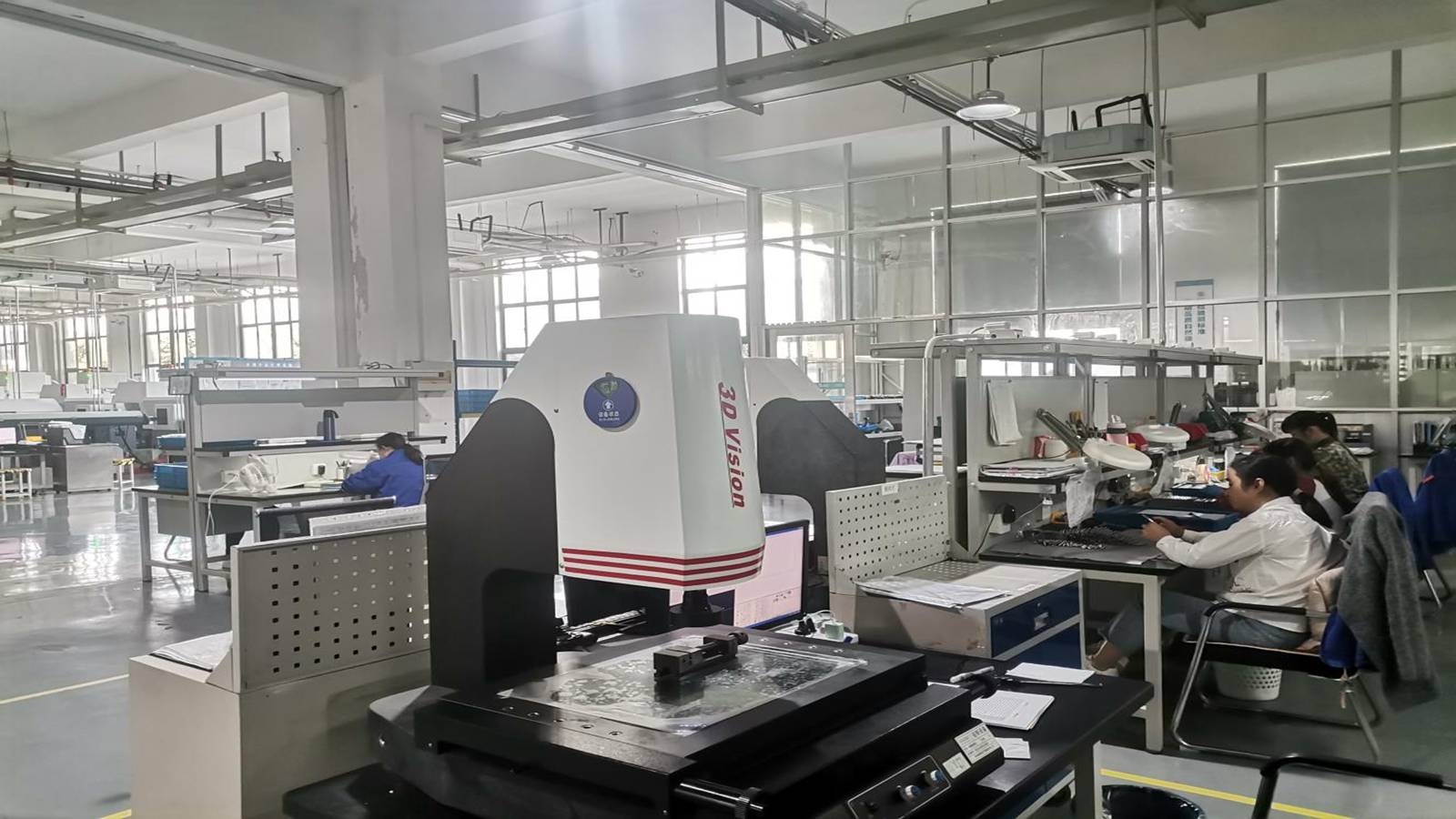
By combining high-speed automated processes with manual quality inspections, we maintain a product rejection rate of less than 0.05% at final QC. This level of efficiency translates to shorter turnaround times, helping you keep less capital tied up in inventory.
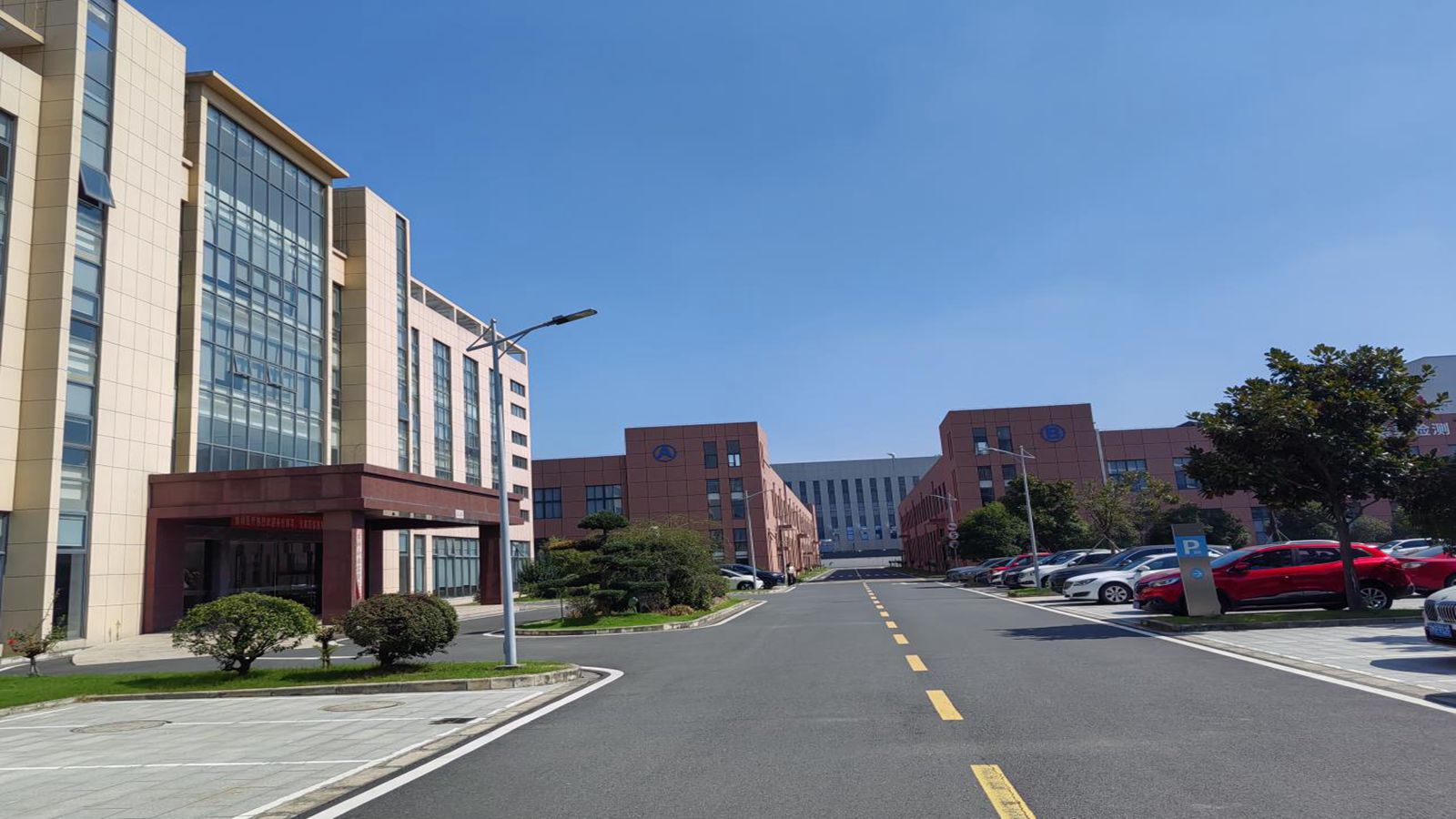
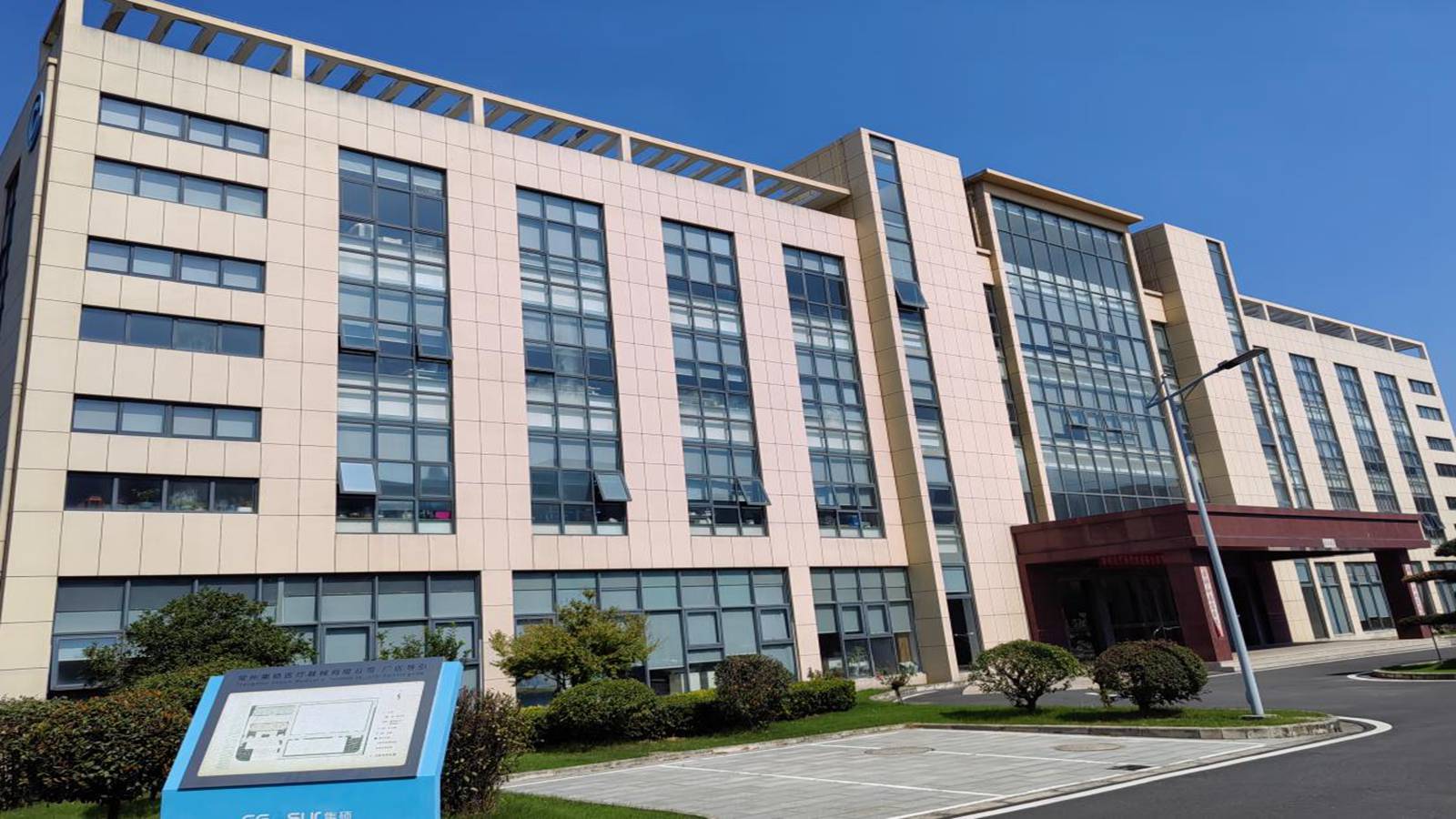
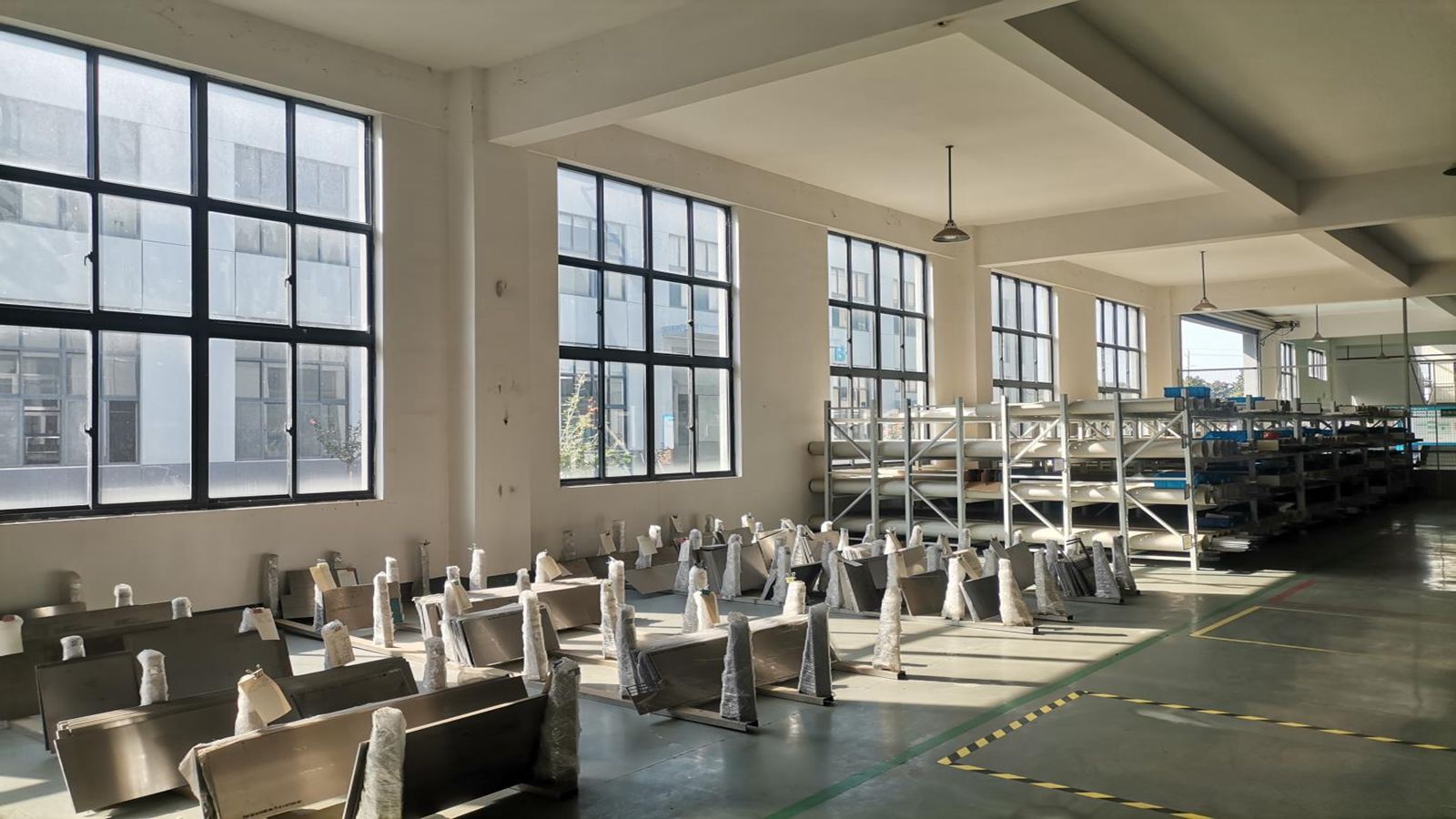
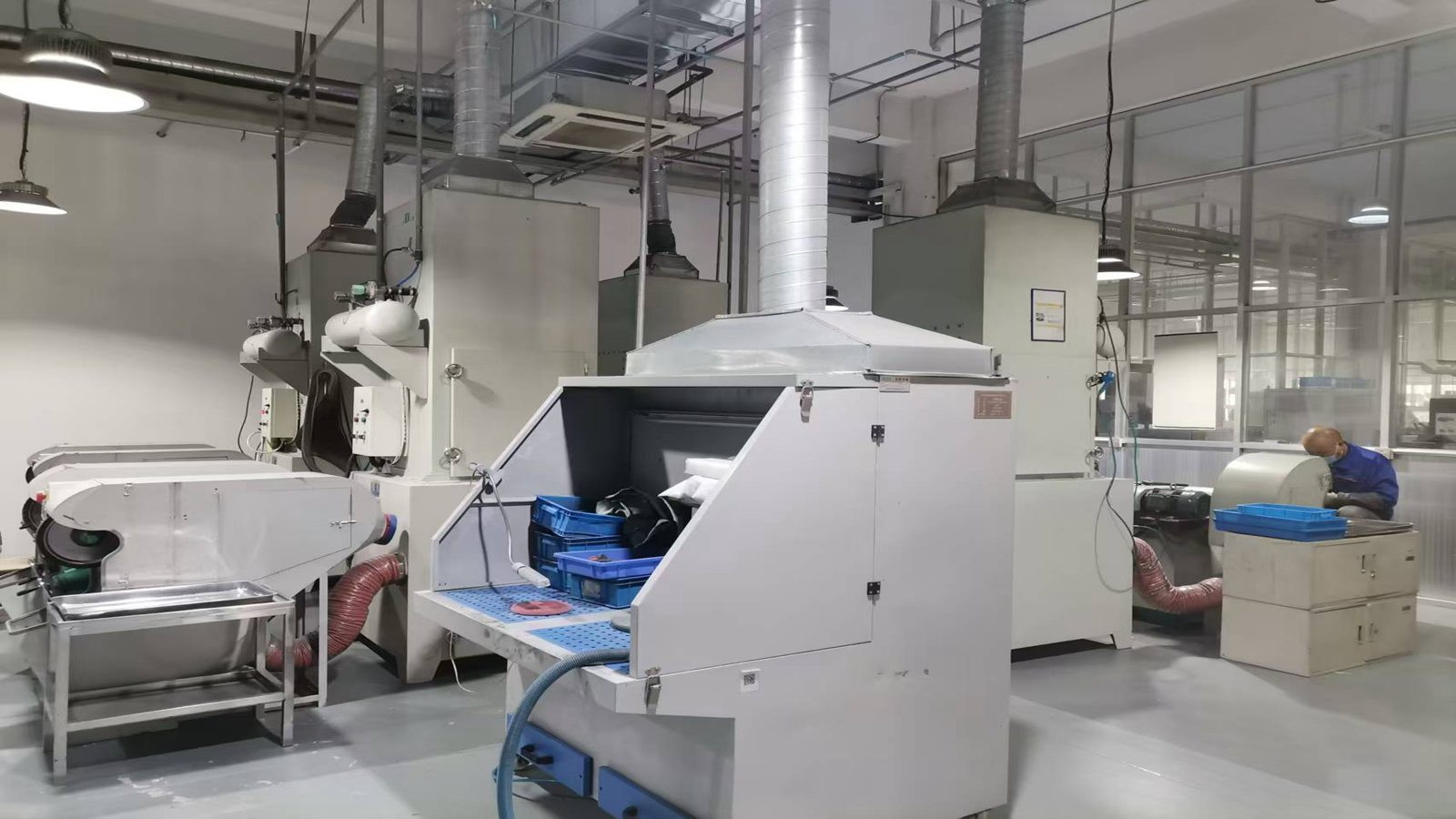
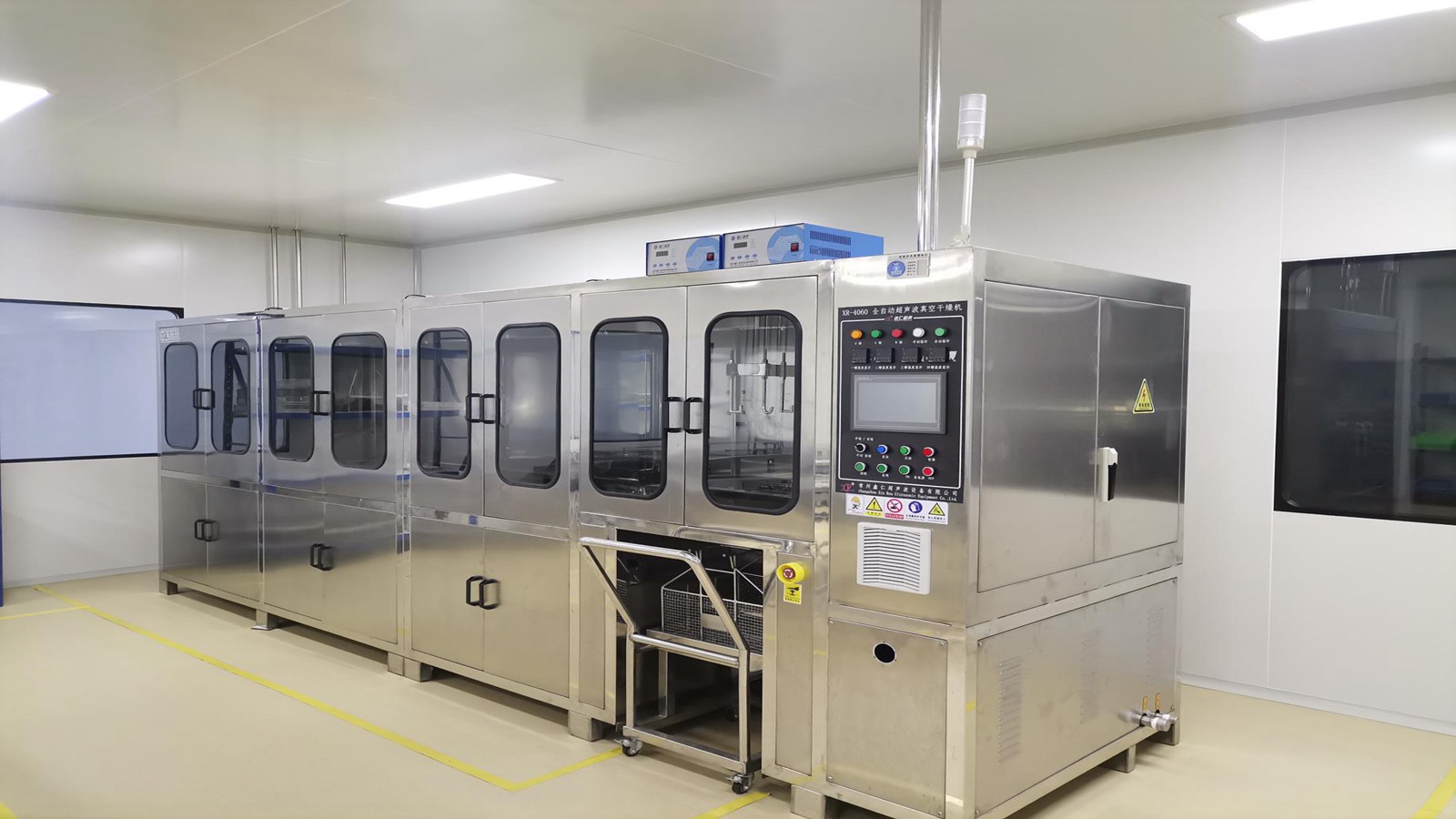
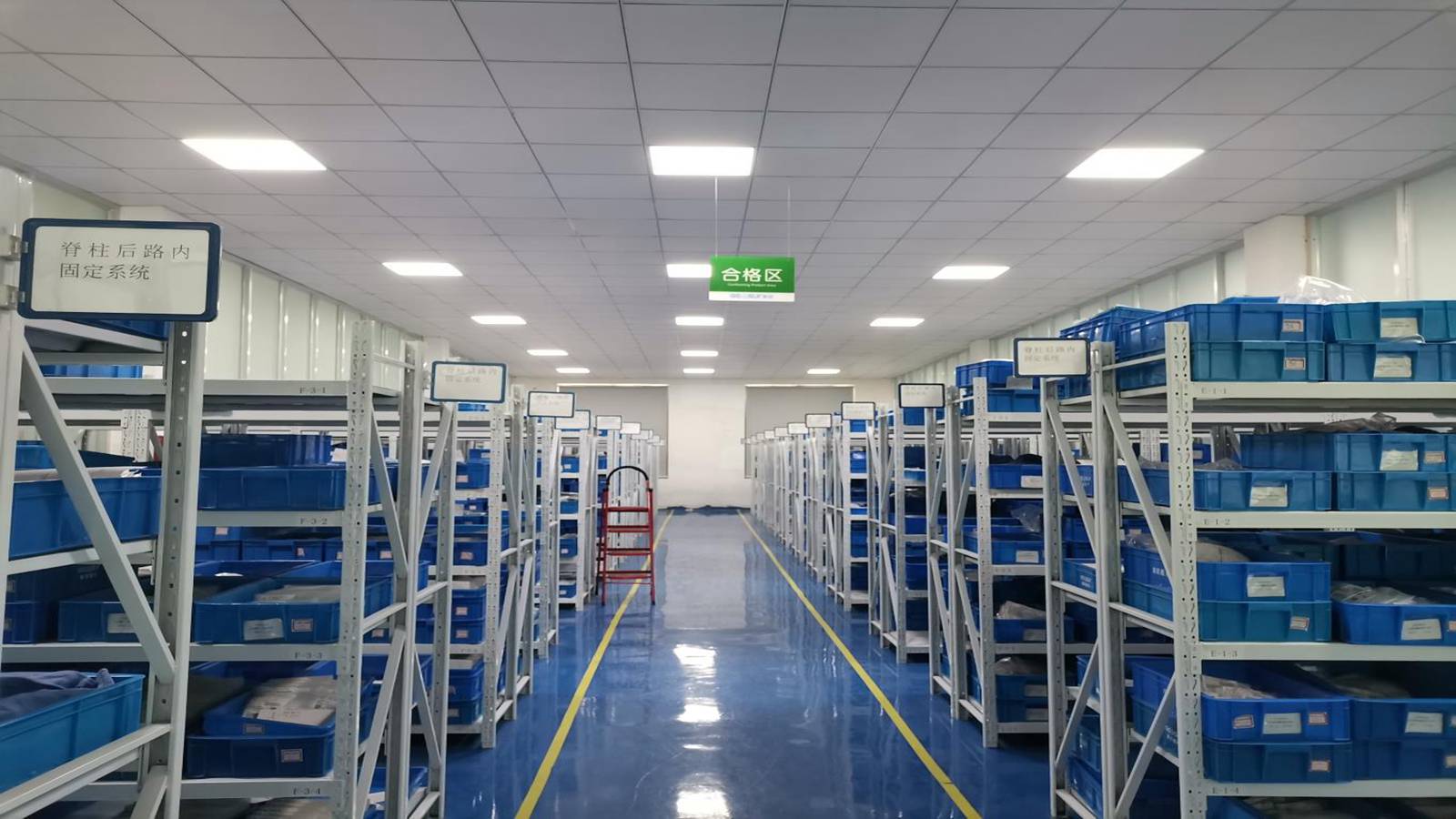
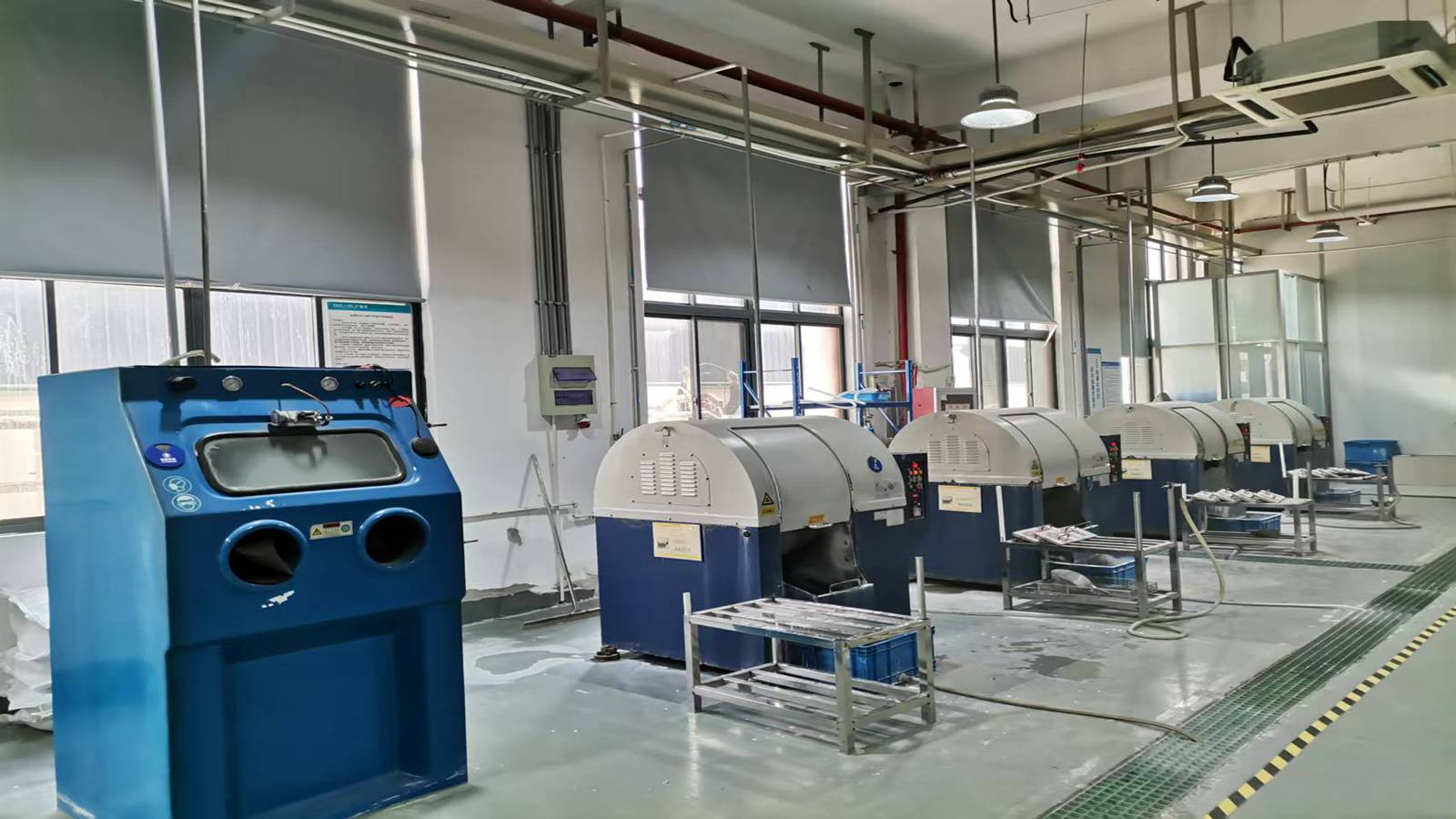
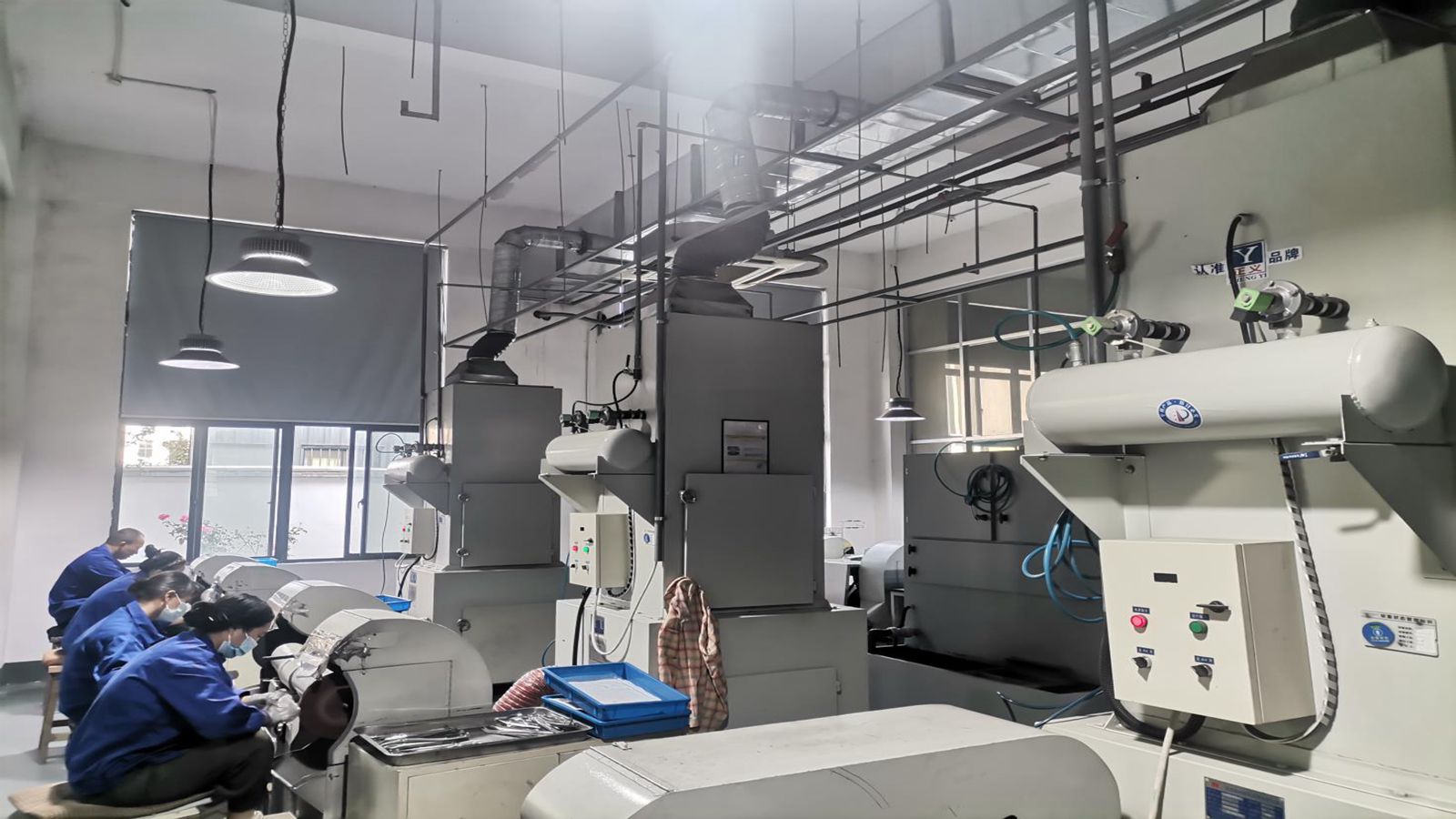
A behind-the-scenes look at our production facilities, cleanroom assembly lines, and high-precision testing labs.


Explore our high-performance replacement systems, dynamic fixation plates, and premium instrumentation kits.
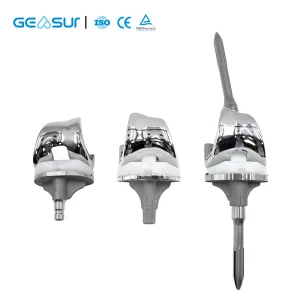
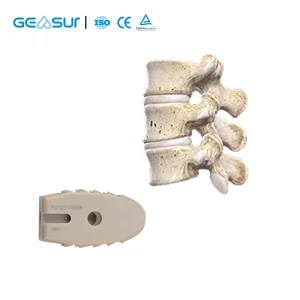
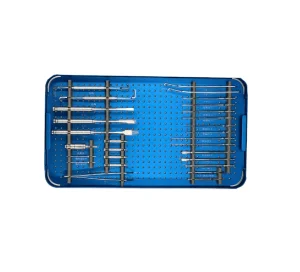
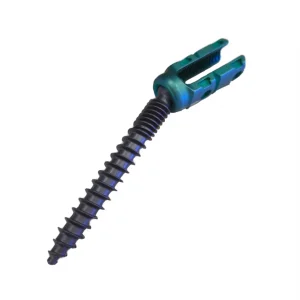
How our implantable products translate into surgical success across various medical scenarios.
Every surgeon has unique requirements, and patient anatomy varies across regions. To meet these needs, we offer a streamlined process to customize our implants to your specifications:
Whether you need a specific surface texture, custom screw thread pitches, or specialized branding, our design team is equipped to support your product line.
Get answers to common technical, manufacturing, and regulatory questions from our compliance team.