Ease Medical Apparatus And Instruments
Ease Medical Apparatus And Instruments
Ease Medical Apparatus And Instruments
Advanced trauma fixation, spinal fusion systems, and customized surgical instrument kits designed for global healthcare providers.
Bridging biomechanical requirements and advanced fabrication technologies to support next-generation trauma therapies.
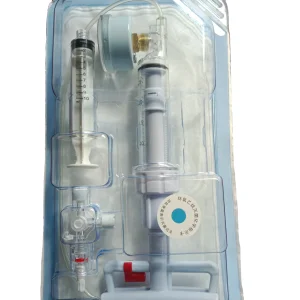
Healthcare providers demand instrumentation systems that minimize operating room footprint, prioritize sterilization efficiency, and guarantee absolute reliability. As clinical settings shift towards outpatient surgical units, purchasing managers look for complete, single-use configurations and multi-purpose intramedullary instruments to decrease sterilization overhead.
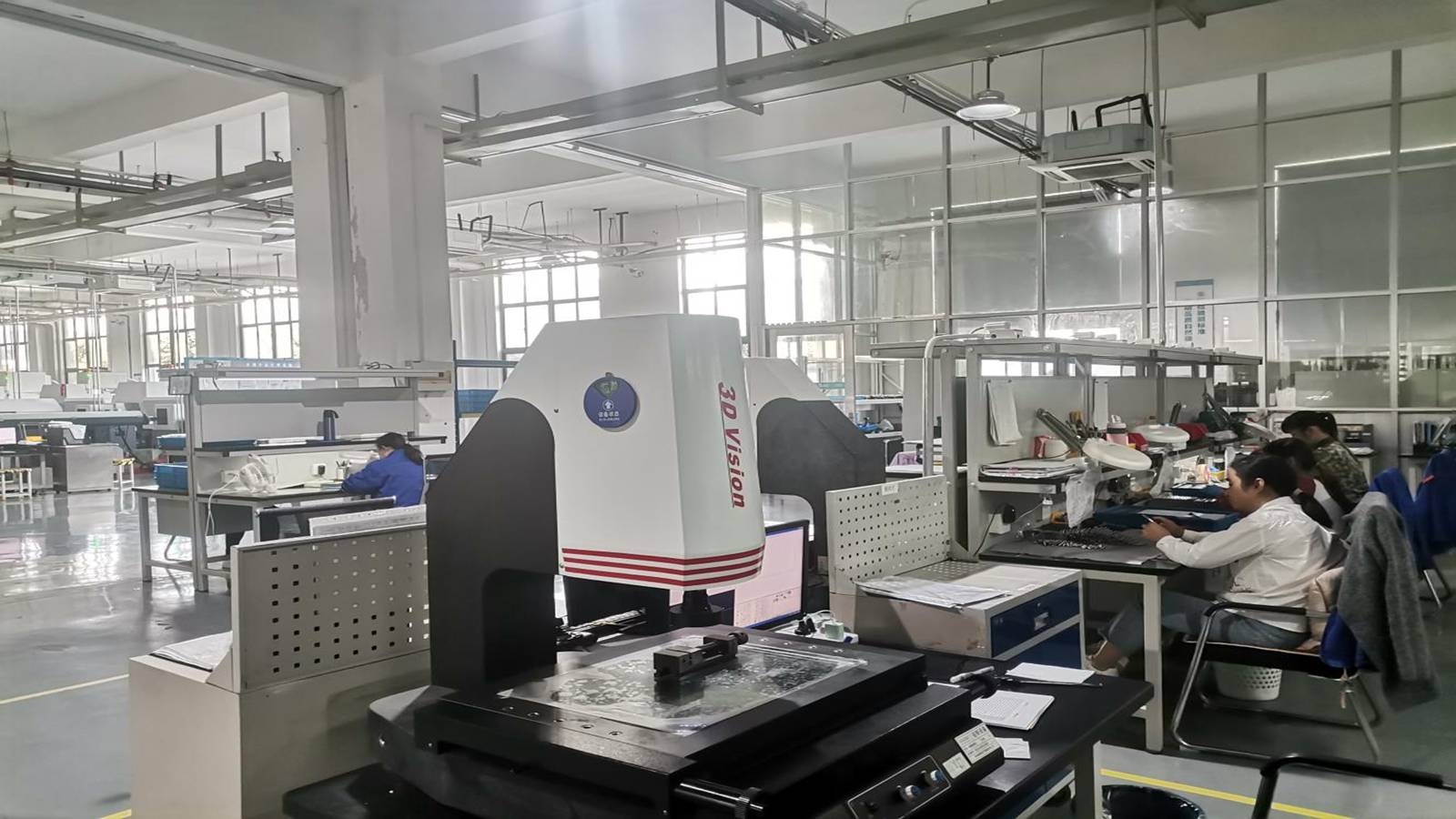
Long-bone stabilization relies on dynamic load-sharing mechanisms. The transition from traditional stainless steel to biocompatible titanium alloys (Ti-6Al-4V ELI) has dramatically improved fatigue resistance. Custom OEM instruments now require precise tolerances (under ±0.01mm) to ensure seamless interlocking nail deployment and to lower the risk of non-union or mechanical failure.
Navigating the global regulatory landscape requires compliance with the updated European Medical Device Regulation (EU MDR 2017/745). For Class III orthopedic implants and Class I/IIa/IIb surgical instruments, medical devices must have full traceability, verified raw materials, and biocompatibility documentation (ISO 10993) to qualify for international distribution.
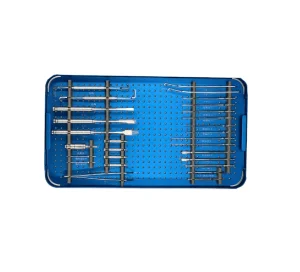
In contemporary trauma orthopedics, intramedullary nailing (IMN) remains the gold standard for treating long bone diaphyseal fractures. However, the clinical efficacy of an IMN system is closely tied to its accompanying instrumentation. Misaligned drill guides, failing torque limiters, and poorly fitting distal targeting arms can prolong operating room times and lead to malalignment or unstable fixation.
To mitigate these clinical risks, OEM/ODM partners must balance raw material properties, physical geometry, and clinical ergonomics. For example, surgical drill sleeves must resist wearing during high-speed rotation, and distal targeting systems must keep their alignment despite autoclaving cycles and physical wear. Integrating lightweight carbon fiber composites with biocompatible titanium has helped us construct structural parts that are radio-translucent, improving fluoroscopic visualization during surgery.
How state-of-the-art facilities, automated production, and rigorous quality systems guarantee clinical safety and supply chain stability.
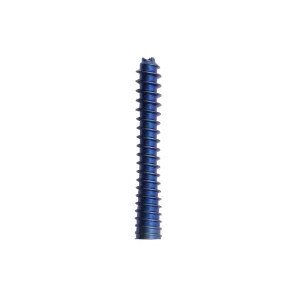
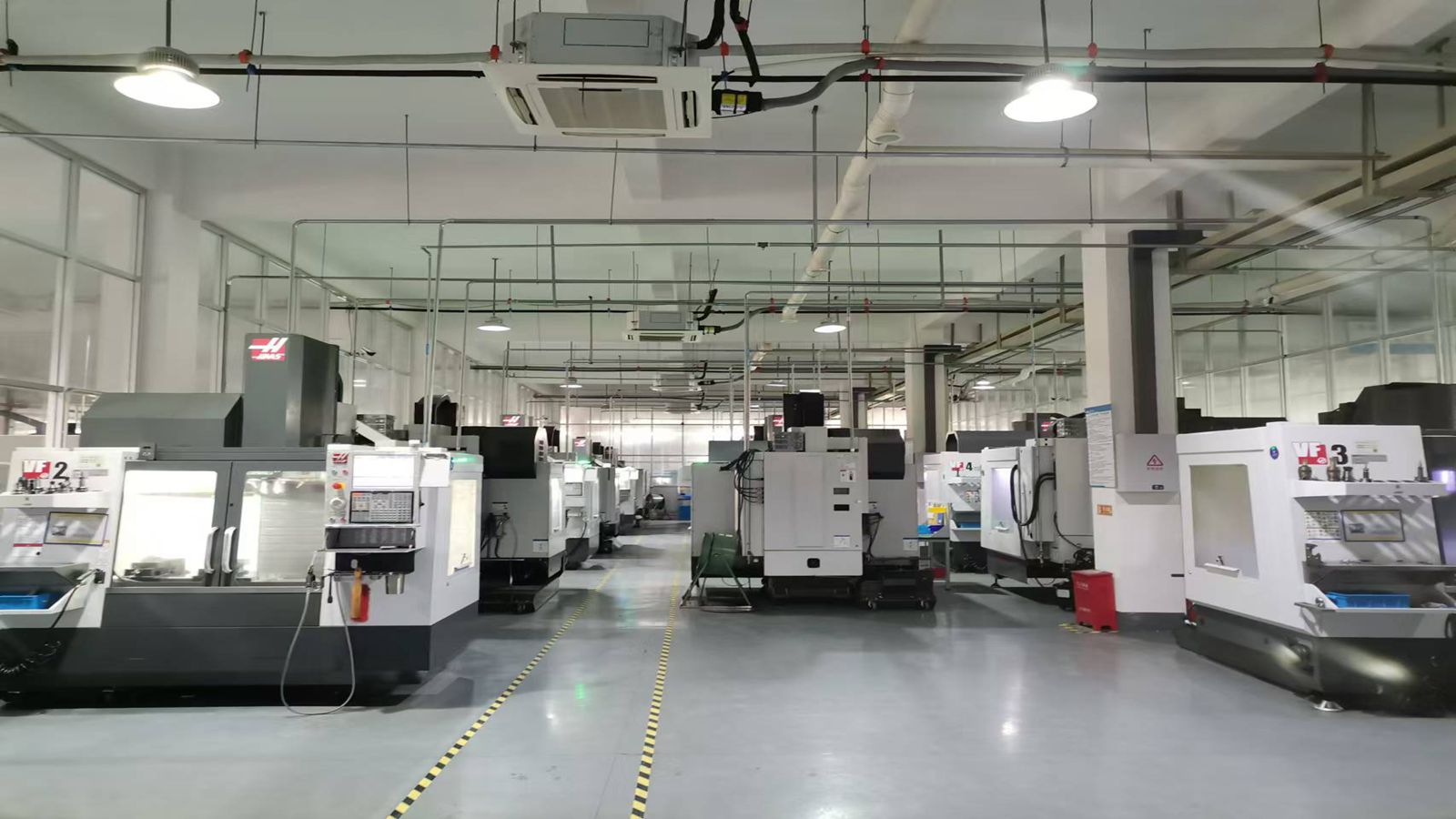
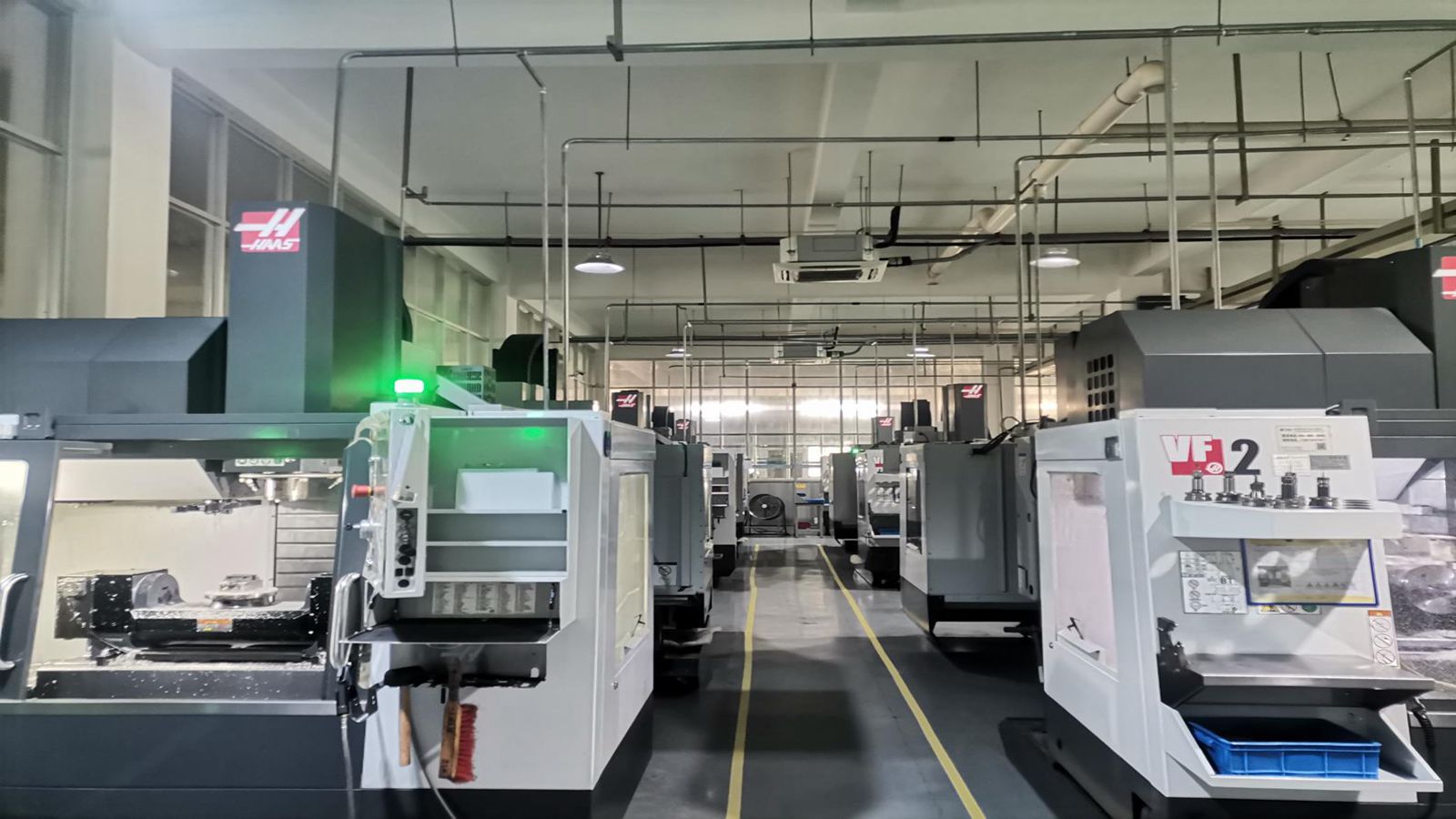
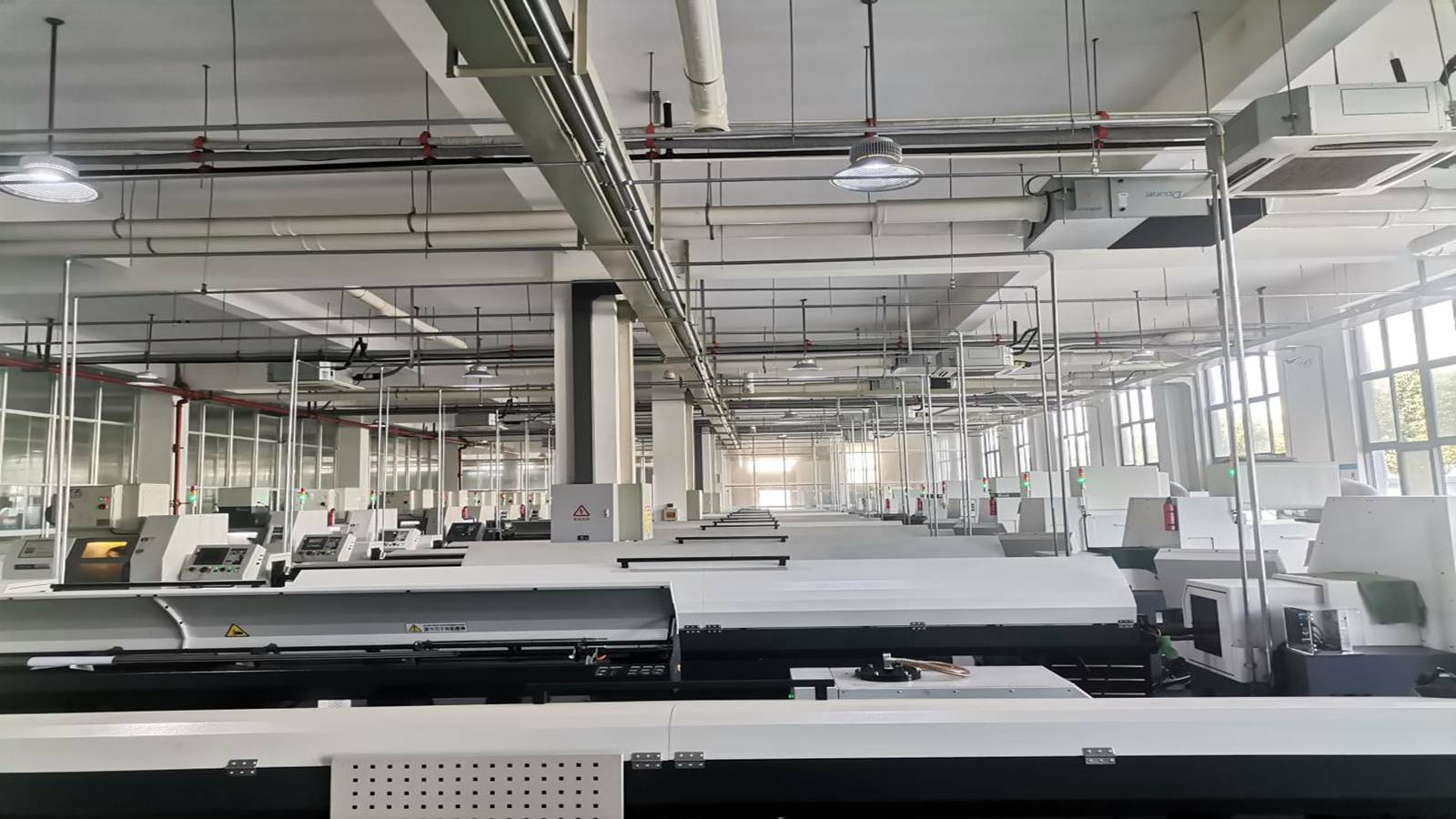
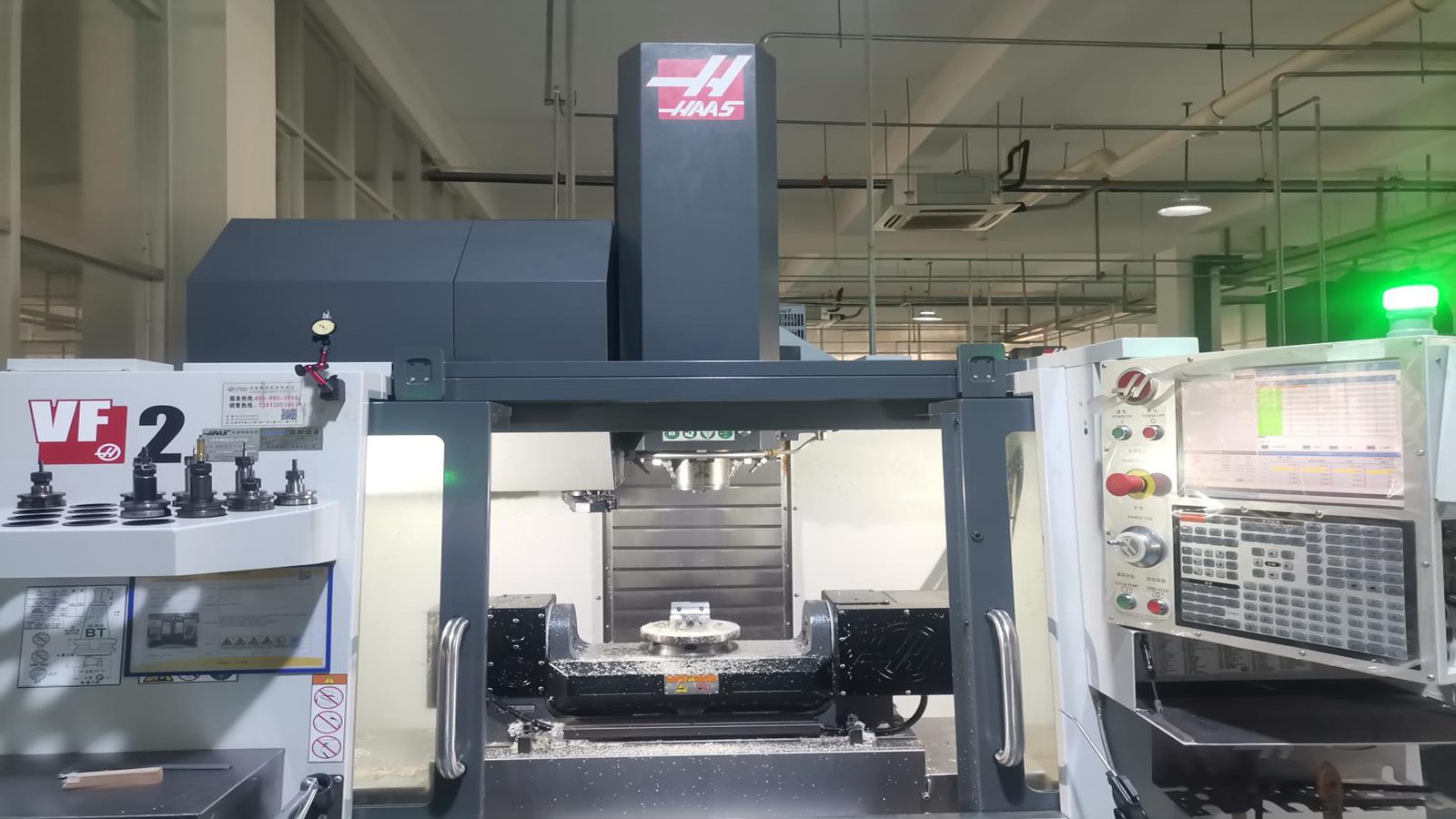
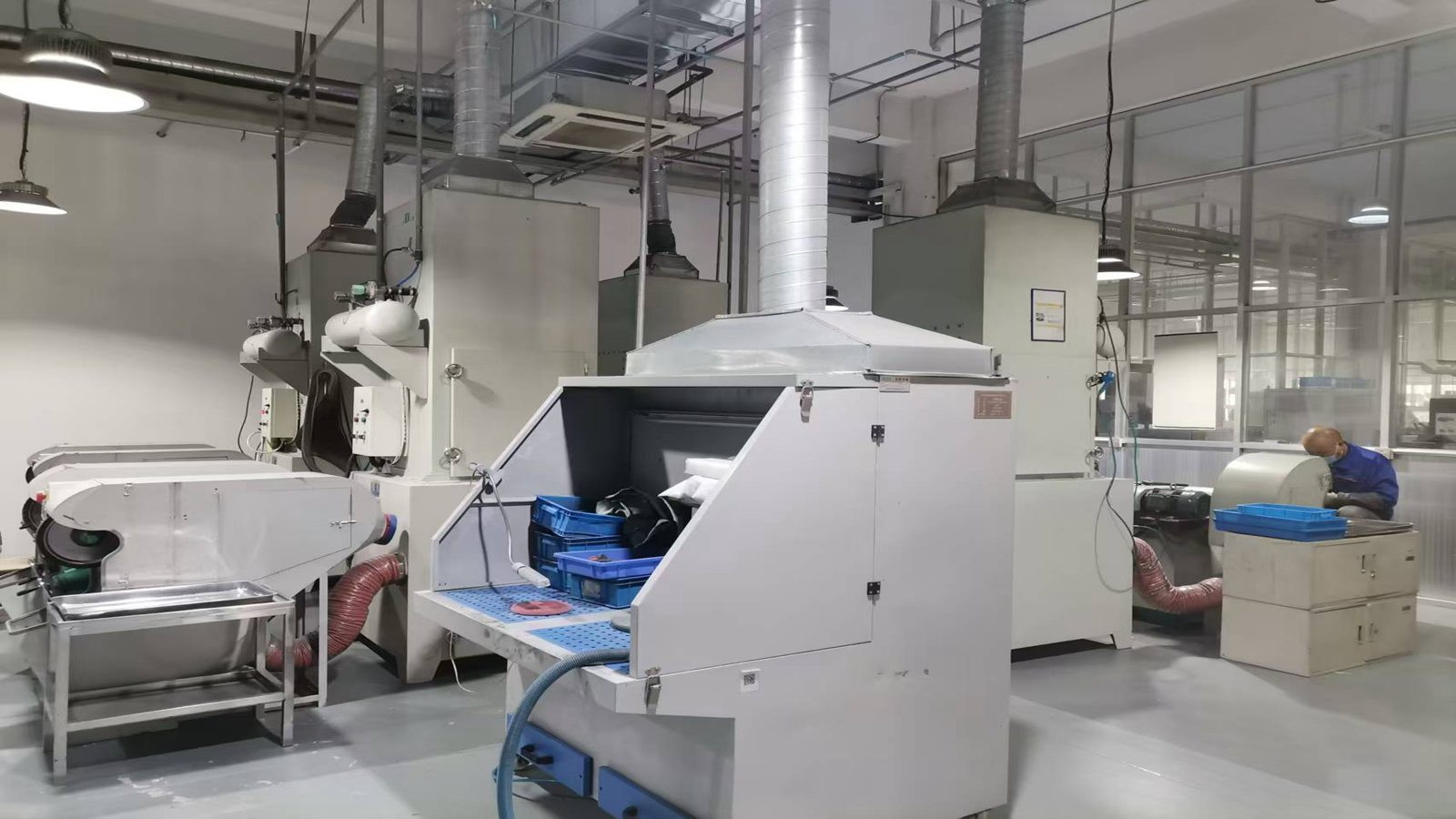
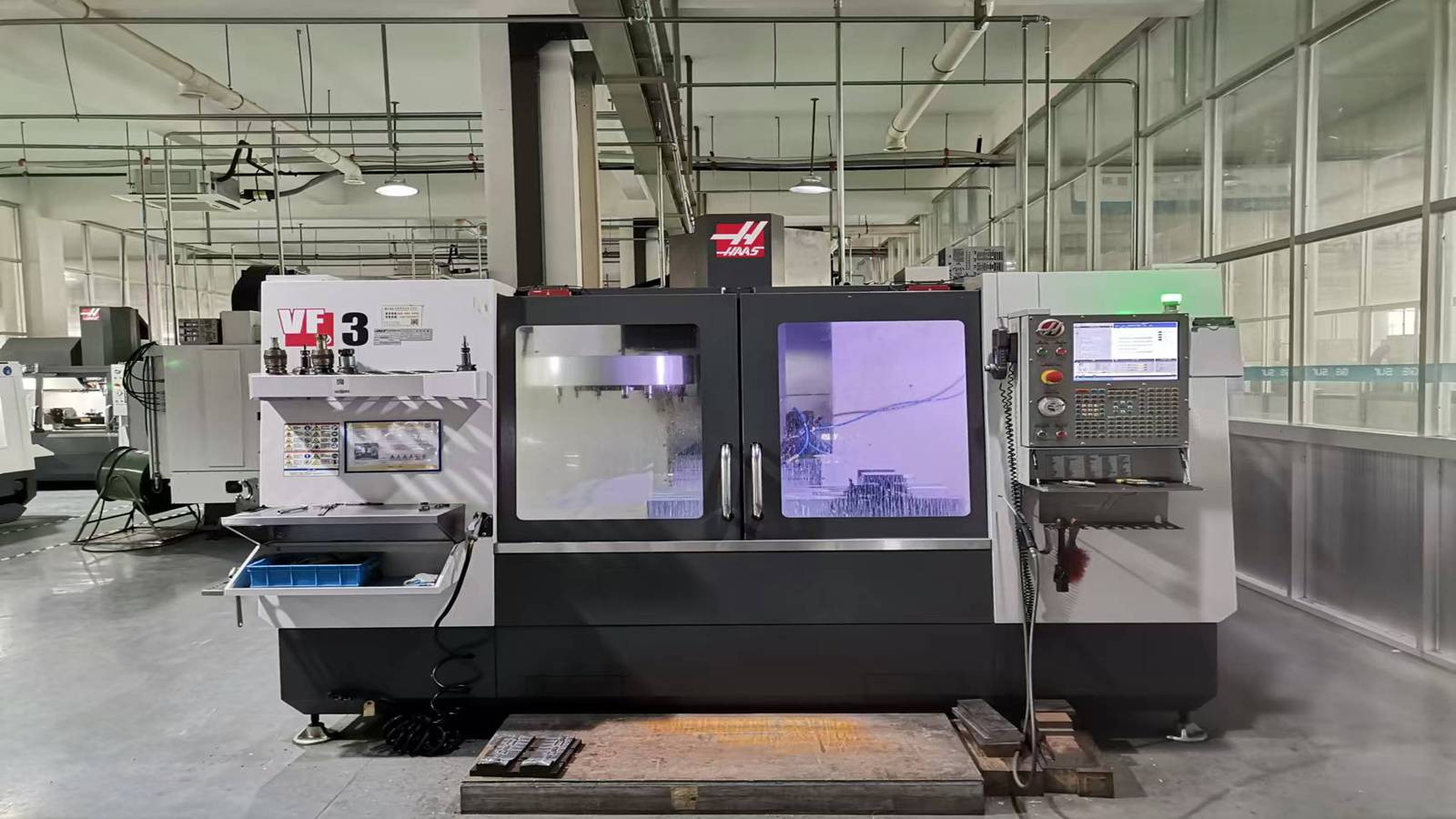
Our production facilities utilize modern technology, featuring 5-axis CNC machining centers, automated sliding-head stock lathes, and wire EDM machinery. This helps us ensure that complex shapes—like the helical blades of PFNA intramedullary nails or the thin walls of cannulated compression screws—are produced consistently and accurately, minimizing variations across production runs.
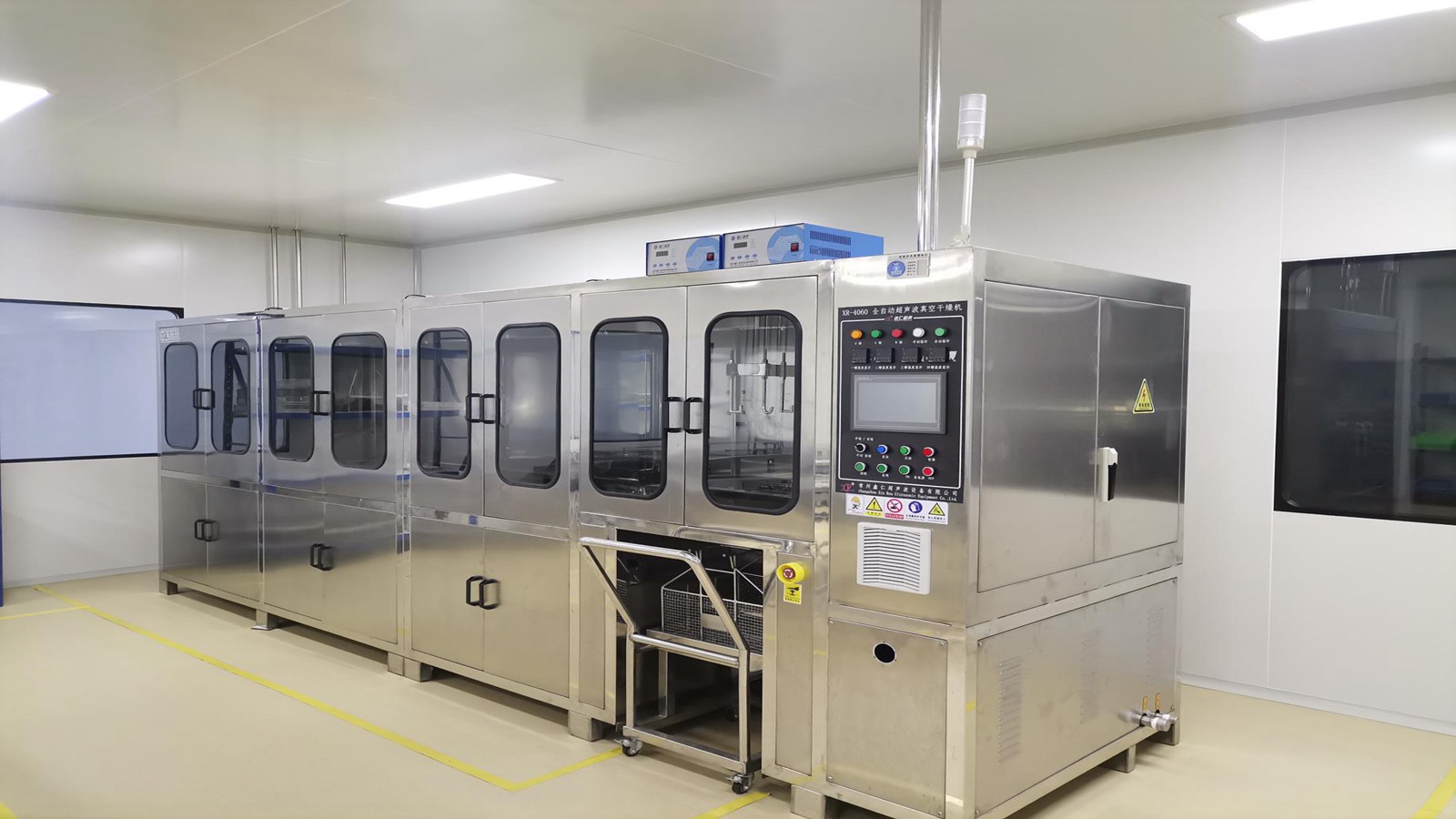
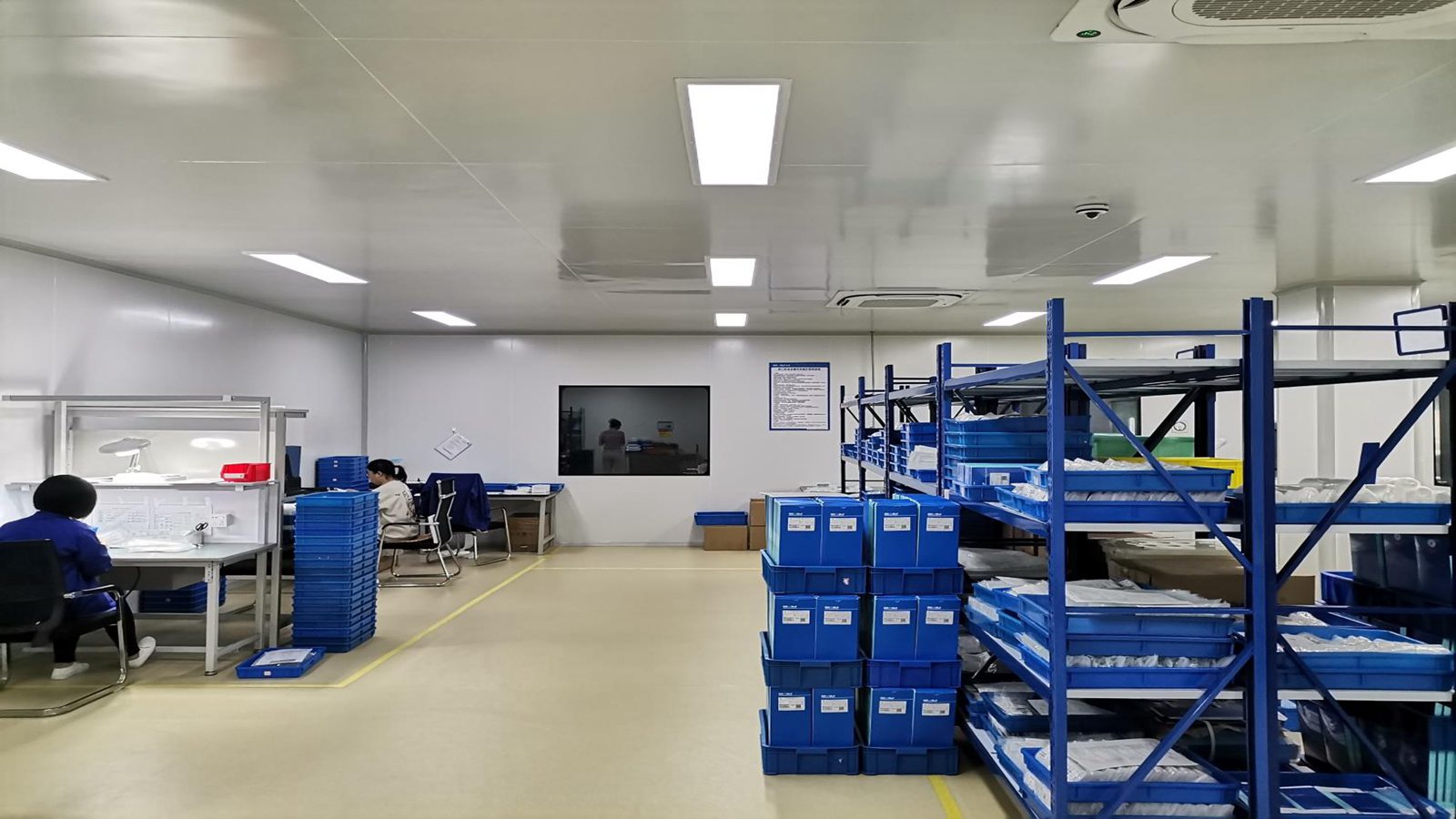
Furthermore, our integrated supply chain includes cleanroom assembly operations (Class 100,000 / ISO Class 7 equivalent) and automated passivation and anodizing lines. By keeping these specialized services in-house, we reduce production delays and guarantee that all implants and instruments are thoroughly prepared for sterilization and packaging.
Verified structural parameters, export history, and certified QA/QC parameters for risk management.





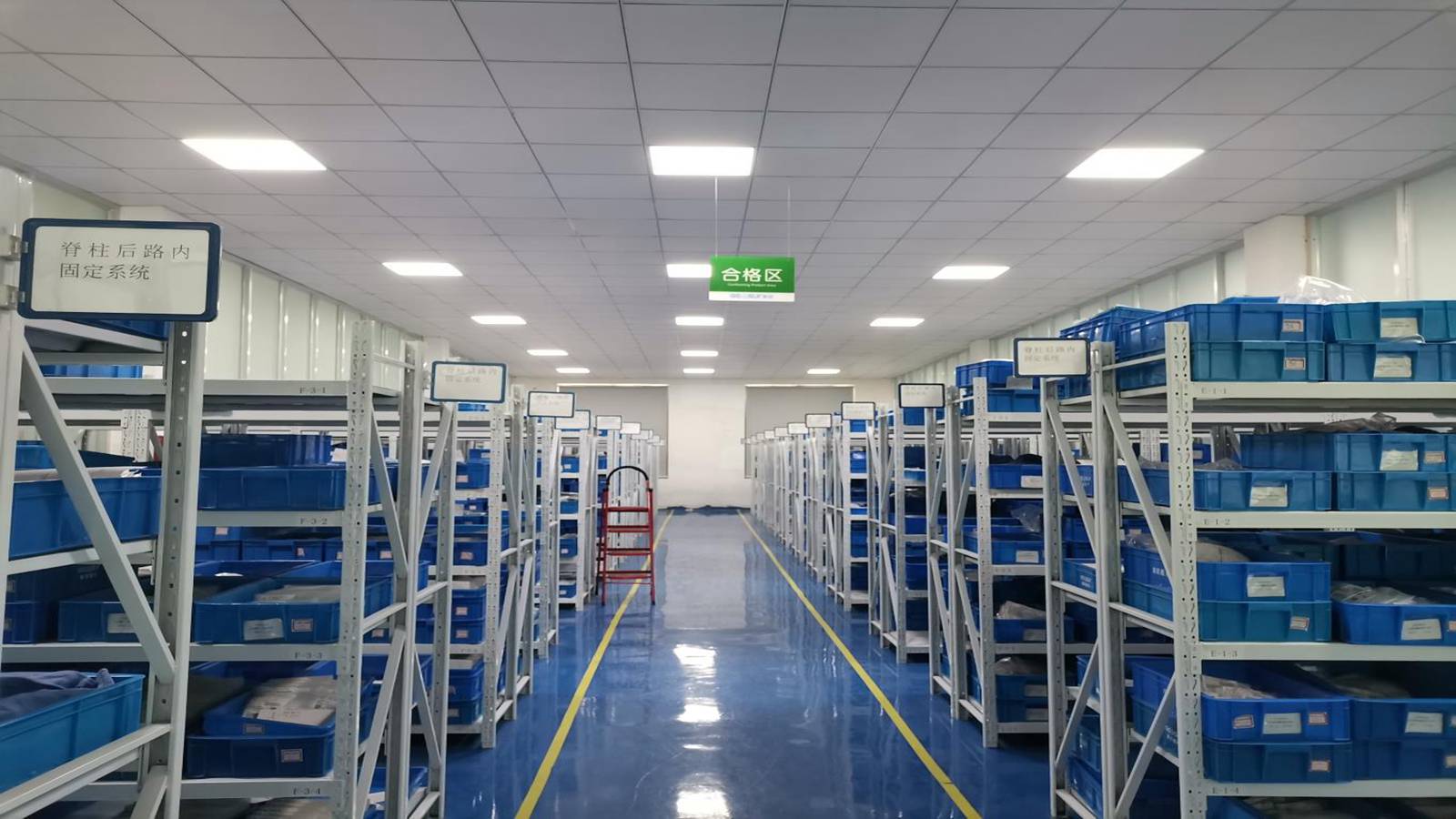
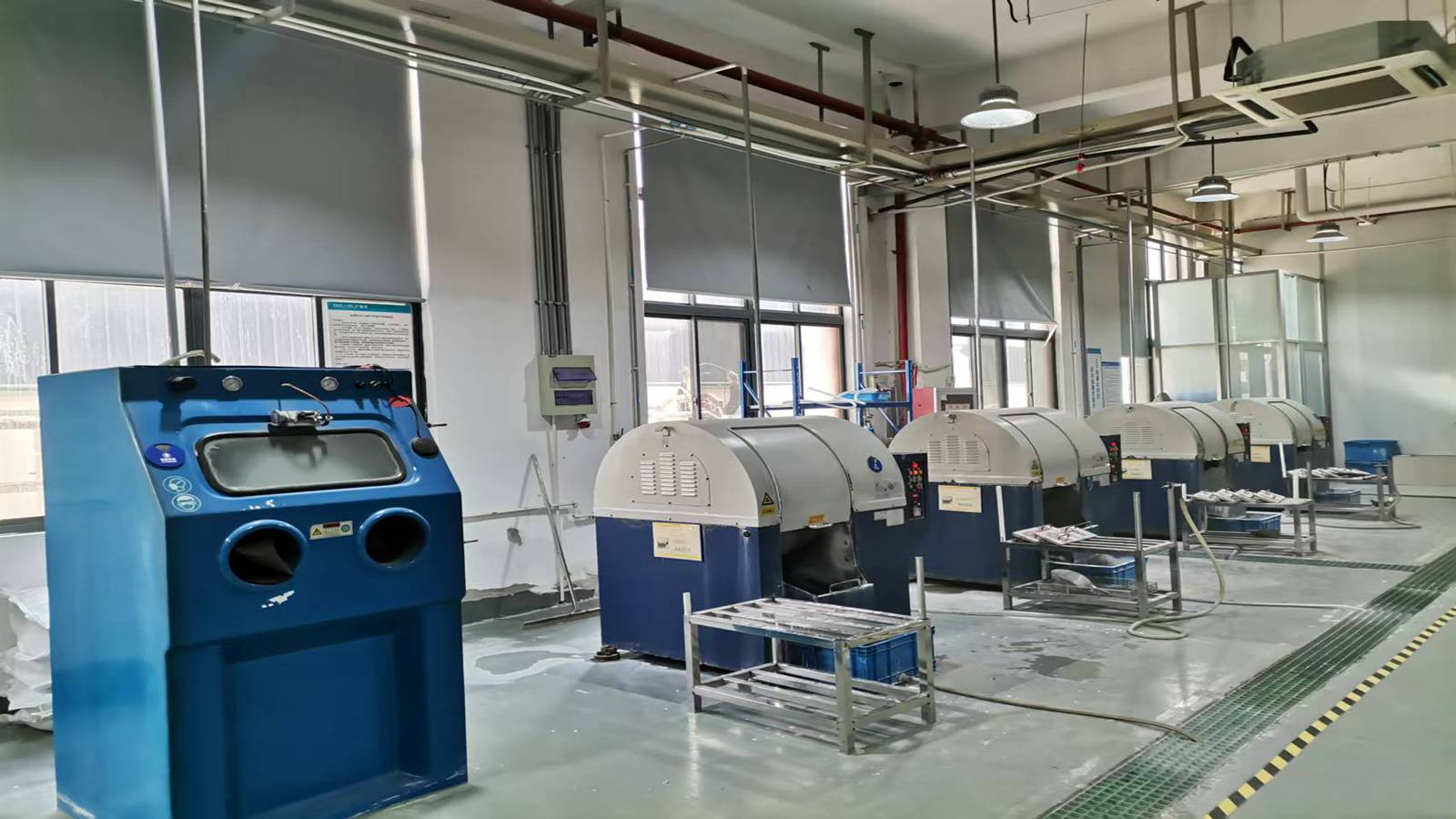
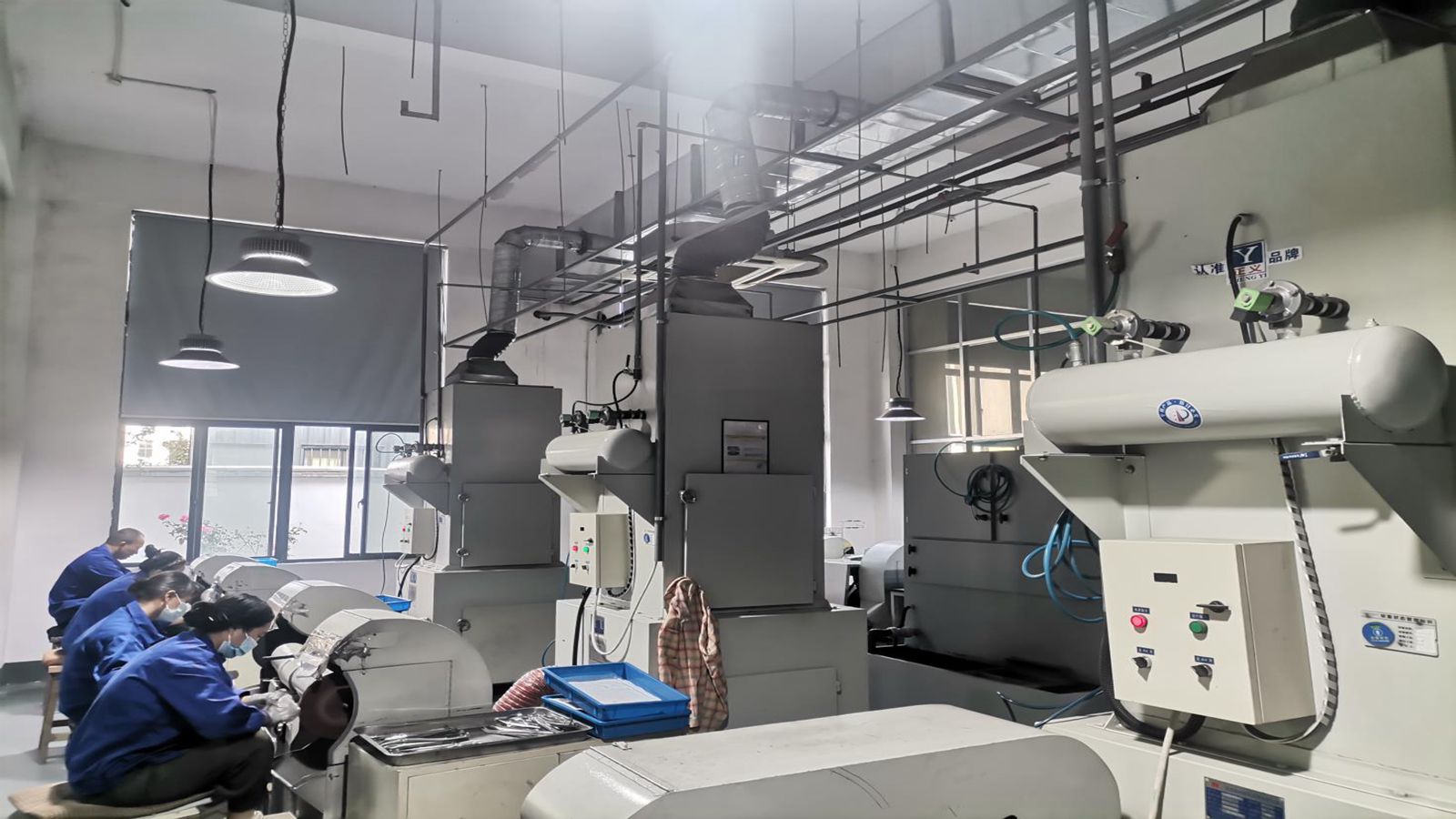
A tour of our manufacturing floor, detailing our production equipment, testing machinery, and cleaning processes.


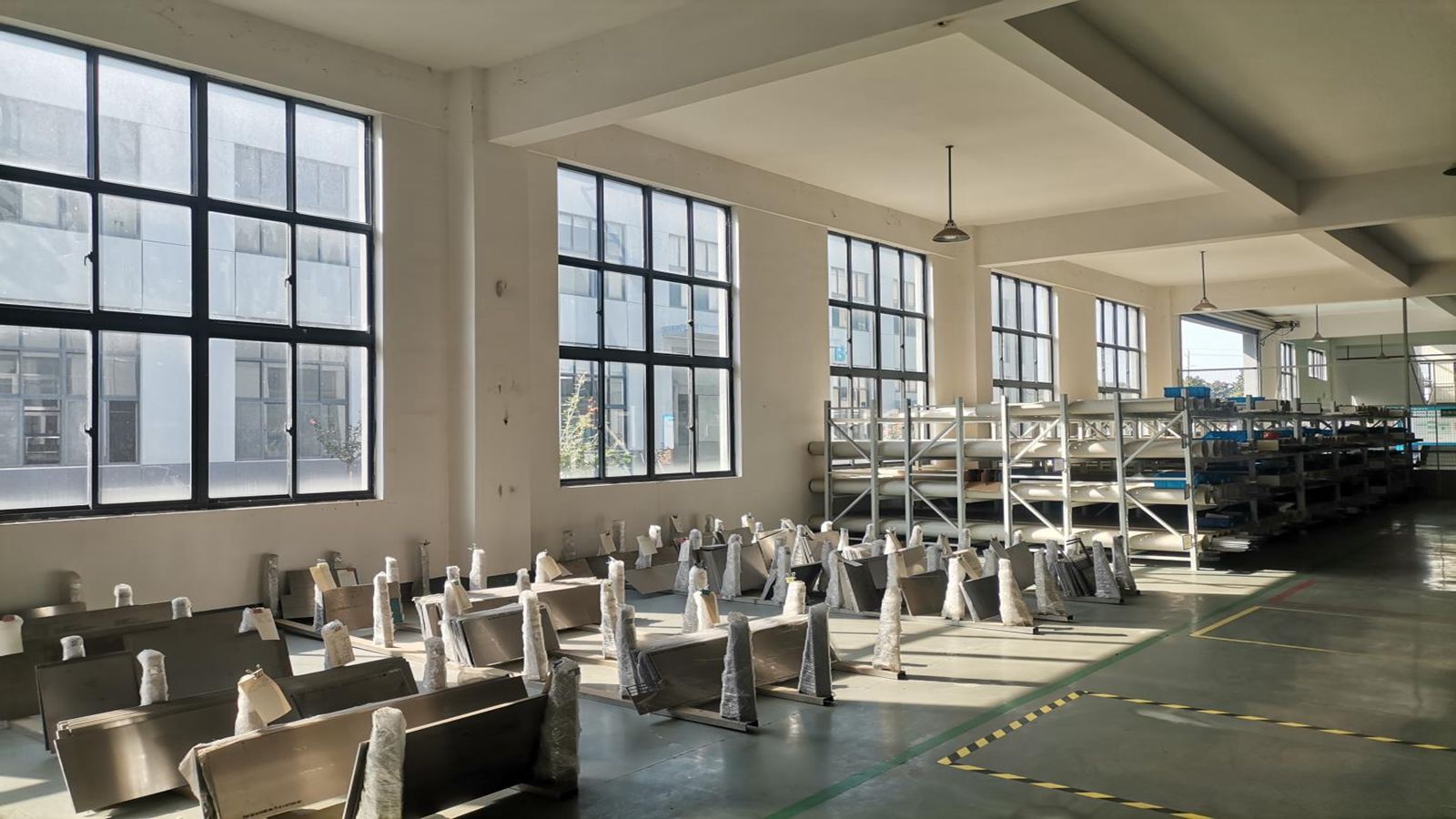
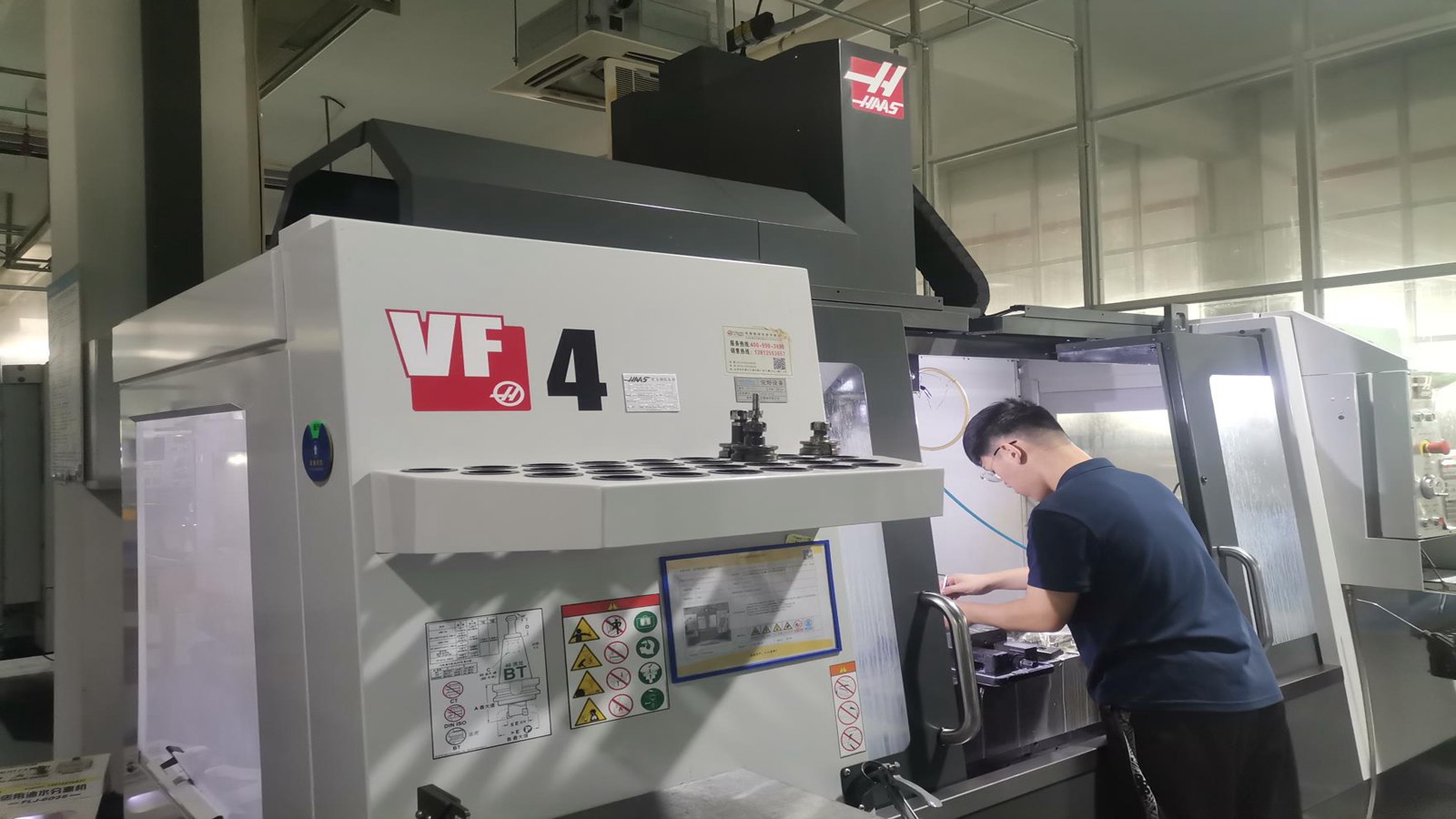
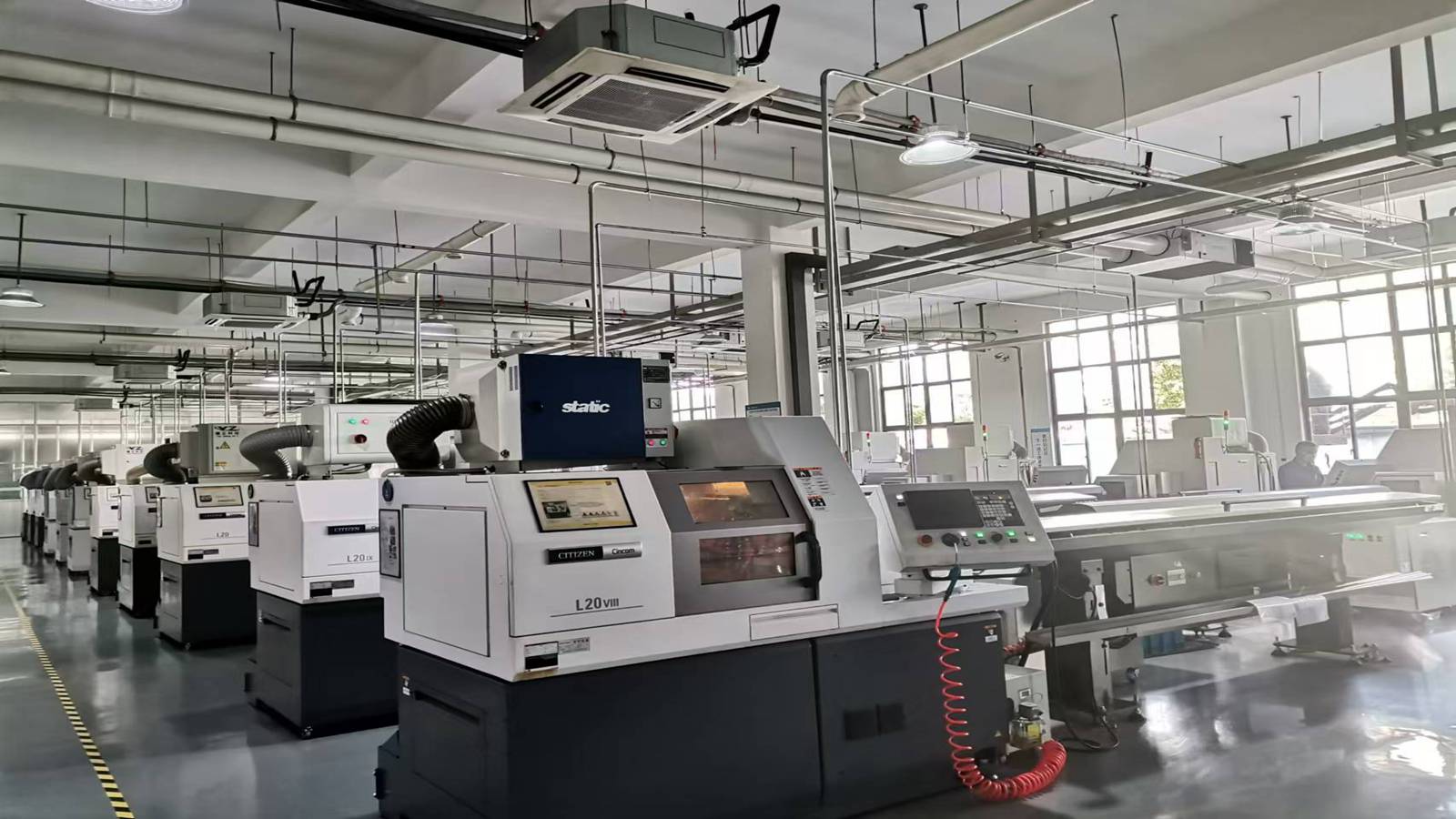
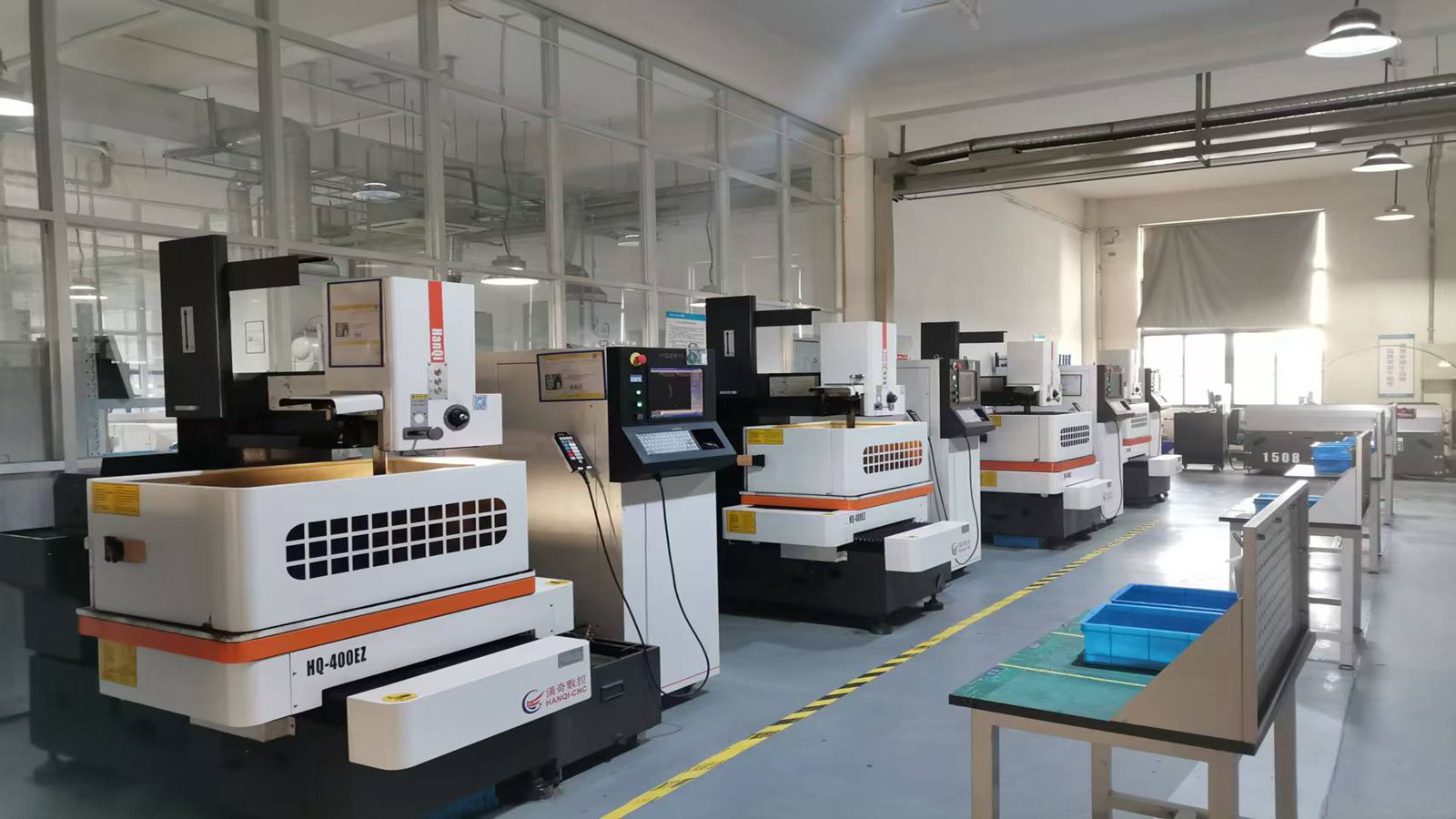
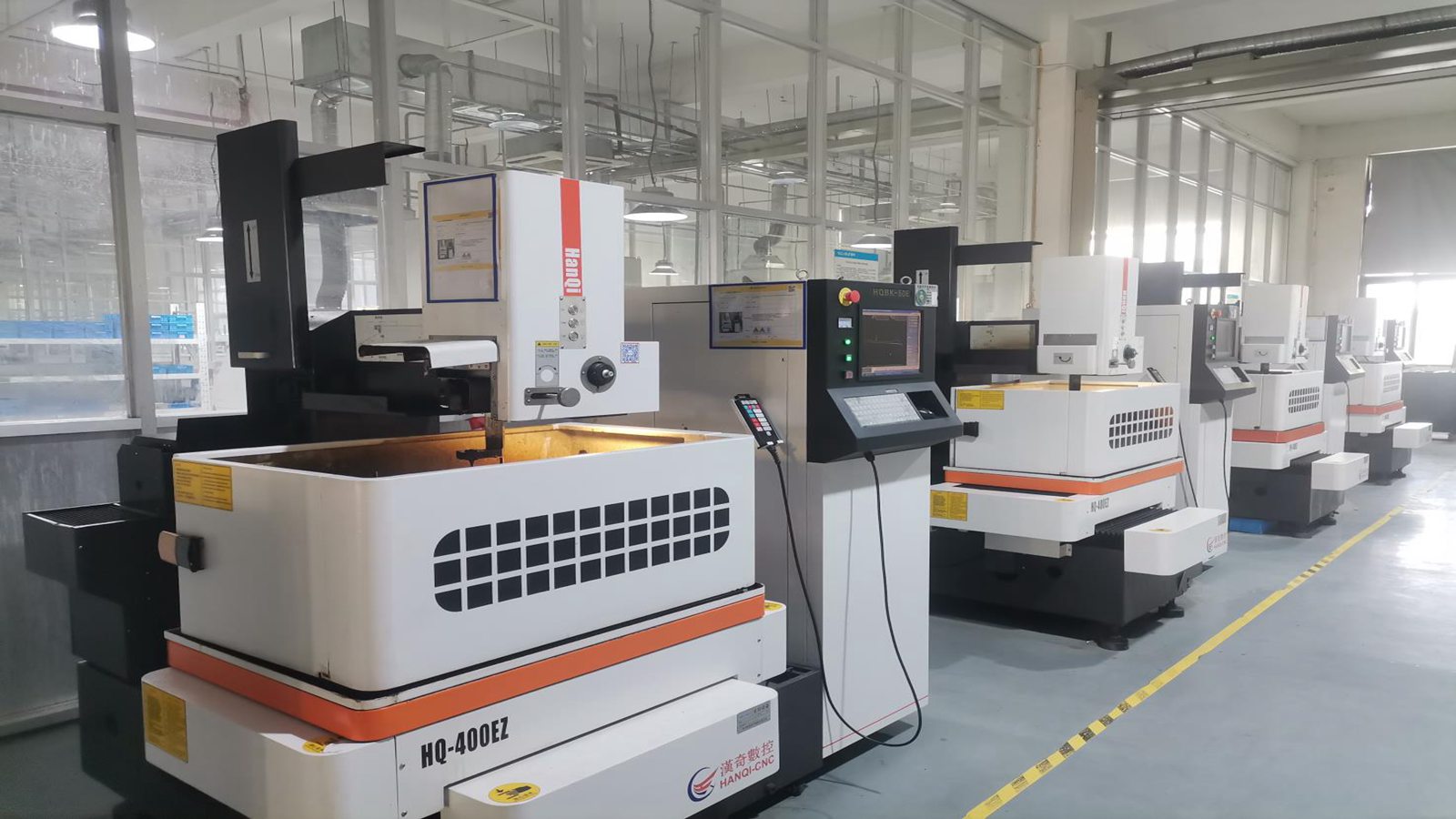
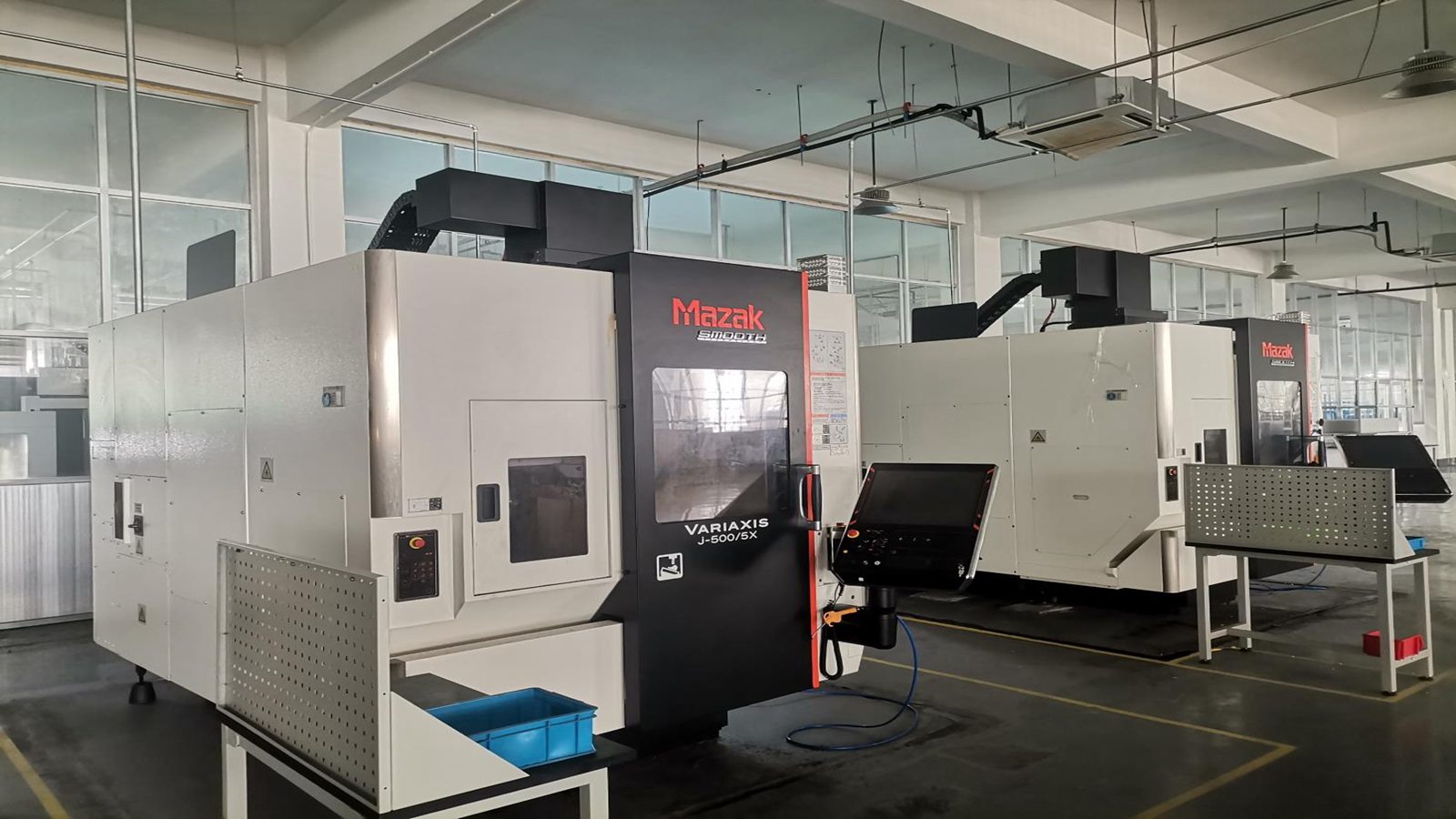
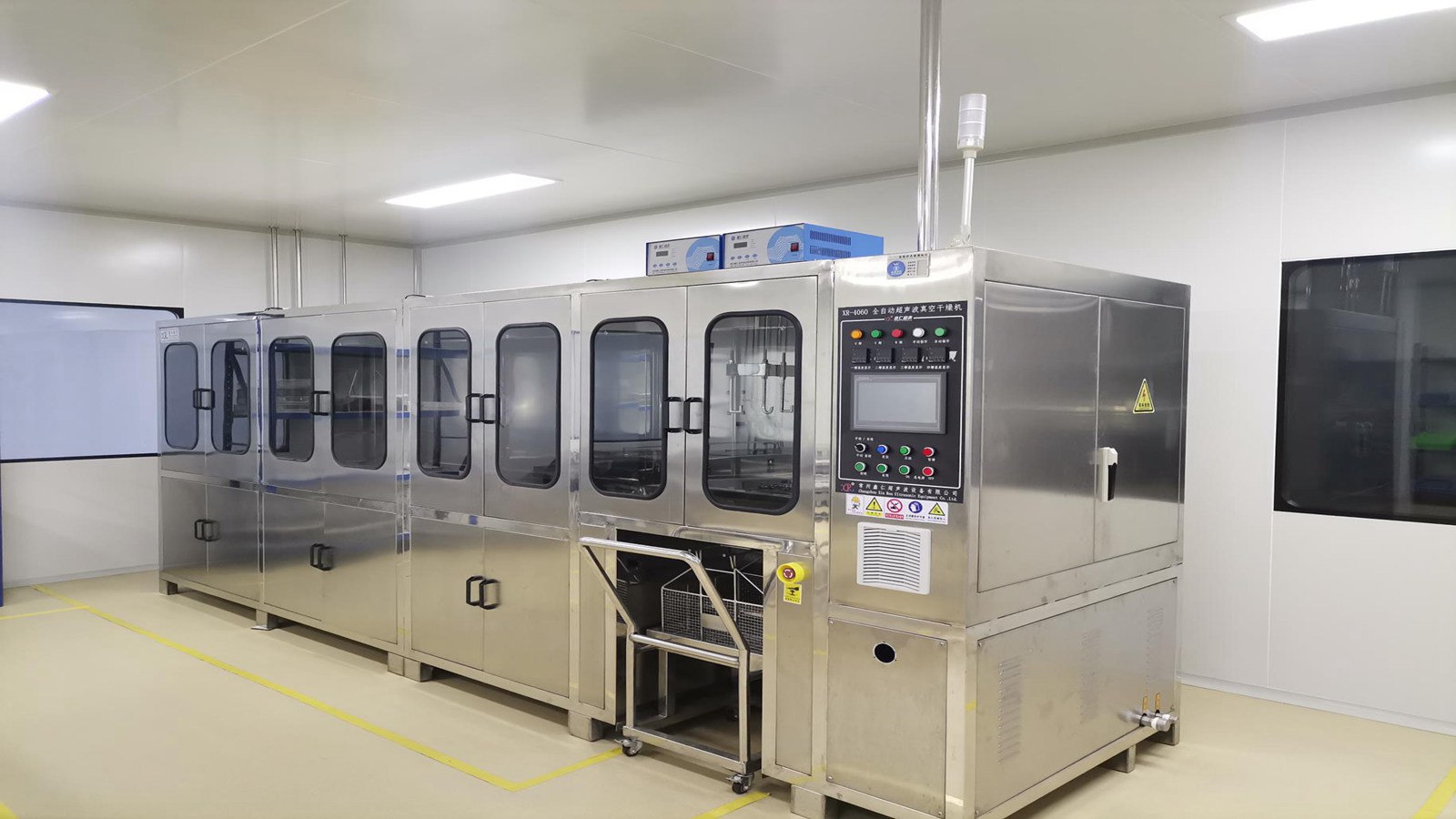
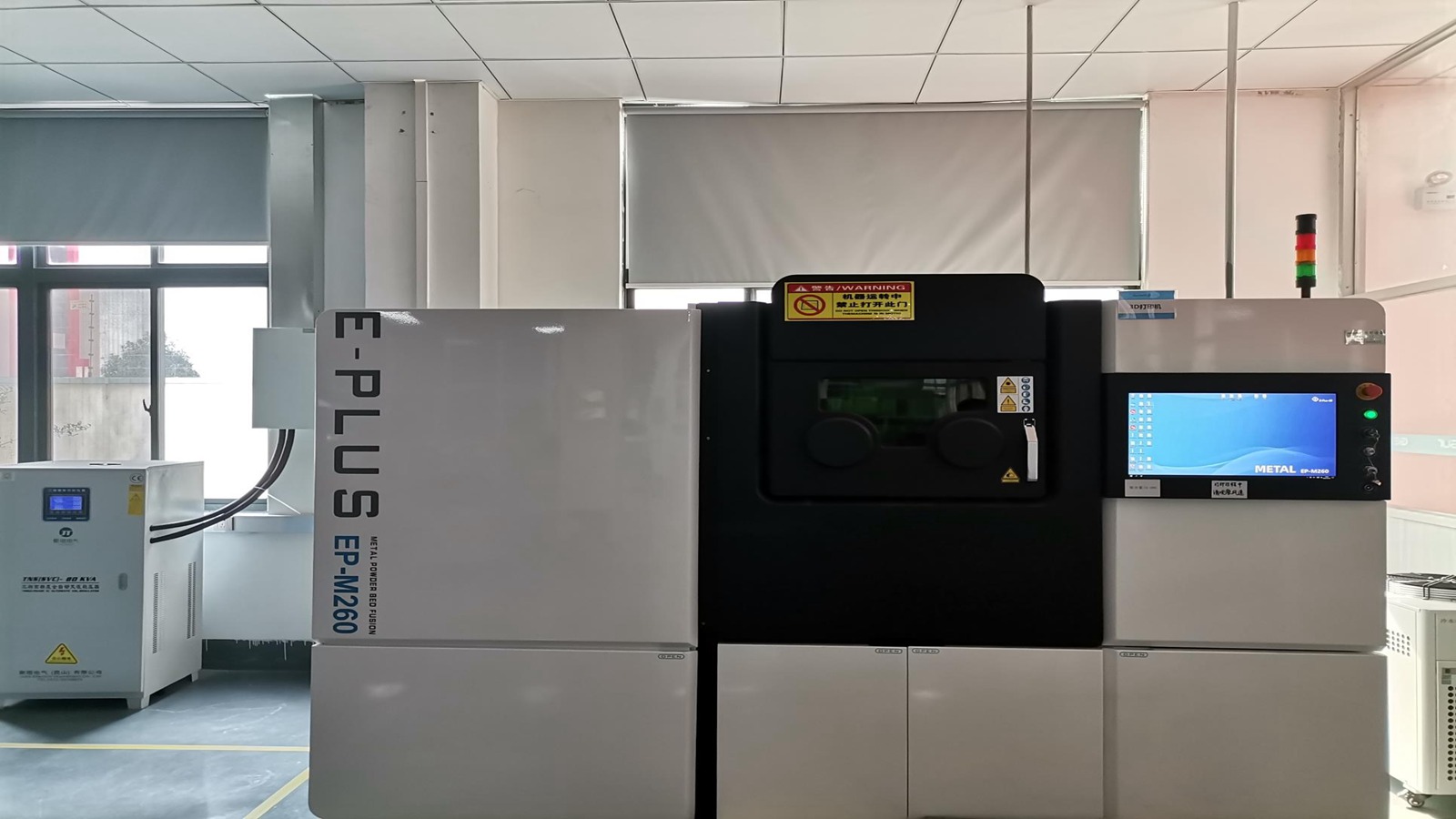
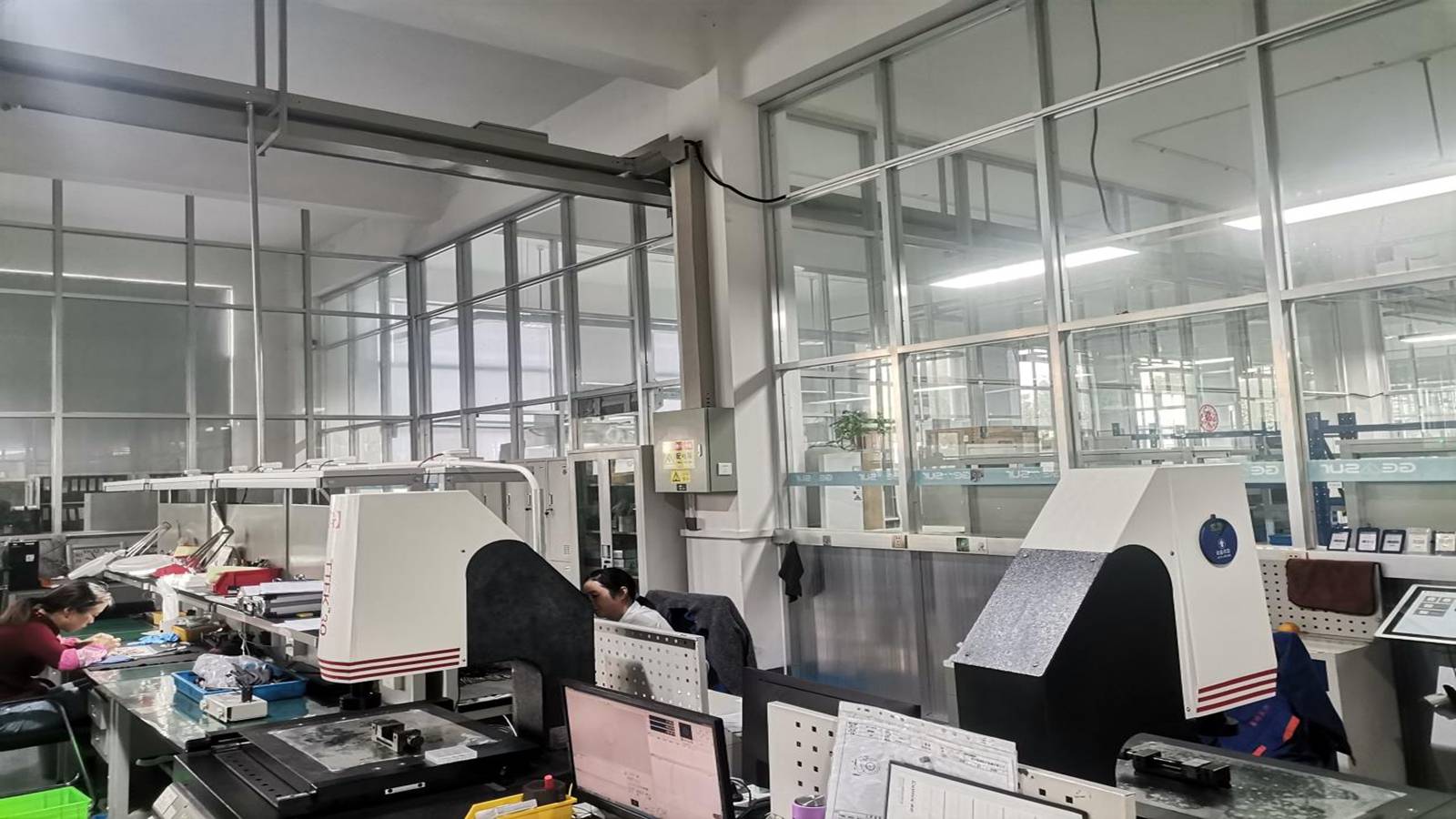
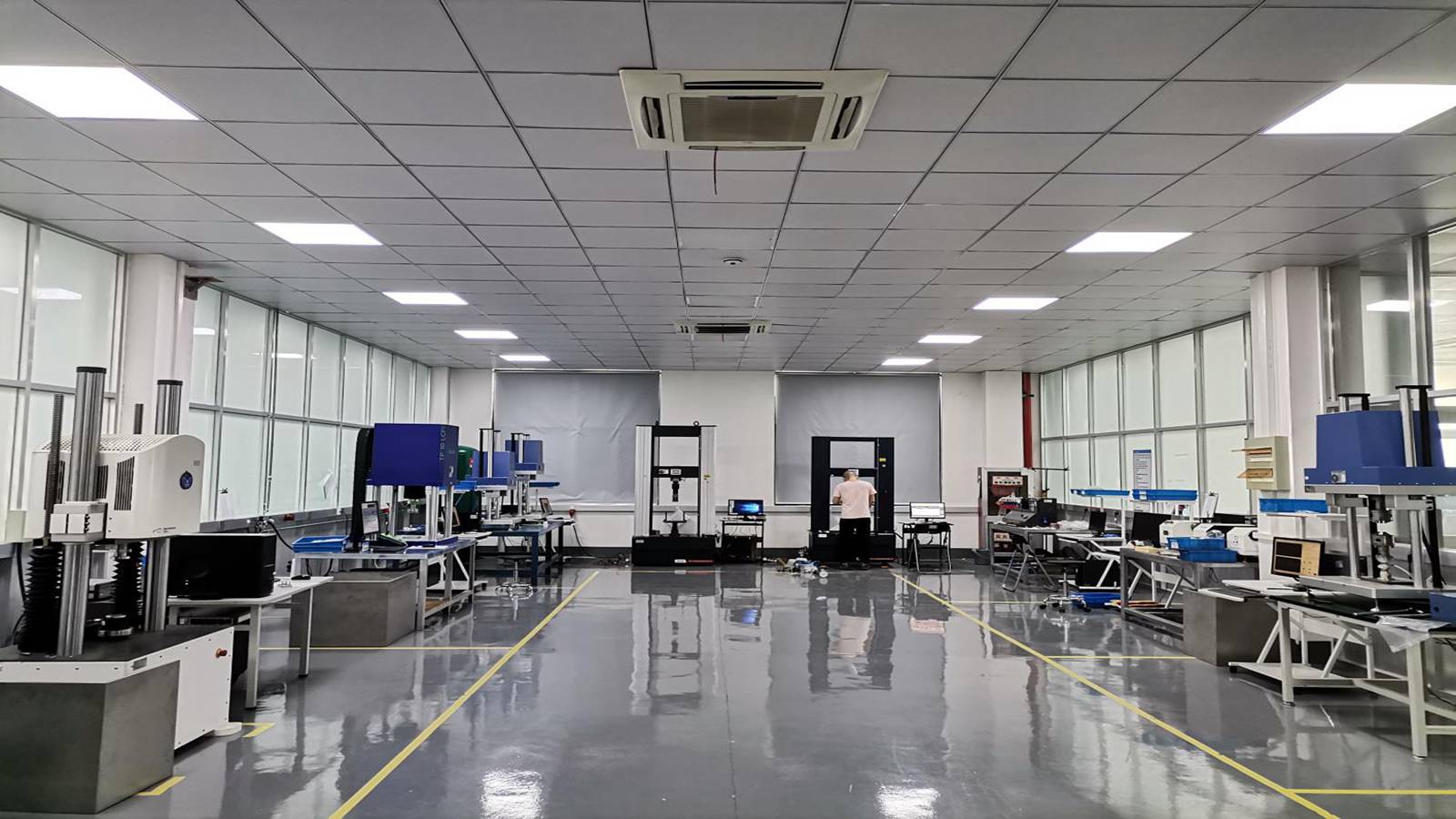
Understanding anatomical challenges, surgical pathways, and mechanical requirements across trauma indications.
Treating unstable intertrochanteric fractures, particularly in osteoporotic bone, requires systems like the Proximal Femoral Nail Antirotation (PFNA). The instrumentation must support quick, minimally invasive access. A crucial component here is the antirotation helical blade driver. It must insert the blade reliably without rotating the femoral head fragment, which helps prevent complications like cut-out.
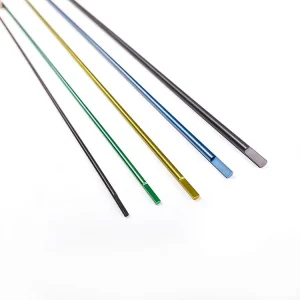
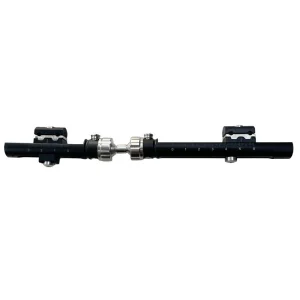
Tibial shaft fractures often feature significant soft tissue damage, making soft-tissue-preserving surgical approaches essential. The tibial interlocking nail system is designed to provide stable fixation through proximal and distal interlocking screws. The instrument set includes cannulated reamers that allow surgeons to clear the medullary canal without thermal necrosis, and carbon-fiber targeting guides that ensure precise distal screw placement under C-arm guidance.
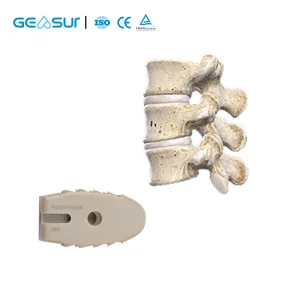
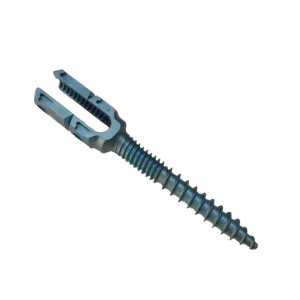
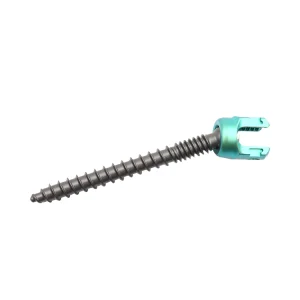
In degenerative spine disease and complex spinal trauma, spinal fixation requires high mechanical stability. Monoaxial and polyaxial pedicle screws, along with biocompatible PEEK PLIF cages, work together to provide spinal stability. In these surgeries, manual torque limiters and specialized screwdrivers are essential tools. They help ensure pedicle screws are tightened to the correct torque, minimizing the risk of screw stripping or pedicle fracture.
Regulatory updates, material choices, and details on OEM/ODM service capabilities.
Reliable components designed to ensure surgical accuracy, consistent biomechanical performance, and long-term durability.