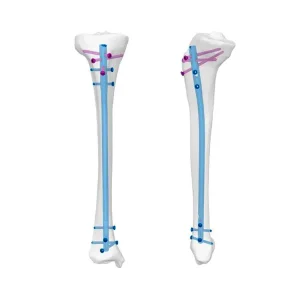
Ease Medical Apparatus And Instruments
Ease Medical Apparatus And Instruments
Ease Medical Apparatus And Instruments
The shift toward minimally invasive surgery (MIS) and the reduction of post-operative complications have propelled the demand for Biodegradable Staplers. Unlike traditional titanium staples that remain in the body permanently, biodegradable variants—often composed of magnesium alloys or polymers like PLA/PCL—are designed to provide high-strength mechanical support during the critical healing phase before being safely absorbed by the body.
Global healthcare providers are increasingly prioritizing "Information Gain" in clinical outcomes. Procurement managers in the EU and North America are seeking manufacturers who can provide comprehensive OEM/ODM services that meet stringent MDR (Medical Device Regulation) standards, ensuring that biodegradable staples offer comparable tensile strength to metallic counterparts while minimizing long-term foreign body reactions.
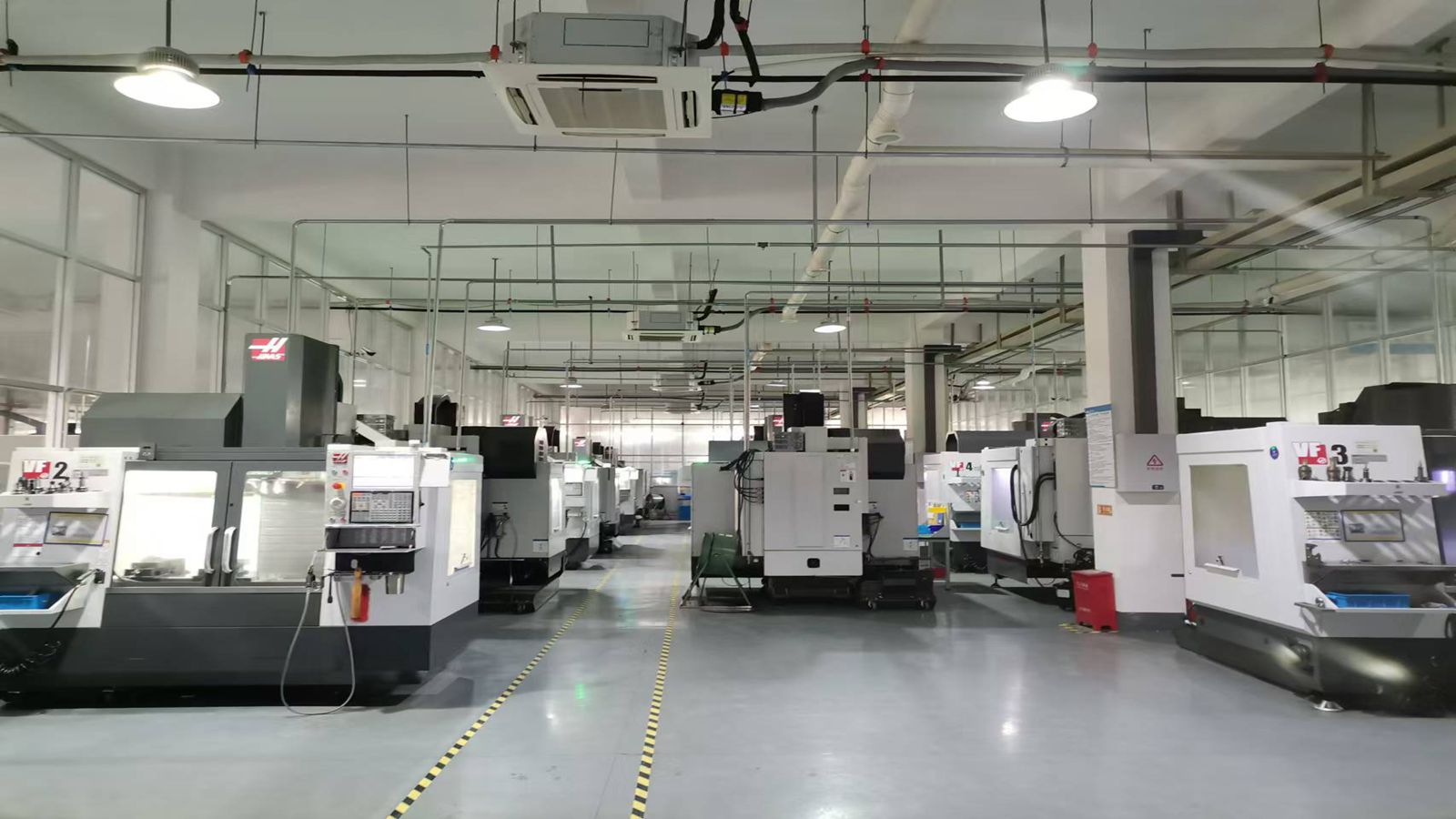
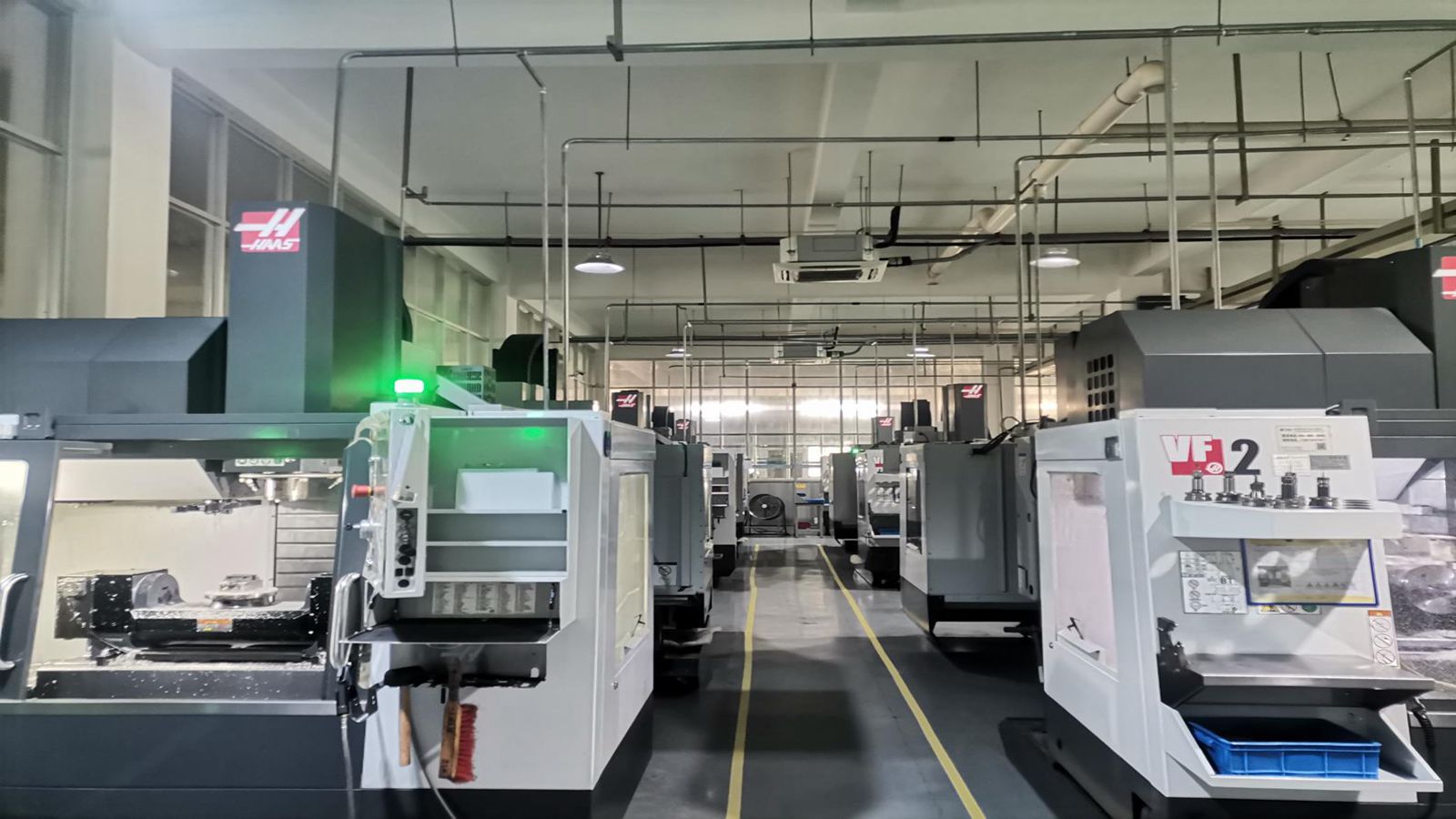
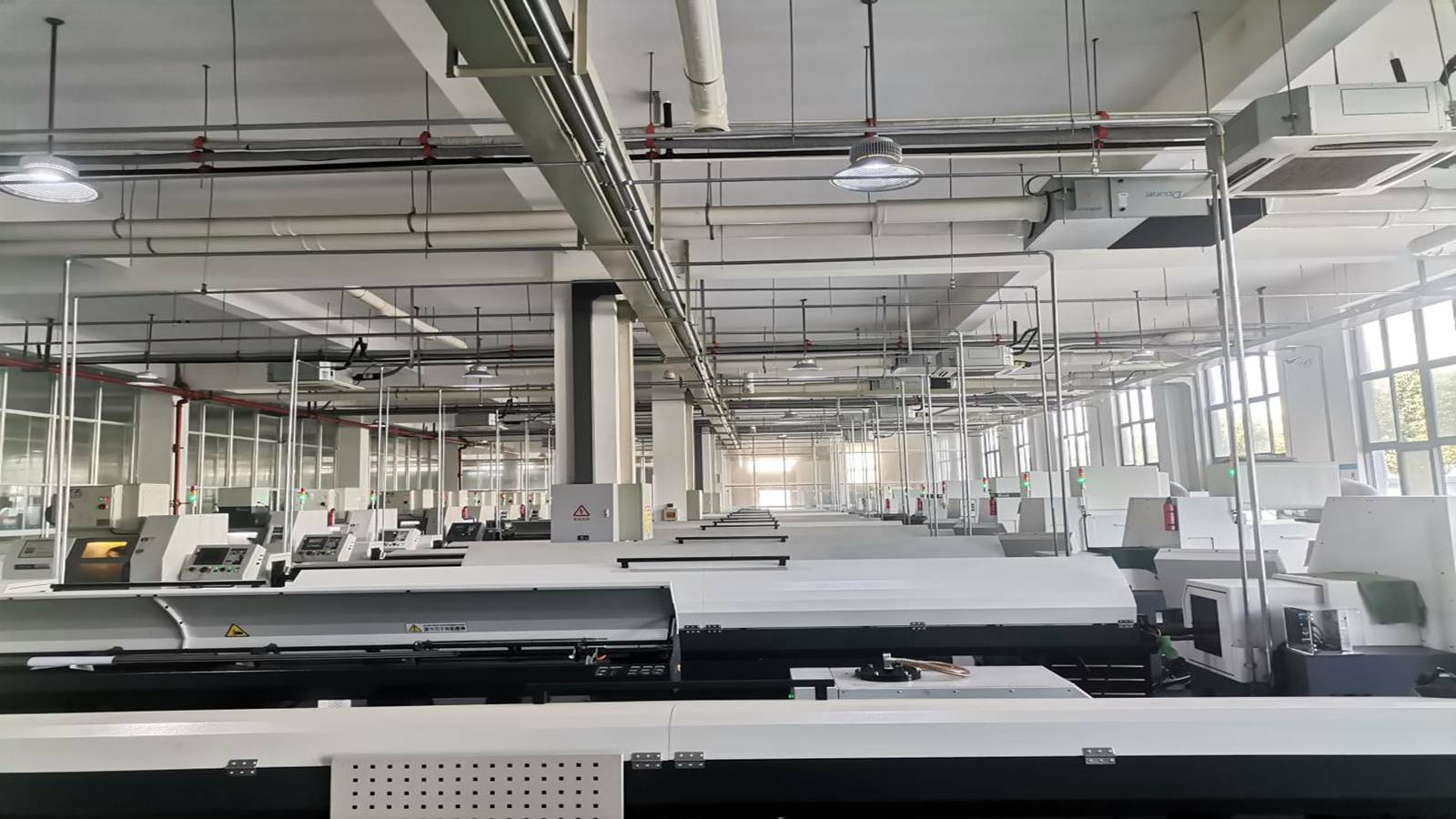
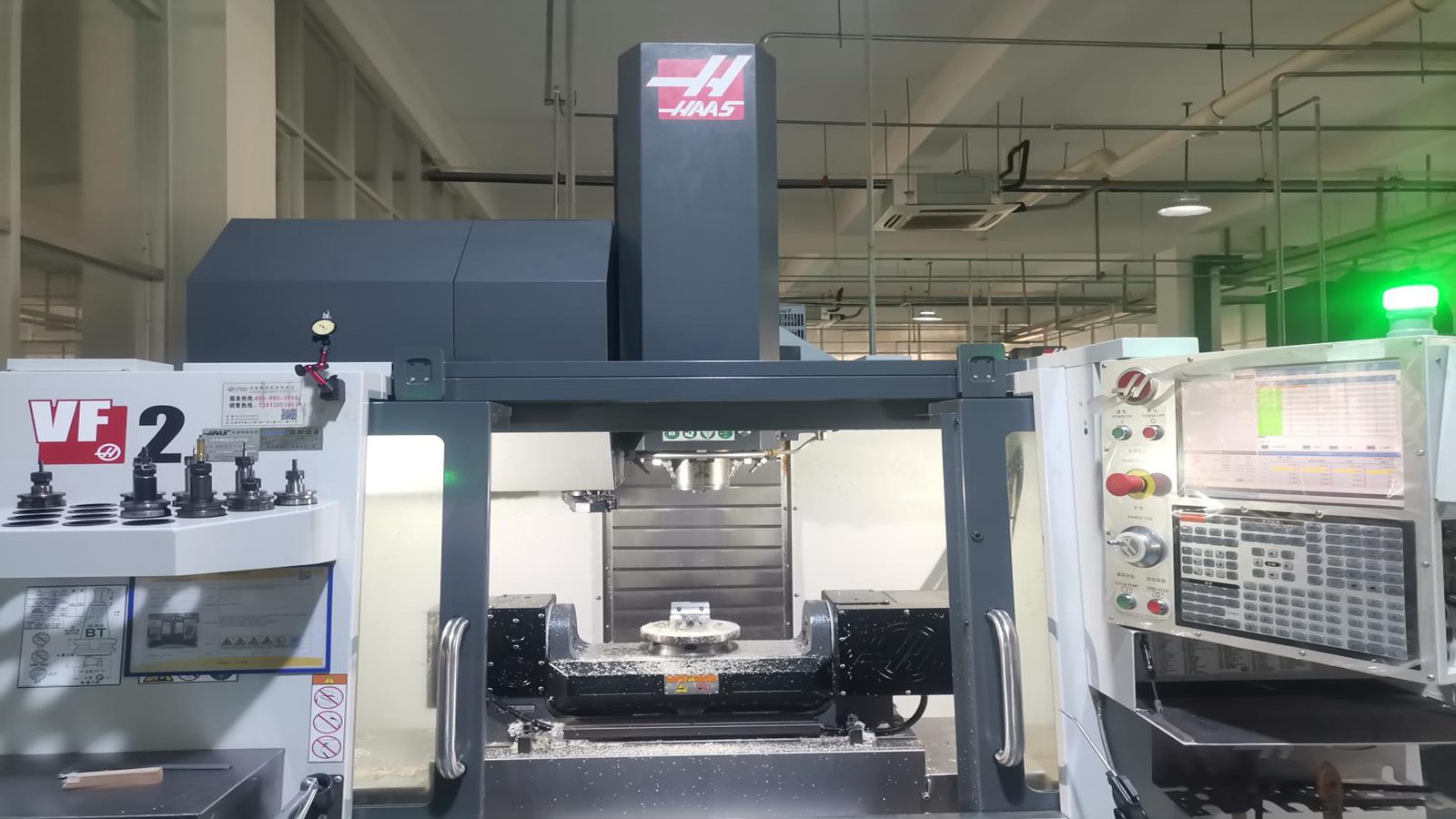
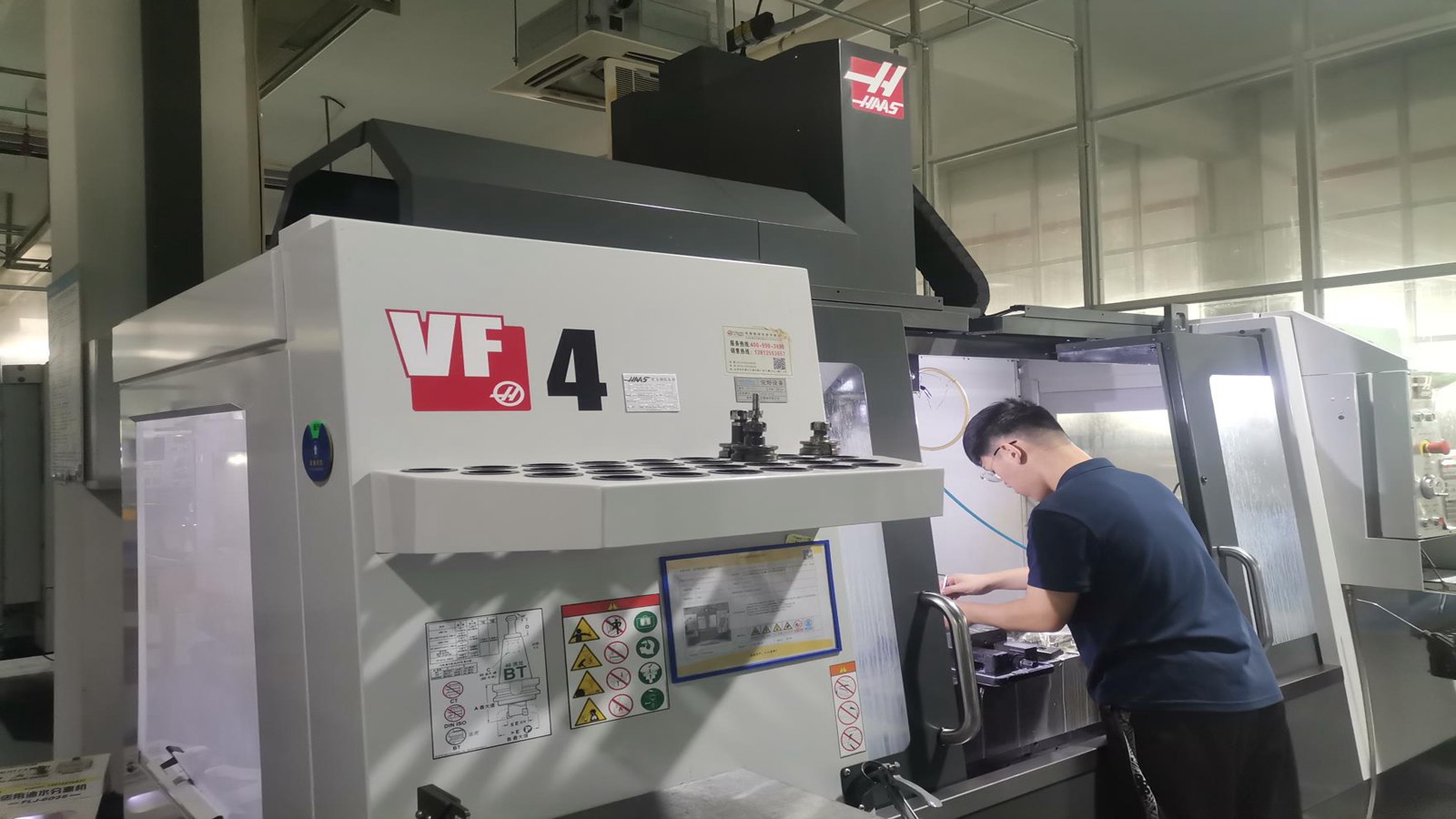
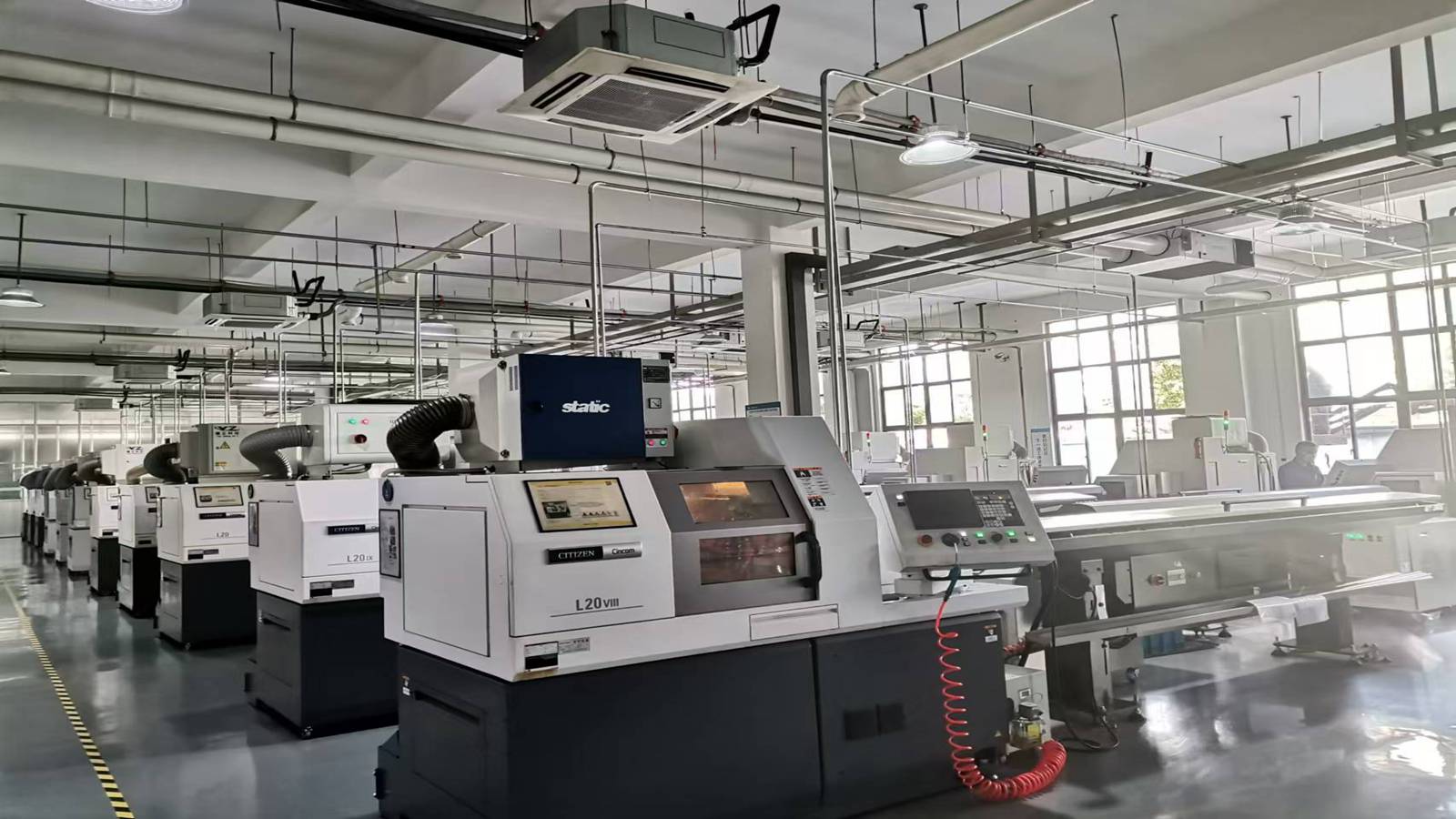
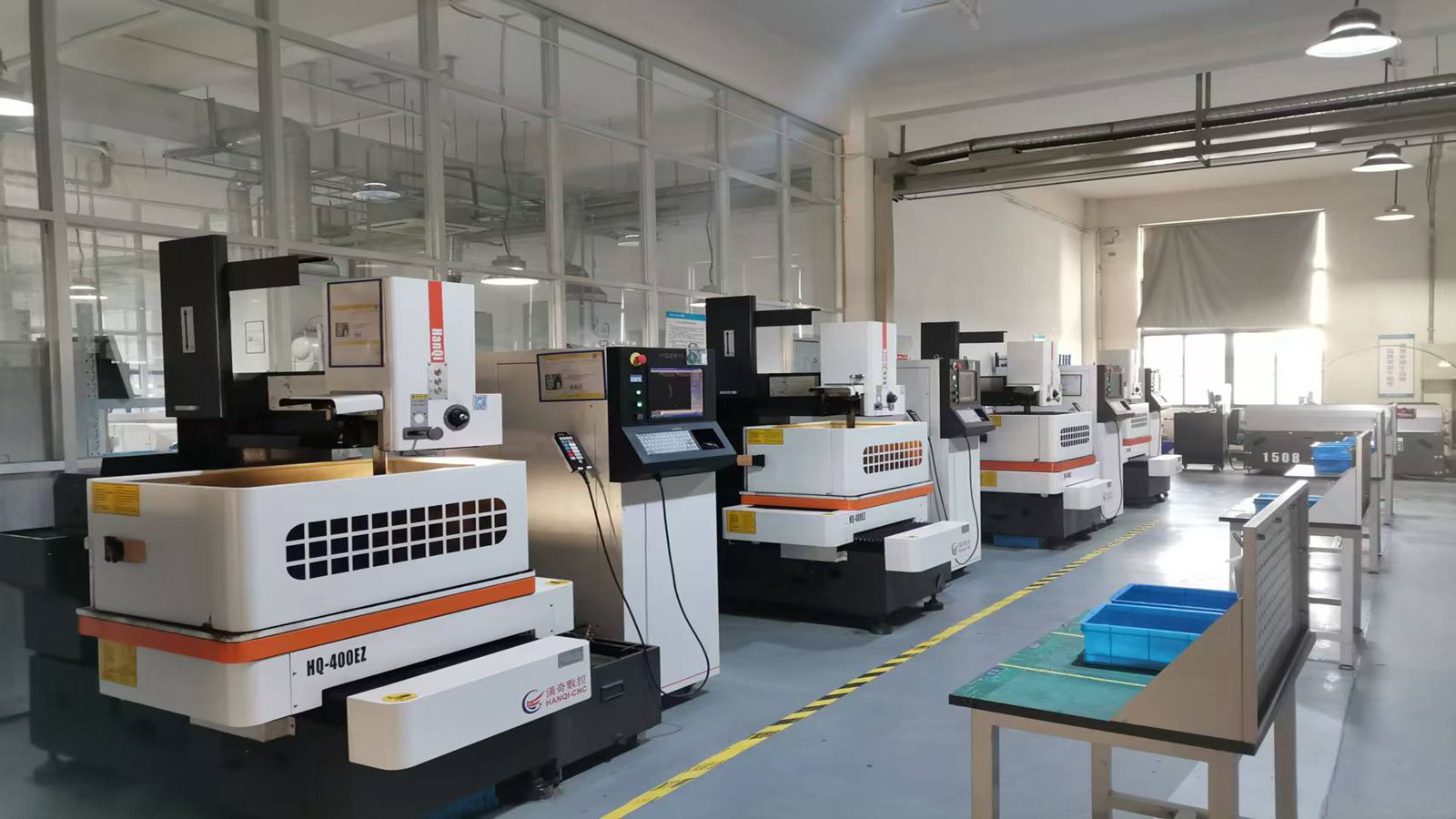
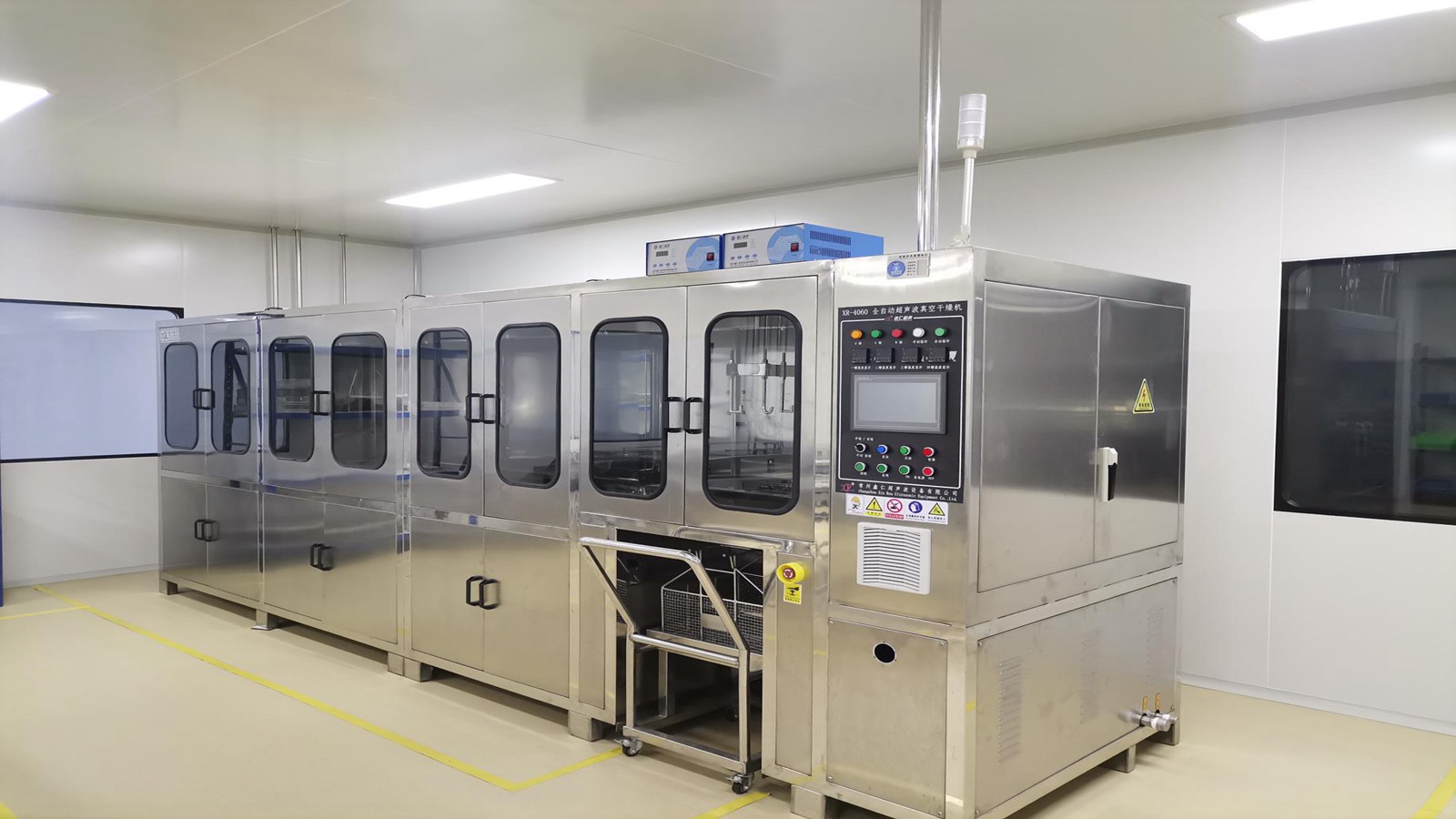
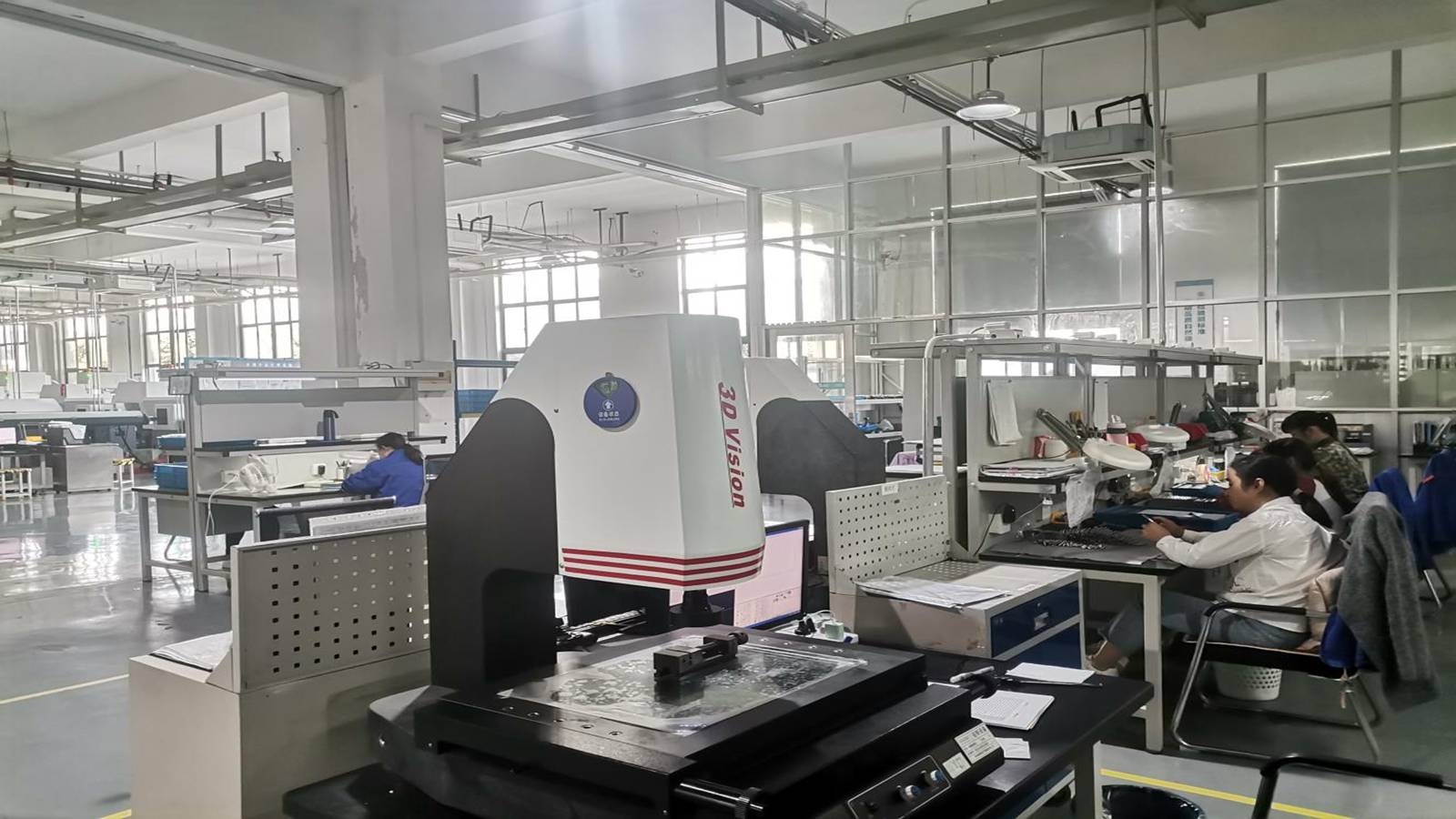
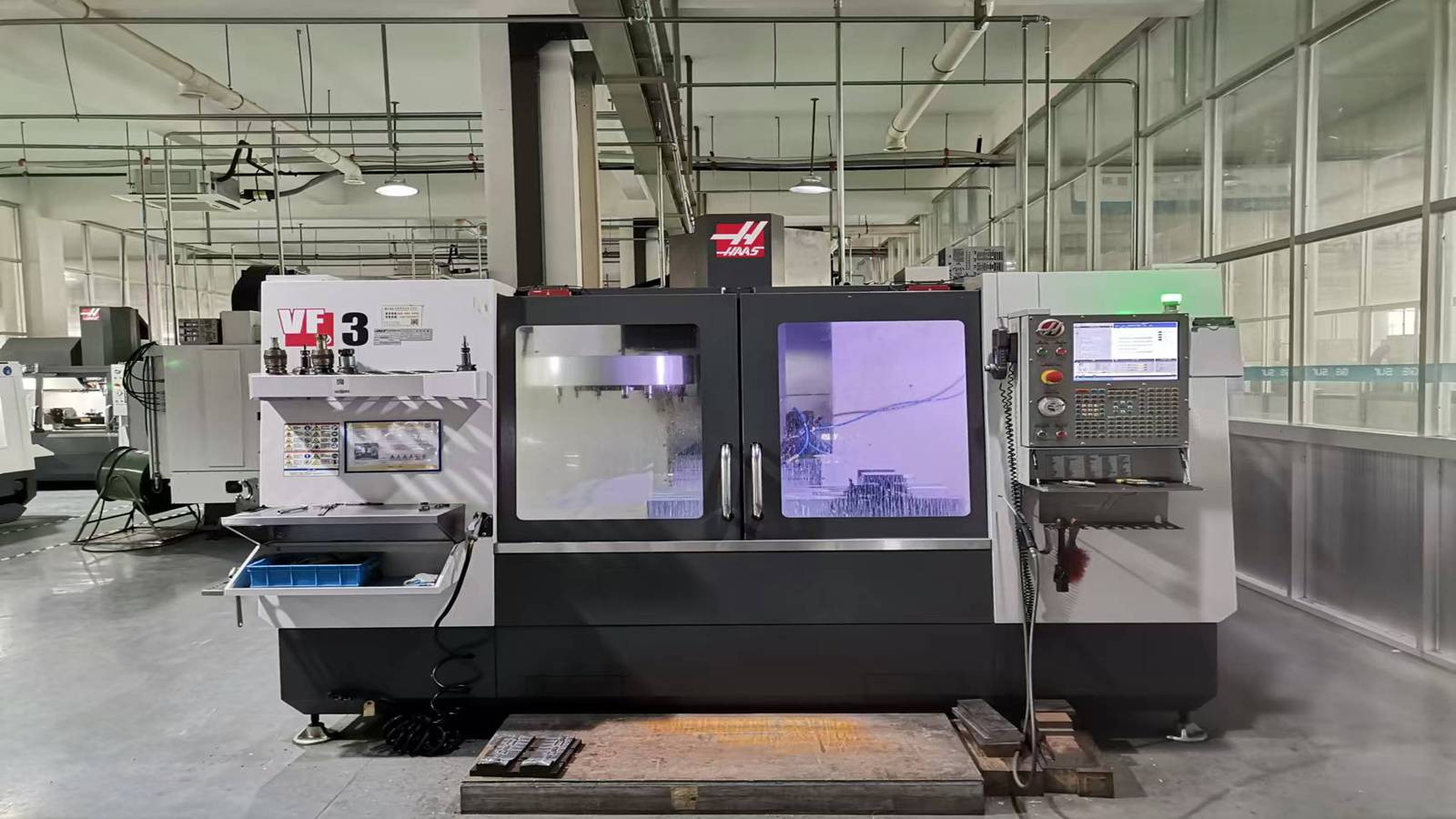
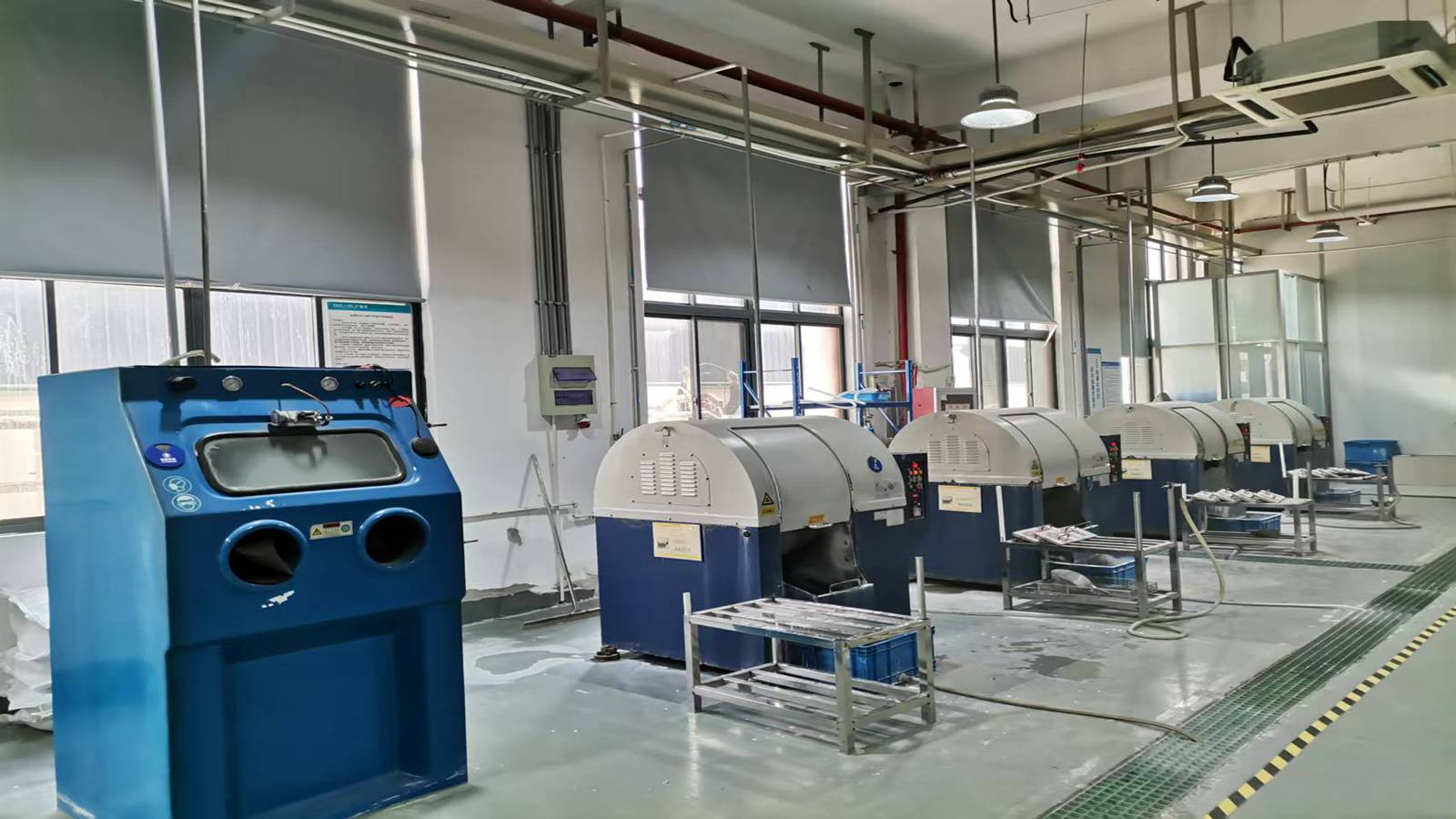
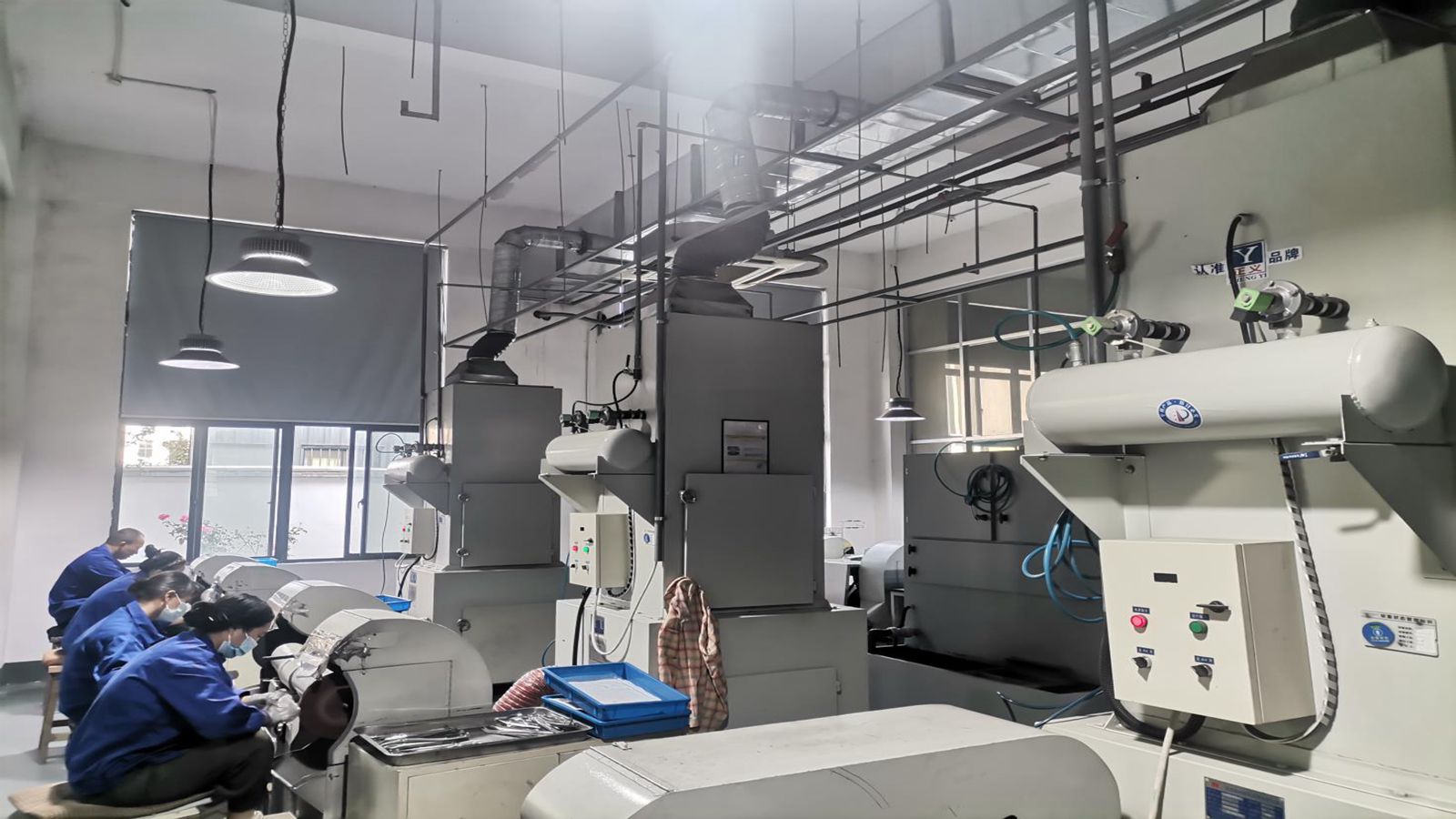
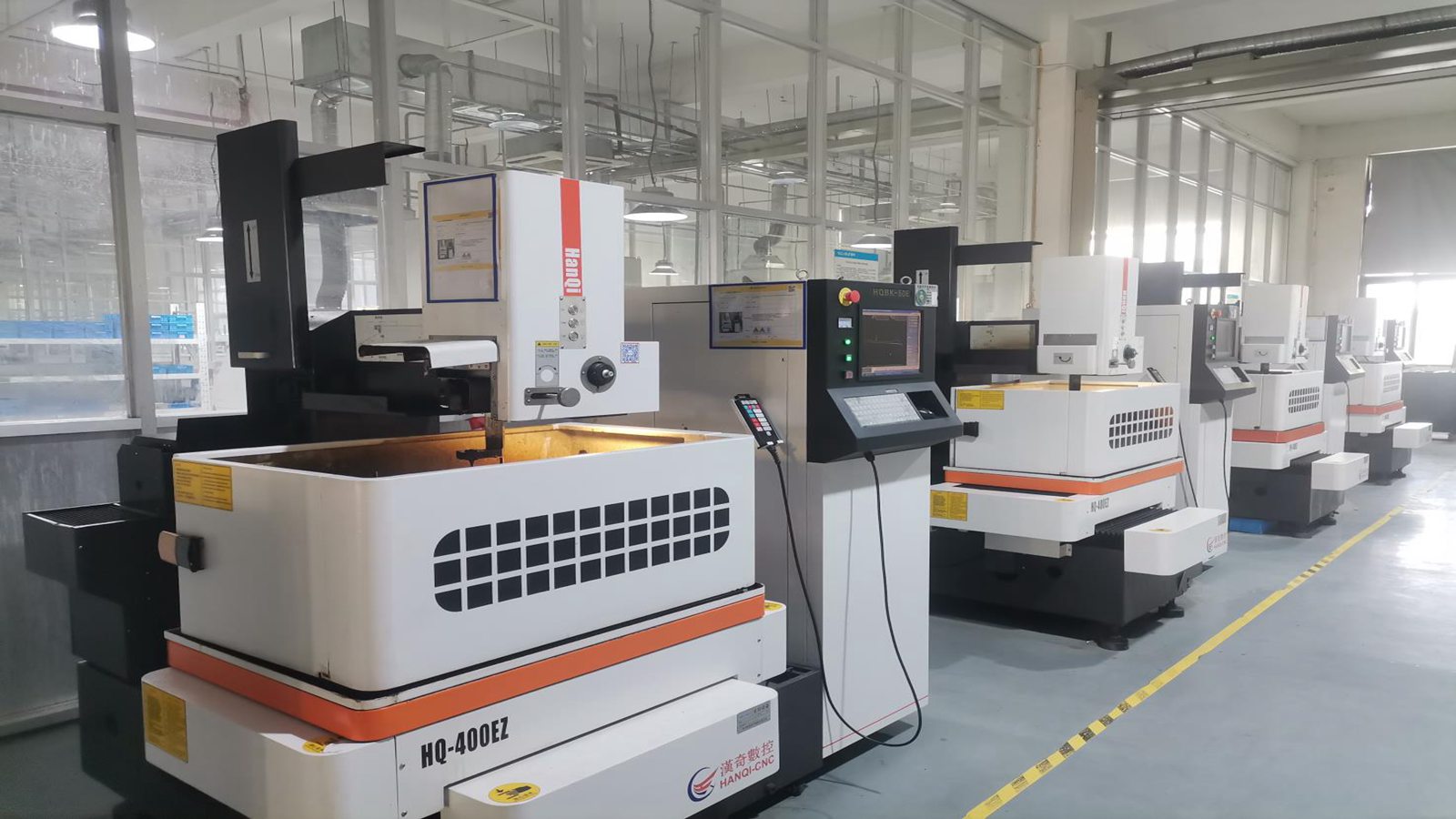
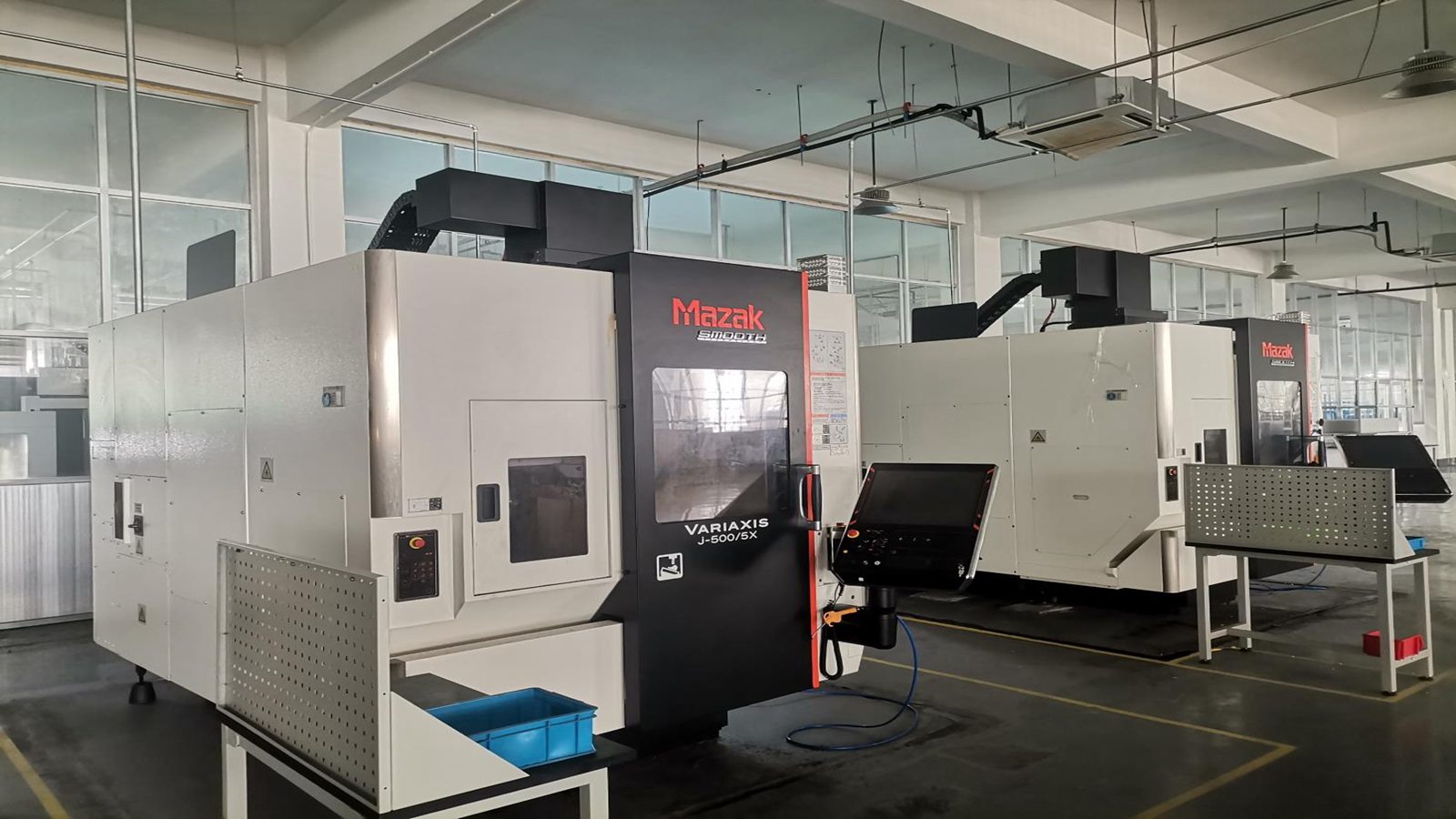
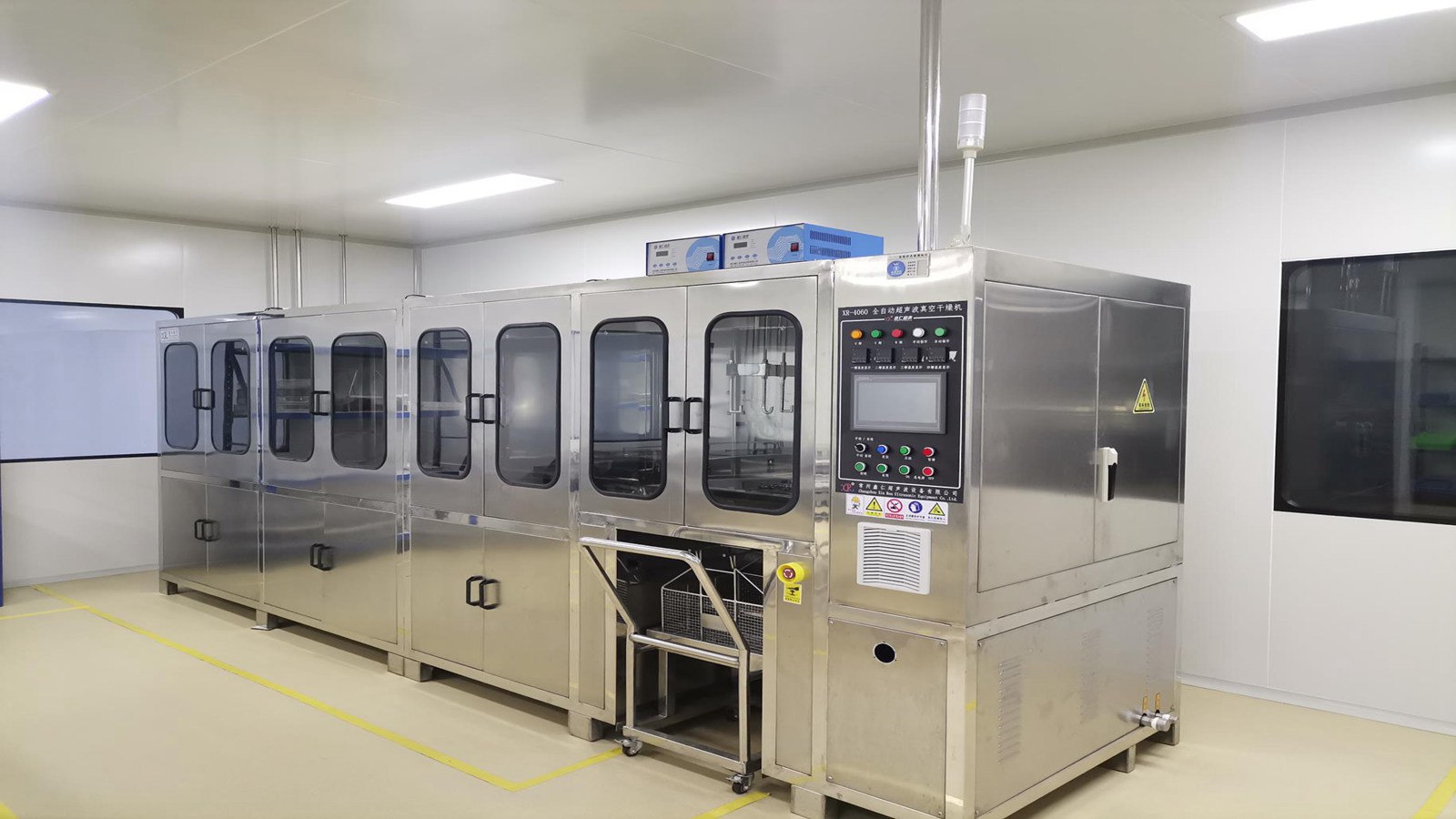
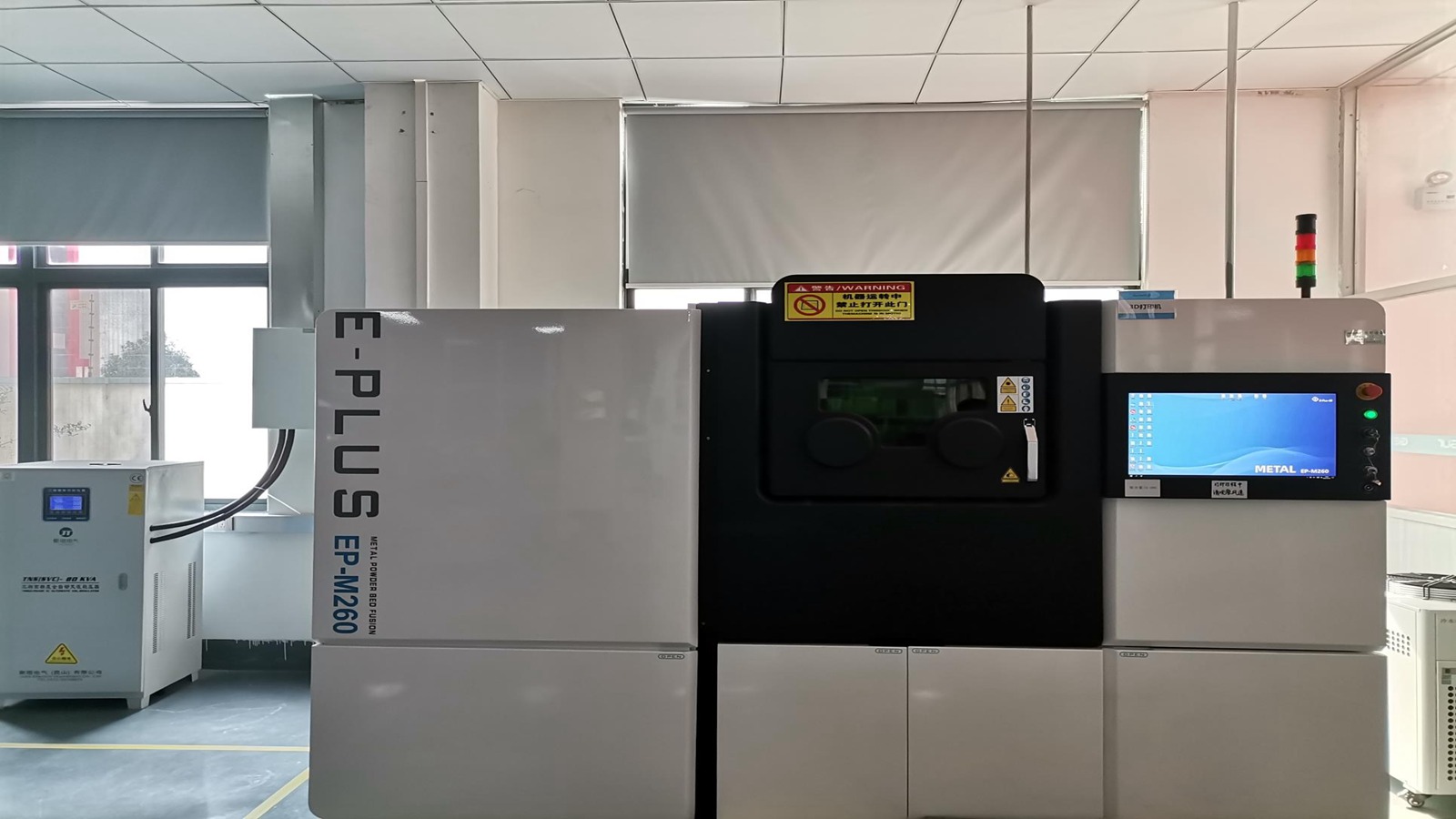
As a leading exporter, we provide holistic solutions ranging from custom material compounding to high-precision injection molding. Our production lines are optimized for bio-composite suture anchors and absorbable medical components, ensuring that every batch maintains the mechanical integrity required for orthopedic and visceral tissue closure.
 ISO13485
 EN ISO 13485
 MDSAP
MDSAP CE MDR
We are pioneering the use of Zinc-Magnesium (Zn-Mg) biodegradable alloys. This provides a "Search Intent" solution for surgeons looking for staples that offer the visibility of metal under X-ray during the healing phase, but eventually disappear entirely.
Our OEM services extend beyond the stapler body. We specialize in the development of biocomposite suture anchors and PVP (Percutaneous Vertebroplasty) systems, ensuring a synergistic approach to surgical fixation.
With 10 years of export experience to Eastern Europe and Southeast Asia, we provide localized compliance documentation, multilingual support, and regional regulatory guidance to streamline hospital adoption of our biodegradable stapling technology.
"Information Gain" Note: The transition from permanent implants (Titanium/PEEK) to biodegradable systems represents a fundamental shift in surgical philosophy—moving from 'replacement' to 'regeneration facilitation'.