Ease Medical Apparatus And Instruments
Ease Medical Apparatus And Instruments
Ease Medical Apparatus And Instruments
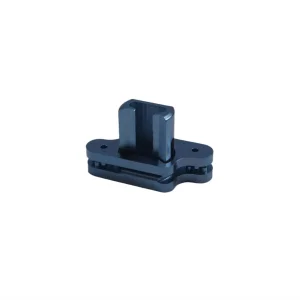
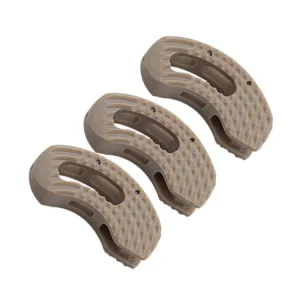
Ireland's orthopedic market is undergoing a significant shift toward Minimally Invasive Surgery (MIS). With an aging population in regions like Dublin, Galway, and Limerick, the prevalence of Lumbar Spinal Stenosis (LSS) has increased clinical demand for Interspinous Process Decompression (IPD) devices. As a premier Interspinous Spacer manufacturer and supplier, we recognize that Irish clinicians prioritize devices that offer both "indirect decompression" and "motion preservation," reducing the need for aggressive laminectomies.
Our titanium interspinous spacers are engineered to provide immediate symptomatic relief for neurogenic claudication while maintaining the structural integrity of the spinal column, aligning with the Health Service Executive (HSE) goals of reducing post-operative recovery times and hospital bed occupancy.
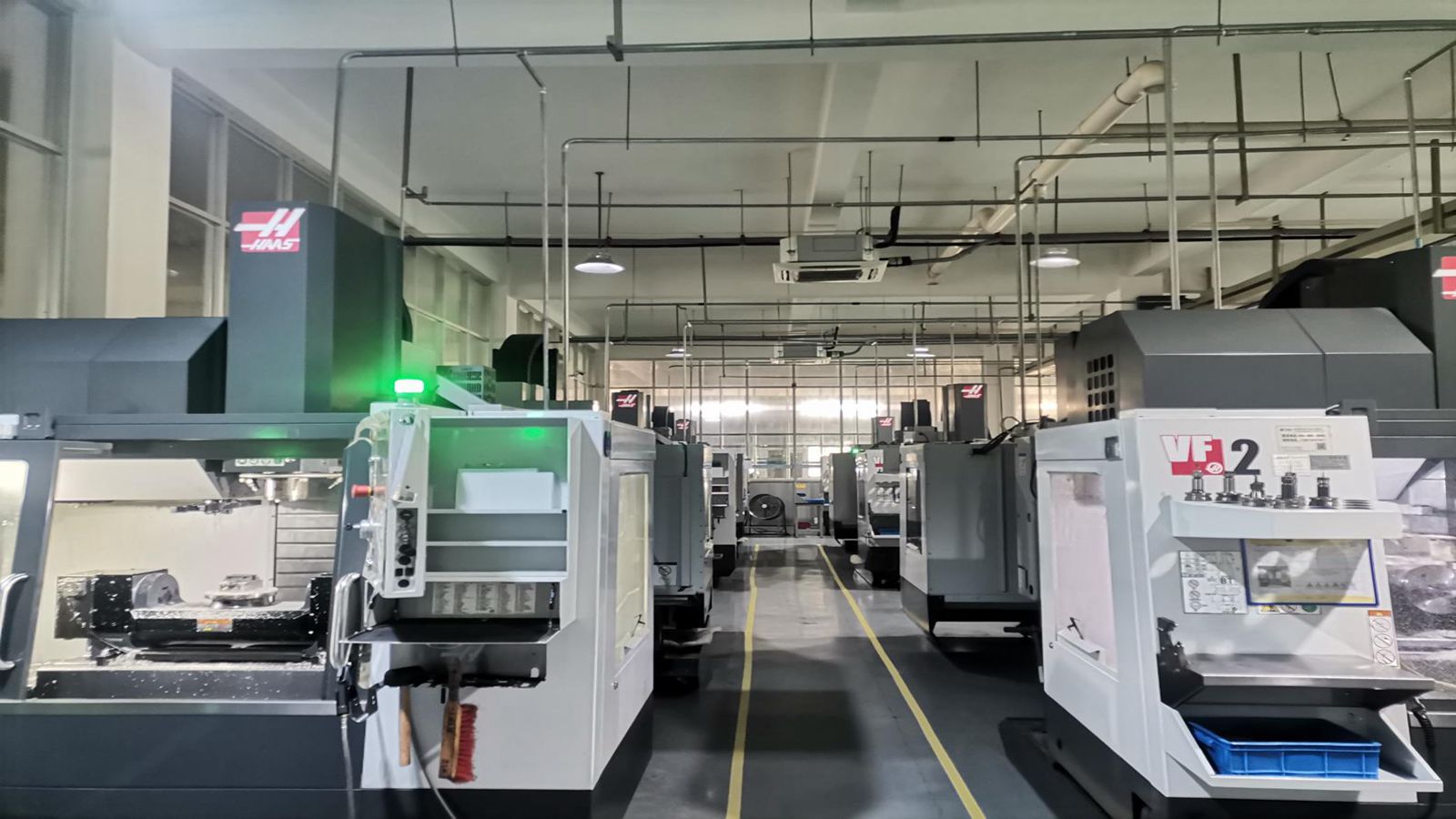
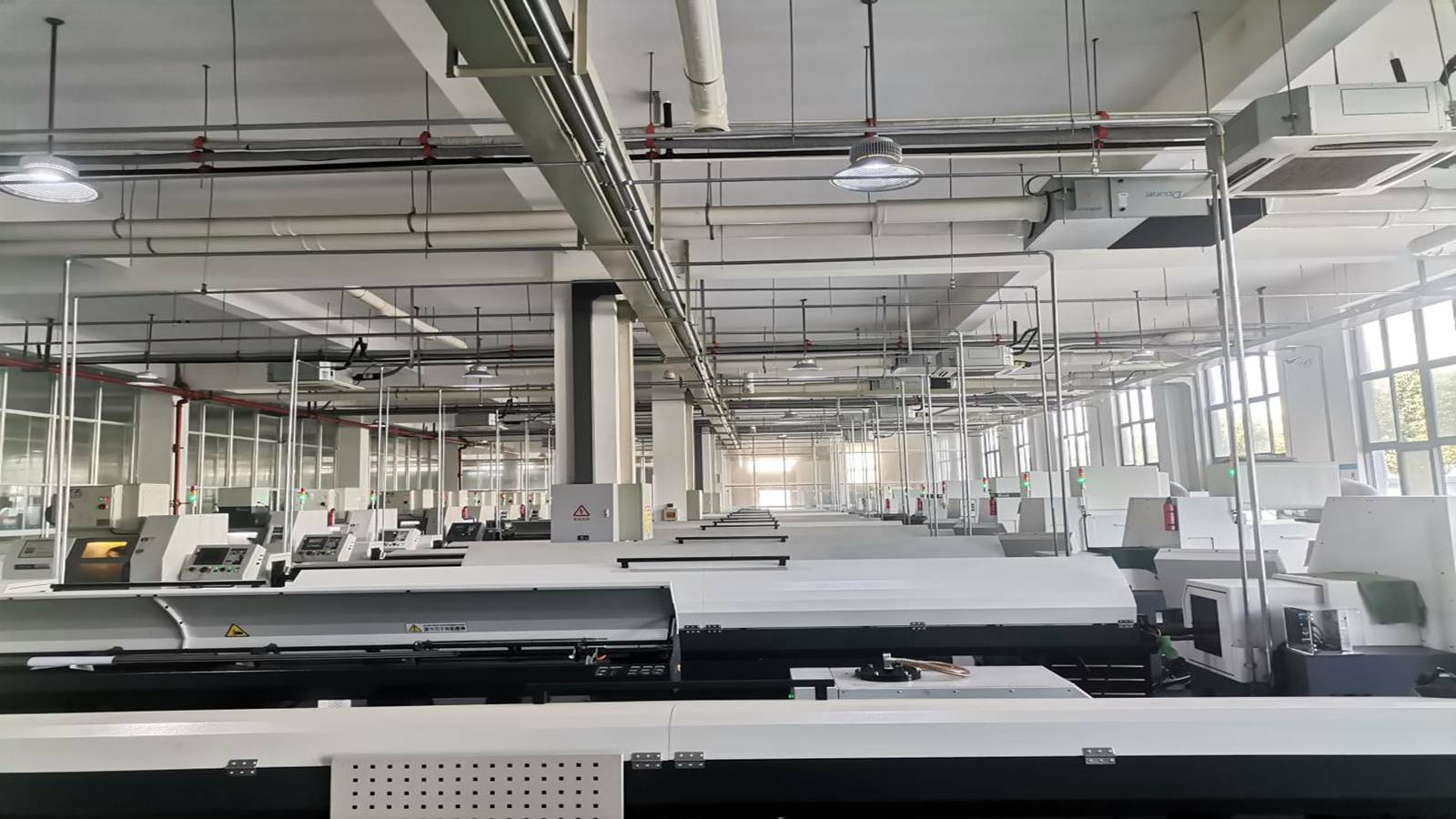
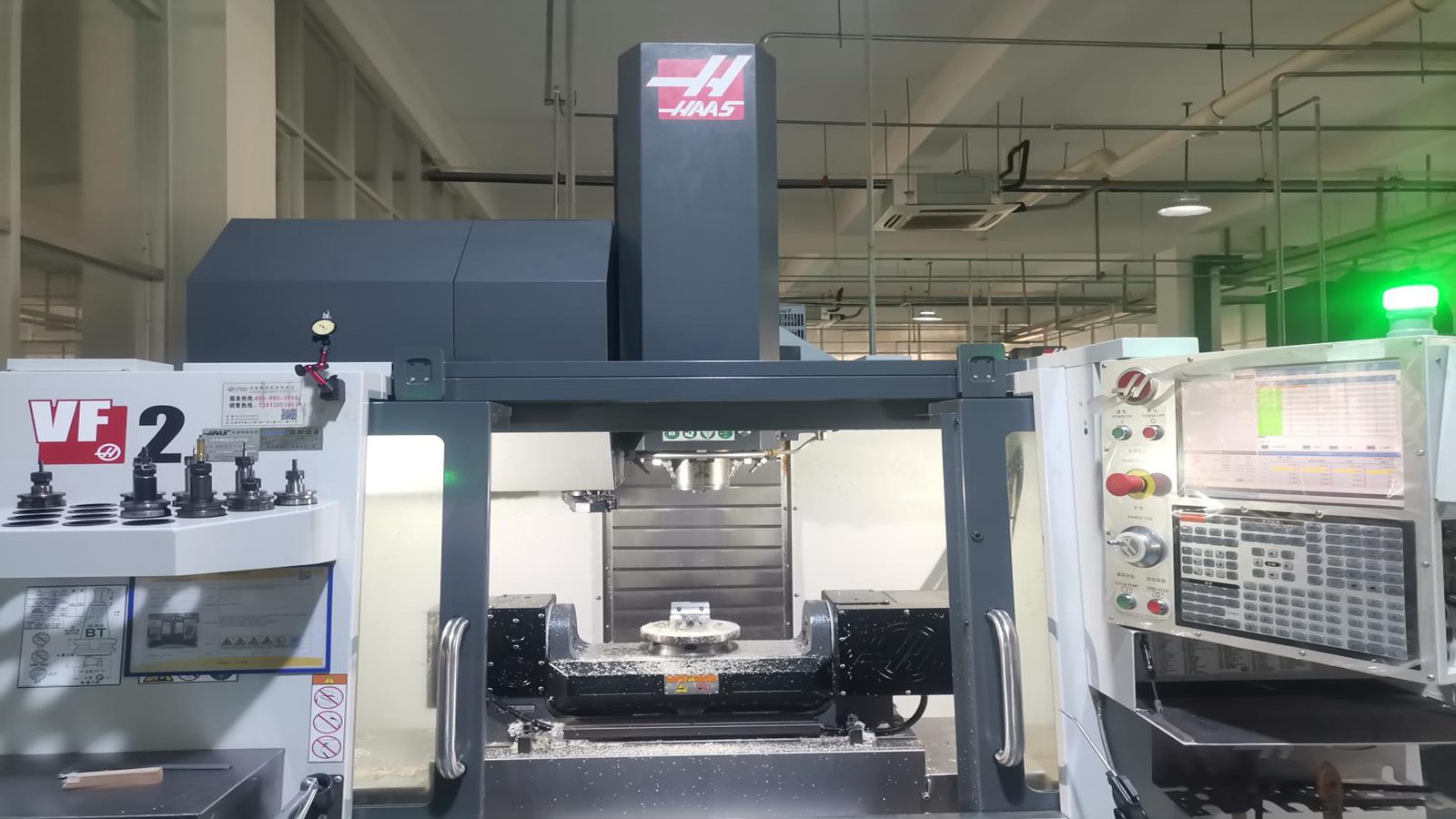
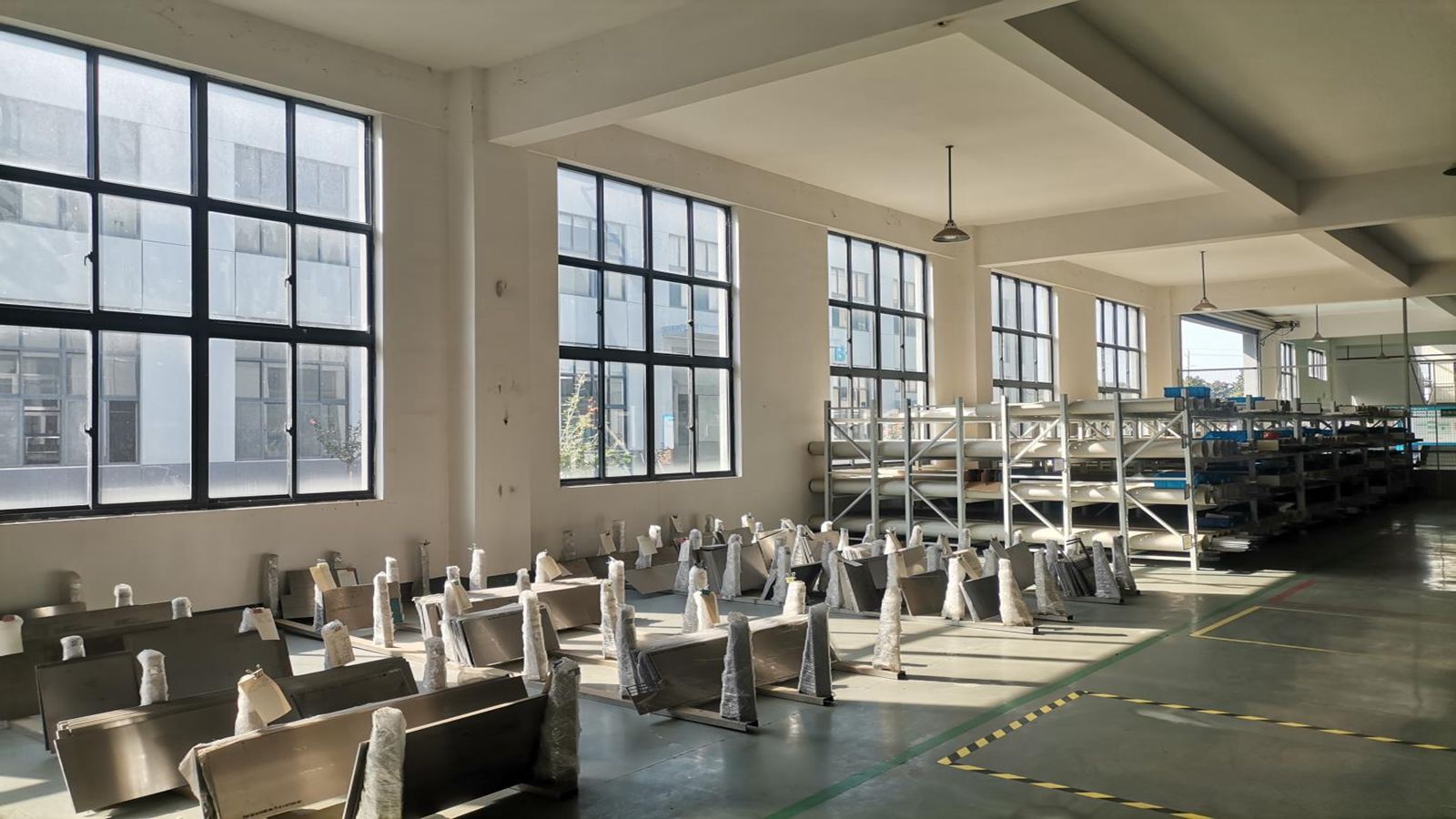
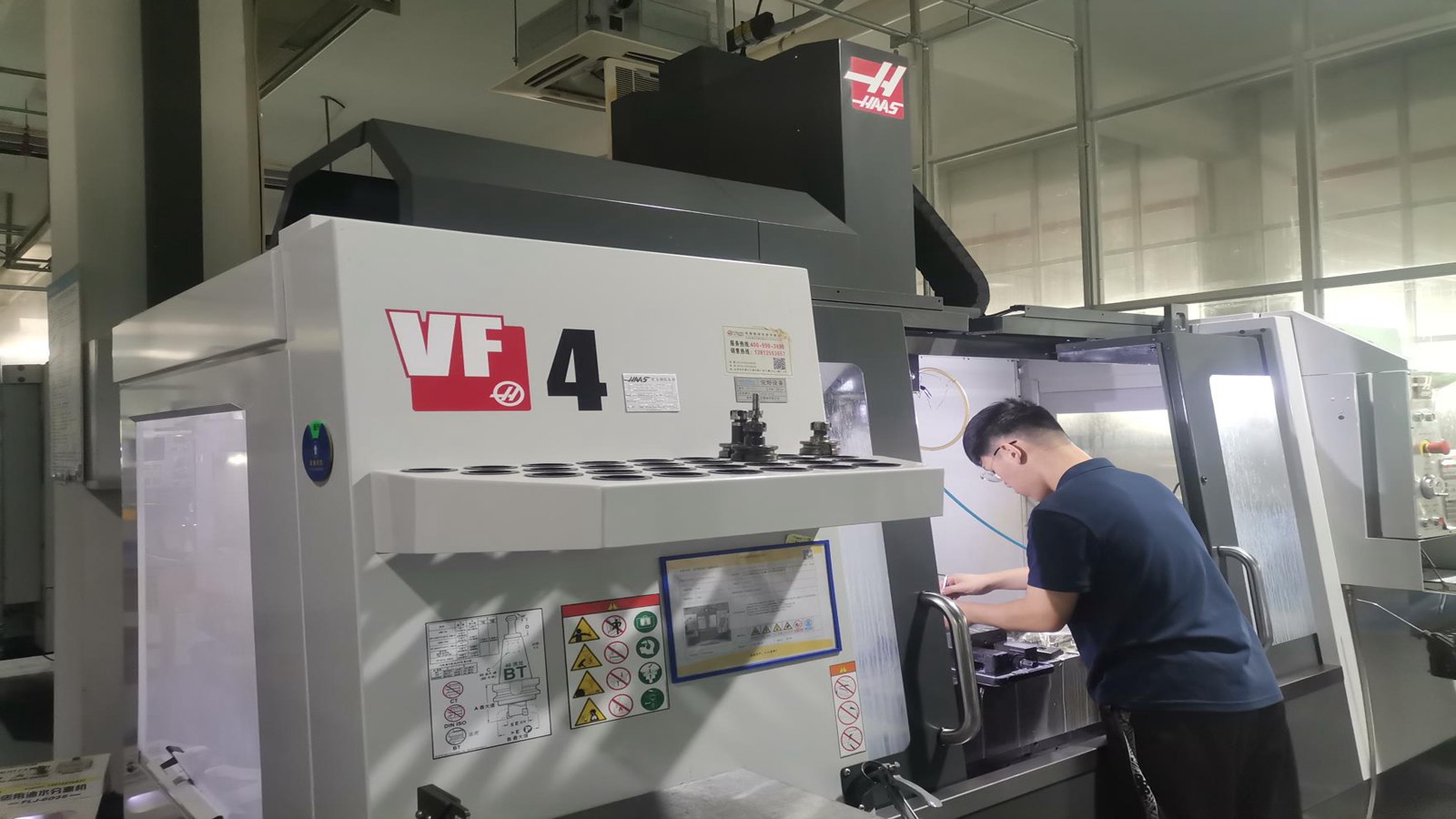
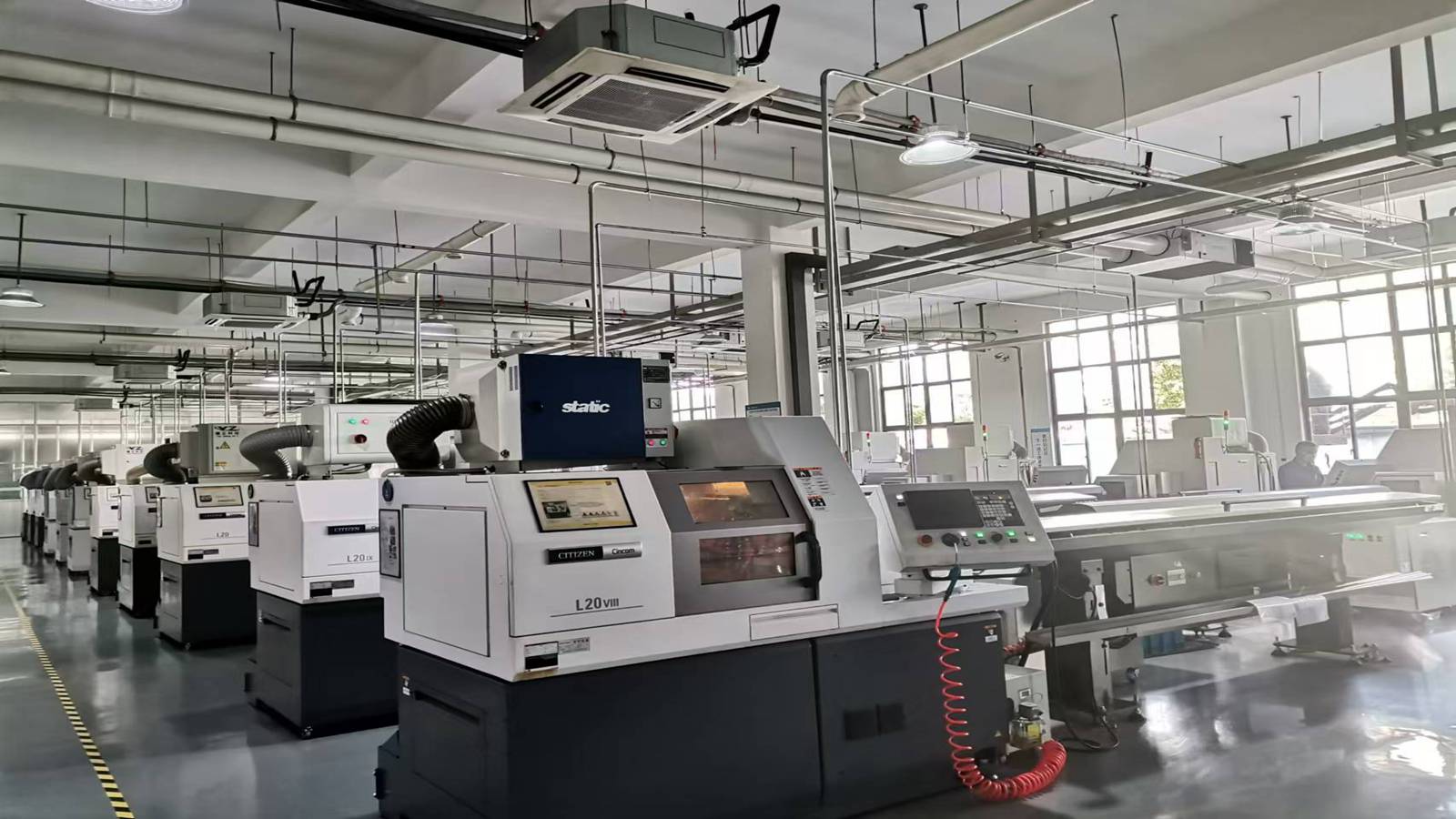
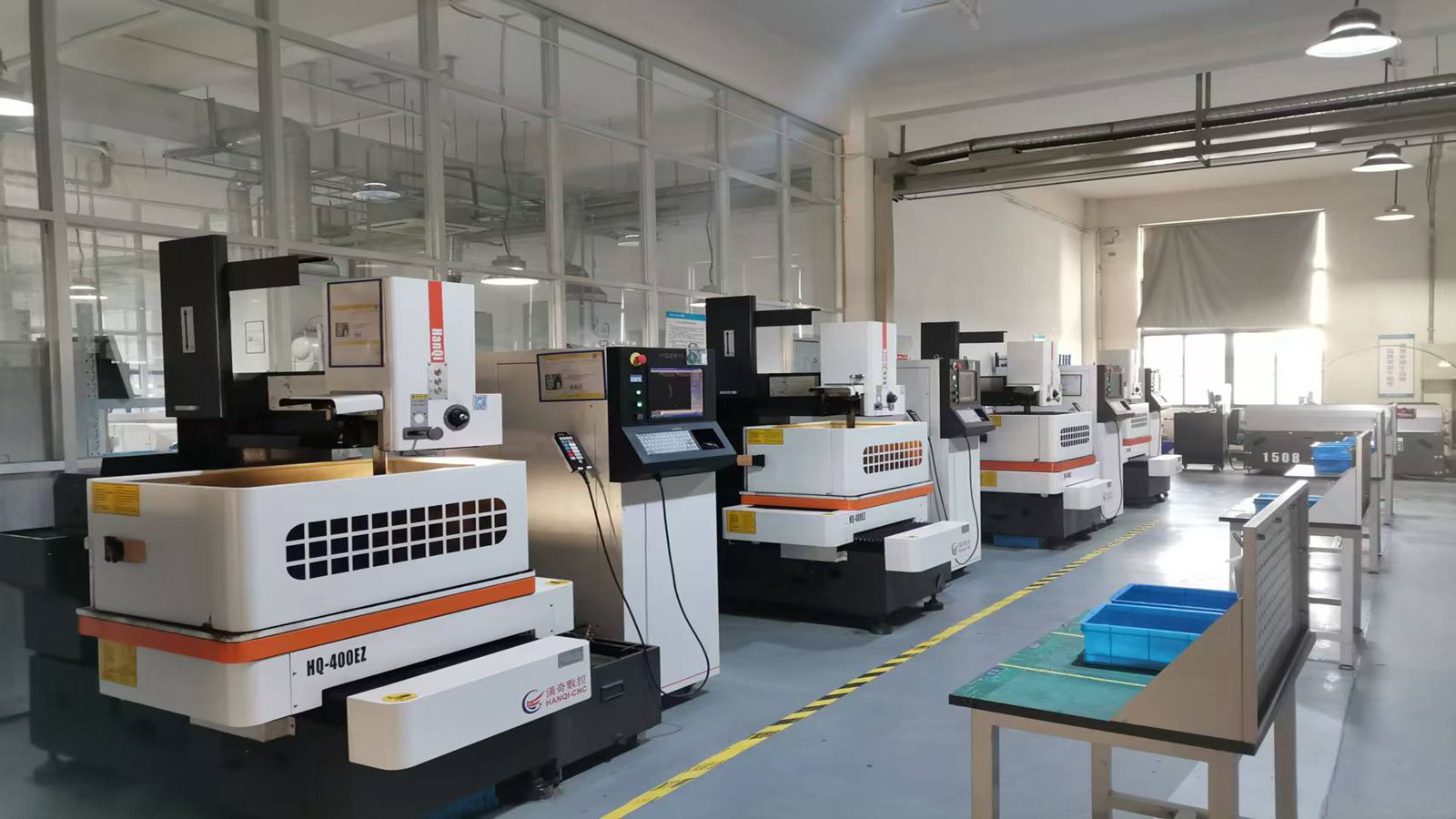
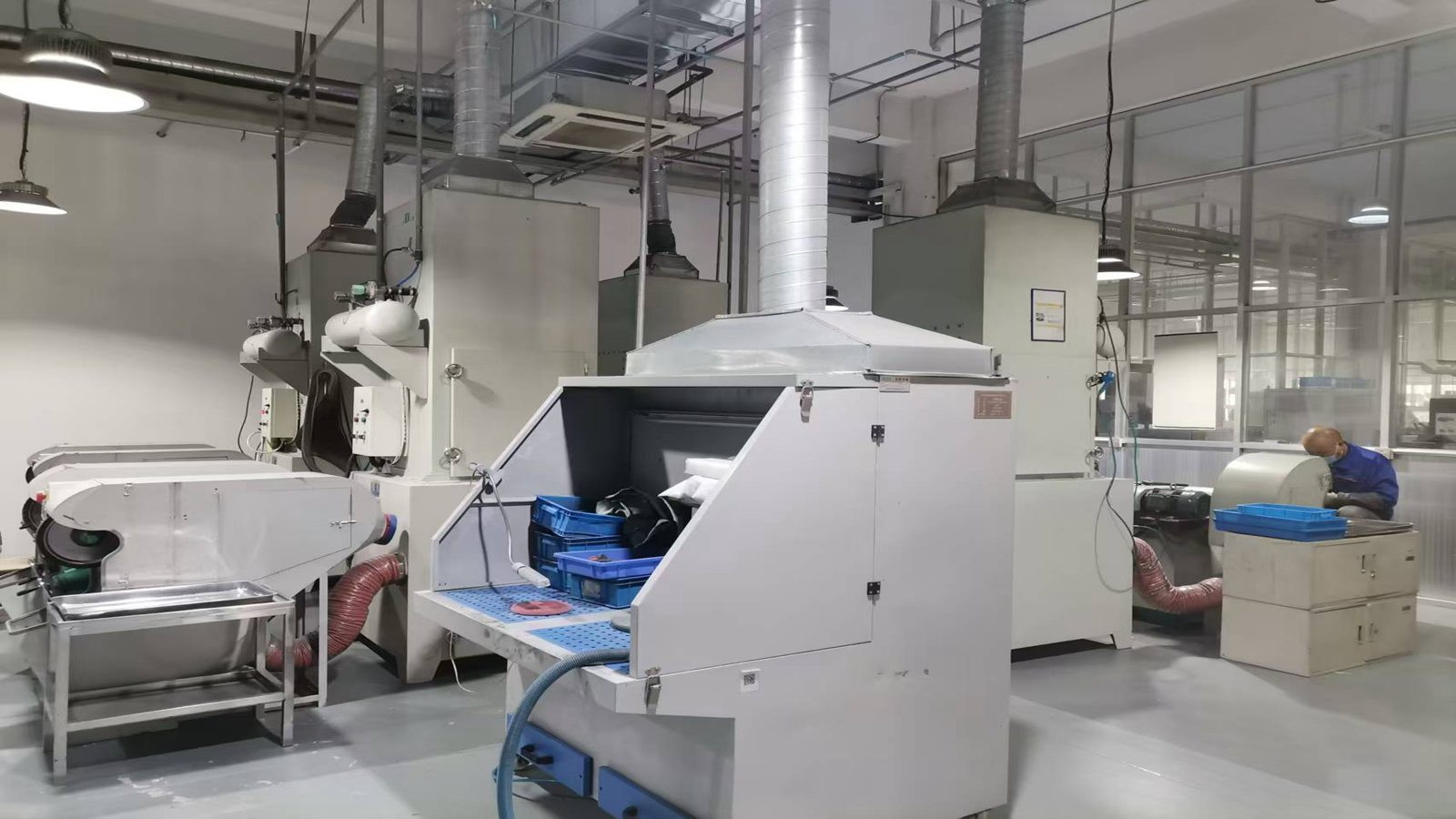
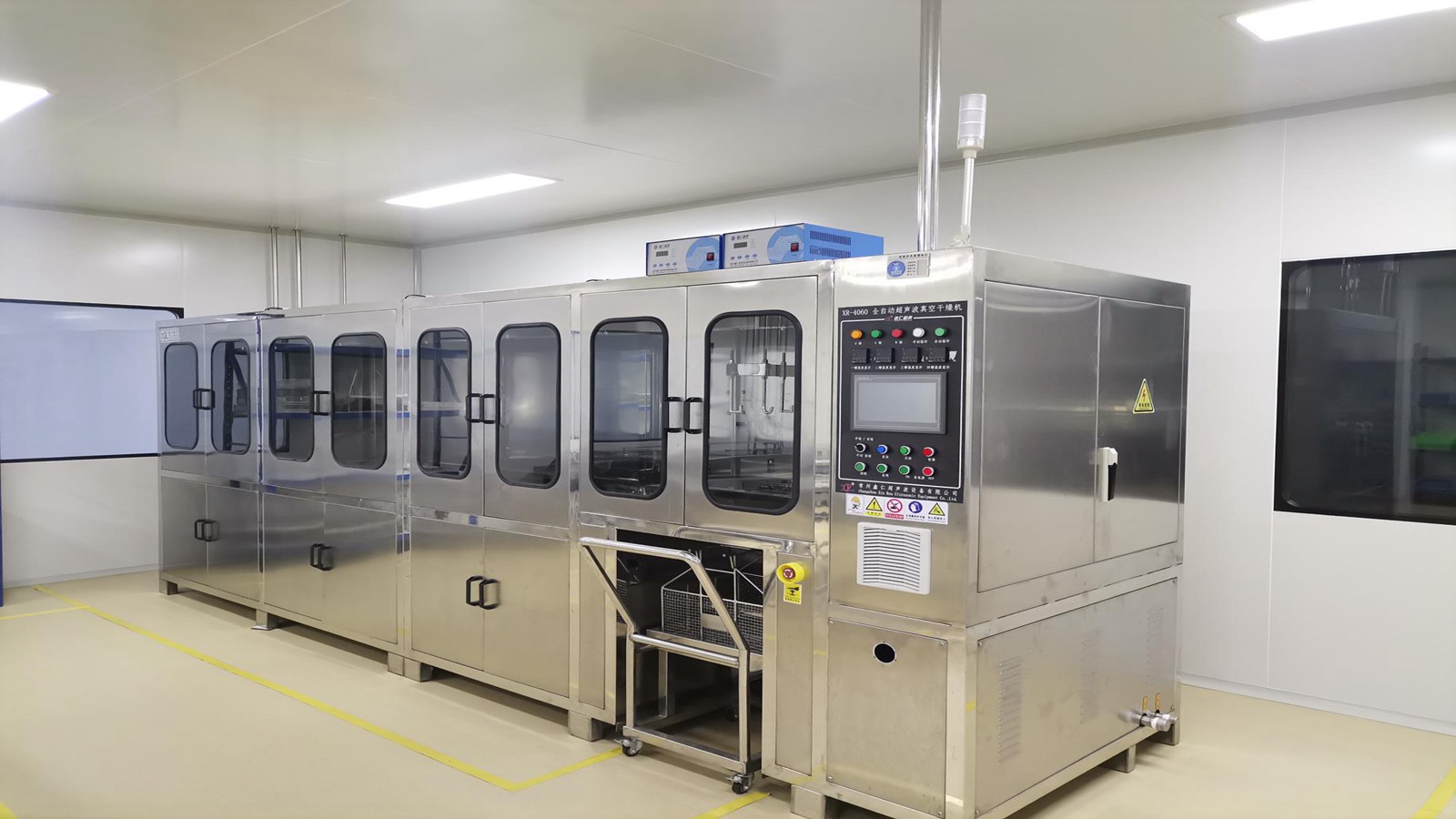
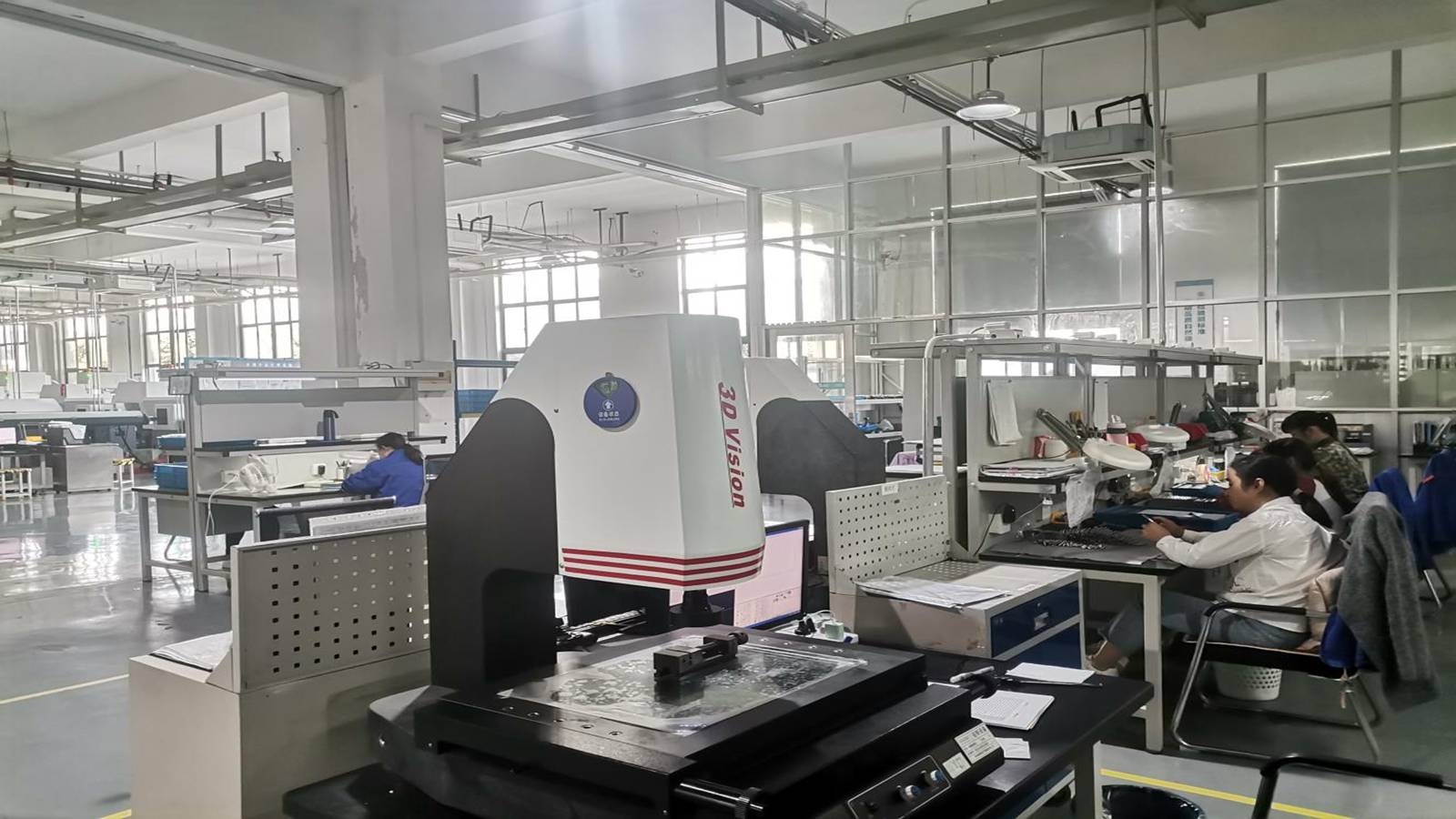
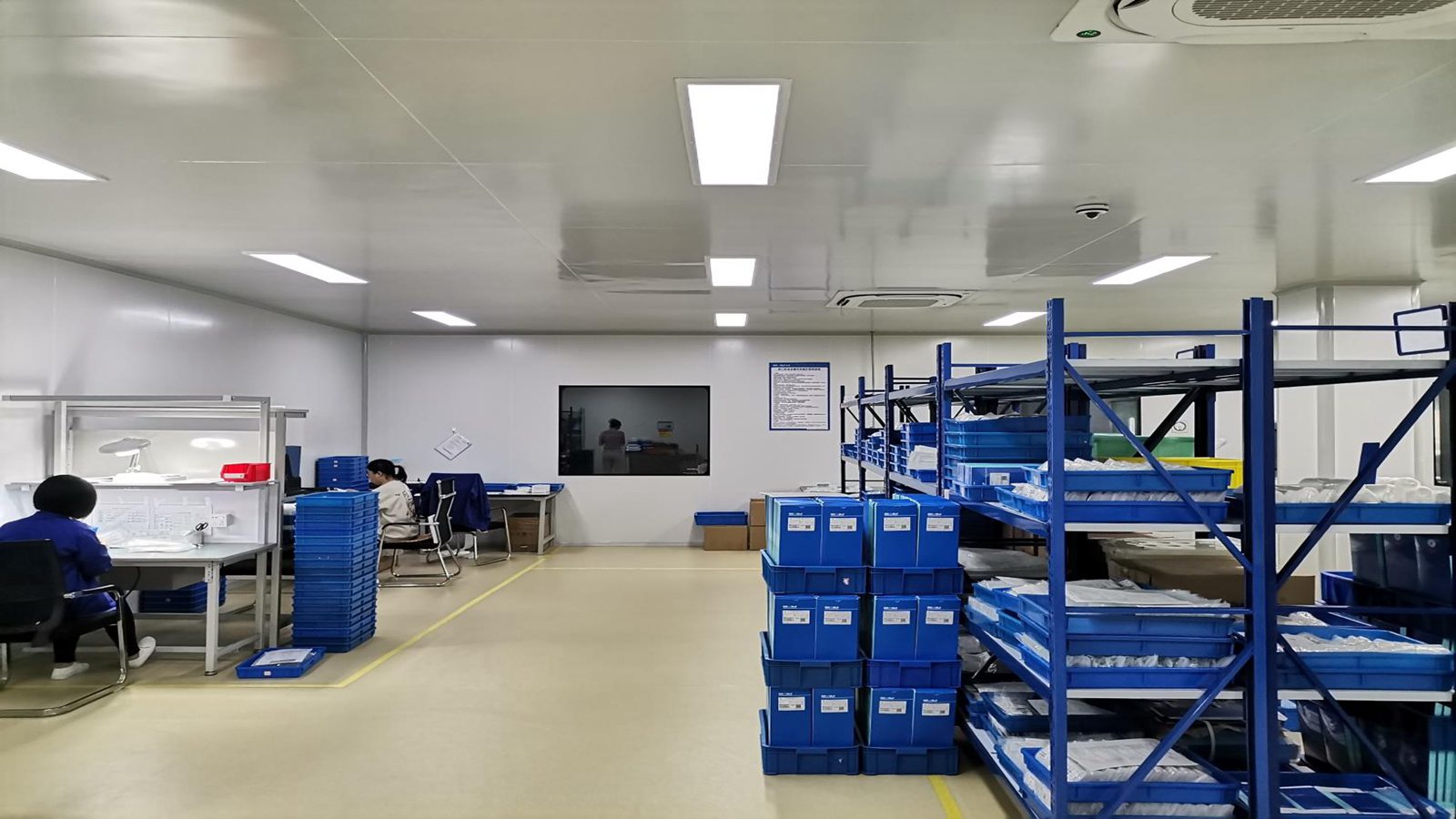
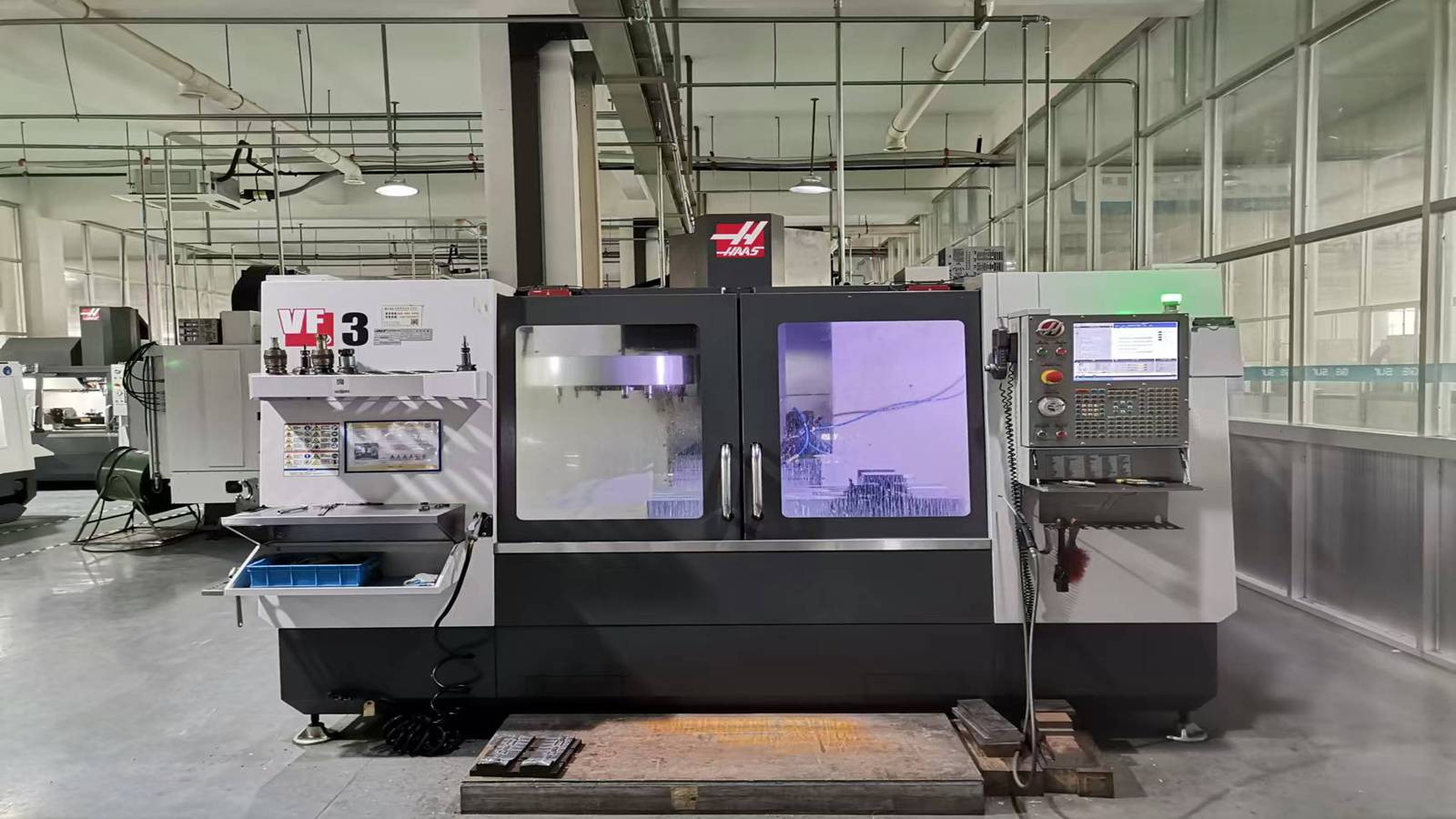
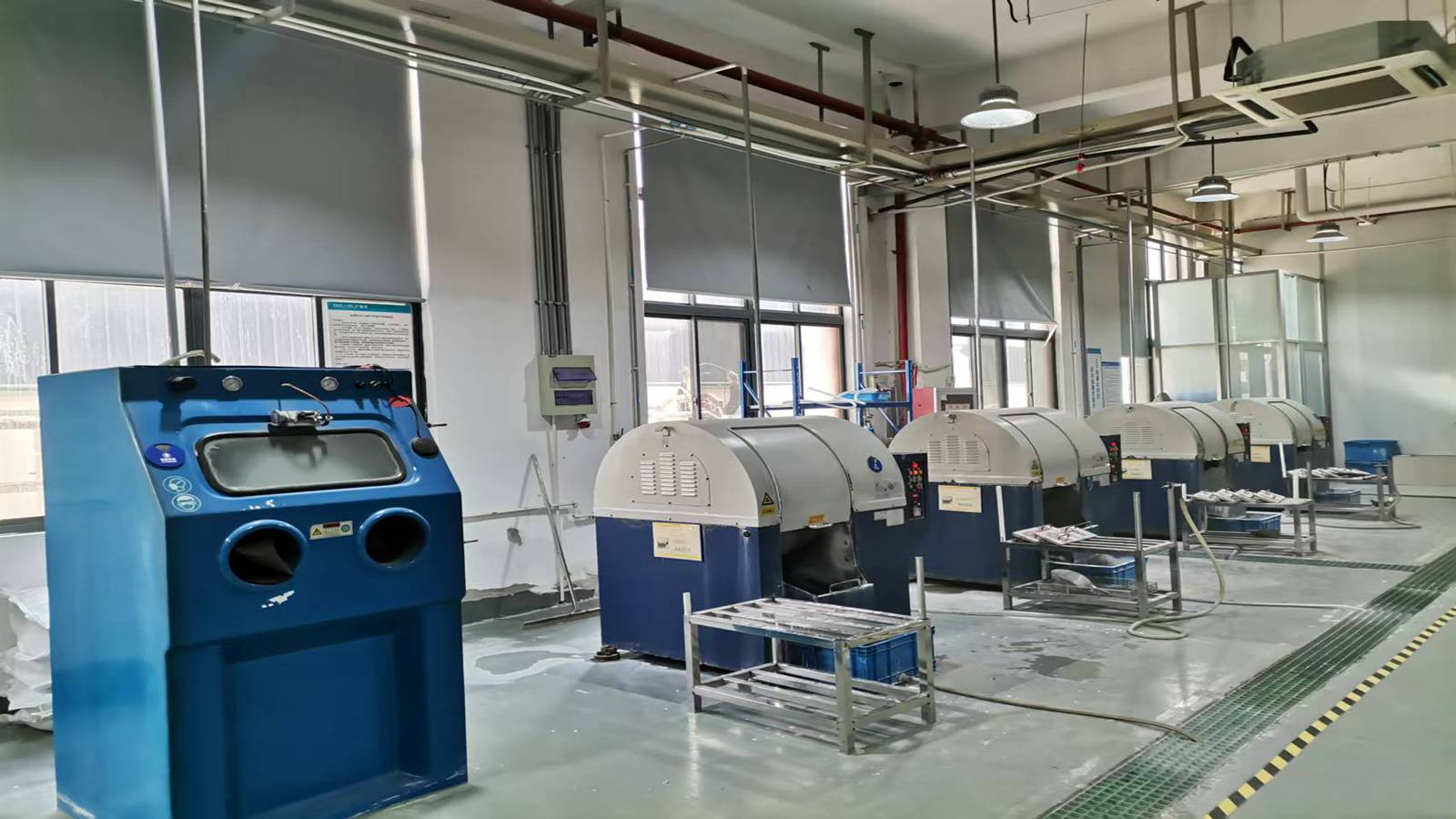
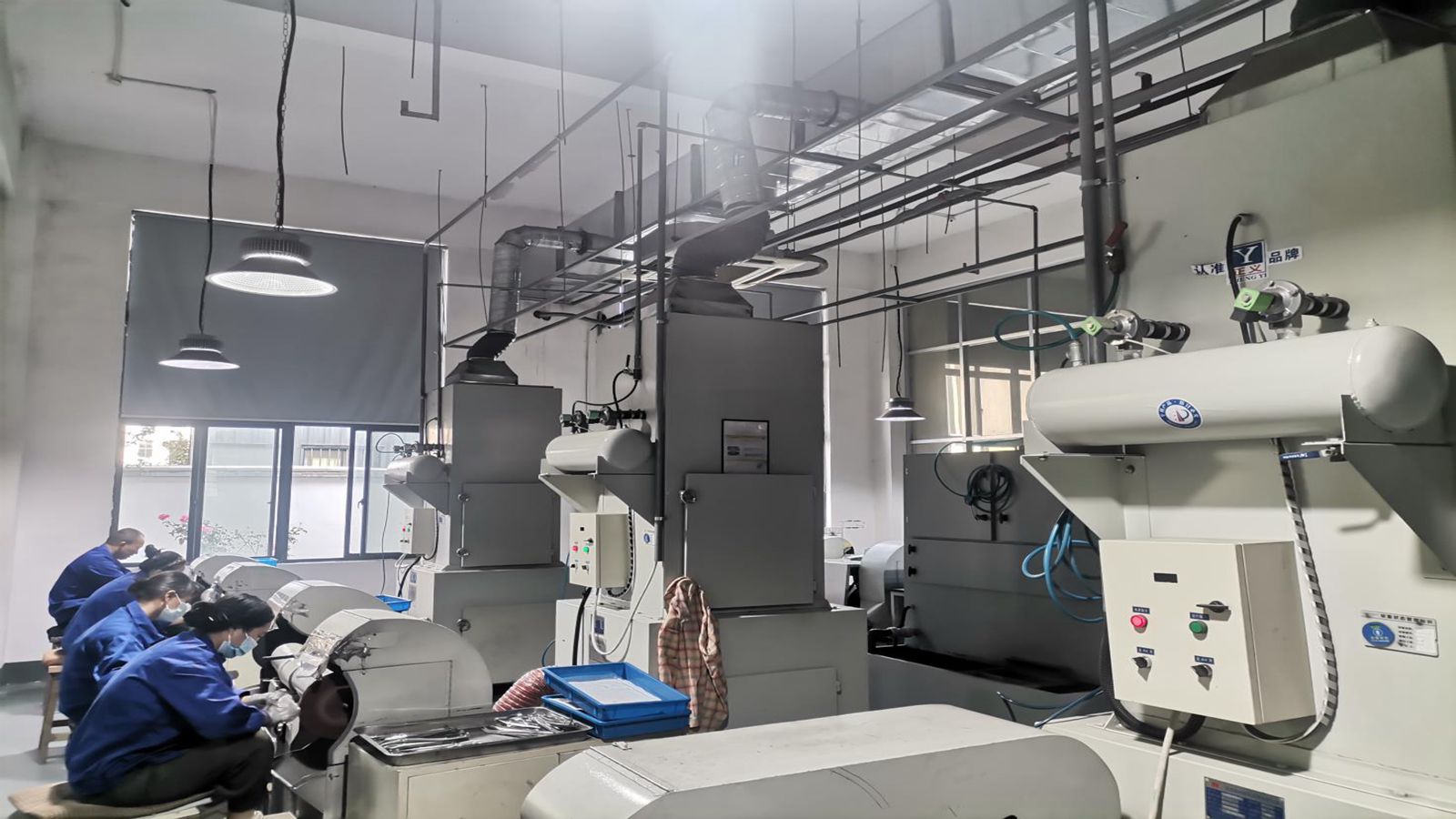
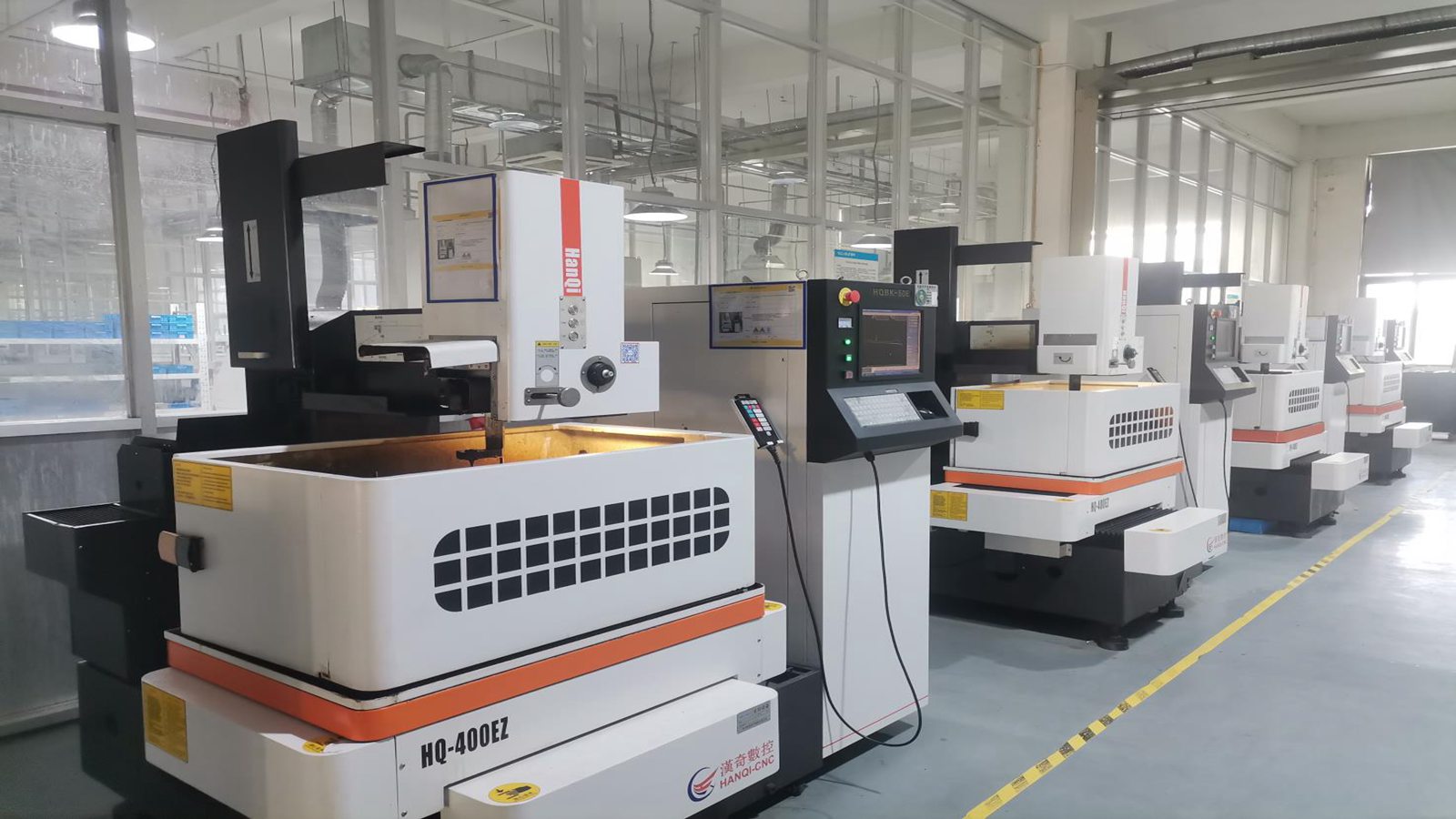
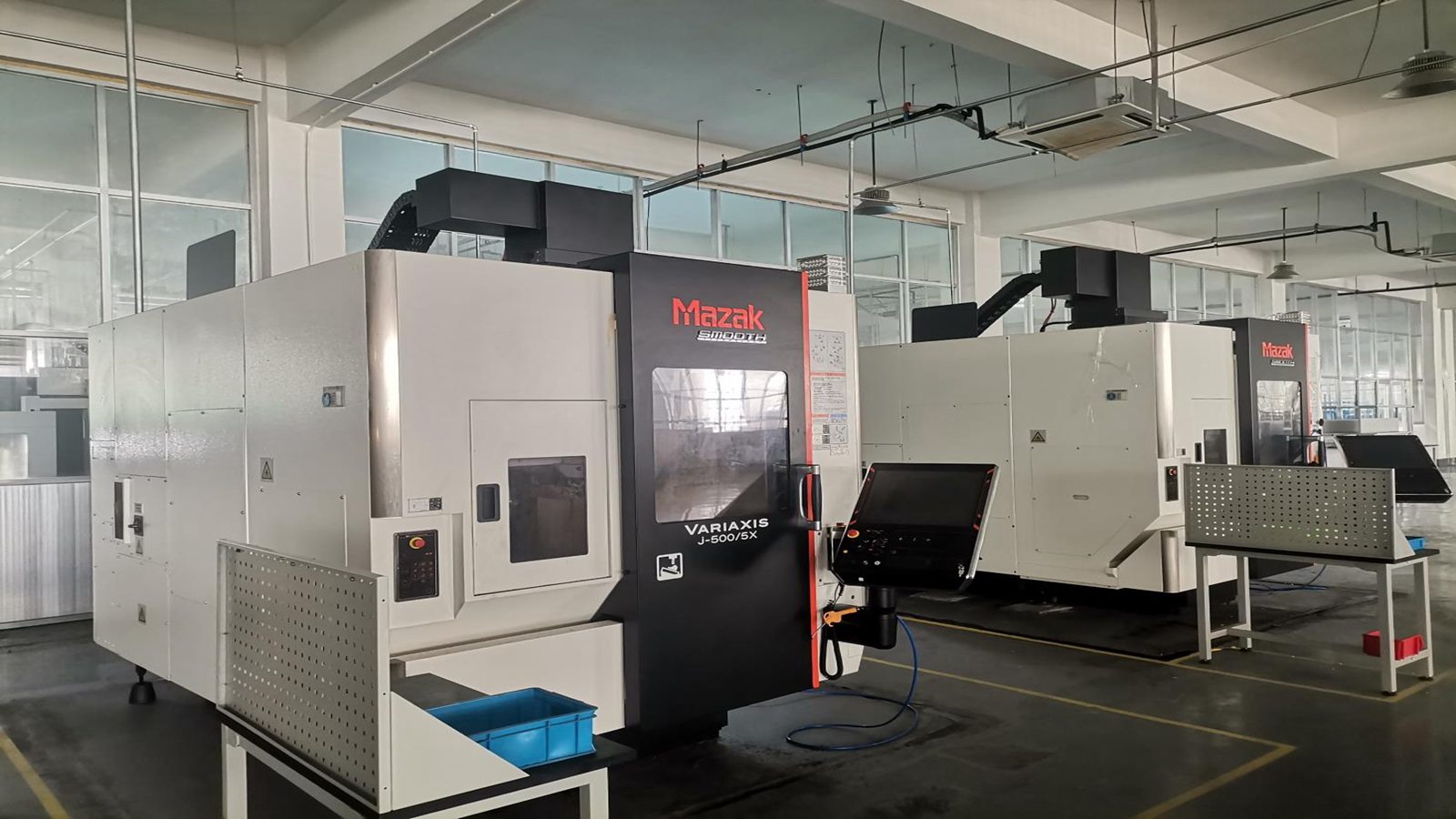
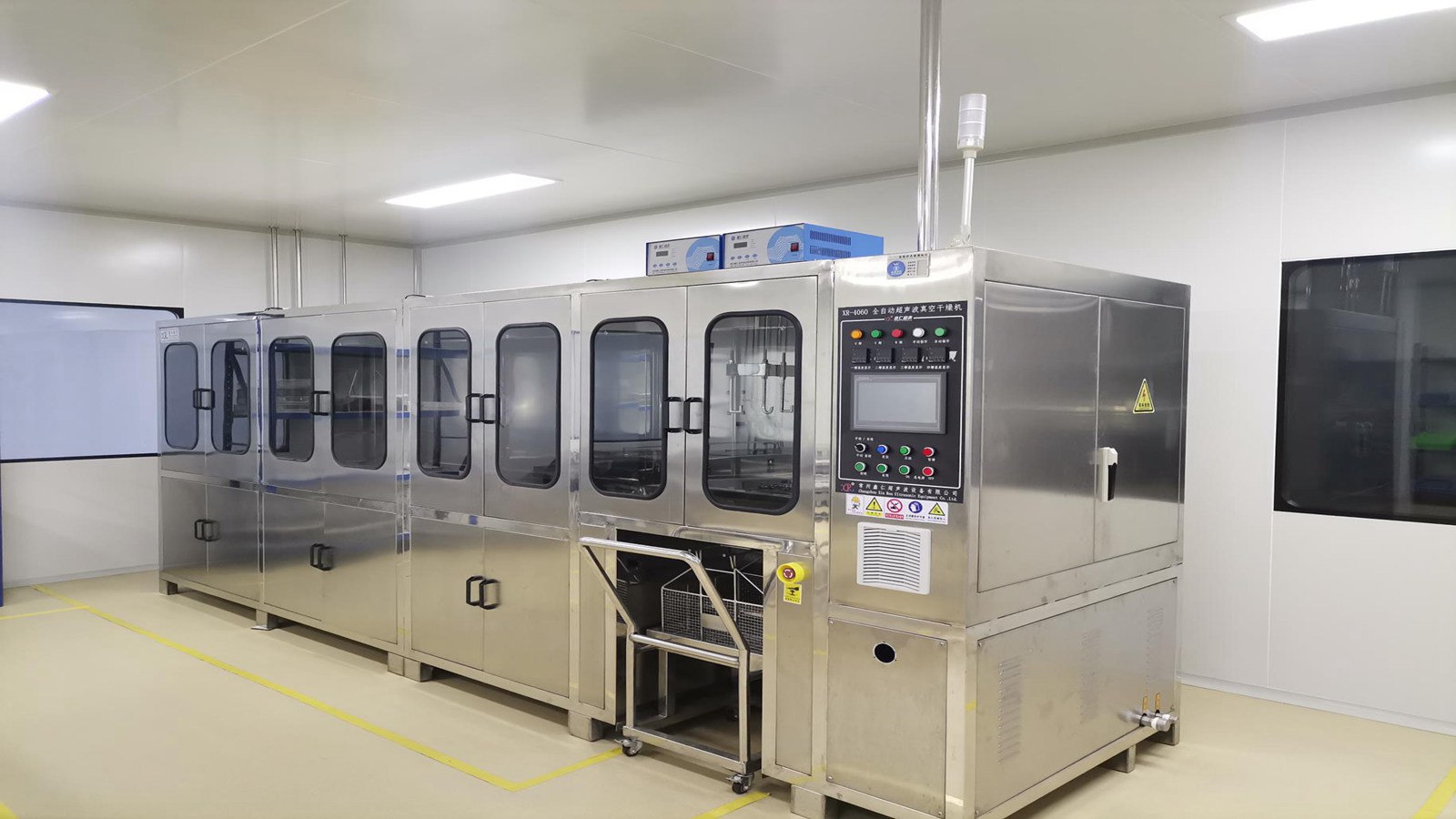
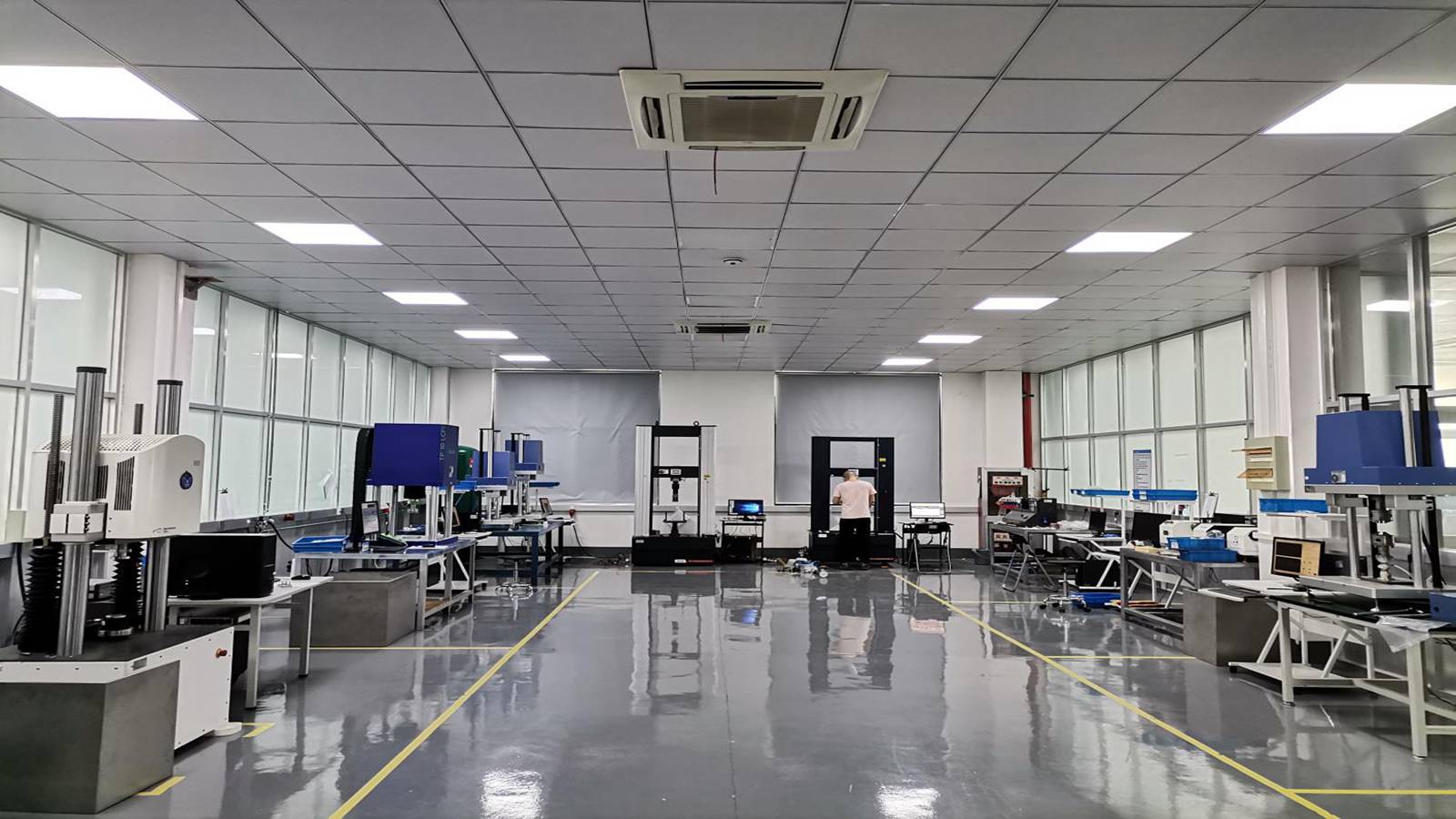
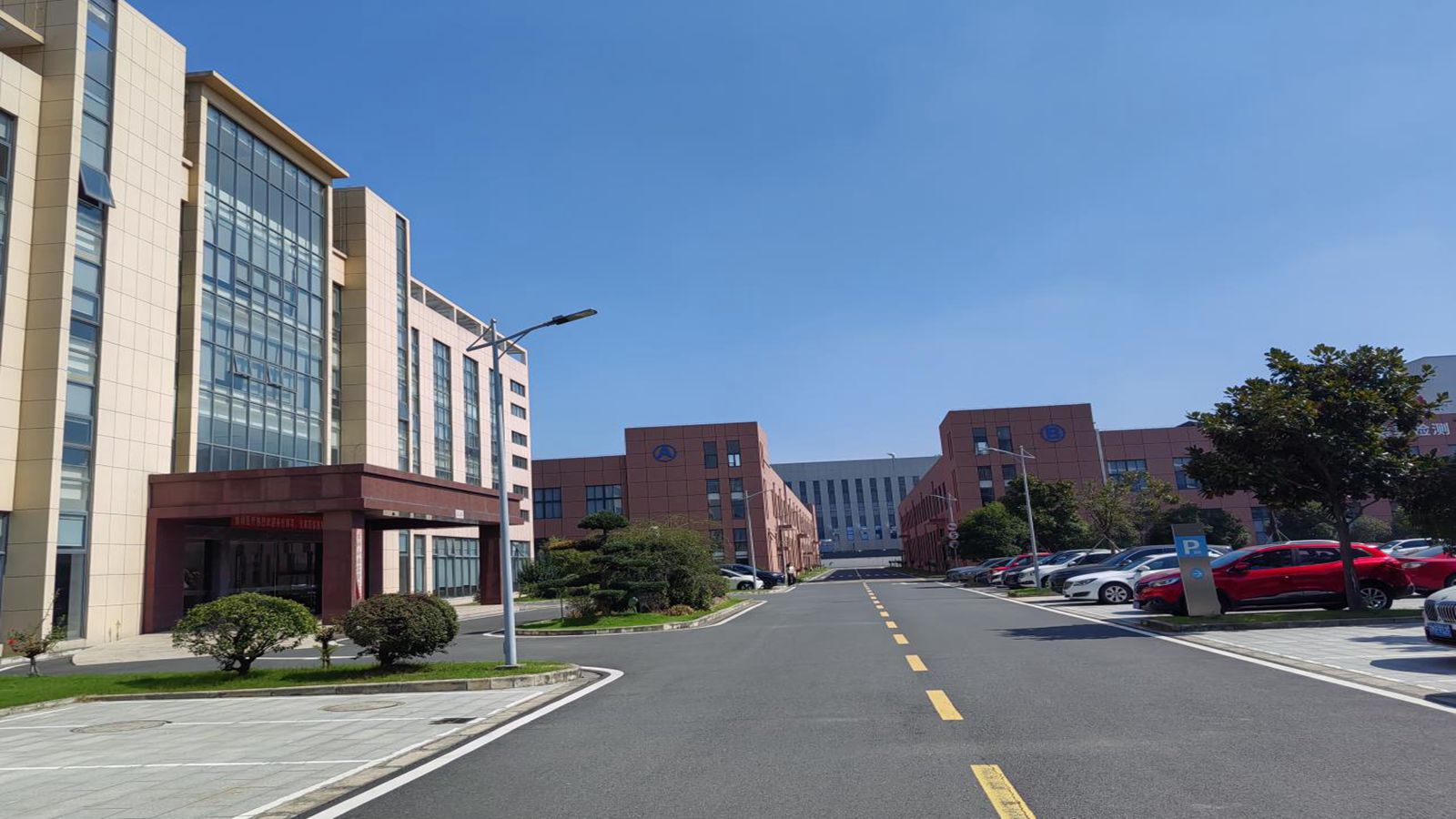
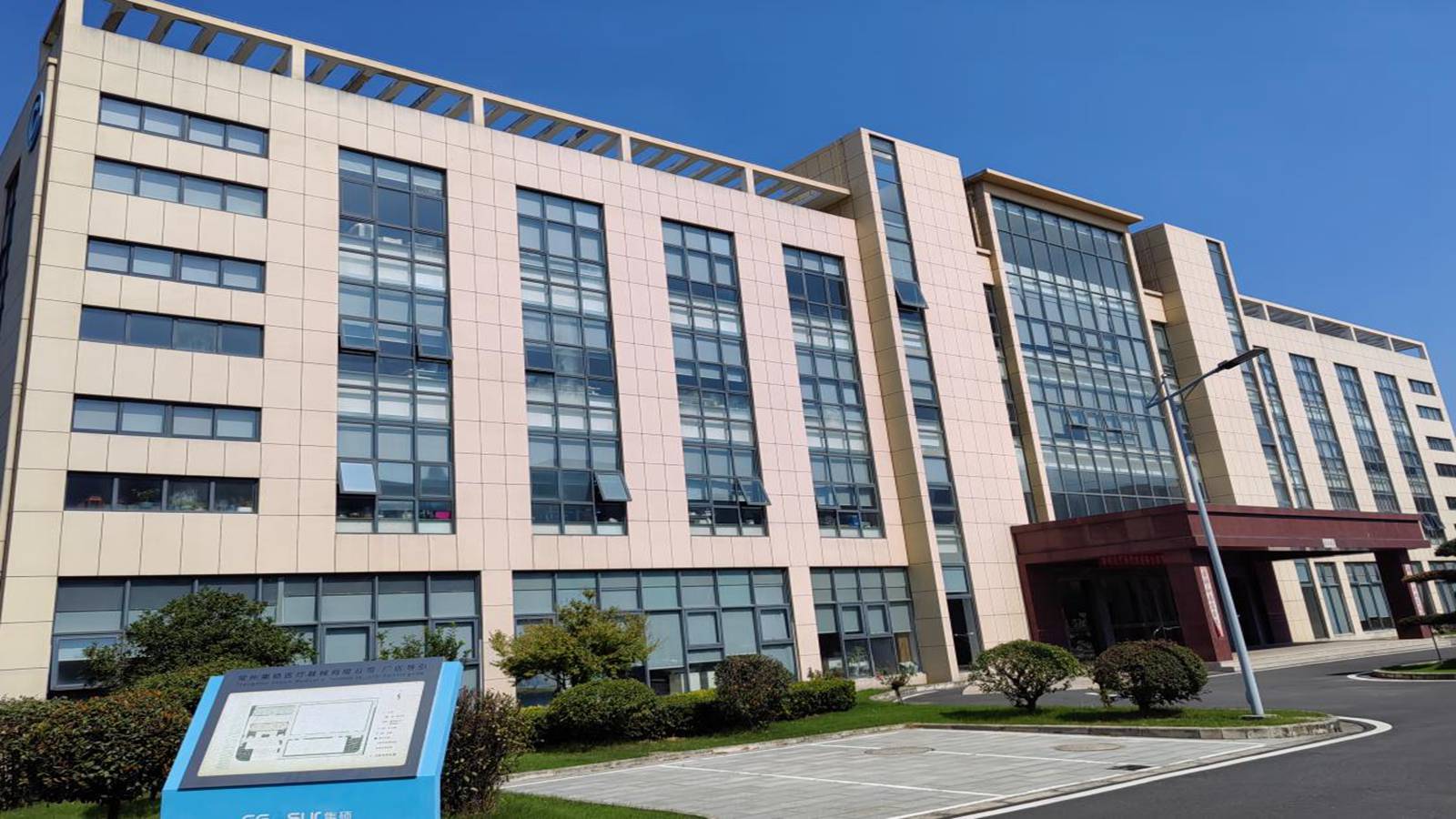
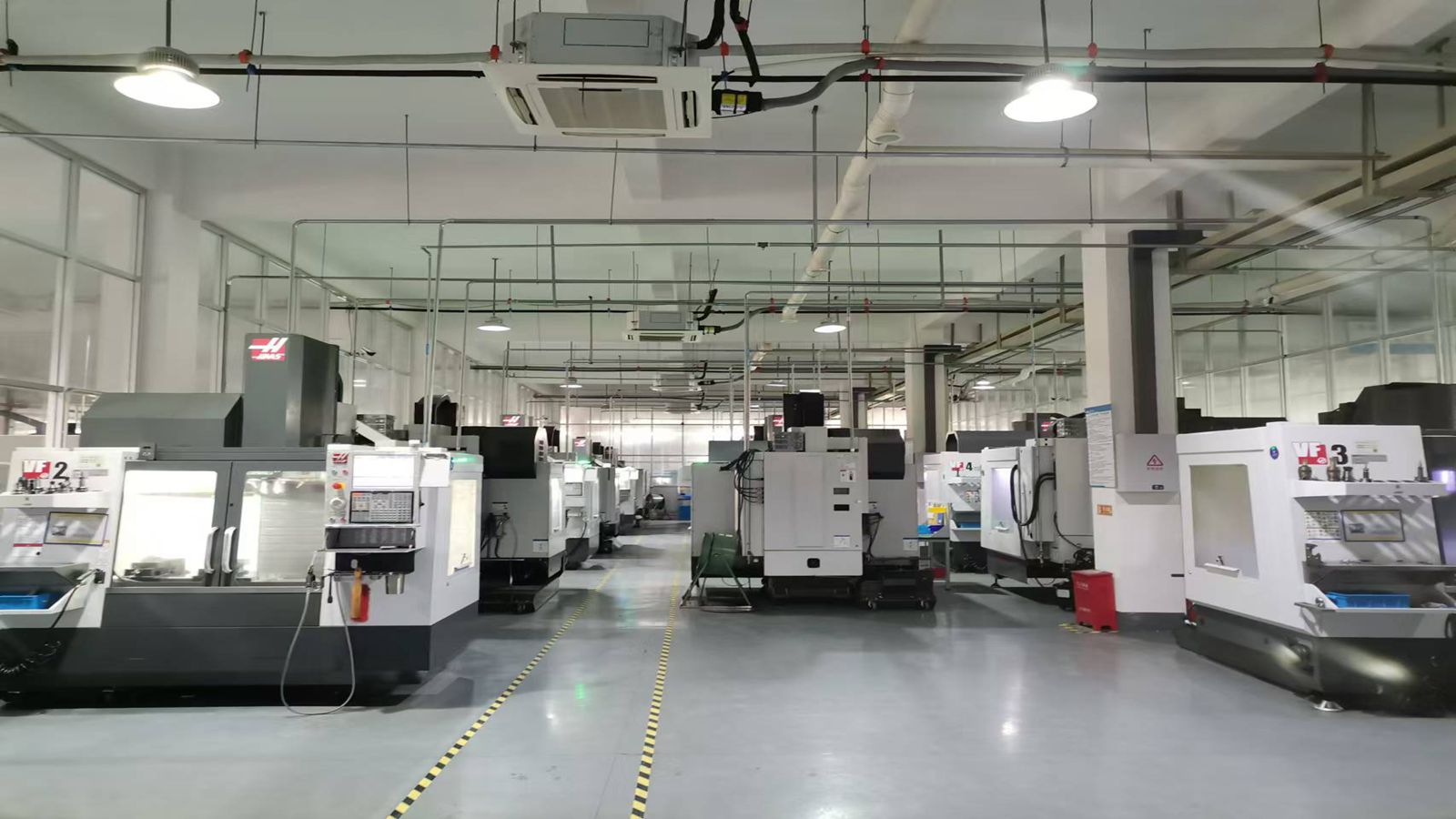
On a global scale, the interspinous spacer industry is moving toward "Dynamic Stabilization." Our manufacturing facility, spanning over 30,000㎡, integrates AI-driven precision machining to ensure every titanium implant meets the highest international standards. We leverage Class III Medical Device protocols, ensuring that our supply chain to Ireland is backed by rigorous ISO13485 and CE certifications (MDR compliant), providing Irish hospitals with a reliable alternative to traditional fusion hardware.
Precision CNC Machines
R&D Specialist Engineers
Annual Product Innovations
Global Export Authority
Irish healthcare providers, from the Mater Private Hospital to St. James's Hospital, require solutions that fit into the specific "Patient Pathway" of the Irish system. Our Interspinous Spacers are designed for:
1. Ambulatory Surgery Centers: Many Irish private clinics are moving toward day-case spine surgery. Our spacers allow for rapid patient mobilization, fitting perfectly into the "Enhanced Recovery After Surgery" (ERAS) protocols common in modern Irish orthopedics.
2. Revision Surgery Management: For patients where traditional fusion has failed or where adjacent segment disease is a concern, our spacers provide a non-destructive stabilization option.
3. Advanced Material Science: We utilize Grade 5 Titanium Alloy (Ti-6Al-4V ELI), which provides superior fatigue resistance compared to standard alloys, essential for the high-activity profiles of many Irish patients.
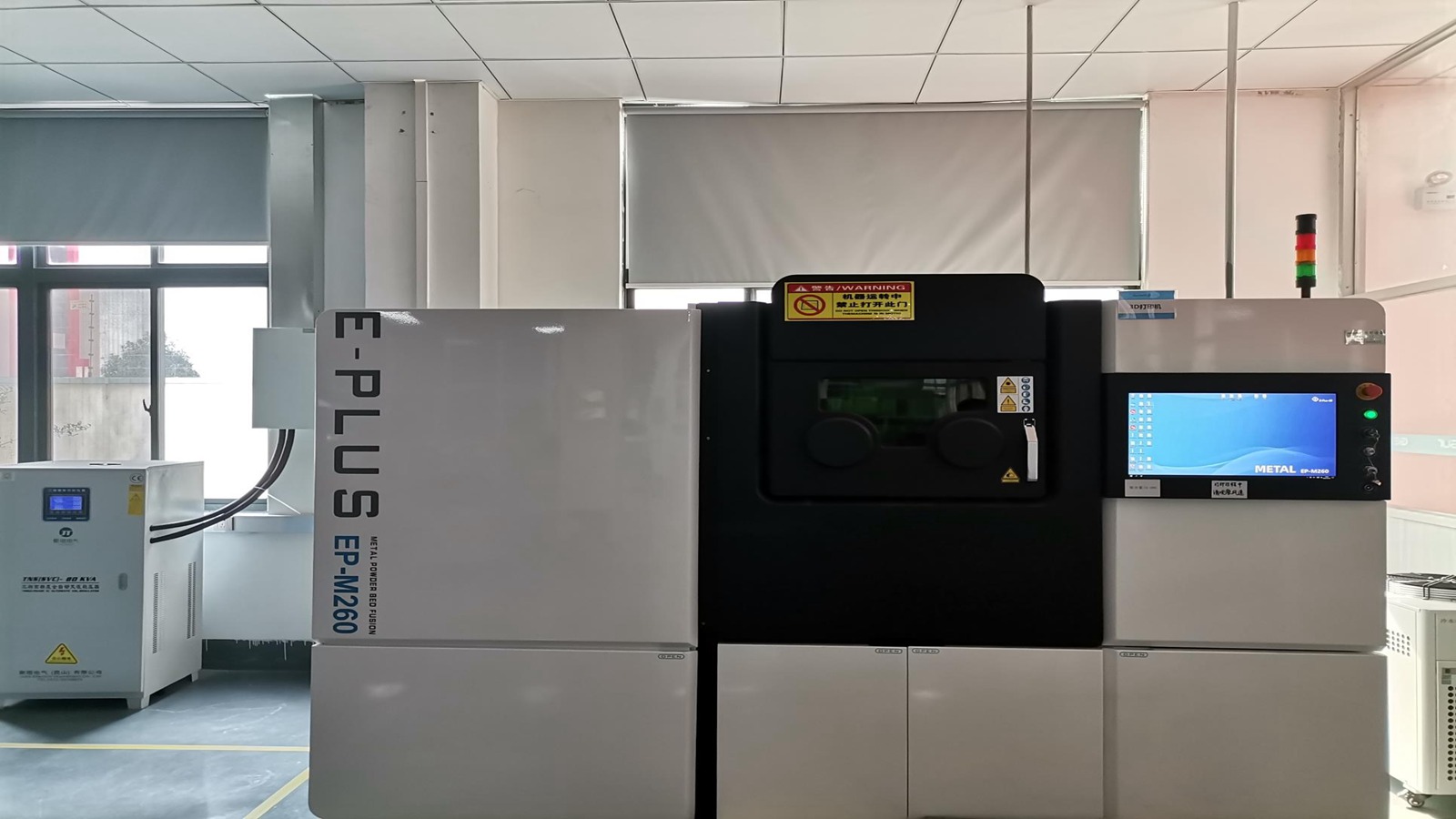
As we look toward 2025-2030, our R&D team is focusing on Bio-Integrative Interspinous Spacers and 3D-printed porous structures that encourage bone ingrowth where necessary, while maintaining flexibility. We are also exploring the integration of Smart Sensors within implants to monitor post-operative load distribution—a leap forward in digital healthcare for the Irish market.
| Feature | Specification / Detail |
|---|---|
| Registration & Floor Space | Established 2015, 30,343㎡ Advanced Manufacturing Campus |
| Production Capacity | 12 Integrated Lines, 120+ High-Precision Machines |
| Compliance & Quality | ISO13485, EN ISO 13485, CE (MDR), MDSAP Certified |
| R&D Intelligence | 31 Engineers (including Doctorate & Post-Graduate specialists) |
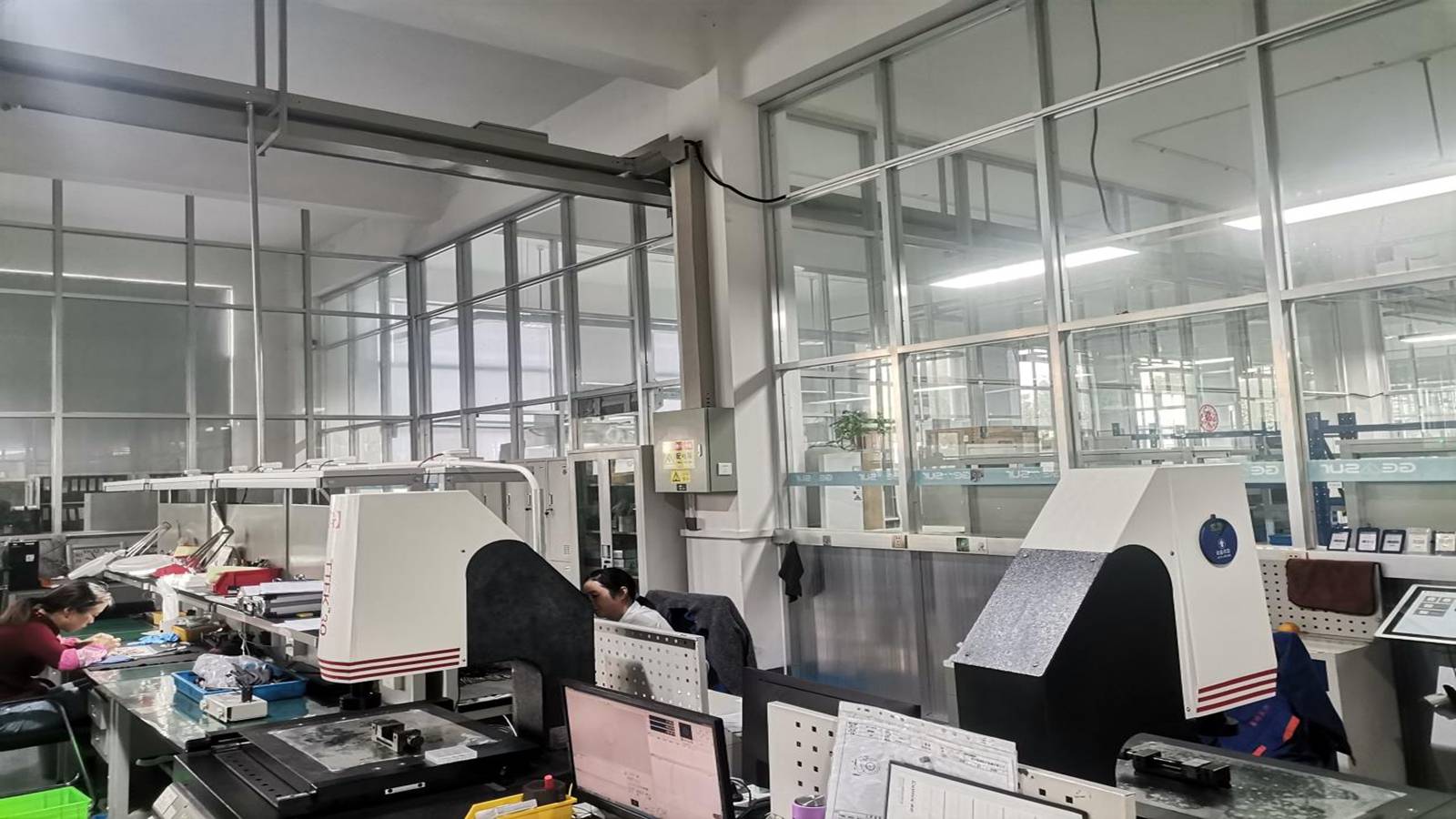
| Inspection Method | 100% Product Inspection + Traceability of Raw Materials |




Supporting Total Hospital Solutions from Trauma to Elective Spine Surgery
Interspinous spacers are primarily indicated for patients with moderate Lumbar Spinal Stenosis (LSS) who experience neurogenic claudication—pain or numbness in the legs that is relieved by leaning forward. In Ireland, this is a popular alternative for patients who are not candidates for major fusion surgery but have not responded to conservative therapies like physical therapy or injections.
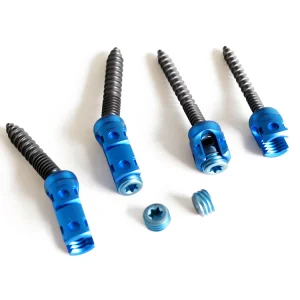
Yes, all our spinal implants, including interspinous spacers and pedicle screws, are CE marked and comply with the latest European Medical Device Regulation (MDR 2017/745). This ensures they meet the stringent safety and performance requirements necessary for use in both HSE public hospitals and private medical facilities across Ireland.
We provide comprehensive clinical support including hands-on workshops, surgical technique guides, and on-site clinical specialist support for initial cases. Our goal is to ensure that the "learning curve" for implementing our interspinous solutions is as short as possible for the surgical team.
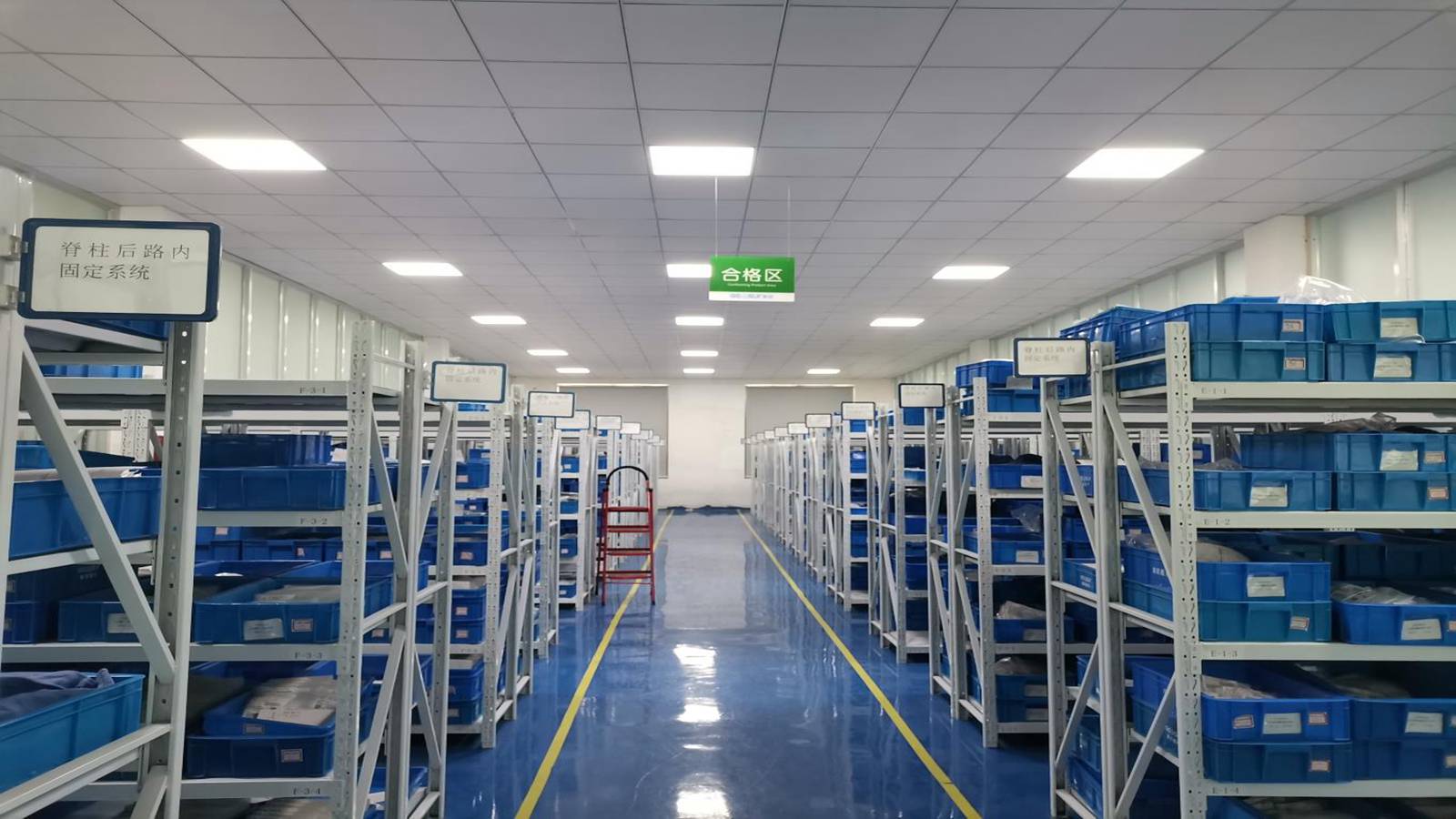
We maintain a robust logistics network. Standard implants are typically dispatched within 48 hours, and for large-scale hospital tenders in Ireland, we establish dedicated inventory buffer stocks to ensure 100% availability for scheduled surgeries.
Our spacers are designed for single or two-level decompression, typically from L1 to L5. The decision for multi-level application depends on the individual patient’s biomechanics and the surgeon's clinical assessment of spinal stability.