Ease Medical Apparatus And Instruments
Ease Medical Apparatus And Instruments
Ease Medical Apparatus And Instruments
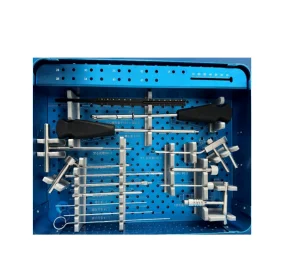
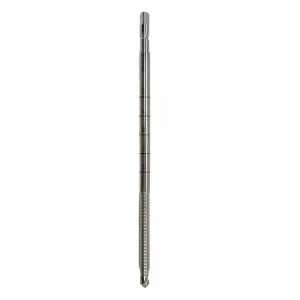
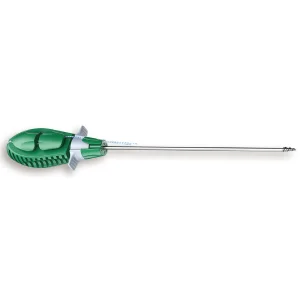
In the high-stakes realm of orthopedic surgery, the "Screw Expander" concept represents more than just a tool; it is a critical intersection of biomechanical engineering and clinical efficacy. As a leading hub for global medical manufacturing, China has transitioned from a high-volume producer to a specialized center for R&D-driven orthopedic solutions. This whitepaper explores the technological leap in titanium alloy fabrication, the rigorous quality standards required for MDR compliance, and why top-tier medical facilities are increasingly partnering with Chinese manufacturers for complex expansion and fixation systems.
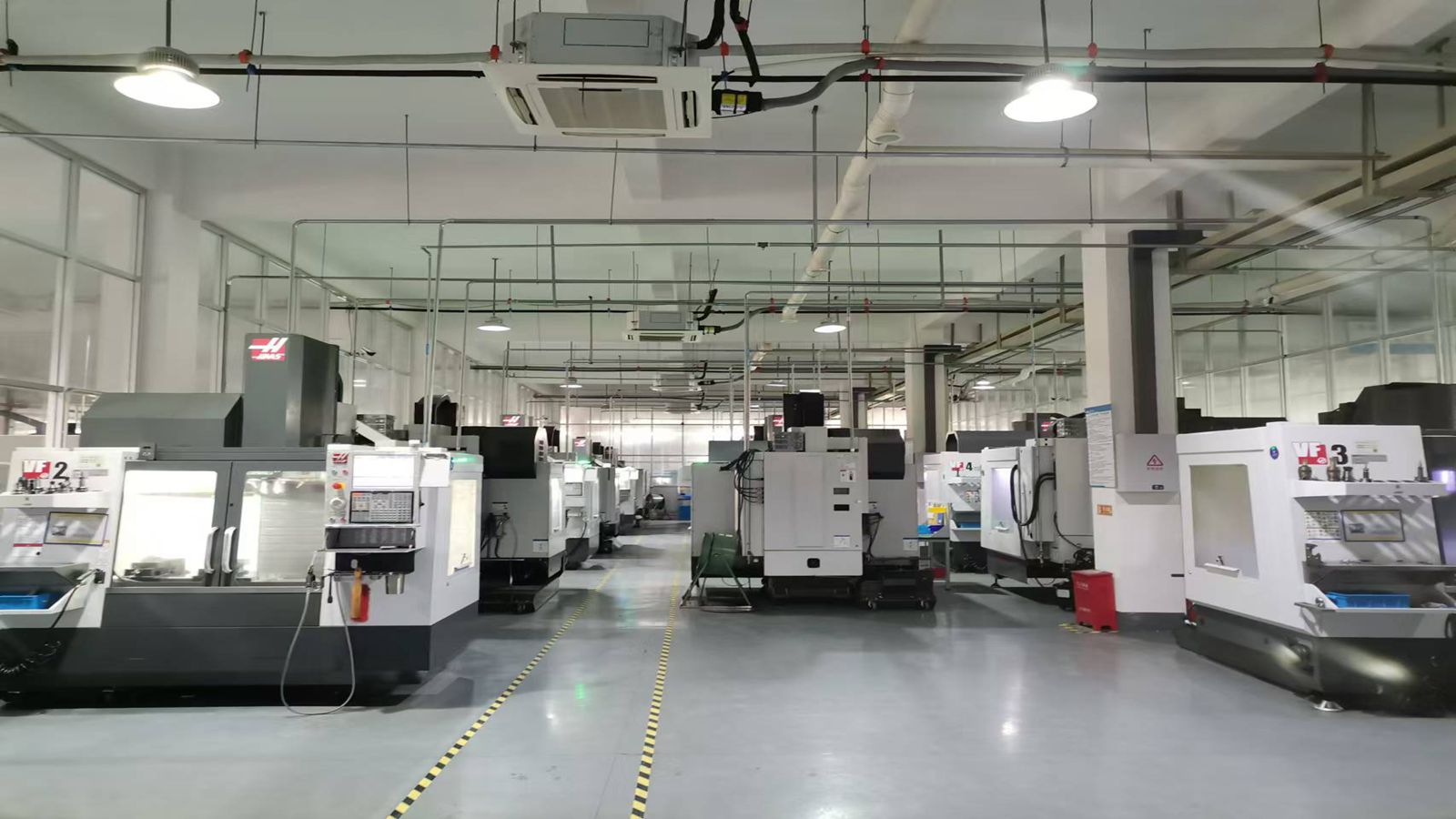
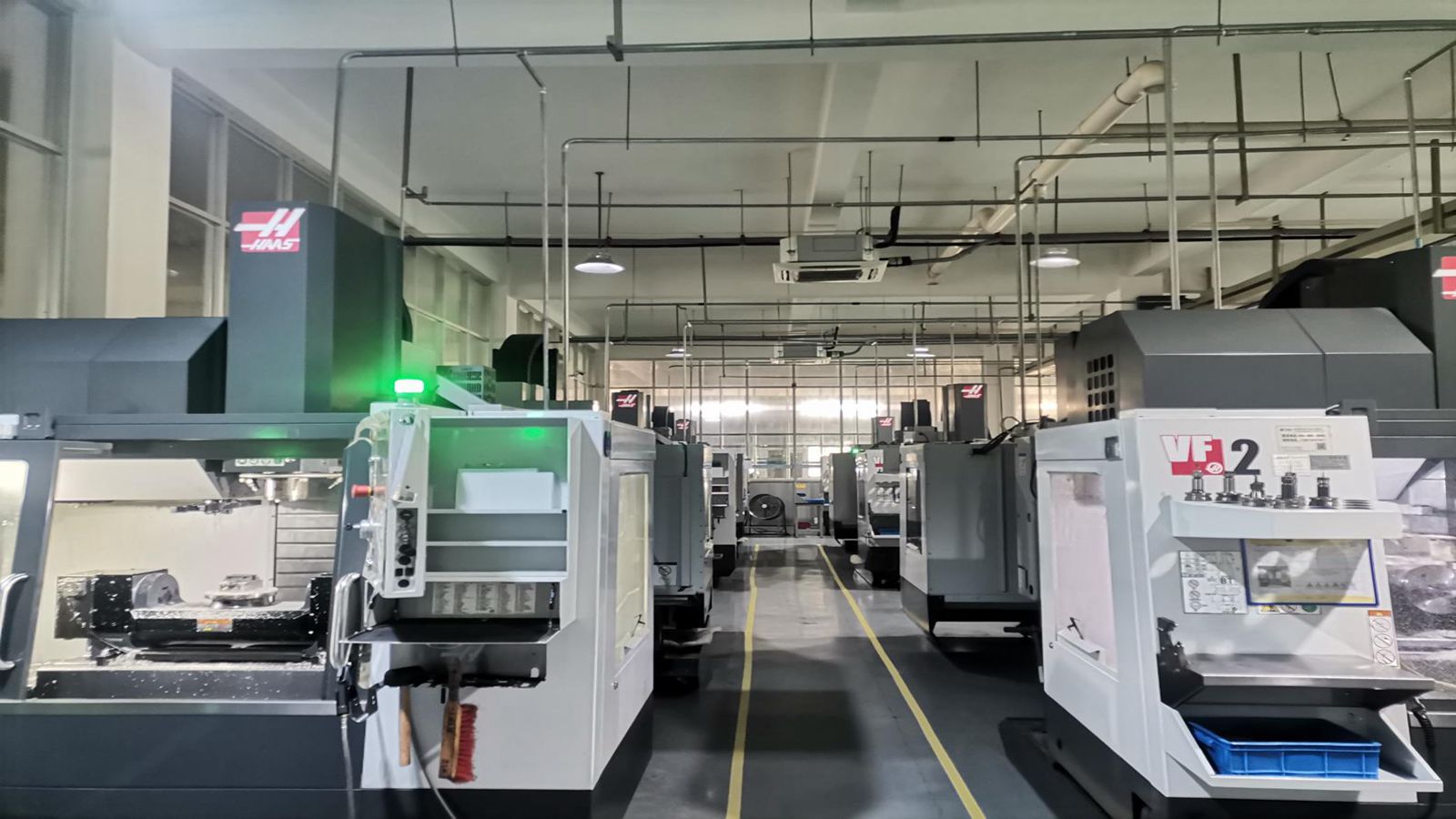
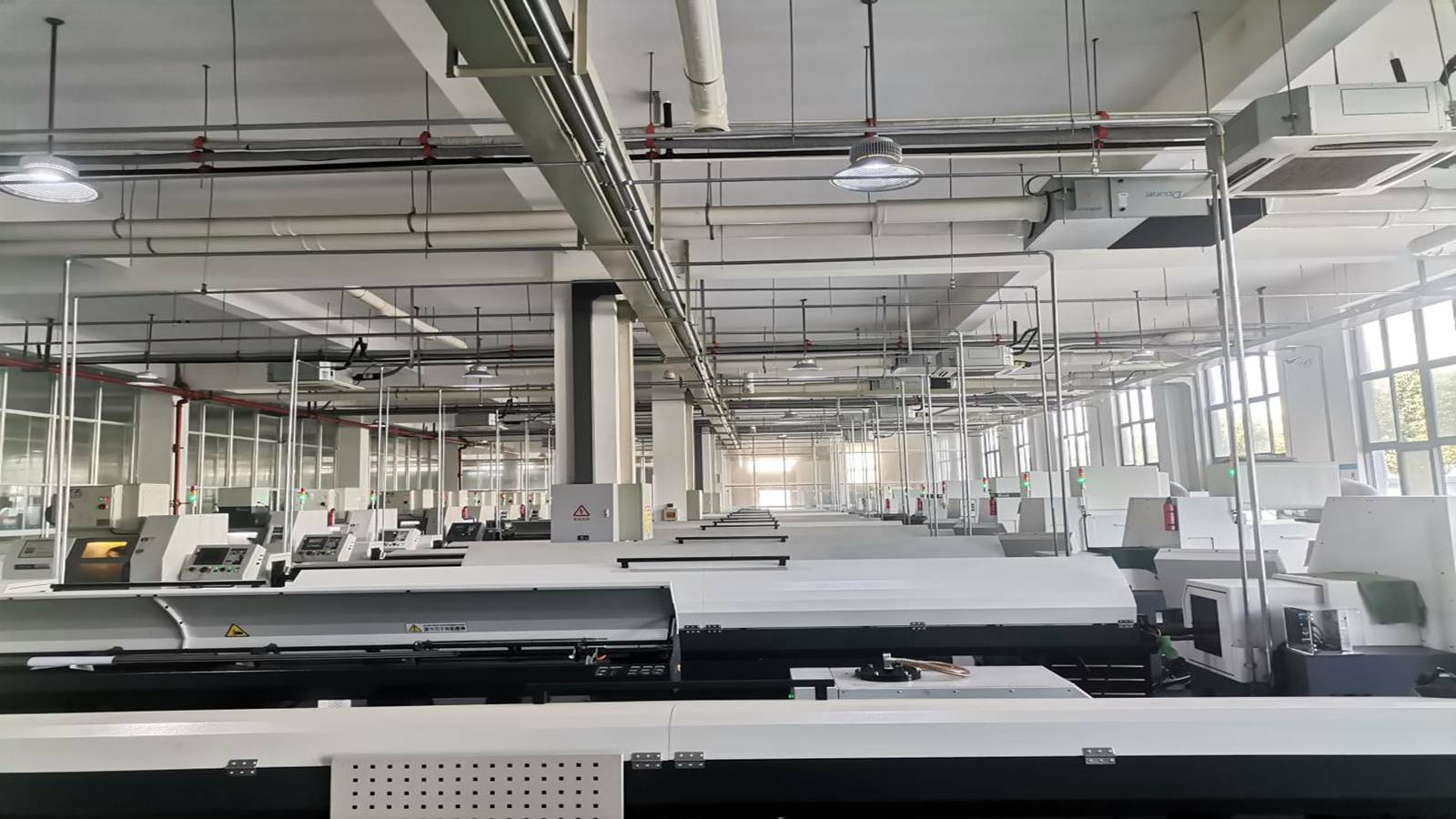
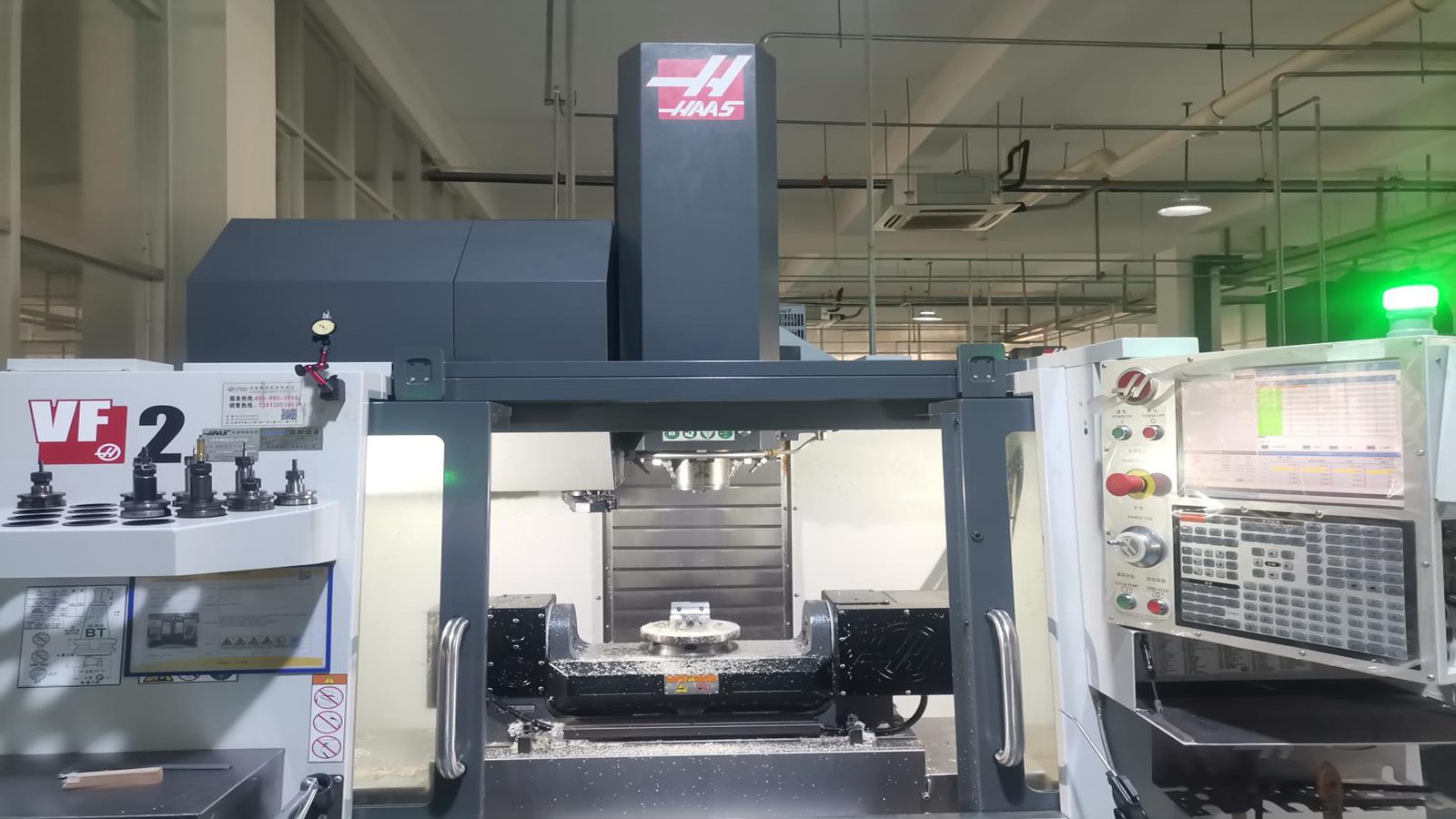
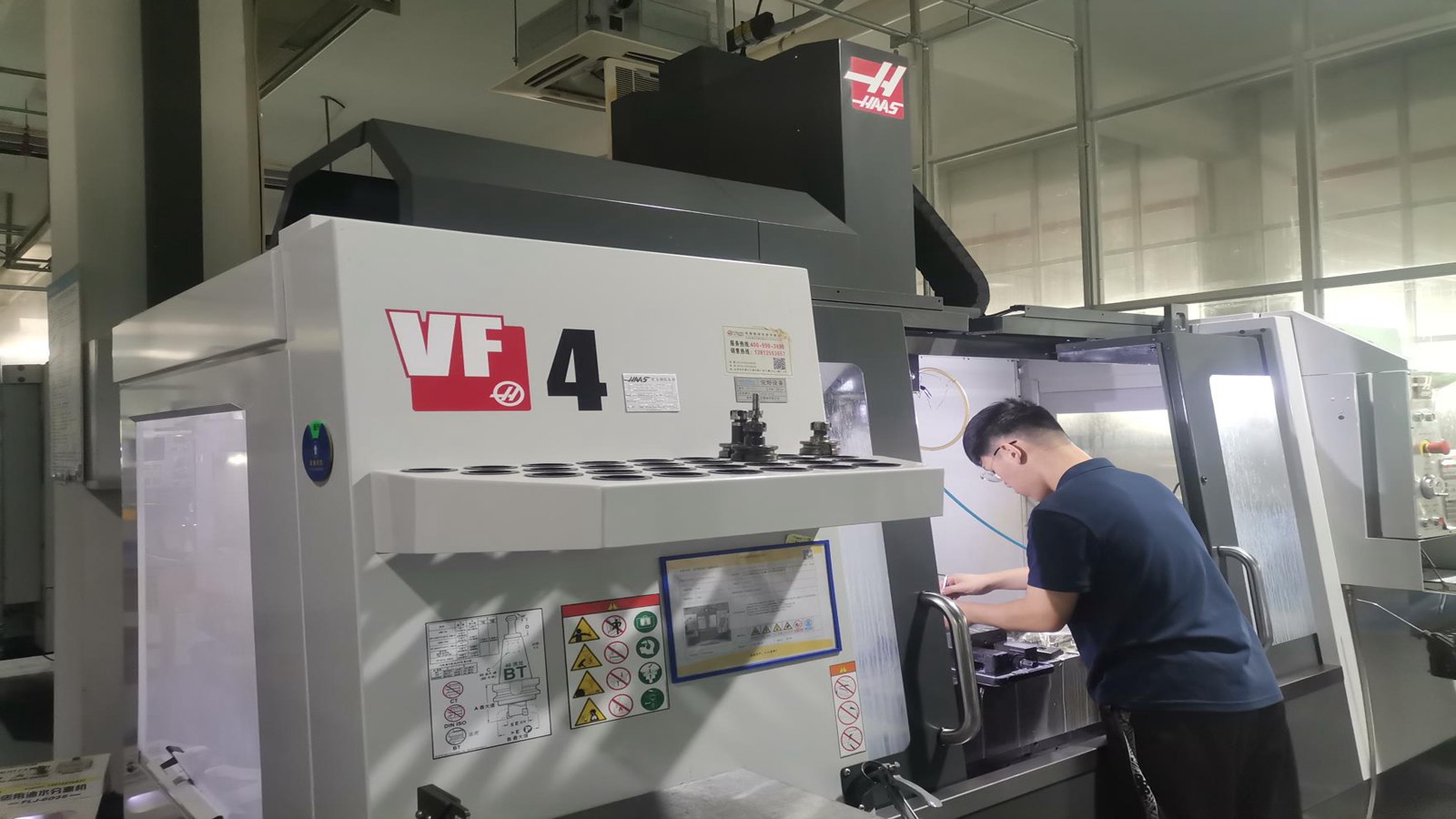
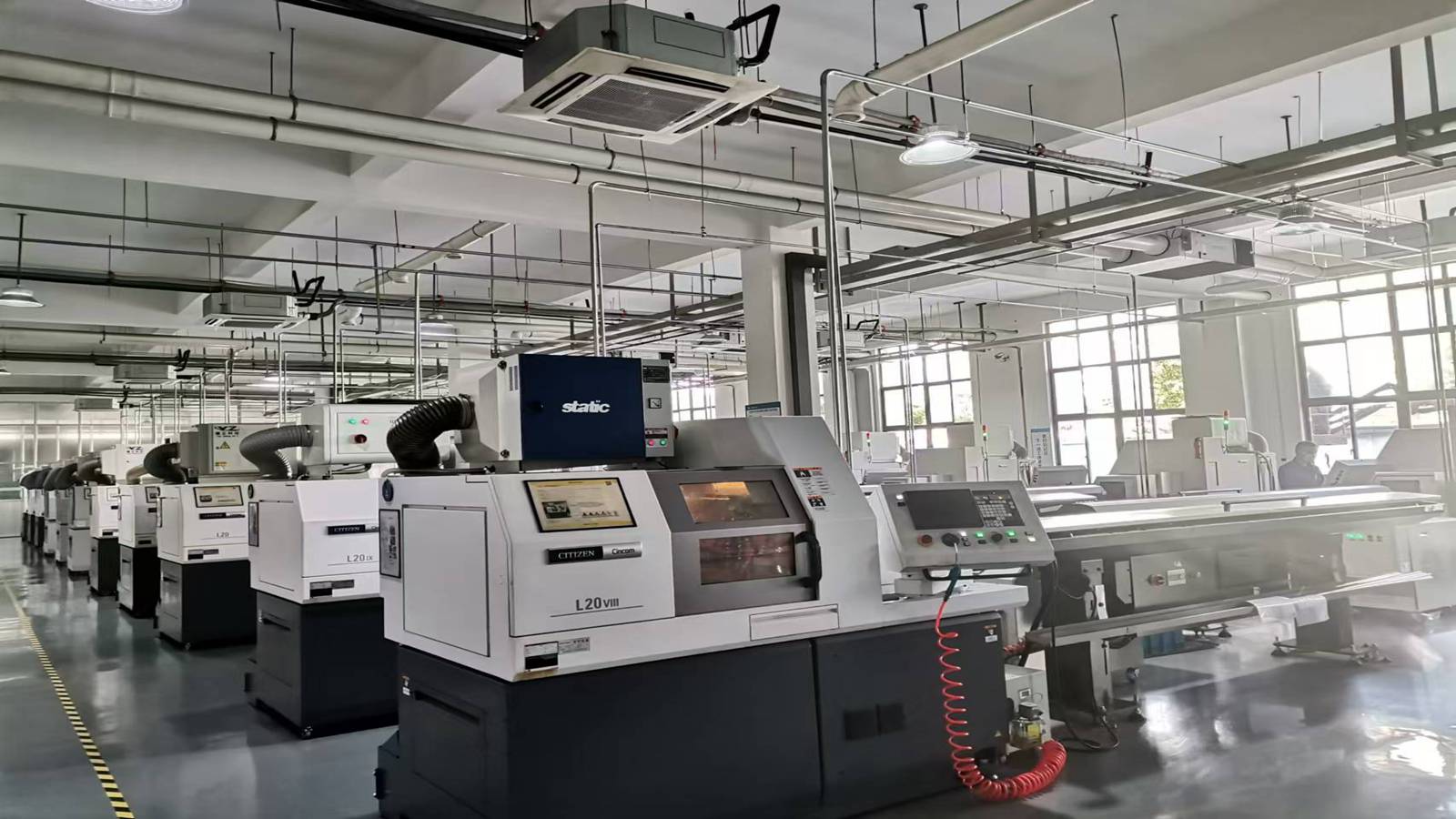
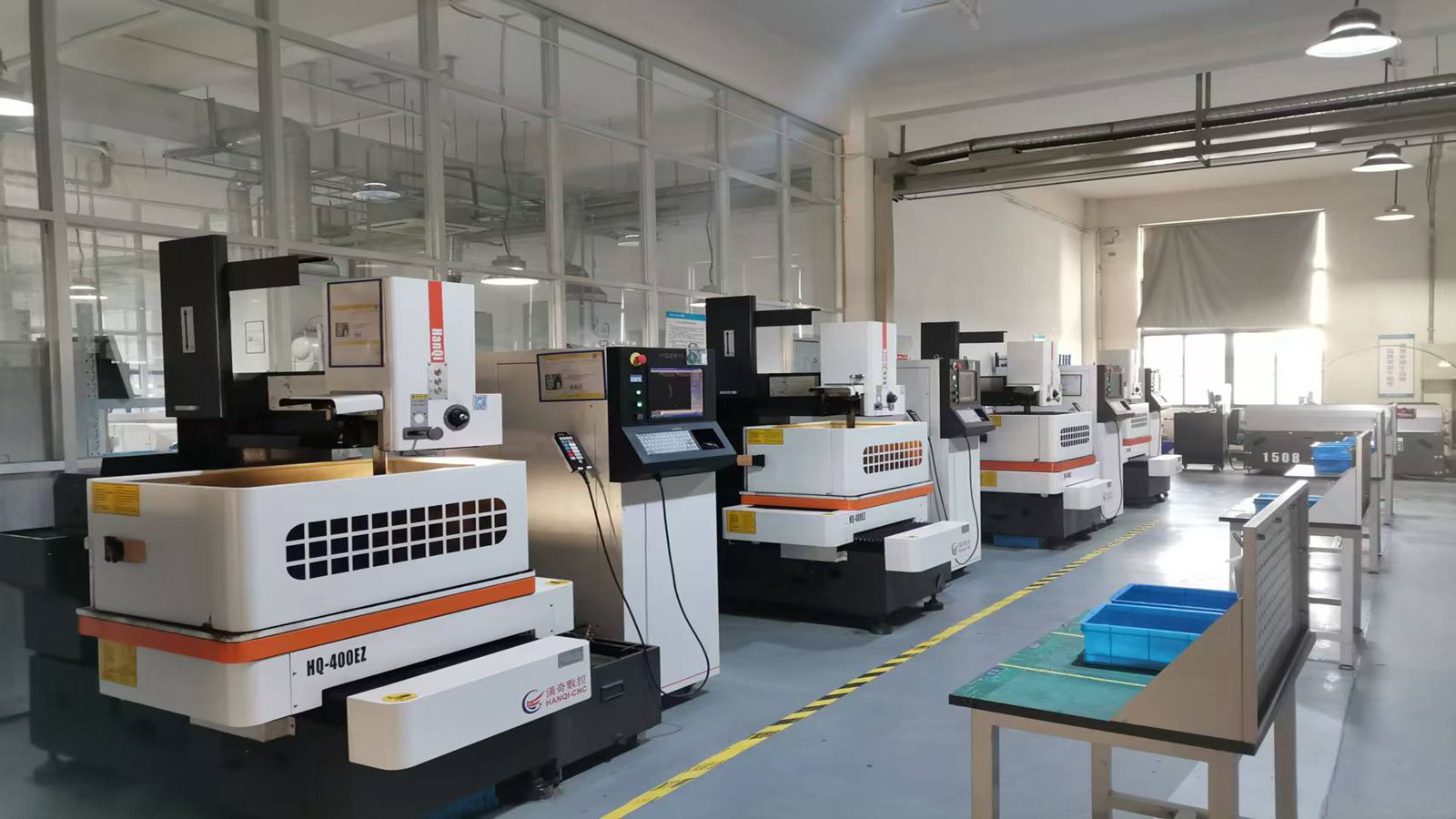
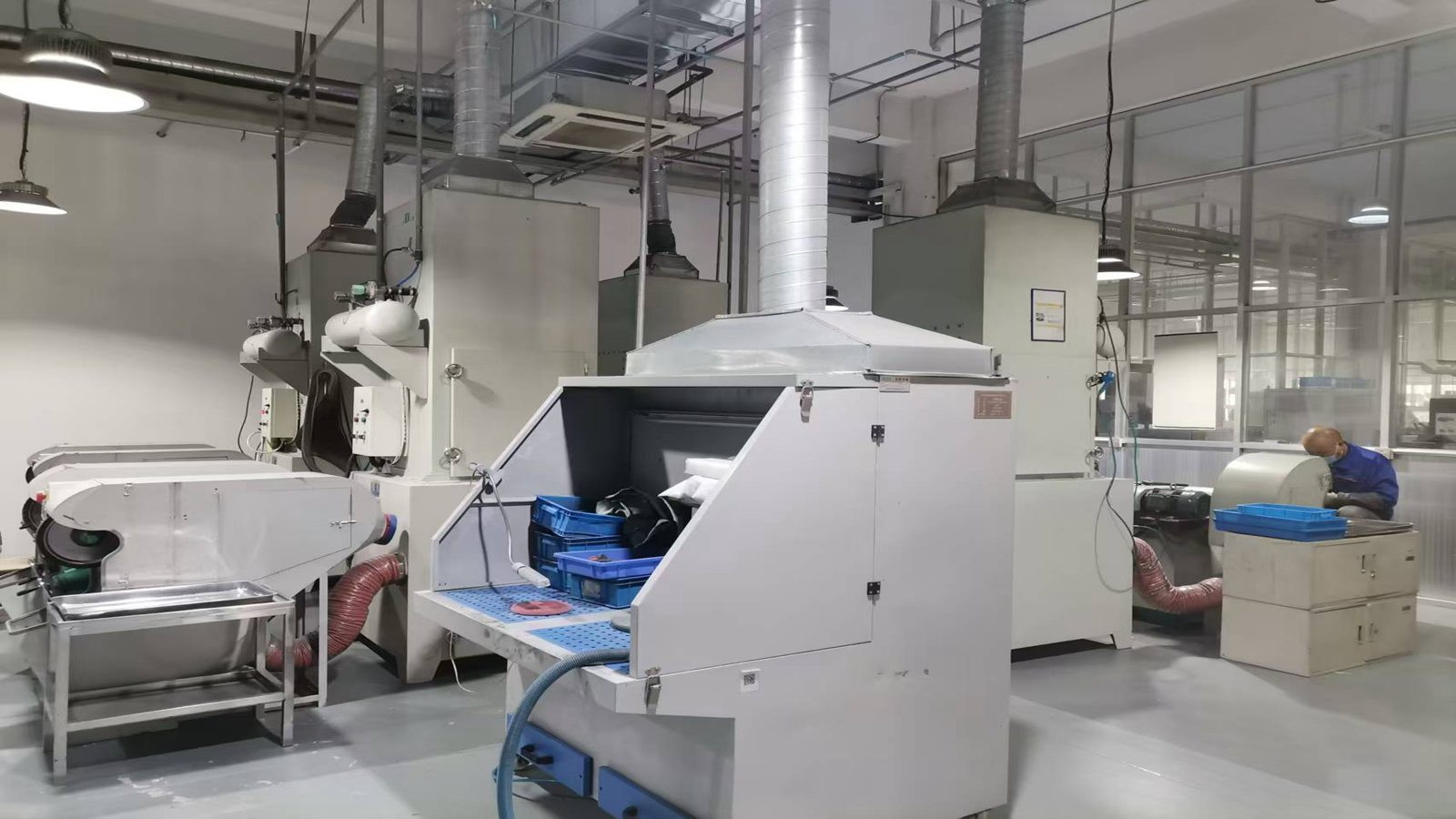
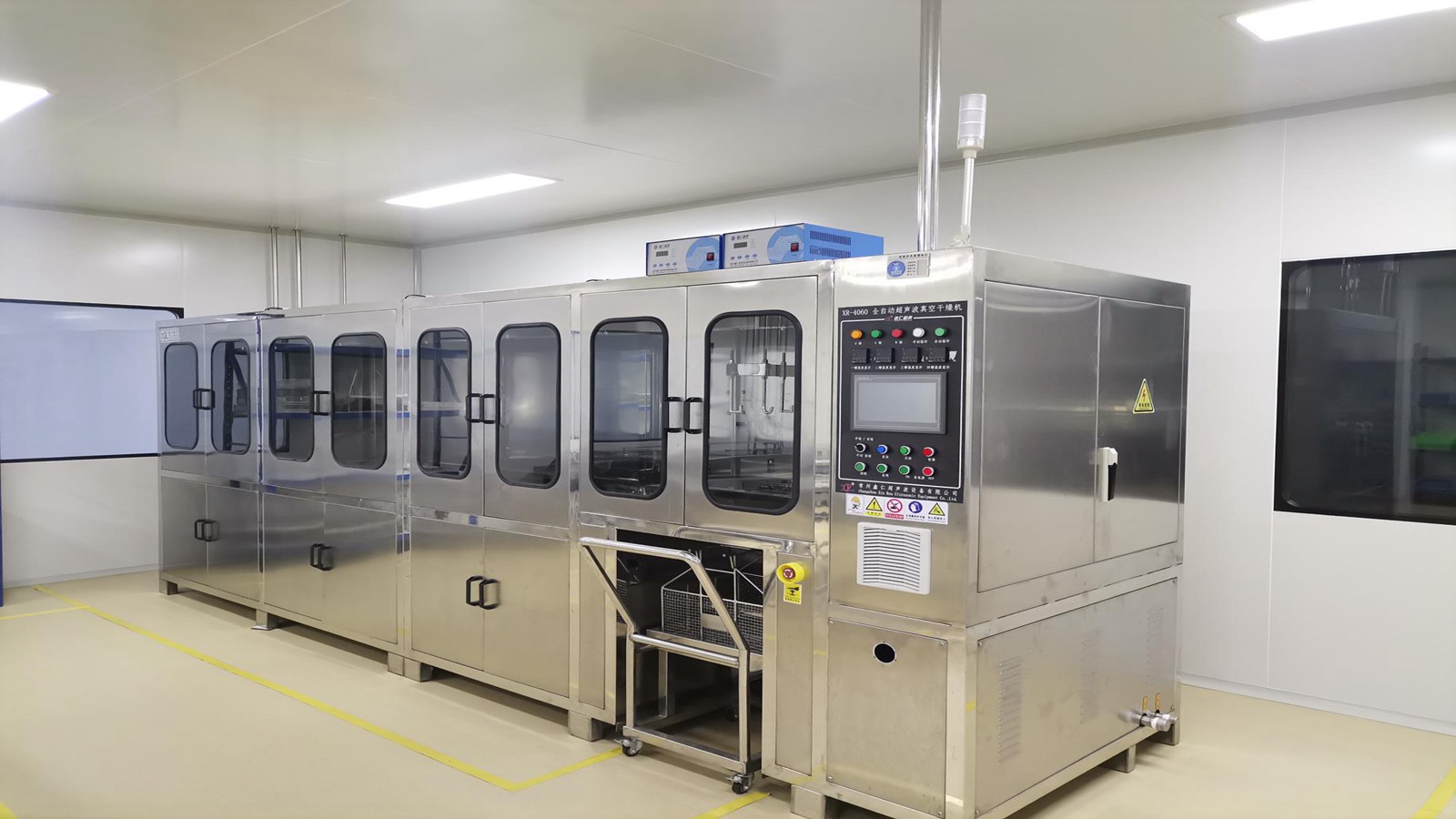
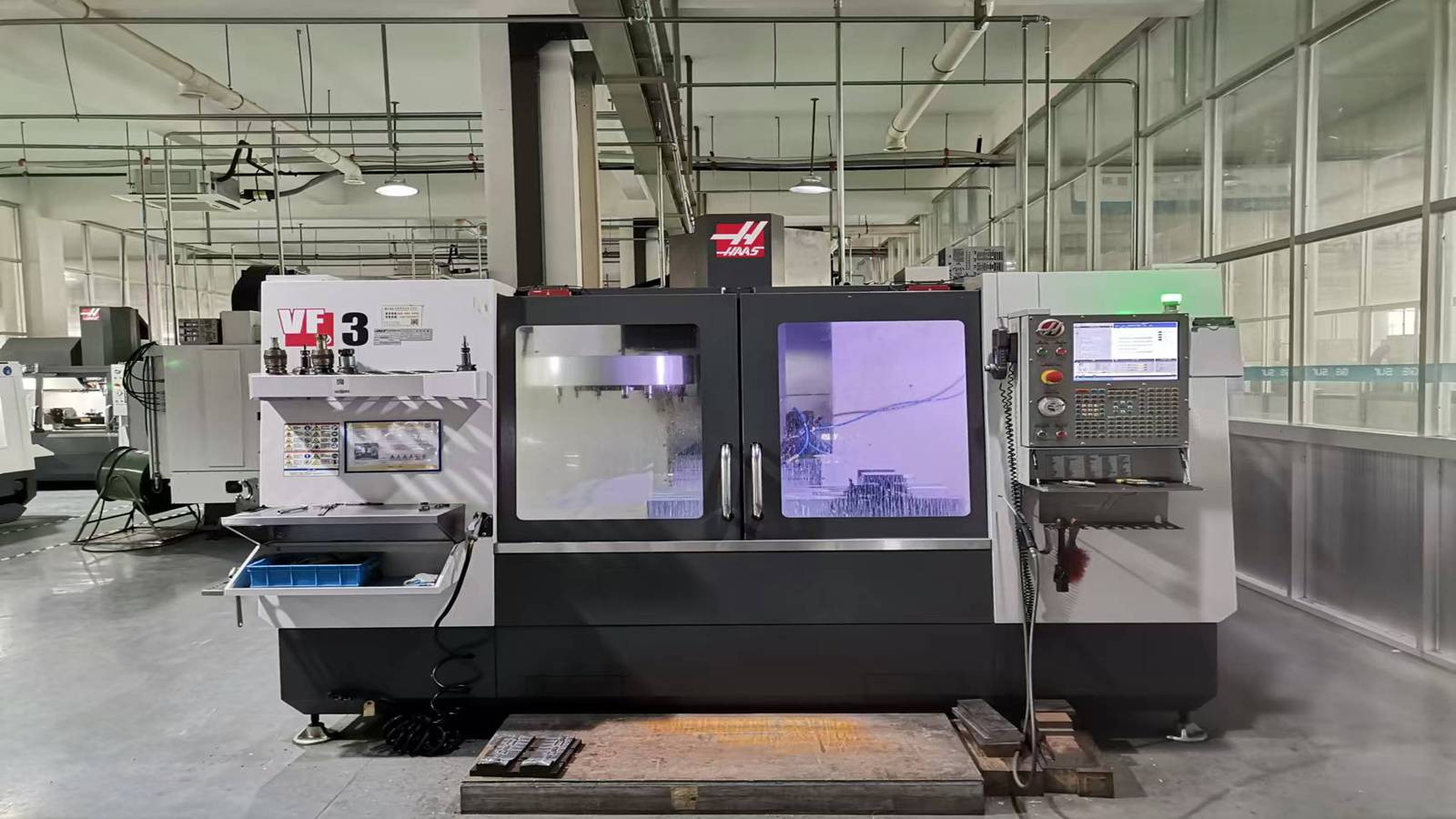
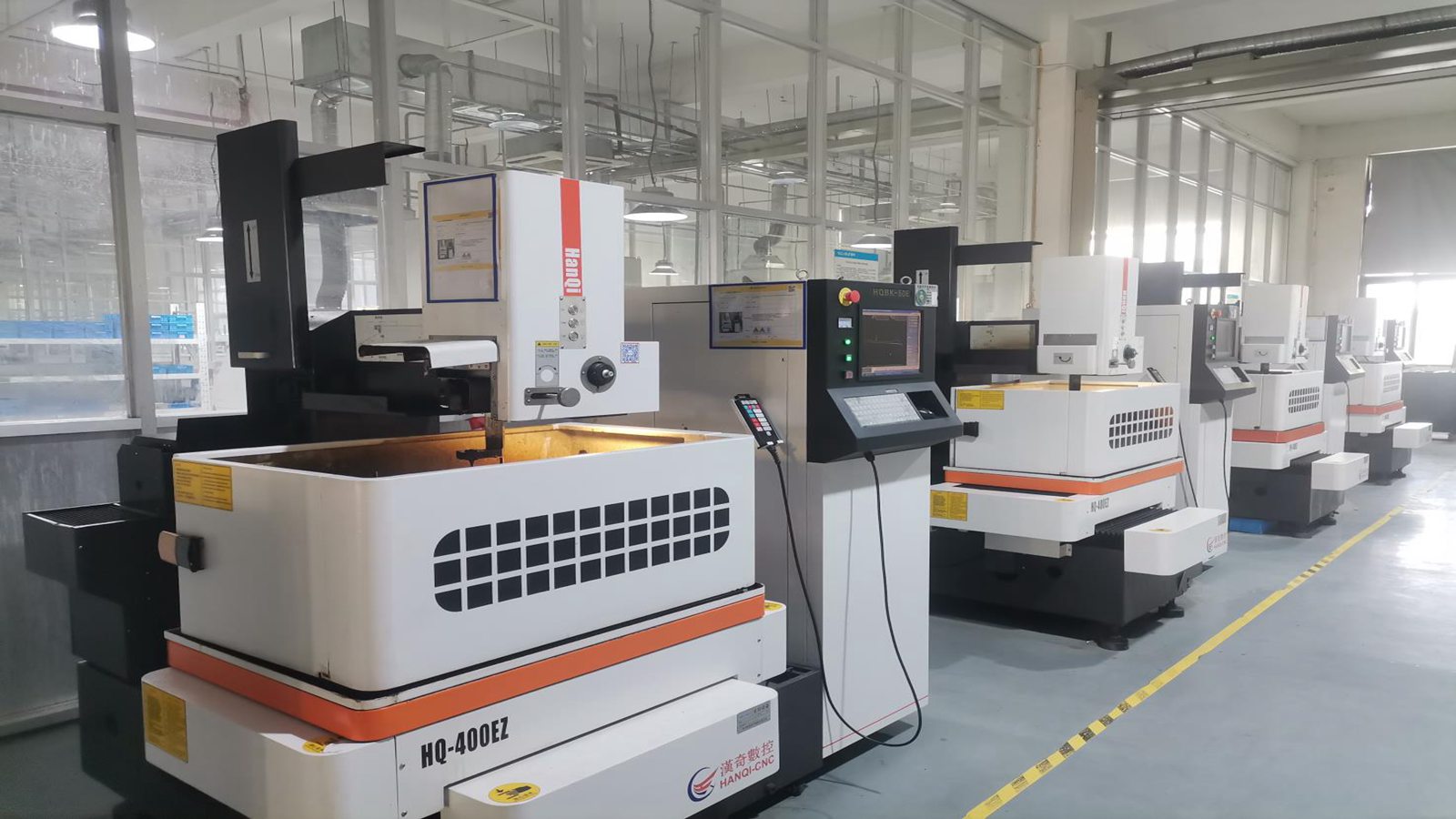
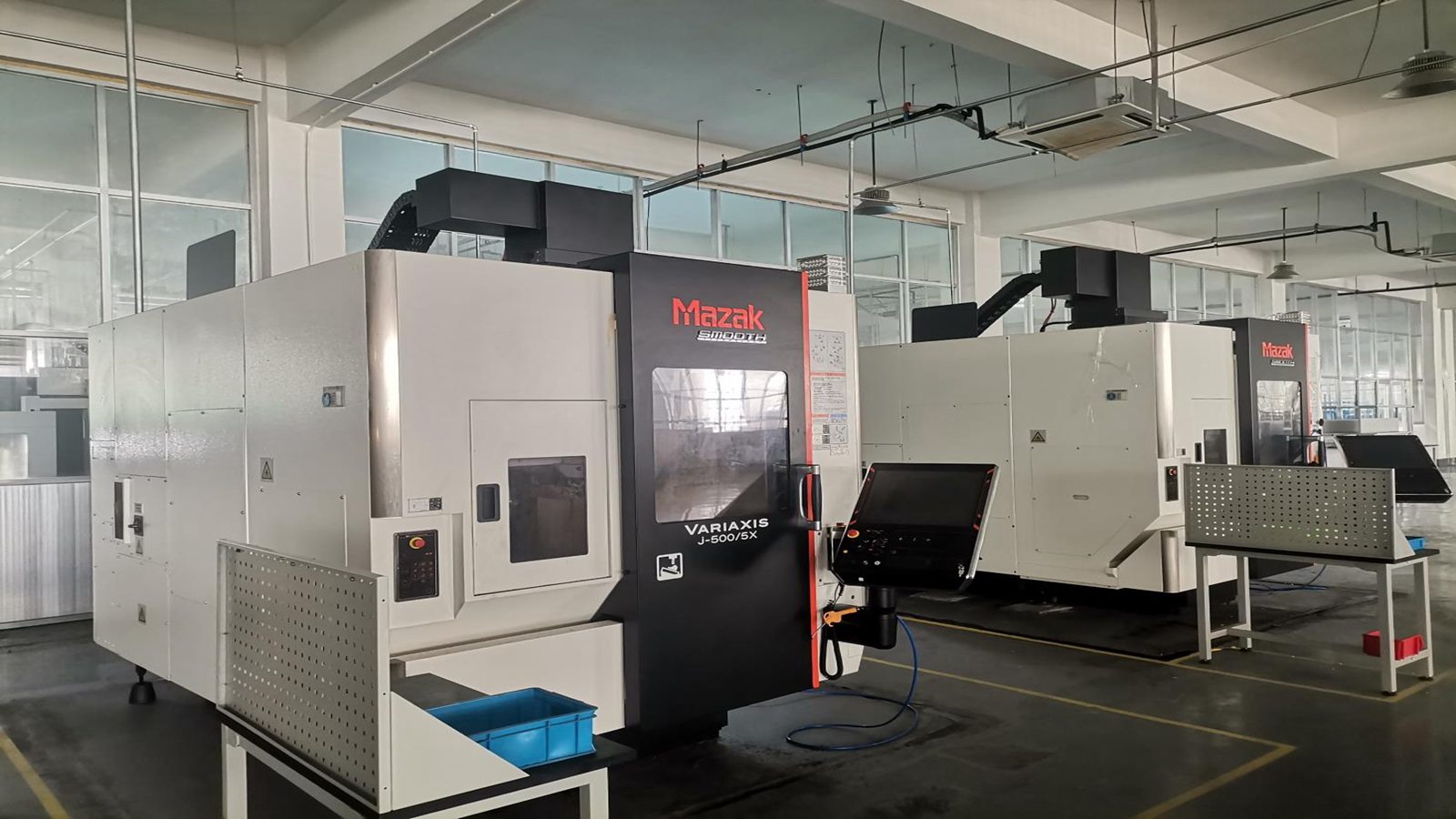
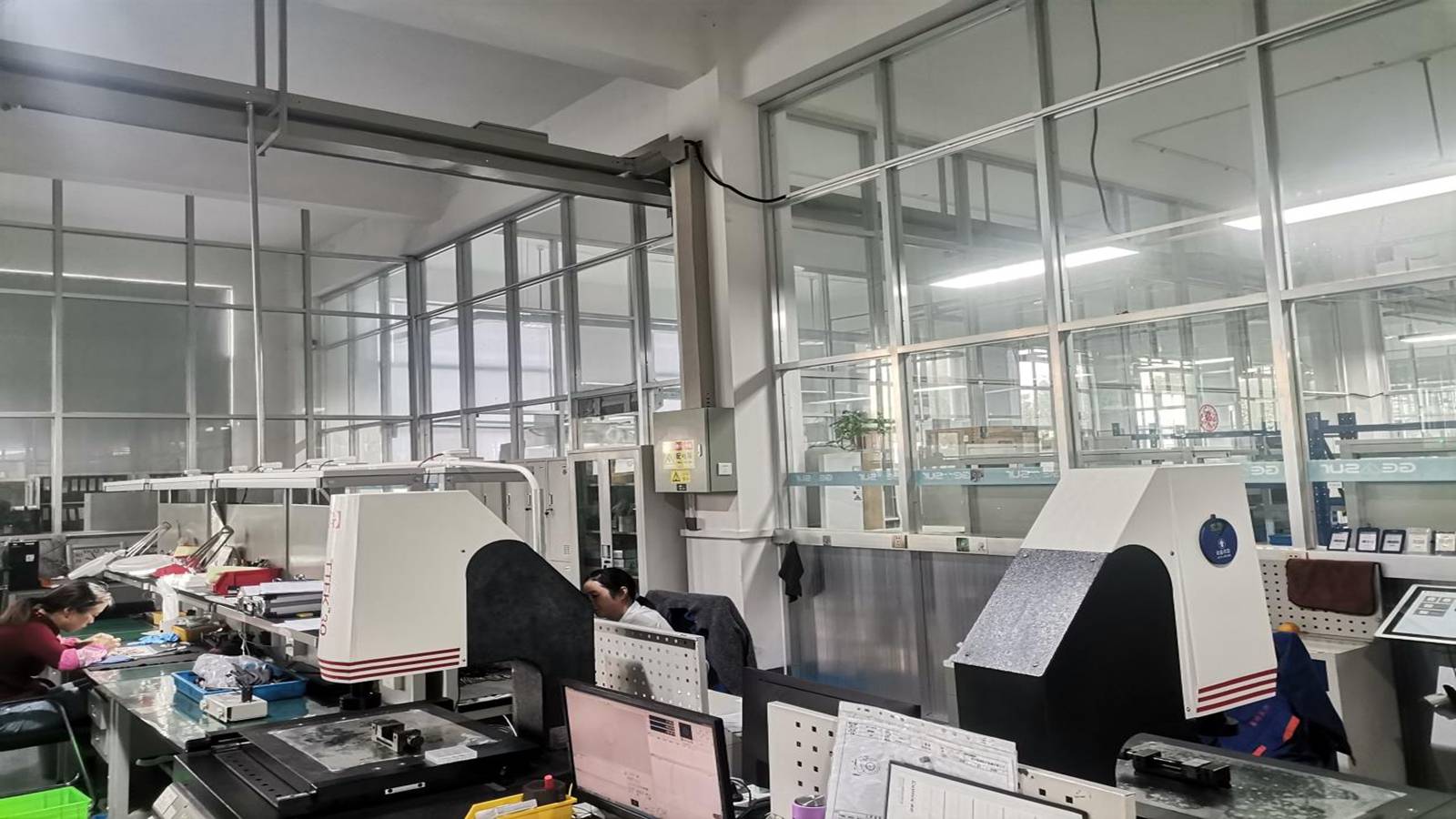
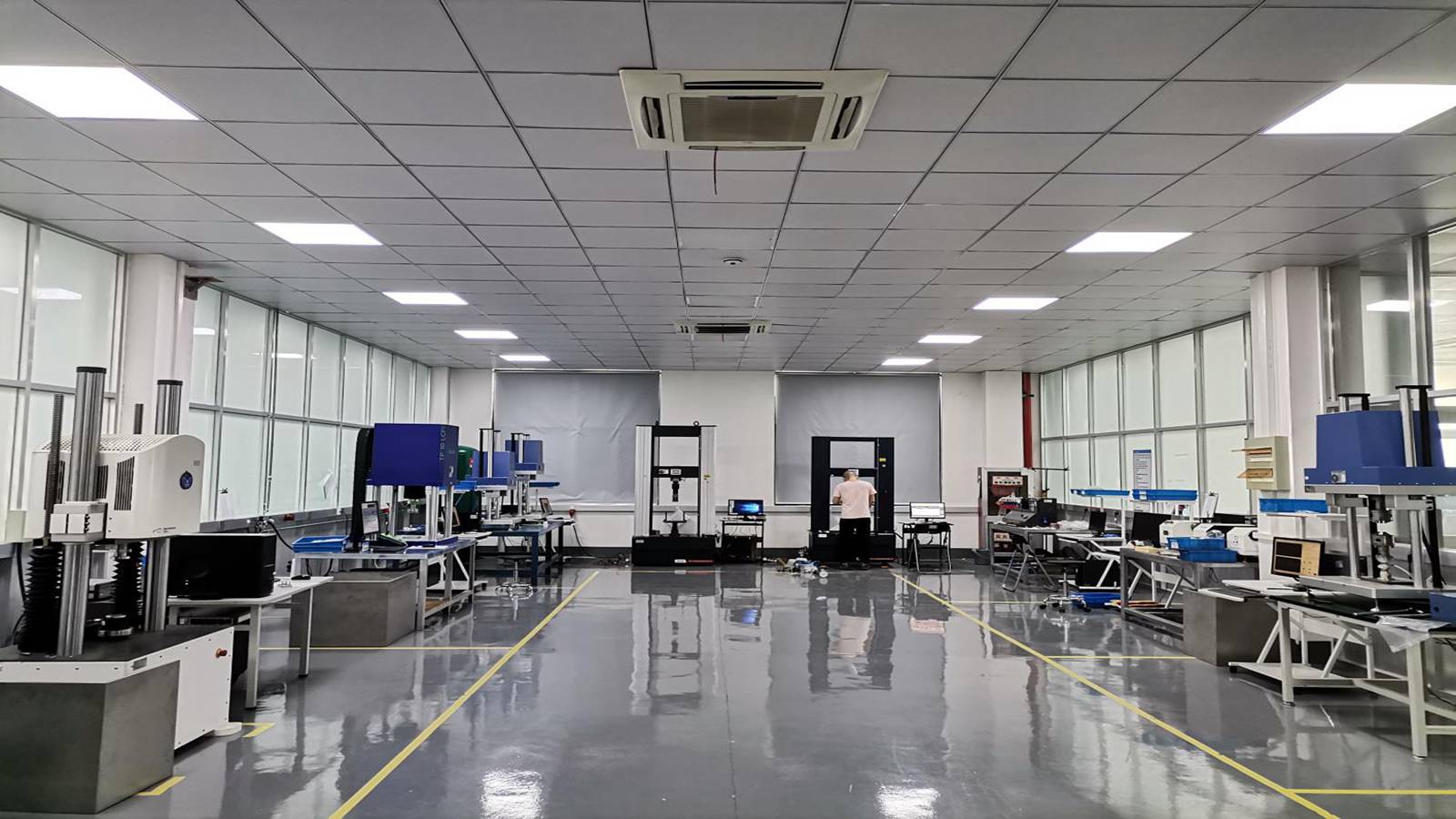
Leveraging 120+ high-precision production machines to ensure tolerances within microns, crucial for screw-thread integrity and expansion accuracy.
Advanced use of Titanium Alloy (TC4) and PEEK (Polyether ether ketone) for radiolucency, biocompatibility, and optimal osseointegration.
Strict adherence to ISO 13485, CE, and the latest MDR (Medical Device Regulation) standards, ensuring global market access and patient safety.
The synergy of scale, speed, and specialized expertise makes China the preferred origin for Screw Expanders and Orthopedic Implants.
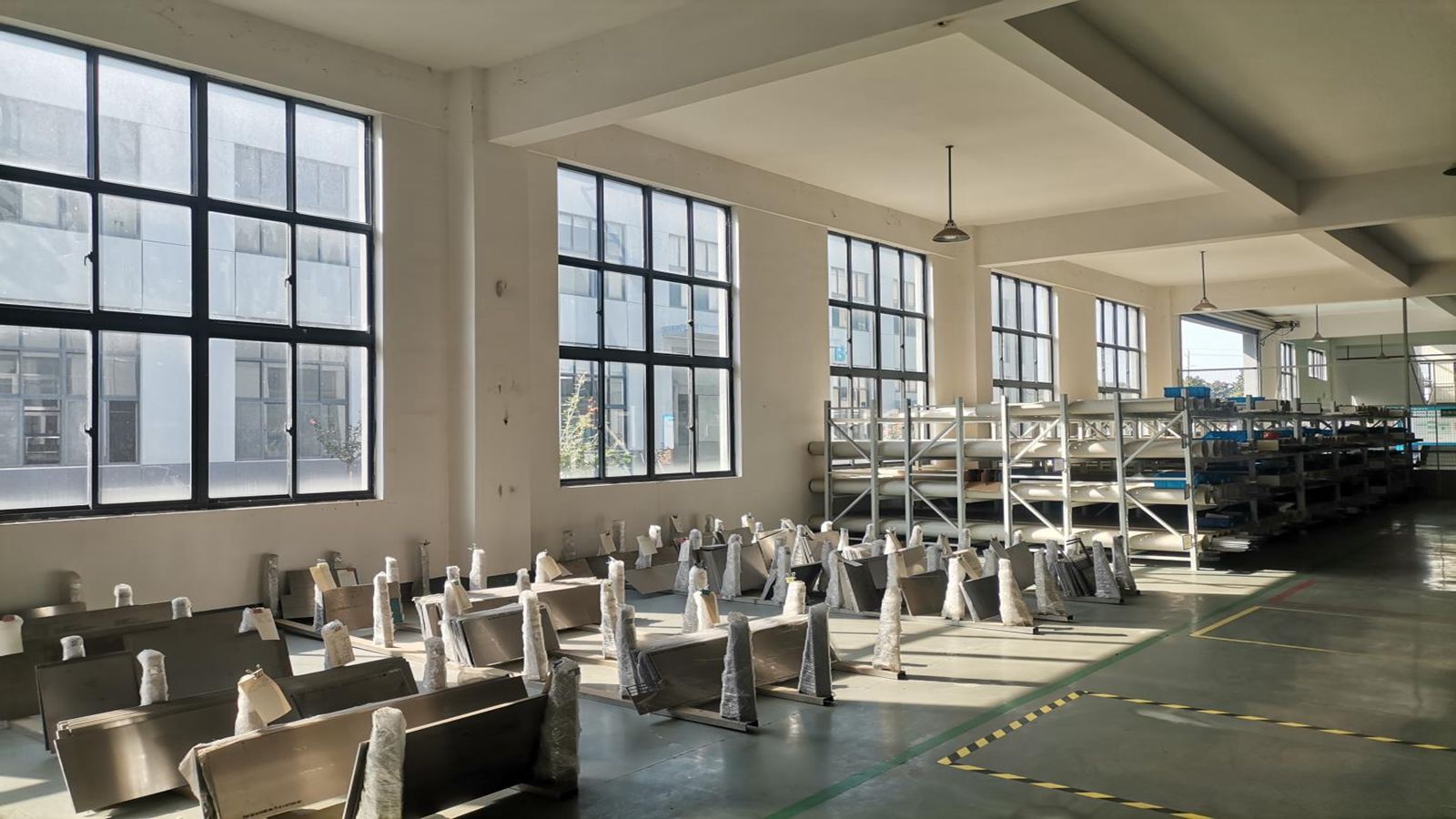
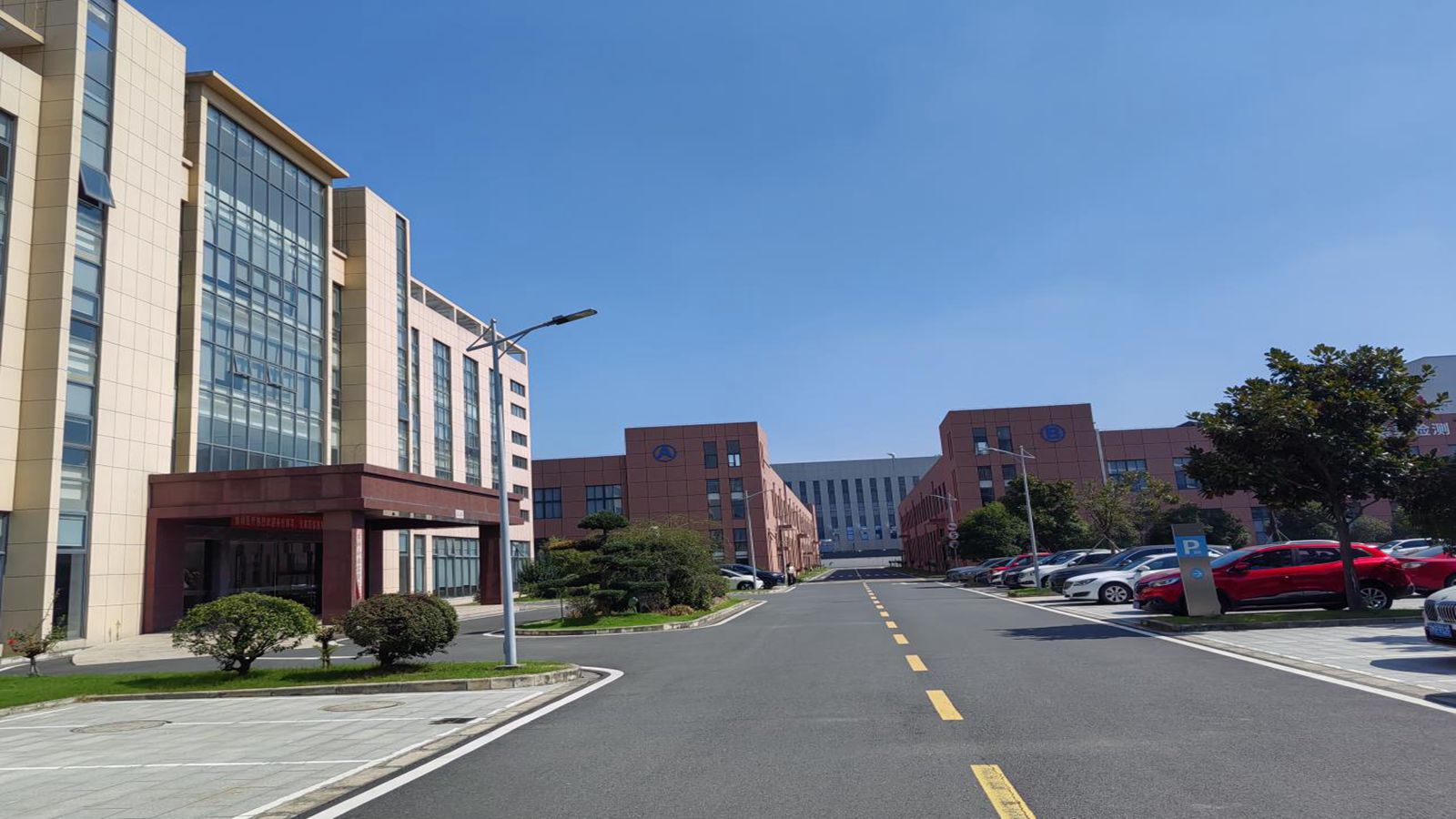
Modern Chinese factories, such as those spanning 30,343 square meters, house integrated R&D centers. With teams comprising doctorates and post-graduates, manufacturers are no longer just following blueprints; they are innovating "Zero Profile" designs and "Antirotation" mechanisms that solve real-world surgical challenges.
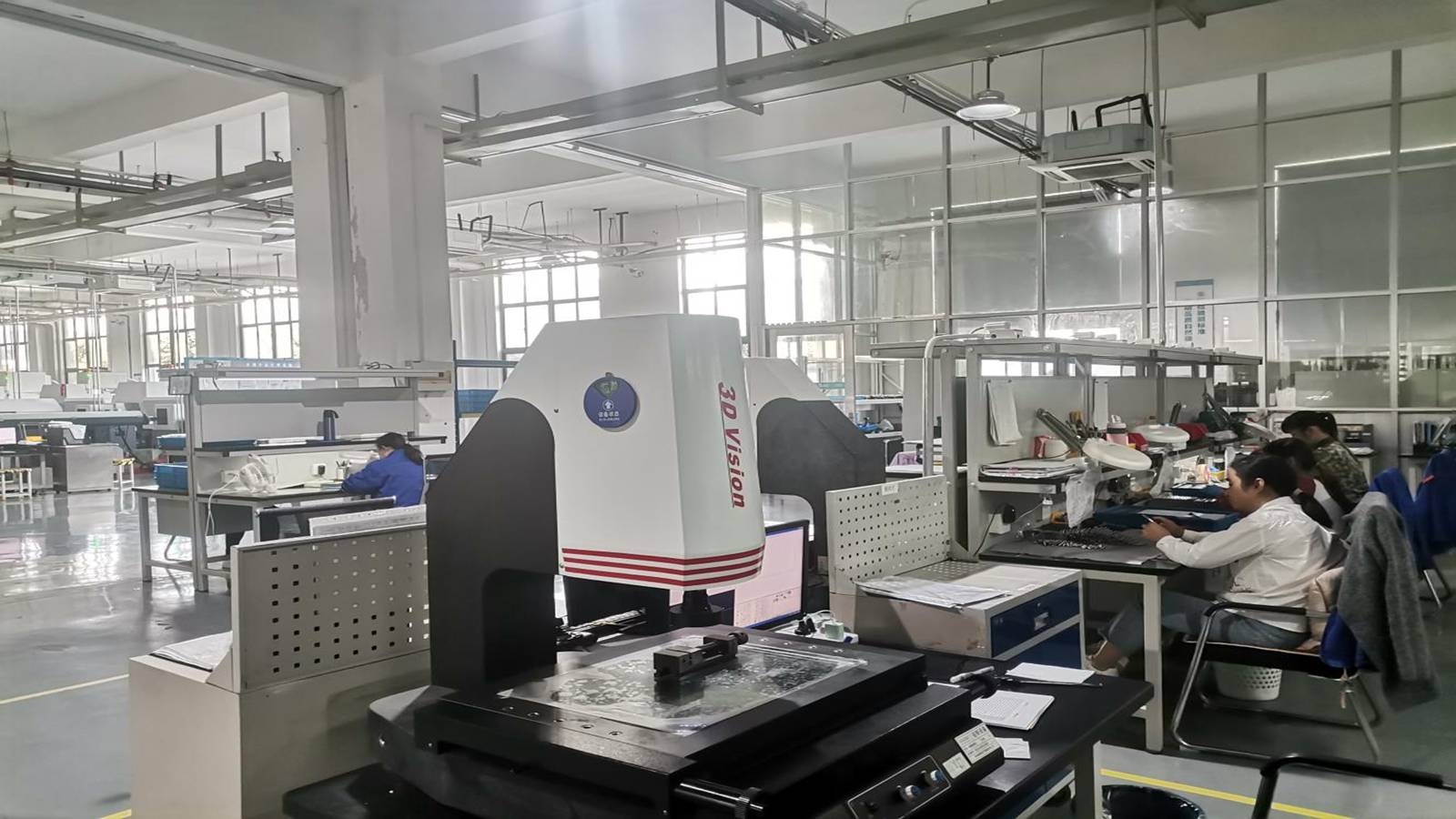
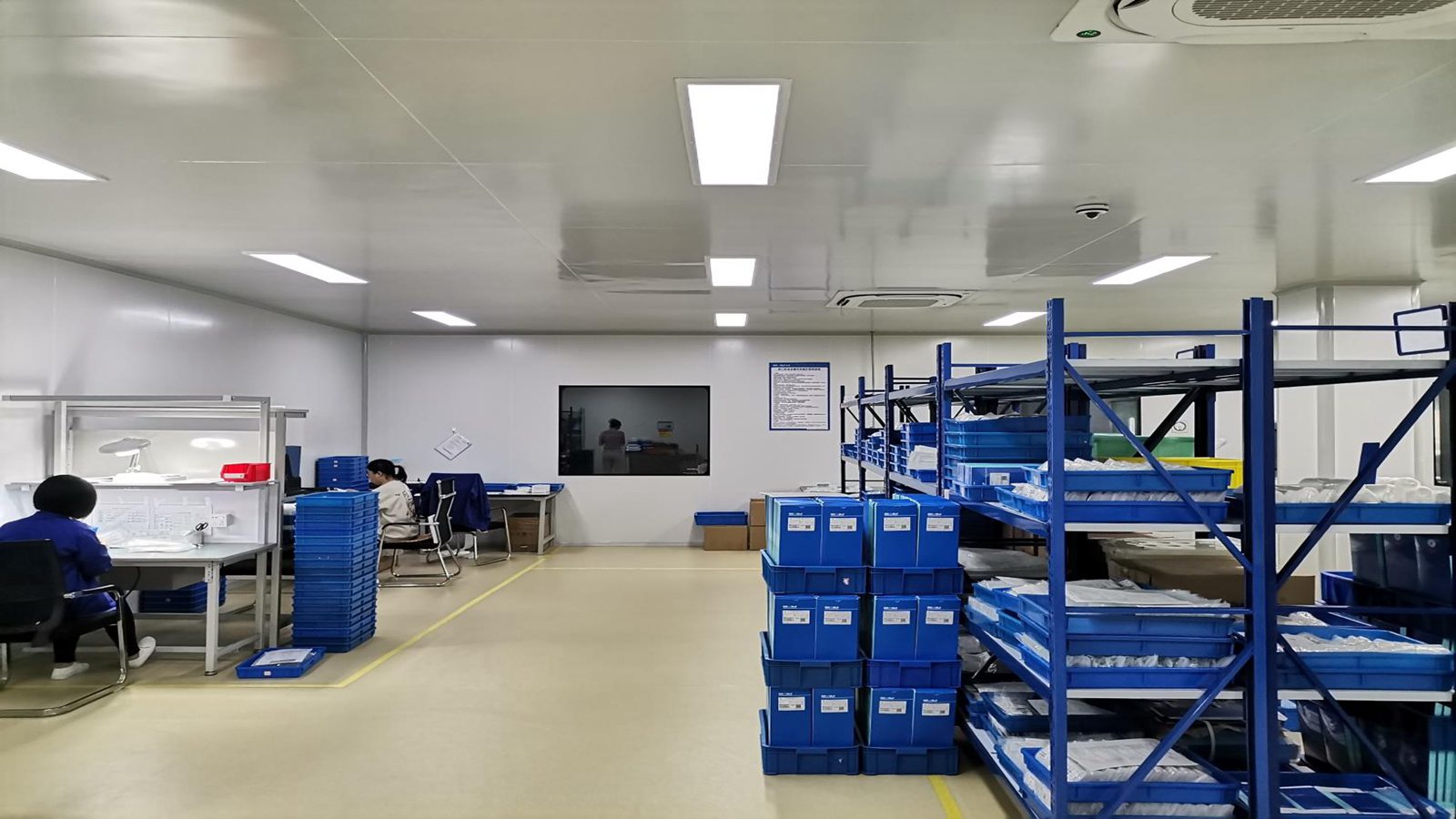
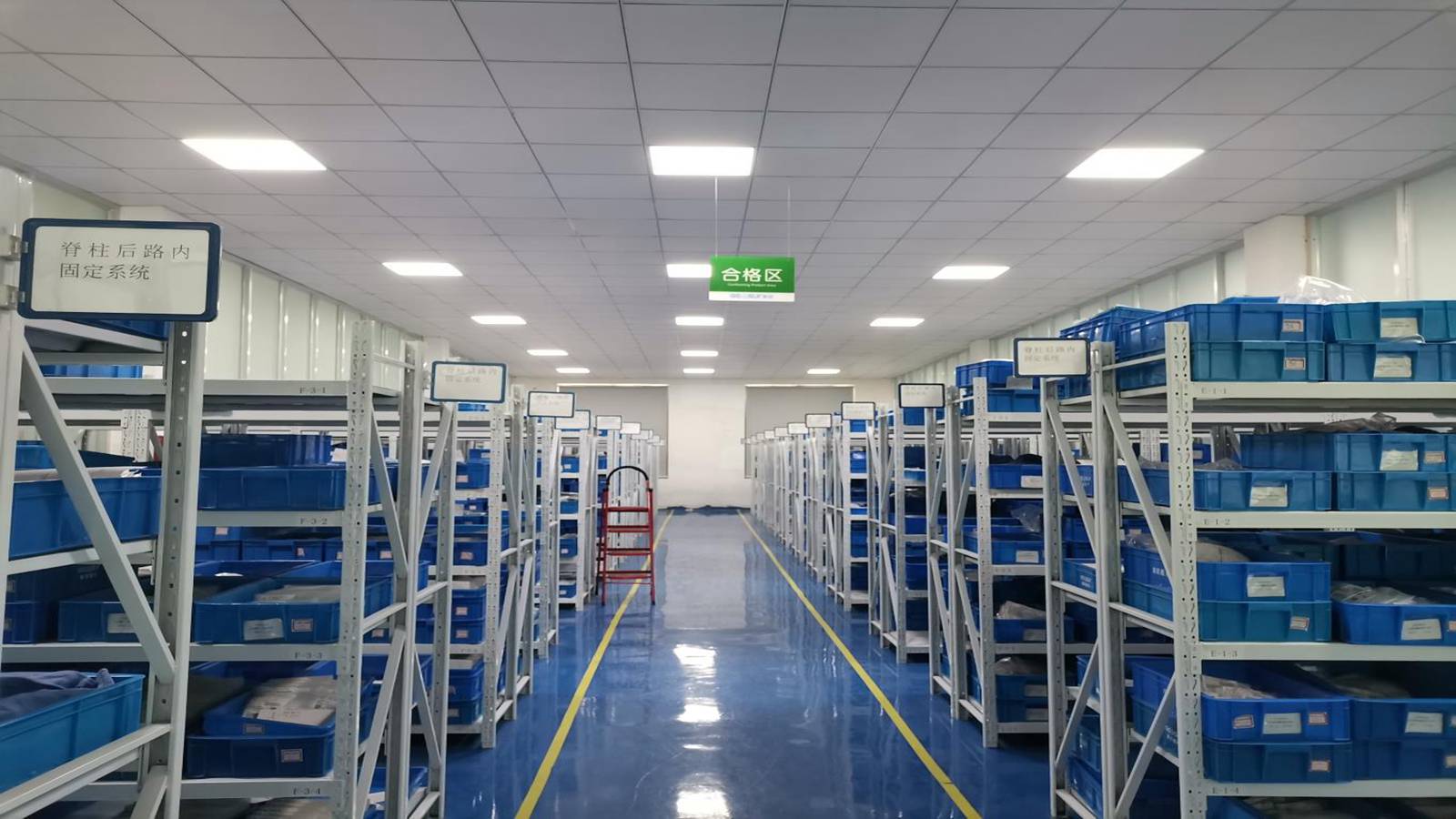
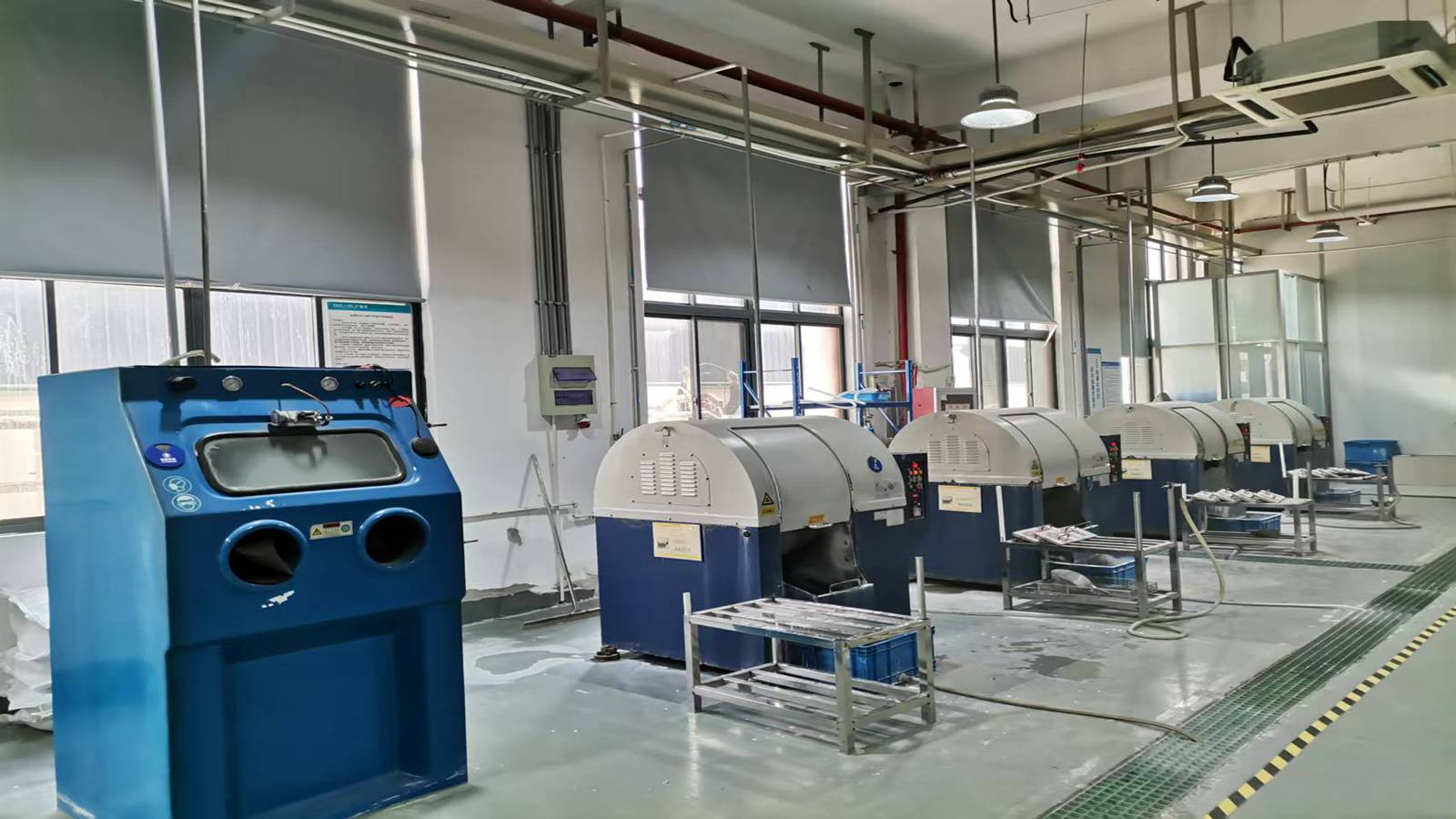
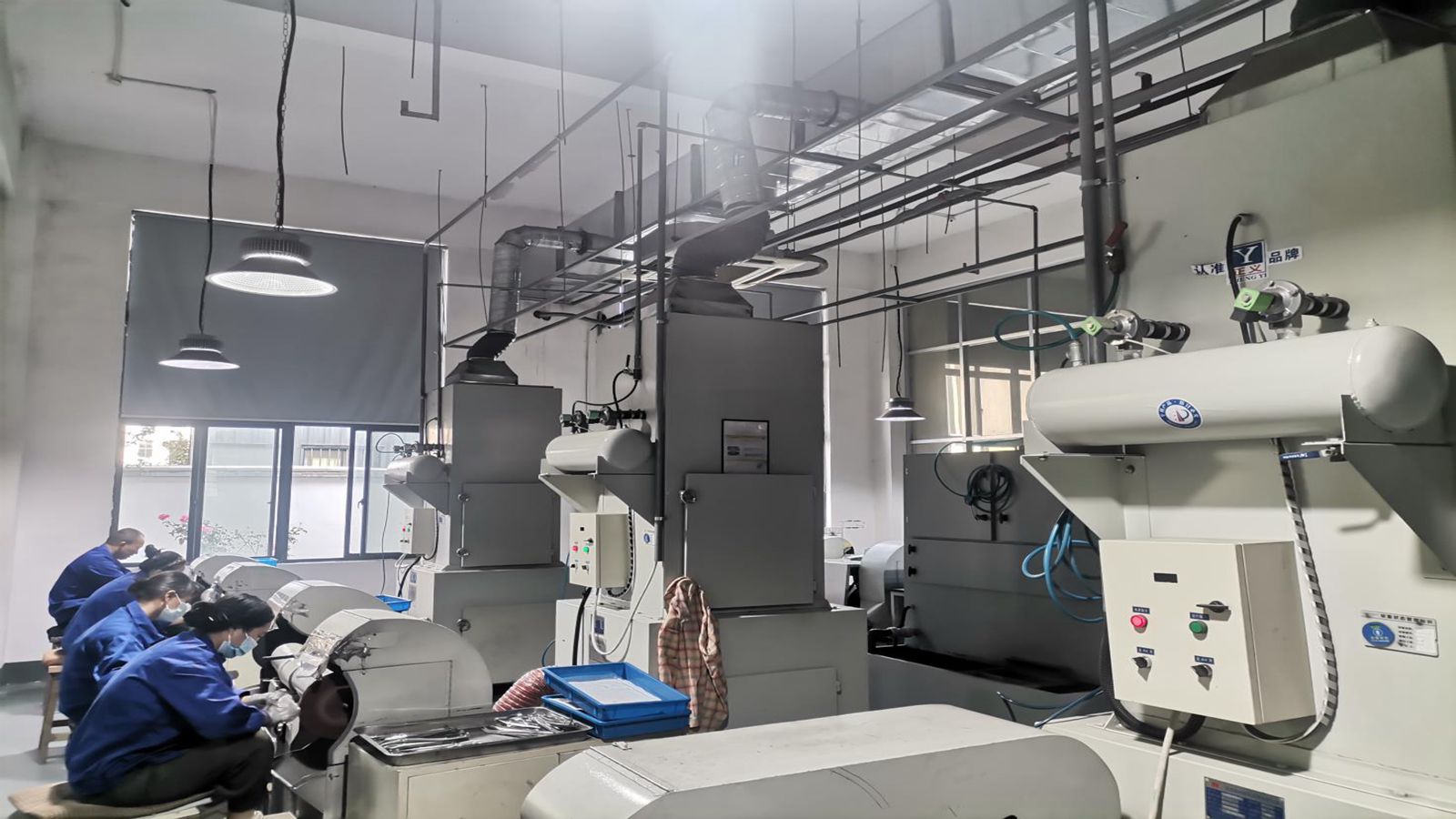
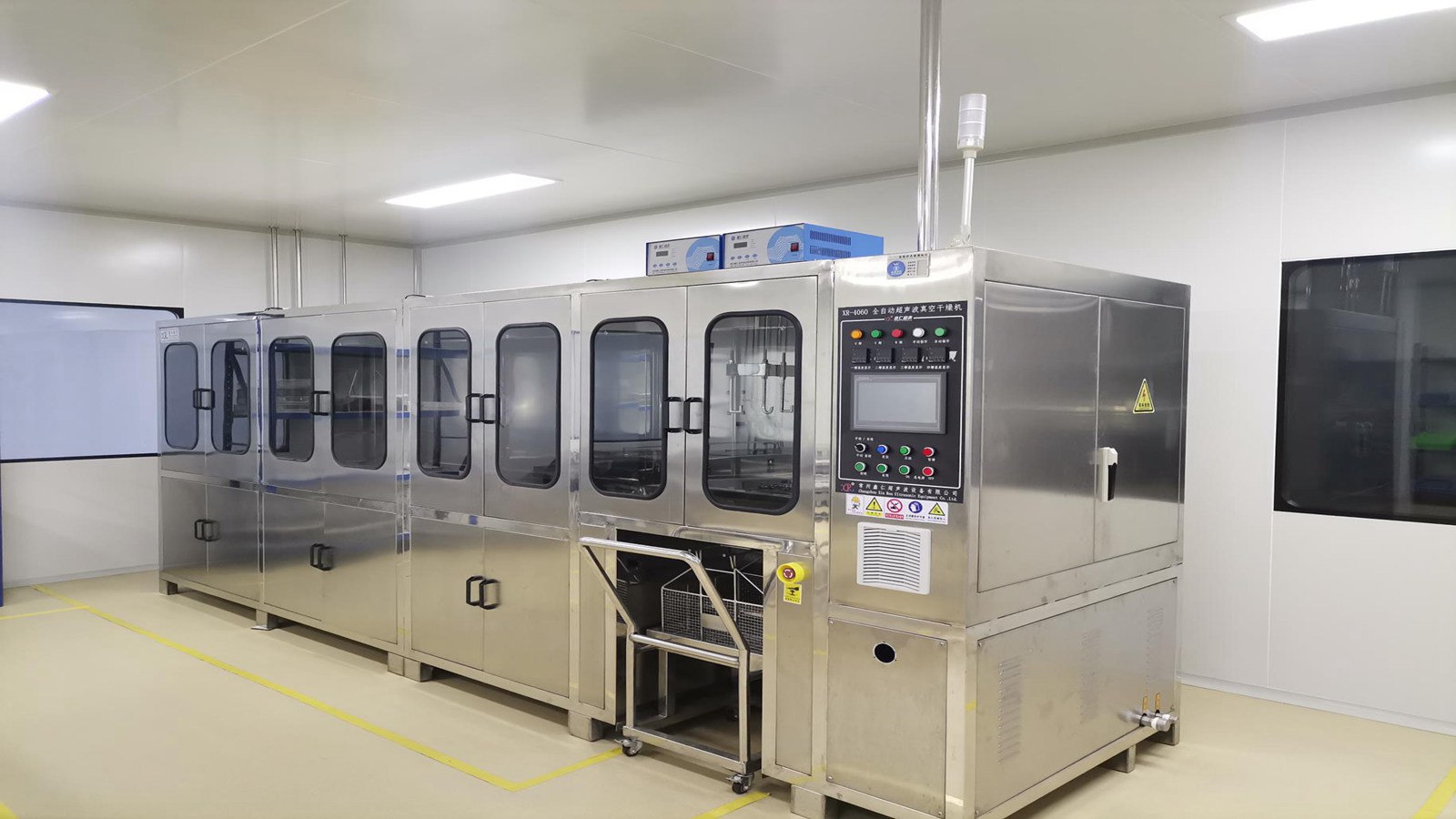
With 12 specialized production lines, Chinese suppliers offer a stability that smaller regions cannot match. This scale allows for significant investment in automated quality control, where 36 dedicated QA/QC inspectors oversee every phase of production—from raw material traceability to final sterilization.
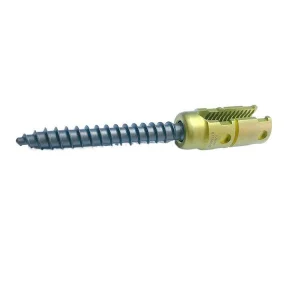
AI-Assisted Design: Manufacturers are utilizing AI to simulate mechanical stress on pedicle screws and expanders, predicting potential failure points before a single prototype is cut. This "Digital Twin" approach reduces development time and enhances implant longevity.
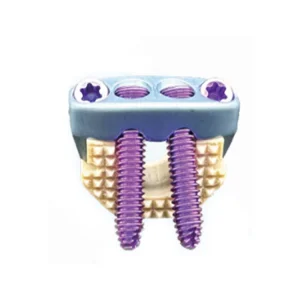
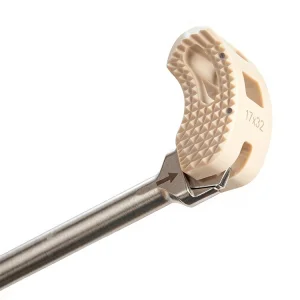
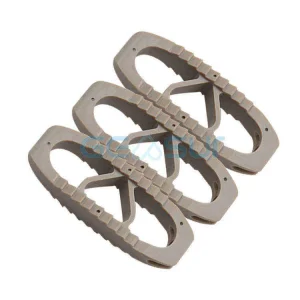
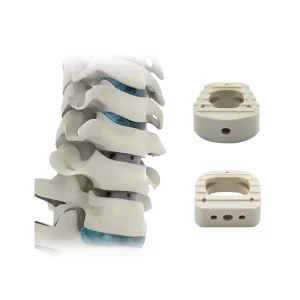
Minimalist Intervention: The trend is moving toward smaller incisions. Products like the Zero Profile Anterior Cervical Cage exemplify this, reducing post-operative dysphagia and improving patient recovery speeds.
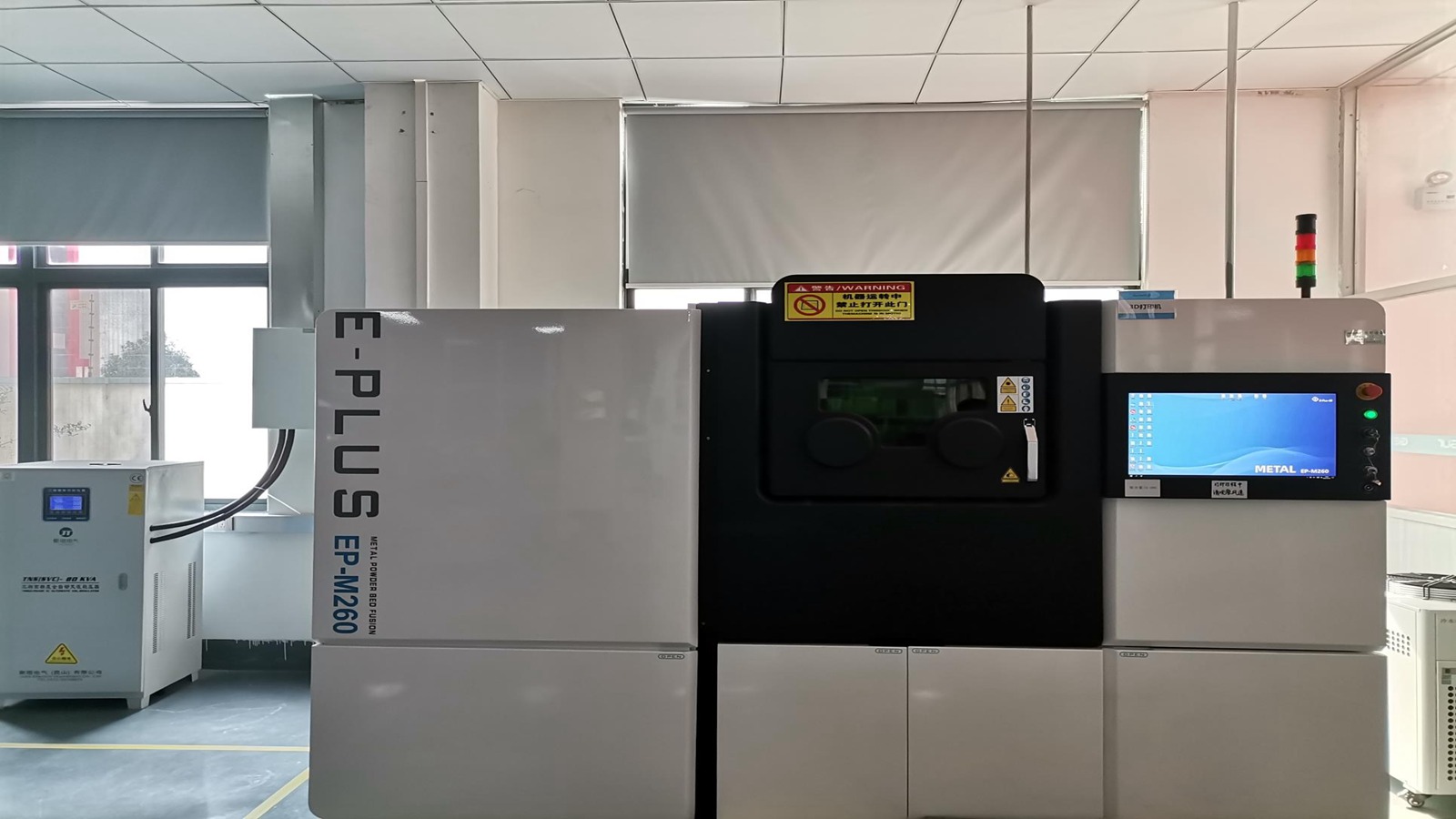
3D Printing Integration: While traditional CNC machining remains the gold standard for high-strength items, 3D-printed porous structures are being integrated into expanders to promote faster bone ingrowth.
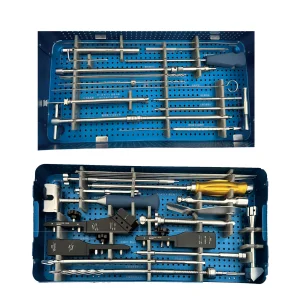
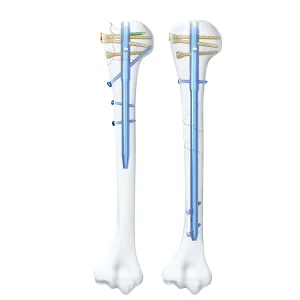
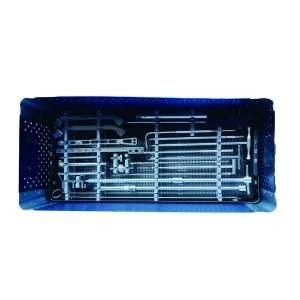
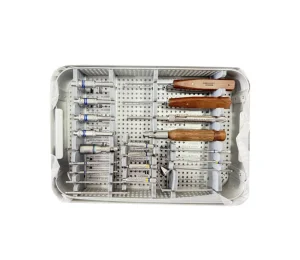
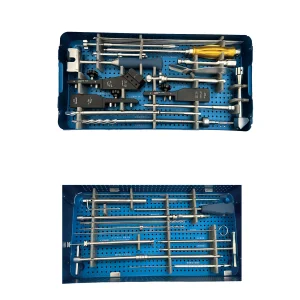
Streamlined procurement through high-capacity manufacturers ensures a steady supply of essential kits like the Proximal Femoral Nail (PFNA), reducing surgical delays.
Customization options (sample/graphic processing) allow international brands to leverage Chinese manufacturing efficiency while maintaining their unique design IP.
MDSAP and CE certifications provide a "passport" to global markets, ensuring that products imported from China meet local health authority requirements in Europe, Asia, and beyond.

| Facility Scale | 30,343 ㎡ Floor Space |
| Workforce | 31 R&D Engineers (1 Doctorate, 11 Post-Grad) |
| Certifications | ISO13485, EN ISO 13485, MDSAP, CE, MDR |
| Inspection | All production lines supervised by 36 QA/QC Inspectors |
| Customization | Graphic processing, Sample processing, Demand-based customization |