Ease Medical Apparatus And Instruments
Ease Medical Apparatus And Instruments
Ease Medical Apparatus And Instruments
 The Evolution of Orthopedic Immobilization and Internal Fixation
The global orthopedic market has undergone a paradigm shift. While the term "orthopedic plaster" traditionally referred to the external casting of limbs using gypsum-based bandages, modern clinical practice integrates external immobilization with high-precision internal fixation. As a leading orthopedic manufacturer and factory, we recognize that the synthesis of these two worlds—traditional support and advanced titanium metallurgy—defines the next generation of trauma recovery.
Today's market demands more than just stability; it requires biocompatibility, radiolucency, and minimally invasive application. In this white paper, we explore why Chinese manufacturing has become the global benchmark for orthopedic excellence and how top-tier factories are navigating the rigorous requirements of CE MDR and MDSAP certifications.
 Strategic Advantages of Chinese Orthopedic Manufacturing
China has emerged as the world's primary orthopedic factory hub, but the value proposition has shifted from "low cost" to "high precision and supply chain resilience." As a top-tier manufacturer, we leverage several key advantages:
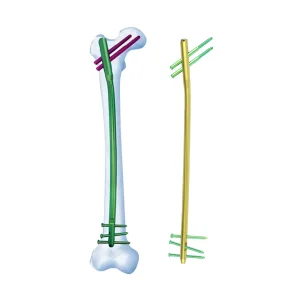
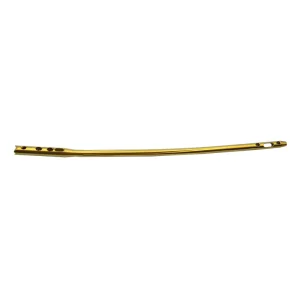
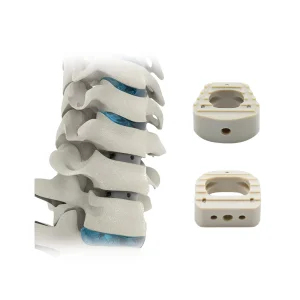
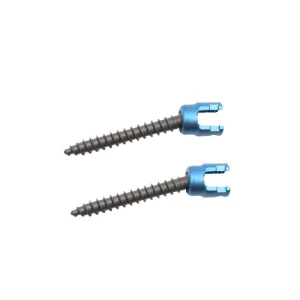
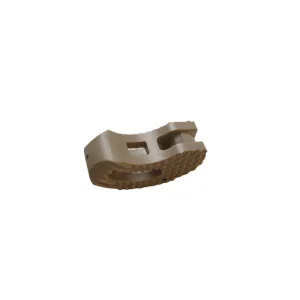
Our proximity to high-grade titanium and stainless steel processing plants allows for rigorous control over raw material traceability. Whether it is Titanium Alloy (Ti-6Al-4V) for femoral nails or Medical-Grade PEEK for cervical fusion cages, the integration of the supply chain ensures that every batch meets ASTM and ISO standards before production even begins.
With a dedicated team of 31 R&D engineers, including doctorate and post-graduate specialists, Chinese factories can now offer OEM/ODM services that rival European counterparts. We specialize in sample processing and graphic customization, allowing hospitals to request instruments tailored to specific anatomical requirements of their local populations.
The era of "unregulated" medical exports is over. Our facility maintains ISO13485, CE (MDR), and MDSAP certifications. This trifecta of regulatory approval means our products are ready for use in the most stringent markets, including the EU, USA, and Japan, ensuring patient safety and reducing liability for distributors.
 Future Trends in Orthopedic Solutions (2024-2030)
Integration of sensors into intramedullary nails to monitor bone healing progress and detect early signs of infection or hardware failure.
Development of screws and plates that provide support during the healing phase and are gradually absorbed by the body, eliminating the need for a second surgery.
Moving from "one-size-fits-all" to patient-specific implants designed from CT scans, particularly in complex spinal and pelvic reconstructions.
Orthopedic solutions are not universal; they must be adapted to the clinical environment. Our Orthopedic Plaster and Implant Factory provides comprehensive solutions for various scenarios:
For international wholesalers and hospital procurement officers, selecting the right orthopedic plaster manufacturer involves a checklist of E-E-A-T criteria:
1. Traceability: Does the factory offer full raw material traceability? (Our Answer: Yes, we provide full certification for every batch).
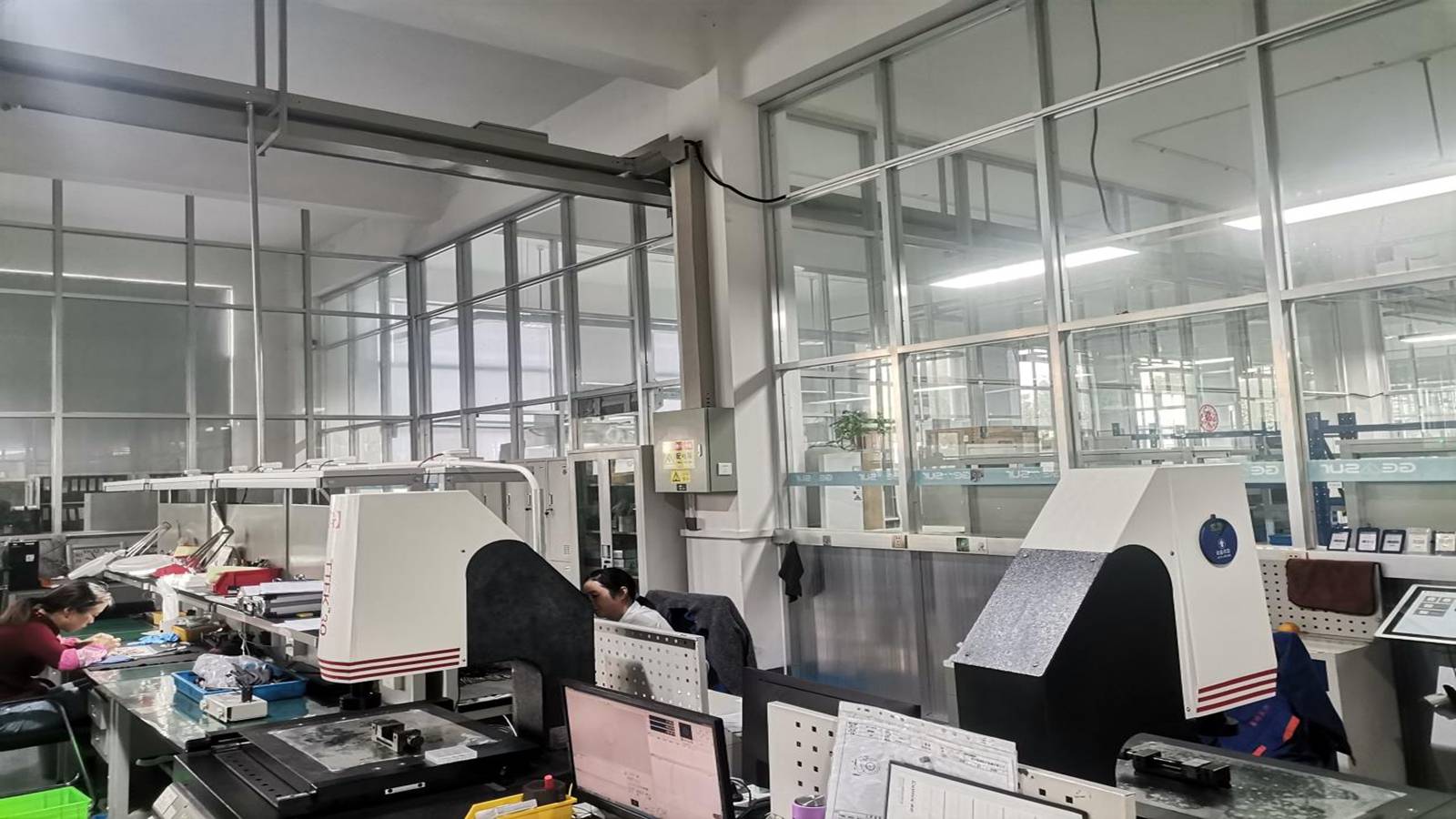
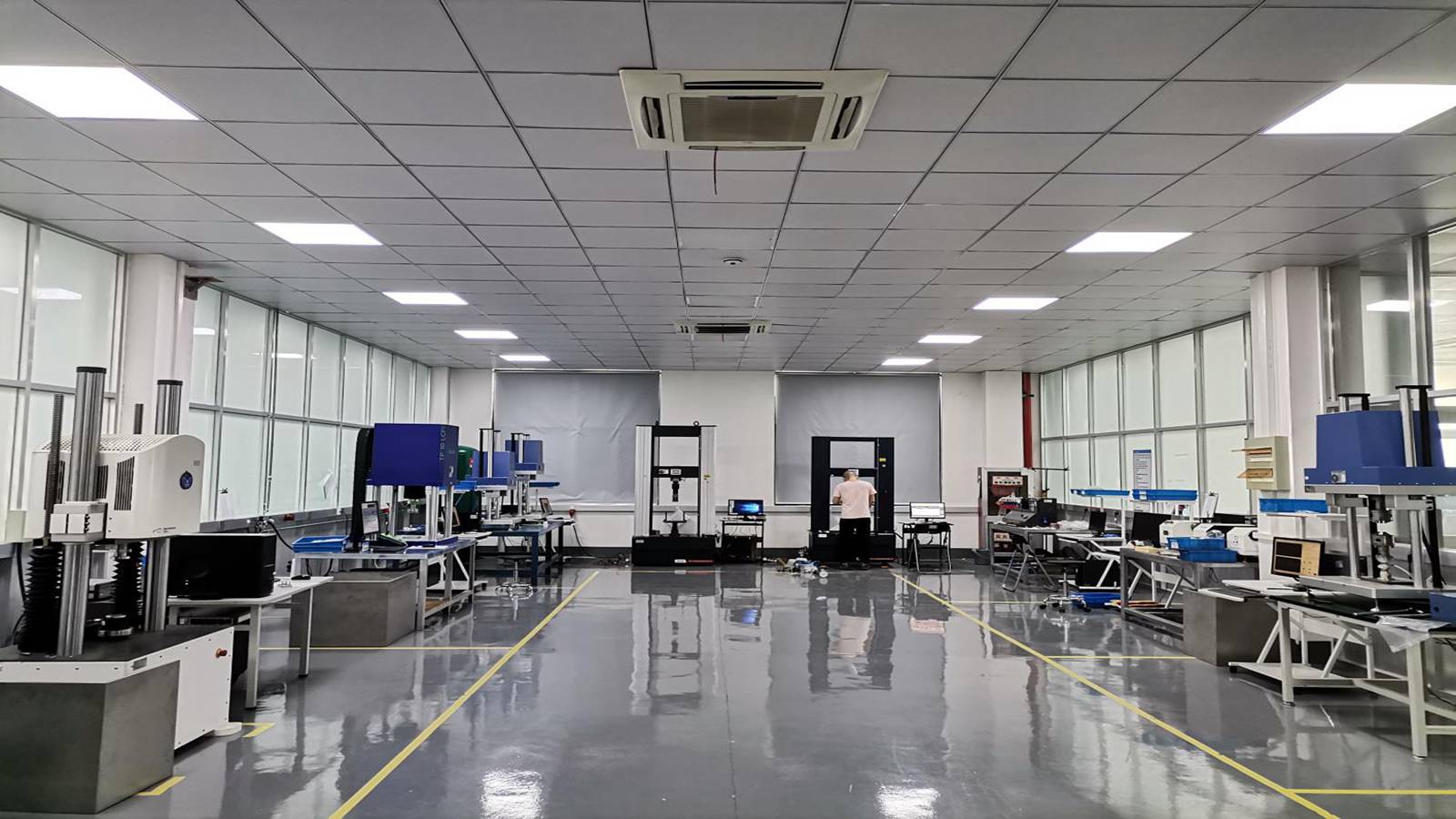
2. Inspection Protocols: Is there a 100% inspection policy or just random sampling? (Our Answer: We conduct 100% inspection on critical production lines with 36 dedicated QA/QC inspectors).
3. Sterilization & Packaging: Does the manufacturer provide sterile-ready packaging or bulk non-sterile items for local processing?
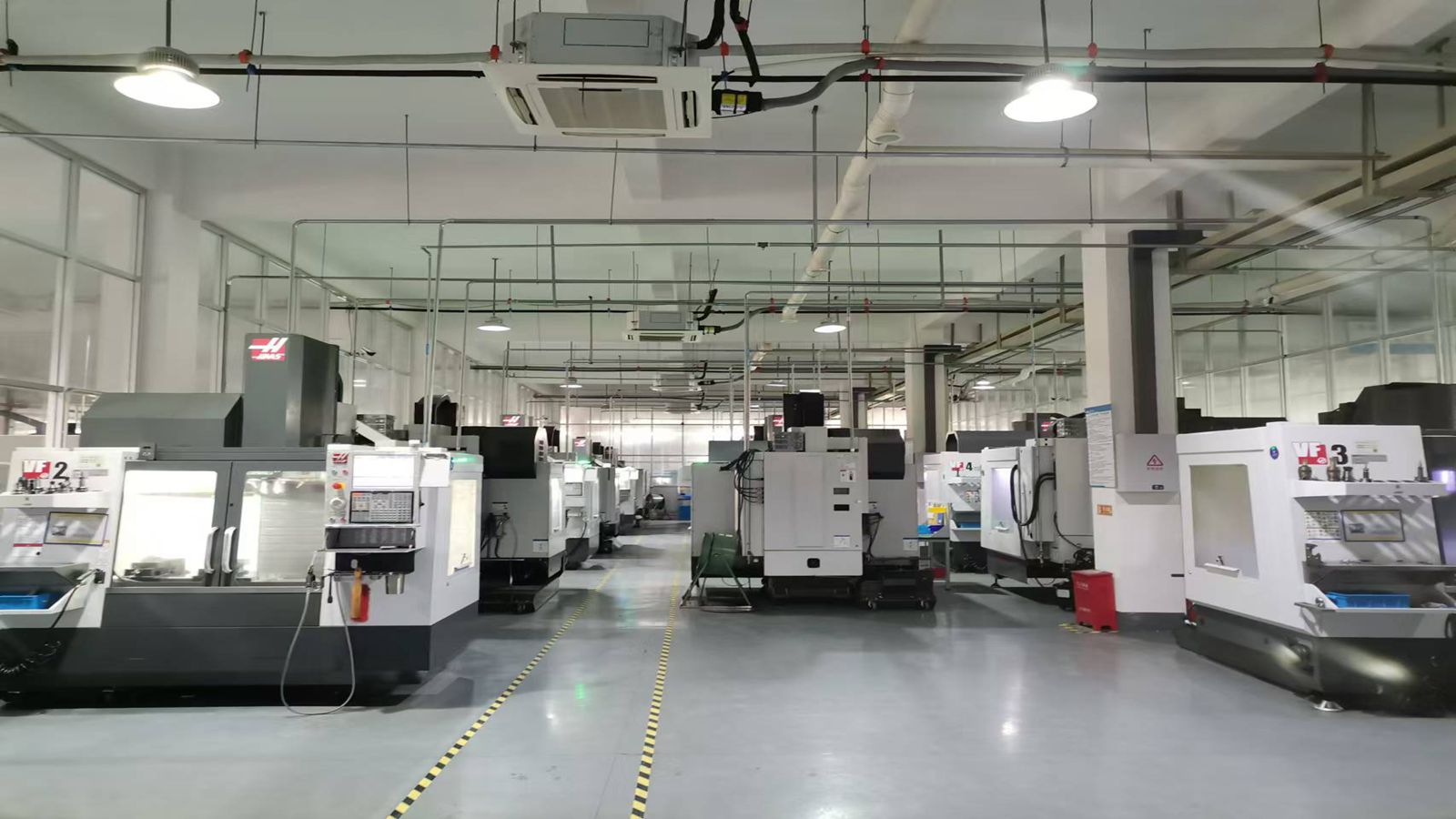
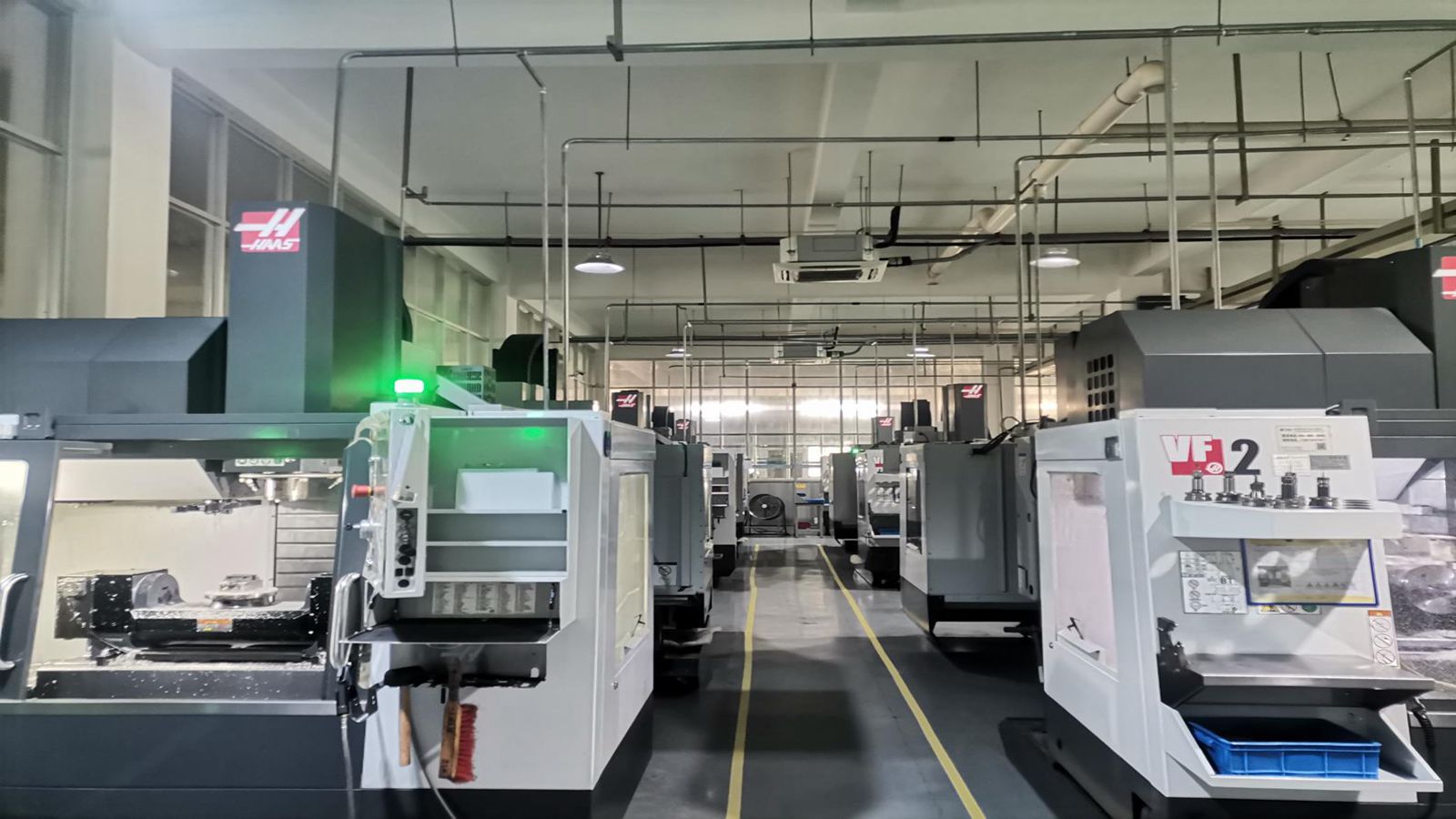
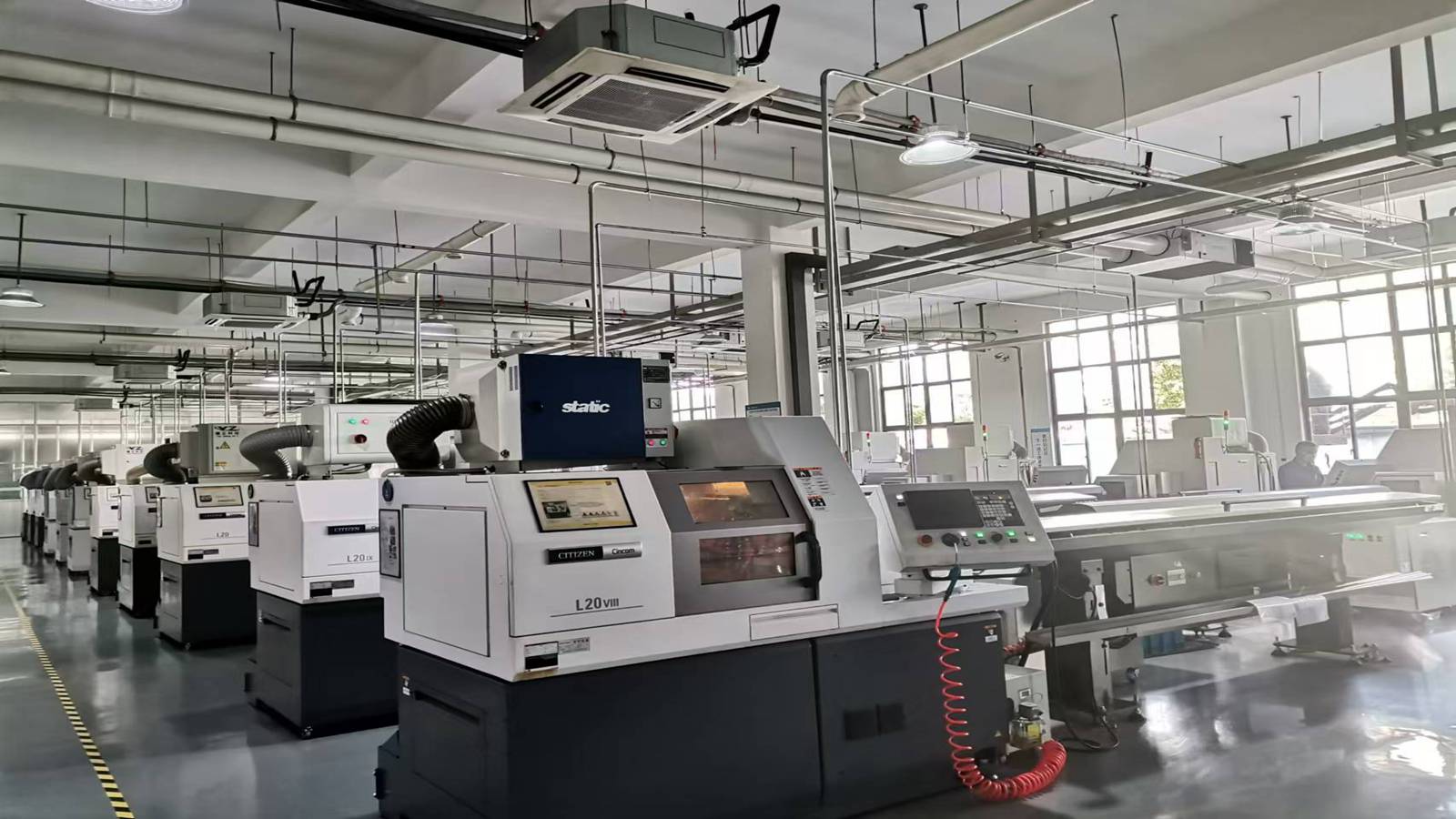
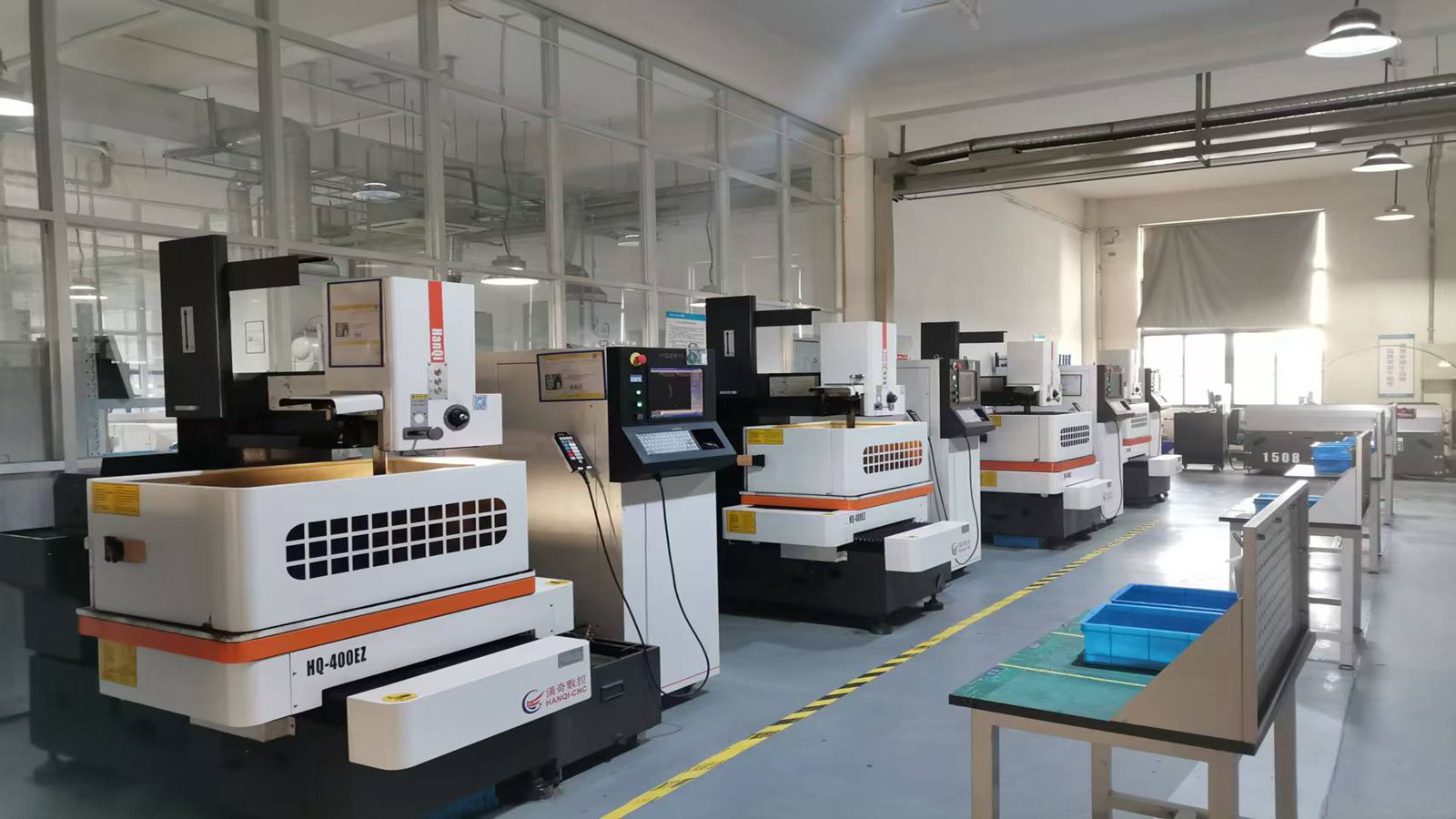
4. Lead Times: With 12 production lines and 120 machines, we maintain a buffer stock of common sizes (10-11mm nails, 6.0 pedicle screws) to ensure rapid global shipping.
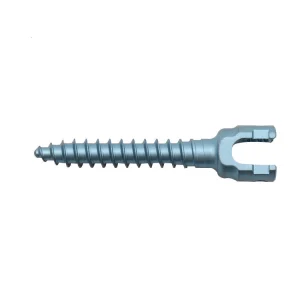
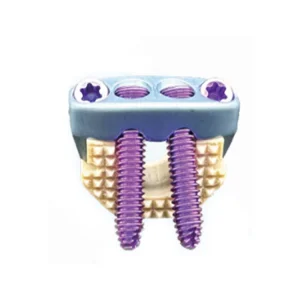
A: Pure titanium (Grade 2/4) is typically used for plates and screws where biocompatibility is paramount and moderate strength is required. Titanium alloy (Grade 5, Ti-6Al-4V) offers significantly higher fatigue strength, making it ideal for weight-bearing implants like intramedullary nails and pedicle screws.
A: We use medical-grade PEEK (Polyetheretherketone) which is radiolucent, meaning it doesn't interfere with X-ray or MRI imaging. Our cages are precision-machined to ensure the teeth provide immediate stability and the hollow center allows for optimal bone graft volume.
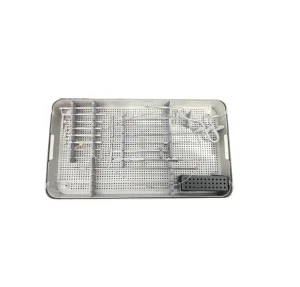
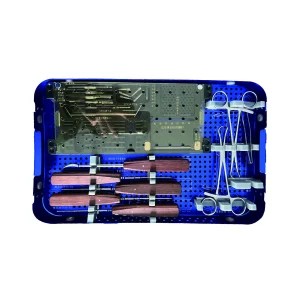
A: Most of our trauma and spinal systems are designed to be "universal," following international AO standards. However, we also provide complete instrument sets (e.g., Retrograde Femoral Nail Instrument Set) to ensure perfect fit and ease of use in the OR.
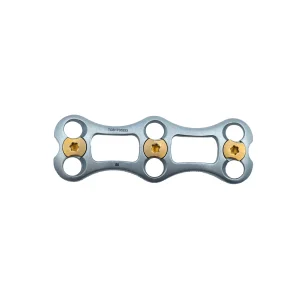
A: Our Class III implants, such as the Micro Locking Plate systems, are designed for lifetime internal fixation, manufactured from materials that do not degrade in the physiological environment of the human body.
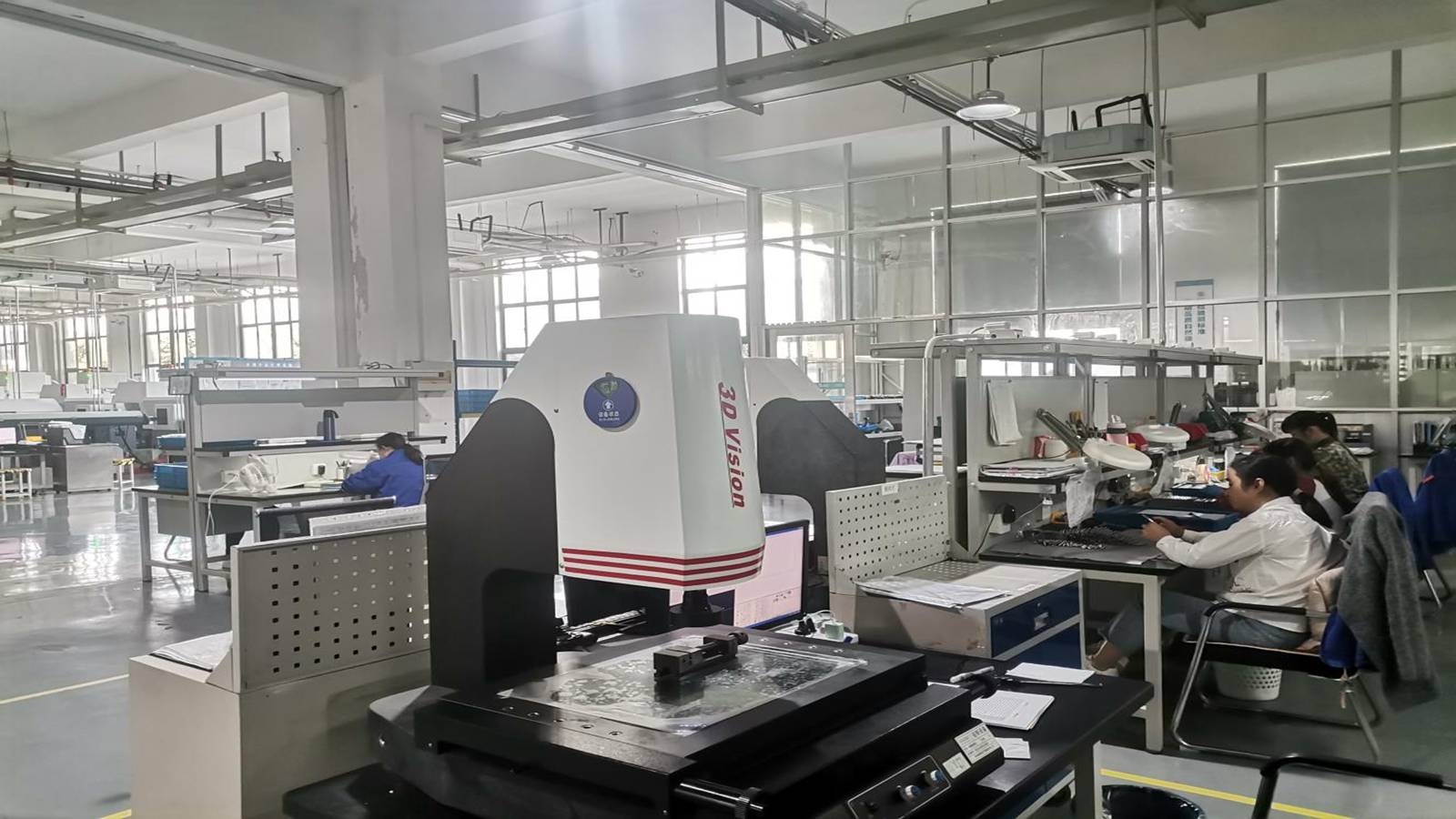
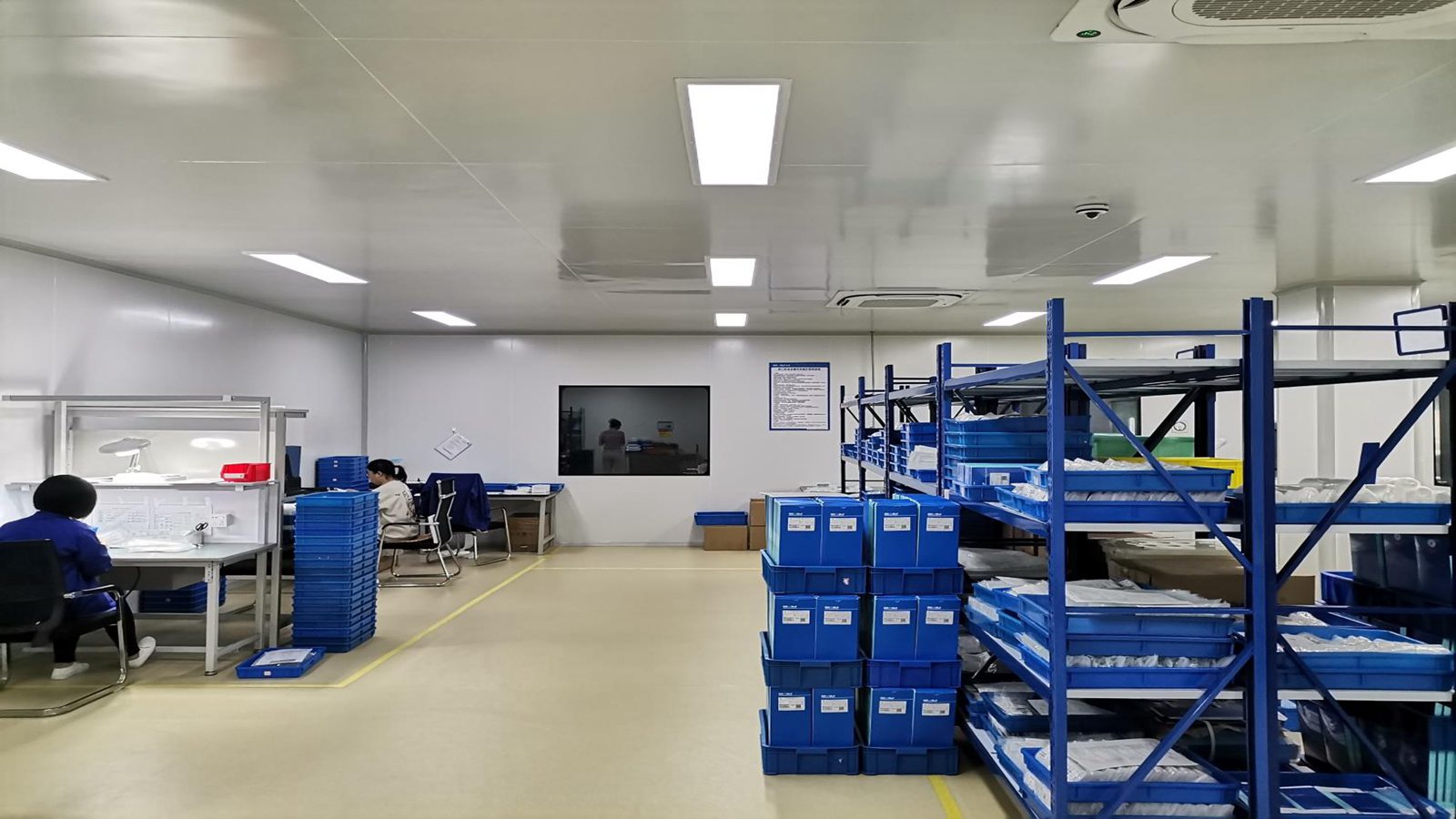
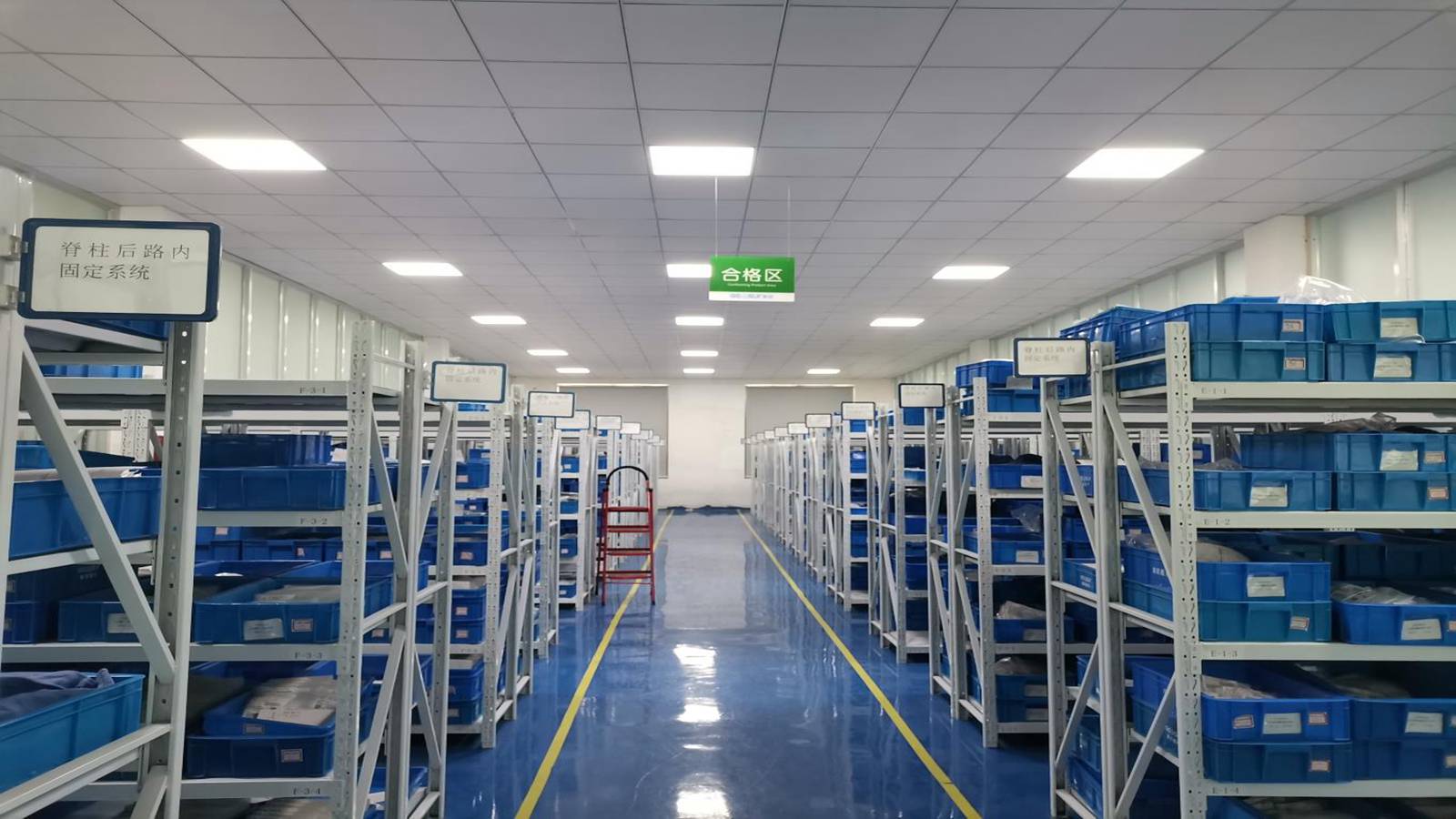
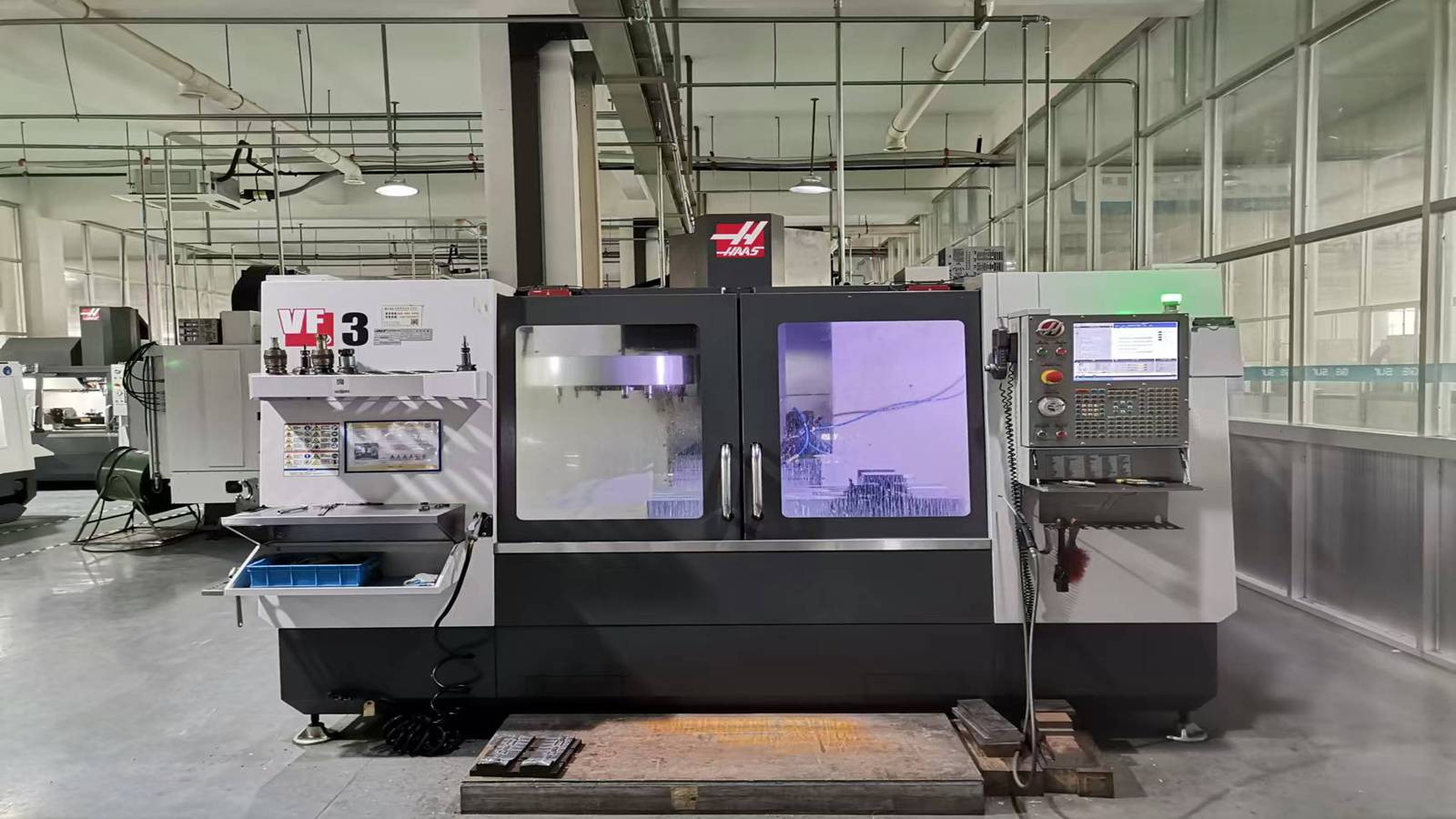
| Company Registration | 2015-10-15 (10 Years in Industry) |
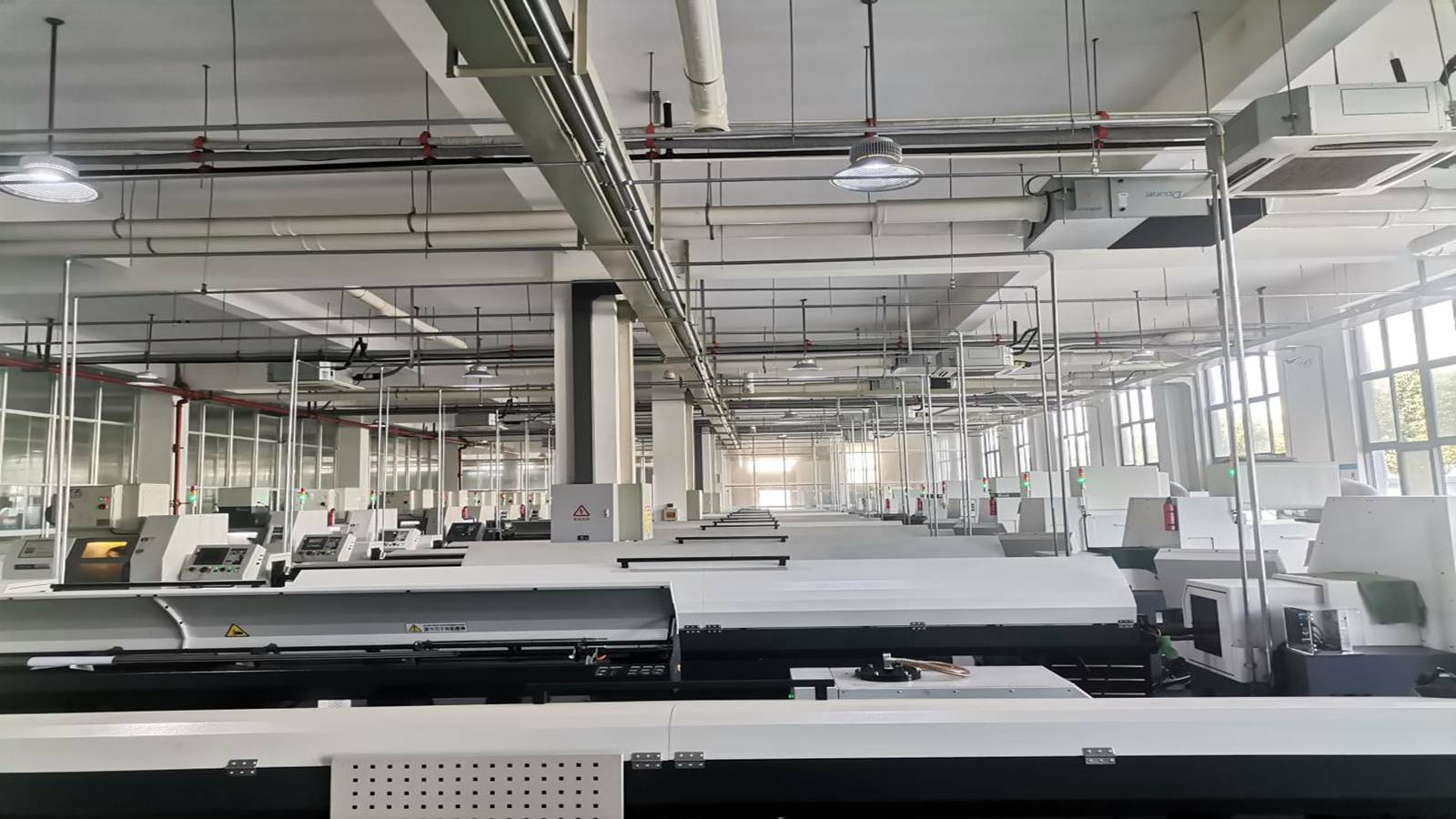
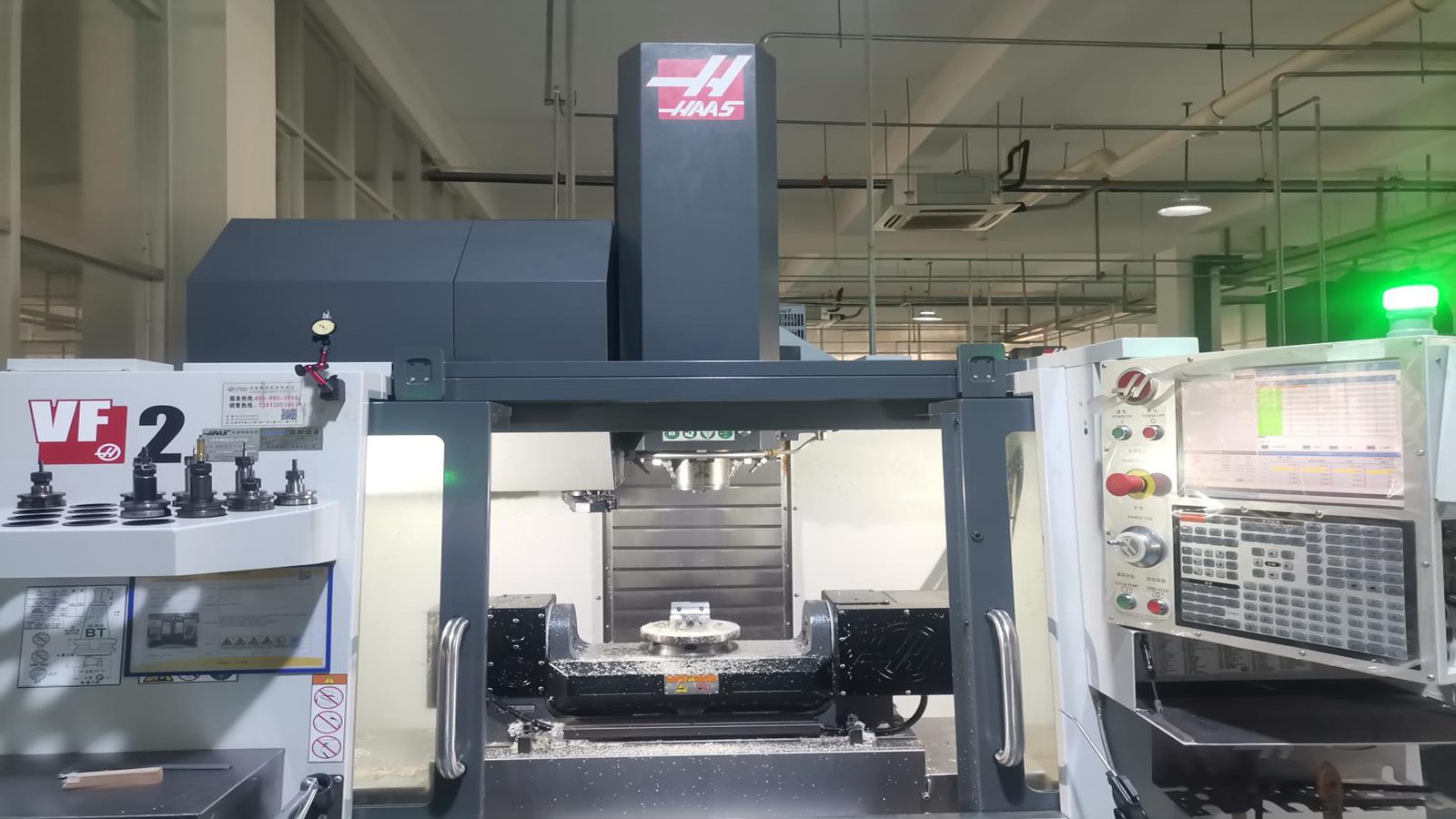
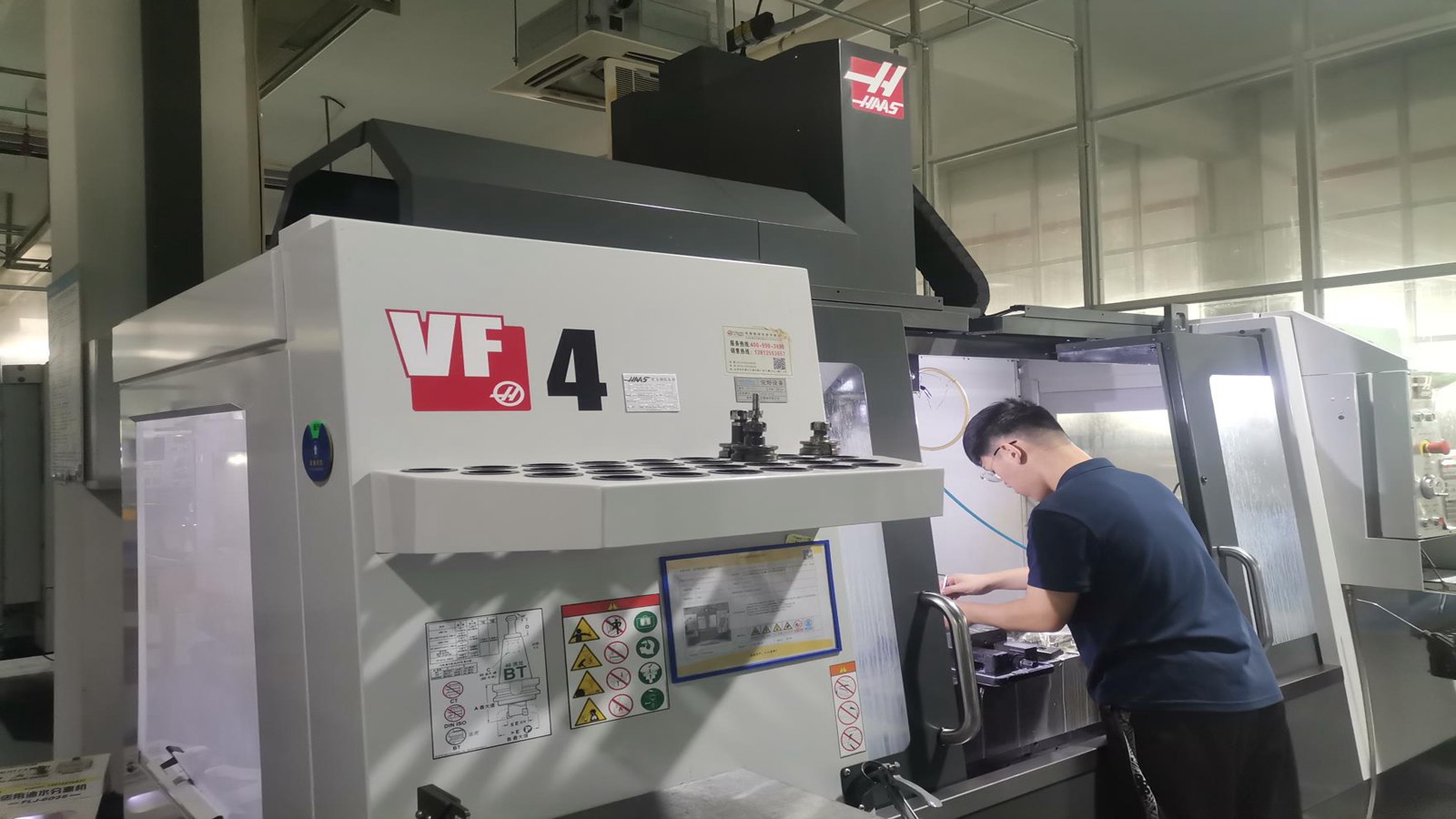
| Production Lines | 12 Modern Automated Lines |
| Certifications | ISO13485, EN ISO 13485, MDSAP, CE (MDR) |
| Main Markets | Domestic (80%), Eastern Europe (5%), Southeast Asia (5%), Global Export |
| Quality Control | 100% Inspection on production lines; 36 QA/QC inspectors |
| R&D Capability | 31 Engineers; doctorate and post-graduate expertise |
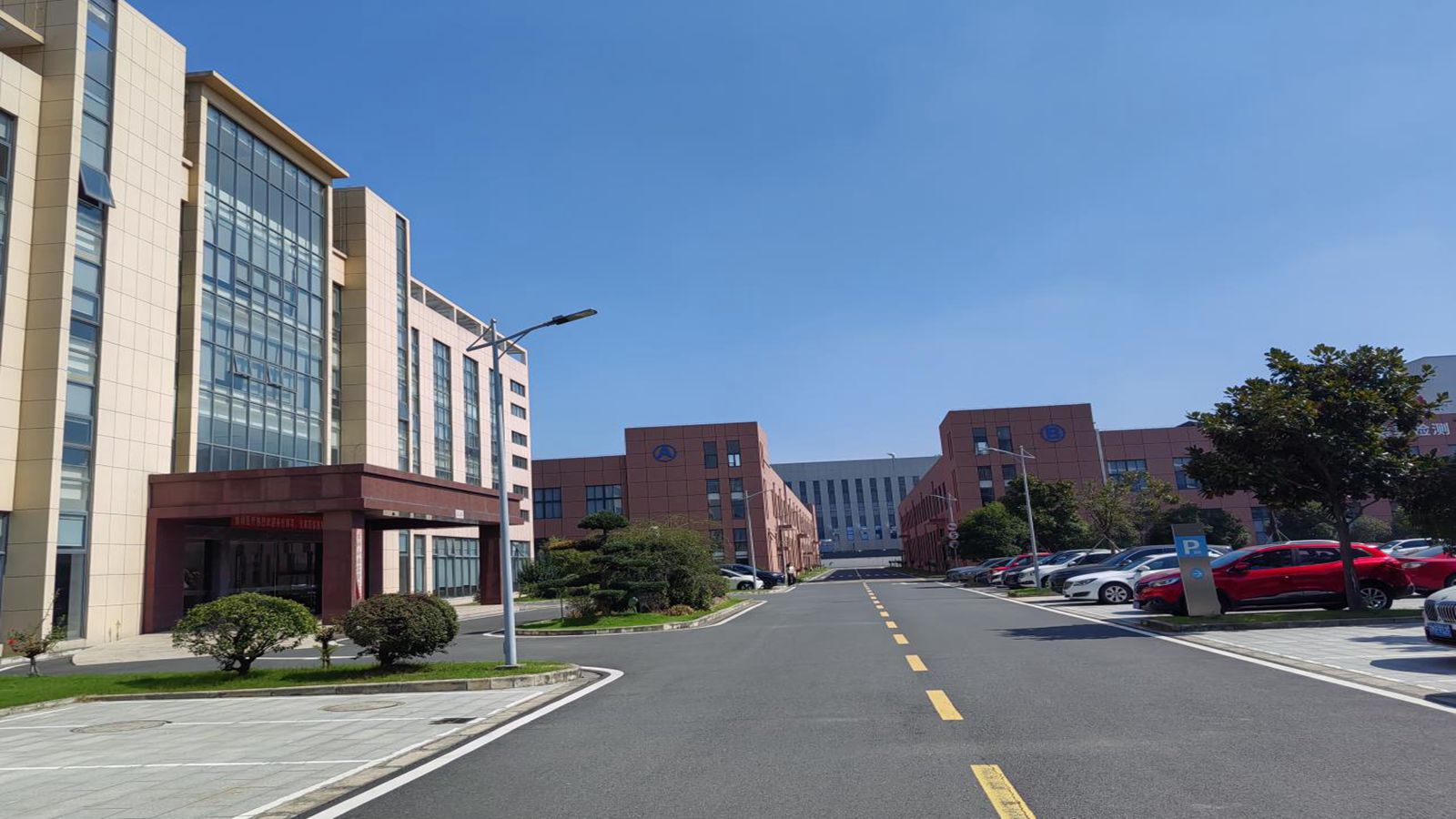
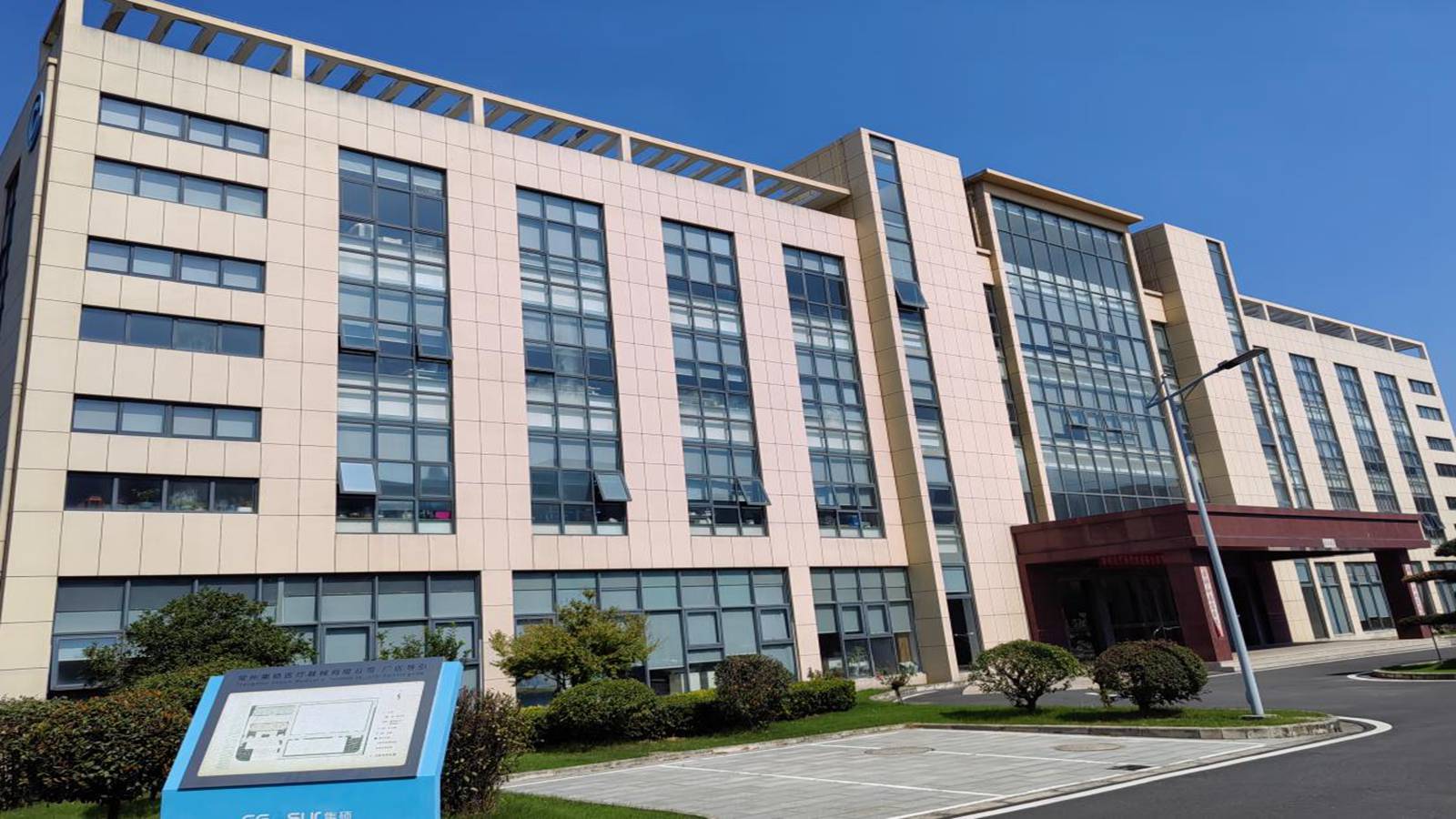
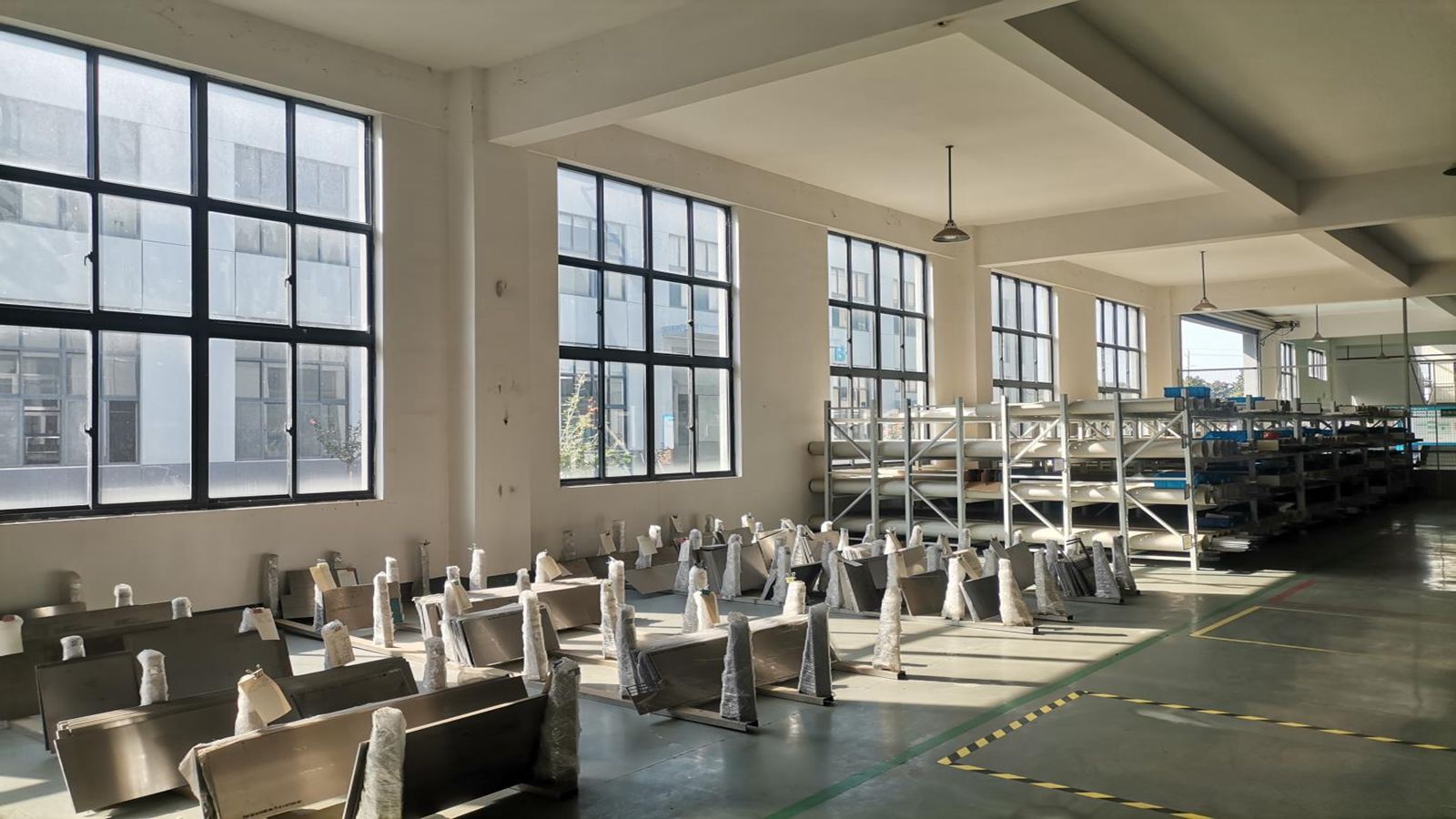
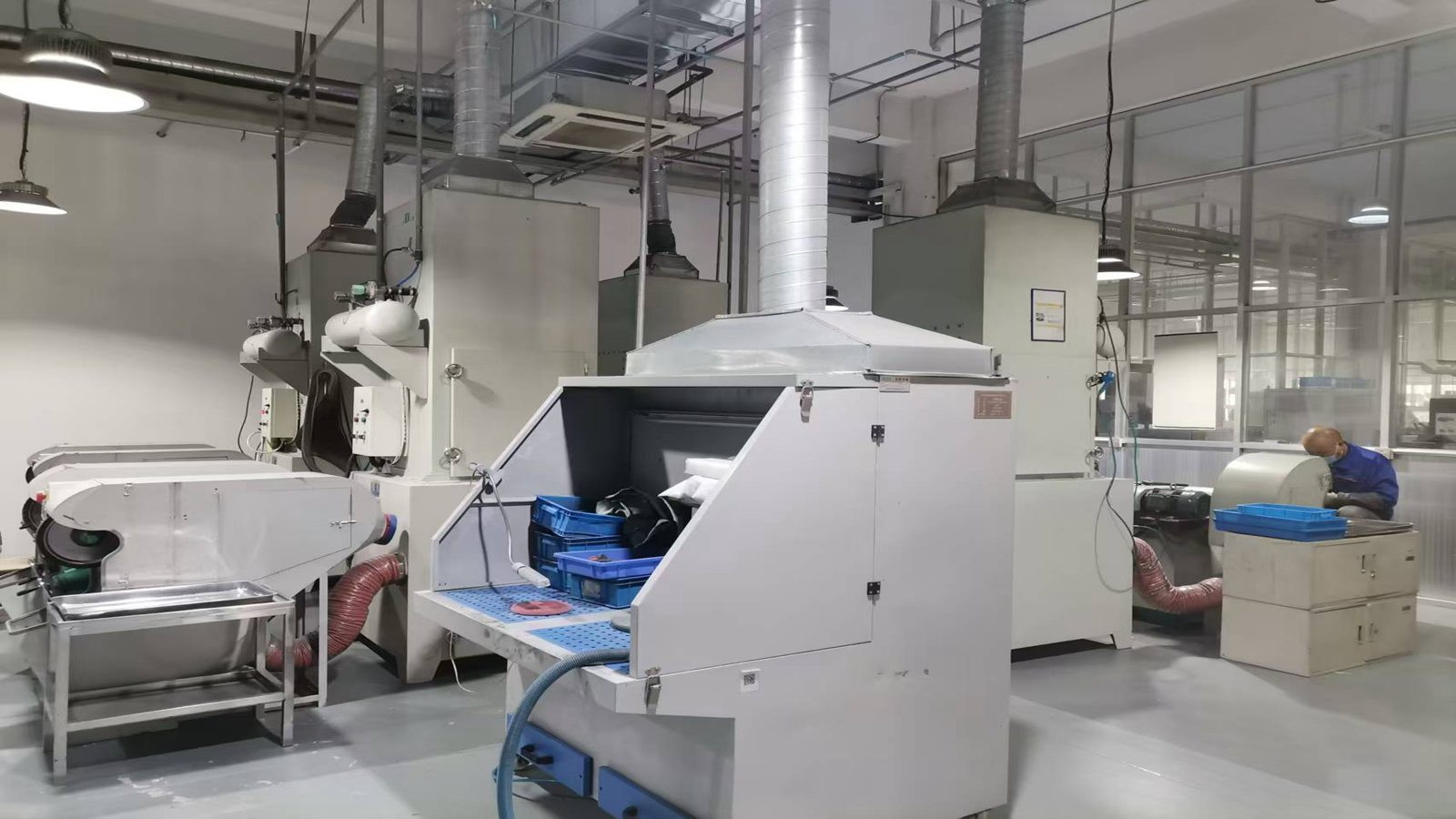
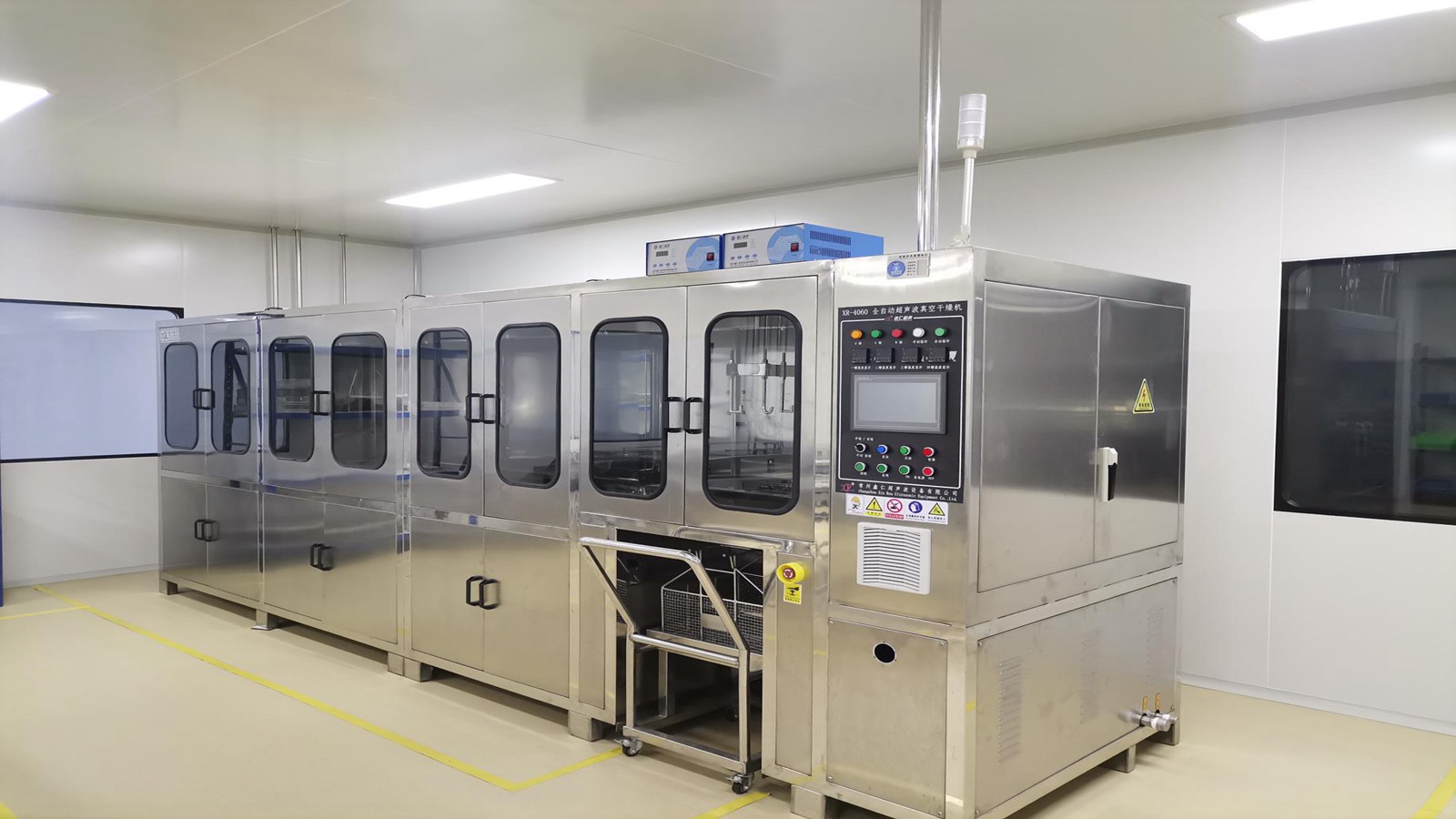
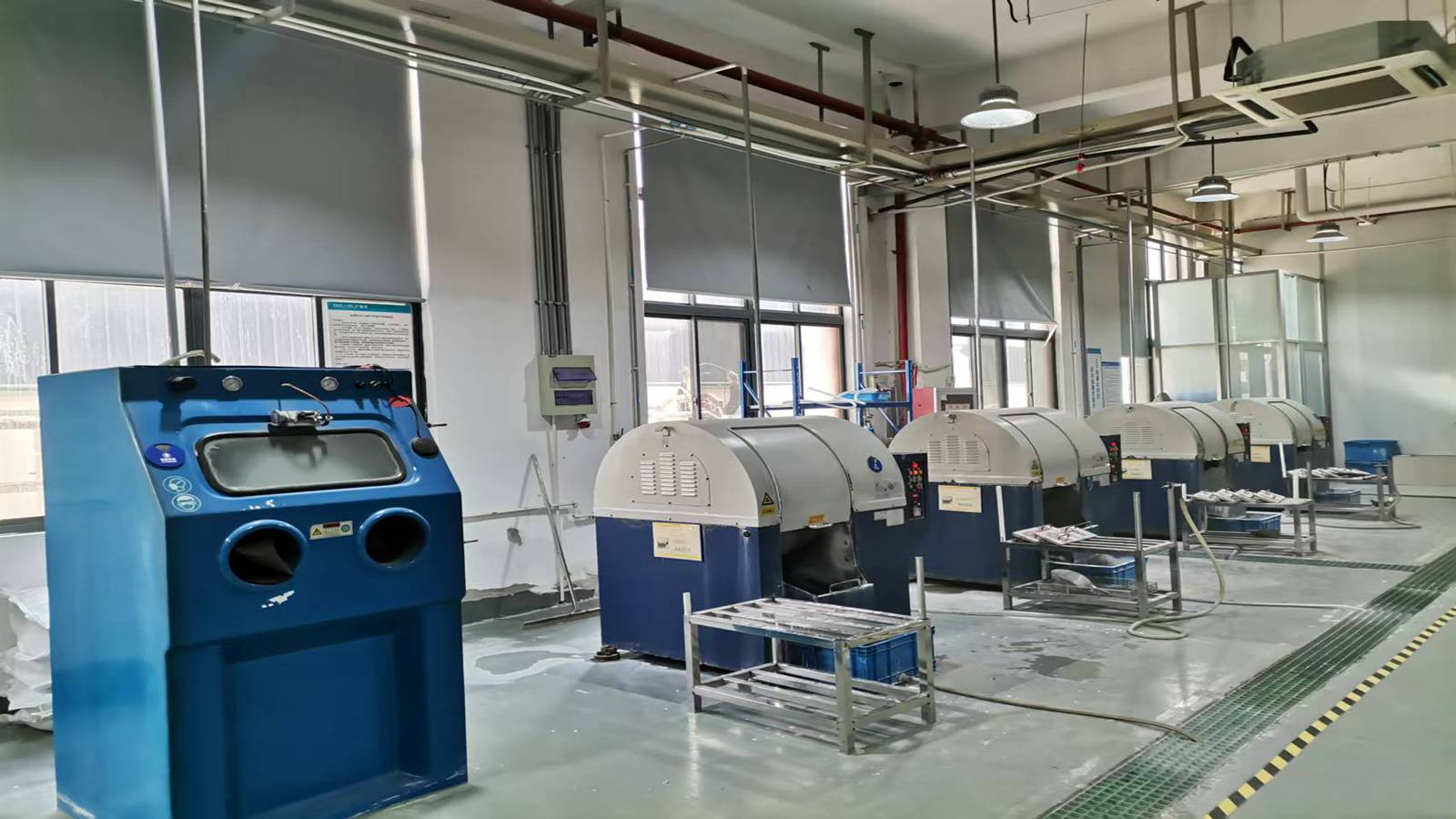
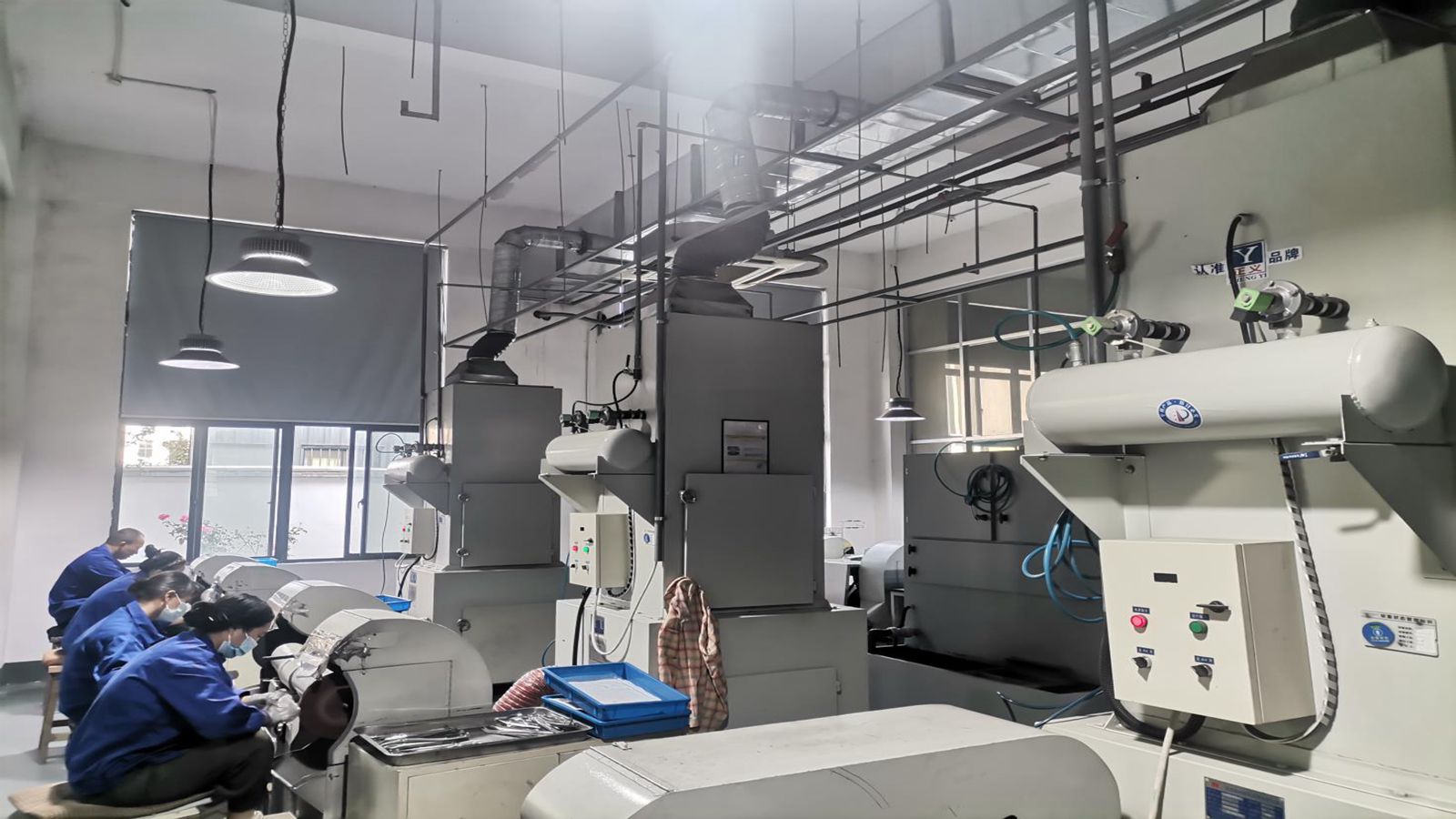
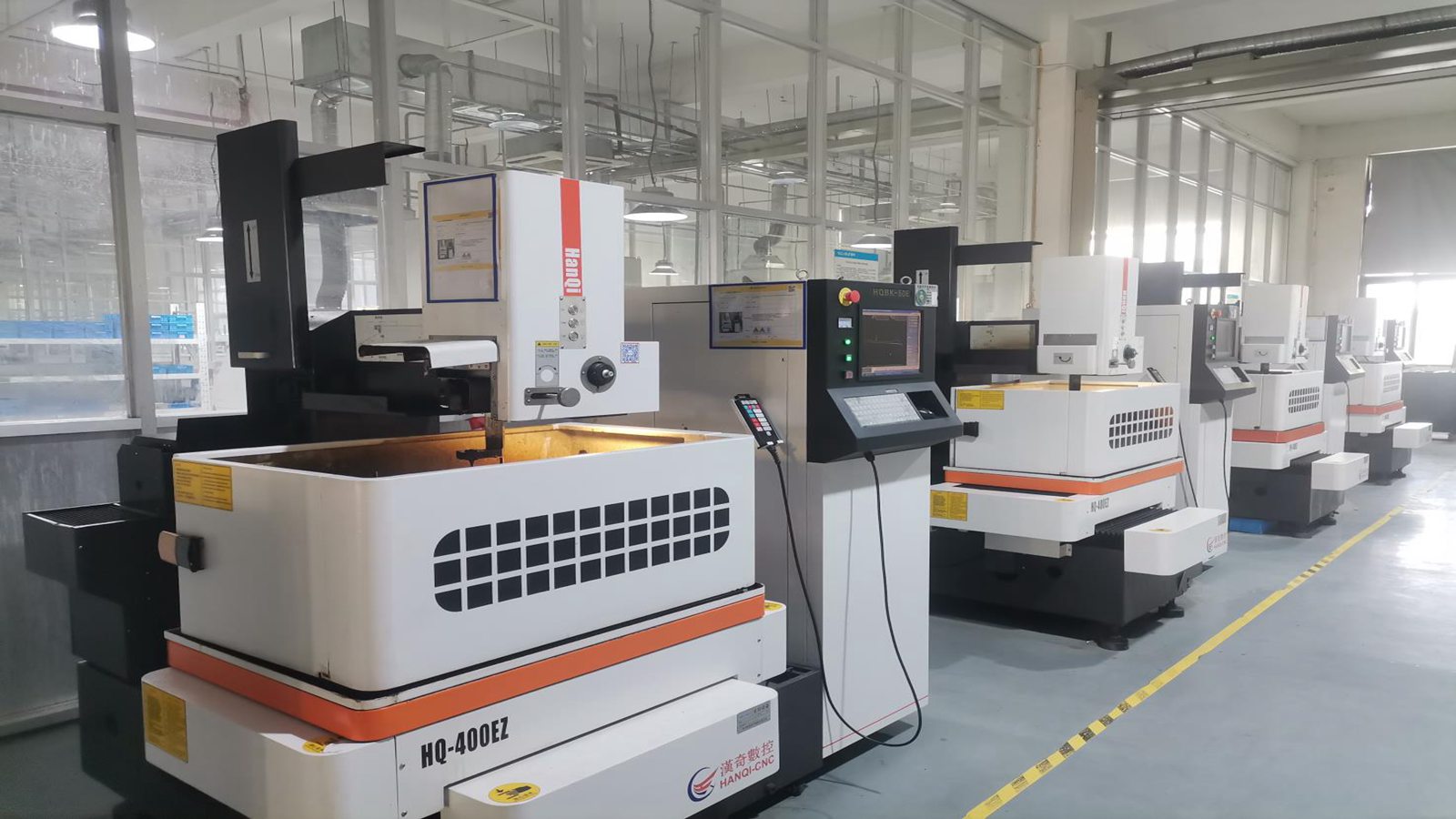
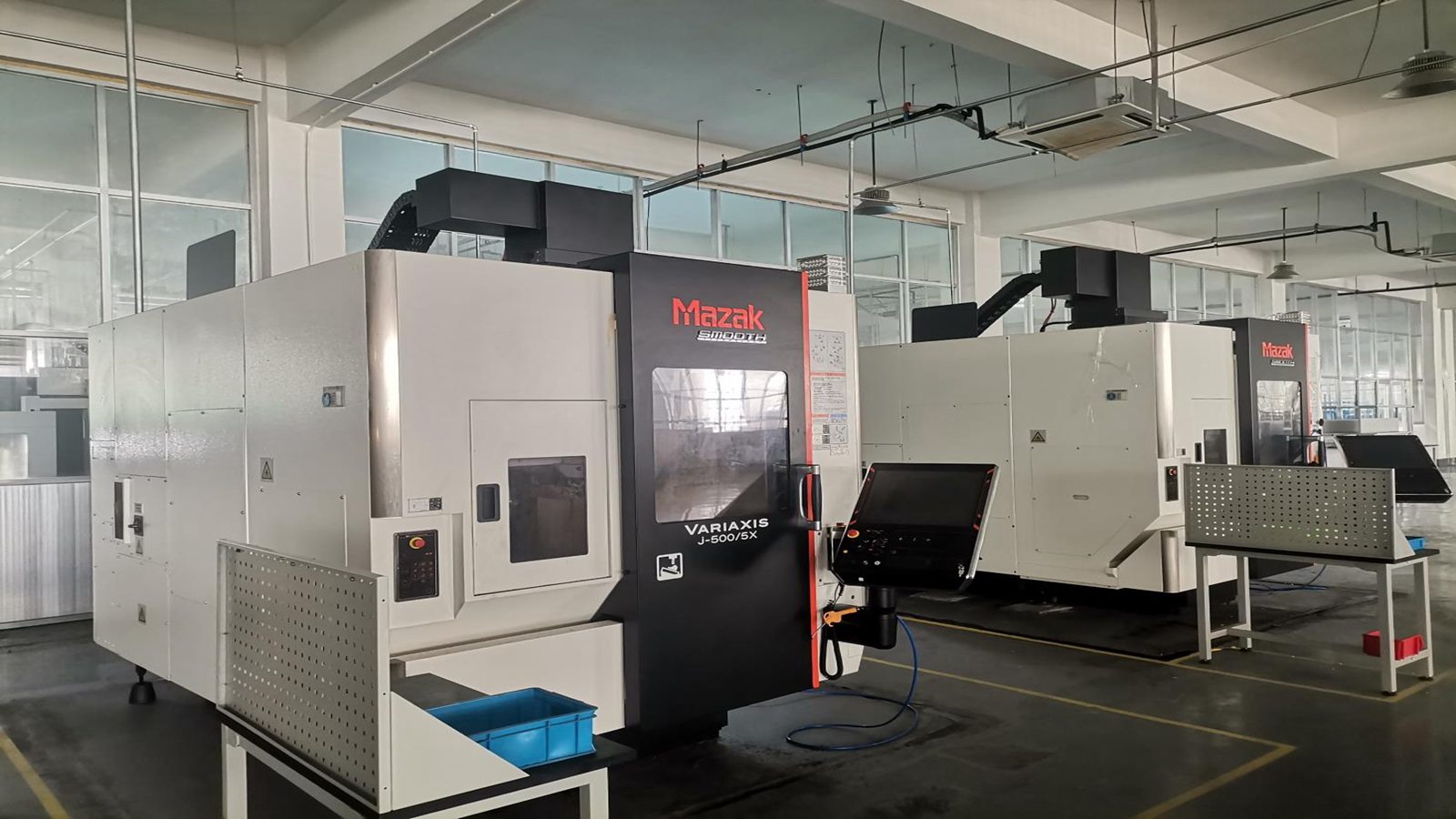
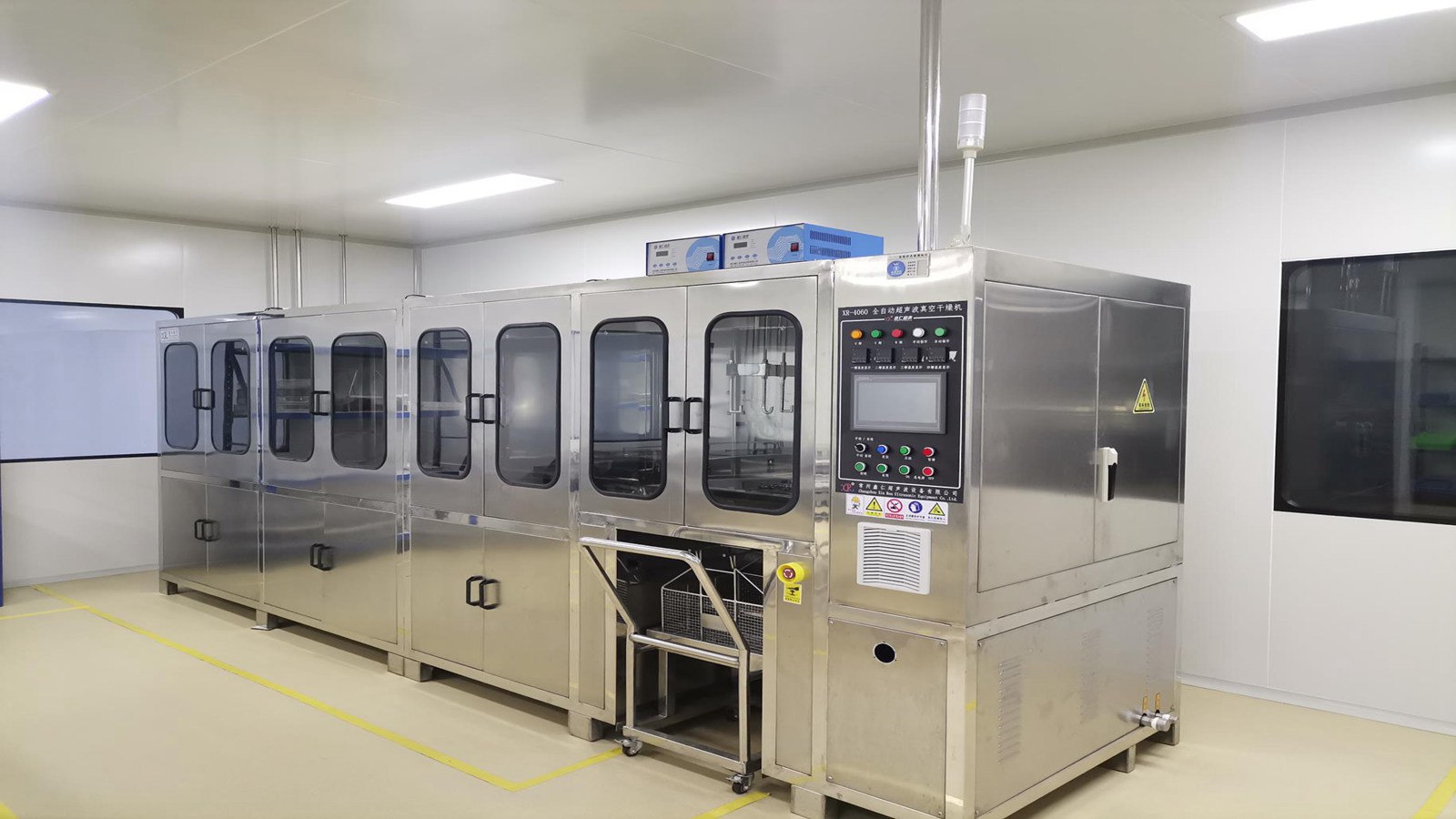
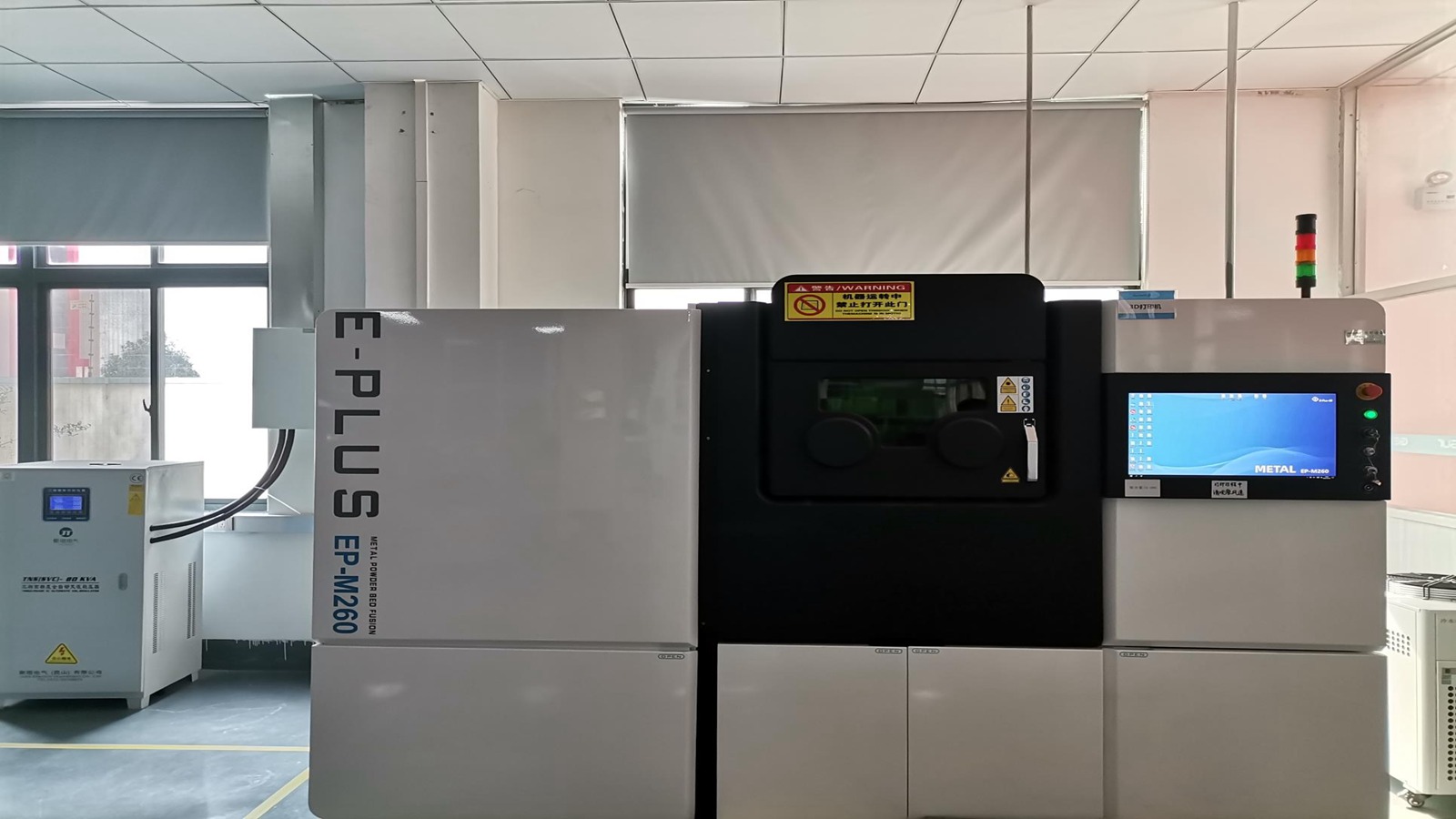
Our 30,343㎡ facility is equipped with 120 precision machines dedicated to the manufacture of Class II and Class III medical instruments. With a decade of export experience, we have established ourselves as a reliable partner for brand businesses, wholesalers, and medical engineers worldwide.