Ease Medical Apparatus And Instruments
Ease Medical Apparatus And Instruments
Ease Medical Apparatus And Instruments
Femoral neck fractures remain one of the most challenging orthopedic injuries, particularly in an aging global population. The choice of internal fixation systems—ranging from cannulated screws to advanced dynamic locking plates—is critical for achieving biological stability and preventing non-union or avascular necrosis. As a leading Femoral Neck Internal Fixation System Factory, we provide insights into how modern engineering is meeting clinical demands for better outcomes and faster recovery.
Historically, the "Garden Classification" has guided surgical decisions. However, today's surgeons demand more: they need systems that offer rotational stability, controlled compression, and anatomical alignment. This article explores the macroscopic trends, technical advancements, and procurement strategies that define the top exporters in the medical device industry today.
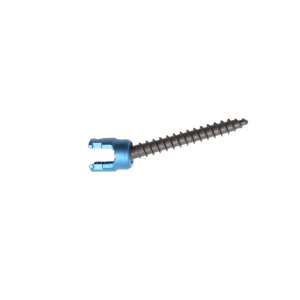
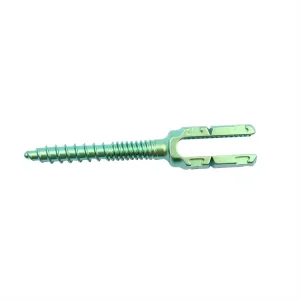
Utilizing Medical Grade 5 Titanium (Ti-6Al-4V ELI) to ensure biocompatibility and high fatigue strength under cyclic loading.
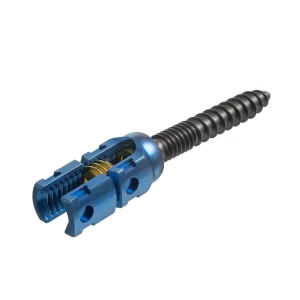
Optimized thread designs and dynamic compression features to minimize the risk of "cut-out" in osteoporotic bone.
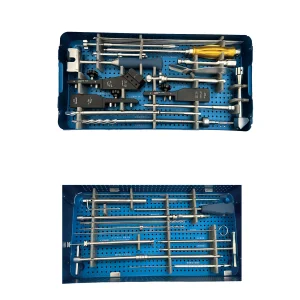
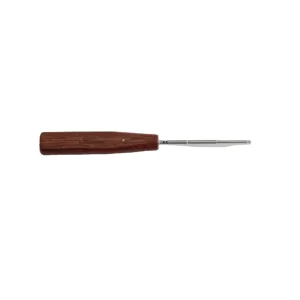
Surgical instrumentation designed for smaller incisions, reducing soft tissue trauma and hospital stay duration.
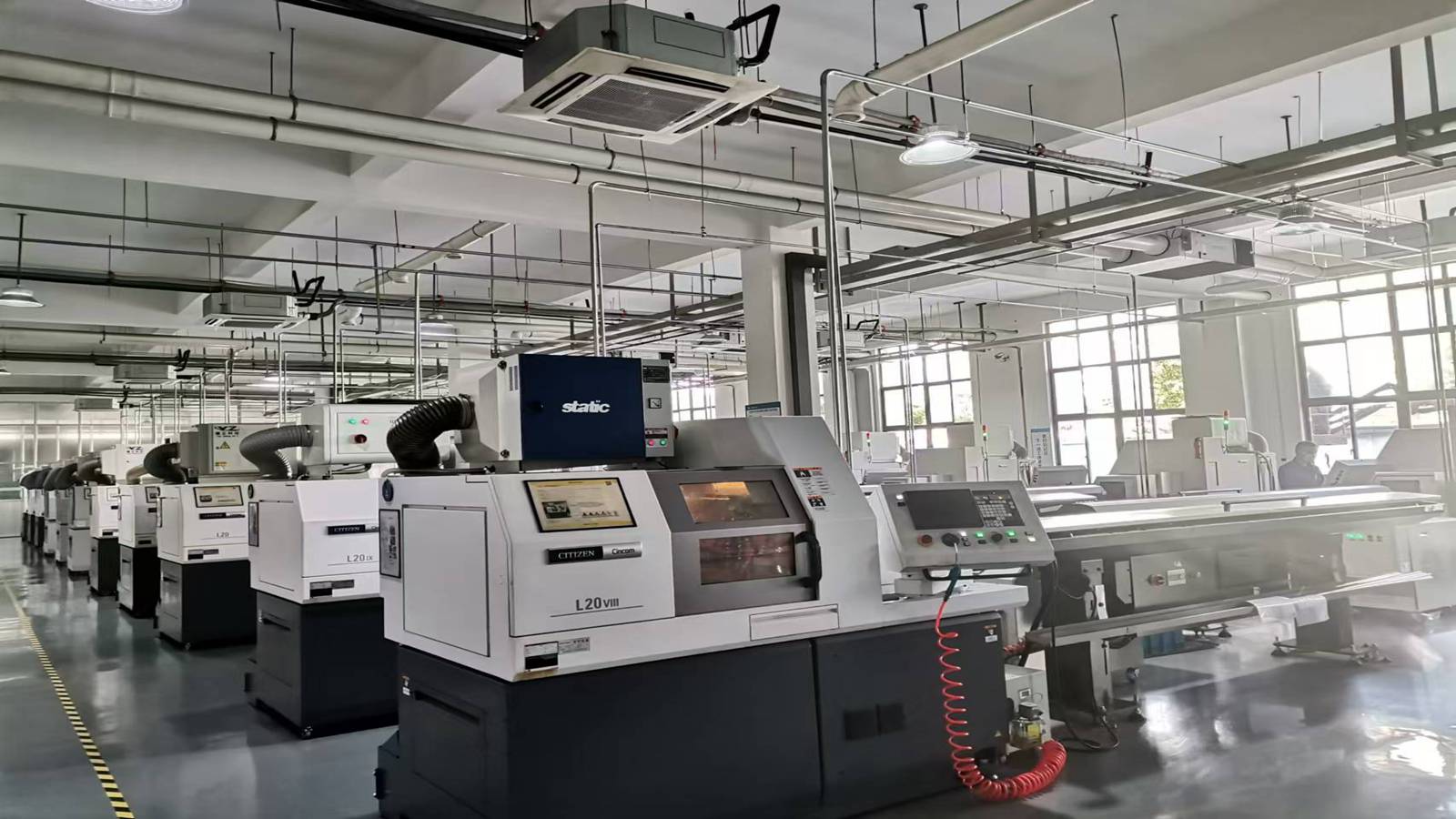
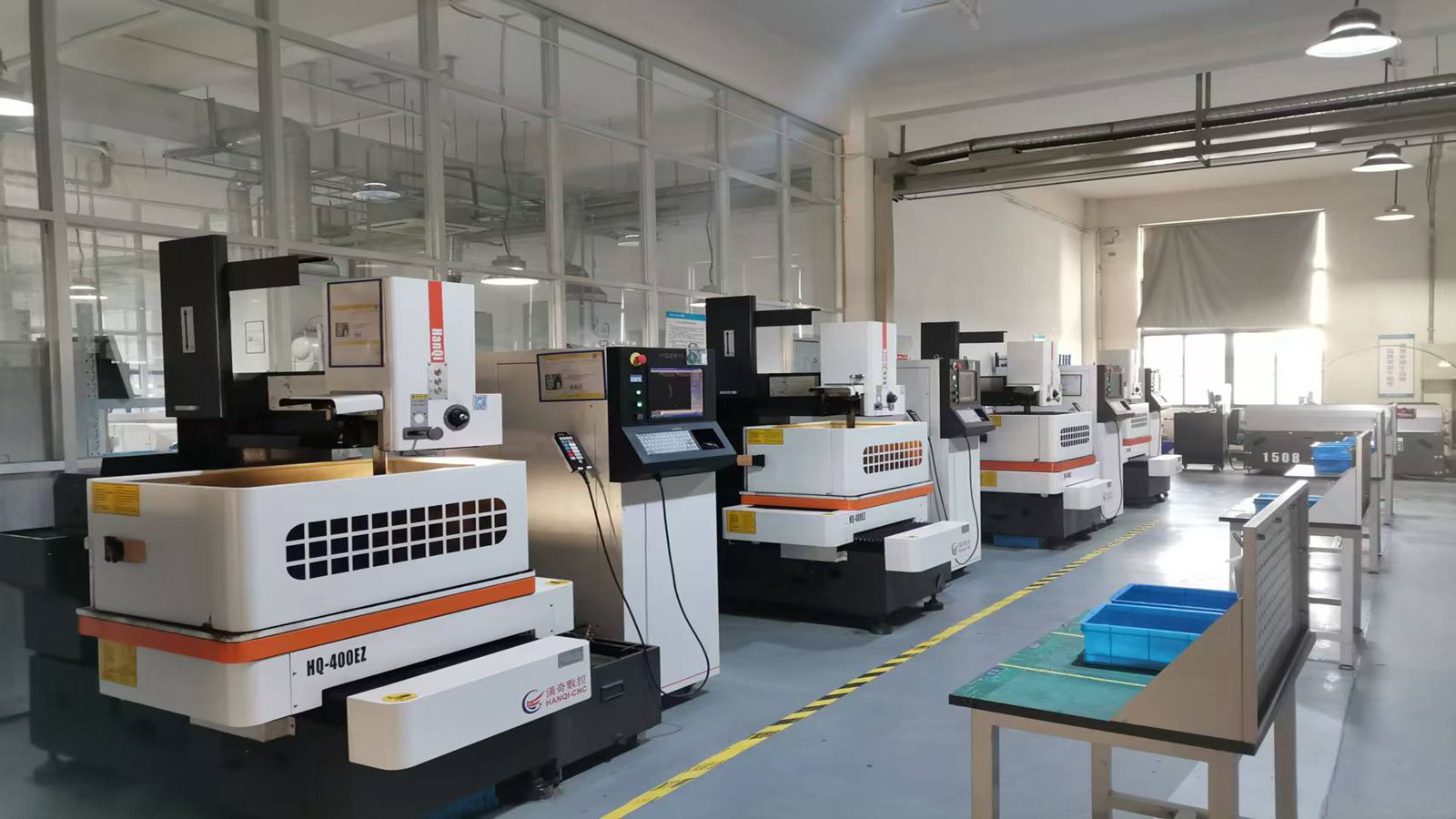
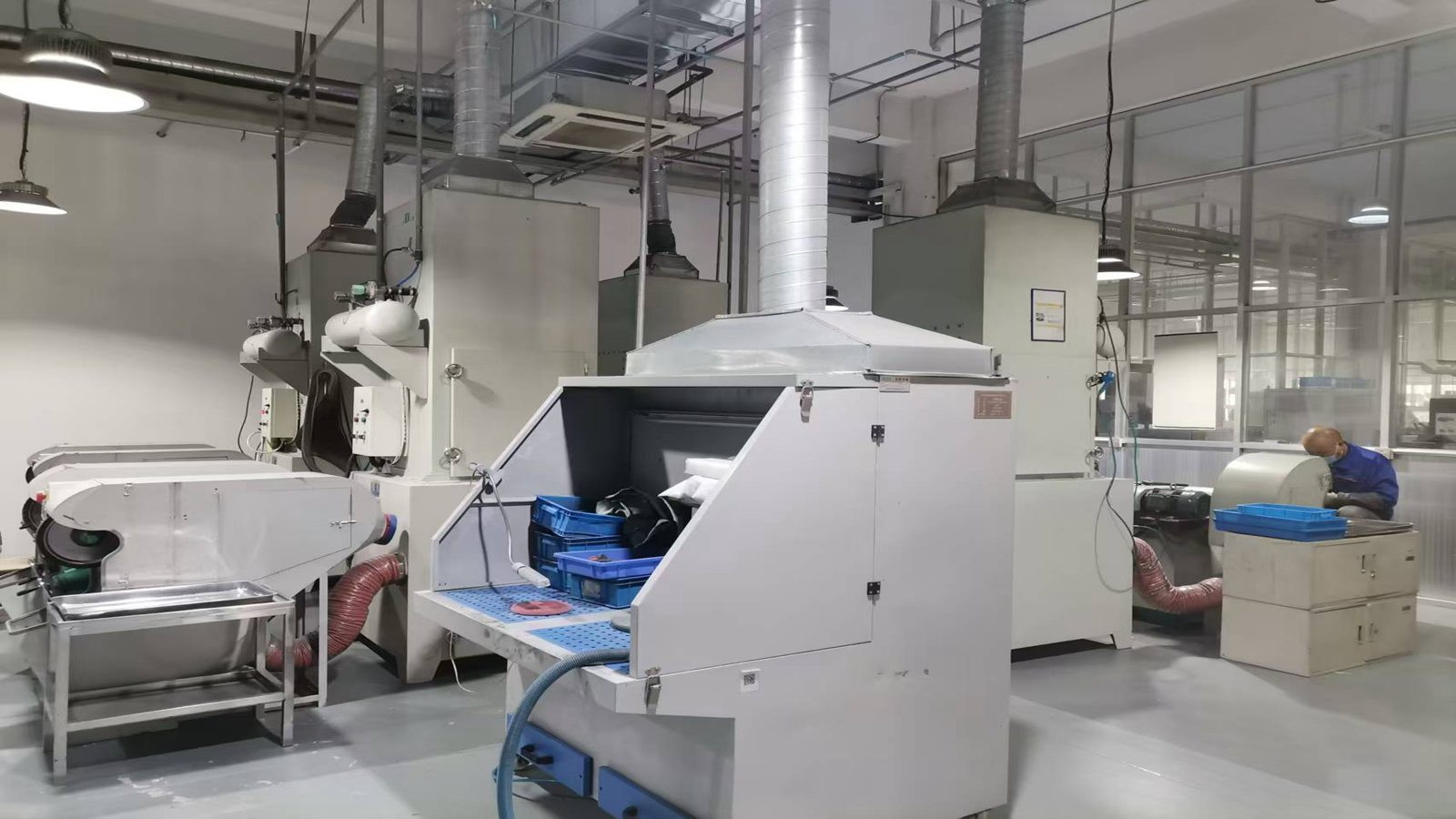
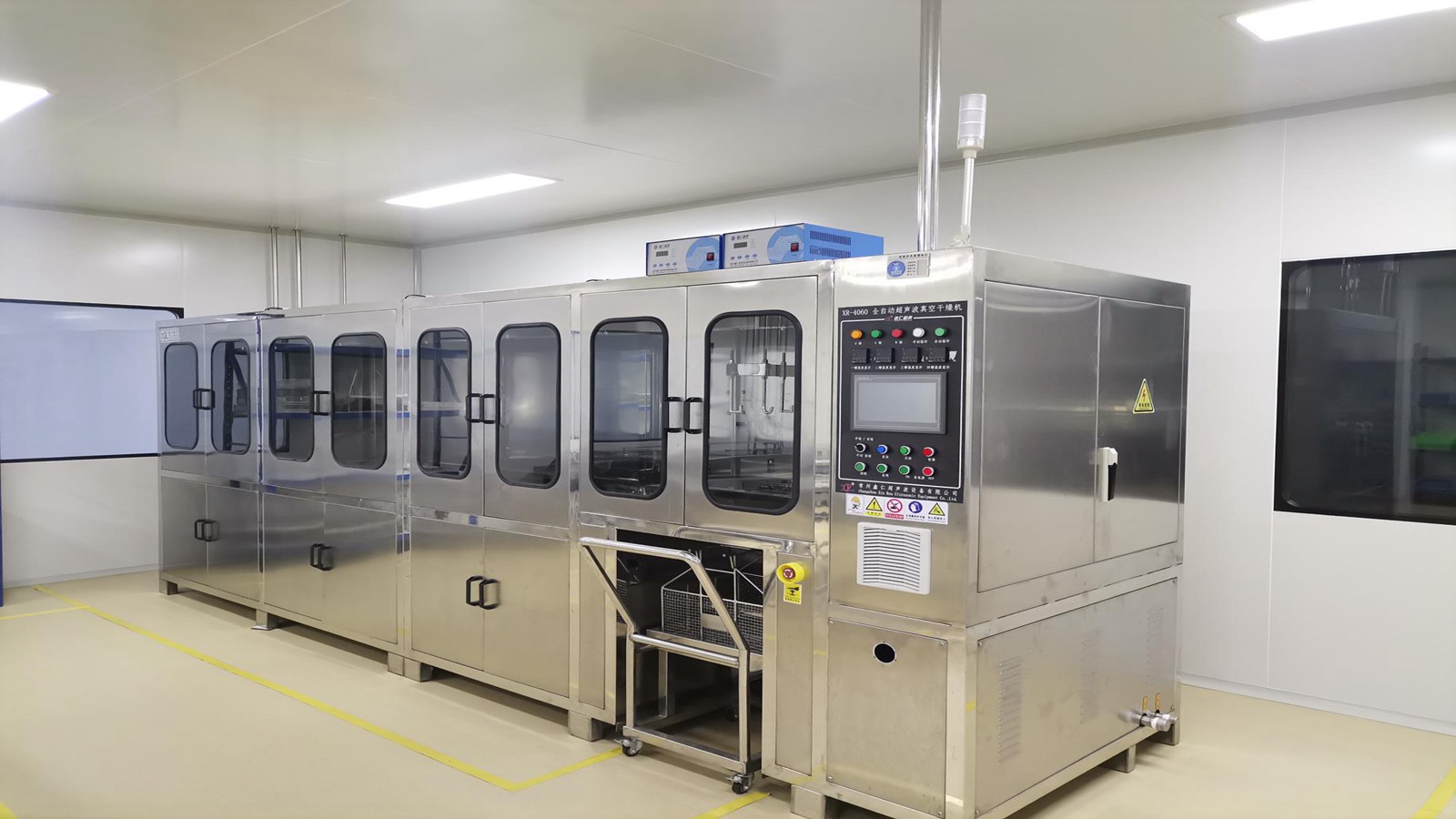
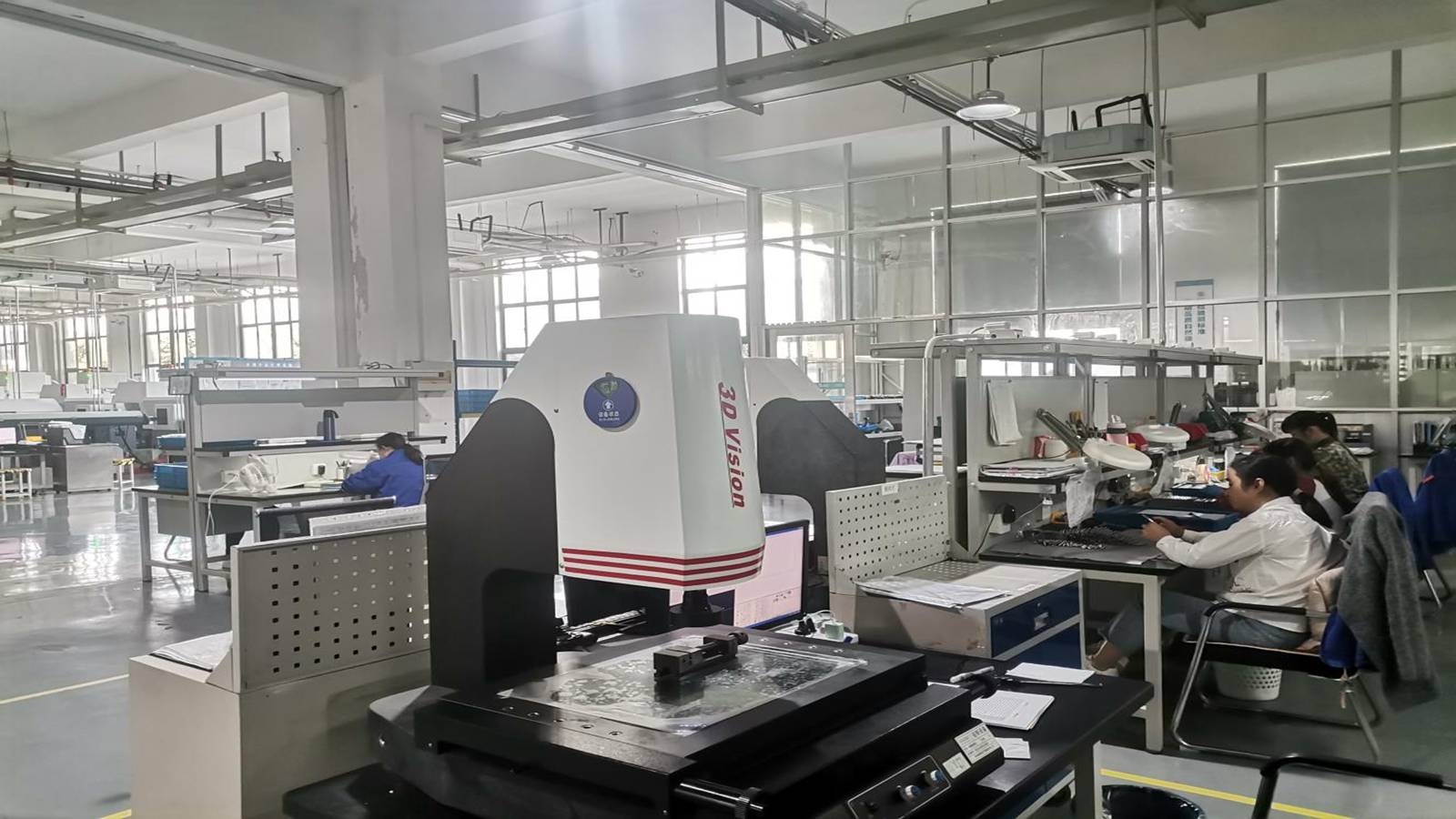
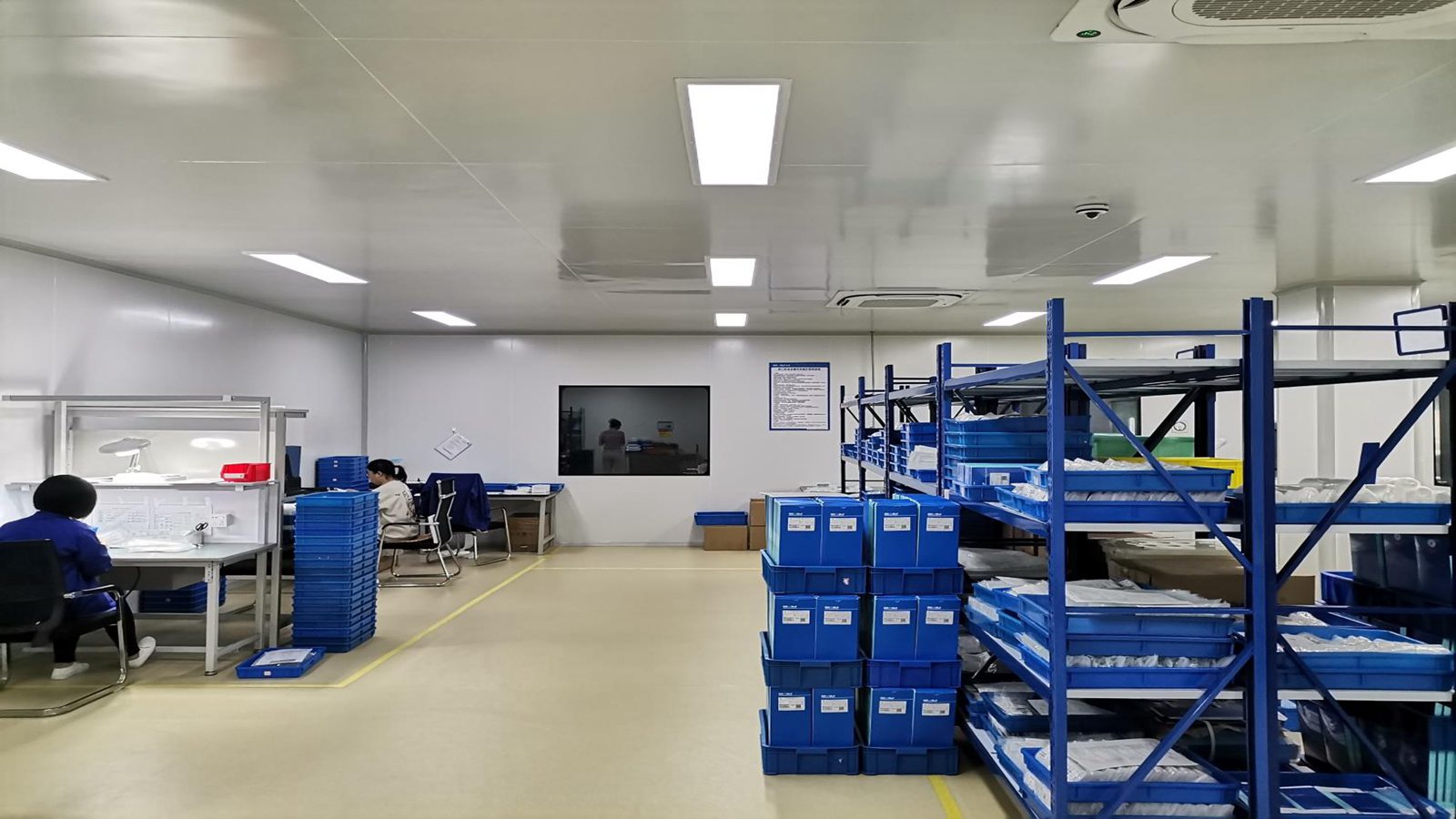
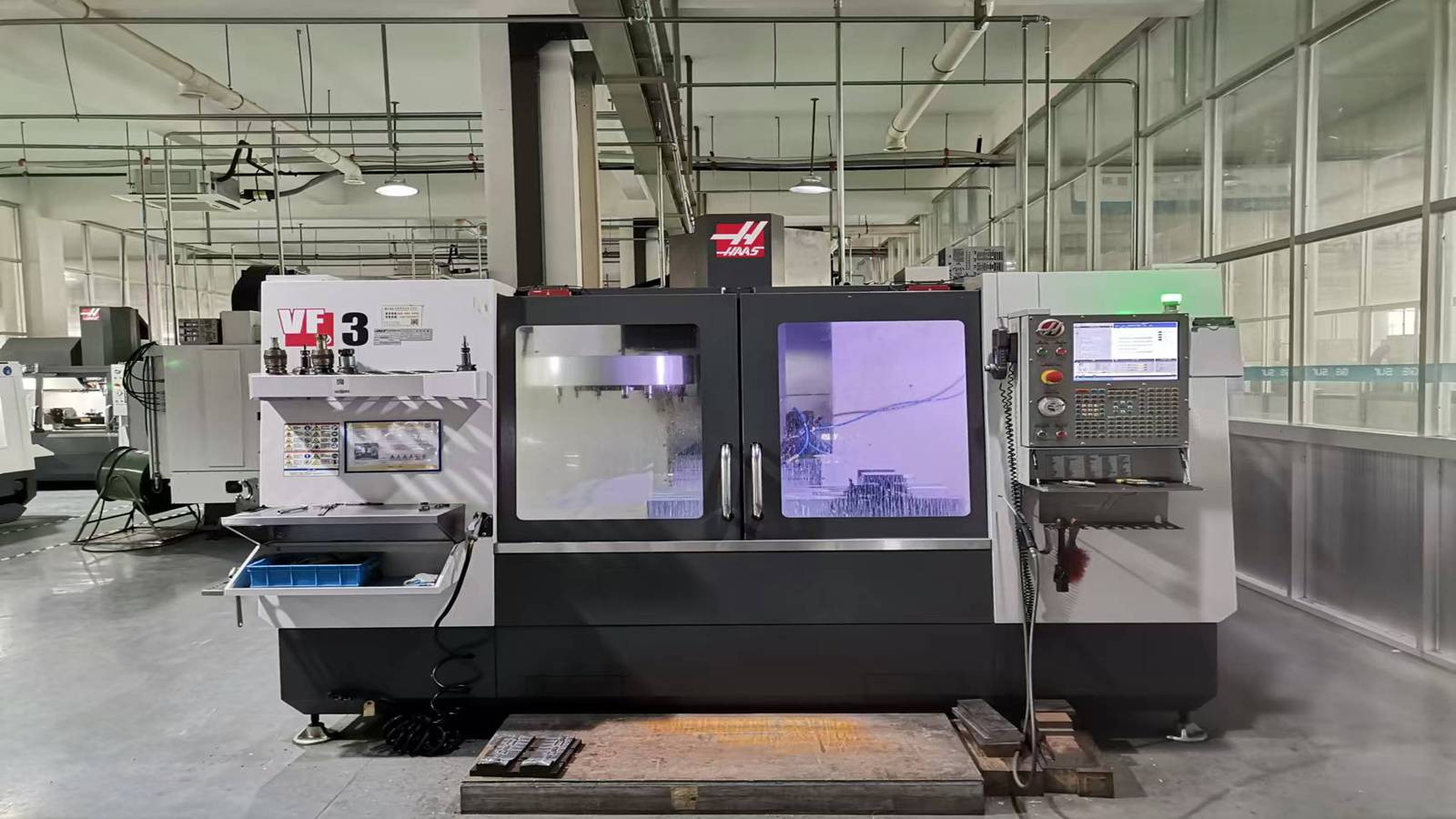
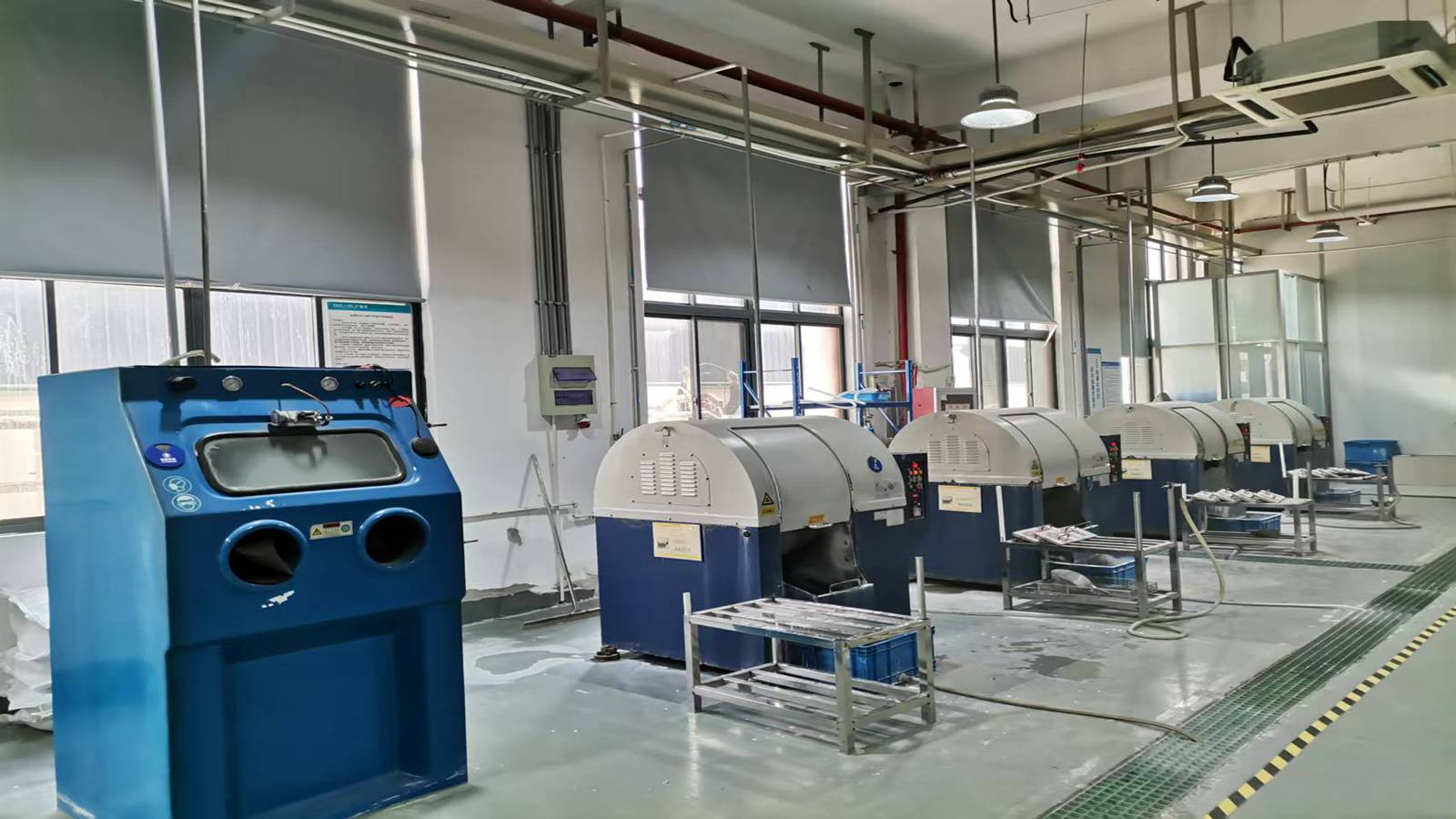
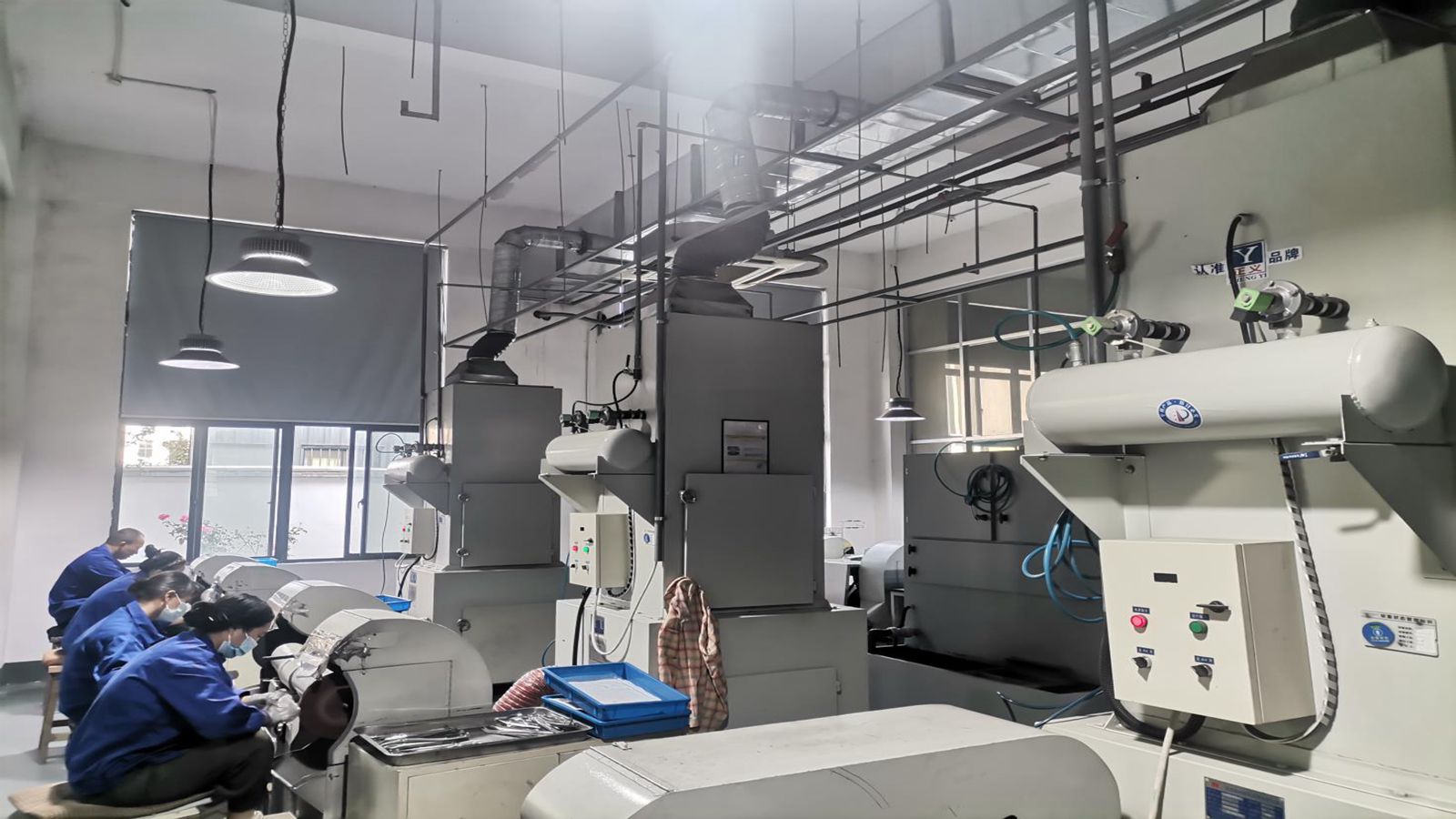
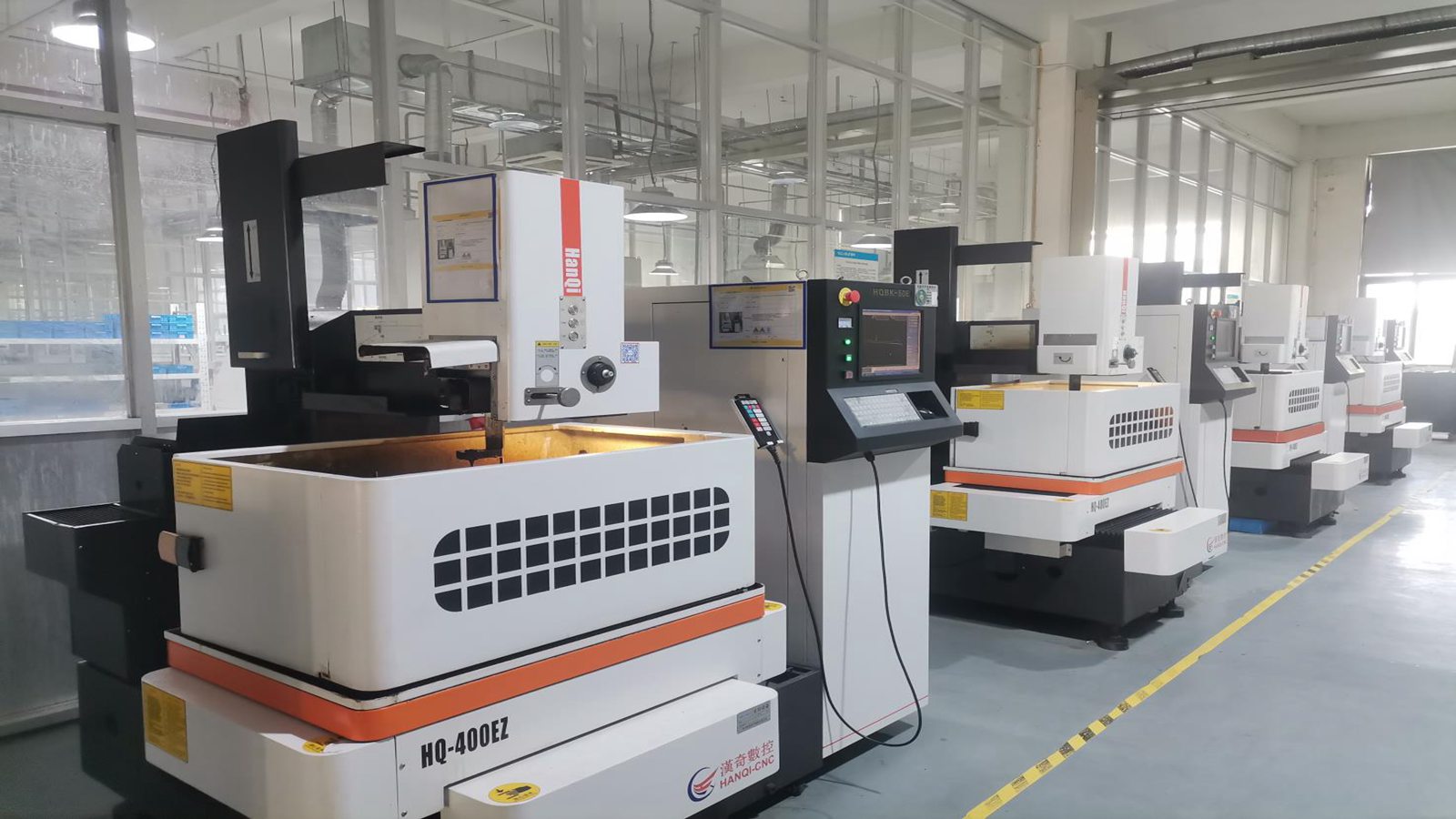
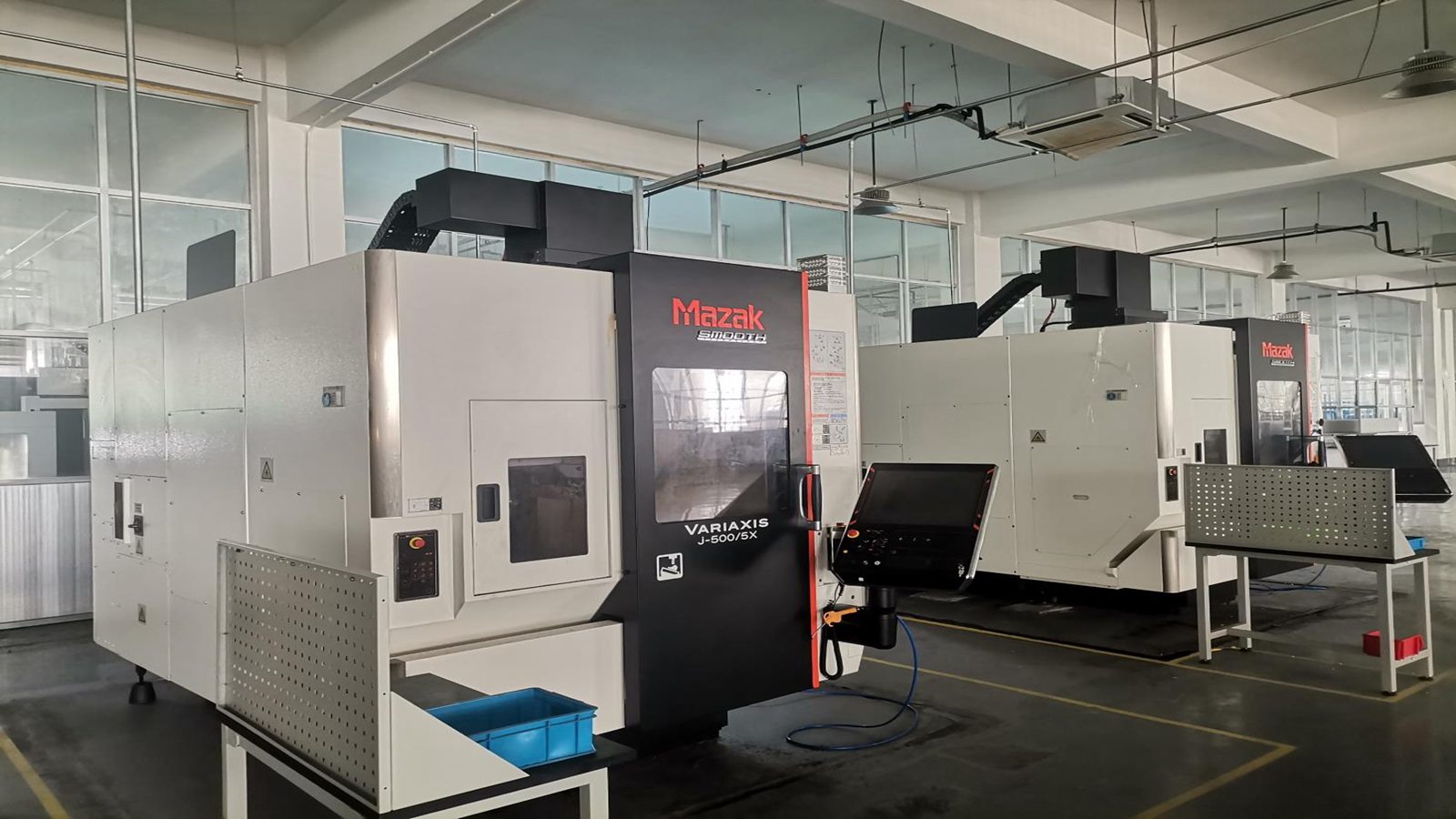
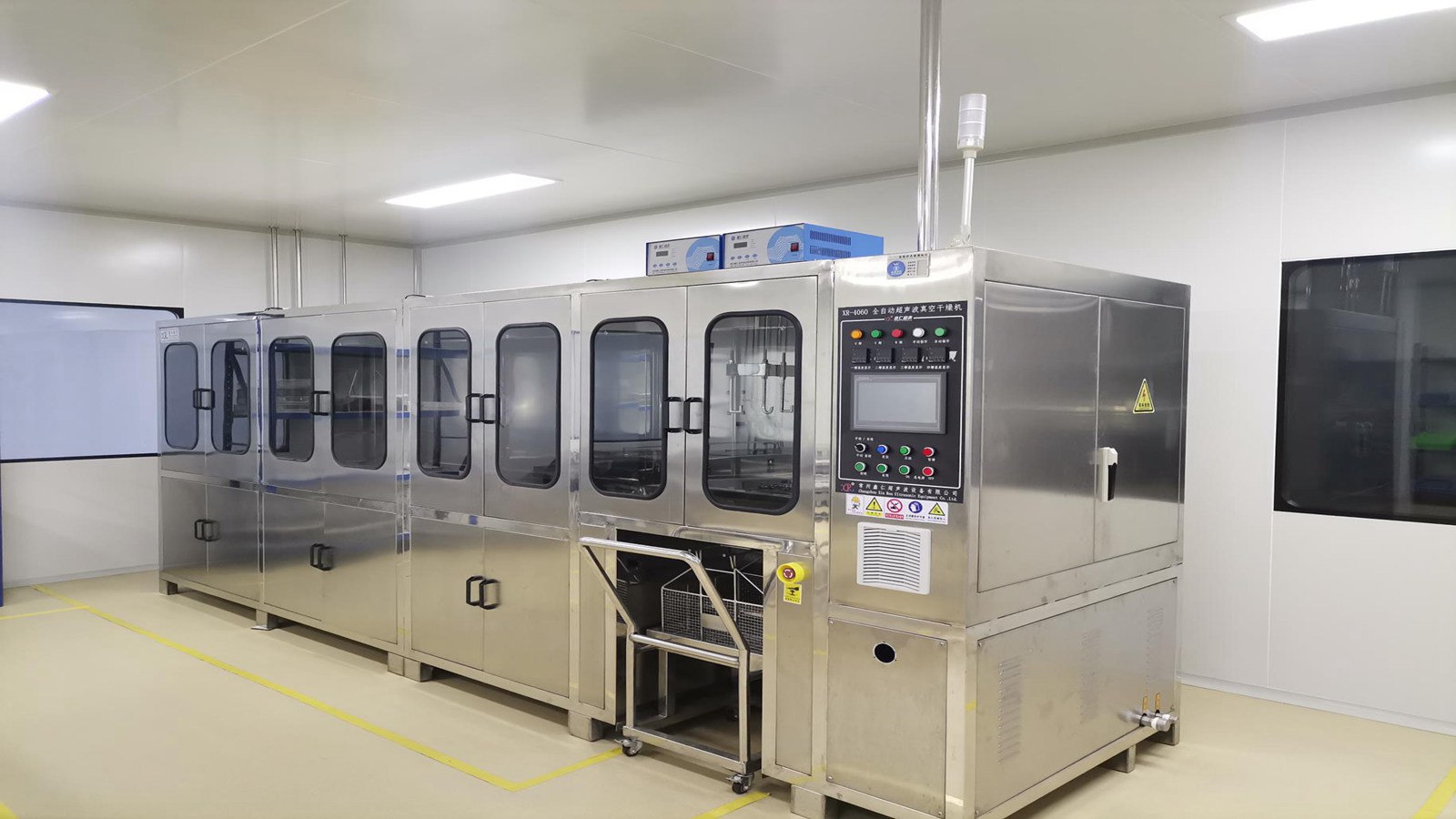
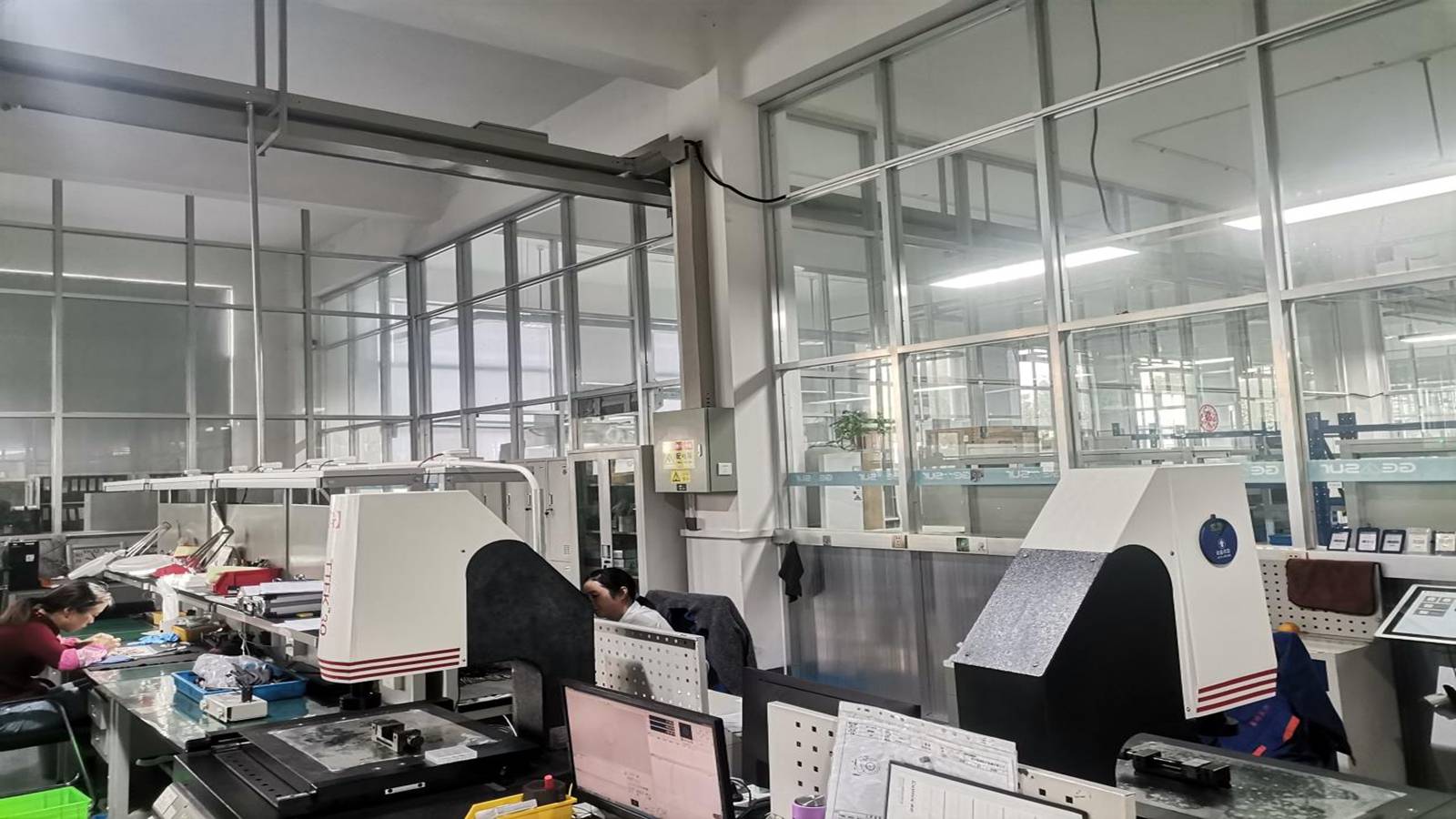
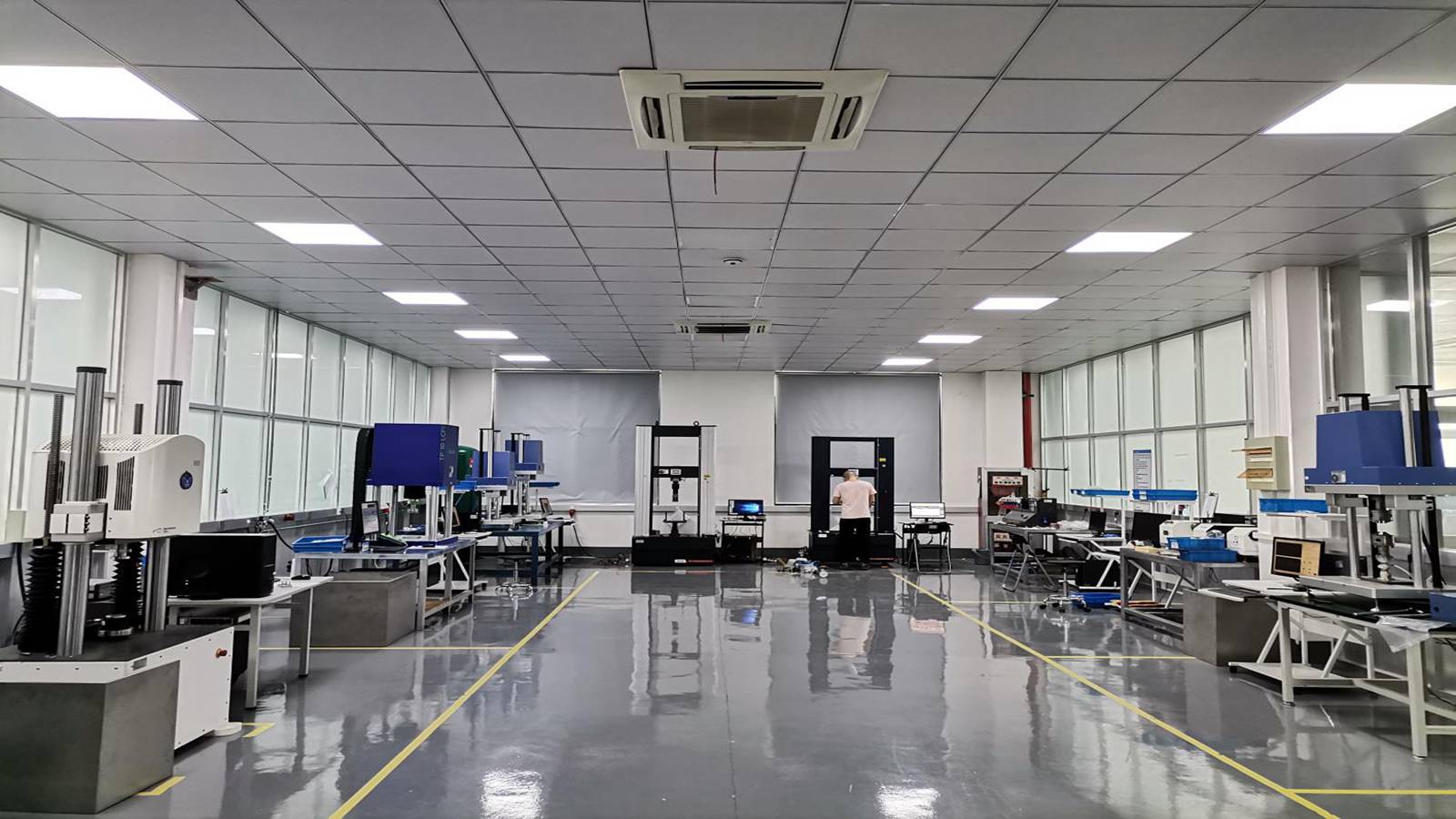
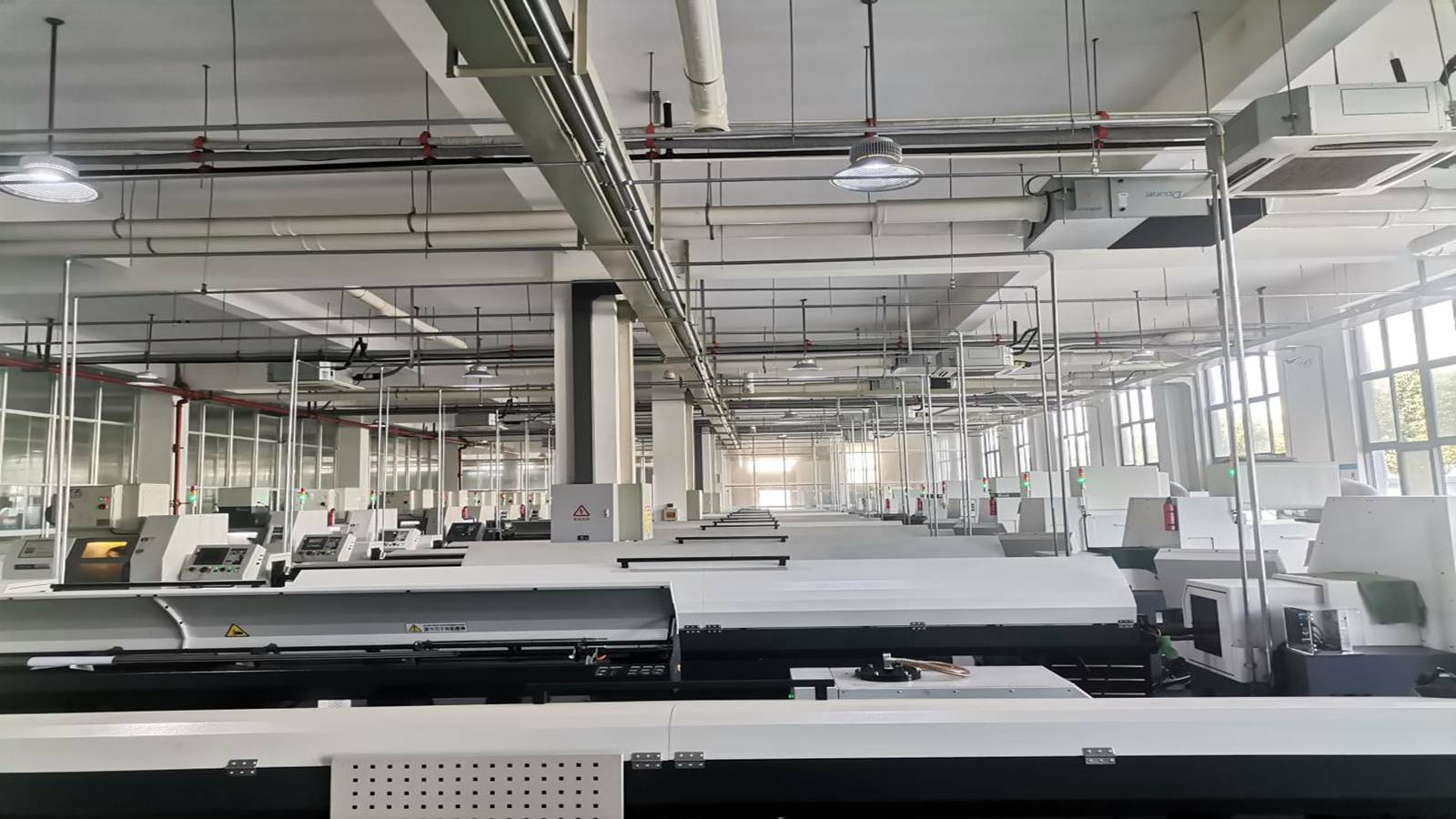
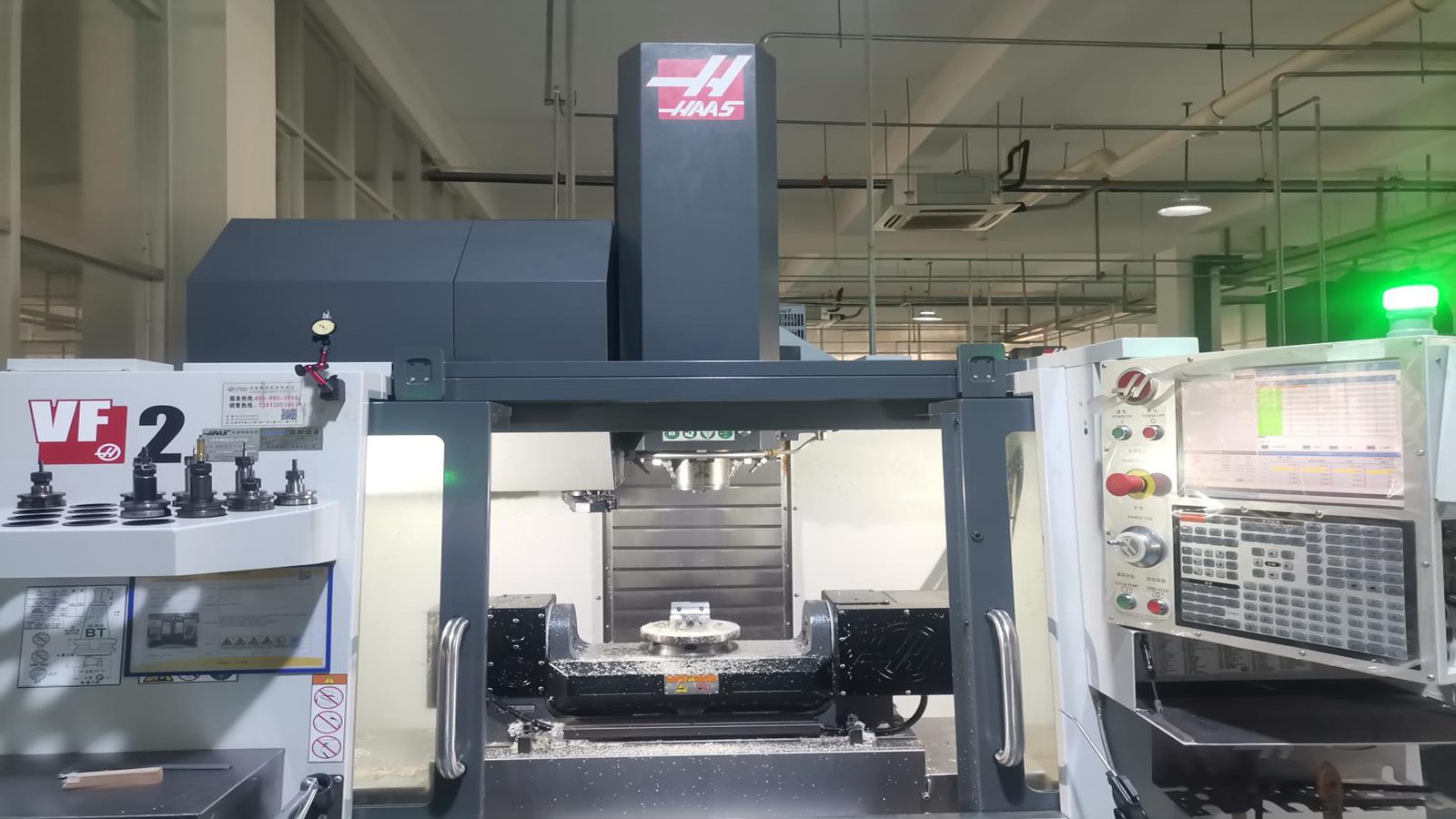
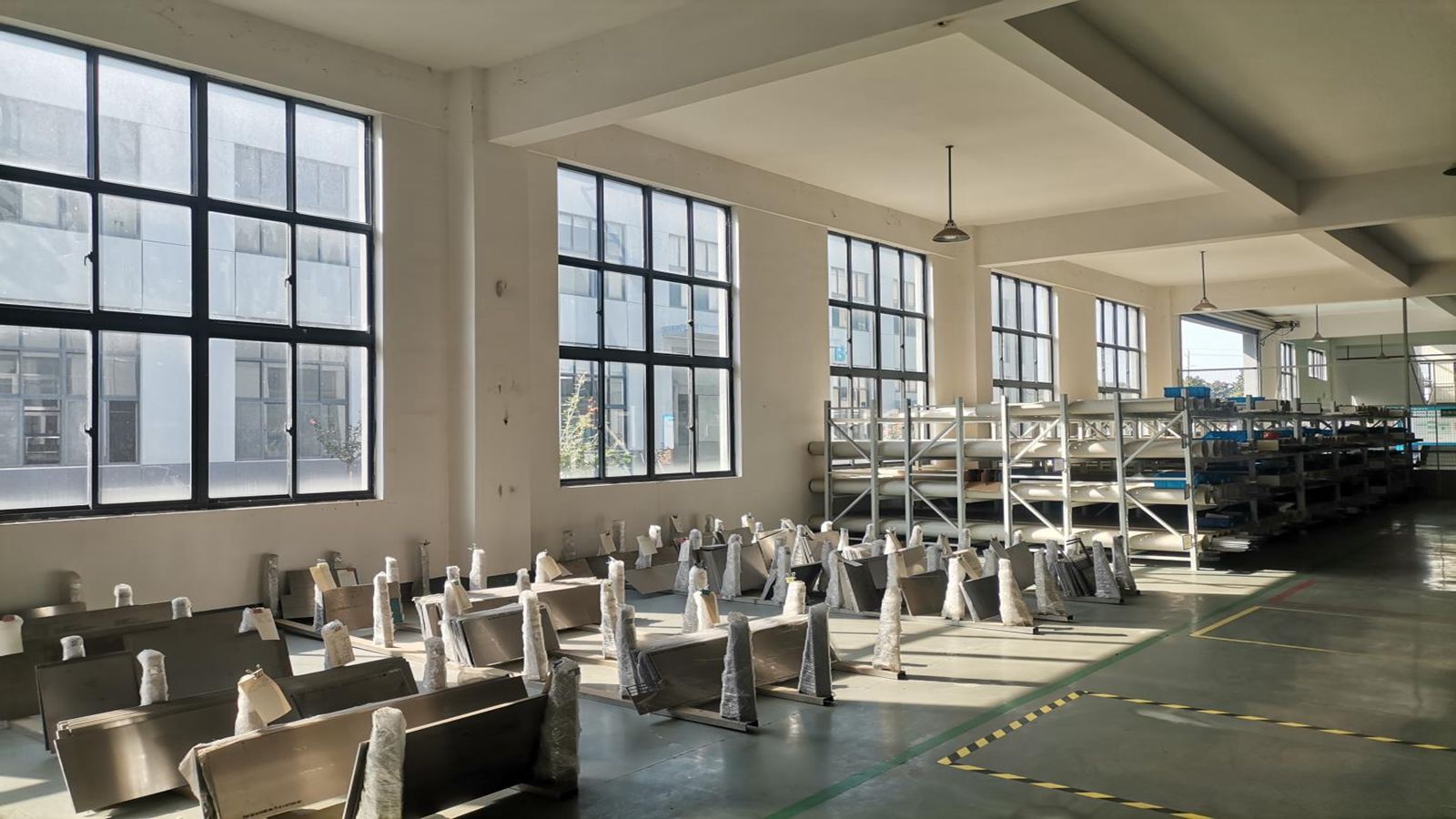
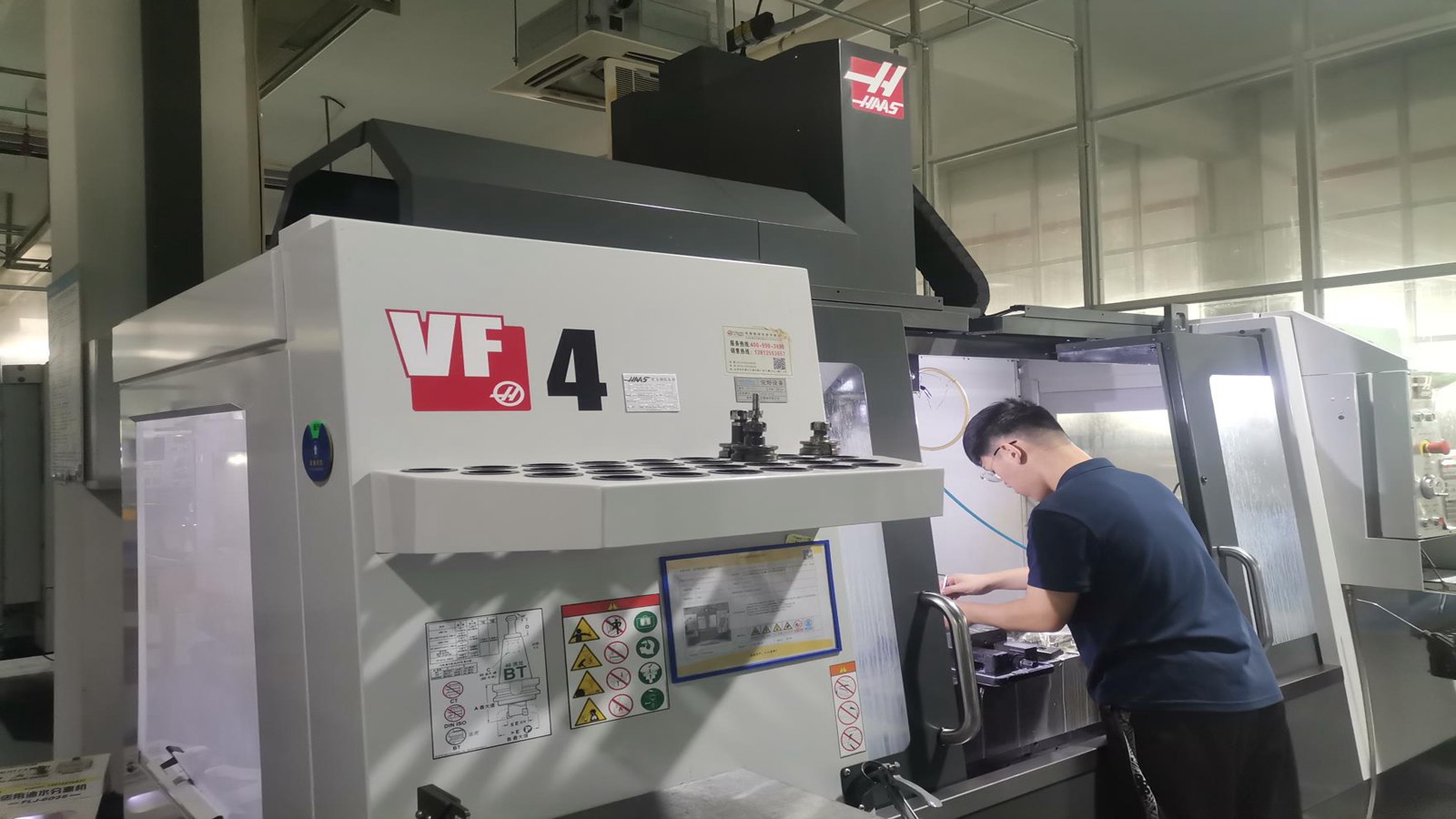
Establishing authority in the medical device sector requires more than just manufacturing; it requires rigorous adherence to international standards. With 10 years of exporting experience and 12 specialized production lines, our facility integrates R&D with precision manufacturing to deliver Class III medical devices that meet the world's most stringent requirements.



The global orthopedic trauma market is experiencing a paradigm shift. Traditional static screws are increasingly being replaced by Dynamic Femoral Neck Systems (FNS) and Intramedullary Nails. These systems allow for controlled collapse and secondary compression during weight-bearing, which is proven to enhance the healing of femoral neck fractures.
Key drivers include the rising geriatric population in Asia-Pacific and Europe, and the demand for value-based healthcare where reducing the rate of re-operation is paramount. Top-tier exporters are now focusing on "Information Gain"—providing surgeons with real-time data and training to optimize the use of these complex systems.
Research into hydroxyapatite and antimicrobial coatings to prevent surgical site infections and enhance osseointegration.
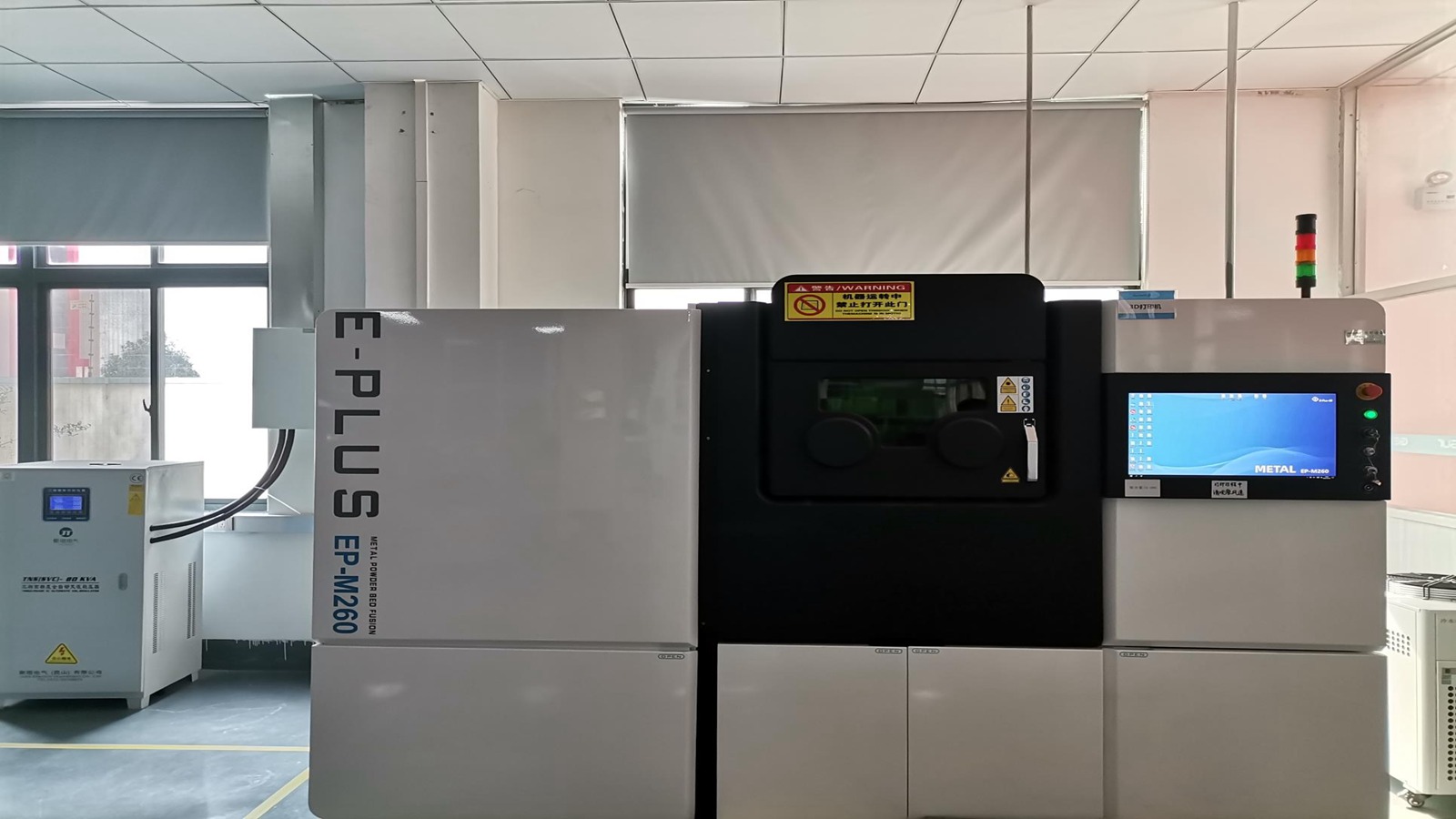
The move towards patient-specific implants using SLM (Selective Laser Melting) technology for complex anatomical reconstructions.
Integration of pre-operative planning software with physical implant systems to ensure 100% accuracy in screw placement.
Factories are optimizing supply chains to reduce carbon footprints, a growing requirement for European hospital tenders.
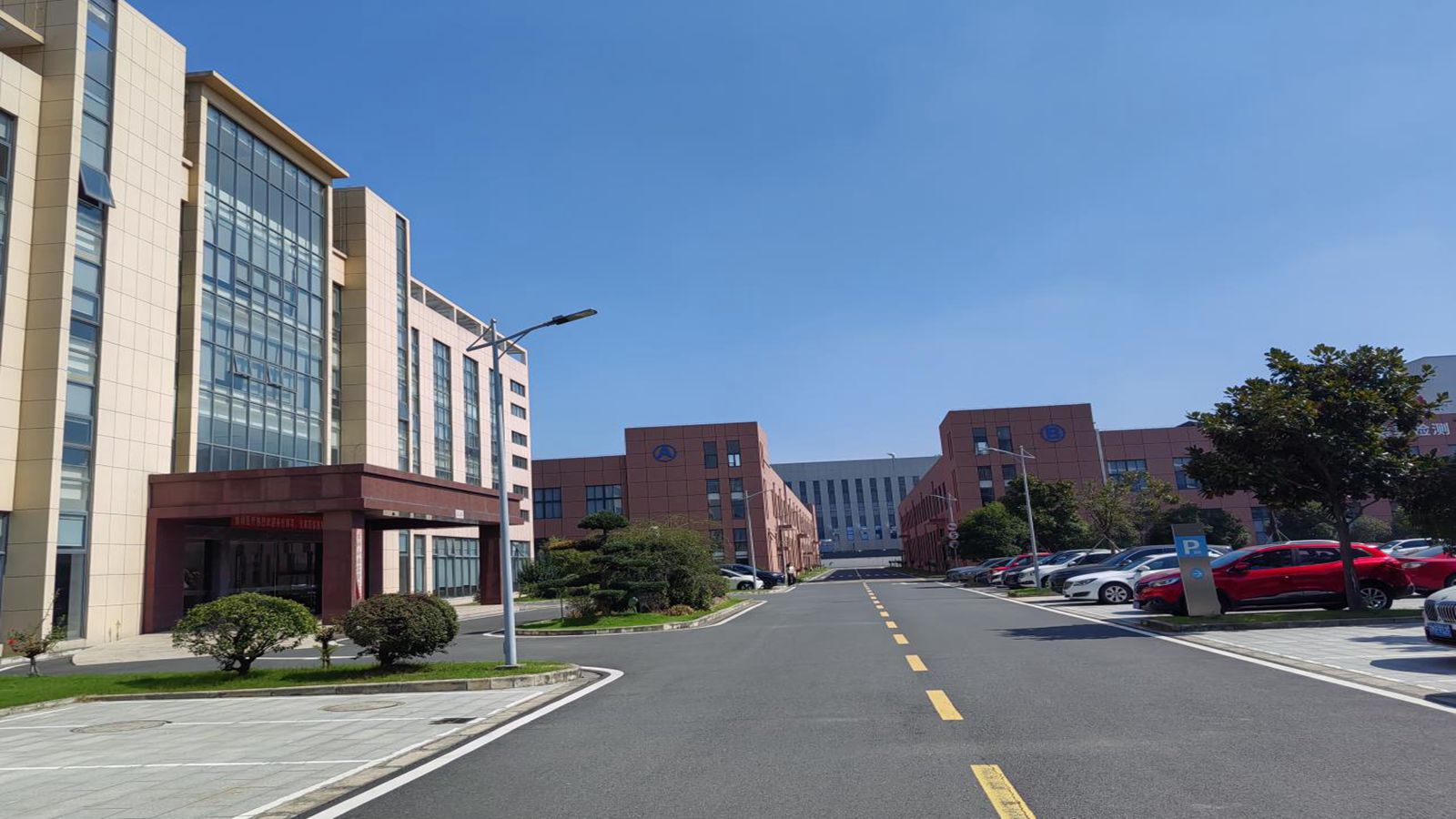
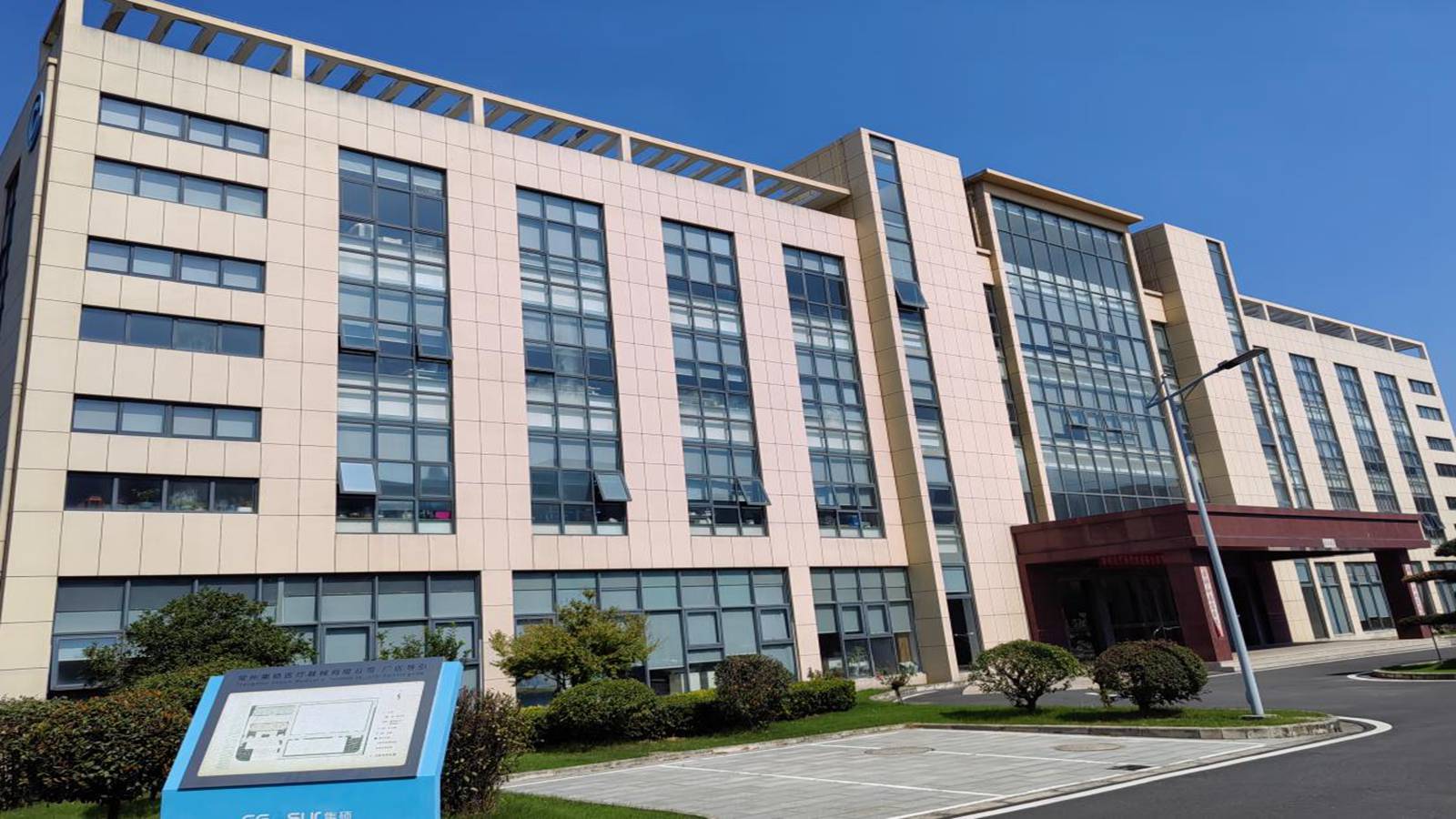
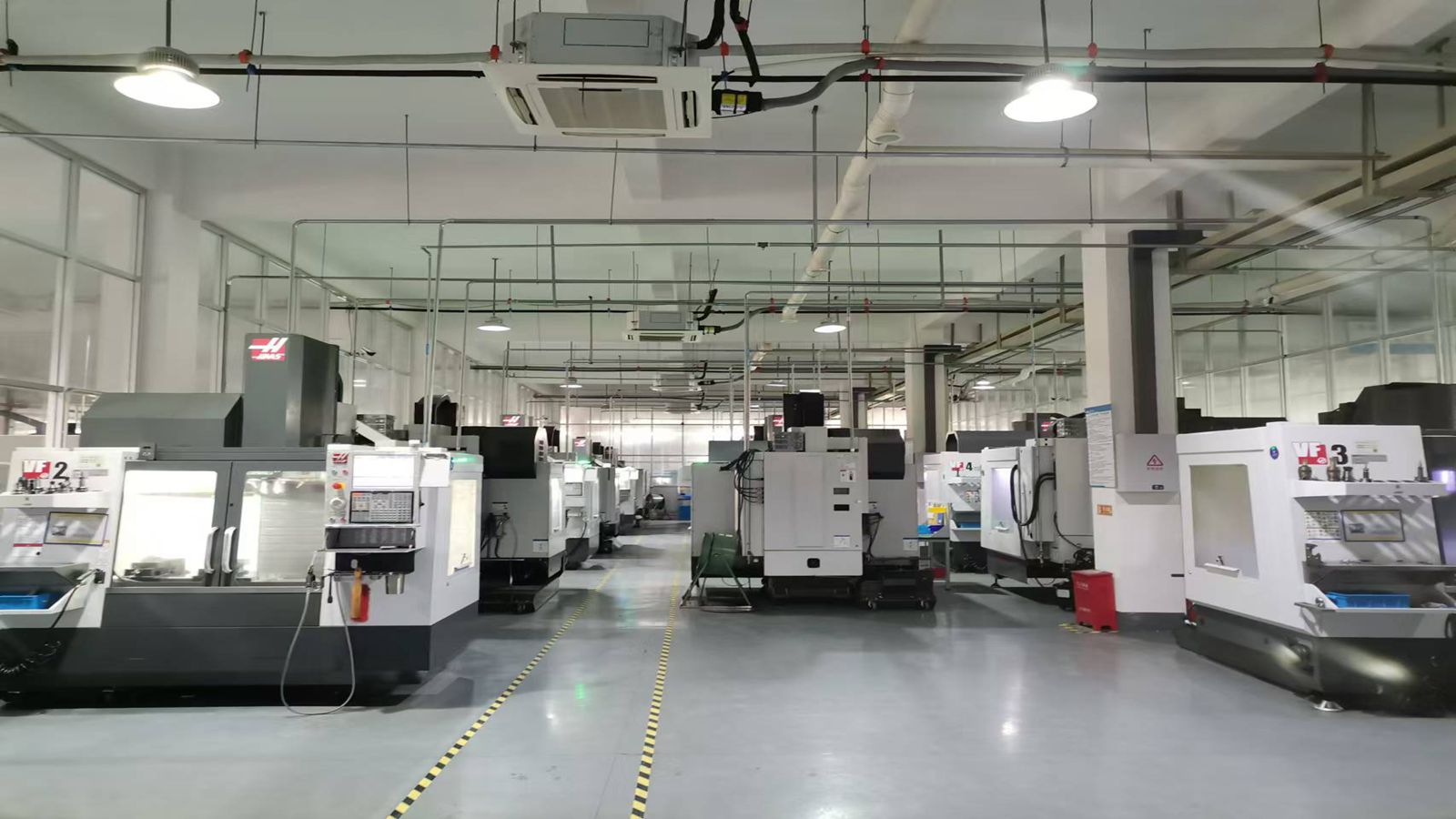
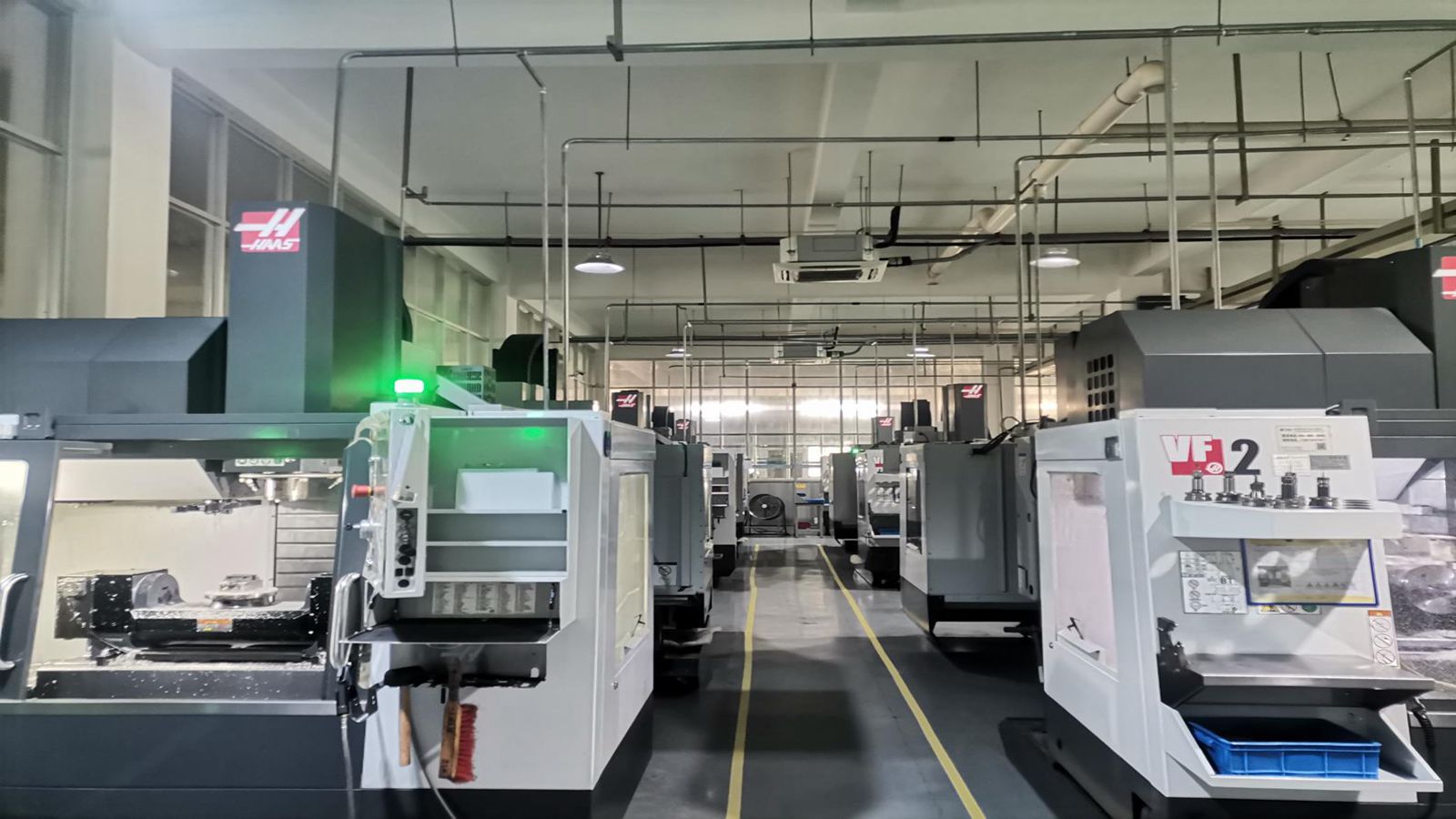
For international distributors and hospital groups, procurement is about more than just unit price. It's about a comprehensive trauma solution. As a primary exporter, we offer localized support, including surgical instrument sets, technical training modules, and regulatory documentation assistance (MDR/FDA).
With 12 production lines, we ensure a stable supply of implants, even during global logistics disruptions.
IFUs (Instructions for Use) and surgical manuals provided in multiple languages to meet local healthcare regulations.
Customization options including graphic processing and sample-based development for unique regional requirements.
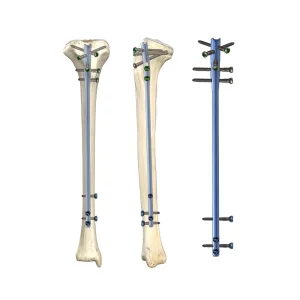
The materials used in our Femoral Interlocking Nail Set and Titanium Trauma Plates are selected for their Young's Modulus, which closely mimics human bone. This reduces the "stress shielding" effect, promoting faster natural healing and maintaining bone density around the implant.
Most modern systems use Medical Grade 5 Titanium Alloy (Ti-6Al-4V) due to its excellent strength-to-weight ratio and biocompatibility. Some specialized instruments utilize high-grade stainless steel (316LVM) for enhanced rigidity.
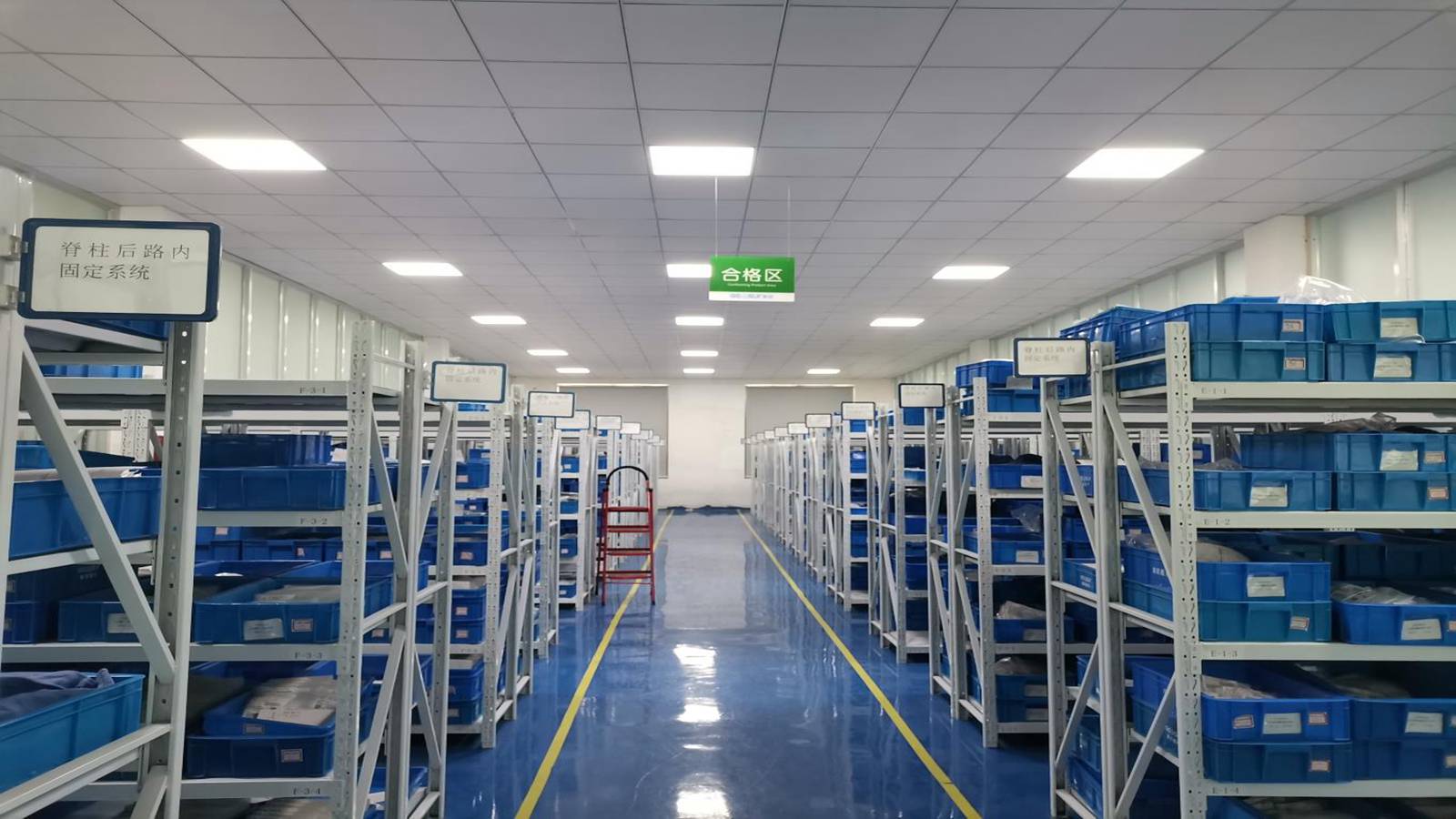
In accordance with ISO 13485 standards, we maintain 100% traceability for every batch of raw material. Each implant is laser-marked with a unique lot number that connects it back to the original material melt certificate.
Static fixation holds the bone fragments rigidly in place. Dynamic fixation (like the Femoral Neck System) allows for micro-motion and controlled compression along the axis of the neck, which can accelerate bone bridging in certain fracture types.
Yes, our facility is CE certified under the latest MDR (Medical Device Regulation) standards (e.g., EPT 0477.MDR.26/6113), ensuring we meet the high safety and performance criteria required for the EU market.