Ease Medical Apparatus And Instruments Ease Medical Apparatus And Instruments

Custom OEM Disposable Stapler Factory & Exporter

Global Leader in Advanced Surgical Solutions & Precision Orthopedic Implants. Compliant with ISO 13485, MDSAP & CE MDR Requirements.

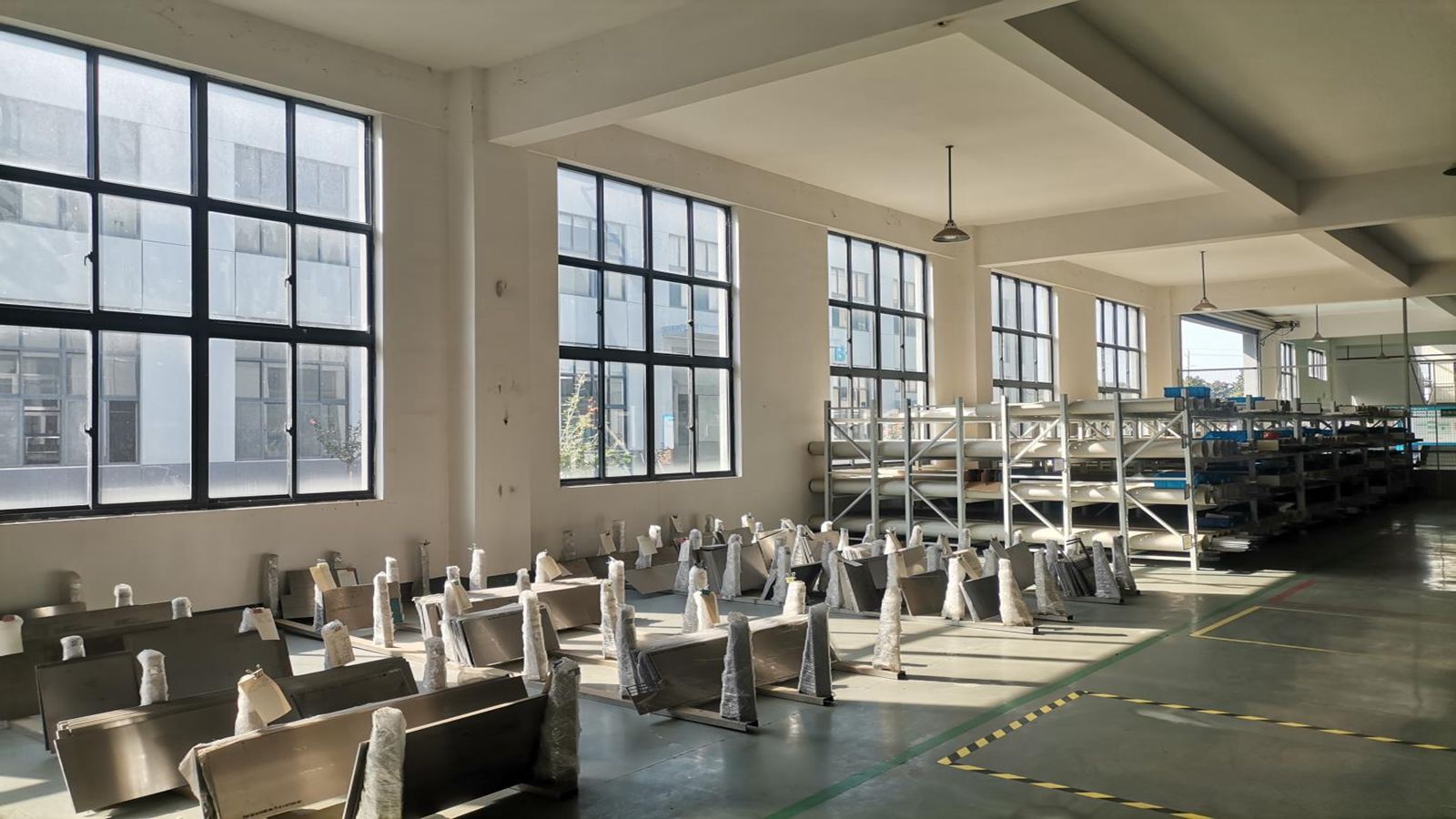
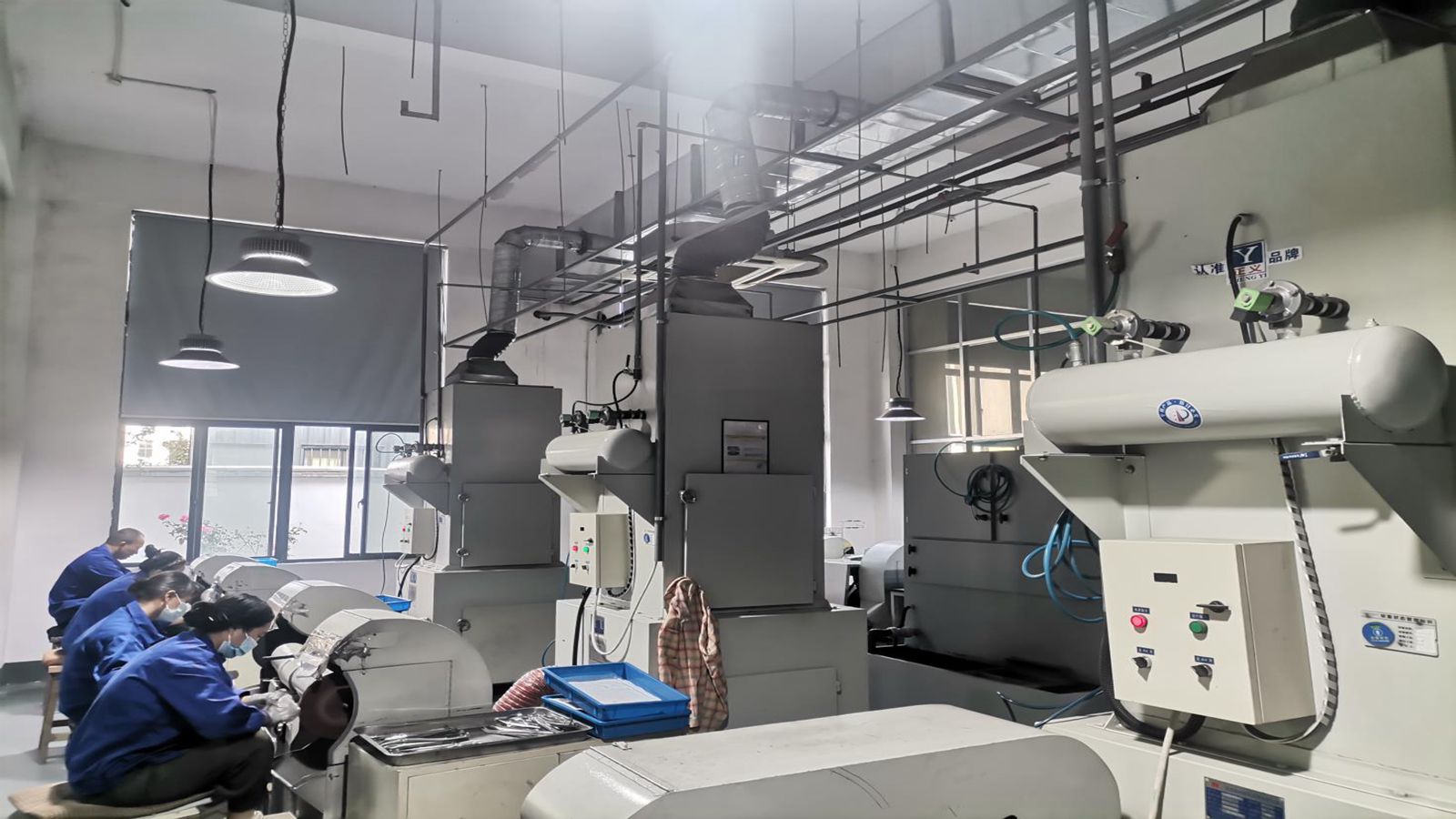
30,343㎡
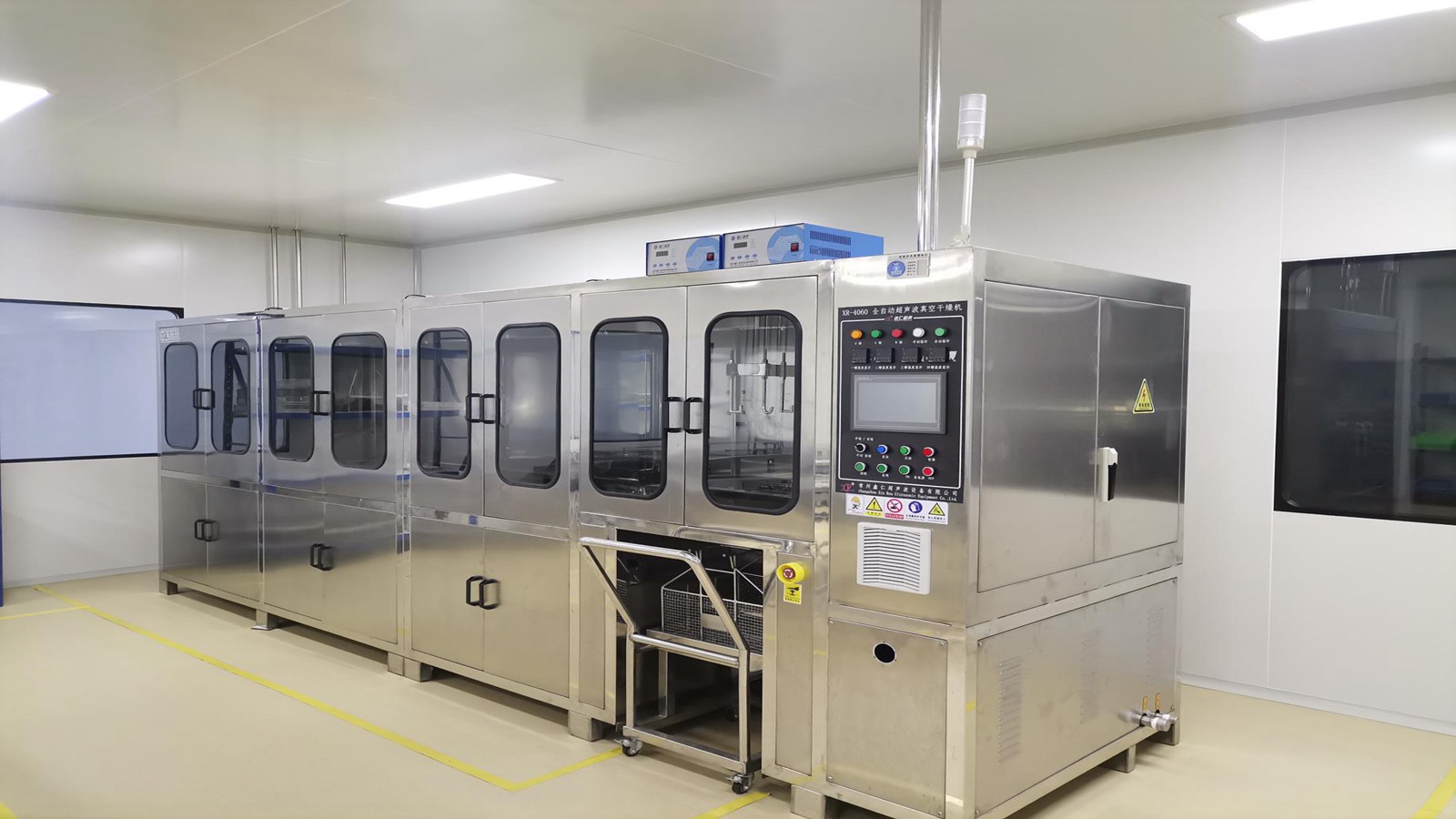
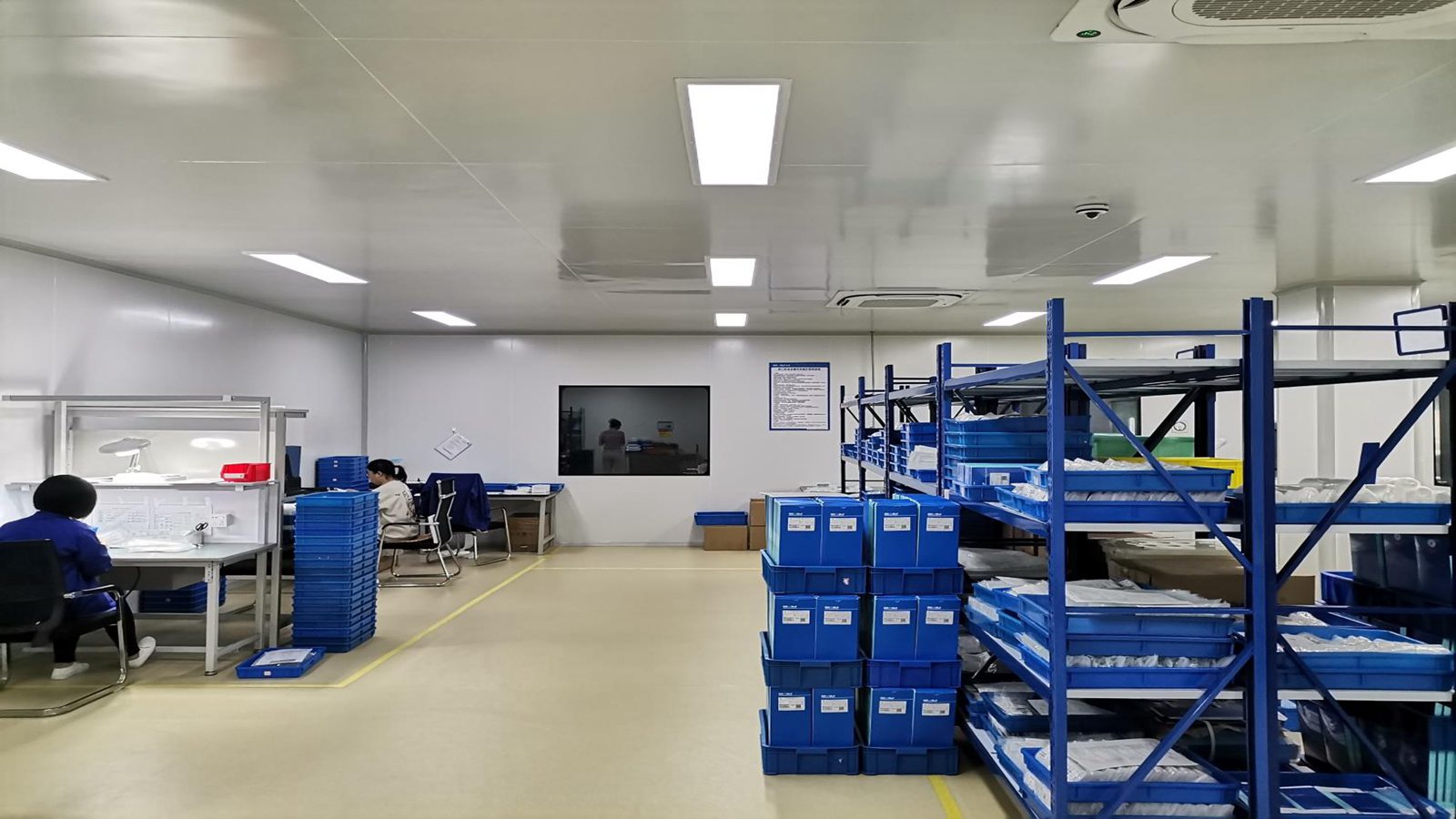
Modern Cleanroom Facility
12
Advanced Production Lines
120+
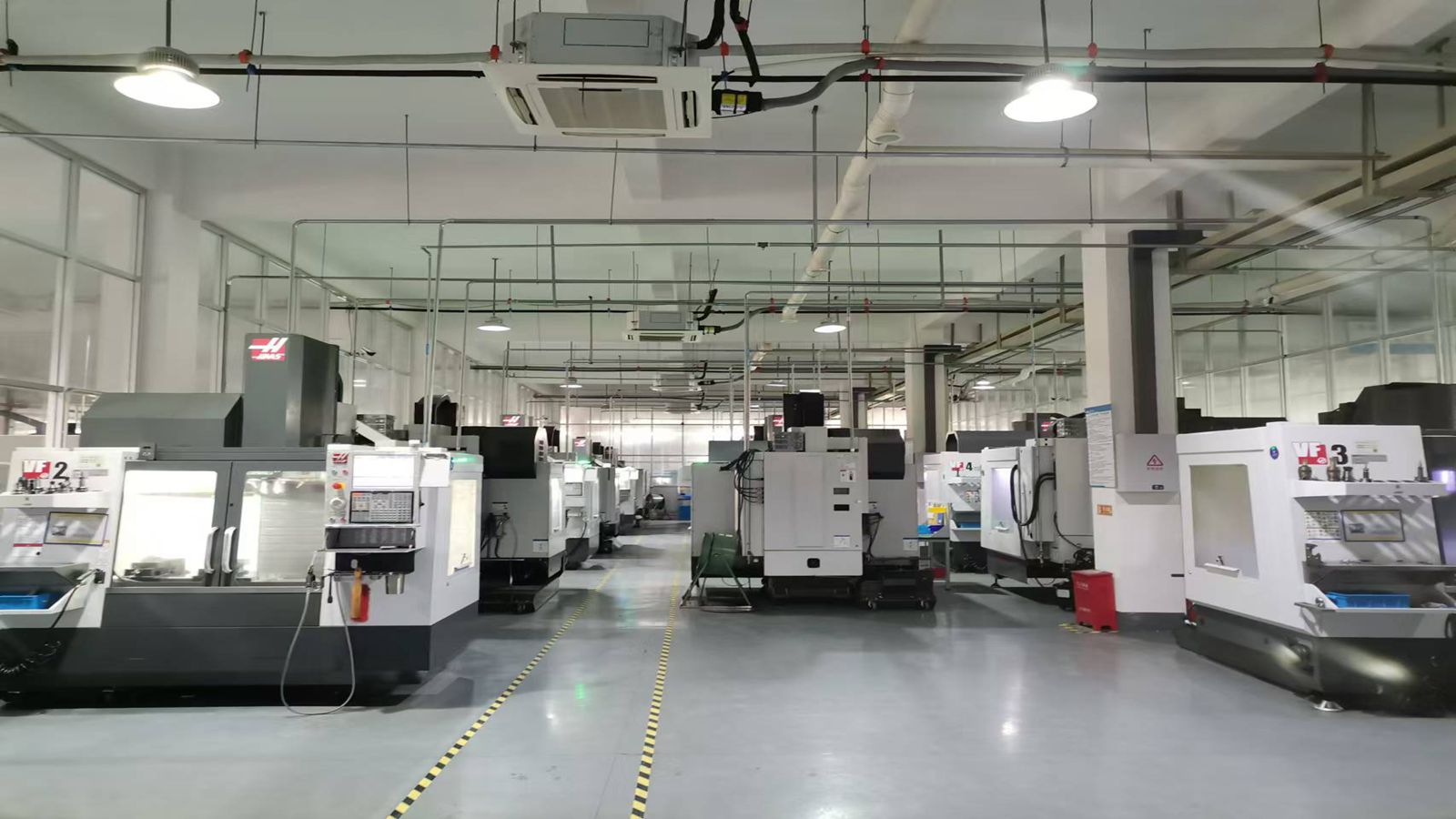
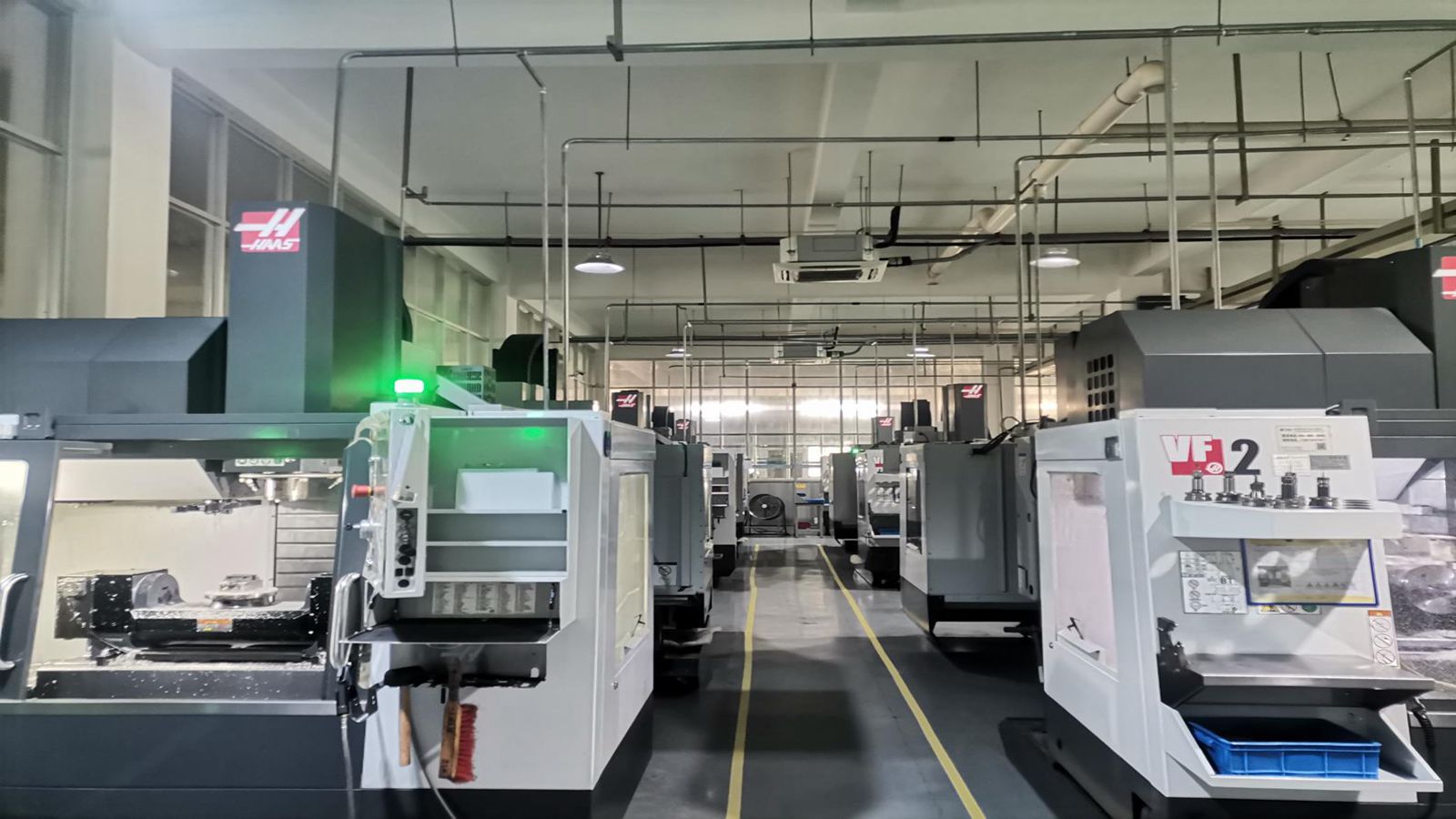
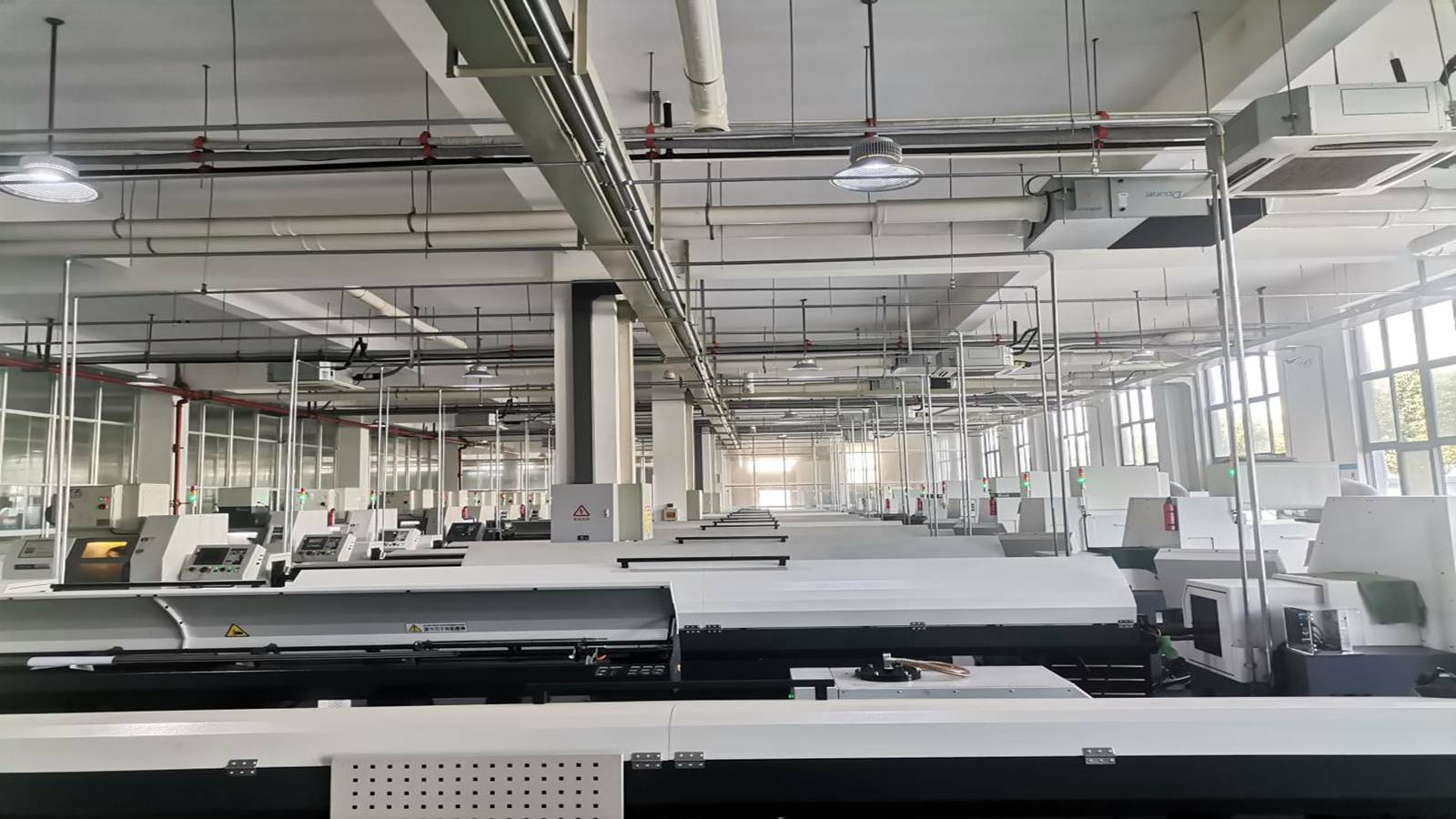
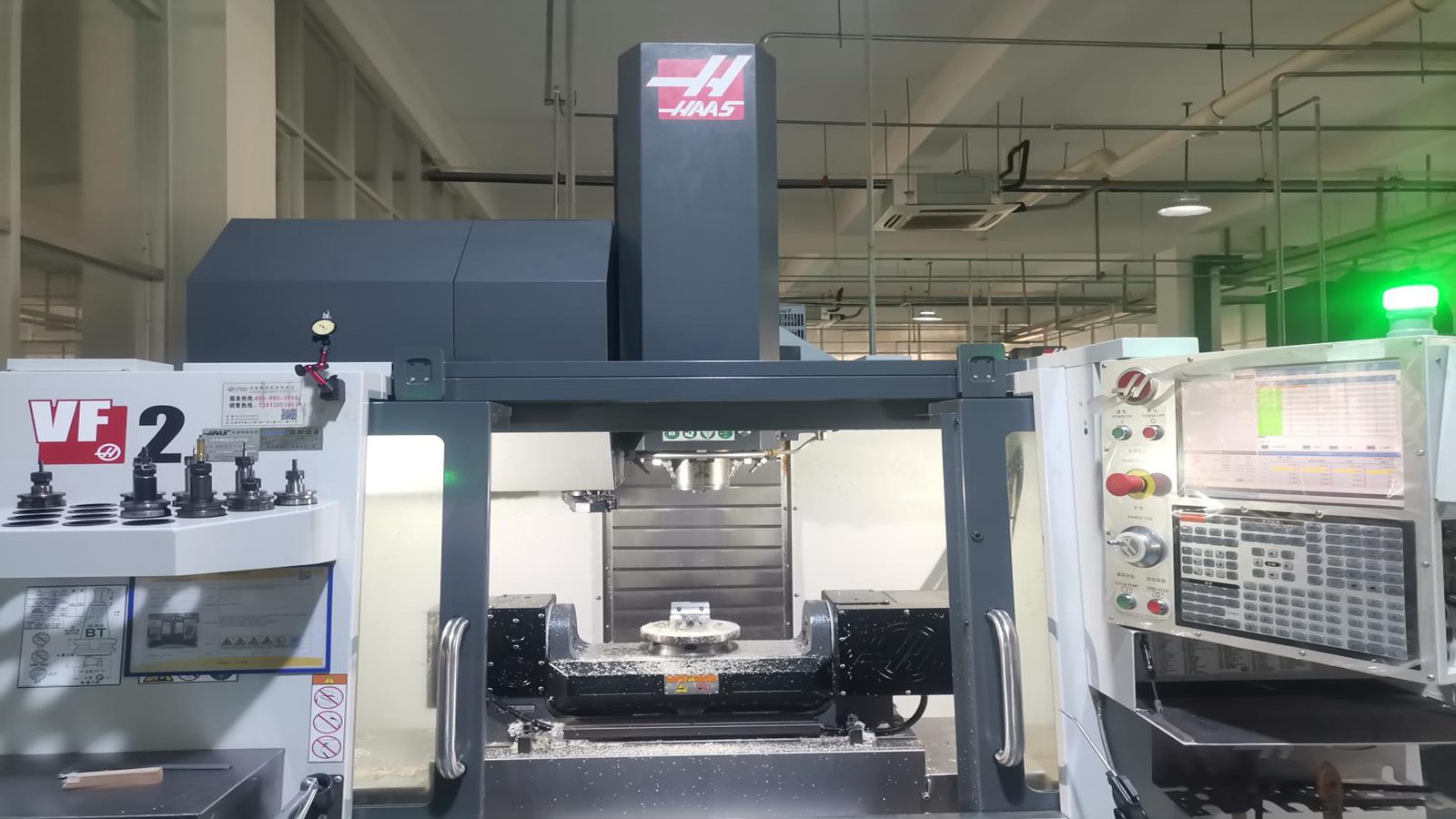
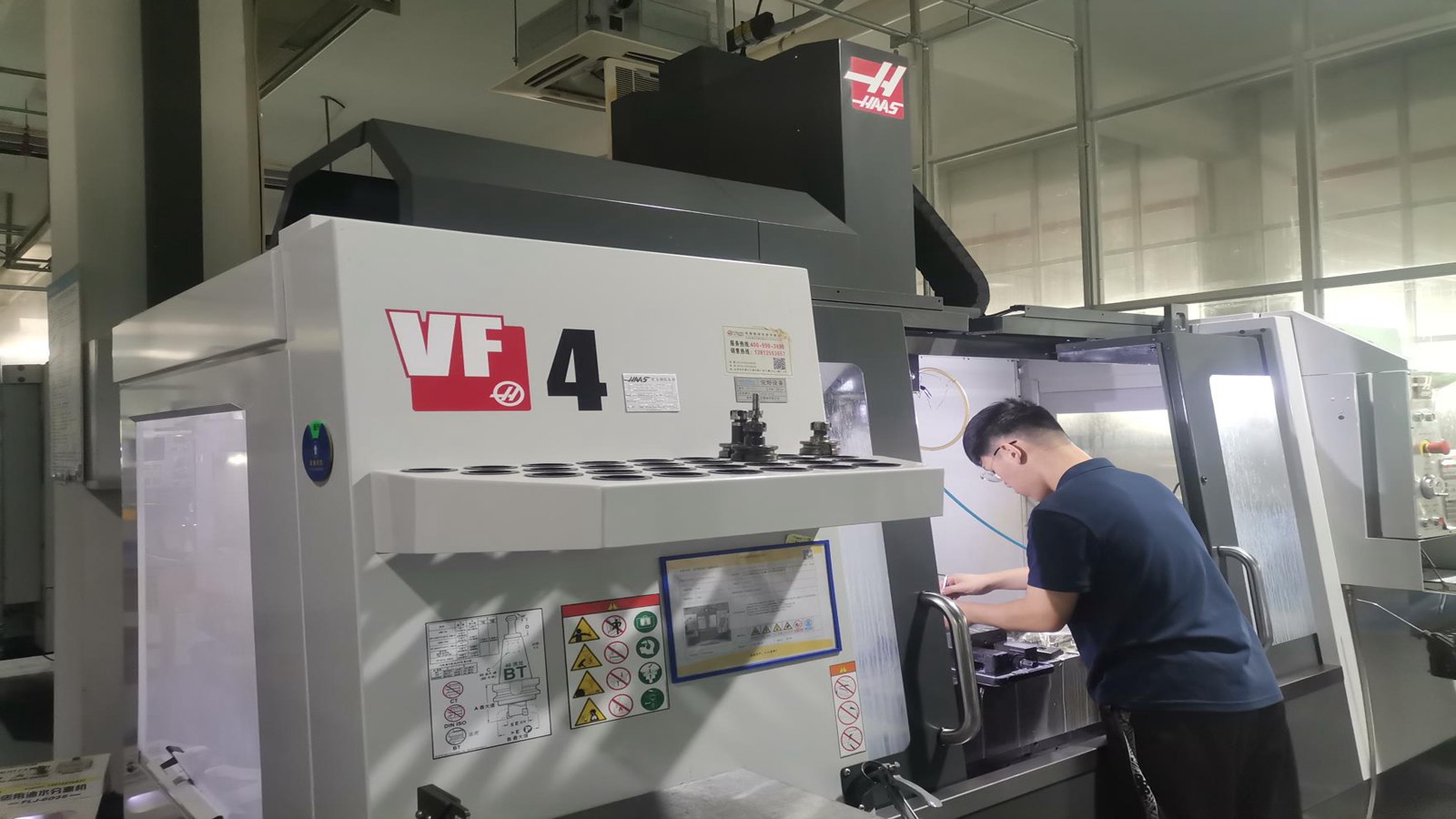
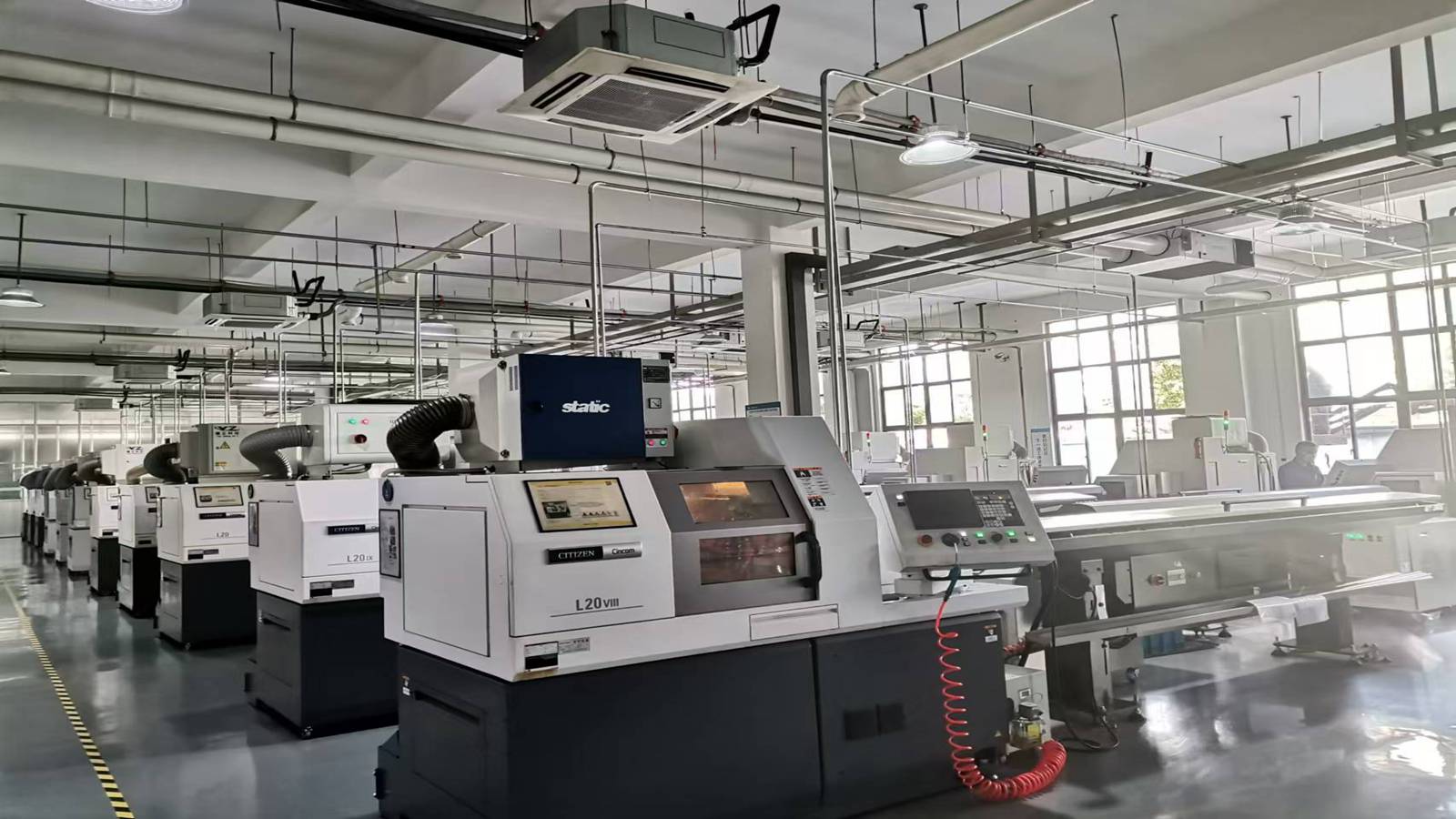
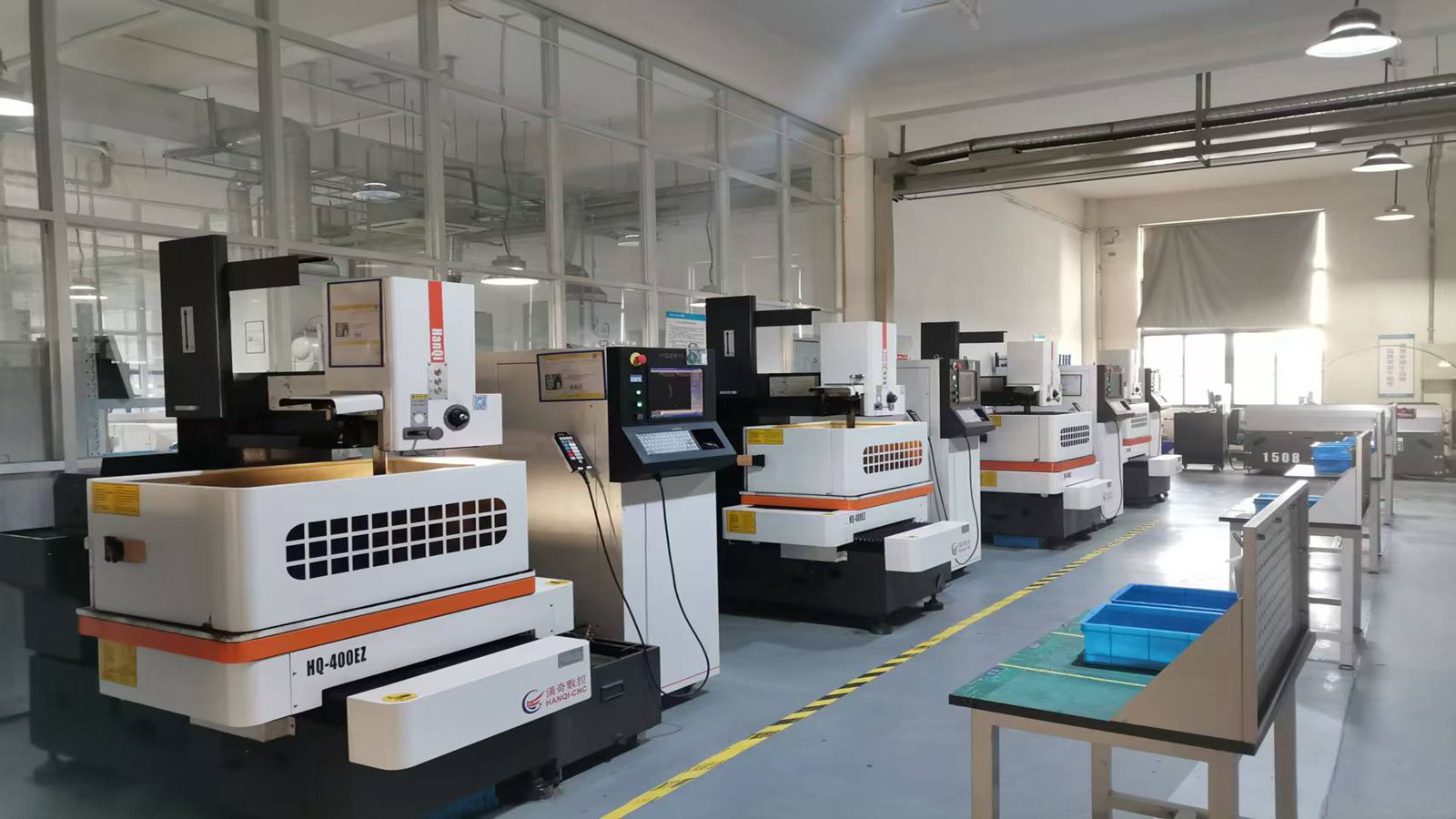
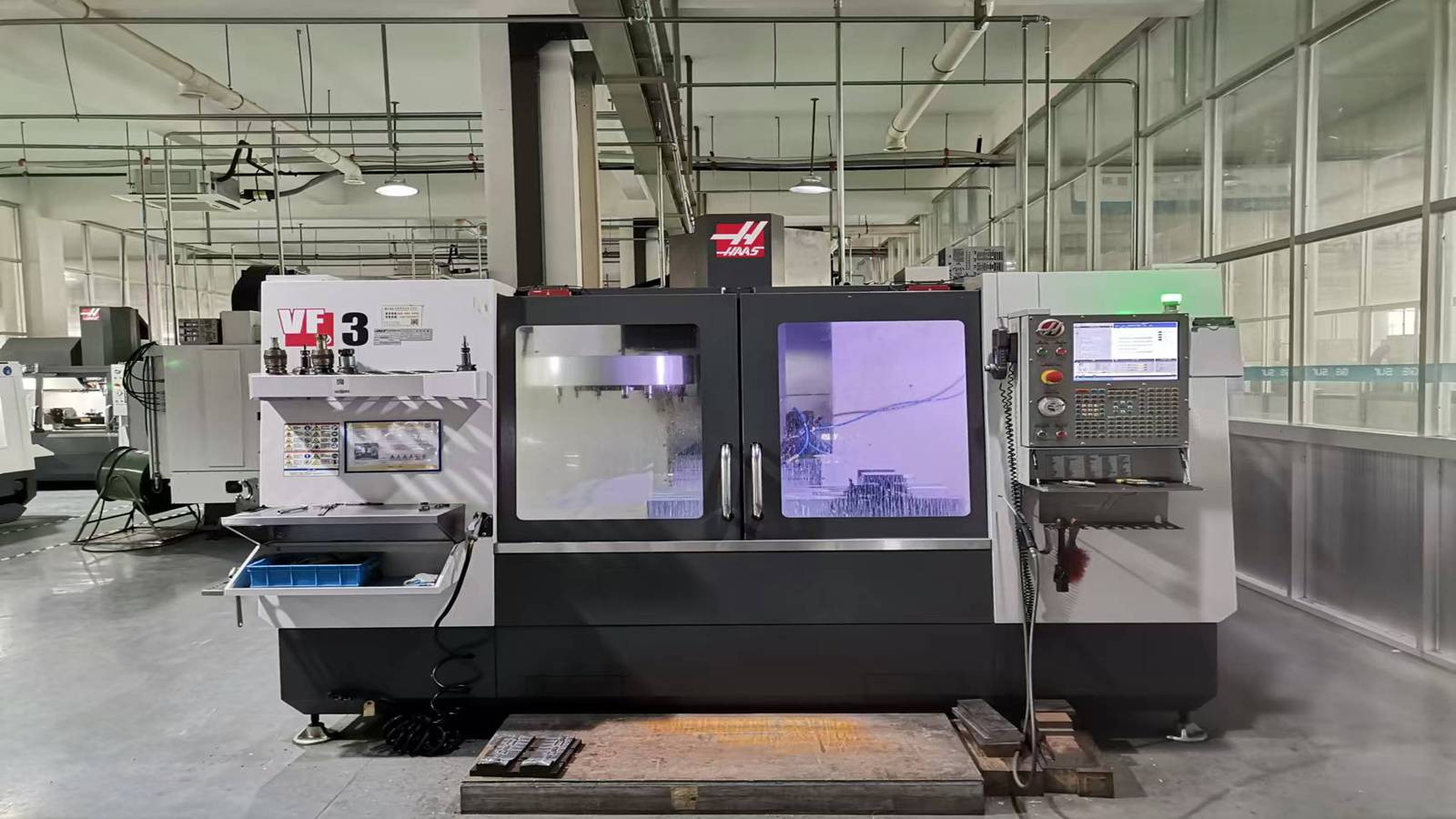
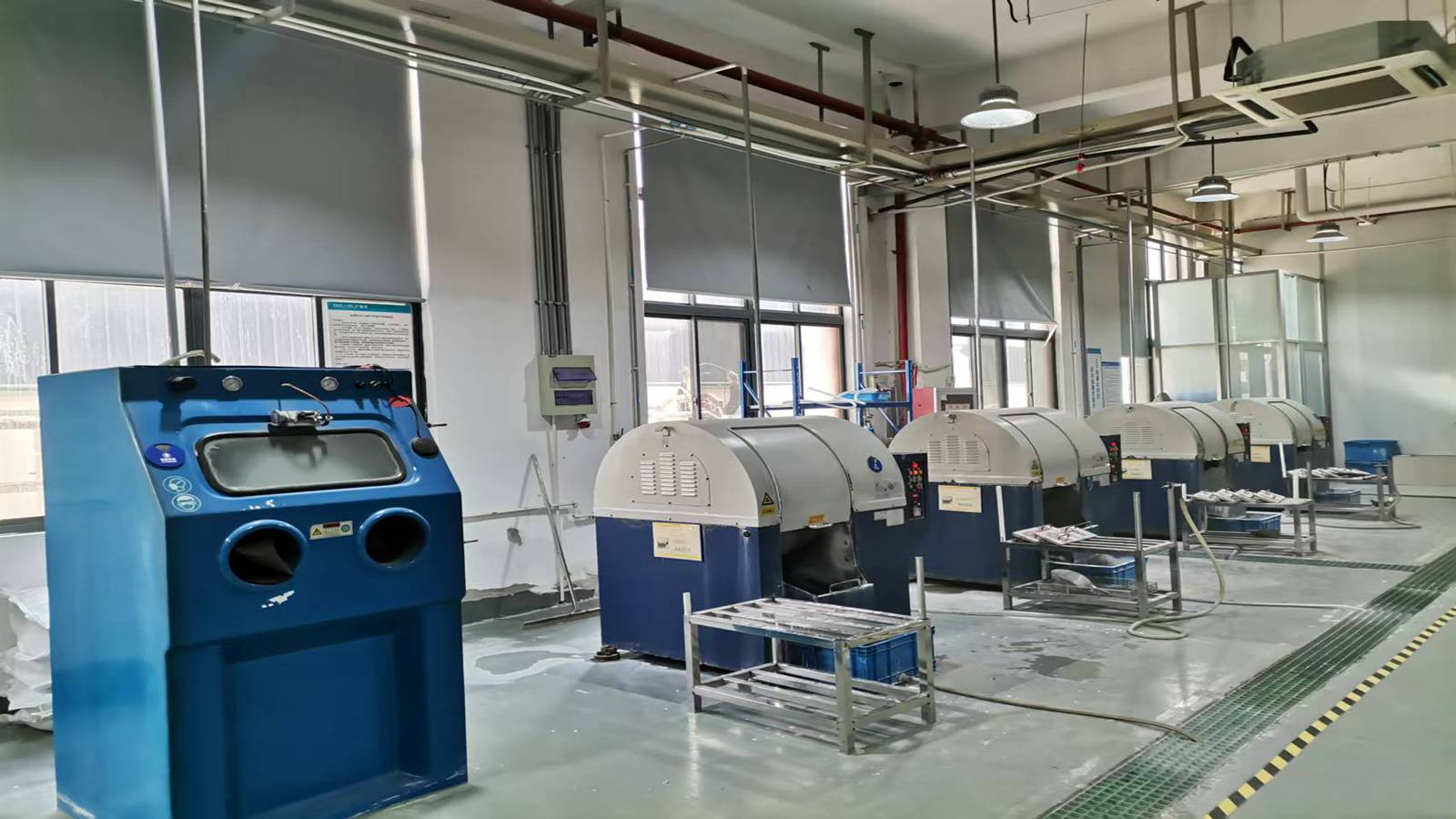
Precision Production Machines
36 / 31
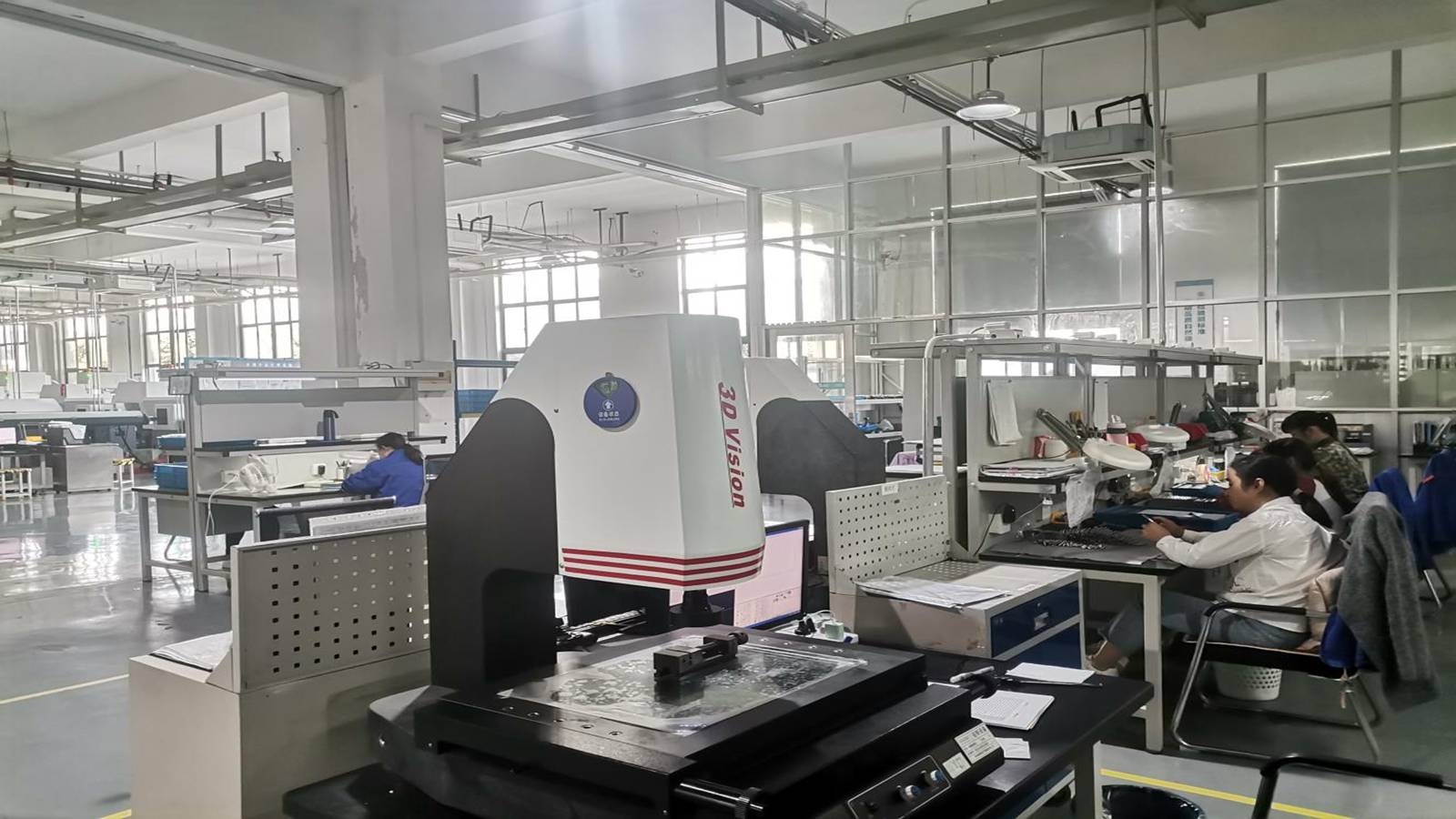
QA Inspectors / R&D Engineers

Advanced Surgical Staplers and the Evolution of Modern Wound Closure

The global healthcare arena has witnessed a paradigm shift from traditional manual suturing techniques to highly automated mechanical wound closure. The growth of Disposable Surgical Staplers is driven by the urgent clinical need to reduce surgical times, minimize postoperative complication rates (such as tissue ischemia and anastomotic leaks), and standardize clinical outcomes across varied hospital environments. As a premier Custom OEM Disposable Stapler Factory & Exporter, we combine top-tier raw materials with computerized manufacturing processes to supply advanced clinical systems to markets worldwide.

1. Global Industry Trends: Beyond Simple Mechanical Suture

Modern surgical procedures require closure instruments that actively respond to tissue thickness variations and biological diversity. Innovation is centered around three primary pillars:

  • Tissue-Adaptive Stapling: Specialized micro-stepped cartridge surfaces and adaptive staple heights ensure uniform compression along the entire suture line, preventing excessive stress on tissue.
  • Safety Interlock Mechanisms: Advanced safety designs prevent firing when the cartridge is empty, reducing accidental misfires and tissue trauma.
  • Materials Optimization: Utilizing medical-grade titanium alloys and high-performance engineering plastics ensures the precise formation of 'B-shaped' staples without compromising structural stability.

With minimally invasive surgeries (MIS) becoming the standard, there is a surge in demand for articulating endo cutters and specialized linear staplers designed to perform in tight anatomical spaces. This dynamic has made OEM surgical device manufacturing key to satisfying custom design requirements across different regions.

2. Global Procurement Dynamics & Strategic Requirements

Procuring surgical devices on a global scale requires meeting stringent performance, safety, and supply chain standards. Hospital procurement boards, medical device distributors, and private label companies evaluate partners on several criteria:

  • Regulatory Certifications: Compliance with certifications such as CE MDR, MDSAP, and ISO 13485 is non-negotiable for entering key medical markets like Europe and North America.
  • Surgical Cleanliness Standards: Stringent control over cleanroom operations (ISO Class 7/8 environment) to prevent pyrogenic and particulate contamination.
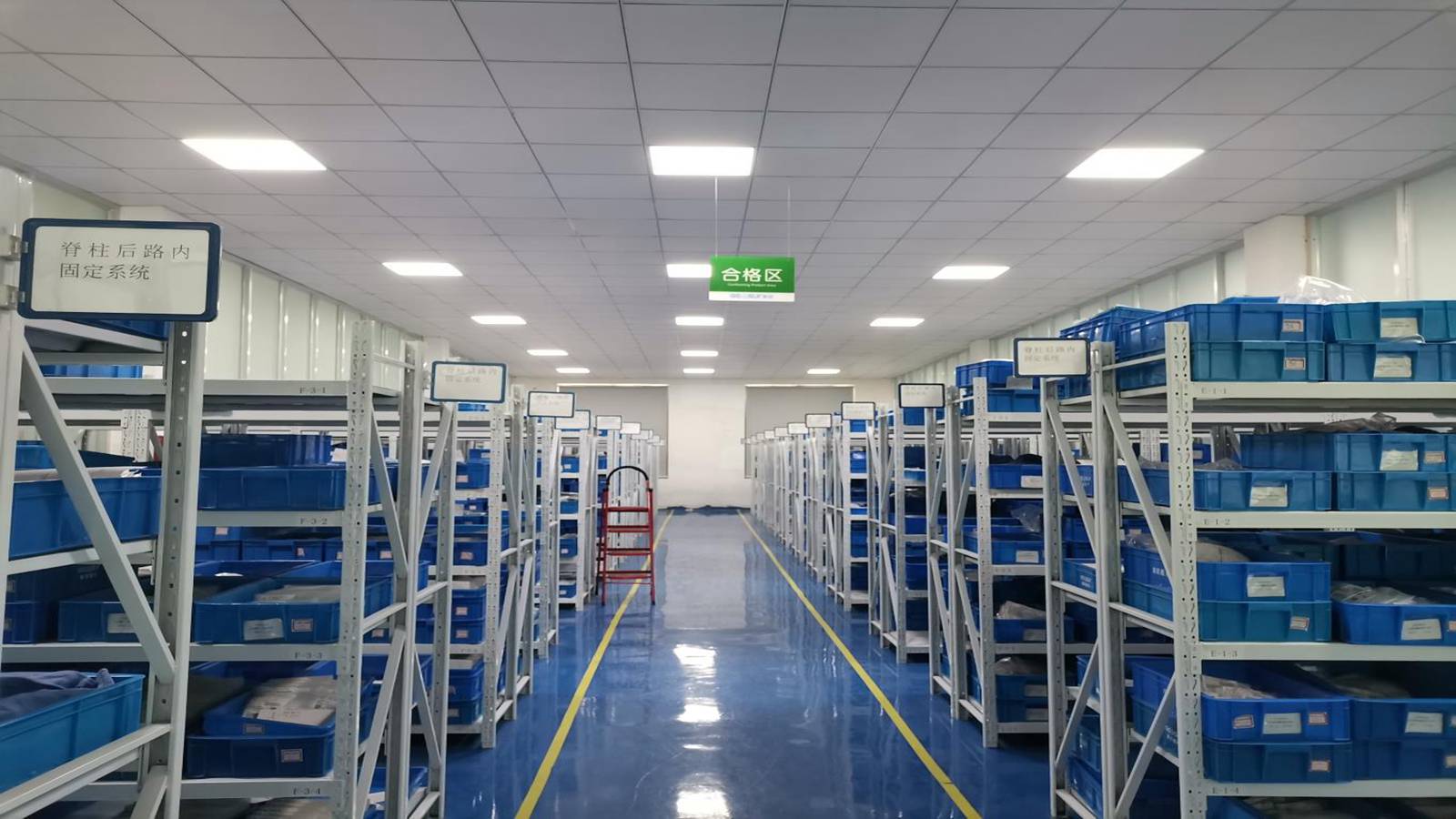
  • Consistently High Yield: Verification of raw material sourcing and rigorous visual and mechanical quality checks to eliminate defects in clinical environments.

3. China Factory 4.0: Achieving Supply Chain Resilience & Cost-Efficiency

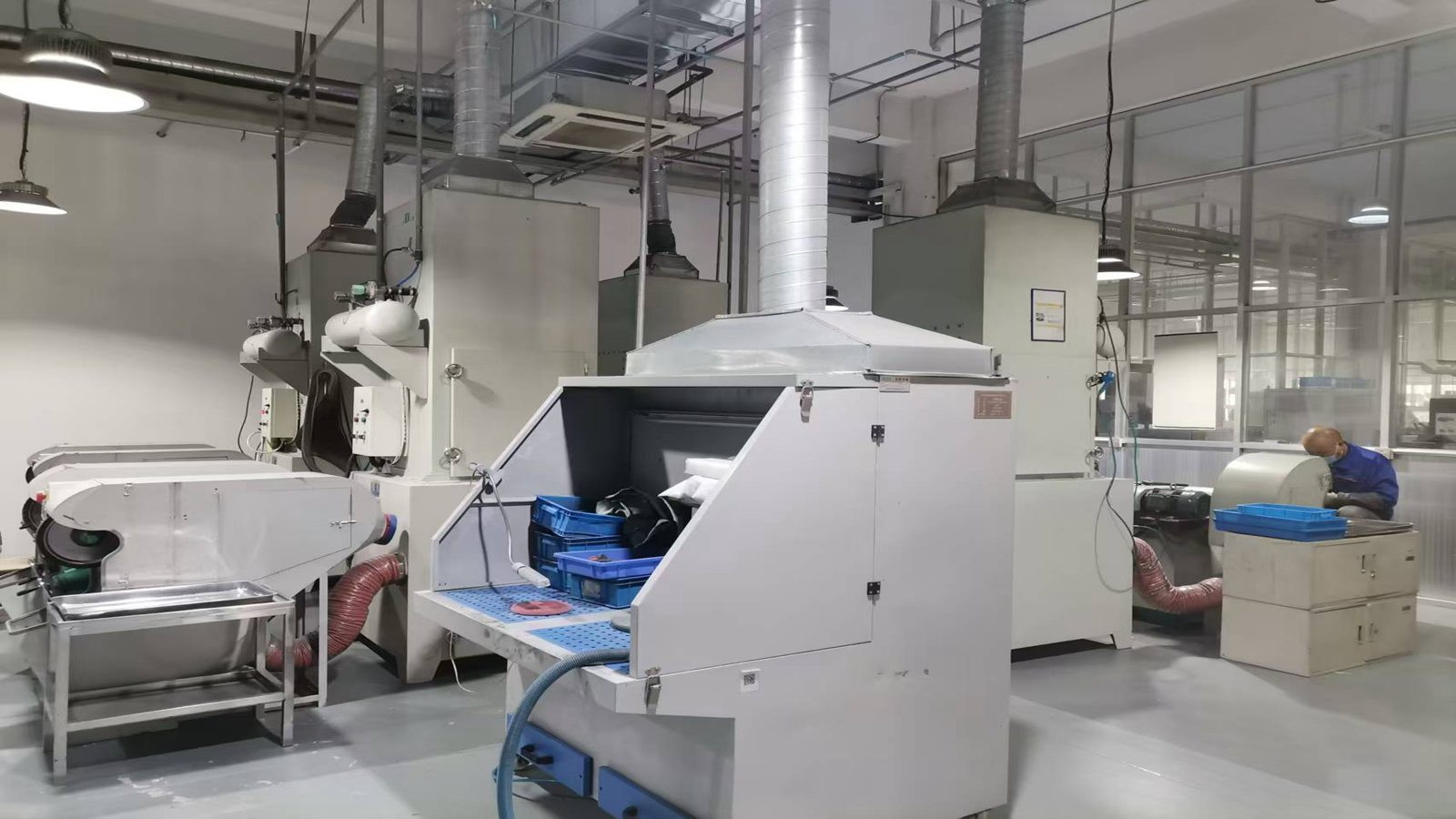
Operating from our modern 30,343 square meter facility, we represent the next wave of advanced manufacturing. Through integrating Factory 4.0 automation, we balance cost efficiency with high precision:

Our facility houses 12 dedicated production lines equipped with 120 automated assembly systems, minimizing manual assembly variances. Our production process utilizes real-time sensor technology and vision systems to verify component integrity. For global buyers, this means reliable lead times, scalable output, and stable pricing, even during global logistics challenges.

100% Quality Assurance

Every single batch undergoes meticulous component inspections, functional test firings, and biocompatibility evaluations managed by our team of 36 QA/QC inspectors.

High Production Efficiency

12 production lines and 120 precision machines ensure scalable, high-volume production output with optimized lead times for our global partners.

Custom OEM/ODM R&D

With 31 R&D engineers, including PhD and postgraduate specialists, we provide end-to-end design modifications, custom colors, logo integration, and tailored shaft configurations.

4. Localized Clinical Application Scenarios

Surgical staplers must adapt to different clinical realities depending on the surgical specialty:

  • Thoracic & Abdominal Surgery: Linear cutters and endoscopic linear staplers are utilized to transect, resect, and create anastomoses in gastrointestinal and lung tissue. They provide leak-free security even in highly vascularized structures.
  • Bariatric Surgery: High-performance staplers handle thicker gastric tissue, providing consistent compression profiles to prevent bleeding.
  • Hemorrhoidal & Rectal Resection: Specialized circular stapling technologies are used to perform mucosal resections, supporting rapid recovery and reduced patient discomfort.

Factory & OEM Profile

Registration Date
2015-10-15
Total Floor Space
30,343 Square Meters
Export Experience
10 Years in Industry & Global Trade
Customization Services
Sample processing, graphic customization, full OEM/ODM product tailoring
R&D Personnel
31 R&D Engineers (1 Doctorate, 11 Postgraduates, 17 Graduates)
Inspection Methods
100% product inspection, random batch verification, and customized client protocols
Export Markets
Domestic Market (80%), Eastern Europe (5%), Southeast Asia (5%), and other regions
Traceability
Full raw material traceability system integrated via ERP

Compliance & Certification Framework

We maintain a strict quality management system aligned with international medical standards.

ISO 13485 Certificate ISO13485 04723Q10000765
EN ISO 13485 Certificate EN ISO 13485 EPT 25 ISO 13485 0067
MDSAP Certificate MDSAP C730178
CE MDR Certificate CE MDR EPT 0477.MDR.25/5905
CE MDR Certificate CE MDR EPT 0477.MDR.25/5973
MDR compliance MDR Compliance EPT 0477.MDR.26/6113

Search Intent & Clinical FAQ

Get authoritative answers regarding technical specifications, regulatory standards, and OEM cooperation.

What materials are used in your disposable surgical staplers?
We use medical-grade titanium alloys (often Ti-6Al-4V) for the staples, complying with ASTM standards. This material offers excellent biocompatibility, mechanical strength, and MR safety. The housing and handles are made from bio-inert medical-grade polycarbonate and ABS polymers.
How does your factory ensure compliance with CE MDR requirements?
Our facility holds CE MDR certifications certified by notified body 0477 (Ente Certificazione Macchine). We maintain comprehensive clinical evaluation reports, post-market surveillance plans, and strict risk management systems (ISO 14971) to ensure every batch complies with EU MDR regulations.
What customization options are available for OEM partners?
We offer comprehensive OEM/ODM services including graphical customization, raw material selection, shaft and configuration modifications (such as 45cm/15cm shafts for endo linear cutters), customized packaging styles, and private labeling.
How is raw material traceability managed in your production facility?
We use an ERP-driven system to track raw materials from receipt to the finished device. Retained samples and manufacturing records for every batch are archived for at least 10 years to ensure full regulatory traceability.
Do your surgical staplers feature adaptive compression mechanisms?
Yes, our latest linear cutter series incorporates a micro-stepped cartridge profile designed to apply graduated tissue compression. This allows for safe vascular clamping and secure closure in diverse tissue thicknesses.
What cleanroom validation standard do you maintain?
Our assembly and primary packaging are conducted in ISO Class 7 and Class 8 (Class 10,000 and 100,000) cleanrooms. These spaces are monitored daily for particulate levels, air exchange rates, relative humidity, temperature, and microbial growth.