Ease Medical Apparatus And Instruments
Ease Medical Apparatus And Instruments
Ease Medical Apparatus And Instruments
Direct supply of surgical instruments, interventional materials, and fixation systems built to international orthopedic standards.
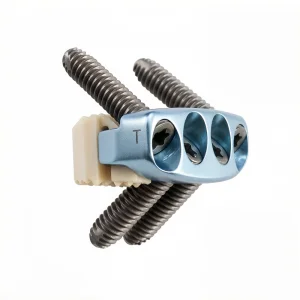
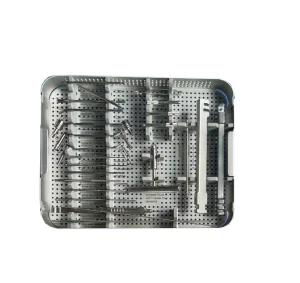
Evaluating China's manufacturing ecosystem for PMMA bone cements, delivery instruments, and orthopedics.
Bone cements (primarily based on Polymethyl Methacrylate, or PMMA) are essential in modern joint arthroplasty, trauma fixations, and spinal interventions like percutaneous vertebroplasty (PVP) and kyphoplasty (PKP). As the global geriatric demographic expands and the incidence of osteoporosis rises, the demand for reliable, high-performance bone cements and delivery hardware has increased. China has established itself as an export hub for surgical-grade biomaterials, utilizing high-tech production systems, raw material controls, and regulatory alignment with CE (MDR) and ISO standards.
Selecting a manufacturing partner requires looking beyond unit pricing to evaluate technical expertise, raw material sourcing, chemical stability (such as curing kinetics and monomer purity), and sterile processing infrastructure. This analysis examines the technical specifications, quality control, and clinical requirements that global distributors and orthopedic OEMs prioritize when selecting Chinese suppliers.
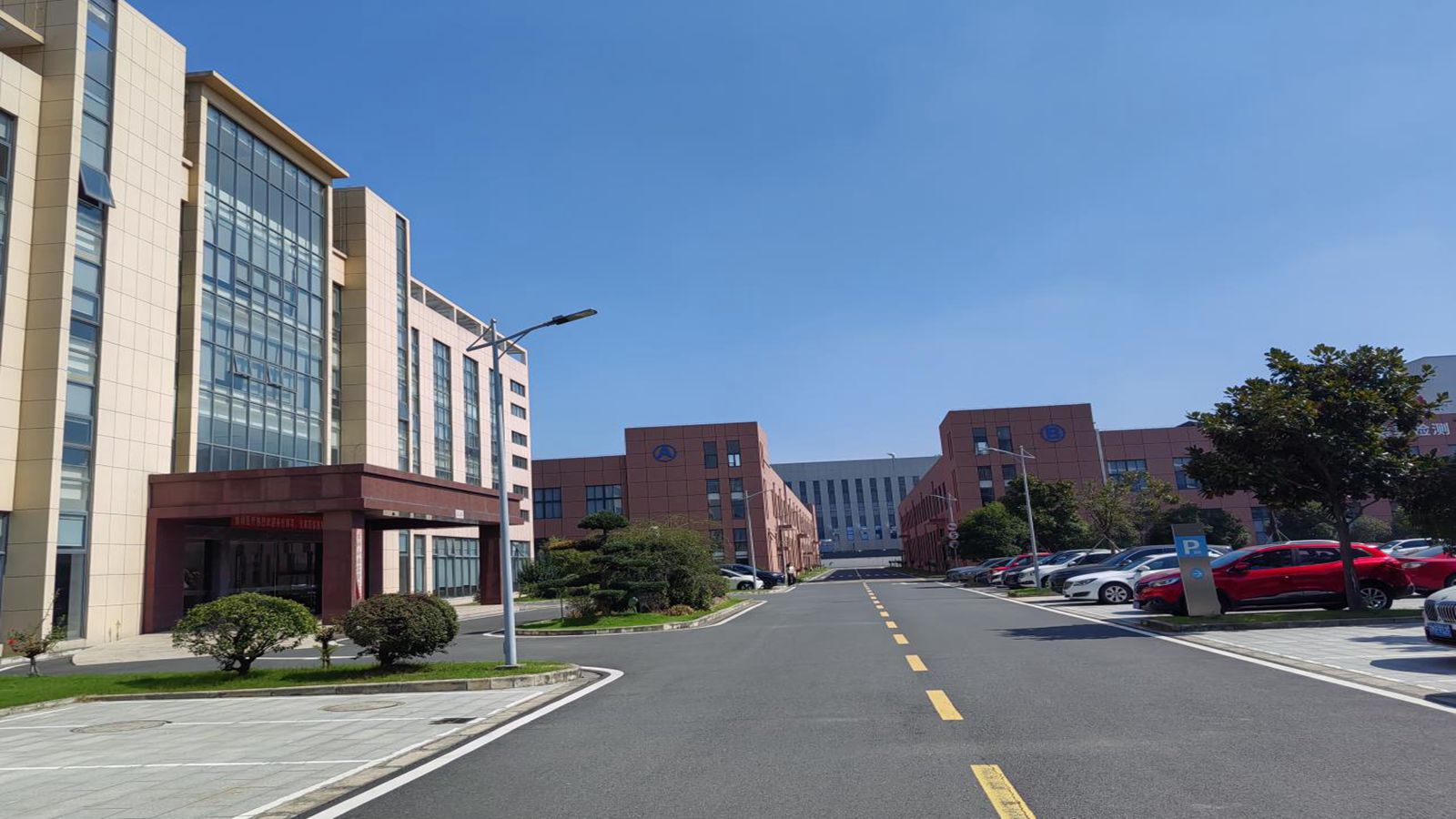
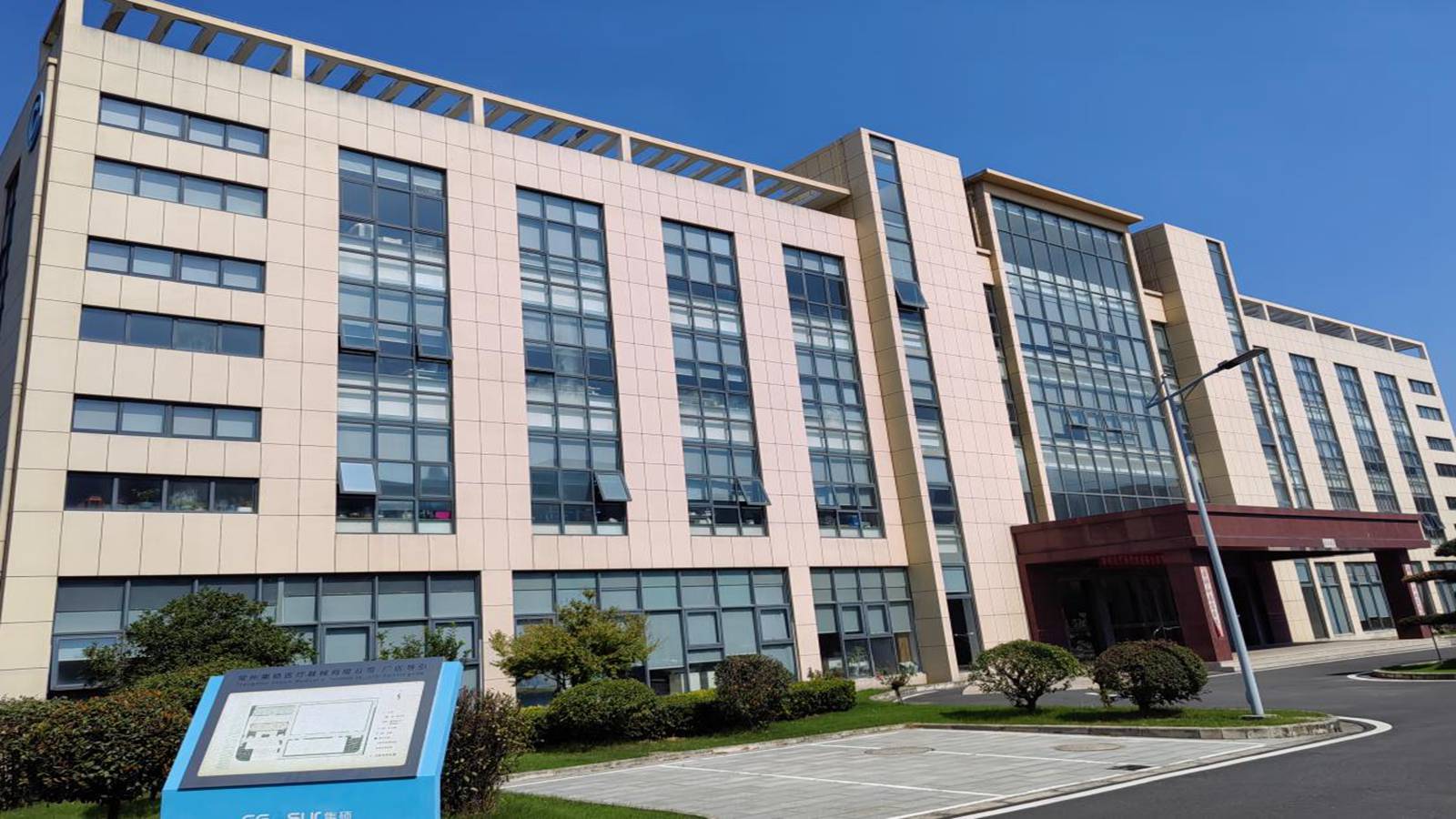
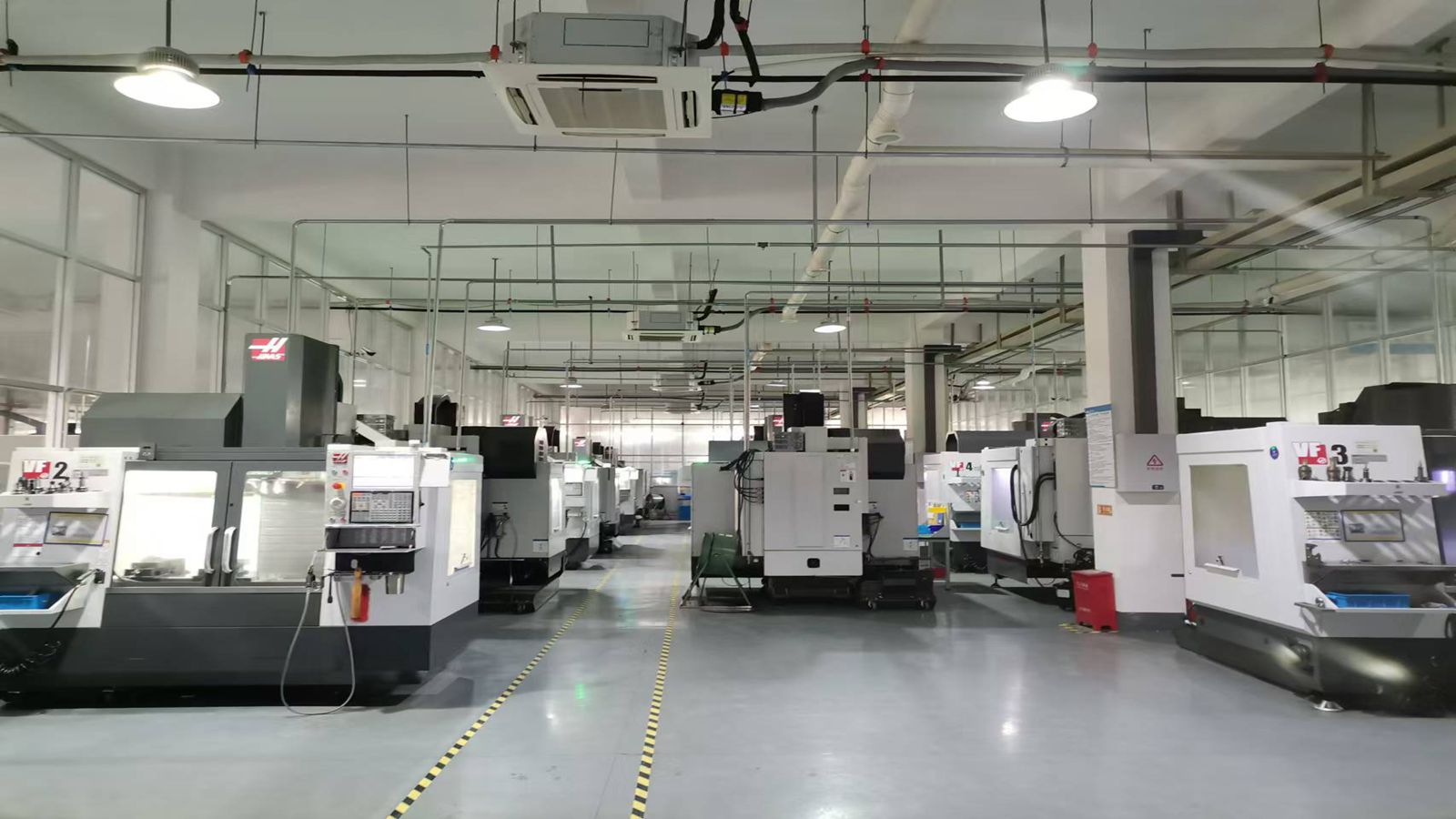
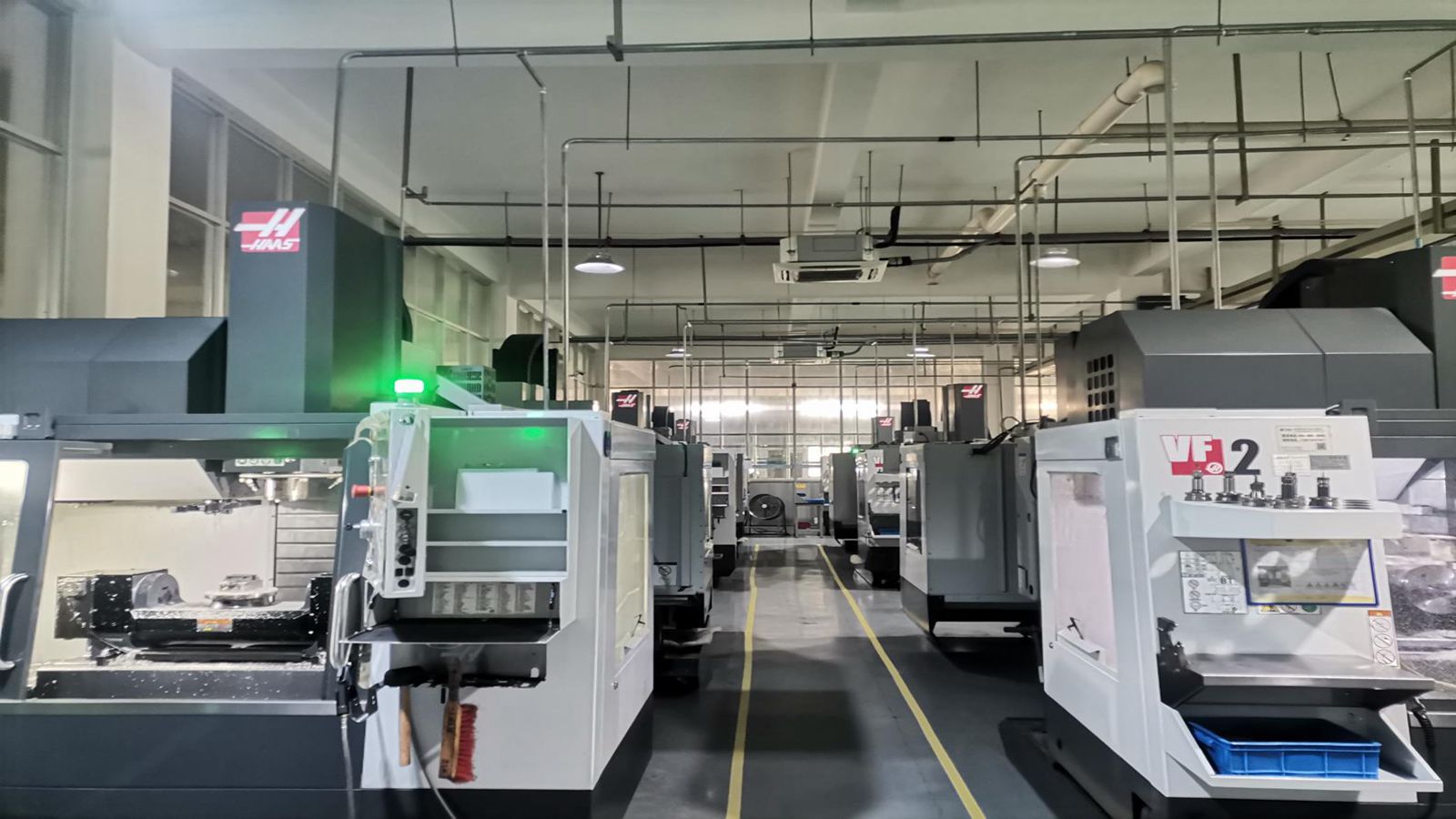
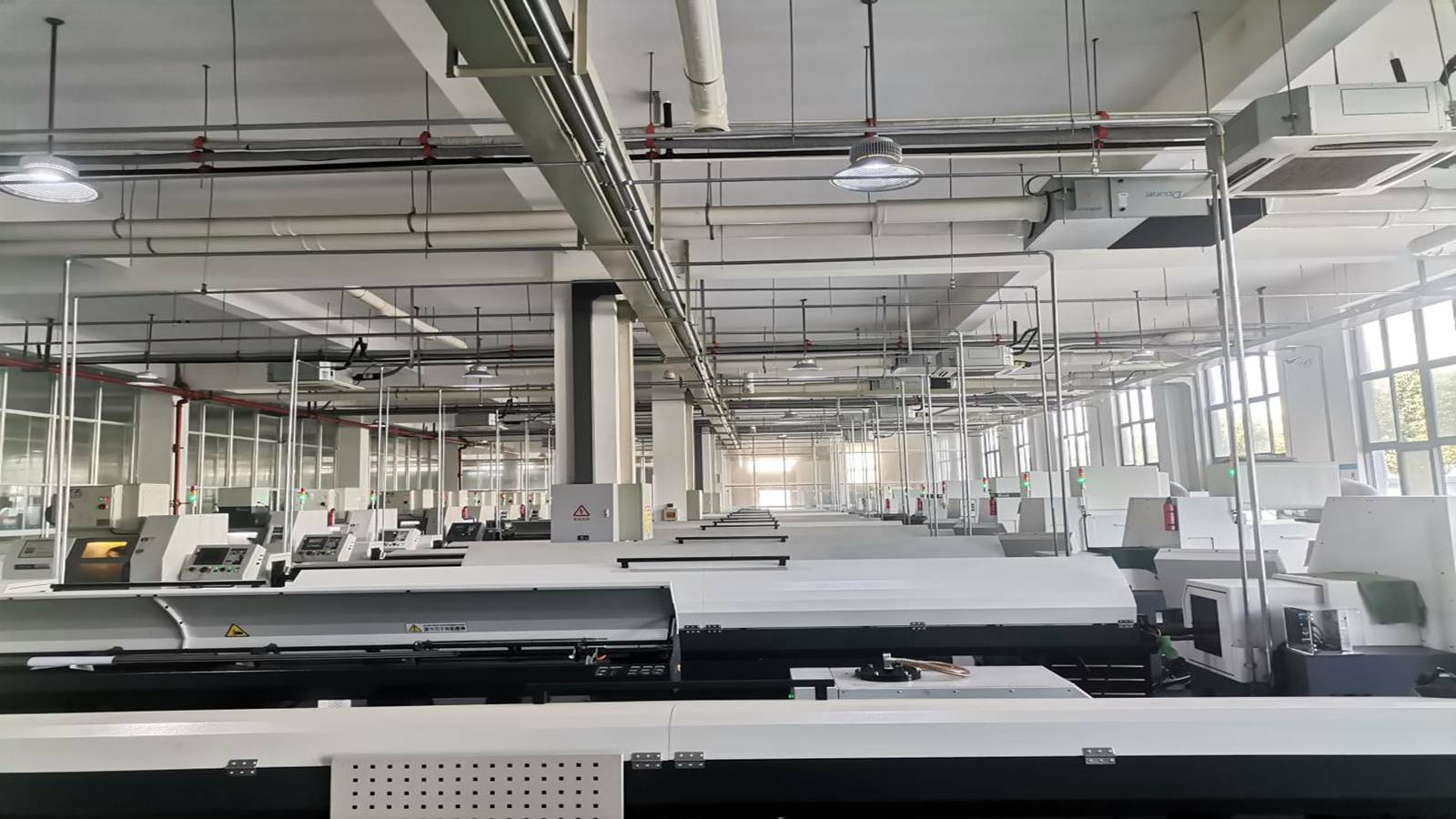
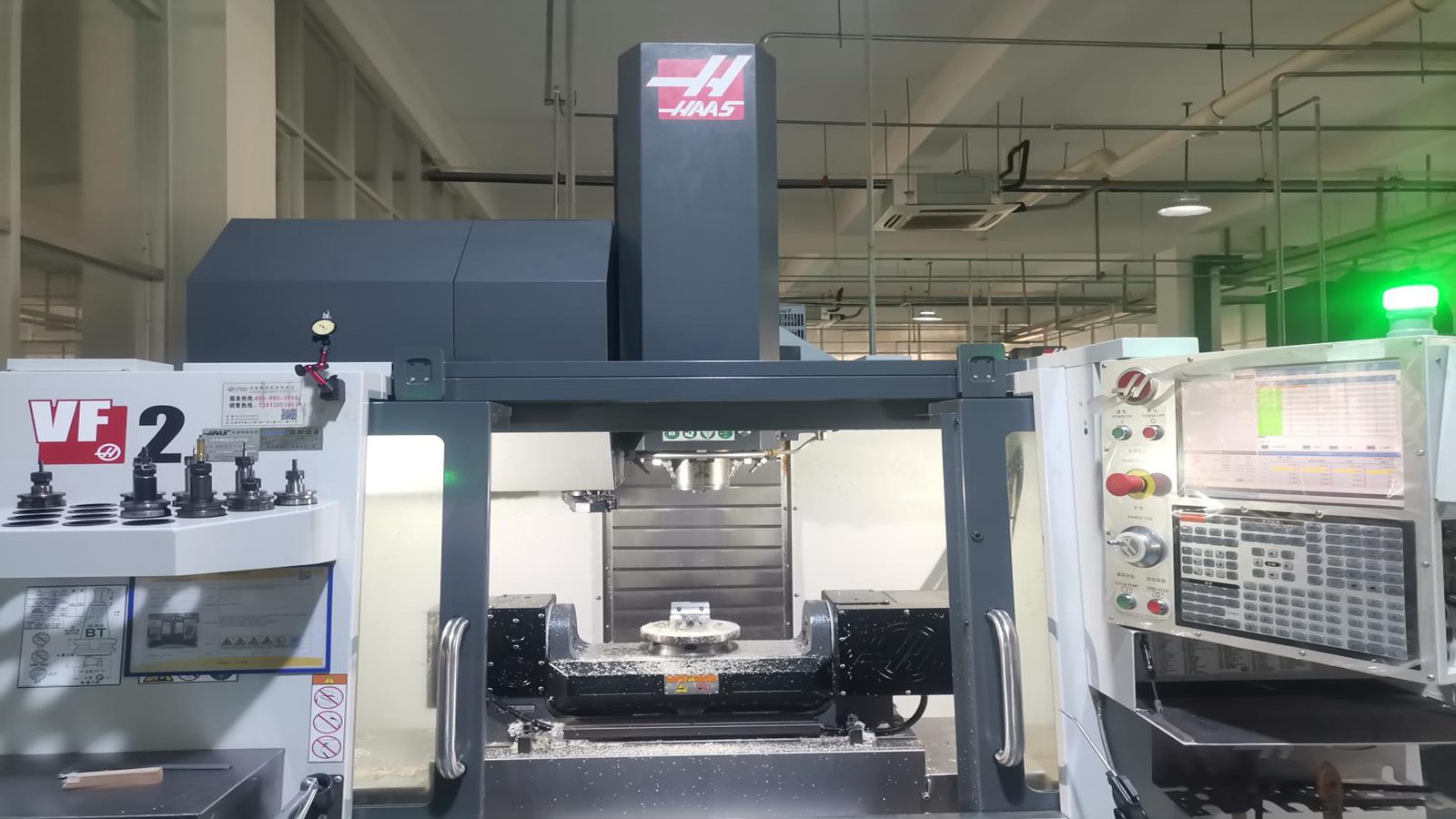
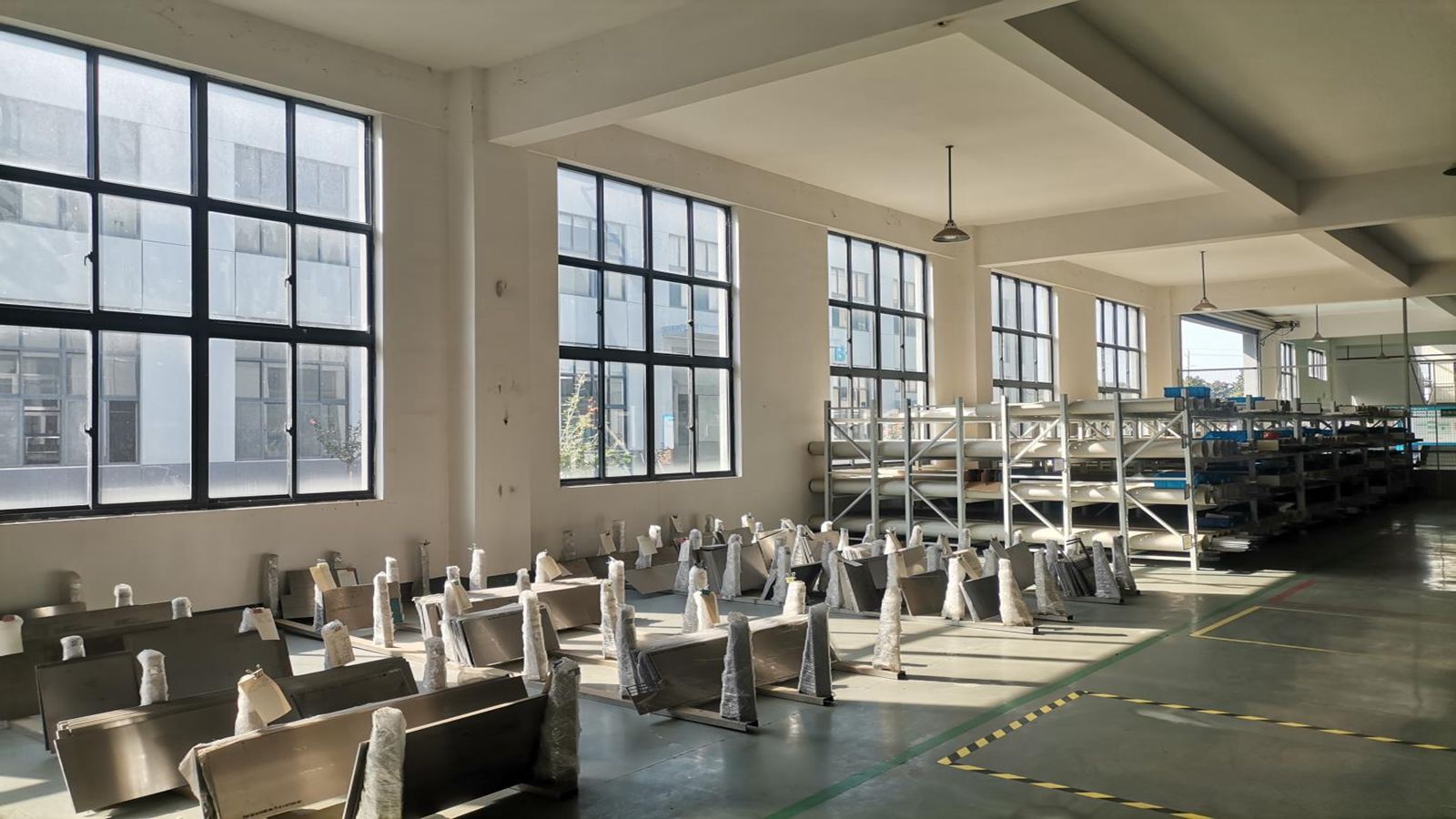
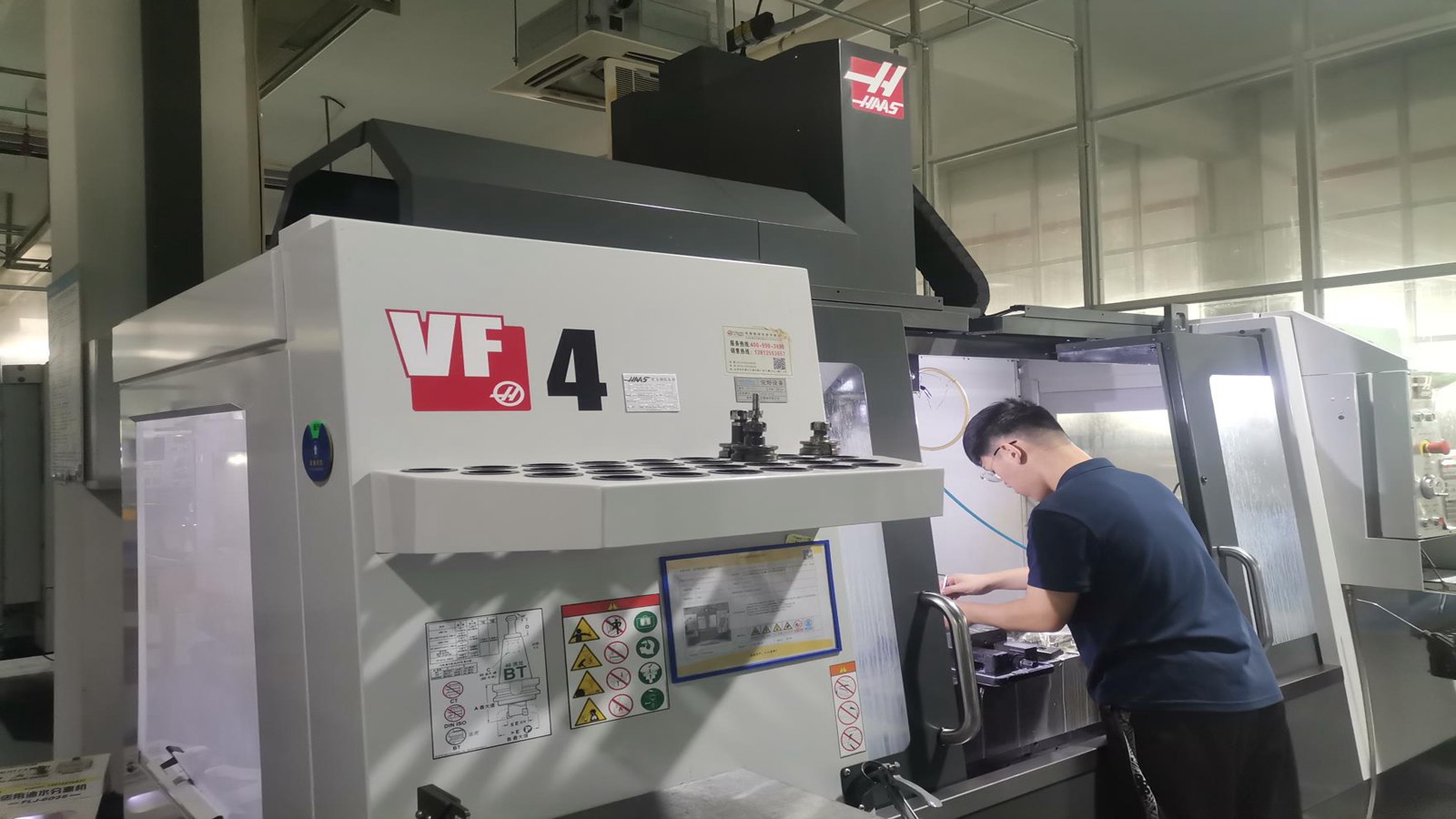
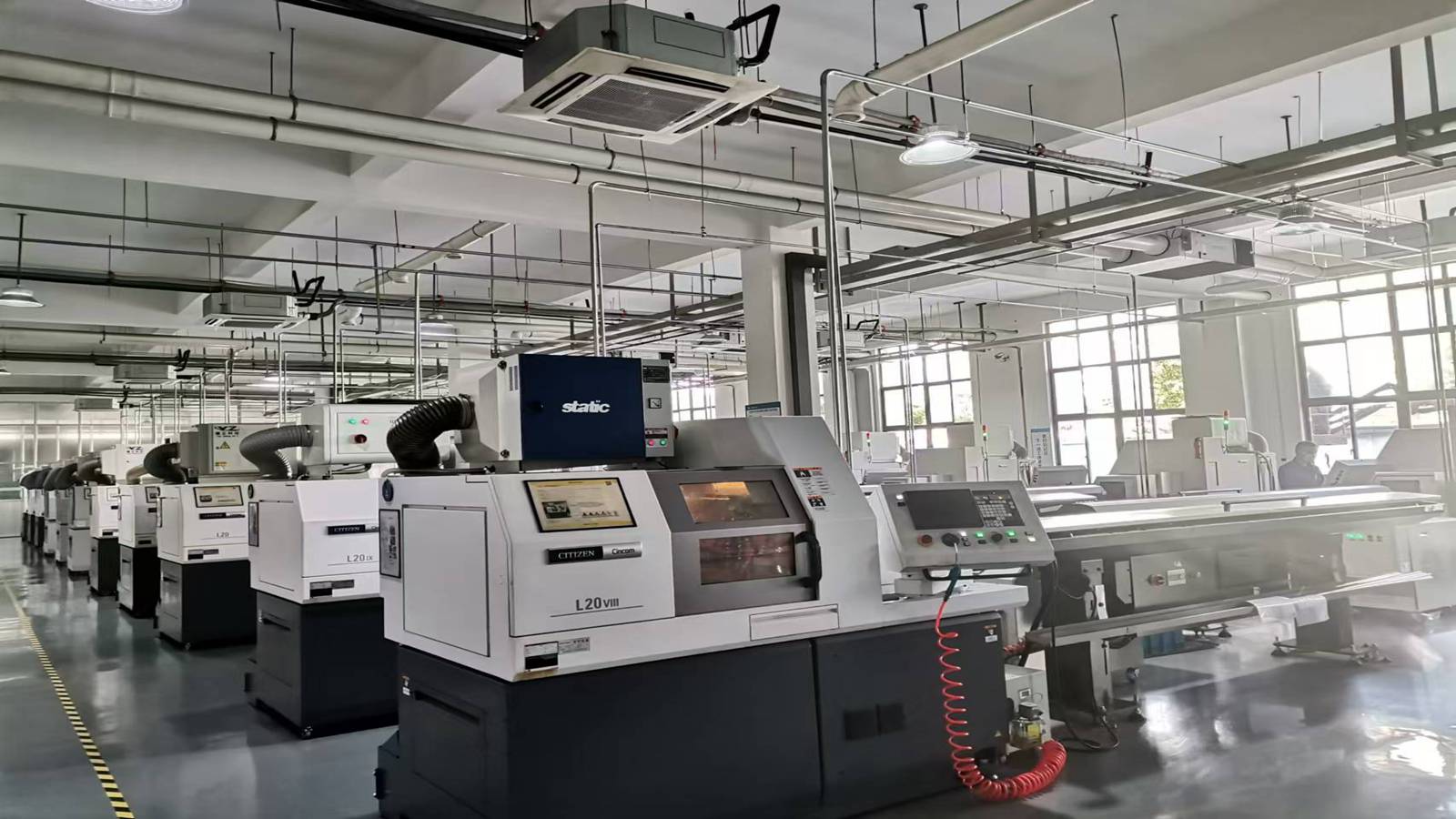
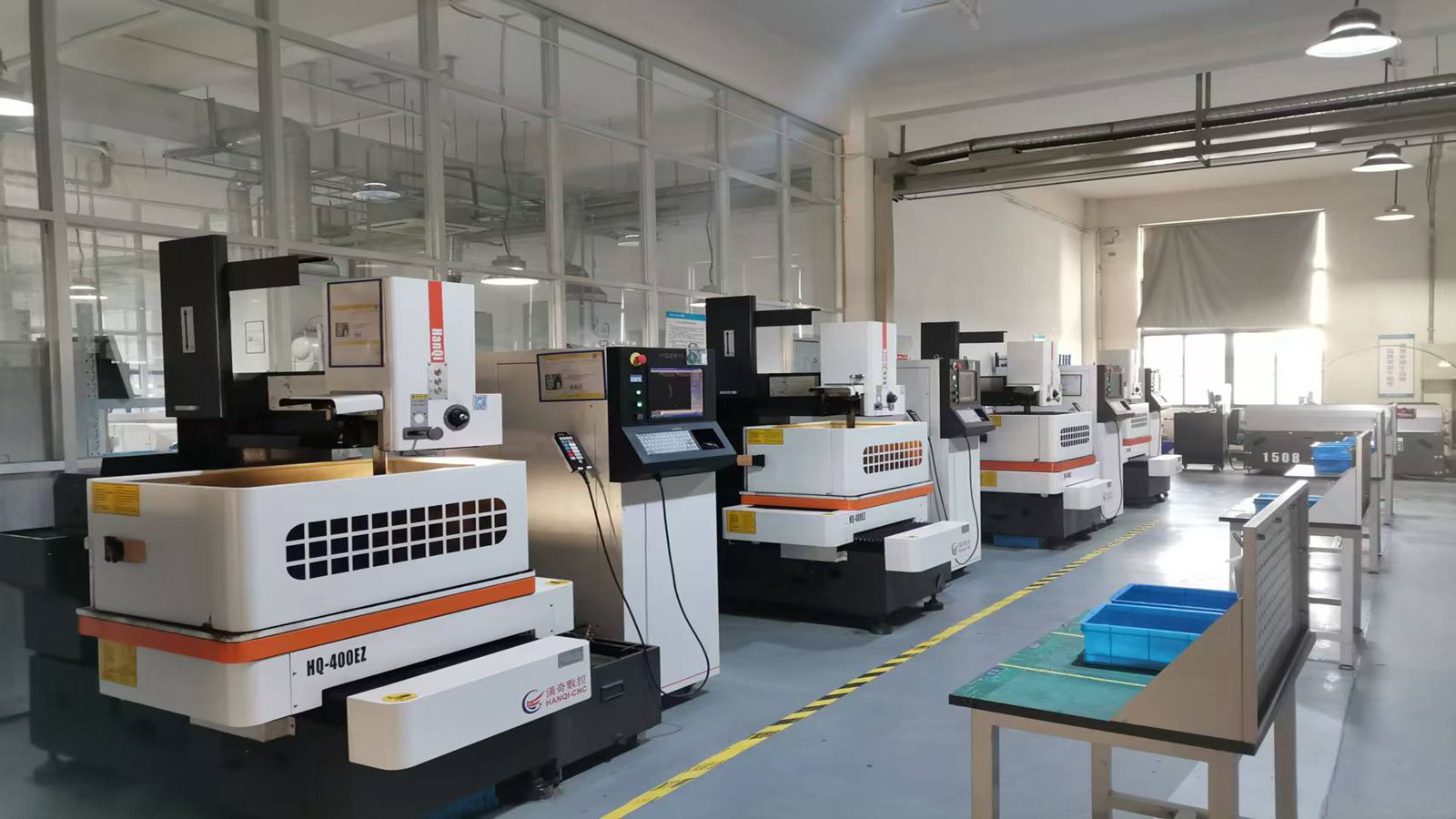
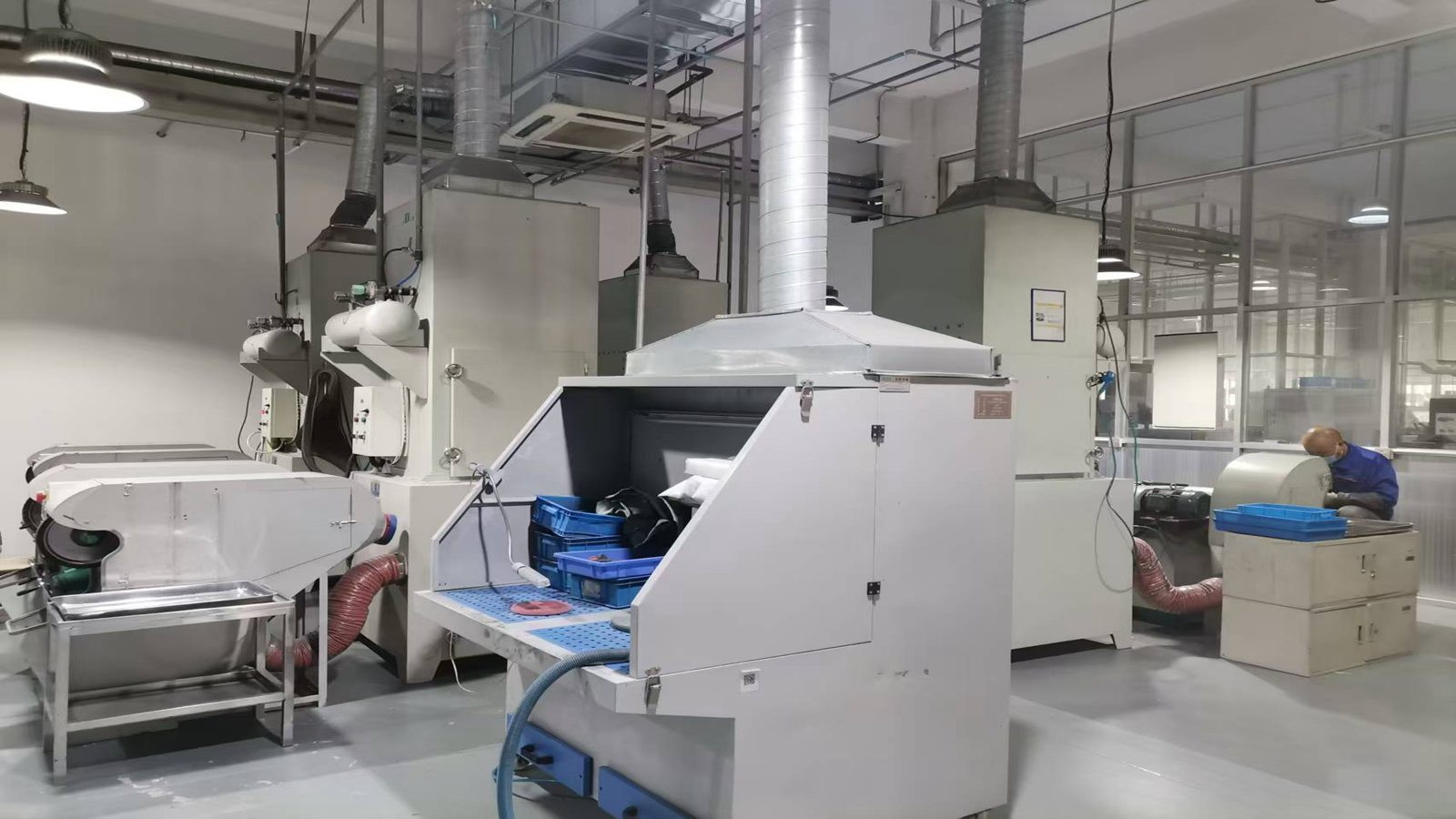
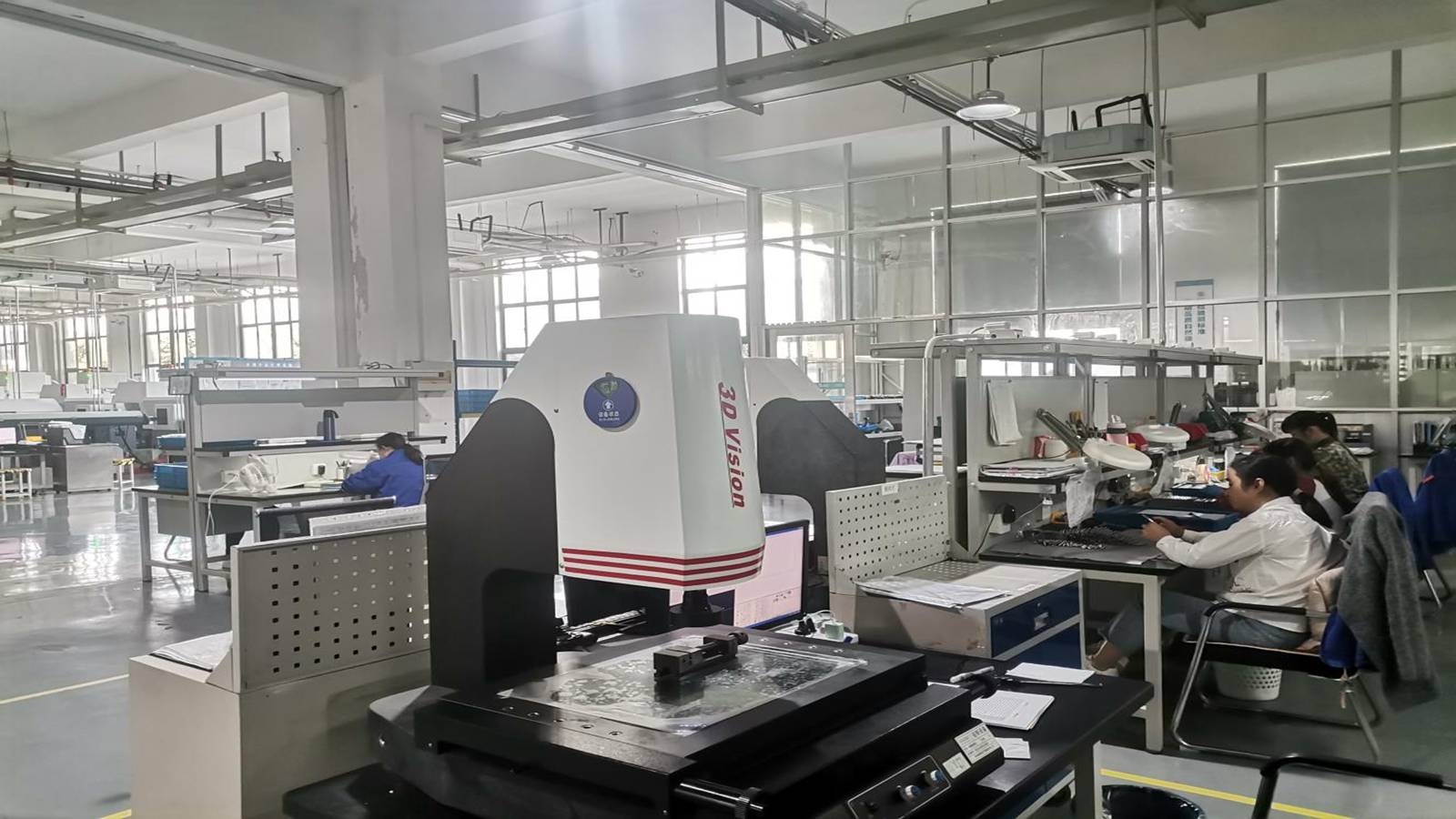
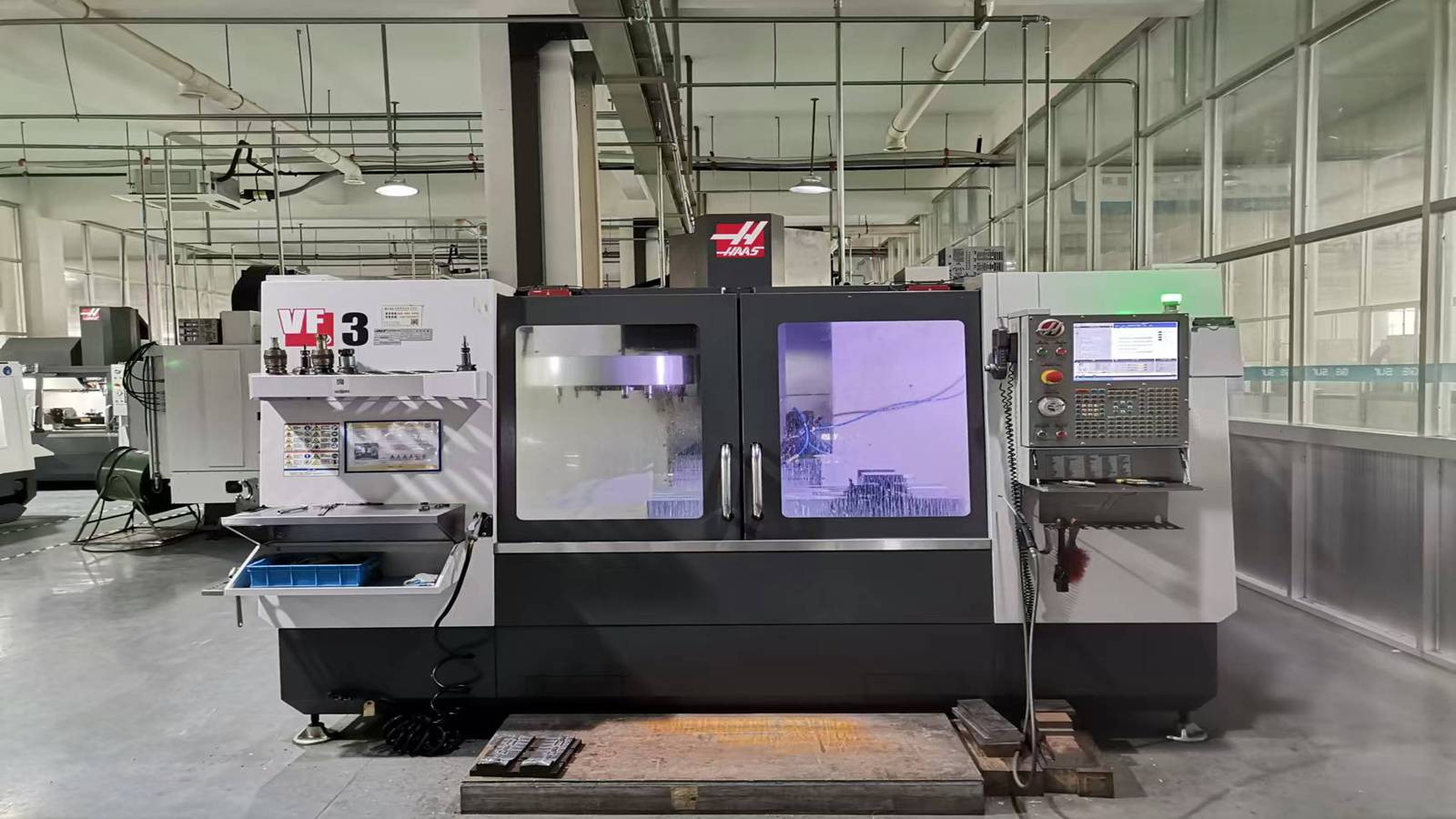
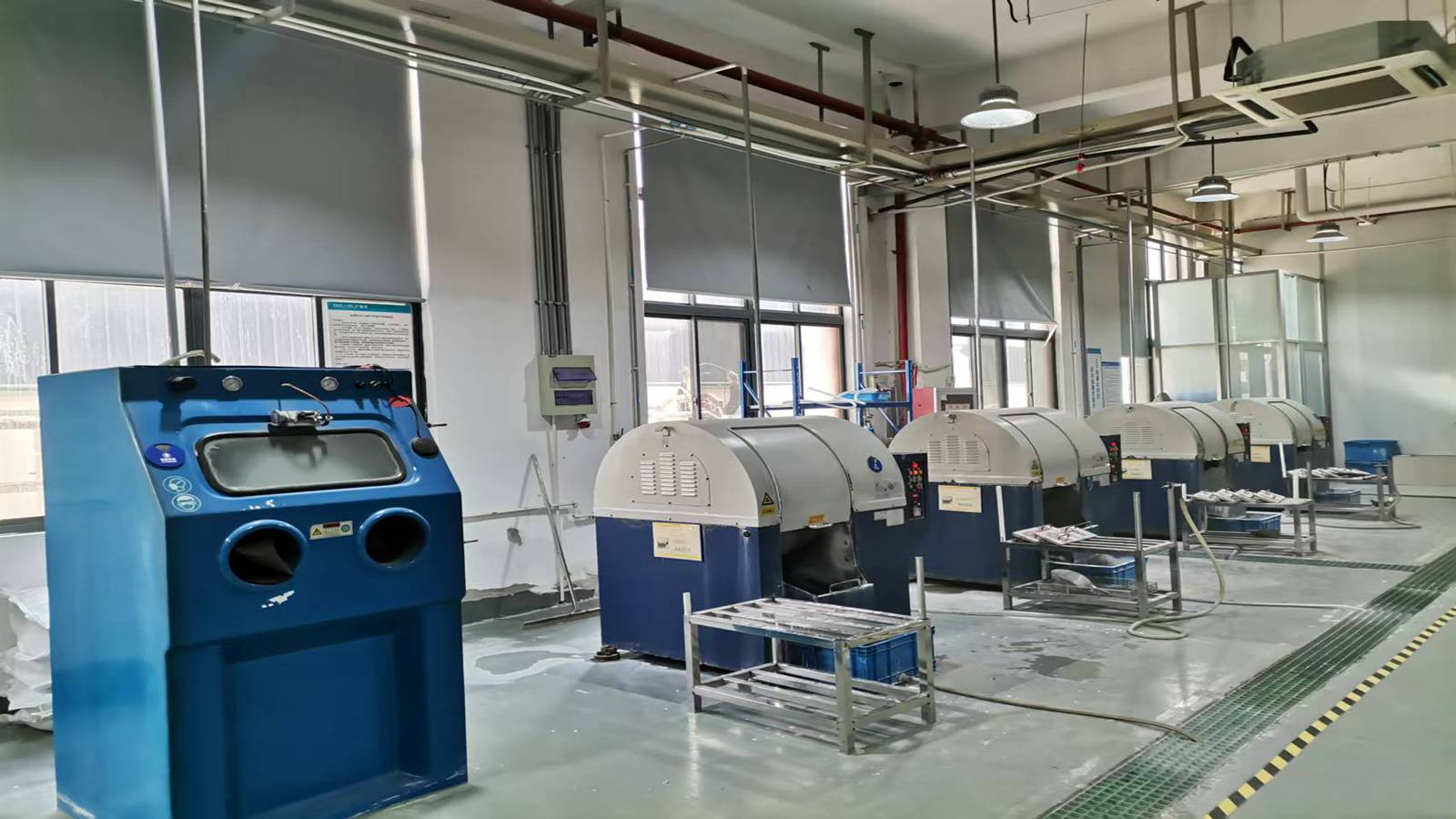
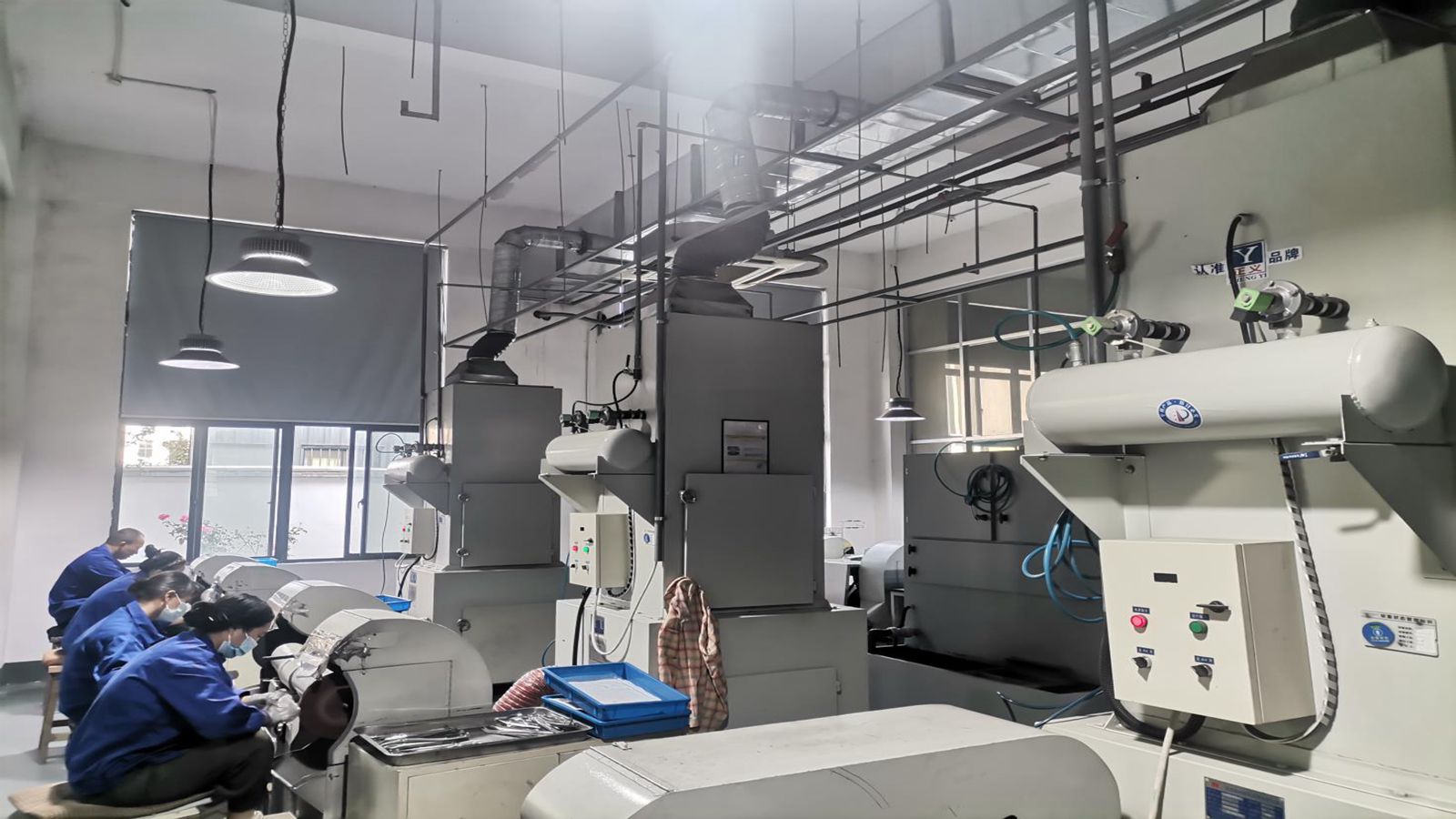
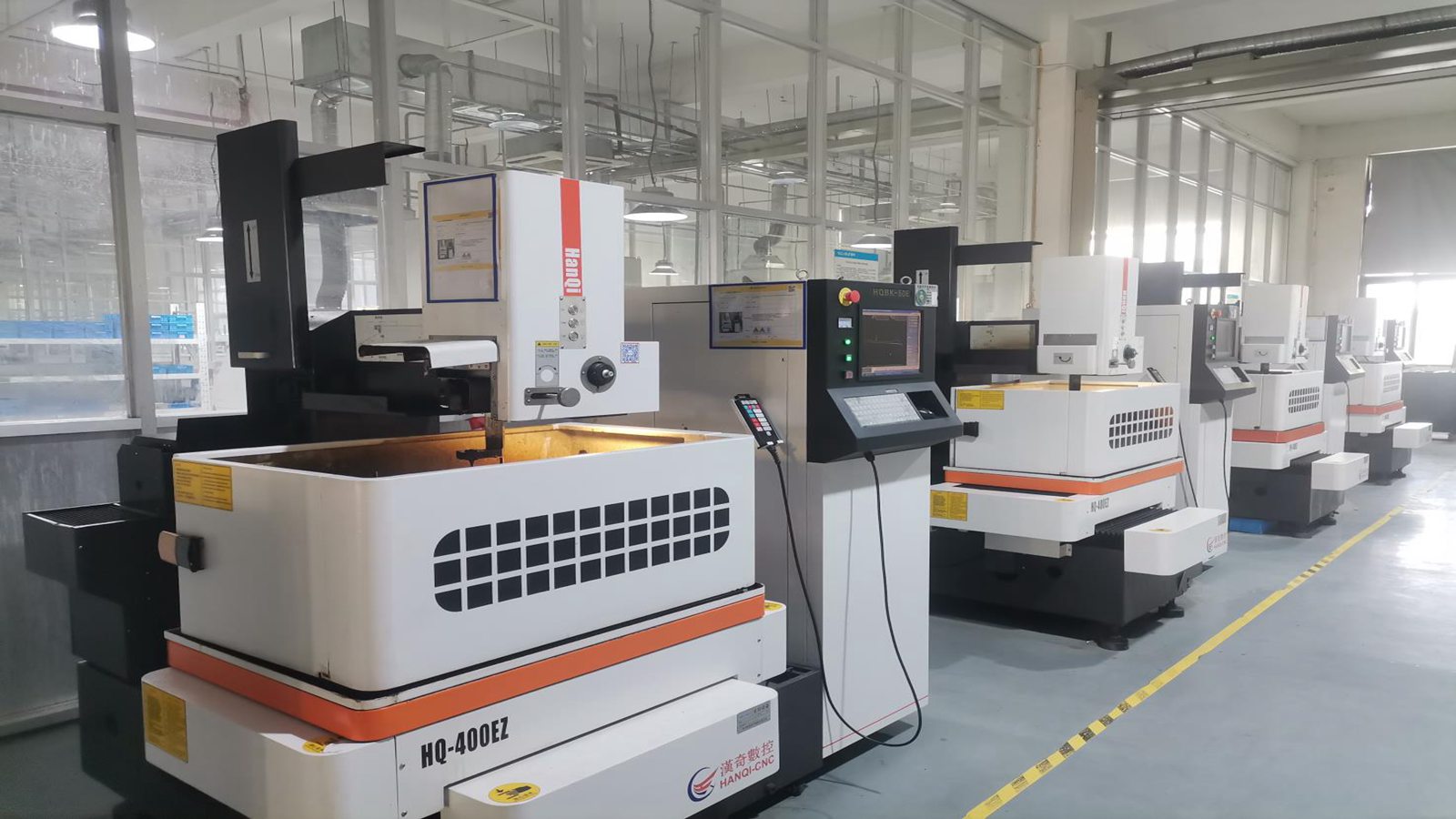
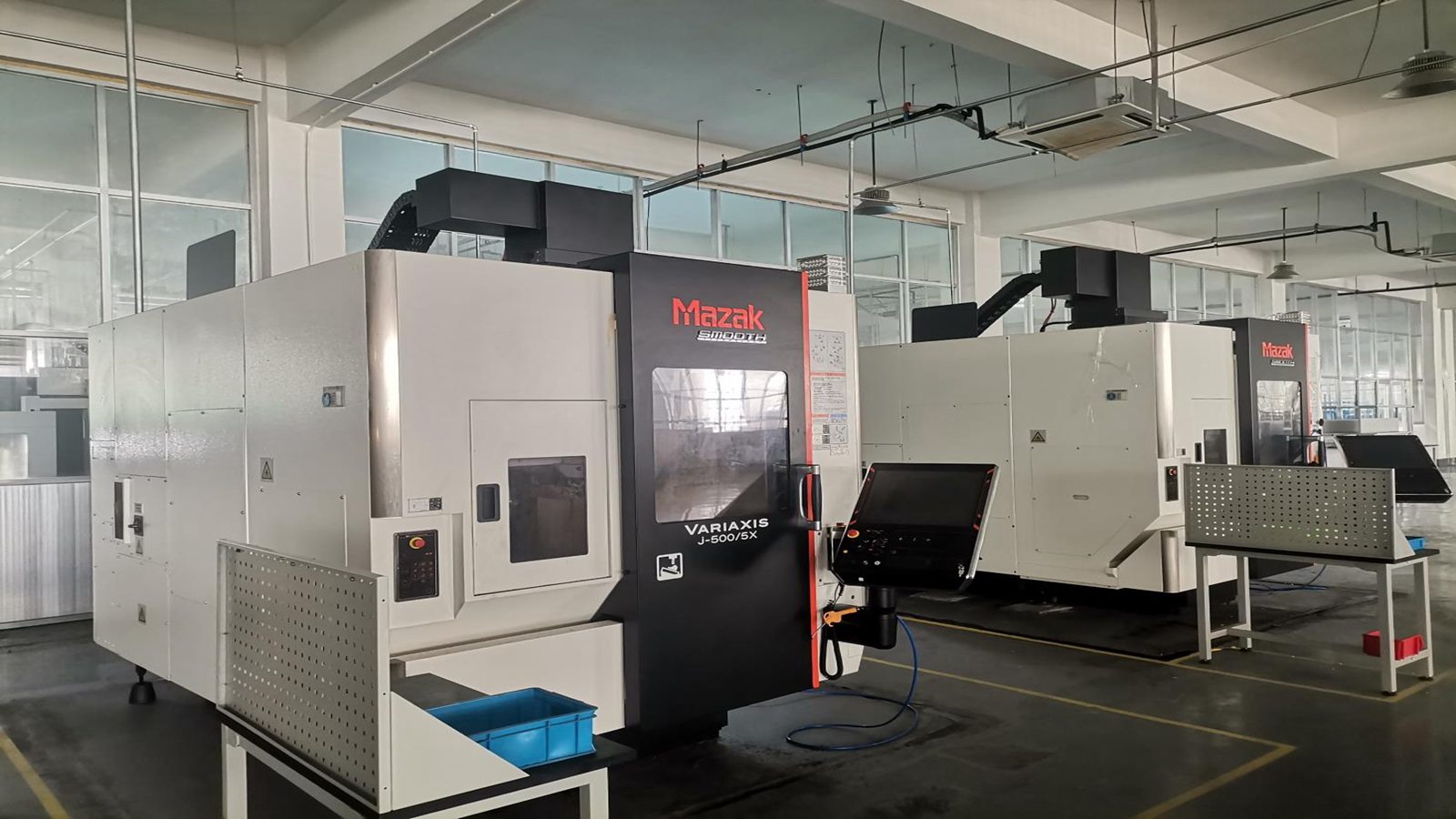
Operates across a 30,343 m² manufacturing facility, containing sterile environments and automated machining lines designed for medical devices.
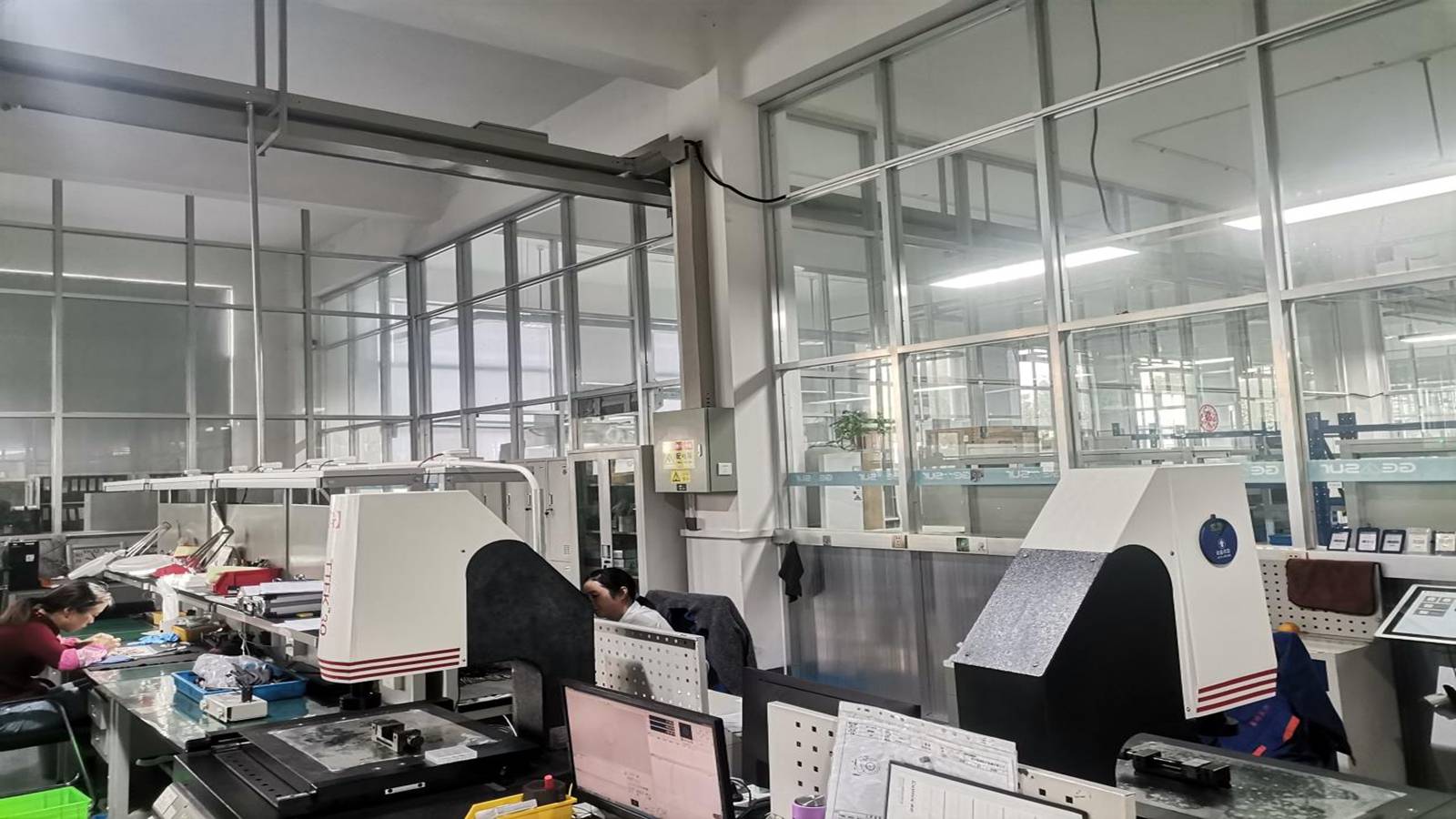
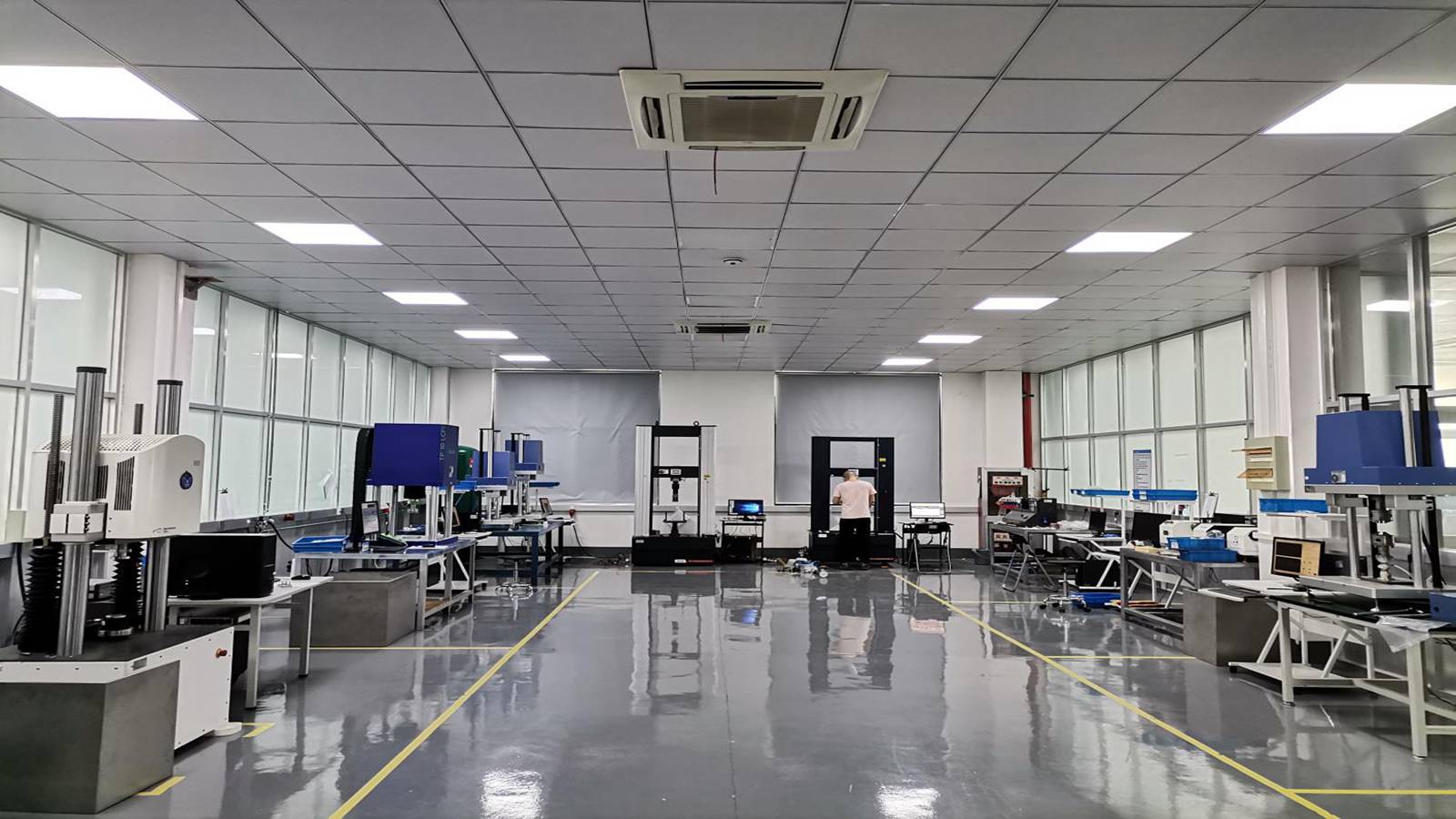
Staffed by 36 specialized QA/QC inspectors conducting end-to-end trace testing, batch sampling, and mechanical stress evaluations on critical implants.
Over 10 years of export history, shipping to Eastern Europe, Southeast Asia, and domestic health networks under strict international compliance models.
Analyzing chemical formulations, viscosities, and delivery profiles across clinical applications.
Bone cements are generally categorized by their viscosity profile during the mixing phase: low, medium, and high viscosity. Each variant serves specific clinical needs, from low-viscosity formulations designed for manual syringe perfusion in osteoporotic bone to high-viscosity options that allow immediate manual packing during total joint arthroplasty.
| Cement Type | Viscosity Profile | Polymerization Temp (Exotherm) | Primary Clinical Application | Radio-Opacifier Type | Antibiotic Compatibility |
|---|---|---|---|---|---|
| High-Viscosity PMMA | Immediate dough phase; long working window | < 90°C (optimized to limit necrosis) | Total Hip/Knee Arthroplasty (Manual application) | Barium Sulfate (BaSO4) or Zirconium Dioxide (ZrO2) | Gentamicin / Tobramycin Loaded options |
| Medium-Viscosity PMMA | Balanced fluid-to-dough transition | < 85°C | Joint arthroplasty with revision procedures | Barium Sulfate (BaSO4) | Broad-spectrum antibiotic loading |
| Low-Viscosity PMMA | Extended fluid phase for injection systems | < 82°C | Vertebroplasty (PVP) & Kyphoplasty (PKP) | Highly concentrated Barium Sulfate (approx. 30%) | Optionally loaded for specialized trauma cases |
| Calcium Phosphate Cements | Paste-like, non-polymeric setting | Isothermic (no thermal output) | Metaphyseal defect filling (Non-structural) | Inherent radiopacity | Rarely pre-loaded (highly biocompatible bone void filler) |
High-quality bone cement requires controlled liquid monomer (methyl methacrylate) and copolymer powder (polymethyl methacrylate/methyl acrylate). Maintaining low polymerization temperatures is critical to prevent thermal necrosis of surrounding bone tissue, while ensuring high mechanical strength (compressive strength exceeding the ISO 5833 minimum requirement of 70 MPa) is necessary for long-term implant stability.
For spinal applications, radiopacity is critical. Injectable cements utilize high-density radio-opacifiers to allow real-time fluoroscopic visualization during percutaneous kyphoplasty (PKP). This visualization helps prevent venous leakage or extravasation into the spinal canal.
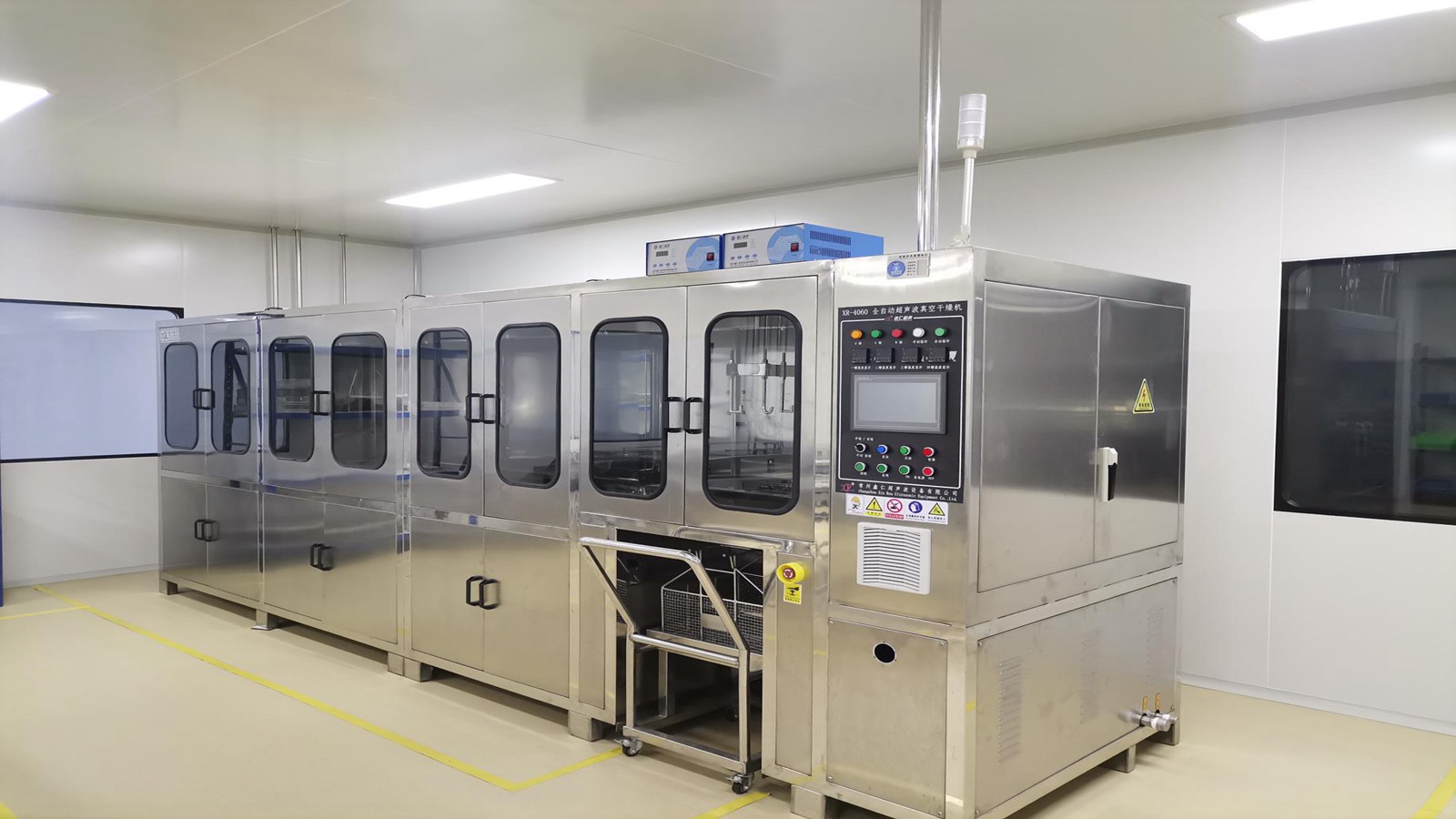
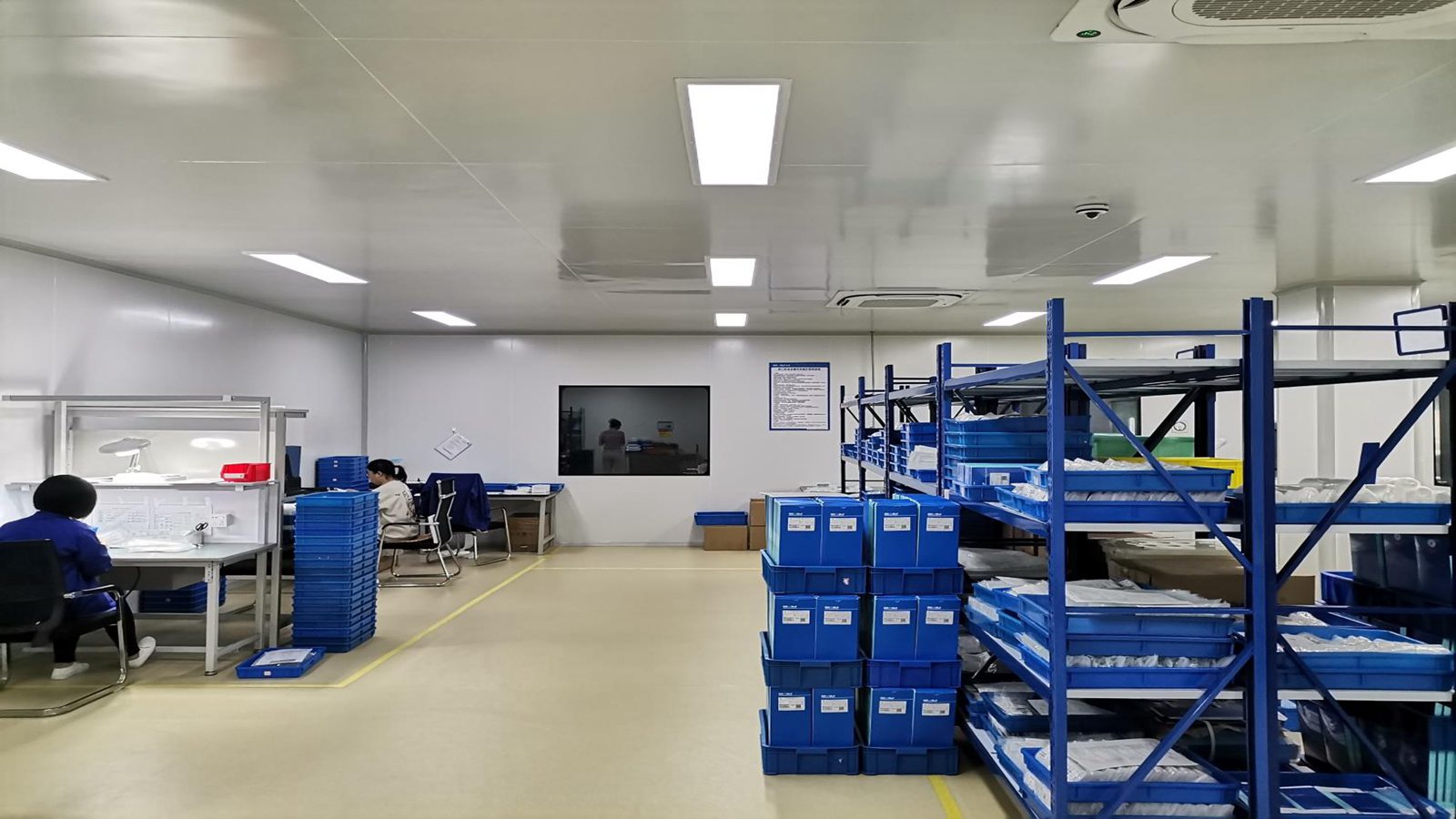
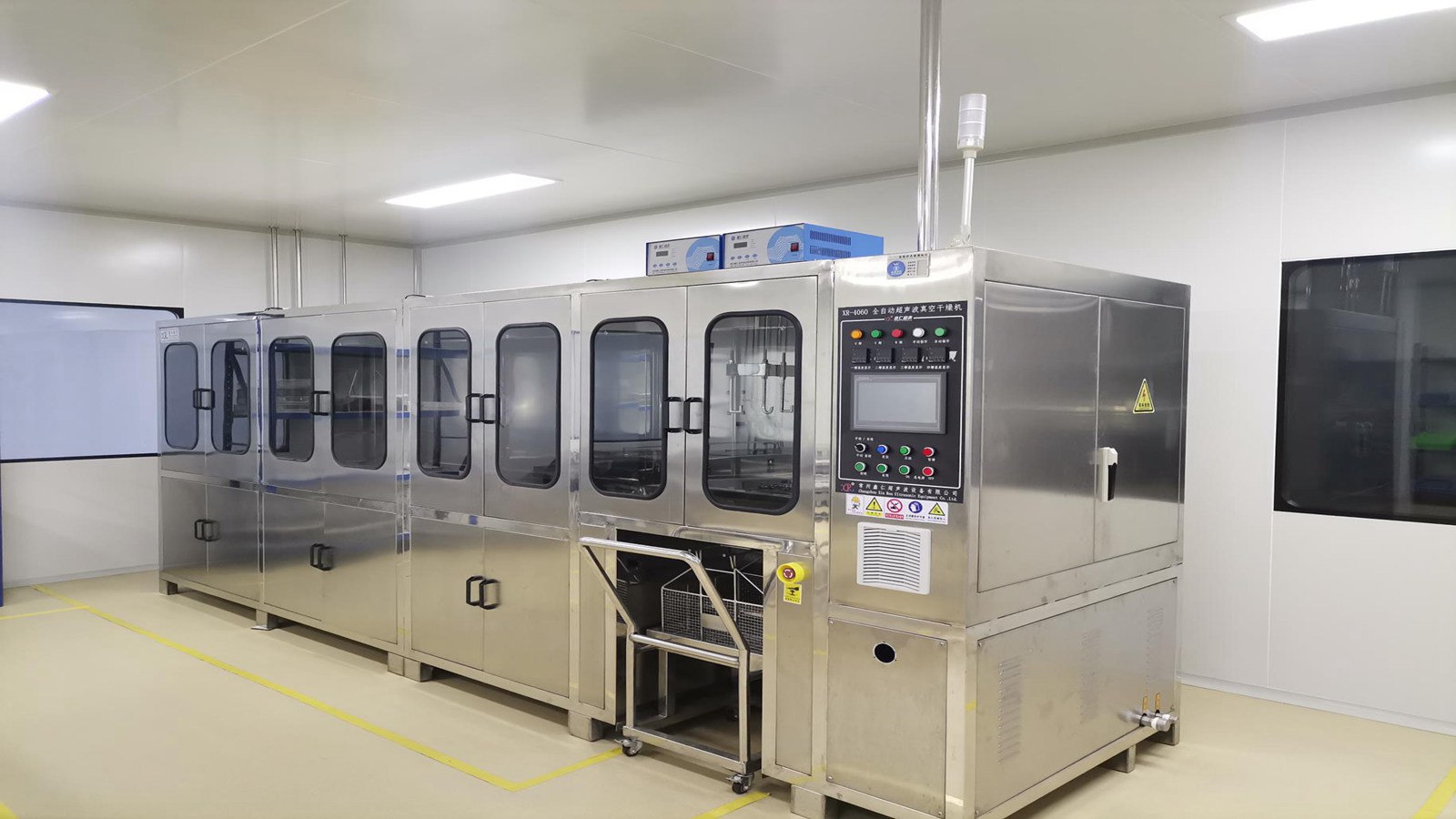
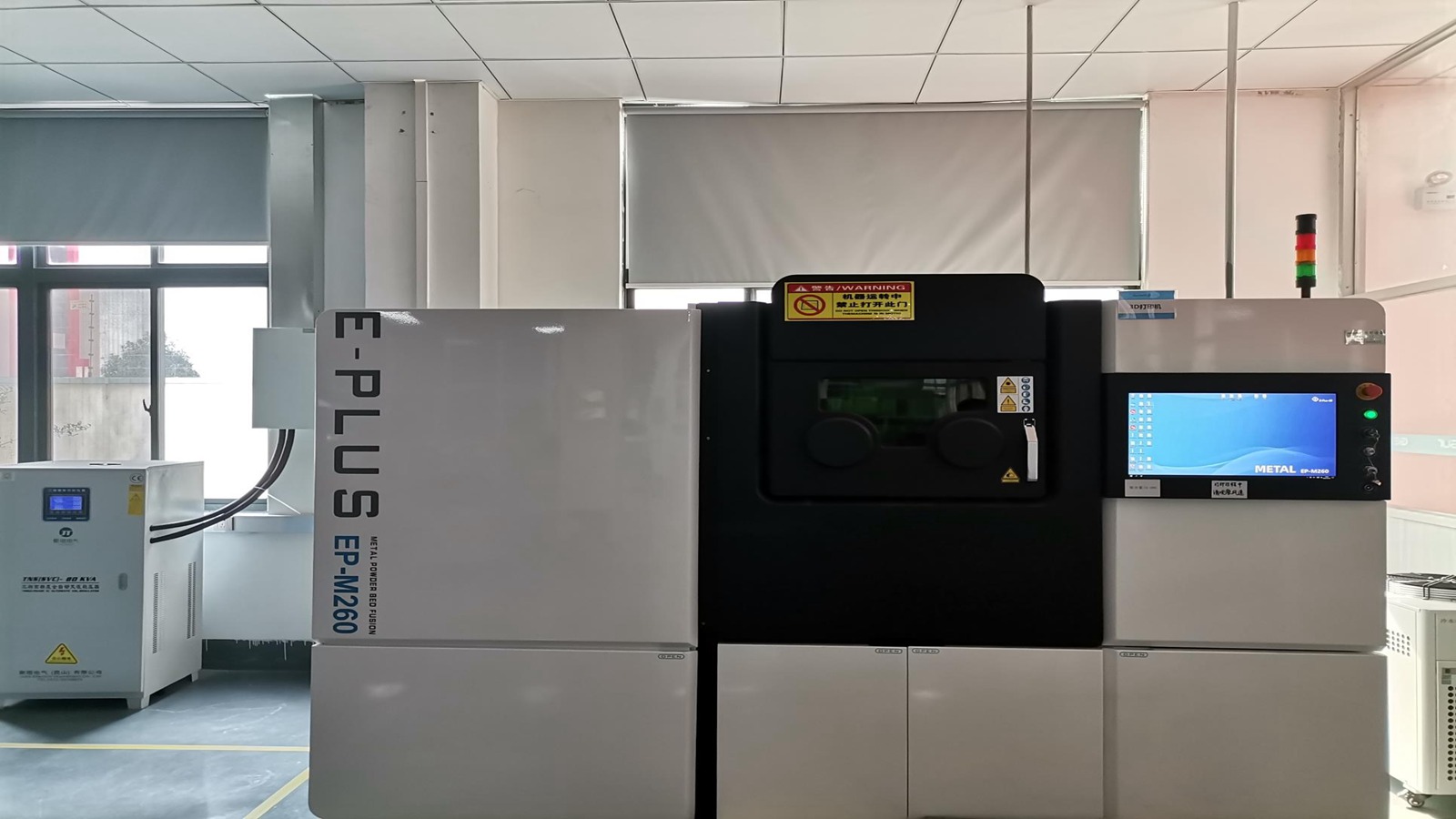
A closer look at the advanced manufacturing equipment and cleanrooms powering modern orthopedic production.
Our R&D team consists of 1 Doctorate, 11 Post-Graduates, 17 Graduates, and 2 Junior College specialists. They focus on formulation development, fatigue life verification, and biocompatibility testing.
Demonstrating compliance with global healthcare standards and regulatory frameworks.
International medical device procurement requires strict adherence to regional regulatory standards. When exporting Class III medical devices, manufacturers must provide complete technical documentation, raw material source tracking, biocompatibility validation (ISO 10993), and proof of sterile barrier integrity.
Certified under quality management system registrations 04723Q10000765 and EPT 25 ISO 13485 0067. This certification confirms that every stage, from material purification to sterile packaging, meets international medical device standards.
Certified under EPT 0477.MDR.25/5905, EPT 0477.MDR.25/5973, and EPT 0477.MDR.26/6113. This compliance status enables medical-grade products to be distributed throughout Europe and other markets that accept CE markings.
Registered under MDSAP certificate C730178, demonstrating system compliance with the regulatory requirements of multiple global markets, including the United States, Canada, Brazil, Japan, and Australia.
Optimizing procurement cycles, shelf life controls, and supply chain logistics for liquid-powder systems.
Because bone cement consists of a dry copolymer powder and a volatile liquid monomer (methyl methacrylate, or MMA), logistics planning must account for specific handling requirements. MMA monomer is flammable and sensitive to temperature fluctuations, which can trigger premature polymerization. Our logistics teams coordinate refrigerated transport options and use custom-engineered vapor-barrier packaging to maintain product stability during long-distance shipping.
For orthopedic implant brands and medical distributors, we offer tailor-made customization services:
Addressing common questions from clinical buyers, biomedical engineers, and regulatory managers.
Standard PMMA bone cement has a shelf life of 3 to 5 years, depending on the packaging system and antibiotic content. The liquid monomer should be stored between 15°C and 25°C, away from direct sunlight and heat sources, to prevent premature polymerization.
We adjust the ratio of PMMA homopolymer to copolymer and regulate the concentration of the chemical initiator (Benzoyl Peroxide) and activator (DMPT). This calibration keeps the setting temperature below 90°C, helping to prevent bone tissue necrosis while maintaining curing times that fit surgical workflows.
Yes. As a CE MDR certified manufacturer, we provide detailed Clinical Evaluation Reports (CER), biocompatibility study datasets (ISO 10993), chemical characterization profiles, and mechanical test results (ISO 5833) to assist with local regulatory registrations.
Minimum Order Quantities (MOQ) depend on the level of customization. Packaging modifications (custom printing) typically require an MOQ of 1,000 units, while customized chemical formulations require technical review and higher minimum volumes to cover pilot run validations.
Overviewing our current cleanroom protocols, quality steps, and biomaterial development roadmap.
Our production facilities operate cleanrooms built to ISO Class 5 and Class 7 standards, helping to prevent particulate and endotoxin contamination. Modern bone cement processing requires tight control over ambient humidity and temperature to prevent moisture absorption in the powder phase, which can compromise polymerization properties.
Our R&D division focuses on three primary development areas:
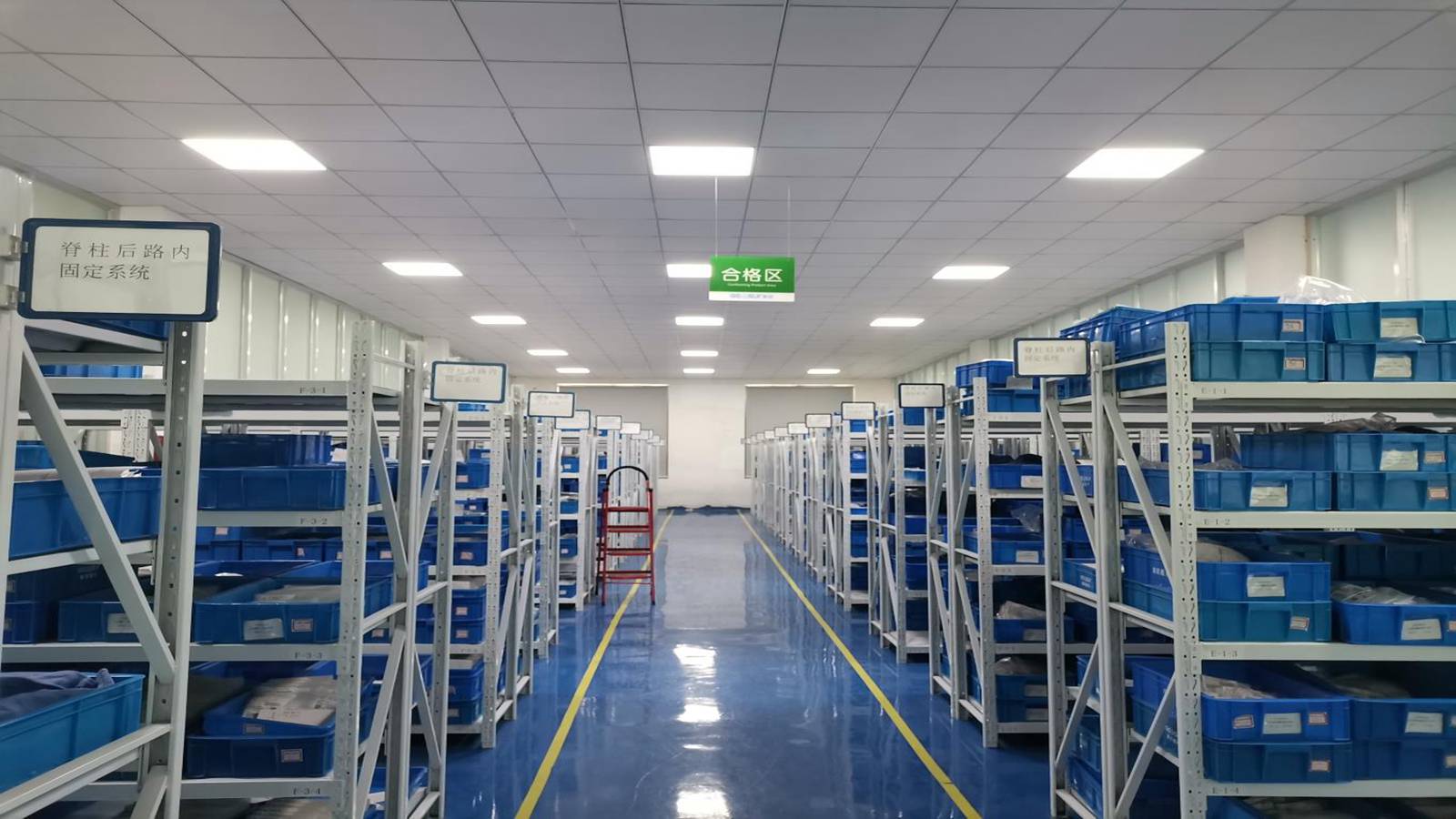
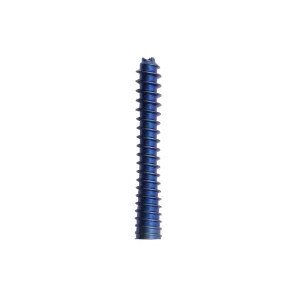
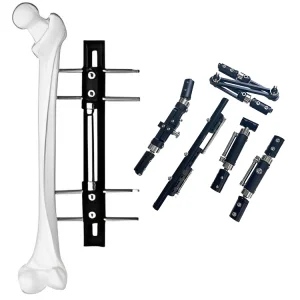
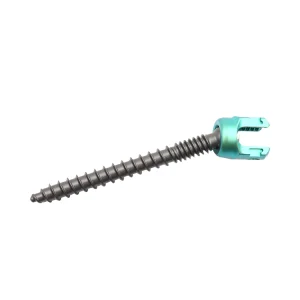
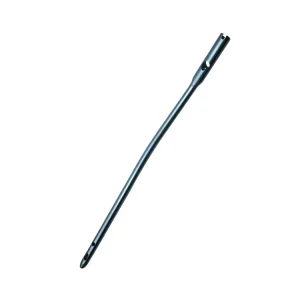
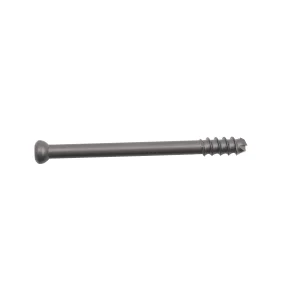
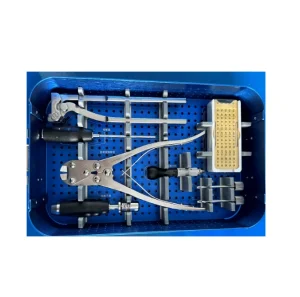
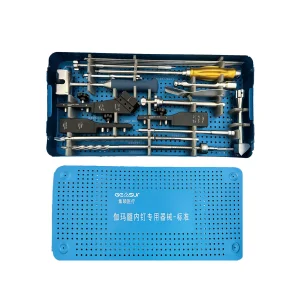
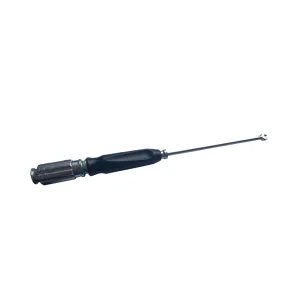
Medical-grade titanium alloys, specialized fixation screws, and surgical instrument kits designed for clinical procedures.