 Ease Medical Apparatus And Instruments
Ease Medical Apparatus And Instruments
Ease Medical Apparatus And Instruments
Choosing the right pedicle screw is crucial for successful spinal surgeries. According to a report by the International Spine Study Group, the proper selection of pedicle screws can improve surgical outcomes by over 30%. Dr. Michael Chen, a leading orthopedic spine surgeon, emphasizes, “The choice of pedicle screw must align with the anatomical and biomechanical needs of each patient.”
In the evolving field of spinal surgery, understanding the nuances of pedicle screw design is vital. Various factors influence the decision, such as screw material, diameter, and thread pitch. Not every screw fits every patient. For instance, a report from the Global Spine Journal indicates that surgeons often face challenges in matching screws with varied spinal anatomy.
Therefore, meticulous evaluation of patient-specific factors is essential. A misaligned choice can lead to complications and can adversely affect recovery. Ensuring the appropriate selection calls for experience and specialized knowledge in the anatomy of the spine. Continuous education and adaptation to new advancements in pedicle screw technology remain critical for better patient outcomes.
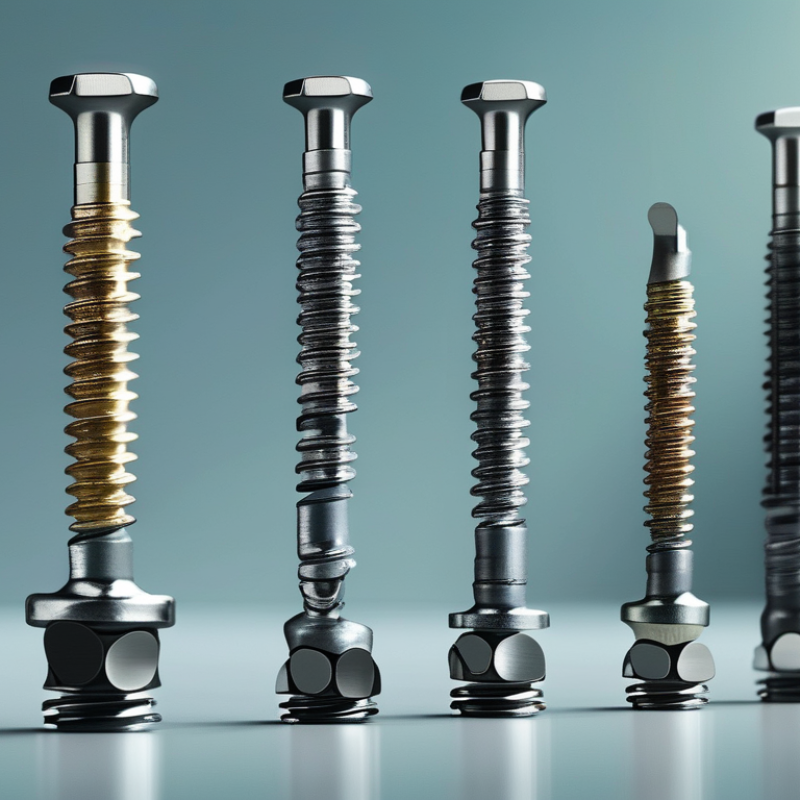
When selecting a pedicle screw, it’s essential to understand the various types available. Pedicle screws can be made from different materials, such as titanium and stainless steel. Each material has unique properties, impacting strength and compatibility with the body.
Screw designs also vary, including cannulated, fenestrated, and solid types. Cannulated screws allow for easier insertion. Fenestrated screws provide enhanced bone grafting opportunities. Solid screws are robust and often preferred in complex cases. Consider your specific medical needs when choosing a screw type.
Tips: Always consult with a specialist before making decisions. Their expertise can guide you toward the best option. Look into the potential risks associated with various materials, as some patients may have different sensitivities. Pay attention to how each design interacts with the anatomy involved. Understanding these details may influence your choice significantly.
| Type of Pedicle Screw | Material | Diameter (mm) | Length (mm) | Indications |
|---|---|---|---|---|
| Standard Pedicle Screw | Titanium Alloy | 4.5 | 40-60 | Lumbar Fusion |
| Cannonical Pedicle Screw | Stainless Steel | 5.0 | 30-50 | Scoliosis Correction |
| Fenestrated Pedicle Screw | Titanium | 6.0 | 50-70 | Bone Grafting |
| Expandable Pedicle Screw | Carbon Fiber | 5.5 | 40-80 | Complex Cases |
| Polyaxial Pedicle Screw | Titanium Alloy | 4.5 | 35-65 | Stabilization |
: Pedicle screws can be made from titanium and stainless steel. Each has unique properties affecting strength and body compatibility.
Cannulated screws allow easier insertion. Fenestrated screws enhance bone grafting. Solid screws are robust, often used in complex cases.
Specialists provide expertise in screw selection. They help guide patients toward the safest, most effective options based on individual needs.
Patient anatomy, bone density, and the surgical procedure are vital in choosing the appropriate screw size and type.
Osteoporosis or low bone density requires careful assessment. Larger screws may improve stability in patients with compromised bone quality.
Larger diameter screws enhance anchorage but can damage adjacent structures. Biomechanical performance is crucial for surgical outcomes.
Reports suggest a 20% failure rate in some screw types within the first year. Ongoing education is essential for improvement.
Over 30% of screw misplacements arise from incorrect sizing. This highlights the need for accurate assessment prior to surgery.
Titanium has superior fatigue strength. Stainless steel may degrade in high-stress environments, leading to potential complications.
Yes, certain designs may enhance stability but complicate removal or increase soft tissue injury. Balancing safety is crucial.
When choosing the right pedicle screw for surgical needs, it is essential to understand the various types available in the market. The choice of material, primarily titanium versus stainless steel, plays a significant role in the screw's performance, durability, and compatibility with the human body. Additionally, factors such as the size of the pedicle screw must be carefully considered to ensure optimal fit and stability during the procedure.
Evaluating the biomechanical performance of pedicle screws is crucial for determining their effectiveness in various surgical approaches. Furthermore, considerations regarding cost-effectiveness and long-term outcomes should influence the decision-making process to ensure that the selected pedicle screw not only meets immediate surgical needs but also contributes to successful patient recovery in the long run.
